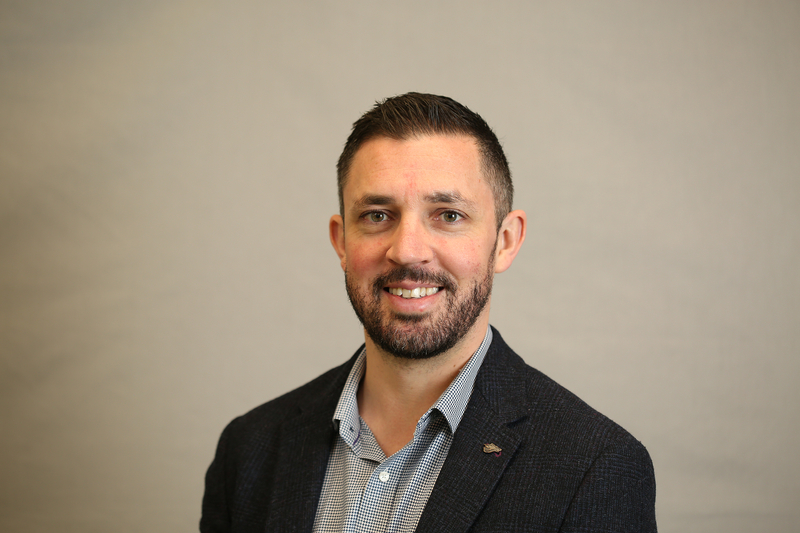
Juan Miguel Ortega Herráez is a Full Professor at the University of Alicante's Department of Translation and Interpreting. He holds a PhD in Translation and Interpreting from the University of Granada and previously served as a staff interpreter for the Madrid Regional High Court of Justice and National Police Service. His academic roles include coordination of the Doctoral Programme in Translation Studies and direction of multiple educational innovation projects. Professor Ortega's research focuses on legal and court interpreting, interpreter training methodologies, and multilingual communication in justice systems. His work examines the professionalization of legal interpreters, quality standards in judicial settings, and innovative pedagogical approaches for interpreter education. Key research areas include: Development of specialized training resources for gender-based violence contexts Analysis of interpreter-mediated communication in healthcare environments Implementation of EU directives on linguistic rights in judicial proceedings His scholarly output demonstrates sustained focus on practical applications of interpreting theory, with recent trends showing increased attention to virtualized healthcare communication, multidisciplinary training approaches, and competency-based assessment frameworks. Publications frequently address the intersection of technology and pedagogy in interpreter education. Professor Ortega leads several research initiatives including: EU-funded projects (EULITA, TRAFUT, Qualitas, SOS-VICS) on legal translation/interpreting Multidisciplinary educational interventions for healthcare interpreting Development of digital resources for interpreter training He has supervised doctoral candidates in Translation Studies and serves as founding member/president of the Spanish Professional Association of Court and Sworn Translators and Interpreters (APTIJ). As principal investigator of the GRETI research group, he coordinates interdisciplinary teams investigating legal translation quality, court interpreter performance, and standardized testing methodologies. His laboratory develops practical resources for legal interpreters and training materials for judicial authorities.