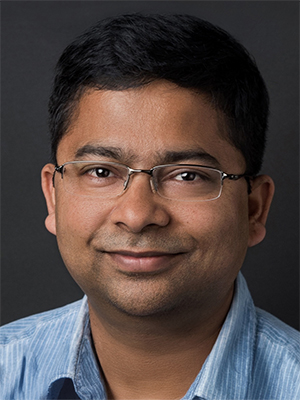
Dr. Xuan Vinh Doan is a Reader in the ISM-Analytics (ISMA) Group at Warwick Business School. He serves as the former Research Environment Lead in Analytics (2023-2025) and was a Turing Fellow at the Alan Turing Institute (2018-2023). His academic journey includes a PhD from MIT’s Operations Research Center, a master’s via the MIT-Singapore Alliance program, and an undergraduate degree from RMIT University. Education: PhD: Operations Research Center, MIT MSc: MIT-Singapore Alliance Program Bachelor’s: RMIT University, Australia His research focuses on Optimization under Uncertainty , Data Mining , and Operational Research , with applications to large-scale systems and fairness in resource allocation. Recent work addresses surgical scheduling under uncertainty, equitable resource distribution, and blockchain optimization. His articles span topics like healthcare operations, algorithmic fairness, and stochastic modeling. Key contributions include frameworks for handling missing data in machine learning and optimizing Merkle tree structures for blockchain efficiency. Dr. Doan currently teaches Advanced Analytics: Models and Applications and Optimization Models in the MSc Business Analytics program.
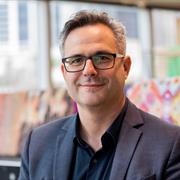
Jonathan Colton is a Professor at the Georgia Institute of Technology, holding joint appointments in Mechanical Engineering, Industrial Design, and International Affairs. He leads Georgia Tech's U.S. Department of State Diplomacy Lab and focuses on multidisciplinary design for global development challenges. His research integrates manufacturing innovation with humanitarian applications, particularly in sub-Saharan Africa's agricultural mechanization and sustainable energy systems. Colton has directed projects such as the Net-Zero Energy Warehouse for Tunisia’s healthcare infrastructure and USAID agricultural technology scaling initiatives. His composites research emphasizes next-generation aircraft materials and recycling post-industrial prepreg waste. He previously served on the WHO Immunization Practices Advisory Committee and the Board of the Global Soap Project, demonstrating a commitment to global health and sustainability. His work bridges technical innovation with socio-economic impact, including participatory design methods for developing countries and techno-economic analyses of renewable energy systems. Key areas of focus include wind turbine optimization for low-wind regions, agricultural machinery design for Bangladesh, and cost-effective composite material processing techniques. Leadership: Diplomacy Lab Director, USAID Jefferson Science Fellow Key Projects: Net-Zero Energy Warehouse, Feed the Future Program Support Awards: Not explicitly listed but includes notable policy and technical contributions Colton’s teaching emphasizes hands-on, interdisciplinary approaches to engineering problems, reflecting his belief in practical solutions for global challenges.
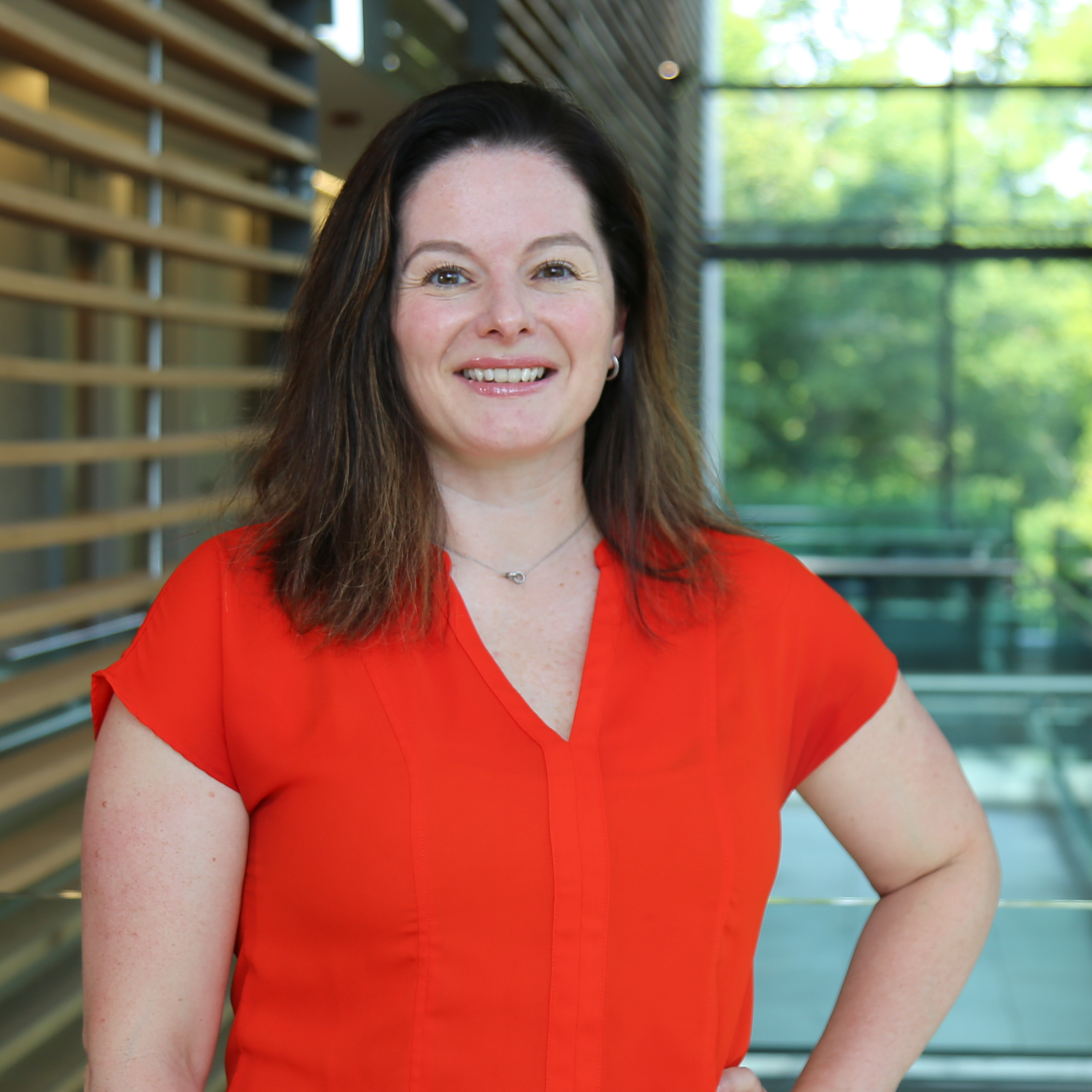
Rachana Gupta serves as the Director of the ECE Senior Design Program and a Teaching Professor in the Department of Electrical and Computer Engineering at North Carolina State University. She holds a Ph.D. (2010), M.S. (2006), and B.E. (2002) in Electrical Engineering from NC State University and the University of Pune, India, respectively. Her research focuses on educational design innovations in engineering, sensor systems, and networked control systems. She has pioneered work in capstone design methodologies, interdisciplinary collaboration between entrepreneurship and engineering, and industry-academia partnerships. Her technical contributions include advancements in LIDAR-based vehicular monitoring, infrasound measurement systems, and wearable ECG sensors. R Gupta has received numerous teaching awards, including the 2019 William F. Lane Outstanding Teaching Award and the 2022-23 CoE George H. Blessis Advising Award. She led the development of the 'Four-step Method' for product requirement gathering in capstone teams and co-designed the industry-based team review process. Her IBM Faculty Award (2013–2020) supported research into secure networked control systems. As an educator, she advises senior design teams and mentors students in multidisciplinary projects such as the award-winning 'Handheld Noninvasive Cocoa Bean Moisture Meter.' Her work bridges technical innovation with pedagogical excellence, emphasizing practical engineering solutions for real-world challenges.
Halil Erhan is a Professor of Interactive Systems and Design at Simon Fraser University's School of Interactive Arts and Technology, where he co-directs the Computational Design Lab. His research investigates design as a situated, cognitive, and collaborative process, developing tools to enhance capabilities for creating built environments and interactive systems. His research spans computational design, design analytics, visual analytics, and spatial cognition. Current projects include developing interactive interfaces for design analytics, human-centered computational systems for creativity support, and methods for multidisciplinary collaboration in design decision-making.
Aakash Tyagi is a Professor of Practice in Computer Science & Engineering at Texas A&M University, affiliated with the Multidisciplinary Engineering program. His roles include academic leadership, teaching, and industry collaboration. He holds a Ph.D. in Computer Engineering from the University of Louisiana (1993), an M.S. in Electrical and Computer Engineering (1989), and a B.S. in Electronics & Communication from Kamla Nehru Institute of Technology, India (1987). His research focuses on hardware verification, secure computing, and high-performance computing architectures. He has over two decades of industry experience at Intel, contributing to CPU design and managing projects like the Knights Landing processor. Teaching interests include computer architecture, data structures, and project management. His publications emphasize innovative applications of machine learning in hardware verification, formal methods for processor security, and optimization techniques for EDA tools. Notable works include HyPFuzz (2023), MinBLoG (2024), and Spec2Assertion (2025), advancing automated verification and vulnerability detection. Tyagi has received over 15 teaching and service awards from Texas A&M, including multiple Distinguished Achievement Awards (2015–2024) and grants for instructional innovation. He actively bridges academia and industry through research partnerships and mentorship.
Faisal Khan is Professor and Department Head of Chemical Engineering at Texas A&M University, holding the Mike O'Connor Chair II. He directs the Mary Kay O'Connor Process Safety Center and Ocean Energy Safety Institute, with affiliations in Industrial & Systems Engineering, Multidisciplinary Engineering, Ocean Engineering, and Petroleum Engineering. Education: Ph.D. in Environmental Engineering, Pondicherry University (1998) M.E. in Chemical Engineering, University of Roorkee (1994) B.S. in Chemical Engineering, Aligarh Muslim University (1992) Research centers on offshore safety, risk engineering, and sustainable energy systems, including hydrogen production safety, CO2 sequestration risks, and cyber-physical system resilience. His work integrates machine learning with process safety frameworks. Publications demonstrate a strong trend toward AI-driven risk assessment for energy transition technologies, with recurring themes in offshore wind-hydrogen integration, battery safety, and decarbonization challenges. Recent articles emphasize computational methods for dynamic risk management in renewable systems. Awards and honors: Fellow of Canadian Academy of Engineering (2021) Fellow of Engineering Institute of Canada (2018) Fellow of Canadian Society of Chemical Engineering (2017) SPE Health, Safety, Environment Award (2016) President’s Award for Outstanding Research (2012) As director of the Mary Kay O'Connor Process Safety Center, he leads industry-academic partnerships on safety standards. Current grants support hydrogen infrastructure risk modeling and Arctic marine transportation safety. Advises graduate students in multi-disciplinary energy projects. The Ocean Energy Safety Institute facilitates collaborative research with DOE and industry partners on offshore renewable energy systems, focusing on risk assessment protocols for emerging technologies.
Shreyas Kumar is a Professor of Practice in the Department of Computer Science & Engineering and Joint Courtesy Faculty in Multidisciplinary Engineering at Texas A&M University. He holds affiliations with the College of Engineering and the Department of Cybersecurity. His academic journey includes a B.S. from Indian Institute of Technology Roorkee (1999) , M.S. in Computer Science (2005) , and an expected Ph.D. in Computer Science (2025) from Texas A&M University. His research focuses on Cybersecurity , Cyber Warfare , Blockchain Security , and Cyber Liability Insurance . He has over 20 years of industry experience, including roles as a Security Architect at Uber and Oracle, designing critical systems like Uber’s payment security infrastructure and Oracle Access Manager. He currently teaches courses on cybersecurity risk, blockchain, and security engineering. Leadership & Service : He serves on committees such as the Data Governance Committee (Texas A&M), U.S. National Committee Technical Advisory Group on Quantum Technologies, and the FBI InfraGard. He advises the Technology Incubation and Entrepreneurship Development Society at IIT Roorkee and chairs the Promotions and Tenure Committee in CSE. His work bridges academia and industry, emphasizing practical cybersecurity solutions. Notable contributions include Blockchain Applications for Cyber Liability Insurance , Cyber Security Kill Chain , and research on AI’s impact on phishing and cyber warfare strategies. Awards include the Academy of Future Faculty Fellow (2024) and Best Practices in Teaching for DEI (2019) . Community involvement includes roles with the Rotary Club of College Station and the Board of Directors for ACT for Mental Health. His lab, AGGIES Lab , explores AI-driven cybersecurity for government and infrastructure sectors.
Professor Xavier Mulet is the Director of the Advanced Materials, Manufacturing and Fabrication Enabling Impact Platform at RMIT University's Research & Innovation Capability department. He leads projects focused on advanced materials for energy and environmental applications, including carbon capture, solar panel recycling, and waste heat energy conversion. His research addresses critical global challenges through innovative material science solutions. Research Interests: Macromolecular and Materials Chemistry, Nanotechnology, Physical Chemistry, Environmental Engineering, Biomedical Engineering, and Sustainable Chemistry. His work integrates cutting-edge materials design with real-world applications, emphasizing environmental sustainability and industrial impact. Advising & Collaboration: Supervises research projects such as Direct Air Capture of CO₂, Ambient Energy Harvesting, and Silver Recovery from Solar Panels. Collaborates with industry and academic partners to translate research into practical solutions. Active in supervising PhD and Master's students in materials science and environmental engineering. Labs & Teams: Oversees multidisciplinary teams within the Enabling Impact Platform, fostering innovation in advanced materials and manufacturing. Engages in global partnerships to advance sustainable technologies and environmental stewardship.
Dr. Danielle Kain is an Assistant Professor in the Division of Palliative Medicine at Queen’s University’s Department of Medicine (DOM). She currently serves as Interim Division Chair of Palliative Medicine and Clinical Director of Palliative Care at Providence Care Hospital. Additionally, she holds the role of President of the Medical Staff Association at Kingston Health Sciences Centre. Dr. Kain completed her medical degree at the University of Toronto in 2009, followed by Family Medicine and Palliative Medicine residencies at Dalhousie University. Her career includes roles at Dalhousie and the University Health Network before returning to Queen’s in 2018 to lead palliative care program expansion, integrating palliative care into outpatient clinics such as ALS, COPD/ILD, and lung cancer diagnostics. Her research focuses on palliative care integration and medical education innovation. She has pioneered curriculum design for Goals of Care and Serious Illness Conversations across undergraduate, postgraduate, and continuing medical education. Dr. Kain has been recognized for her teaching and clinical excellence, including the 2024 D. Laurence Wilson Award for Professionalism and multiple teaching awards from the Department of Medicine. Her scholarly work spans palliative care access optimization, end-of-life symptom management, and interprofessional collaboration. Recent publications address return-to-work strategies for cancer survivors, ultrasound training in residency programs, and cost-consequence analyses of genomic testing in oncology. She advocates for equitable palliative care models and has led quality improvement initiatives in care coordination.
Amanda Holt is an Associate Research Scientist in Alison Sweeney’s lab at Yale University’s Department of Physics. She holds a B.A. in Physics and Music from Bard College and a Ph.D. in Physics from the University of California, Santa Cruz. Her research focuses on biophysics and optical systems in marine organisms, particularly studying light interactions with biological structures in squids, giant clams, and deep-sea creatures. She employs experimental and computational methods such as Monte Carlo modeling, micro-probe radiometry, and finite-difference time-domain simulations to analyze optical phenomena in natural systems. Key research contributions include modeling light reflectance in squid eyes, optimizing photon transport in giant clams, and designing bio-inspired light-guiding systems. Holt’s work bridges marine biology, optics, and materials science, with applications in renewable energy and biomimetic engineering. She has published extensively on topics like symbiotic solar flux optimization, midwater camouflage mechanisms, and photonic structures in marine animals. Her awards include the GAANN Fellowship (2005-2007) and Excellence at Equal Cost Scholarship (1997-2001). Beyond academia, Holt champions science education through her role as lead coordinator for Brook Knoll Elementary’s science fair, emphasizing inclusivity for underrepresented students. She regularly engages with K-12 classrooms as a guest speaker, integrating her research to inspire future scientists. Holt collaborates closely with multidisciplinary teams, advancing understanding of biological optical systems while addressing broader societal needs like sustainable energy solutions. Her current projects focus on refining Monte Carlo models for cellular light scattering and developing experimental techniques to quantify optical properties in marine tissues.
Pavlo Krokhmal is a Professor in the Department of Systems and Industrial Engineering at the College of Engineering, University of Arizona. He serves as the Director of Industrial Engineering and is a member of the Graduate Faculty. He has previously held academic positions at the University of Iowa and the University of Florida. Education: PhD in Operations Research, University of Florida, Gainesville, Florida, United States PhD in Mechanics of Solids and Applied Mathematics, Kyiv National Taras Shevchenko University, Kyiv, Ukraine MS in Applied Mathematics and Mechanics, Kyiv National Taras Shevchenko University, Kyiv, Ukraine His research focuses on stochastic optimization, risk analysis, and decision-making under uncertainty, with applications in financial engineering, network resilience, and renewable energy systems. He also contributes to multidisciplinary optimization and cooperative control. His work bridges applied mathematics, engineering, and operations research. The most recent publications reflect a strong trend in risk-averse optimization under uncertainty, especially in network structures, energy systems, and combinatorial problems. His work integrates advanced mathematical modeling, stochastic programming, and computational algorithms. Topics frequently include risk measures like CVaR, p-cone programming, and PDE-constrained optimization with stochastic inputs. Scientific Awards and Honors: Diploma in the Competition of Young Scientists and Students for the Best Research Project, National Academy of Sciences of Ukraine, Spring 1997 Soros Student Award, International Soros Science and Education Program, Fall 1994 Scholarship for scientific and academic achievements, National Academy of Sciences of Ukraine, Spring 1994 Air Force Summer Faculty Fellowship Award (multiple years: 2011, 2012, 2014, 2018, 2019) NRC Senior Research Associateship Award, National Research Council, Spring 2015 Donald E. Bently Faculty Fellowship of Engineering, University of Iowa, Fall 2013 Recognition for Excellence in Teaching, College of Engineering, University of Iowa (2010, 2013) Dr. Krokhmal has been actively involved in advising graduate students and leading research projects funded by agencies such as the Air Force Office of Scientific Research. His collaborations span across institutions and disciplines, including work with researchers at the University of Florida, University of Iowa, and military research labs. He has served on editorial boards and contributed to academic leadership through journal editorials and peer review. His research is conducted within interdisciplinary teams focusing on optimization, risk modeling, and complex systems. These teams often involve mathematical modeling, algorithm development, and simulation for real-world applications in defense, energy, and infrastructure resilience.
Lars Borgbjerg Møller serves as a Clinical Professor in the Department of Cardiovascular Surgery within the Faculty of Medicine at Aalborg University. His clinical and research activities are centered at Aalborg University Hospital, where he leads significant work in thoracic and cardiovascular surgical oncology. His primary email contact is larmoe@rn.dk. His research focuses on advanced surgical interventions for thoracic malignancies, particularly non-small cell lung cancer. Key areas include minimally invasive techniques like video-assisted thoracoscopic surgery (VATS), robotic-assisted procedures, and innovative surveillance methods using PET/CT imaging. His work addresses critical challenges in postoperative complications, anastomotic leakages, and multidisciplinary team coordination for optimal cancer outcomes. Analysis of his recent publications reveals a strong emphasis on clinical trial design and implementation. His SUPE_R randomized controlled trial investigates PET/CT surveillance protocols for lung cancer patients post-curative treatment, while his ctDNA research pioneers tumor-agnostic minimal residual disease detection. These studies collectively advance precision oncology through improved recurrence monitoring and treatment personalization. Møller actively engages with the media to disseminate surgical innovations, including robotic esophagectomy for improved survival and regional success stories in lung cancer treatment that have prompted national learning across Denmark. His press coverage spans from 2016 to 2025, highlighting his role as a thought leader in surgical oncology. He contributes significantly to clinical guidelines through textbook chapters like 'Thoraxtraumer' and participates in major international conferences including the World Conference on Lung Cancer. His collaborative network spans multiple Danish hospitals and research institutions, with particular emphasis on multidisciplinary approaches to cancer care quality improvement.
Lekshmi Santhosh is an Associate Professor in the Department of Pulmonary/Critical Care Medicine and Hospital Medicine at the University of California, San Francisco (UCSF) School of Medicine. She serves as the inaugural DOM Associate Chair for People Development and Mentorship and Associate Program Director for Internal Medicine Residency . A graduate of Harvard Medical School, she completed residency, chief residency, and fellowship at UCSF, complemented by a Master's in Education from UC Berkeley. Her research focuses on Medical education Transitions of care between ICU and ward settings Equity in subspecialty career pathways Women in medical leadership Long COVID clinic development Clinical reasoning frameworks Recent publications highlight ICU-to-ward handoff innovations , implementation science in post-COVID clinics, and strategies to address gender disparities in medical training . As a National Academy of Medicine Scholar in Diagnostic Excellence , she co-created the ICU-PAUSE tool to mitigate diagnostic errors during critical transitions. Her funded projects include grants from AHRQ, ABIM Foundation, and UCSF Academy of Medical Educators. Awarded 17+ distinctions for teaching and mentorship, including the Gold-Headed Cane Endowed Education Chair, she has mentored over 200 medical students, residents, and fellows. Her OPTIMAL Clinic model for post-COVID care has been replicated nationally, and she leads initiatives to enhance cultural competence in healthcare systems.
Dr Kali Godbee is a Research Fellow in the Department of Psychology at Monash University. She specializes in implementation science and clinical neuropsychology, focusing on improving healthcare practices through evidence-based interventions. Currently serves as Project Manager for the ENGAGEMENT Trial evaluating self-management tools for respiratory conditions, and previously managed the HAPPI MIND Trial addressing dementia risk reduction in primary care. Education: PhD in Implementation Science, University of Melbourne (2024) Master of Clinical Neuropsychology, Macquarie University (2012) Bachelor of Psychology (Hons), Macquarie University (2006) Research Focus: Dr Godbee’s work centers on enhancing adherence to healthcare protocols through digital tools and telehealth. Key areas include dementia prevention strategies, primary care optimization, and improving practitioner implementation of best practices. Her research contributes to UN Sustainable Development Goal 3 (Good Health and Well-being). Current Projects: APRICOT Initiative (2025–2029): Optimizing medicine safety in primary care Grants & Teamwork: Collaborates extensively with multidisciplinary teams across Australia. Recent grants include leadership roles in national health innovation projects focused on chronic disease management and mental health interventions.
Denise O'Connor is a Professor (Research) and Deputy Director of the Wiser Health Care Unit at Monash University's School of Public Health and Preventive Medicine. She holds an NHMRC Investigator Leadership Fellowship and leads national initiatives to reduce low-value healthcare practices, particularly overdiagnosis and overtreatment through the Wiser Healthcare Centre of Research Excellence. She also co-leads the Australia and New Zealand Musculoskeletal Clinical Trials Network (ANZMUSC), focusing on optimizing musculoskeletal health through high-quality trials. Her research expertise spans implementation science, health services research, and systematic reviews. She directs the Australasian Satellite of Cochrane Effective Practice and Organisation of Care, publishing reviews to improve healthcare delivery systems. Key collaborations include projects funded by NHMRC, Australian Department of Health, and HCF Research Foundation. Recent research highlights include interventions to reduce antibiotic overuse, optimize imaging practices for musculoskeletal complaints, and assess greenhouse gas emissions in healthcare. She has published over 135 peer-reviewed articles and led 34 research projects, emphasizing translating evidence into practice. Awards include three NHMRC Fellowships (Early Career, TRIP, and Investigator Leadership) and grants from state and federal health agencies. Her work aligns with UN Sustainable Development Goals addressing health equity and sustainable systems.