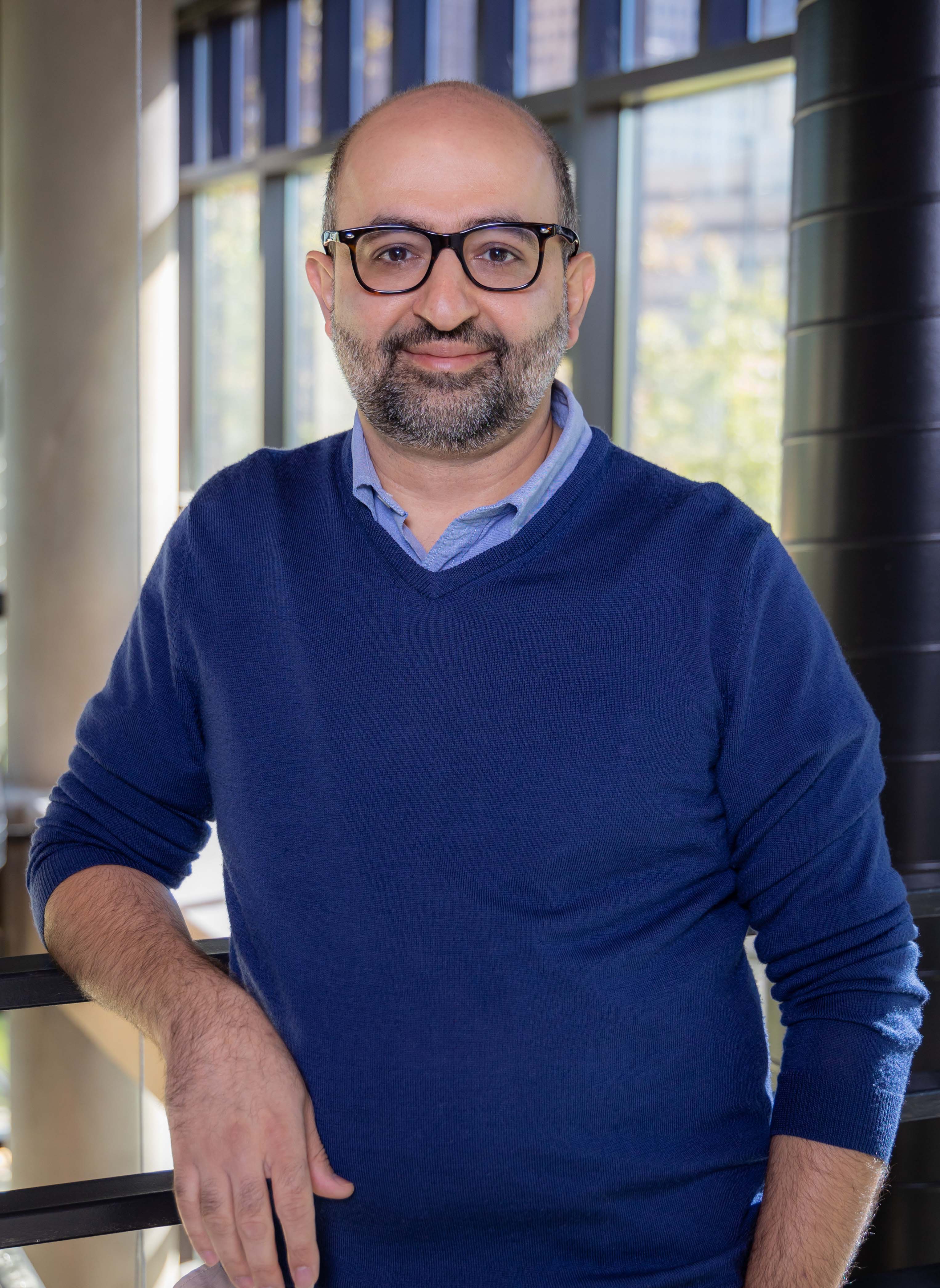
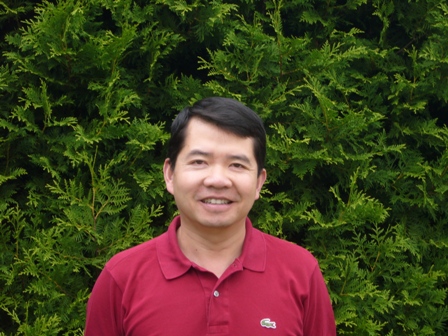
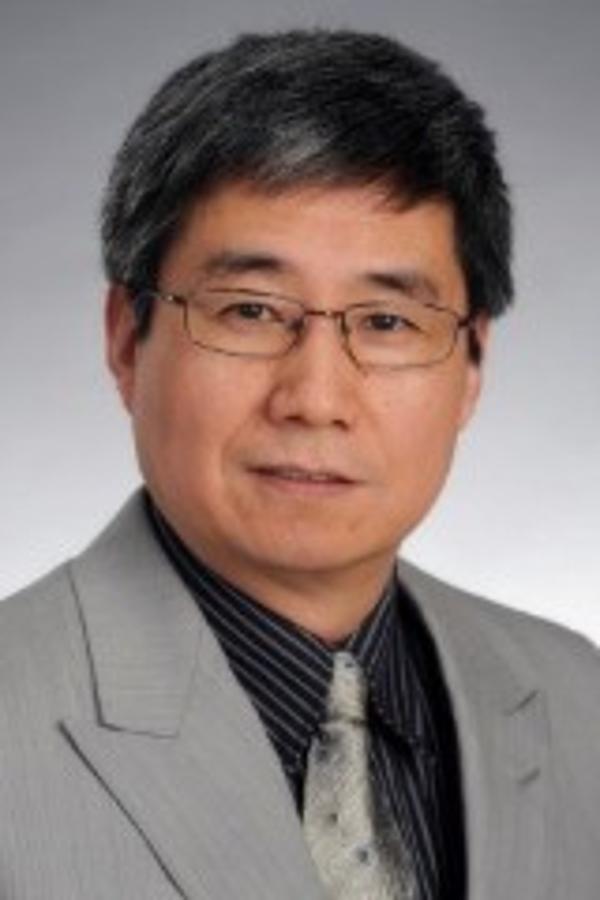
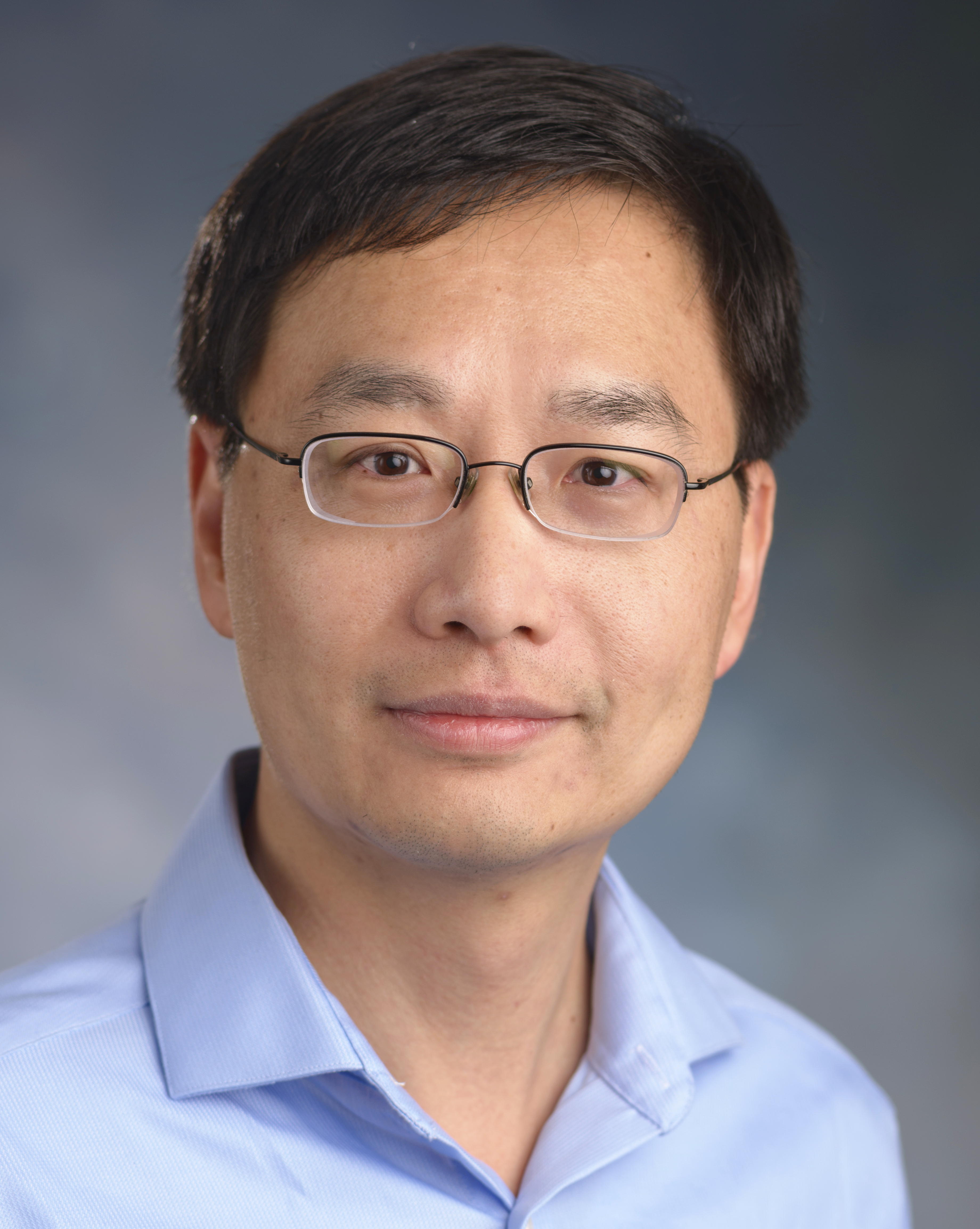
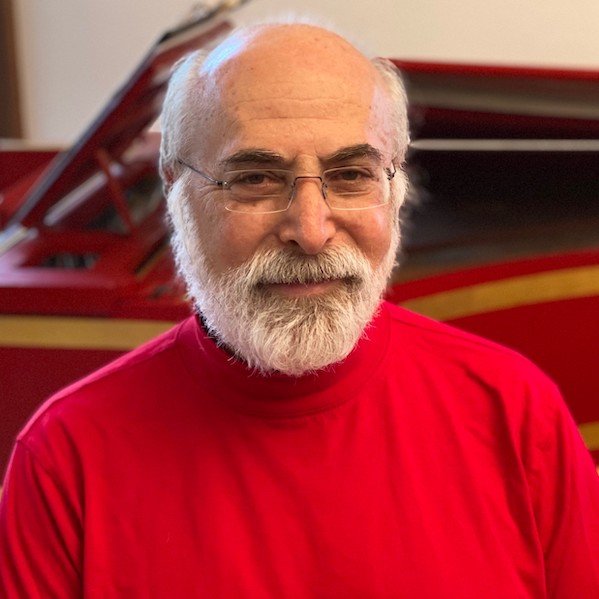
Farnoush Banaei-Kashani is an Associate Professor (Tenured) in the Department of Computer Science and Engineering at the University of Colorado Denver. She also holds an Adjunct Associate Professor position in the Department of Mathematical and Statistical Sciences. As the founder and director of the Big Data Management and Mining Lab (BDLab), she leads multiple GAANN Fellowship Programs, including BDSE (Big Data Science and Engineering), DDC (Data-Driven Cybersecurity), and II (Infrastructure Informatics). She directs the 'Data Science in Biomedicine' MS Track and focuses on data-driven decision systems (DDSs), integrating machine learning and big data analytics into healthcare, energy, transportation, and environmental applications. Education: Details not explicitly provided in the text. Her research spans data management cycles for DDSs, addressing challenges like big data volume, velocity, and variety. Key projects include iWatch (crime surveillance), POCM (mobility monitoring), and GeoSIM (urban texture documentation). She teaches courses such as Machine Learning Systems, Big Data Science, and Data Mining. Publications highlight advancements in sea ice classification, federated learning, proteomic networks, and privacy-preserving AI. Her work is funded by NSF, NIH, DOT, and industry partners like Google and IBM. She has advised numerous students and contributes to academic leadership as editor, conference chair (ACM SIGSPATIAL 2018/2019), and program committee member for venues like SIGMOD and KDD.
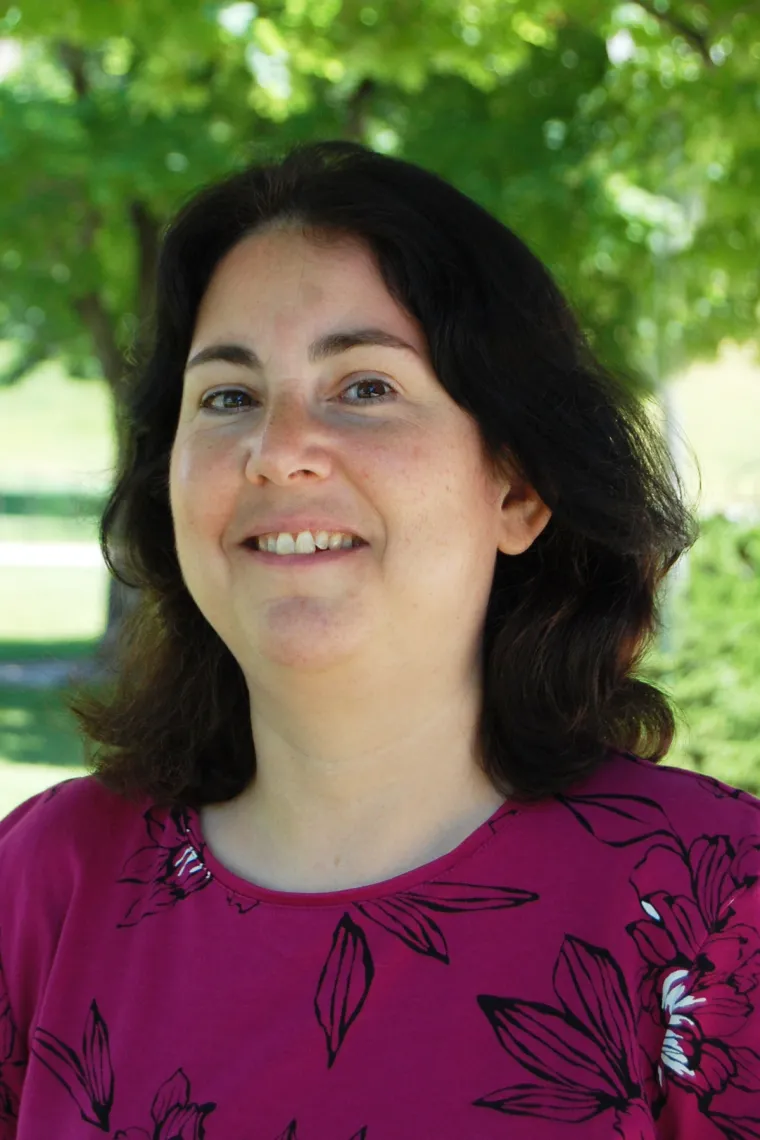
Mingchen Gao is an Associate Professor in the Department of Computer Science and Engineering at the University at Buffalo, SUNY. He serves as Program Director for the Engineering Sciences (Artificial Intelligence) MS Program and is affiliated with the Institute for Artificial Intelligence and Data Science. Previously, he was a Postdoctoral Fellow at the NIH Clinical Center's Radiology and Imaging Science Department (2014–2017). His research focuses on medical imaging informatics, computer vision, and machine learning applications in healthcare. Notable projects include NSF-funded work on continual learning and federated domain adaptation. He teaches advanced courses like CSE674 (Advanced Machine Learning) and CSE703 (Deep Learning for Medical Imaging). Dr. Gao earned his Ph.D. in Computer Science from Rutgers University (2014), advised by Dimitris N. Metaxas, and a B.S. from Southeast University, China (2007). His lab develops AI systems for medical diagnosis, with recent work on robust neural networks and federated learning frameworks. His team has produced impactful algorithms for segmentation, classification, and domain adaptation in imaging tasks. Current research includes NSF CAREER Award (2023–2028) for deployable medical diagnosis systems and collaborations on drug discovery and toxicity prediction. He advises four PhD students and has authored over 60 peer-reviewed publications in top venues like NeurIPS, CVPR, and MICCAI.
Changhuei Yang is the Thomas G. Myers Professor of Electrical Engineering, Bioengineering, and Medical Engineering at California Institute of Technology, serving as Executive Officer for Electrical Engineering and Investigator at Heritage Medical Research Institute. He holds a Ph.D. and three master's degrees from MIT, with appointments at Caltech since 2003. Research focuses on: Advanced microscopy techniques including Fourier Ptychography Wavefront shaping for biological tissue imaging Optical phase conjugation for deep-tissue applications Compact medical devices for cerebral monitoring Publications demonstrate leadership in computational imaging, with recent advances in stain-free embryo analysis, portable cerebral blood flow monitors, and high-resolution volumetric imaging techniques using neural representations. Honored as National Academy of Inventors member. Research applications span deep-tissue biochemical imaging, incisionless surgery, and optogenetic activation systems.
Dr. Yunjie Yang is an Associate Professor at the University of Edinburgh's School of Engineering, with affiliations at the Edinburgh Futures Institute (EFI), the Edinburgh Generative AI Laboratory (GAIL), and the Edinburgh Centre for Robotics. He previously held the Chancellor's Fellow in Data Driven Innovation (2018-2023) and Bayes Innovation Fellow (2023-2024) positions. His research focuses on AI-powered sensing and imaging, machine learning, and soft sensors & electronics for robotics. Yang received his PhD in Engineering Electronics from the University of Edinburgh, MSc in Control Science & Engineering from Tsinghua University, and BEng in Measurement & Control Engineering from Anhui University. After his PhD, he worked as a Postdoctoral Research Associate in Chemical Species Tomography before securing his lectureship. His research interests center on developing intelligent sensing systems that replicate human perception capabilities for robotics and intelligent systems. He pioneers flexible sensing and imaging technologies across various scales through innovative multi-modal sensors, soft electronics, and their modeling using machine learning approaches. His work aims to enable autonomous physical artificial intelligence by bridging the gap between robotic systems and human-like perception. Analysis of his recent publications reveals a strong focus on soft robotics perception, particularly through electrical impedance tomography (EIT) and transformer-based architectures. His research spans medical imaging applications, digital twin modeling for industrial processes, and machine learning approaches for sensor data interpretation. The trend shows increasing integration of physics-informed deep learning with traditional tomographic techniques to achieve higher accuracy and efficiency. European Research Council (ERC) Starting Grant (2024) IEEE J. Barry Oakes Advancement Award (2024) IEEE I&M Society Graduate Fellowship Award (2015) Multiple Best Paper Awards Senior Member of IEEE Fellow of the International Society for Industrial Process Tomography Fellow of the Higher Education Academy ESI highly cited papers Dr. Yang serves as Associate Editor for IEEE Transactions on Instrumentation and Measurement and holds editorial positions with Scientific Reports and IEEE Sensors Journal. His research has been licensed to overseas research institutes and industry partners and received wide media coverage including BBC, EFE, USA Today, and STV. He has secured significant grant funding including the prestigious ERC Starting Grant. He leads the Edinburgh SMART Lab (Sensing/imaging + Machine Learning + Robotics), which aims to replicate human perception capabilities for robotics and advance flexible sensing technologies through innovative multi-modal sensors and machine learning approaches. The lab focuses on enabling autonomous physical artificial intelligence with applications spanning medical diagnostics, industrial monitoring, and advanced robotics systems.
Ellen Riloff serves as Department Head and Professor in the Department of Computer Science at the University of Arizona, where she leads research at the intersection of natural language processing (NLP) and artificial intelligence. Her work bridges theoretical advancements with real-world applications in social computing, planetary science, and crisis response systems. Education: Ph.D. in Computer Science, University of Massachusetts at Amherst (1994) Research Focus: Dr. Riloff specializes in affective computing and information extraction , developing techniques to recognize emotion, social cues, and embodied expressions in text. Her methodologies frequently employ bootstrapping, stacked learning, and semantic lexicon induction. Recent projects address crisis informatics (e.g., social cue recognition in emergencies) and interdisciplinary applications like the Mars Target Encyclopedia for planetary science data extraction. Publication Trends: Analysis of her 15 most recent publications (2021–2025) reveals three dominant trajectories: (1) affective event modeling in social contexts with applications to crisis response; (2) domain-specific NLP for planetary science and food systems; and (3) advanced language model techniques including retrieval-augmented generation and multi-view prompting. Her work increasingly integrates deep learning with traditional linguistic features. Grants and Leadership: Dr. Riloff has directed multiple NSF-funded projects, including RI: Small: Recognizing Implicit Personal States in Natural Language (2016) and RI: Small: Acquiring Domain Knowledge from Text through Cooperative Bootstrapping (2010). These initiatives pioneered bootstrapping frameworks for affective event recognition and information extraction. She also co-organized the Workshop on Pattern-based Approaches to NLP (2023), highlighting her leadership in advancing hybrid NLP methodologies. Collaborative Infrastructure: She co-developed the Mars Target Encyclopedia—a large-scale information extraction system that processes planetary science literature to create structured databases of Mars surface targets. This project demonstrates her commitment to building reusable scientific infrastructure through NLP.
Jianming Liang is a full professor at Arizona State University's College of Health Solutions, specializing in biomedical informatics, data science, and computer vision. His research focuses on self-supervised learning, foundation models, and improving transfer learning techniques for medical imaging applications. National Academy of Inventors Fellow (2021) ASU Faculty Innovation Award (2019) ASU Distinguished Faculty Award (2023) NIH R01 grant recipient Led lab producing FDA-approved medical imaging products His lab has developed multiple open-source frameworks like Ark , Foundation_X , and ModelsGenesis for medical image analysis. Team has received over 70 student research awards including NCWIT Collegiate and AMIA Ph.D. Dissertation honors. Key research contributions include: Anatomically consistent foundation models Domain-adaptive pretraining strategies Annotation-efficient deep learning Integrated classification/localization/segmentation frameworks 40+ US patents (50+ pending) Major publications demonstrate leadership in self-supervised learning for chest radiography, pulmonary embolism detection, and medical AI explainability.
Matthew B. Blaschko is a Professor in the Department of Electrical Engineering at KU Leuven, Belgium. He serves as director of the KU Leuven ELLIS unit and is a fellow in the ELLIS Health program. He is a Core PI in the Flanders AI Research Program, working as a workpackage lead for Decision Support Systems and Medical Imaging. Blaschko is also a member of the KU Leuven Institute for Artificial Intelligence and one of the leaders of the working group on Machine Learning and Data Science. Professor Blaschko received his B.S. from Columbia University, M.S. from the University of Massachusetts Amherst, and Dr. rer. nat. from Technische Universität Berlin (awarded for work at Max Planck Institutes Tübingen). He was a Newton International Fellow at the University of Oxford and received his Habilitation (HDR) from École Normale Supérieure de Cachan. Prior to joining KU Leuven, he was a Permanent Research Scientist in the INRIA Saclay Research Center and a Faculty Member at Ecole Centrale Paris. His research focuses on machine learning techniques applied to visual data, with particular emphasis on calibration in deep learning, medical image analysis, and federated learning. Blaschko's work bridges theoretical foundations with practical applications, as evidenced by technology developed in his research being incorporated into MONA, software for ophthalmic image analysis. His research group has made significant contributions to the fields of model calibration, uncertainty estimation, and medical imaging analysis, with recent publications showing strong trends toward improving reliability of AI systems in medical contexts and advancing theoretical understanding of calibration metrics. Professor Blaschko has been recognized with several awards including the Université Paris-Saclay STIC Doctoral School Best Scientific Contribution Award, Best Paper Award at CVPR 2008, Main Award at DAGM 2008, and Best Student Paper Award at ECCV 2008. Professor Blaschko has supervised numerous PhD and Master's students, with current and former students including Deniz Soysal, Claire Marchal, Dongli Xu, Sebastian Gruber, Jiameng Li, Marco Mezzina, and many others working on diverse topics from Alzheimer's disease analysis to surgical phase recognition. His research has been supported by various funding sources including the Flanders AI Research Program. He has co-organized several influential workshops including the "Another Brick in the AI Wall: Building Practical Solutions from Theoretical Foundations" at CVPR 2025, Commands 4 Autonomous Vehicles workshop at ECCV 2020, and the Learning from Limited Labeled Data workshop series at NIPS 2017 and ICLR 2019. His laboratory focuses on machine learning for medical image analysis, with applications in ophthalmology, neurology, and surgical robotics. The group maintains active collaborations with medical institutions and participates in international challenges such as the KNee OsteoArthritis Prediction (KNOAP2020) challenge.
Professor Guy Williams is a leading academic at the University of Cambridge with a focus on imaging science and clinical neurosciences, affiliated with Downing College and the Wolfson Brain Imaging Centre . Holding a PhD in Physics from his initial Natural Sciences degree, he specializes in nuclear magnetic resonance (NMR) and MRI techniques for brain imaging. Education: BA, PhD in Physics His research centers on non-invasive imaging of brain structure and function, particularly in traumatic brain injury (TBI) and dementia. His work involves developing novel MRI pulse sequences and advanced data analysis algorithms, including AI-based diagnostic tools. He leads studies on white matter integrity post-trauma, longitudinal dementia assessment, and applications of MRI in disorders of consciousness and addiction. Recent publications highlight collaborations in traumatic brain injury outcomes, AI-guided dementia prediction, and neuroimaging of post-COVID cognitive deficits. His team's work on ultra-high field laminar fMRI and distortion correction methods has advanced clinical neuroscience applications. Key techniques include diffusion tensor imaging (DTI), 7 Tesla MRI, and positron emission tomography (PET/MR). His research spans from basic NMR physics to clinical translation, with a strong emphasis on multi-site studies and real-world diagnostic implementation.
Zhou Zhi-Hua is a Professor at Nanjing University's Department of Computer Science & Technology, serving as Standing Deputy Director of the National Key Lab for Novel Software Technology and Founding Director of LAMDA (Institute of Machine Learning and Data Mining). He holds simultaneous fellowships from ACM, AAAI, AAAS, IEEE, IAPR, IET/IEE, and CCF, reflecting his exceptional contributions to computational intelligence. His educational background includes: B.Sc. in Computer Science from Nanjing University (1996) M.Sc. in Computer Science from Nanjing University (1998) Ph.D. in Computer Science from Nanjing University (2000) Zhou's research pioneers fundamental advances in machine learning theory and applications. His seminal work on ensemble methods established new frameworks for classifier combination, while innovations in multi-label learning and anomaly detection addressed critical challenges in complex data analysis. His research bridges theoretical rigor with practical implementations across diverse domains including biometrics, data mining, and computer vision, resulting in over 150 publications and 18 patents. His textbooks "Ensemble Methods" (2012) and "Machine Learning" (2016) have become standard references in the field. Analysis of his publication trajectory reveals sustained leadership in core machine learning challenges: evolving from neural network ensembles (2002) through semi-supervised learning breakthroughs (2005) to foundational work on multi-instance learning (2012) and theoretical margin analysis (2013). His recent focus demonstrates increasing sophistication in handling complex data structures while maintaining theoretical soundness. His scientific excellence is recognized through: National Natural Science Award of China (2013) PAKDD Distinguished Contribution Award (2016) IEEE ICDM Outstanding Service Award (2016) IEEE CIS Outstanding Early Career Award (2013) Microsoft Professorship Award (2006) Simultaneous fellowships from 7 major international societies Zhou provides extraordinary service to the academic community as Executive Editor-in-Chief of Frontiers of Computer Science and Associate Editor-in-Chief of Science China Information Science. He founded the ACML conference and has chaired premier events including ICDM'16 and PAKDD'14. His leadership extends to serving as General Chair for ICDM'16, Program Chair for IJCAI'15 Machine Learning Track, and Area Chair for multiple top conferences. The available text does not specify student advising details or research grants. He directs LAMDA research group at Nanjing University, which has established itself as a global powerhouse in machine learning research, and contributes significantly to the National Key Lab for Novel Software Technology's mission of developing next-generation intelligent systems.
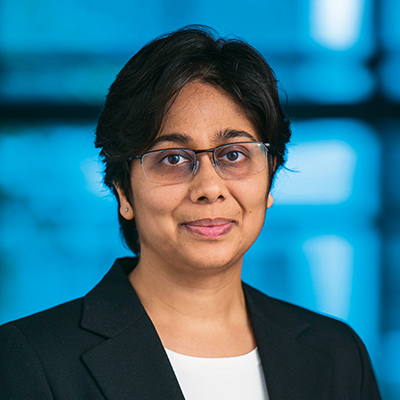
Shivani Agarwal is an Associate Professor of Computer and Information Science and (by courtesy) Statistics and Data Science at the University of Pennsylvania. Her research focuses on computational, mathematical, and statistical foundations of machine learning, including algorithm design, theory, and applications in life sciences. She holds leadership roles in initiatives like the NSF-funded Penn Institute for Foundations of Data Science (PIFODS) and the Penn Research in Machine Learning (PRiML) forum. Previously, she was a Radcliffe Fellow at Harvard, and held academic positions at MIT, Indian Institute of Science, and the University of Illinois at Urbana-Champaign. Education: PhD in Computer Science from the University of Illinois, Urbana-Champaign. Prior roles include Assistant Professor (Ramanujan Fellow) at IISc, postdoctoral lecturer at MIT, and Radcliffe Fellow at Harvard. Research interests span machine learning theory, ranking systems, bandit algorithms, noisy label learning, and interdisciplinary applications in economics, operations research, and psychology. She has organized numerous conferences and workshops, including COLT 2020 and NIPS workshops on ranking and learning. Key professional activities include leadership in Indo-US research collaborations and editorial roles for the Journal of Machine Learning Research and Harvard Data Science Review.
Xiaoming Hu is a Professor at the Division of Numerical Analysis, Optimization and Systems Theory within the Department of Mathematics at KTH Royal Institute of Technology (Kungliga Tekniska Högskolan) in Stockholm, Sweden. Born in Chengdu, China, he received his B.S. degree from University of Science and Technology of China in 1983, followed by M.S. and Ph.D. degrees from Arizona State University in 1986 and 1989 respectively. After serving as a research assistant at the Institute of Automation, Chinese Academy of Sciences (1983-1984), he was a Gustafsson Postdoctoral Fellow at KTH (1989-1990) before becoming a faculty member. His educational background includes: B.S. in Engineering, University of Science and Technology of China, 1983 M.S. in Engineering, Arizona State University, 1986 Ph.D. in Engineering, Arizona State University, 1989 Xiaoming Hu's research primarily focuses on multi-agent systems, nonlinear feedback stabilization, nonlinear observer design, and sensing and active perception. His work bridges theoretical control theory with practical applications in robotics and autonomous systems. He has made significant contributions to geometric control theory, mathematical systems theory, and nonlinear systems analysis and control. His research often involves developing theoretical frameworks for distributed control, formation control, and cooperative behavior in multi-robot systems. Professor Hu's publication record shows a consistent research trajectory with numerous high-impact publications in top-tier journals like Automatica, IEEE Transactions on Automatic Control, and Systems & Control Letters. His research has evolved from fundamental control theory to more applied problems in robotics and multi-agent systems, while maintaining strong mathematical foundations. Recent work shows increasing focus on safety-critical control, inverse problems in estimation, and networked systems. His scientific contributions include: Development of theoretical frameworks for multi-agent coordination and formation control Advances in nonlinear observer design for robotic systems Contributions to geometric control theory and systems theory Research on distributed estimation and control algorithms Applications of control theory to robotics and autonomous systems Professor Hu teaches several advanced courses including Mathematical Systems Theory, Geometric Control Theory, and Nonlinear Systems: Analysis and Control. He has supervised numerous degree projects at both undergraduate and graduate levels in mathematics, optimization, systems theory, and scientific computing. His teaching reflects his research expertise, providing students with both theoretical foundations and practical applications of control theory.
Yiyu Yao is a Professor in the Department of Computer Science at the University of Regina, Faculty of Science. He holds a B.Eng. from Xi'an Jiaotong University and earned both his M.Sc. and Ph.D. from the University of Regina. His office is located in College West 308.6, and he can be reached at Yiyu.Yao@uregina.ca or by phone at (306) 585-5226. Dr. Yao's research spans multiple interconnected domains in intelligent systems. His primary focus is on three-way decisions, which serves as a unifying framework for his work in granular computing, rough sets, and decision-theoretic models. He has developed significant theoretical contributions to decision-theoretic rough sets (DTRS) and probabilistic rough sets, creating bridges between uncertainty management and practical decision-making applications. His work extends to web intelligence, information retrieval systems, and multiview data analysis, where he applies his theoretical frameworks to real-world problems in data science and artificial intelligence. Analysis of Dr. Yao's recent publications reveals a strong continuing focus on three-way decision theory, with increasing applications across diverse domains. His work demonstrates evolution from foundational theoretical contributions to sophisticated applications in multi-criteria decision making, conflict analysis, and explainable AI. The research shows integration of granular computing principles with modern machine learning techniques, particularly in handling uncertainty and developing interpretable models. Recent publications indicate growing interest in the intersection of three-way decisions with fuzzy sets, shadowed sets, and cognitive approaches to data analysis. Dr. Yao has mentored numerous graduate students and has hosted many visiting scholars, primarily from Chinese institutions including Nanjing University Posts and Telecommunication, Harbin Normal University, Shaanxi Normal University, and others. He serves as Area Editor on Rough Sets for the International Journal of Approximate Reasoning and as Associate Editor for Information Sciences. He is also Associate Editor-in-Chief for the Journal of Emerging Technologies in Web Intelligence and serves on multiple editorial boards including LNCS Transactions on Rough Sets and Web Intelligence and Agent Systems. He has organized significant conferences including the International Joint Conference on Rough Sets (IJCRS 2017) and served on the Steering Committee for the International Symposium on Fuzzy and Rough Sets.
Jonathan Shihao Ji is an Associate Professor in the School of Computing at the University of Connecticut (UConn), leading the Intelligent Systems Lab. He holds a Ph.D. in Electrical and Computer Engineering from Duke University and previously served as an Associate Professor at Georgia State University and Director of the DoD Center of Excellence (CiARE). His research focuses on deep learning applications in computer vision, NLP, robotics, and high-performance computing, with over 50 publications in top venues like CVPR, NeurIPS, and IEEE journals. He has secured grants from NSF, NIH, DoD, and industry partners including VMware and Nvidia. His work emphasizes efficient algorithms for large-scale data processing, parameter-efficient model fine-tuning (e.g., VB-LoRA), and 3D perception benchmarks for UAVs (UAV3D). Notable contributions include sparse network optimization (Dep-L0), energy-based models (M-EBM), and robust defenses against adversarial attacks (Defense-VAE). He is a Senior Member of IEEE and has developed open-source tools like Parallel Word2Vec and WordRank. Recent projects include accelerating Llama2 models on FPGAs (LlamaF) and improving text-to-image synthesis via contrastive learning. His research spans theoretical advancements and practical applications, with industry collaborations in healthcare, robotics, and embedded systems.
Richard M. Stern is a Professor of Electrical and Computer Engineering at Carnegie Mellon University (CMU), holding courtesy appointments in the Language Technologies Institute and Department of Computer Science, and serving as an Artist Lecturer in the School of Music since 2007. His interdisciplinary work bridges engineering and music technology through the School of Music's programs. Education: Ph.D. in Electrical Engineering from Massachusetts Institute of Technology (MIT), 1976 Professor Stern's research spans sound, speech, hearing, and music, with core emphases on robust speech processing in variable acoustic environments, music information retrieval, automated accompaniment, and foundational contributions to binaural perception theory. His work integrates psychoacoustic principles with machine learning to address challenges in speech recognition and human-robot interaction. Recent publications (2022-2025) reveal intensified focus on deep learning for speech enhancement in reverberant/noisy conditions, human-robot interaction scenarios, and music tagging—highlighting innovations in beamforming, source separation, and temporal modulation modeling. Awards and Honors: Fellow of the IEEE Fellow of the Acoustical Society of America Fellow of the International Speech Communication Association (ISCA) ISCA Distinguished Lecturer Allen Newell Award for Research Excellence (1992) Lutron Award for Teaching Excellence (2018) Professor Stern has advised numerous graduate students in speech and audio research, though specific names are unlisted in source materials. His grant portfolio includes significant National Science Foundation and industry-funded projects in speech technology, with leadership roles in initiatives like Interspeech 2006. He actively collaborates with CMU's Language Technologies Institute and Music and Technology program. He maintains strong ties to CMU's interdisciplinary ecosystem through the Language Technologies Institute and School of Music's Music and Technology program, contributing to research that merges acoustic engineering with musical applications.
Dr. Susana Castro-Kemp is an Associate Professor in Psychology and Human Development at University College London's Institute of Education (IOE), where she serves as Director of the Centre for Inclusive Education (CIE) since September 2023. Previously, she was a Reader in Education at the University of Roehampton for eight years. Her work focuses on inclusive education policy and practice globally, with particular expertise in special educational needs and disabilities (SEND), early childhood intervention, and mental health in schools. The IOE has been ranked number one in the world for Education for several consecutive years, providing an ideal environment for her impactful research. Dr. Castro-Kemp holds a PhD in Psychology jointly awarded in 2012 by the University of Porto (Portugal) and the University of North Carolina at Chapel Hill (USA). Her doctoral research was fully funded by the Foundation for Science and Technology/European Commission and the Global Education and Development Studies scholarships. She is a Chartered Psychologist with the British Psychological Society, a Senior Fellow of Advance HE, and a Recognised Research Supervisor by the UK Council for Graduate Education. Dr. Castro-Kemp's research centers on policy regulating education, health, and welfare services for children, particularly those with support needs. She examines inclusive education practices from users' perspectives, policy models leading to effective inclusive pedagogy, and country-level policy impacts on outcomes for children with special educational needs. Her work moves away from diagnostic labels toward engagement and civic participation as educational outcomes. She also investigates inclusion and early intervention in low- and middle-income countries, mental health in schools, and quality of early childhood education. Her recent publications reveal several key trends in inclusive education research. There's growing emphasis on understanding educational experiences through the voices of children and families rather than diagnostic labels. Much of her work examines the implementation gap between inclusive education policy and classroom practice. She has conducted significant research on how children with special educational needs experienced the pandemic, revealing both challenges and unexpected "silver linings" for some groups. Her corpus analysis of Ofsted reports shows narrow focus in early childhood education inspections, while her work on SEND policy increasingly takes an international comparative approach. Dr. Castro-Kemp has received recognition for her impactful work, including: Best Digital Humanities Project for Community Engagement Prize (2023) from the National Institute of Humanities and Social Sciences of South Africa for her project "Optimising collaborations and reducing inequalities of Early Childhood Intervention in post-Covid-19 South Africa" Dr. Castro-Kemp has secured approximately £1.3 million in research funding from various sources including ESRC, British Academy/Leverhulme Trust, European Commission, and private sponsors. Her current major project is 'ScopeSEND' (2024-2026), funded by the Nuffield Foundation (£250,000), examining international SEND policies. She has led numerous projects including "Transdisciplinary provision for children with disabilities in the Global South" (£3,500), "Optimising collaborations in South Africa" (£47,200), and "Froebel meets Ofsted" (£19,185). As a supervisor, she mentors MA/MSc and PhD students in education policy, early childhood, and inclusive education, having been nominated for student choice awards for excellent feedback and outstanding research supervision. As Director of the UCL Centre for Inclusive Education since 2023, Dr. Castro-Kemp leads a team focused on advancing knowledge exchange and research in inclusion and special needs. The Centre works with schools, educators, parents, and early years settings to translate research into practice. Her international collaborations include work with the World Health Organization as a technical advisor on the use of the International Classification of Functioning, Disability and Health (ICF) system in educational contexts. She also serves on the SEN Policy Research Forum and has provided oral evidence to the House of Commons Education Select Committee.