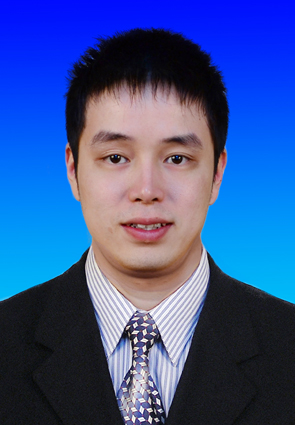
Dr. Marcus Möschl is a Researcher at the Department of Psychology within the Faculty of Science at Technische Universität Dresden. His work focuses on prospective memory and intention deactivation, exploring how cognitive intentions persist post-completion, the interplay with cognitive control, and the impact of acute stress. He holds a Dr. rer. nat. in Psychology (2019) and a Diploma (2013), both from TU Dresden. His research has been supported by the Collaborative Research Center CRC 940 'Volition and Cognitive Control'. Research Interests: Prospective memory dynamics, intention deactivation mechanisms, stress effects on cognitive processes, and the role of cognitive control in adaptive behavior. His studies use experimental paradigms to investigate how completed intentions influence subsequent tasks and how stress modulates these processes. Key Findings: Published work includes studies on stress-induced shifts in prospective memory processes, the persistence of intention representations post-completion, and the role of task similarity in aftereffects. His 2023 publications highlight contributions to open science practices and methodological innovations like mouse-tracking for behavioral analysis. Grants/Awards: Fellowship holder in CRC 940 (2014–2019). No specific awards listed. Labs/Teams: Active member of the Institute of General Psychology, Biological Psychology and Methods of Psychology at TU Dresden, collaborating within the CRC 940 framework.
María Llorens-Martín is a Tenured Senior Researcher at the Spanish Research Council (CSIC) and a Group Leader at the Center for Molecular Biology Severo Ochoa (CBMSO). Her academic career spans roles including Assistant Professor at the Universidad Autónoma de Madrid (UAM) under the ‘Ramón y Cajal’ tenure-track program, postdoctoral research at the University of Tsukuba (Japan), and fellowships from CSIC, CIBERNED, and the Japan Society for the Promotion of Science. B.Sc. in Biology, Universidad Complutense de Madrid (UCM) (2004) M.Sc. in Neurosciences, UCM (2006) Ph.D. in Neurosciences, UCM (‘Sobresaliente Summa Cum Laude’) (2009) Her research focuses on adult hippocampal neurogenesis in health and neurodegenerative diseases like Alzheimer’s. Key areas include the impact of exercise on brain aging , tau protein regulation , and GSK-3β signaling in neuronal morphology . She has pioneered protocols for studying human hippocampal neurogenesis and demonstrated its decline in Alzheimer’s patients. Her work has been published in top-tier journals including Science , Nature Medicine , and Molecular Psychiatry , with high citations (h-index: 34). She has supervised multiple PhD students and received prestigious awards like the Miguel Catalán Young Investigator Award and induction into the Spanish Young Academy. Extraordinary award ‘Best Doctoral Dissertation’ (UCM, 2009) Young Investigator Award (CBMSO, 2013) National Young Investigator Award (CIBERNED, 2013) Miguel Catalán Young Investigator Award (2019) Young Female Talent in Biology (Spanish Royal Academy of Sciences, 2019) Full Member, Spanish Young Academy (2021) As a Group Leader at CBMSO, she supervises ongoing doctoral research and leads projects exploring the cellular mechanisms of neurodegeneration and neuroplasticity. Her lab focuses on translating findings into therapeutic strategies for Alzheimer’s and other neurodegenerative disorders.
Alexandros Poulopoulos, PhD, serves as Associate Professor in the Department of Pharmacology & Physiology at the University of Maryland School of Medicine. His research integrates synthetic biology with developmental neuroscience to pioneer molecular therapeutics for neurogenetic disorders through advanced CRISPR-based genome editing technologies. Education: BSc in Biology, University of Athens, Greece (2003) PhD in Neuroscience, University of Göttingen, Germany (2008) Postdoctoral Fellow, Max Planck Institute for Experimental Medicine (2009) Postdoctoral Fellow (EMBO fellow), Massachusetts General Hospital (2012) Postdoctoral Fellow (HFSP fellow) and Research Associate, Harvard University (2016) Dr. Poulopoulos' research focuses on cortical development, synaptogenesis, and neurogenetic disease mechanisms. His lab develops precision CRISPR agents like Cas9-RC for in vivo somatic genome editing, targeting conditions including epilepsy, autism, schizophrenia, and neurodegeneration. Key investigations explore mTOR signaling pathways, cell adhesion molecules (particularly Neuroligin), and CRISPR delivery systems using in utero electroporation. His work bridges fundamental synaptic biology with therapeutic applications for brain disorders. Analysis of recent publications (2023-2025) reveals three dominant research trajectories: 1) Advancement of prime editing technologies for modeling rare epilepsies (particularly GRIN2A-related disorders), 2) Elucidation of synaptic organization mechanisms through phosphorylation-dependent neuroligin localization and axon guidance principles, and 3) Development of novel delivery platforms including focused ultrasound-mediated blood-brain barrier penetration and nanoparticle systems. These efforts demonstrate a clear progression from basic synaptic biology toward clinically translatable genome editing therapies. Scientific Awards: NIH TARGETED Challenge, phase II winner (2025) Society for Neuroscience Greater Baltimore Chapter President (2024) GPILS Teacher of the Year Award, University of Maryland (2020) NIH Director's New Innovator Award (2019) Harvard Distinction in Teaching Award (2015) Human Frontier Science Program Fellowship (2012) EMBO Fellowship (2010) Max Planck Society Otto Hahn Medal (2009) Dr. Poulopoulos leads the Poulopoulos Lab (poulab.org), which operates within the University of Maryland's Center for Innovative Medicine. His team comprises postdoctoral fellows, graduate students, and research technicians focused on CRISPR agent development and neurogenetic disease modeling. Current funding includes NIH New Innovator Award support for precision genome editing platforms and recent success in the NIH TARGETED Challenge for rare epilepsy therapeutics. He actively mentors PhD candidates through the Graduate Program in Life Sciences (GPILS) and serves as course director for advanced neuroscience modules. The lab employs cutting-edge approaches including single-cell transcriptomics of neuronal compartments, in utero prime editing, and light-sheet imaging of developing cerebellar circuits. Collaborations with clinical neurologists at UMMC and industry partners accelerate translation of their CRISPR-Cas9-RC system toward correcting genomic lesions in neurodevelopmental disorders, with particular emphasis on patient-specific epilepsy models.
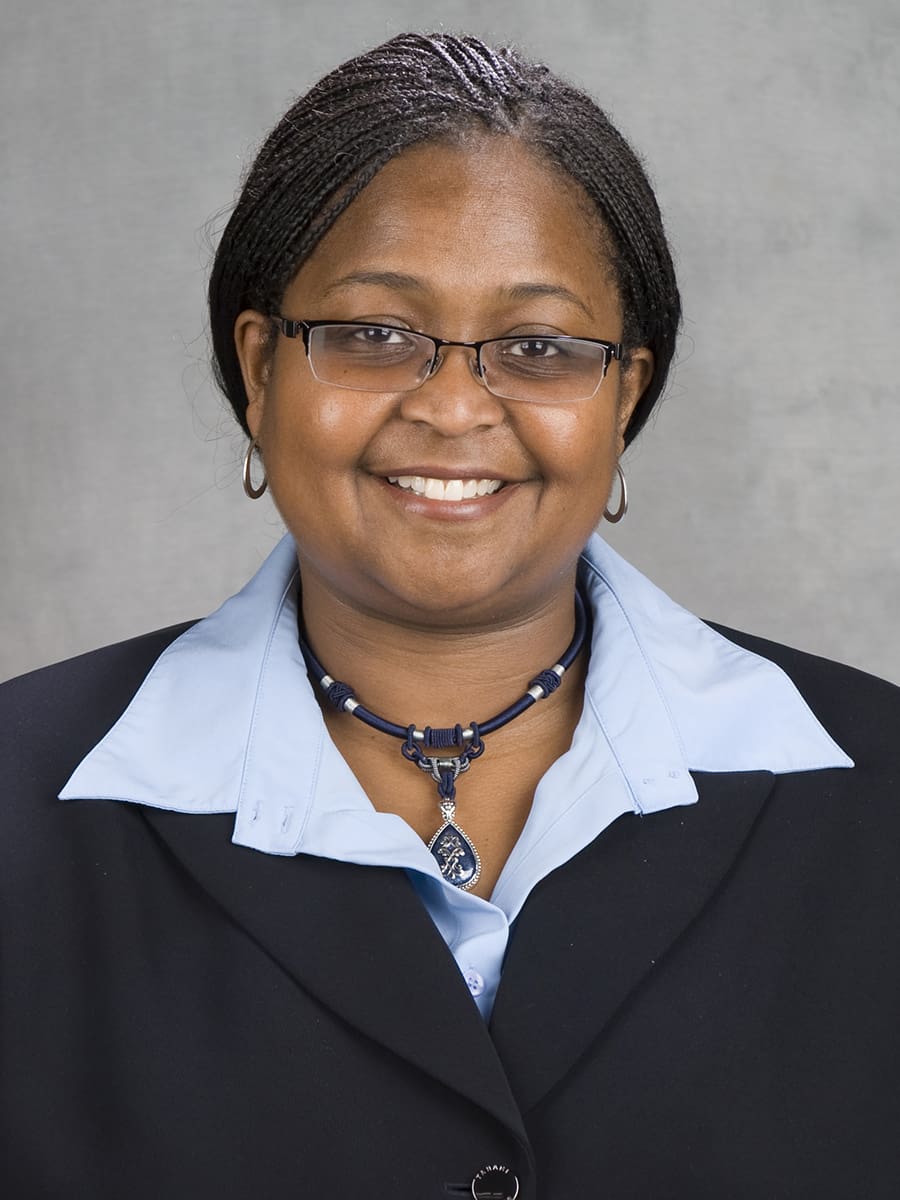
Jacqueline Henderson serves as an Associate Professor in the Mechanical Engineering Department within Bradley University's Caterpillar College of Engineering & Technology. Her research focuses on biomechanics with specialization in upper extremity disorders and mathematical modeling applications. Her educational background includes a Ph.D. in Biomedical Engineering from Wayne State University, an M.S. in Mechanical Engineering from the same institution, and a B.S. in Mechanical Engineering from Prairie View A&M University. Joining Bradley in 2010, she has established herself as a key researcher in skeletal biomechanics. Ph.D., Biomedical Engineering, Wayne State University M.S., Mechanical Engineering, Wayne State University B.S., Mechanical Engineering, Prairie View A & M University Dr. Henderson's research centers on upper extremity biomechanics, particularly investigating carpal tunnel syndrome through mathematical modeling of subsynovial connective tissue shearing. Her work extends to cumulative trauma disorders and rehabilitation biomechanics, with significant collaborations between Bradley University and local medical communities. She employs advanced techniques including speckle-tracking ultrasound and finite element modeling to analyze tendon-nerve interactions in the carpal tunnel. Her publication record demonstrates consistent focus on biomechanical analysis of the carpal tunnel and spinal structures, with recent expansion into neurovascular coupling and Alzheimer's disease mechanisms. Key methodologies include ultrasound assessment, finite element modeling, and quantitative tissue property measurement. Professional recognition includes an NIH National Research Service Award fellowship at Mayo Clinic. She serves as a reviewer for the Journal of Applied Biomechanics and Journal of Clinical Biomechanics, and participates in Bradley University's Affirmative Action Committee. Dr. Henderson actively mentors STEM-interested youth and has developed educational initiatives including ME 101: Introduction to Mechanical Engineering and ME 591: Human Centered Design. Her service extends to K-12 engineering outreach programs in the Detroit Public School system.
Wen Lu, PhD is a Research Assistant Professor in the Department of Cell and Developmental Biology at Northwestern University's Feinberg School of Medicine. Her primary research focuses on cytoskeletal regulation and molecular motor coordination in super-large cells including oocytes and neurons, utilizing Drosophila melanogaster as a model organism. She employs high-resolution live microscopy, genetic engineering, optogenetics, and pharmacological manipulations to investigate microtubule and F-actin dynamics in cellular development and regeneration. Her educational background includes a BS from Peking University (2004) and a PhD from The University of Chicago (2010), followed by postdoctoral training at Northwestern University Feinberg School of Medicine. Dr. Lu maintains active affiliations with the American Society for Cell Biology (2019-2024) and the Genetics Society of America (2022-2023), and serves on the FlyBase Community Advisory Group since 2014. Research interests center on cytoskeletal dynamics in cellular polarization, with particular emphasis on oocyte specification, growth mechanisms, and neuronal regeneration after injury. Her work bridges developmental biology and neurobiology through innovative imaging techniques that reveal molecular transport mechanisms in cellular systems. Current investigations explore microtubule movement regulation and the interplay between cytoskeletal elements during critical developmental processes. Publication trends demonstrate strong interdisciplinary focus spanning cell biology, neurobiology, and imaging sciences, with recent work increasingly incorporating translational elements in ophthalmology and oncology. Her articles reveal consistent methodological innovation in live-cell imaging and genetic manipulation techniques applied to fundamental biological questions. Winner 2025 Drosophila Art Contest, The FlyStuff / Genesee Scientific Team Winner of CDB Graphic Design Contest, CDB Special Events Committee (2024) Winner in Category 2, Microscopy Image Competition 2024, ProteinTech Group 2nd Prize in Published Category, Microscopy Today Micrograph Awards (2024) BINA 2022 Image Contest- People's Choice Award, BioImaging North America Dr. Lu serves on the FlyBase Community Advisory Group and maintains industry relationships including ownership in Quantum Music LLC. Her laboratory work integrates advanced microscopy with genetic models to address fundamental questions in cellular organization, with potential implications for understanding developmental disorders and neurodegenerative conditions.
Dr. Ling Liu is an Assistant Professor (non-tenure-track) at the Waseda Institute for Advanced Study within Waseda University, Japan. Her academic journey includes a PhD in Journalism (2022, Waseda University), a Master's in Journalism (2014, Waseda University), and a Bachelor's in Japanese (2012, Shanghai University of Finance and Economics, China). She has also engaged in interdisciplinary research as a Visiting Researcher at The Ohio State University (2016-2018) and Masaryk University (2011-2012). PhD (2022, Waseda University) Master's (2014, Waseda University) Bachelor's (2012, Shanghai University of Finance and Economics) Visiting Researcher at The Ohio State University (2016-2018) Visiting Student at Masaryk University (2011-2012) Liu's research focuses on political communication, media trust, and selective exposure mechanisms in high-trust environments like Japan. Her comparative studies across Japan, the US, and Hong Kong reveal how media trust levels influence partisan selective exposure behaviors, challenging assumptions based on Western contexts. She has contributed to theoretical frameworks distinguishing hostile media perception from general media distrust. Her publications span journals like Communication Research and European Journal of Political Research Political Data Yearbook , with notable work on cross-national differences in confirmation bias (2019) and partisan selective exposure (2024). She leads projects funded by organizations such as the Japan Society for the Promotion of Science and Waseda University's Special Research Grants, including the Disinformation and Democracy in East Asia (2023-2029) and Media Trust Impacts on Exposure to Political Information (2023-2024). Dean's Academic Prize (2022, Waseda University) JSPS Grants-in-Aid for Scientific Research Waseda University Special Research Grants Suntory Foundation for Young Researchers Liu has taught courses such as Intermediate Seminar (Political Communication and Media Studies) and Political Science Experiment at Waseda University. She serves on the editorial board of the Bulletin of the Waseda Institute for Advanced Study and contributes as a peer reviewer for journals like Communication Research and conferences including the International Communication Association. Her laboratory collaborations include the Media Trust and Hostile Media Perceptions project (2024), which developed a typology of media trusters, and the Media Trust Impacts on Exposure to Political Information project (2023), advancing theoretical foundations for cross-cultural analysis of media trust dynamics.
Professor Marco Prinz serves as Principal Investigator leading the Innate Immunity research group at the Institute of Neuropathology, University of Freiburg Faculty of Medicine. His laboratory investigates the critical role of brain-specific innate immune cells, particularly microglia, in neurological health and disease. Dr. Prinz's research focuses on understanding how microglia—the brain's resident macrophages—contribute to both protective and pathological processes in the central nervous system. His work examines microglial function in neuroinflammation, neurodegeneration, and autoimmune conditions like multiple sclerosis using advanced mouse models including EAE and cuprizone models. A significant portion of his recent research employs single-cell analysis techniques to characterize the heterogeneity of microglial cells in various disease states, particularly in chronic active lesions and paramagnetic rim lesions in MS patients. The laboratory has made important contributions to understanding microglial development, showing how these cells emerge from specific precursors and establish themselves in defined niches within the CNS. Their work has revealed how microglia act as both guardians and potential contributors to neurological damage, with implications for Alzheimer's disease, Parkinson's disease, and multiple sclerosis. Dr. Prinz's research team includes multiple postdoctoral researchers, PhD students, and technical staff who contribute to ongoing investigations into CNS immunity. His laboratory has pioneered techniques for studying microglia, including novel genetic tools and single-cell analysis approaches that have provided unprecedented insights into the cellular composition of brain lesions and the dynamic behavior of immune cells in neurological disorders.
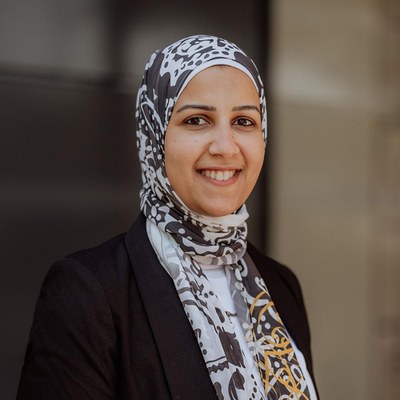
Dr. Yomna Abdelrahman is a Professor of Usable Security and Privacy at the Bundeswehr University Munich . Her research focuses on thermal imaging for security and privacy , virtual reality usability, eye tracking , and biometric authentication . She collaborates with researchers like Florian Alt and Albrecht Schmidt on projects exploring how thermal sensing can enhance user identification and privacy awareness . Key Research Areas : Thermal Imaging, Human-Computer Interaction, Virtual Reality, Password Security, Biometric Authentication, Eye Tracking, Privacy Her recent publications address VR emotion detection , password usability , and privacy implications of thermal imaging . She has contributed to conferences like CHI, MUM, and INTERACT, often examining security-privacy trade-offs and non-invasive biometric systems . Notably, her work on thermal attacks reveals vulnerabilities in mobile authentication through thermal residue. She holds a PhD in Computer Science from the University of Stuttgart (2018), where her thesis, "Thermal Imaging for Amplifying Human Perception," laid the foundation for her later work on thermal-based interaction and cognitive load estimation . Her collaborations span diverse domains, from smart home notifications to industrial worker assistance , reflecting her interdisciplinary approach to usable security and interactive systems .
Sabrina Pacor is an Associate Professor in Applied Biology (BIO/13) at the University of Trieste , where she teaches Pharmacology in the Pharmacy LM and STB BSc programs. With over 30 years of research experience in experimental oncology and host defense peptides, she has made significant contributions to studying antimicrobial peptides (AMPs) and their interactions with bacterial membranes. Her research focuses on: Direct antimicrobial activity of AMPs against Gram-positive and Gram-negative bacteria Indirect immunomodulatory effects of host defense peptides Development of drug delivery systems using nanomaterials (carbon nanotubes, gold nanoparticles) Mechanistic studies of ruthenium-based antimetastatic drugs She leads extensive cytofluorimetry research using flow cytometry platforms, particularly for evaluating: Cytotoxicity (necrosis/apoptosis, proliferation index) Modulation of host biological responses (chemotaxis, phagocytosis, ROS production) Peptide-bacterial membrane interactions through fluorescent labeling Her recent work demonstrates trends in: Proline-rich antimicrobial peptides against ESKAPE pathogens Hybrid antibiotic design (peptide-aminoglycoside conjugates) Structure-activity relationships in membranolytic peptides Evolutionary insights into defensin and cathelicidin families Prof. Pacor has co-authored over 100 peer-reviewed publications and actively mentors students, having supervised: 70 experimental/thesis reviews for Pharmacy/CTF Master's students 20 Bachelor's degree theses
Professor Sang-Heon Lee is a faculty member at the University of South Australia, affiliated with the UniSA STEM division. His research spans interdisciplinary domains including machine vision, supply chain optimization, and material science. His research interests focus on developing advanced imaging systems for food safety (e.g., aflatoxin detection in almonds), optimizing reverse supply chains for electronic waste and solar panels, and engineering nanocomposites for construction materials. He also investigates biomedical imaging techniques for mucociliary transit assessment and clinical coding methodologies. The 15 most recent publications highlight his work in multispectral/hyperspectral imaging, fuzzy logic optimization, and nanomaterials. Key trends include non-destructive food testing, sustainable e-waste management, and biomedical imaging analysis. As a research degree supervisor, he contributes to academic training in these areas. No scientific awards or lab affiliations were explicitly mentioned in the provided text.
Professor Ami Eidels is a Professor in the School of Psychological Sciences at the University of Newcastle, Australia. She specializes in cognitive psychology with a focus on information processing models, cognitive workload, and human-machine interaction. Her research bridges theoretical cognitive science with applied settings, particularly in defense and industry contexts. Professor Eidels completed her PhD in Cognitive Psychology at Tel Aviv University under the supervision of Professor Daniel Algom. She then pursued post-doctoral training in Mathematical Psychology at Indiana University with Professor James Townsend before joining the faculty at the University of Newcastle. Her research program centers on understanding how humans process and combine information from multiple sources, with particular emphasis on how cognitive workload affects processing efficiency and system capacity. Professor Eidels and her team conduct laboratory experiments, develop cognitive models, and apply systems factorial technology to analyze human performance. A significant portion of her recent work focuses on human-human and human-bot team performance, examining how collaboration and competition affect cognitive efficiency in team settings. Her approach integrates cognitive modeling with machine learning techniques to scale up traditional laboratory findings to more complex, real-world scenarios. Analysis of Professor Eidels' recent publications reveals a strong focus on cognitive workload measurement and human-machine interaction. Her work demonstrates consistent application of systems factorial technology across diverse domains including visual search, numeral recognition, team performance, and interface design. A notable trend is the expansion of cognitive modeling approaches to examine team dynamics, particularly how humans interact with AI systems. Her research increasingly addresses practical applications in areas such as aviation safety, user interface design, and cognitive assessment in neurodevelopmental conditions. Professor Eidels actively supervises students and collaborates with researchers across disciplines. Her work with defense and industry partners indicates applied research with real-world implications for system design and human performance optimization. While specific grant details are not provided in the available information, her extensive publication record and collaborative projects suggest significant research funding support. Her laboratory work encompasses both traditional cognitive experiments and innovative applications of cognitive science to practical problems. The integration of cognitive modeling with real-world applications represents a distinctive feature of her research program, allowing theoretical insights to inform practical solutions for human performance challenges.
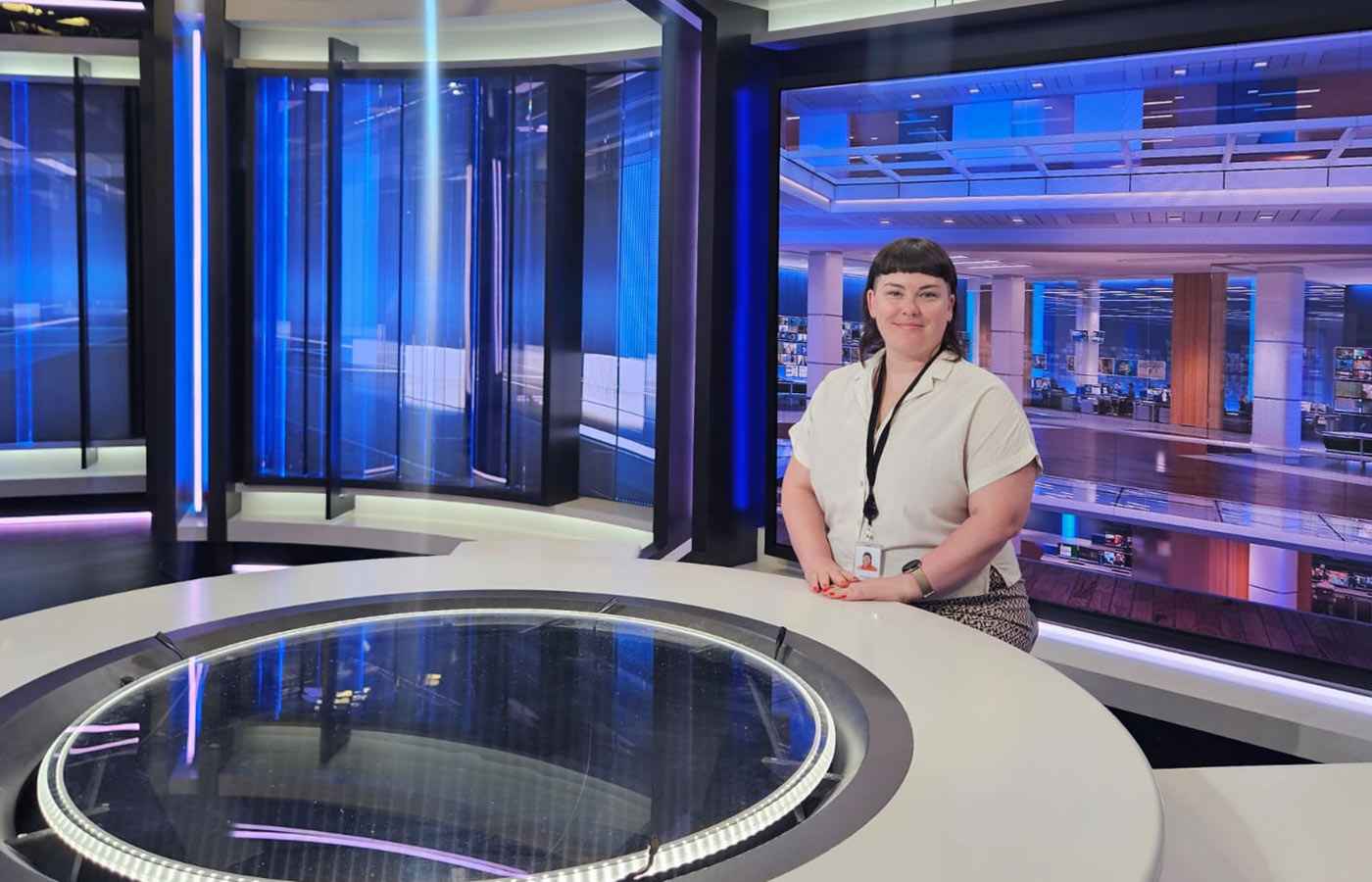
Dr. Emmalee Ford, a Lecturer at the School of Biomedical Sciences and Pharmacy (University of Newcastle), specializes in improving sexual and reproductive health through interdisciplinary research spanning molecular biology to public health. Her work addresses critical issues such as fertility knowledge gaps, digital health tool reliability, and equitable access to reproductive services across Australia and the Pacific. Doctor of Philosophy in Medical Biochemistry, University of Newcastle Graduate Certificate in Data Science, University of Newcastle Bachelor of Science (Honours), University of Newcastle Dr. Ford's research combines ovary development and primordial follicle activation studies with community-focused initiatives like adolescent fertility education and period tracking app analysis. Her findings on premature ovarian insufficiency were incorporated into the International Menopause Society's white paper, influencing clinical guidelines. Her publications highlight trends in digital health literacy and reproductive health policy , while her 2023-2024 grants from CSIRO and Hunter New England Local Health District funded projects like Fertile Future and Empowering Adolescents . Dr. Ford actively shapes national health policy, notably securing permanent telehealth access for sexual health services post-2024 budget. Most Valuable Postgraduate (MVP) Award, University of Newcastle Student Association (2020) Australia Day Award, National Council of Women (NCW) of NSW (2018) Oozoa Award Finalist, Australian Society for Reproductive Biology (2019) Dr. Ford's advisory group of post-high school youth ensures research remains community-driven. She advocates for demystifying menstrual cycle education, emphasizing self-awareness over app algorithms. Her collaborations with clinicians, educators, and tech companies bridge scientific discovery with real-world healthcare solutions.
Shilin Zhao is an Assistant Professor of Biostatistics at Vanderbilt University Medical Center, specializing in artificial intelligence applications for digital pathology and multi-omics integration. His work bridges computational methodology development with clinical pathology to address challenges in kidney disease, gut microbiome research, and metabolic disorders. Education PhD in Bioinformatics, Shanghai Institutes for Biological Sciences Research Focus Dr. Zhao's research centers on AI-driven pathology and spatial omics , with primary emphasis on: Glomerular and kidney layer segmentation using cross-species data integration Foundation model assessment for cell nuclei analysis in renal histopathology Multi-omics approaches to colitis, atherosclerosis, and metabolic diseases Development of graph networks for spatial transcriptomics prediction His methodologies frequently combine deep learning with biostatistical rigor to translate computational insights into clinical pathology applications. Publication Trends Dr. Zhao's 2025 publications demonstrate intense focus on AI pathology tools (14/15 articles), particularly glomerular analysis and spatial transcriptomics. Key themes include cross-species model adaptation (GLAM), multi-level attention networks (MagNet), and clinical validation of AI foundation models in kidney pathology. His work consistently targets diagnostic precision through computational innovation. Scientific Recognition No specific awards or honors were documented in the provided materials. Academic Contributions While student advising details are unavailable, Dr. Zhao actively contributes to methodological advances in biostatistics through high-impact publications. His involvement in the KPIS 2024 challenge indicates leadership in establishing glomerular segmentation benchmarks for the pathology AI community. Research Environment As primary faculty in Vanderbilt's Department of Biostatistics, Dr. Zhao likely collaborates with institutional resources including the Vanderbilt Biostatistics Data Coordinating Center (VBDCC) and Vanderbilt Technologies for Advanced Genomics Analysis and Research Design (VANGARD), though specific affiliations aren't explicitly stated.
Dr. Jeffrey Proudfoot is an Associate Professor and Chair of the Computer Information Systems Department at Bentley University. He holds a Research Affiliate position at MIT's Cybersecurity at MIT Sloan (CAMS) center and coordinates the Business Core course CS305. He earned his Ph.D. from the University of Arizona, and M.S./B.S. from the University of Utah. Teaching focuses on business process management, ERP systems, and information security. His research examines cybersecurity regulations, corporate board governance of cyber risk, behavioral information security, and deception detection. Recent publications explore cybersecurity investment decisions, regulatory impacts, and human factors in security compliance. Articles demonstrate consistent focus on organizational risk management and behavioral aspects of cybersecurity. Awards include: AIS Best Information Systems Publication Award Leads multiple industry partnerships with organizations including Google, Boston Consulting Group, and Department of Homeland Security. Research has been presented to congressional committees and Fortune-50 boards.
Halima Chahboune is the Executive Director of the Carol and Gene Ludwig Program at Yale School of Medicine, leading research in neuroimmunity and dementia. She holds a PhD in Biomedical Engineering from Université Claude Bernard Lyon 1 and completed postdoctoral training at Yale in Radiology and Biomedical Engineering. Her career includes roles as Assistant Director at the Center for Research on Interface Structures and Phenomena (CRISP) and the Center for the Physics of Biological Function (CPBF). Her research focuses on advancing multi-modal Magnetic Resonance Imaging (MRI) techniques for applications in neuroscience, molecular imaging, and regenerative medicine. Key interests include neurodevelopmental disorders, tissue engineering, and translational imaging strategies. Her work bridges engineering and medicine, with publications in journals like Magnetic Resonance in Medicine and Stroke . Her research trends emphasize interdisciplinary approaches, leveraging MRI innovations to address challenges in regenerative medicine, neurodegenerative diseases, and developmental neuroscience. While no specific awards are listed, her contributions to imaging methodologies have been widely cited. She collaborates with prominent researchers such as Douglas Rothman and Flora Vaccarino, advancing studies on brain development and injury mechanisms. Halima’s work is affiliated with Yale’s Ludwig Program for Neuroimmunity in Dementia and the Neuroscience department, reflecting her commitment to integrating advanced imaging with biomedical research. Her office is located at 100 College Street, New Haven, CT.