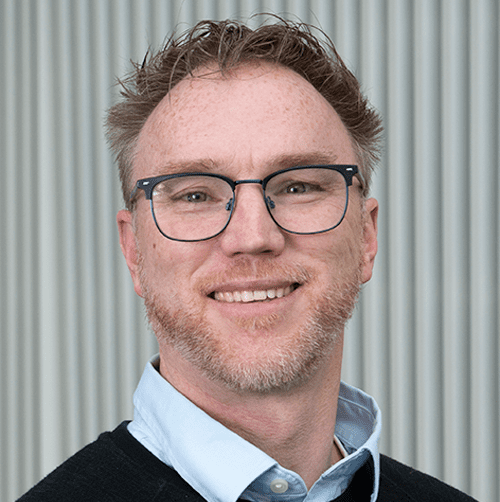
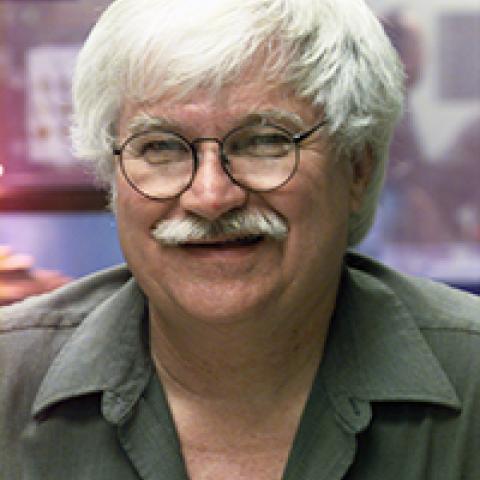
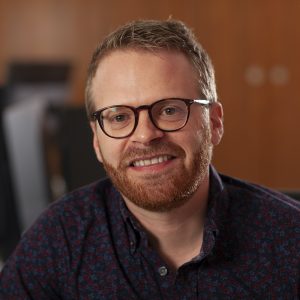
Dr. Maja Matis is a Group Leader at the University of Muenster's Center for Molecular Biology of Inflammation (ZMBE) within the Institute of Cell Biology. Her research focuses on understanding the mechanical role of microtubules in tissue morphogenesis, particularly how microtubule-generated forces contribute to tissue remodeling through coordinated cellular behaviors. She leads the Matis Lab, which employs advanced microscopy techniques and genetic approaches to study cytoskeletal mechanics in developmental contexts. Key research areas include the structural regulation of microtubules, mechanics-driven cell shape changes, and integration of forces at adherens junctions. Her interdisciplinary projects combine biophysics, developmental biology, and quantitative imaging to unravel mechanisms underlying collective cell behavior during tissue formation. Notable contributions include studies on microtubule compression dynamics in epithelial tissues and the role of PCP signaling in patterning microtubule networks. She collaborates with institutions like the Cells in Motion Cluster of Excellence and has mentored multiple PhD/MD students. Her work is published in high-impact journals such as Nat. Commun. and Nat. Cell Biol.
Jonathan T. Butcher is a Professor in the Meinig School of Biomedical Engineering at Cornell University. His research focuses on cardiovascular developmental mechanobiology, postnatal valve disease, and heart valve tissue engineering. He holds positions in multiple graduate fields including Biomedical and Biological Sciences and Mechanical Engineering. Dr. Butcher earned his B.S./M.S. in Mechanical and Aerospace Engineering from the University of Virginia (2000), Ph.D. in Mechanical Engineering from Georgia Institute of Technology (2004), and completed a postdoctoral fellowship in Developmental Biology/Pediatric Cardiology at the Medical University of South Carolina (2007). His research integrates experimental, computational, and engineering approaches to study heart valve formation and disease. Key areas include embryonic heart biomechanics, pathological valve remodeling, and 3D-printed tissue constructs. He leads the Butcher Lab, which collaborates on NSF-funded projects like a $3 million initiative on bio-inspired architectural design. Notable awards include being an ASME Fellow (2021), AIMBE Fellow (2019), and recipient of the NSF CAREER Award (2010). He co-mentored doctoral student Alexander Cruz to a 2023 HHMI Gilliam Fellowship. Dr. Butcher’s work bridges biomechanics, genetics, and regenerative medicine. Current efforts aim to translate developmental principles into clinical solutions for valve diseases and engineer living tissues using advanced bioprinting techniques.
Raymond Keller is the Thomas Jefferson Professor of Biology at the University of Virginia. He leads the Keller Laboratory, which investigates cellular and molecular mechanisms driving early amphibian morphogenesis, focusing on convergent extension movements during gastrulation and neural tube formation. His work integrates high-resolution imaging of cell motility with biomechanical analyses of embryonic tissues to understand how molecular events generate forces shaping the embryo. Research interests include embryonic tissue mechanics, cell intercalation dynamics, and the biomechanical basis of vertebrate body plan formation. Collaborations include work with Ann Sutherland (UVA School of Medicine) on mouse early morphogenesis, combining amphibian and mammalian systems for comparative insights. Notable contributions include pioneering studies on convergent extension, direct embryonic force measurements, and innovative tissue engineering approaches. His research bridges developmental biology with biophysics and engineering principles.
Keisuke Ishihara is an Assistant Professor in the Department of Computational and Systems Biology at the University of Pittsburgh School of Medicine. His research focuses on engineering human brain and cardiac organoids using genetic, chemical, and computational approaches to uncover novel regulatory mechanisms and physical principles underlying tissue development. His lab is located at Biomedical Science Tower 3, with an office in room 10020A. Dr. Ishihara holds a PhD in Systems Biology from Harvard University. His work bridges synthetic biology, developmental biology, and biophysics to address fundamental questions in organogenesis and cellular morphogenesis. Recent research highlights include studies on BMP-mediated neural tube patterning in organoids and the biophysical dynamics of microtubule assemblies in large cells. Publications from his lab emphasize interdisciplinary approaches to understand cell size scaling, mitotic spindle dynamics, and self-organization in synthetic tissues. His team has contributed to advancements in organoid technology, uncovering dormant genetic programs and physical principles governing tissue architecture. Laboratory activities are centered at the University of Pittsburgh, collaborating with the School of Medicine's computational and systems biology initiatives. For more details, visit his lab website linked below.
Sebastian Risi is a Professor at the IT University of Copenhagen , where he directs the Creative AI Lab and co-directs the Robotics, Evolution and Art Lab (REAL) . His work bridges computational evolution, deep learning, and collective intelligence for applications in robotics, art, and video game design. His research focuses on self-organizing AI systems that grow or assemble through local interactions, inspired by biological development. Key areas include neuroevolution , neural cellular automata , and generative modeling , with applications in adaptive robotics, game content creation, and damage-resilient AI. Recent publications highlight trends in self-assembling neural architectures (NDPs) and 3D functional machine generation (Minecraft experiments). Awards include ERC Consolidator Grant (2022), Best Paper at FDG’21 , and Google Faculty Award (2019). Scientific Awards : ERC Consolidator Grant (GROW-AI), Best Paper FDG’21, Runner-Up IEEE Games’20, GECCO 2017 Competition Winner, Sapere Aude Grant, Amazon/Google Faculty Awards He advises on projects like GROW-AI (EU-funded), AI-TESTER (game testing), and C2SIM (military systems). Media coverage includes Science , Wired , and Popular Science .
Jianping Fu is a Professor in the Department of Mechanical Engineering at the University of Michigan , with joint appointments in Biomedical Engineering and Cell and Developmental Biology. His research integrates micro/nanoengineering , mechanobiology , and stem cell biology to model human development and disease. Education: PhD (MIT, 2007), BE (University of Science and Technology of China, 2000) His research interests focus on stem cell bioengineering , developmental bioengineering , and mechanobiology , particularly in modeling early post-implantation human development, neural tube formation, and pluripotent stem cell mechanoregulation. His work combines biomimetic culture systems with microfluidic gradients to study embryogenesis and organogenesis. Recent publications highlight advances in human embryo modeling (2024 Cell, Nature, Cell Stem Cell), neural tube patterning (2024 Nature), and mechanobiology of stem cells (2024 Nature Reviews Physics). These studies emphasize computational methods , single-cell analysis , and standardization of embryo models . Scientific honors include: Friedrich Wilhelm Bessel Research Award (2022) ISSCR Merit Award (2024) Fellow, American Institute for Medical and Biological Engineering (2019) NSF CAREER Award (2012) Life Member, World Association of Chinese Biomedical Engineers (2024) Dr. Fu mentors extensively, with 20+ alumni including PhD students and postdocs now in academic and industry positions. His lab has received $3M NIH funding for immunological diagnostics and MTRAC grants for translational research. Collaborations with institutions like Cincinnati Children's Hospital and Rice University enhance his interdisciplinary approach to regenerative medicine.
Amjad Javed is a Professor and Associate Dean at the University of Alabama at Birmingham , with primary appointments in the School of Dentistry - Oral & Maxillofacial Surgery and joint affiliations in Cell, Developmental and Integrative Biology , Otolaryngology , and Biomedical Engineering . His research spans bone biology, cartilage development, and myeloma bone disease. PhD in Physiology (University of the Punjab, 2003) MS in Zoology/Animal Biology (University of the Punjab, 1992) Research Interests focus on transcriptional regulation via RUNX2 and Sp7 in skeletogenesis, vascular calcification mechanisms, epigenetic control of bone formation, and tumor-bone microenvironment interactions in multiple myeloma. Key subfields include endochondral ossification, osteoclast differentiation, and nanomatrix-based tissue engineering. Scientific Contributions include discoveries about RUNX2's role in postnatal bone resorption, λ5 protein's impact on skeletal aging, and heparanase's promotion of myeloma metastasis. His work demonstrates RUNX2's dual function in chondrocyte apoptosis and cartilage degradation. Teaching & Mentorship involves graduate committee service for over 15 students and instruction in courses like Connective Tissue and Bone , Oral & Skeletal Biology , and Journal Clubs . Collaborations span Comprehensive Arthritis, Musculoskeletal, Bone and Autoimmunity Center , Integrative Center for Aging Research , and Biomatrix Eng Regen Med Center .
Guillermo A. Ameer serves as the Daniel Hale Williams Professor of Biomedical Engineering at Northwestern University's McCormick School of Engineering and Professor of Surgery in the Feinberg School of Medicine. He directs the Center for Advanced Regenerative Engineering (CARE) and maintains affiliations with the Simpson-Querrey Institute, Chemistry of Life Processes Institute, and the IBiS Graduate Program. His leadership extends to founding the Regenerative Engineering Laboratory, which pioneered citrate-based antioxidant biomaterials known as polydiolcitrates. Americas' leading innovator in regenerative engineering, Ameer's research spans vascular, orthopaedic, and bladder tissue engineering. His lab developed Nanonets™ thermoresponsive oligomers and photoresponsive liquid polymers for applications including wound healing, islet transplantation, and 3D-printed vascular scaffolds. Notable breakthroughs include bioresorbable stents, bladder regeneration scaffolds, and diabetic wound healing technologies that have received FDA clearance and commercial implementation through companies like Acuitive Technologies and VesselTek BioMedical. His publication record demonstrates consistent innovation in biomaterials science, with research trends showing progression from fundamental polymer chemistry to sophisticated clinical applications. Recent work focuses on electroactive bladder scaffolds, 3D-printed vascular devices, and wearable health monitoring systems, reflecting his commitment to translating laboratory discoveries into tangible medical solutions. The 2025 launch of the Regenerative Engineering Institute underscores his growing institutional impact. Percy L. Julian Award (2024) BMES Athanasiou Medal of Excellence in Translational Bioengineering (2023) Election to National Academy of Medicine (2021) National Academy of Inventors Fellow (2019) AAAS Fellow (2018) AIChE Fellow (2017) Ameer has mentored over 30 PhD and Master's students who now lead research at institutions including Penn State, USC, and the FDA. His lab secures substantial NIH funding, including an American Recovery and Reinvestment Act Challenge Grant for liquid cast arterial stents. Current projects include the development of citrate-based biomaterials for bladder regeneration, diabetic wound healing, and bioresorbable vascular scaffolds, with multiple technologies transitioning to clinical applications through partnerships with medical device companies. The Regenerative Engineering Laboratory maintains a collaborative interdisciplinary environment with approximately 20 researchers spanning engineering and natural sciences disciplines. Recent initiatives include the development of wearable skin gas sensors (2025) and CITREPORE™ bone void filler (2024), demonstrating the lab's capacity to address diverse clinical challenges through biomaterials innovation.
Jose J. Muñoz is a Professor at the Universitat Politècnica de Catalunya (UPC), affiliated with the Department of Mathematics and the LACÀN research group. His work focuses on computational mechanics, mechanobiology, and inverse problems in biological systems. He holds a PhD in Aeronautics from Imperial College London (2004) and a dual degree in Mechanical Engineering from UPC and Civil Engineering from École Centrale Paris (1997). His research combines finite element methods, vertex models, and optimal control to study tissue morphogenesis, wound healing, and cancer mechanics. Current roles include leading the LACÀN research group and supervising PhD students in projects like optimal control of contractile systems and inverse mechanical analysis. Former students include Ashutosh Bijalwan and Cécilia Olivesi. He teaches Numerical Methods and Computational Mechanics at the UPC's Faculty of Mathematics and Statistics. His research interests span vertex and finite element modeling, cell rheology, and stability analysis of biological tissues. Notable contributions include models for epithelial wound healing, Drosophila embryo development, and mechanical oscillations in tissues. His work often integrates experimental data with computational frameworks to infer non-observable mechanical parameters.
Michael Levin is a Distinguished Professor at Tufts University in the Department of Biology within the School of Arts and Sciences. He serves as Director of both the Allen Discovery Center at Tufts University and the Tufts Center for Regenerative and Developmental Biology. His laboratory investigates the intersection of developmental biology, artificial life, bioengineering, synthetic morphology, and cognitive science. Allen Discovery Center at Tufts Tufts Center for Regenerative and Developmental Biology Tufts/UVM: ICDO Harvard Wyss Institute Stibel Dennett Consortium for Brain and Cognitive Science The Proteus Institute MIT Science and Technology Center EBICS Levin's research focuses on understanding diverse intelligence in evolved, designed, and hybrid complex systems. His lab combines developmental biophysics, computer science, and behavioral science to study how cognition scales up from cellular competencies to organism-level behaviors. A key specialty is developmental bioelectricity—the study of how somatic electrical networks store, process, and act on information to control large-scale body structure. His team creates tools to read and edit the bioelectric code guiding proto-cognitive computations in the body. Levin's publications reveal a strong focus on bioelectricity, morphogenesis, and non-neural cognition across multiple model systems including Xenopus, planarians, and synthetic living constructs. His recent work explores collective intelligence as a unifying concept across biological scales, the development of microfluidic devices for measuring electrical connectivity, and optical estimation of bioelectric patterns in living embryos. His research spans fundamental developmental mechanisms to potential biomedical applications in regeneration and disease treatment. As an editor, Levin serves as Co-Editor-in-Chief of Bioelectricity and Founding Associate Editor of Collective Intelligence. He has mentored numerous post-doctoral fellows and graduate students who have gone on to establish their own research programs. His lab has received significant attention for creating novel biological machines (xenobots) and demonstrating that cells can store and transmit behavioral memory outside the brain. The Levin Lab maintains several significant research initiatives including the Allen Discovery Center at Tufts, the Tufts Center for Regenerative and Developmental Biology, and collaborations with the Wyss Institute at Harvard. The lab employs a multidisciplinary approach combining wet lab experiments with computational modeling to investigate how living systems achieve goal-directed behavior and pattern formation.
Sangwoo Kim is a Tenure Track Assistant Professor at the Swiss Federal Institute of Technology Lausanne (EPFL) in the Institute of Mechanical Engineering. He leads the Mechanics of Soft and Biological Matter Laboratory (MESOBIO), focusing on the interplay between mechanics, physics, and biology in living systems. His research spans soft matter physics, developmental biology, and mechanical engineering. 2023–Present: Tenure Track Assistant Professor, EPFL School of Engineering Postdoctoral Fellow, UC Santa Barbara Mechanical Engineering Ph.D. in Theoretical and Applied Mechanics, University of Illinois at Urbana-Champaign Kim’s research investigates fundamental properties of biological and soft materials, including: Tissue morphogenesis and embryonic development Mechanical behavior of amorphous and active matter Non-equilibrium dynamics in cellular systems Phase transitions in biological tissues Stress and osmotic pressure quantification His recent publications reveal a focus on: Biological jamming and fluidization Zebrafish axis elongation mechanics Energy landscapes of cellular matter Active matter modeling Statistical mechanics of soft materials Developmental force transmission Kim supervises PhD students and teaches courses in structural mechanics at EPFL, emphasizing problem-solving in engineering design.
Holger Knaut is an Associate Professor in the Department of Cell Biology at NYU Grossman School of Medicine . His research focuses on understanding the molecular and mechanical mechanisms underlying collective cell migration, tissue morphogenesis, and cytoskeletal dynamics using zebrafish models and quantitative imaging techniques. Key research areas: Collective cell migration, RhoA signaling, focal adhesions, actin polymerization Methodologies: Genetics, live-cell imaging, biomechanical analysis Notable findings: Discovery of rear traction forces in tissue migration, integration of adhesion codes in pattern formation His publications in top journals like Nature Cell Biology and Science demonstrate his expertise in developmental biophysics and cell signaling regulation. Contact: Holger.Knaut@nyulangone.org
George M. Church is a Professor of Genetics at Harvard Medical School and affiliated with MIT, where he directs PersonalGenomes.org, providing open-access genomic, environmental and trait data. His laboratory focuses on transformative technologies for reading and writing 3D/4D biological structures with attention to ethics, safety, and equitable access. Church has co-initiated major scientific initiatives including the BRAIN Initiative (2011) and multiple Genome Projects (GP-Read-1984, GP-Write-2016, PGP-2005). Church's research spans multiple cutting-edge domains including genome engineering, synthetic biology, aging reversal, and space genetics. His lab pioneered foundational methods for direct genome sequencing, molecular multiplexing and barcoding in 1984, leading to the first genome sequence in 1994. His innovations contributed to nearly all next-generation DNA sequencing methods and companies. Current research directions include machine learning for protein engineering, tissue reprogramming, organoids, gene therapy, and in situ 3D DNA/RNA/protein imaging. His work bridges fundamental biology with therapeutic applications across diverse fields from Alzheimer's disease to de-extinction biology. Church's recent publications reveal a remarkable breadth of scientific inquiry, spanning from fundamental genome editing techniques to applications in aging research, neuroscience, and space biology. His work increasingly integrates artificial intelligence with biological systems, as seen in papers on machine-guided cell-fate engineering and automation of systematic reviews with large language models. His research maintains a strong translational focus, with numerous papers addressing therapeutic applications in cancer immunotherapy, gene therapy, and diagnostics. The consistent theme across his diverse publications is the development and application of transformative technologies to address fundamental biological questions and medical challenges. National Academy of Sciences (NAS) membership National Academy of Engineering (NAE) membership Franklin Bower Laureate for Achievement in Science Co-initiator of the BRAIN Initiative (2011) Director of multiple NIH Centers for Excellence in Genomic Science (2004-2020) Church directs numerous research centers including the NIH-CEGS, Personal Genome Project (PGP), Lipper Center for Computational Genetics, and Wyss Institute Synthetic Biology center. His laboratory has trained PhD students across multiple Harvard and MIT programs including Biophysics, BBS, Biomedical Informatics, ChemBio, Chemistry, SSQB, MCO, Virology, HST, EE/CS, Physics and Applied Math. His commercial impact is extensive through companies spanning medical diagnostics (Knome/PierianDx, Alacris, Nebula, Veritas) and synthetic biology/therapeutics (AbVitro/Juno, Gen9/enEvolv/Zymergen/Warpdrive/Gingko, Editas, Egenesis). Church also pioneered new privacy, biosafety, ELSI, environmental and biosecurity policies. The Church Lab operates across multiple research domains including molecular multiplexing, next-generation sequencing, nanopore technology, and genome engineering. The lab maintains strong connections with the Personal Genome Project, Wyss Institute, and multiple commercial ventures. Current research directions include the Spatial Atlas of Human Anatomy (SAHA), human skin rejuvenation via mRNA, and space genetics research through the Consortium for Space Genetics and BioAstra. The lab's mission focuses on transformative technologies for reading and writing 3D/4D structures at any scale, inspired by but not limited by biology.
Filipa Simões is a Group Leader and British Heart Foundation Intermediate Basic Science Research Fellow at the Institute of Developmental and Regenerative Medicine (IDRM), University of Oxford. She holds a Hugh Price Fellowship in Regenerative Medicine at Jesus College, Oxford. Her work focuses on immune cell programming in cardiac repair, leveraging genomics, spatial omics, and in vivo/in vitro models to dissect macrophage roles in heart regeneration. She completed her PhD at the University of Coimbra (Portugal) and postdoctoral research at Oxford, identifying epicardial subpopulations and macrophage contributions to cardiac scarring. Education: BSc Microbiology and Genetics, Faculty of Sciences, University of Lisbon PhD Biochemistry, University of Coimbra (research at Oxford’s Weatherall Institute) Postdoctoral Training: Department of Physiology, Anatomy, and Genetics, University of Oxford Research Interests: Filipa’s lab explores how macrophages are programmed by neighboring cells to repair heart attack damage. Key themes include immune-cell-cardiac crosstalk, fibrosis pathways, and regenerative signaling. Techniques employed span spatial genomics, functional assays, and zebrafish models to map cellular microenvironments. Awards: British Heart Foundation Intermediate Basic Science Research Fellowship British Heart Foundation Centre of Research Excellence Transition Fellowship Teaching: Leads undergraduate courses in Cardiovascular Development, Genomics, and Developmental Biology. Oversees postgraduate modules on cardio-immuno genomics and cardiac regeneration. Labs/Teams: Heads a multidisciplinary team at IDRM, integrating developmental biology, immunology, and regenerative medicine approaches to advance cardiac repair strategies.
Sohail K. Mirza, MD, MPH is a Professor of Engineering at Dartmouth College's Thayer School of Engineering, specializing in biomedical engineering and orthopaedic surgery. His dual roles as a clinician and researcher focus on spinal biomechanics, surgical innovation, and healthcare policy. He received a BA in Physics from Colorado College (1985), an MD from the University of Colorado (1989), and an MPH from the University of Washington (2005). Research Interests: Dr. Mirza's work bridges clinical practice and engineering, with a focus on improving spinal surgery outcomes through advanced imaging techniques (e.g., intraoperative stereovision), reducing surgical overuse via policy analysis, and developing evidence-based guidelines for lumbar fusion procedures. His innovations include systems for pain measurement post-surgery and handheld stereovision tools for surgical navigation. Awards & Recognition: 2014 American Academy of Orthopaedic Surgeons Kappa Delta Award 2002/2008 University of Washington Service Excellence Award 1998 Cervical Spine Research Society Award Grants & Collaborations: His research has been supported by the National Institutes of Health and the Dartmouth College NSF I-Corps. He collaborates with biomedical engineers like Keith Paulsen and clinicians such as Roberts DW on projects like image-based registration for spine surgery. Labs & Teams: Leads the Spinal Surgery Innovation Lab at Thayer School, focusing on translating engineering solutions into clinical practices. Co-directs the Dartmouth Center for Surgical Innovation.