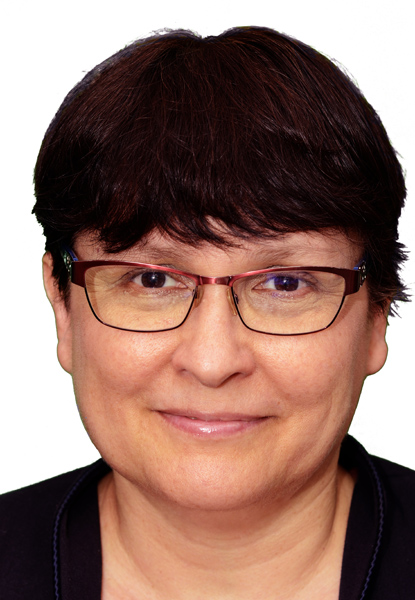
Ana Maria Lopez Beceiro is a contracted professor at the Faculty of Veterinary Medicine , University of Santiago de Compostela , specializing in the Department of Anatomy, Animal Production and Veterinary Clinical Sciences . Her research focuses on Animal Medicine and Surgery within the MIV Veterinary Internal Medicine and Experimental Surgery groups. She earned a PhD in 1997 for her thesis on pharmacological agents in inhalation anesthesia for common voles. Her work spans Veterinary Hematology Infectious Disease Diagnostics Ruminant Health Reproductive Pathophysiology Toxicology . Her recent publications analyze: Canine Leishmaniosis diagnostics Rifampicin efficacy in monocytic ehrlichiosis Hematologic impacts of zearalenone Diagnostic cytology techniques Postpartum metabolic disorders Reproductive activity stress in rams .
Xiaonan ZHANG is an Associate Professor in the Faculty of Science and Technology at the University of Canberra, leading the Hepatitis B Virus (HBV) Group within the Centre for Research into Therapeutic Solutions. He holds a PhD from Fudan University (2012) and previously worked at the Shanghai Public Health Clinical Centre until 2021. His research focuses on HBV molecular pathogenesis, therapeutic vaccine development, and next-generation sequencing applications in viral infections. His work has advanced understanding of HBV’s clinical outcomes, including the discovery of Capsid-Antibody-Complexes (CACs) and their role in pathogenesis. Collaborations span institutions like the Peter Doherty Institute, University of Queensland, and international partners such as Fudan University and University of Duisburg-Essen. Key projects include: Development of therapeutic mRNA vaccines for chronic HBV Clinical evaluation of CAC assays in HBV/HIV co-infections Metagenomic sequencing for pathogen identification Research interests emphasize translational medicine, with contributions to H7N9 influenza and SARS-CoV-2 studies during the pandemic. His team pioneered real-world analyses of viral and host factors in COVID-19 outcomes. Current focus includes liver-resident immune cell dynamics and novel diagnostic assays for HBV nucleic acids. Publications highlight innovations in HBV cccDNA tracking, immune complex mechanisms, and exosome-mediated signaling. No scientific awards were explicitly listed in the provided texts. Xiaonan actively collaborates on grants and supervises PhD students, advancing interdisciplinary approaches to viral diseases.
Can Chen is an Assistant Professor in the School of Data Science and Society at the University of North Carolina at Chapel Hill, with adjunct appointments in the Department of Mathematics (College of Arts & Sciences) and the Department of Biostatistics (Gillings School of Global Public Health). He holds core faculty status in the Carolina Health Informatics Program and is affiliated with the Computational Medicine Program and Carolina Center for Interdisciplinary Applied Mathematics. Education: B.S. in Mathematics (UC Irvine, 2016), M.S. in Electrical & Computer Engineering (UMichigan, 2020), Ph.D. in Applied & Interdisciplinary Mathematics (UMichigan, 2021), followed by a postdoc at Brigham and Women’s Hospital/Harvard Medical School (2021–2023). Research interests span control theory, network science, tensor algebra, numerical analysis, machine learning, computational biology, and hypergraph learning. Notable contributions include theoretical frameworks for ecological systems stability, tensor-based dynamical systems, and hypergraph learning applied to genome-scale metabolic networks. Recent work includes a Physics Reports review on ecological stability, a Springer book on tensor algebra, and a Nature Communications paper introducing CHESHIRE for metabolic network analysis. His lab focuses on developing computational tools for systems biology and translational medicine. Key collaborations involve proteogenomic approaches to cancer biomarker discovery, E3 ligase-based targeted therapy, and signal transduction pathways in oncology. He currently oversees research on protein degradation mechanisms, immune-oncology, and systems-driven drug development.
Professor Seth Coffelt is a leading researcher in cancer immunology at the University of Glasgow , affiliated with the School of Cancer Sciences and the Cancer Research UK Scotland Institute . His work focuses on the dual roles of immune cells in promoting and suppressing cancer metastasis, particularly in breast, pancreatic, and colorectal cancers. Research Interests: Coffelt investigates γδ T cells, their interactions within the tumor microenvironment, and how tumors manipulate immune cell behavior to facilitate metastasis. His lab aims to develop novel immunotherapies targeting metastatic lesions. Publications: His recent studies explore DOCK2 in colorectal cancer, β-catenin in colon cancer immune exclusion, and mechanisms of γδ T cell regulation in cancer. These works span immunology, oncology, and bioengineering disciplines. Scientific Awards: British Association for Cancer Research AstraZeneca Young Scientist Frank Rose Award Wellcome Trust Seed Award Marie Curie Intra-European Fellowship Exceptional Contribution Award Advising and Collaborations: He mentors PhD students like Federico Lupo and Febby Nurdiya Ningsih , and collaborates globally on projects involving immune dynamics and cancer.
Dilber Ece Uzun is an Associate Professor of Pathology and Laboratory Medicine at Brown University and a founding Director of Clinical Bioinformatics at Lifespan Academic Medical Center. She also serves as Associate Director of the Center for Clinical Cancer Informatics and Data Science (CCIDS) and Editor-in-Chief of JMIR Bioinformatics and Biotechnology . B.S., Chemical Engineering, Istanbul Technical University M.S., Biological Sciences and Bioengineering, Sabanci University PhD, Chemical Engineering, Northeastern University (Boston, MA) Her research focuses on translational bioinformatics and machine learning-based predictive models applied to cancer and neurodevelopmental disorders , particularly autism spectrum disorder and precision medicine . She has developed computational genetics frameworks and drug delivery models. Her publications span genetics , bioinformatics , drug delivery systems , and neurodevelopmental disorder analysis, with a strong emphasis on machine learning and predictive modeling in both cancer and autism research. 2022 : Brown University Karen T. Romer Prize for Undergraduate Advising and Mentoring 2013 : First Place, DPHB Research Day Poster Competition 2012 : First Place, DPHB Research Day Poster Competition 2010 : Fellowship from Brown University Institute for Brain Science 2009 : Fellowship from Northeastern University Provost Office 2007 : Multiple teaching and poster competition awards Dr. Uzun leads the Translational Bioinformatics Lab and collaborates with Brown University's Center for Computational Molecular Biology and Center for Translational Neuroscience .
Kathleen E. McGrath is a Research Professor in the Department of Pediatrics, Hematology and Oncology at the University of Rochester School of Medicine and Dentistry. She earned her Ph.D. in Biology from the University of Rochester in 1993, an M.S. in Biology from the same institution in 1987, and a B.A. in Biology from Reed College in 1983. Dr. McGrath's research focuses on the emergence and regulation of hematopoiesis in mammalian embryos and its recovery post-radiation. She specializes in imaging flow cytometry for analyzing rare hematopoietic populations and studies erythroid-myeloid progenitors during embryogenesis. Her work intersects developmental biology, hematology, and regenerative medicine. Her recent publications highlight advancements in erythroid self-renewal, megakaryocyte immune roles, and radiation injury recovery. Notable collaborations include contributions to the Palis Lab's investigations into hematopoietic stem cell dynamics and niche interactions. Scientific Awards: Leon Wheeless Innovation in Cytometry Award (2007)
Professor Keith Channon is the Field Marshal Earl Alexander Professor of Cardiovascular Medicine and Professorial Fellow at the University of Oxford's Department of Cardiovascular Medicine. He serves as Head of Department and Associate Head of the Medical Sciences Division (Clinical Research). Field Marshal Earl Alexander Professor of Cardiovascular Medicine Professorial Fellow Head of Department of Cardiovascular Medicine Associate Head of Medical Sciences Division (Clinical Research) His research focuses on nitric oxide (NO) and redox signalling in cardiovascular disease, particularly how NO dysregulation drives endothelial dysfunction and vascular pathologies like atherosclerosis. He investigates the role of tetrahydrobiopterin in modulating NO synthase activity and explores transgenic models to manipulate this pathway. Key research themes include: Endothelial dysfunction in diabetes and coronary artery disease NO synthase regulation by tetrahydrobiopterin Reactive oxygen species (ROS) interactions with NO Clinical trials targeting NO pathway restoration Monocyte/macrophage dynamics in atherosclerosis Mitochondrial redox balance His work bridges clinical studies and experimental models, with recent publications highlighting applications in machine learning for medical imaging , STEMI intervention , and photon-counting CT angiography . He holds fellowships from the Academy of Medical Sciences and Royal College of Physicians.
Dr. Deborah F. Gelinas is an Associate Professor of Neurology at the University of North Carolina at Chapel Hill School of Medicine specializing in neuromuscular disorders with particular expertise in Amyotrophic Lateral Sclerosis (ALS). Her clinical practice is based at the UNC Hospitals Neurology Clinic in Chapel Hill, North Carolina. Dr. Gelinas received her medical degree from New York Medical College (1980-1984) following undergraduate studies at McGill University (1974-1978). She completed her residency at Letterman Army Medical Center (1984-1988) and is board certified in both Neurology-Neurology (1989) and Neurology-Neuromuscular Medicine (2011). Her research focuses on critical aspects of ALS management including respiratory function assessment, bulbar dysfunction evaluation, and therapeutic interventions. Dr. Gelinas has made significant contributions to clinical guideline development through her work with the Northeastern ALS (NEALS) Consortium, particularly in establishing standardized approaches for assessing bulbar symptoms in ALS patients. Her research spans immunological aspects of ALS, respiratory monitoring protocols, and evaluation of potential therapeutic agents like creatine and immunoglobulins. Dr. Gelinas has published numerous peer-reviewed articles on ALS and neuromuscular disorders, with her most recent work focusing on treatment protocols for chronic inflammatory demyelinating polyneuropathy and refining assessment methods for bulbar dysfunction. Her publications demonstrate a consistent focus on translating research findings into practical clinical applications that improve patient care. As an academic clinician, Dr. Gelinas contributes to medical education at UNC while maintaining an active clinical practice focused on providing specialized care for patients with complex neuromuscular conditions, with particular attention to quality of life considerations and evidence-based management approaches.
Deborah Greenspan is a Professor at the University of California San Francisco, with a focus on oral pathology, virology, and HIV/AIDS research. Her work bridges dentistry and infectious diseases, emphasizing the intersection of oral health with systemic conditions like HIV and viral infections. Education includes a BSc in Anatomy (1959), BDS in Dentistry (1963), PhD in Experimental Pathology (1967), and fellowships in Oral Pathology (MRCPath, 1971; FRCPath, 1983). She has received numerous honors, including Fellow of the American Association for the Advancement of Science (1993), Norton Ross Award (2007), and Member of the Institute of Medicine of the National Academy of Sciences (2000). Her research explores the impact of HIV on oral mucosa, Epstein-Barr virus, human papillomavirus, and the role of mucosal immunity in disease progression. She has investigated HAART's effects on oral health, periodontal disease in HIV patients, and oral cancer risks in immunocompromised populations. Key publications include studies on viral infection mechanisms in epithelial cells, oral disease endpoints in HIV, and the interplay between HIV and HPV. Her grants from the NIH (e.g., U01AI034989, P01DE016839) reflect a decades-long commitment to understanding oral manifestations of AIDS. Notable scientific awards and roles include the Samuel Charles Miller Award (1989), ScD(hc) from Georgetown University (1990), and the Silver Medal from Ville de Paris (2000). She has served as President of Omicron Kappa Upsilon Dental Honor Society (1996-7) and contributed to global health initiatives.
Michele Boniotto is a researcher at the University of Verona's Department of Molecular and Translational Medicine, focusing on immunology, genetics, and dermatology. His work spans molecular mechanisms in skin diseases and evolutionary aspects of host defense peptides. Research Focus Dr. Boniotto's research examines: Genetic factors in hidradenitis suppurativa Beta-defensin evolution and function Aquaporin-3 role in skin homeostasis Photobiomodulation therapies HLA-DR expression in septic shock His publications show interdisciplinary approaches combining molecular biology, clinical dermatology, and bioinformatics to understand complex disease mechanisms. Scientific Contributions 2025: Keratin filament-melanin interactions 2025: Polygenic risk scoring for HS 2024: Aquaporin-3 dysregulation in HS 2023: NCSTN mutations in familial HS 2022: Holistic HS health records 2020: Photobiomodulation for HS
Katelyn Byrne is an Assistant Professor at Oregon Health and Science University (OHSU) in the Cell, Developmental and Cancer Biology department, affiliated with the Knight Cancer Institute and Brenden-Colson Center for Pancreatic Care. Her research focuses on the immunobiology of pancreatic cancer, particularly mechanisms bridging innate and adaptive immunity to enhance immunotherapy efficacy. Education: B.A. (2007) from Boston University, Ph.D. (2013) from Dartmouth College, and postdoctoral training as a Senior Parker Fellow. Her work leverages genetically engineered mouse models of pancreatic cancer to study tumor microenvironment dynamics , with clinical translation in immunotherapy trials. Key contributions include CD40 agonism for CD4+ T cell-mediated tumor rejection, immune checkpoint blockade synergy, and spatial transcriptomics for infiltrate heterogeneity. Recent articles (2024) highlight machine learning in immune profiling and MHC class I-deficient tumor targeting. Dr. Byrne is a recipient of the American Cancer Society Post-doctoral Fellowship and Senior Parker Fellowship . She mentors graduate students Margaret Haerr and Yi Zhang in her lab, which collaborates across OHSU’s cancer research centers. Current projects aim to develop novel immunotherapy combinations and T cell infiltration strategies for pancreatic cancer.
Yijun Pan is a Senior Research Fellow in the Department of Neuroscience at the Monash Institute of Pharmaceutical Sciences (MIPS), Monash University. He holds an adjunct lecturer position at Tohoku University, Japan. His research focuses on the role of Fatty Acid-Binding Proteins (FABPs) in immunometabolism and drug delivery in neurodegenerative diseases such as Alzheimer’s disease and Motor Neuron Disease. Bachelor of Pharmacy, Monash University PhD in Pharmaceutical Sciences, Monash University, supervised by Associate Professor Joseph Nicolazzo, Professor Christopher Porter, and Professor Martin Scanlon Dr Pan’s research interests center on the molecular mechanisms of FABPs in brain endothelial cells, microglia, and astrocytes, particularly in the context of neuroinflammation and lipid metabolism. His work explores how these proteins influence drug transport across the blood-brain barrier and contribute to disease progression in dementia and motor neuron disorders. He employs in vitro and in vivo models to study immunometabolic pathways and optimize therapeutic delivery. His recent publications demonstrate a strong trend in neuropharmacology, focusing on blood-brain barrier function, fatty acid transport, neuroinflammation, and cognitive outcomes in animal models. Key themes include the modulation of drug transporters, the role of ion channels in neuroprotection, and immune cell involvement in neurodegeneration. American Chemical Society Editors’ Choice Award, Molecular Pharmaceutics (2015) Best Oral Presentation Award, 8th Victorian Association of Chinese PhD Students and Young Scholars Research Symposium (2014) Honourable Geoffrey Connard AM Student Travelling Scholarship (2013) JSPS Postdoctoral Research Fellowship (2018) Neil Naismith Award (2012) Dr Pan is actively involved in mentoring and supervision, contributing to Honours and PhD projects at MIPS. He has served as a Chief Investigator on multiple competitive grants, including those from Dementia Australia and FightMND. He regularly engages in peer review for journals such as Molecular Pharmaceutics , Diagnosis , and Biomolecules , and has presented his work at institutions including RMIT and the National University of Singapore. He is a key member of the Drug Delivery, Disposition and Dynamics Theme at MIPS and collaborates internationally, particularly with Tohoku University. His research is supported by significant funding from the Japan Society for the Promotion of Science, Dementia Australia, and FightMND.
PD Dr Maya André serves as Deputy Head of the Paediatric Intensive Care Service (IPS) at the University Children’s Hospital Basel (UKBB) , Switzerland, and is a physician-scientist with venia legendi in Paediatrics from the University of Tübingen. She concurrently directs her own research laboratory at the University Children’s Hospital Tübingen , Department I Haematology & Oncology, focusing on anti-leukaemic NK-cell immunotherapy. Education & Training MD, Universities of Bonn, Freiburg & Vienna (1990-1996) Dr. med., University Children’s Hospital Freiburg – thesis on Valproate and haemostasis (1998) Specialist certificate in Paediatrics (2002) Additional qualification in Paediatric Intensive Care Medicine (2005) Specialisation in Neonatology (2006) Dr. rer. nat., Faculty of Mathematics & Natural Sciences, Tübingen – thesis on Functional conversion of bacterially reprogrammed monocytes (2012) Habilitation & venia legendi in Paediatrics, University of Tübingen – thesis on Donor-patient-specific xenotransplantation model for NK-cell graft-versus-leukaemia reactivity (2016) Research Focus Maya André’s scientific work bridges bedside paediatric intensive care with cutting-edge cellular immunology. Her laboratory pioneered patient-specific zebrafish and murine xenograft models to dissect how natural killer (NK) cells eradicate acute leukaemia. She has advanced the concept of tumor-priming to generate memory-like NK cells with enhanced anti-tumour activity and currently investigates TIGIT-CD155 blockade to potentiate NK-92 and cytokine-induced memory-like NK cell therapies. Her translational studies integrate multi-parameter flow cytometry panels, real-time intravital imaging, and rigorous pre-clinical validation in preparation for first-in-child trials. Scientific Awards & Funding Sponsorship Prize, Society for Neuropaediatrics (1995) Continuous third-party funding since 2010 totalling 1.5 million CHF from: German Research Foundation, Jose-Carreras Foundation, Else-Kröner-Fresenius Foundation, Fortüne Programme (Tübingen), Madeleine-Schickedanz Foundation, German Childhood Cancer Foundation, Manchot Foundation. Professional Memberships German Society for Paediatrics (DGKJ) Reviewer for Blood, Epilepsy, Haematologica, Plos One, International Journal of Cancer, Journal of Leukocyte Biology, Human Immunology, Leukaemia Research Laboratory & Clinical Team She heads a dedicated research group located at the University Children’s Hospital Tübingen, collaborating closely with the Departments of Paediatric Haematology & Oncology and the Centre for Translational Immunology (CTI). The team includes post-doctoral scientists, graduate students, and clinical fellows who straddle bench-to-bedside research pipelines.
Harris R Perlman is Chief of Rheumatology in the Department of Medicine at Northwestern University Feinberg School of Medicine and holds the Mabel Greene Myers Professor of Medicine. His research focuses on macrophage biology, inflammatory arthritis, and fibrotic diseases like systemic sclerosis and pulmonary fibrosis. Affiliation: Northwestern University Academic Rank: Professor Key Institutes: Center for Human Immunobiology, NUCATS, Lurie Cancer Center Research Interests: His work explores: Macrophage heterogeneity in arthritis and fibrosis Complement pathway activation in rheumatoid arthritis Profibrotic monocyte-derived macrophages in lung disease Role of Wnt-beta catenin in macrophage pathogenesis Transcriptional profiling for precision medicine in autoimmune diseases Age-related immune dysregulation in inflammatory conditions Scientific Awards: Mentor of the Year (2022) Clinical Trials: Synovial Macrophage Transcriptional Signatures for Predicting Therapeutic Efficacy Pathogenic Wnt-beta catenin target genes in macrophages and fibrosis
Edit Irén Buzás is a Professor of Immunology and Chair of the Department of Genetics, Cell- and Immunobiology at Semmelweis University, Budapest, Hungary. She is a leading researcher in extracellular vesicles (EVs), with significant contributions to standardizing EV detection and isolation methodologies. PI of the EV Research Group at Semmelweis University Leader of the MTA-SE Immune Proteogenomics EV Research Group PI of the HCEMM-SE EV group at the Hungarian Center of Excellence Molecular Medicine (EMBL partner) Founding member and Executive Chair of Education at the International Society of Extracellular Vesicles (ISEV) Her research focuses on the cardiovascular aspects of EVs, including the interference of lipoproteins in EV experiments and the development of tools for EV standardization. She has published over 50 peer-reviewed papers and pioneered techniques like differential detergent lysis and protein-to-lipid ratio analysis. Scientific awards include the 2019 Széchenyi Prize (Hungarian Government), 1995 Carol-Nachman Prize for Rheumatology, and multiple fellowships. She has organized major ISEV conferences and serves on the ERC panel. Currently, she is establishing a Central EV Research, Service, and Reference Laboratory at Semmelweis University.