Børge Rokseth is an Associate Professor at the Department of Engineering Cybernetics, Norwegian University of Science and Technology (NTNU). His work focuses on maritime systems, autonomous vessel control, and safety verification. He actively supervises Master's students and contributes to research on risk-informed control systems, hybrid power systems, and systems-theoretic process analysis (STPA). Research Interests: Rokseth's research spans autonomous ship systems, dynamic risk assessment, and safety verification. He explores risk-based decision-making for maritime autonomy, hazard identification in hybrid propulsion systems, and control function allocation in dynamic positioning. His work integrates systems theory, machine learning, and regulatory compliance (e.g., COLREGS) to enhance safety and environmental performance in marine operations. Publications: His recent work includes probabilistic trajectory prediction frameworks for autonomous ships, STPA-based safety analyses, and studies on decarbonization barriers in the maritime industry. These publications emphasize risk modeling, systems-theoretic approaches, and simulation-based verification. Teaching: Rokseth teaches courses such as TTK4130 - Modelling and Simulation, contributing to the education of future engineers and researchers in cybernetics and maritime systems.
Marco Caccamo is a Professor at the Technical University of Munich (TUM) , holding the Chair of Cyber-Physical Systems in Production Engineering within the Faculty of Mechanical Engineering. He is also a Principal Investigator and Professor at the Department of Computer Science, with courtesy appointments in Electrical and Computer Engineering, Coordinated Science Lab (CSL), and Aerospace Engineering at the University of Illinois at Urbana-Champaign (UIUC). His research spans Embedded Systems , Real-Time Systems , and Cyber-Physical Systems (CPS) , focusing on resource management, reinforcement learning architectures, and 6D pose recognition for robotics. University of Pisa (B.Sc., 1997) Scuola Superiore Sant'Anna (Ph.D., 2002) Research highlights include predictable resource management on heterogeneous platforms, security frameworks for AI-based controllers , and UAV testbed development . His work integrates deep learning and real-time constraints in industrial applications like avionics, farming, and automotive systems. His 15 most recent publications emphasize cache optimization , memory bandwidth regulation , and reinforcement learning for CPS , with a focus on multi-core processors and DNN inference . Awards include the IEEE Fellow (2018), Alexander von Humboldt Professorship (2018), and multiple Best Paper Awards at RTSS, RTNS, and RTAS. NSF CAREER Award (2003) IEEE Fellow (2018) Alexander von Humboldt Professorship (2018) Best Paper Awards (RTSS 2024, RTNS 2023, ECRTS 2019) He has advised numerous Ph.D. students and postdocs, with a track record in UAV development and industrial collaborations . His lab, the Real-Time and Embedded System Laboratory , focuses on real-time OS and predictable computing .
Stefano Grivet Talocia is a Full Professor in the Department of Electronics and Telecommunications at Polytechnic University of Turin. He serves as Director of the Doctoral School, is a member of the Interdepartmental Center SmartData@PoliTO - Big Data and Data Science Laboratory, and holds positions on the University Committee for Research and the Commission for the Promotion of Library, Archive and Museum Heritage. He is also President of the Doctoral School Council. His educational background includes a Laurea degree (summa cum laude) in Electronic Engineering (1994) and a Ph.D. in Electronic and Communication Engineering (1998), both from Polytechnic University of Torino. From 1994 to 1996, he worked at NASA/Goddard Space Flight Center in Greenbelt, MD, USA. Professor Grivet Talocia's research focuses on passive macro-modeling of concentrated and distributed interconnect structures for Signal/Power Integrity, order reduction techniques, and modeling and simulation of fields, circuits, and their interactions. His work spans several key areas including fast simulation of transmission lines (TOPLine technique), macromodeling and model order reduction, simulation methods for fields and circuits, passivity enforcement of lumped macromodels, waveform relaxation techniques, and wavelet applications. His research has significant applications in electromagnetic compatibility and signal integrity verification of complex electronic systems. His recent publications demonstrate strong trends in model order reduction techniques applied to power integrity verification, advanced macromodeling for electromagnetic compatibility, nonlinear circuit analysis, uncertainty quantification in PCB design, and power electronics modeling. These works consistently address practical engineering challenges in high-speed electronic design with emphasis on computational efficiency and accuracy. URSI Young Scientist Award (1999) Best symposium paper (2006) Three IBM Shared University Research Awards (2007-2009) IEEE Transactions on Advanced Packaging Best Paper Award (2007) Best EPEP conference paper awards (2007, 2008) Best Associate Editor Award - IEEE Transactions (2020) Best Conference Paper Award (2020) Three Intel SRS Grants (2022-2024) IEEE Fellow (2018) Professor Grivet Talocia actively supervises PhD students working on cutting-edge topics including machine learning applications in signal integrity, model reduction techniques, and electromagnetic compatibility. He has secured significant research funding through competitive grants including PRIN projects and multiple industry-sponsored research contracts with major technology companies such as IBM, Intel, Nokia, Hitachi, and Infineon. His technology transfer activities include co-founding the spin-off IdemWorks (acquired by CST in 2016) and maintaining active collaborations with industry partners. He leads the EMC Group (Electromagnetic Compatibility) within the Department of Electronics and Telecommunications and has developed the autoCircuits web service for automated generation of circuit theory problems. His research has been recognized by inclusion in the top 2% worldwide researcher catalog (Stanford) since 2019.
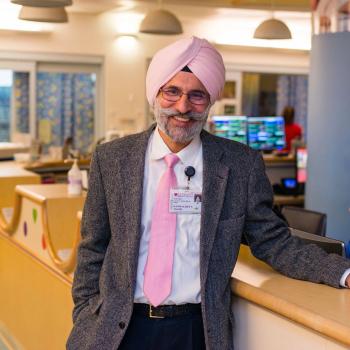
Dr. Kanwaljeet S. Anand is a dual-appointed Professor of Pediatrics (Pediatric Critical Care) and Anesthesiology, Perioperative & Pain Medicine at Stanford University School of Medicine. As director of the Pain/Stress Neurobiology Lab and Jackson Vaughan Critical Care Research Fund, he serves as Editor-in-Chief of Pediatric Research and maintains active membership in Bio-X, MCHRI, and Wu Tsai Neurosciences Institute. Rhodes Scholar with D.Phil from University of Oxford Harvard postdoctoral fellowship and Boston Children's Hospital residency Founded Harmony Health Clinic - Arkansas' largest charitable medical-dental facility A translational researcher with 30+ years of impact, Dr. Anand established the first scientific framework for infant pain perception and developed novel pain assessment methodologies. Current research focuses on: Hair biomarker analysis for stress and social affiliation (cortisol/oxytocin) Machine learning systems for objective pain detection in non-verbal infants Biopsychosocial interventions for stress reduction in disadvantaged youth Neurotoxicity mechanisms of sedatives in developing brains Global NICU opioid usage patterns through the NeoOpioid Consortium His work has yielded over 260 publications and significant advances in: Pediatric pain management protocols Neonatal stress biomarker development Critical care neurobiology insights Community health initiatives AI-driven clinical decision support systems Scientific Recognition 9th Annual 'In Praise of Medicine' Public Address, Erasmus University (2014) Nightingale Excellence Award (2016) Honorary Doctorate from University of Örebro (2019) NIH SBIB-H82 Study Section Chair (2018) Multiple IASP and American Pain Society awards Swedish Academy of Medicine's Nils Rosén von Rosenstein Award (2009) St. Jude Endowed Chairholder (2010) As mentor to Med Scholar Anjali Gupta and advisor to numerous professional bodies, Dr. Anand maintains active clinical leadership in Pediatric Intensive Care while advancing computational approaches to pain detection through collaborations with Stanford's AI researchers.
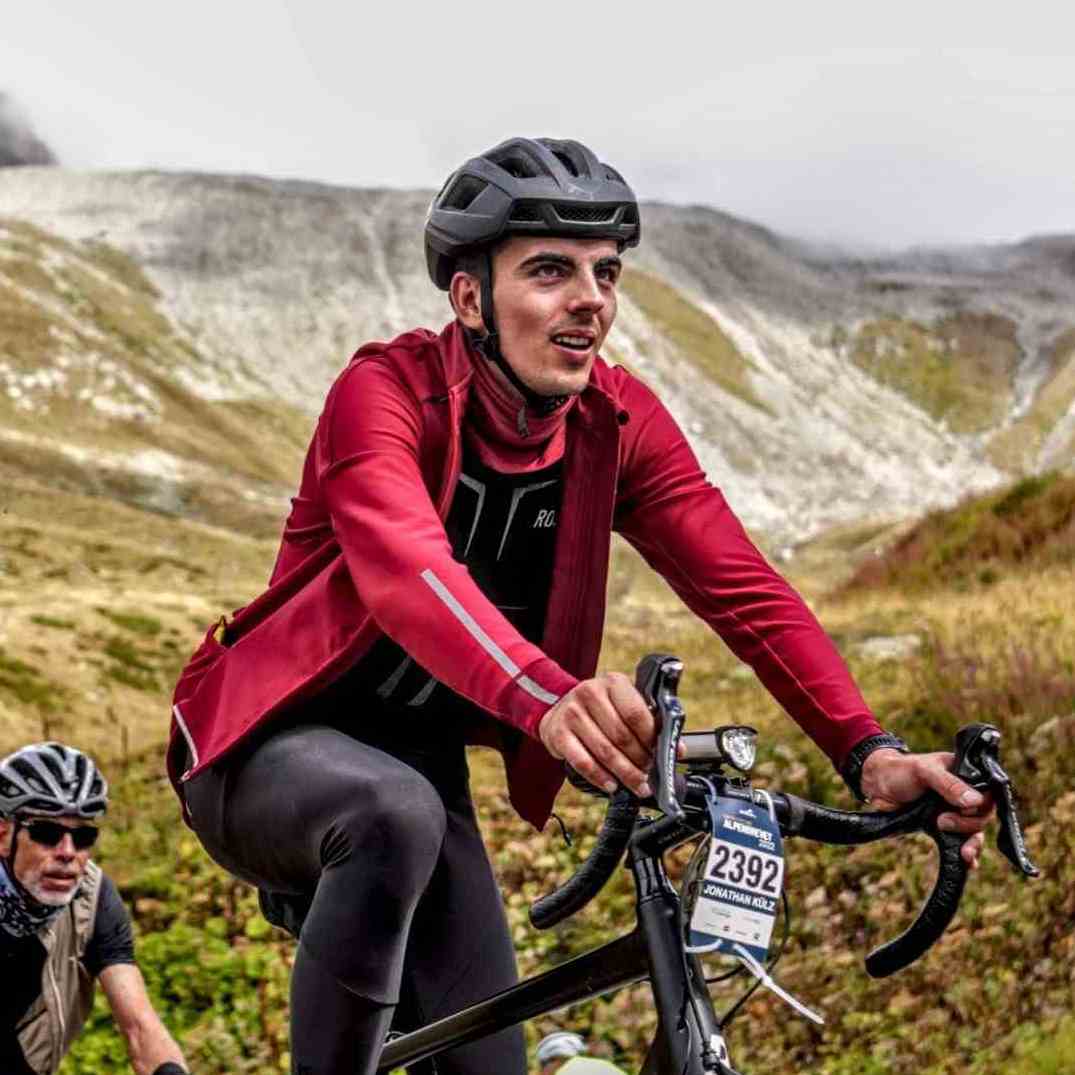
Jonathan Külz is a Researcher at the Technical University of Munich (TUM) , affiliated with the Department of Informatics 6 - Chair for Cyber Physical Systems under Prof. Matthias Althoff. His research focuses on Modular Robotics , Reinforcement Learning , Cyber-Physical Systems , and Control Systems . His work includes algorithmic synthesis of modular robot compositions, model-based manipulator co-design, and unifying benchmarks for robotics. He has supervised multiple Master’s theses Bachelor’s theses Practical courses on topics like Robot Workspace Representation and Dynamic Model Identification . Notable supervised projects include Autonomous Navigation of Reachbot and Task-Based Modular Robot Configuration Synthesis . His recent publications span Robotics , Benchmarking , and Computational Social Science . Key trends include Computationally efficient assessment of robot capabilities Deep reinforcement learning for robotics Analysis of political discourse polarization Jonathan emphasizes structured thesis supervision, requiring exposés, shared folders, and protocol-driven meetings. He advocates for LaTeX in scientific writing and tools like NotebookLM and Zettlr for research documentation.
Elyse Rosenbaum is the Melvin and Anne Louise Hassebrock Professor in Electrical and Computer Engineering at the University of Illinois at Urbana-Champaign. She also serves as the Acting Associate Dean for Research at the Grainger College of Engineering. She is the director of the NSF-supported Center for Advanced Electronics through Machine Learning (CAEML), a collaboration between the University of Illinois, North Carolina State University, and Penn State University. Education: Ph.D. in Electrical Engineering, University of California, Berkeley, 1992 M.S. in Electrical Engineering, Stanford University B.S. in Electrical Engineering, Cornell University (with distinction) Research Interests: Her research focuses on machine learning applications in electronics, ESD-robust high-speed I/O circuit design, compact modeling, behavioral modeling of circuits, and CDM-ESD protection for advanced packaging technologies. Scientific Awards: IEEE Fellow for contributions to electrostatic discharge reliability of integrated circuits Best Student Paper Award, IEDM Outstanding and Best Paper Awards, EOS/ESD Symposium Technical Excellence Award, SRC NSF CAREER Award IBM Faculty Award ESD Association’s Industry Pioneer Recognition Award Advising and Grants: She supervises graduate and undergraduate researchers, primarily focusing on those with strong academic records and relevant experience. Her work is supported by NSF and other prominent organizations. Labs and Teams: She leads the CAEML center, which aims to apply machine learning to optimize microelectronic circuits and systems, enhancing design automation and reliability.
René Jr Landry is a full Professor in the Department of Electrical Engineering at École de technologie supérieure (ETS), Université du Québec, specializing in Global Navigation Satellite Systems (GNSS), avionics, and wireless communication technologies. His academic journey includes a B.Ing. from Polytechnique Montréal, M.Sc. from University of Surrey (UK), and Ph.D. from SupAréo in Toulouse. He maintains active research leadership through two key laboratories: LASSENA (Laboratory of Space Technologies, Embedded Systems, Navigation and Avionics) and LACIME (Communications and Microelectronic Integration Laboratory). His research spans critical aerospace navigation domains including GNSS signal processing, inertial navigation systems, software-defined radio for avionics, radio frequency interference mitigation, and indoor positioning technologies. Landry's work addresses real-world challenges in satellite navigation robustness, precision positioning in urban/denied environments, and next-generation avionic system security. His current projects focus on blockchain-enhanced IoT security, AI-driven GNSS disruption analysis, and adaptive RF front-ends for multi-band avionics applications. Analysis of his recent publications reveals strong emphasis on resilient positioning systems through multi-constellation integration (particularly Iridium-NEXT), blockchain applications for navigation security, and explainable AI techniques for GNSS signal quality assessment. His work increasingly bridges traditional navigation engineering with cutting-edge security and machine learning paradigms. 2014 Prix d'excellence du c.a. pour les services à la collectivité Landry has supervised over 100 graduate students across doctoral, master's, and research projects since 2005, with current supervision extending through Summer 2025. His research funding supports multiple industry partnerships focused on avionics certification, software-defined radio implementations, and next-generation navigation systems. The LASSENA laboratory under his leadership develops certified avionic products from open-source SDR platforms and advances multi-sensor fusion techniques for challenging navigation environments. His research infrastructure includes specialized facilities for GNSS signal simulation, avionics hardware testing, and multi-sensor integration. Current work emphasizes flight-tested validation of RF front-end technologies, blockchain-secured navigation data, and real-time interference mitigation systems for aviation applications.
David Lindlbauer is an Assistant Professor at the Human-Computer Interaction Institute (HCII) within Carnegie Mellon University's School of Computer Science. He leads the Augmented Perception Lab and co-directs the CMU Extended Reality Technology Center (XRTC) . His research bridges Human-Computer Interaction, Computer Graphics, and Computer Vision to create adaptive interfaces that enhance human-digital interaction. Education : PhD (summa cum laude) from Technische Universität Berlin , MSc and BSc from University of Applied Sciences Upper Austria Previous Affiliation : Postdoctoral Researcher at ETH Zurich (2018-2020) David's research focuses on understanding human perception of digital information and developing computational approaches to optimize AR/VR interface usability. Key areas include: Context-aware adaptive interfaces Visual saliency and attention modeling Spatial audio-haptic systems Optimal placement algorithms Object manipulation in Remixed Reality Diminished/ambient MR interfaces His 15 most recent publications (2024-2025) span topics in adaptive XR interfaces, multimodal notifications, haptic systems, and spatial cognition. These works appear at venues like ACM CHI, ACM UIST, IEEE VR, and Frontiers in VR. Common themes include: Machine learning for interface adaptation Human factors in XR design Real-time environment analysis Privacy-aware display systems Collaborative MR interfaces Accessibility enhancements Scientific Recognition : Best Paper Honorable Mention Award (ACM CHI 2024) Best Paper Award (ACM ISS 2023) ETH Zurich Postdoctoral Fellowship Multiple best paper recognitions at CHI, UIST, and IEEE VR Teaching & Leadership : Course developer for CMU's "Interactive Extended Reality" Mentor for NASA SUITS Challenge team Co-chair roles at CHI and UIST Overseeing PhD students and research interns
Abhijit Sarkar is a Professor in the Department of Civil and Environmental Engineering at Carleton University, Ottawa. His work centers on computational dynamics and probabilistic modeling, with office MC 3076 in the Minto Centre for Advanced Studies in Engineering and contact details including phone (613) 520-2600 x6320 and email abhijit_sarkar@carleton.ca . Education: D.Phil. from University of Oxford M.Sc. from Indian Institute of Science (IISc) B.E. from Calcutta University Professional Engineer (P.Eng.) designation His research drives innovation in uncertainty quantification for complex engineering systems. Core interests include dynamics of nonlinear structures, probabilistic mechanics for stochastic finite element methods, and Bayesian inference frameworks for parameter estimation. He pioneers scalable high-performance computing solvers for large-scale systems and sparse learning algorithms to address overfitting in statistical modeling. Recent publications (2022-2024) reveal three dominant trends: (1) Bayesian model calibration for stochastic compartmental systems applied to epidemiology and aerospace, (2) domain decomposition techniques for scalable uncertainty quantification in stochastic PDEs, and (3) sparse learning methods for nonlinear aerodynamic encoding. Key applications span wind turbine vibration analysis, flutter margin prediction, MEMS resonator optimization, and geospatial pandemic modeling. Scientific awards: No awards, fellowships, or medals listed in the source material Graduate supervision includes 6 current students (Ajay Kumar, John Clarabut, Nastaran Dabiran, Sakhi Mittal, Michael Pantano, Brandon Robinson) and 18 graduated students across 17 years (2006-2023). His research leverages high-performance computing for projects in structural dynamics, aeroelasticity, and computational epidemiology, frequently co-supervised with Dominique Poirel and Chris Pettit. Notable grants focus on wind tunnel validation for nonlinear systems and pandemic spread modeling. Based in the Minto Centre for Advanced Studies in Engineering, his computational mechanics group develops algorithms for stochastic dynamics using Carleton University's high-performance computing infrastructure. Collaborations span aerospace engineering (flutter analysis), civil infrastructure (seismic wave propagation), and public health (Covid-19 modeling).
Alison Galvani is the Burnett and Stender Families Professor of Epidemiology at Yale School of Public Health and Yale School of Medicine, where she serves as founding director of the Center for Infectious Disease Modeling and Analysis (CIDMA). Her interdisciplinary work bridges epidemiology, evolutionary ecology, and health economics to inform public health policies for diseases including HIV, Ebola, influenza, and COVID-19. Her research focuses on optimizing vaccination strategies and healthcare interventions through mathematical modeling. Recent studies examine SARS-CoV-2 transmission dynamics, RSV vaccine impact, and integration of social determinants into infectious disease models. She has pioneered frameworks for conflict-induced migration analysis and pharmaceutical policy evaluations. Notable scientific awards include the Bellman Prize, Blavatnik Award for Young Scientists, and Guggenheim Fellowship. Her publications span top journals like The Lancet , Nature Communications , and PNAS , with media coverage in major outlets and policy references.
Charles J. Taylor is Professor of Chemistry and Chair of the Chemistry Department at Pomona College, where he has served since 2002. An analytical chemist specializing in instrumental techniques for volatile organic compound (VOC) analysis, his work bridges medical diagnostics, environmental monitoring, and chemical sensing applications. His educational background includes: Ph.D. from University of Minnesota Bachelor of Arts from Macalester College Taylor's research focuses on developing rapid diagnostic methods through VOC analysis, leveraging microhotplate arrays, Raman spectroscopy, and polymer-carbon composites. His work spans biological systems (nematode chemotaxis, wine fermentation flavor compounds) and environmental applications (trace element profiling in coffee beans). Students in his lab gain hands-on experience with advanced analytical instrumentation and multivariate data analysis. Analysis of his publications reveals consistent themes in chemical sensing materials development, with strong emphasis on microsensor arrays, NASA-collaborative electronic nose projects, and applications in medical/environmental diagnostics. His work demonstrates interdisciplinary integration of materials science, analytical chemistry, and data analysis. His scientific achievements have been recognized with: NASA Board Award for Copolymers for Sensors (2013) NASA Board Award for SO 2 Detection (2012) Provisional U.S. Patent #60/861-617 (2007) Multiple NASA Tech Brief Awards (2007) Taylor actively mentors undergraduate researchers, with students co-authoring publications on diverse projects from medical diagnostics to environmental trace analysis. His teaching includes Advanced Analytical Chemistry, Environmental Chemistry, and General Chemistry, emphasizing practical laboratory experience. Research funding has supported instrumentation development and NASA-collaborative sensor projects. His laboratory focuses on chemical sensing materials development, particularly microhotplate-based sensor arrays and VOC analysis systems, with ongoing collaborations with NASA's Jet Propulsion Laboratory for electronic nose applications and environmental monitoring solutions.
Marilena Vendittelli is a Professor at Sapienza University of Rome, affiliated with the Robotics group. Her research spans control systems, biomedical robotics, motion planning, and autonomous systems. Research Areas: Control systems for robotics and nonholonomic systems Biomedical applications (hyperthermia therapy, needle insertion) UAV navigation and obstacle avoidance Haptics and human-robot interaction Adaptive estimation algorithms Recent Publications focus on adaptive control of bio-heat equations, safe UAV motion planning, soft robotics actuation, and haptic feedback in medical procedures.
Matthew Lee Smith is a Professor at the Texas A&M School of Public Health , part of Texas A&M University . He is a core faculty member of the Center for Community Health and Aging (CCHA) and the Center for Health Equity and Evaluation Research (CHEER) , and serves as the Director of the Texas Research, Analytics, Innovations, and Research Lab (TRAIL) . Education: Post-Doctoral Fellowship, Health Science Center, Texas A&M University (2010) PhD in Health Education, Texas A&M University (2008) MPH, Indiana University Bloomington (2004) BS in Public Health Education, Indiana University Bloomington (2002) Research Interests: Dr. Smith’s research focuses on aging , chronic disease management , and evidence-based public health interventions . He is particularly interested in health behavior change , health risk assessment , and survey research methodology . His translational work bridges research and practice across healthcare, aging services, and public health systems. He has a strong focus on social determinants of health , including social isolation , caregiving , diabetes self-management , and fall prevention among older adults. His work often targets underserved populations, particularly Black/African American men and rural communities . Scientific Awards: Immunization Neighborhood Champion Award (2024) Responsible Research in Management Award (2023) J. Mayhew Derryberry Award (2022) Consumer Education Program Award (Silver) (2022) Bluebonnet Award (2021) Innovators in Aging Award (2019) Redefining American Healthcare Award (2019) Community ConnecTivity Award (2019) Phillip G. Weiler Award for Leadership in Aging and Public Health (2018) Leadership & Mentorship: Dr. Smith holds leadership roles in several national and state-level initiatives. He is the Co-Director of the Advancing Gerontology through Exceptional Scholarship (AGES) Program and serves on the Steering Committees of the Texas Falls Prevention Coalition , Texas Alzheimer’s Research and Care Consortium , and Texas Social Isolation and Loneliness Coalition . He is also the Director of the Research Scholars & Mentorship Program (RSMP) at the American Academy of Health Behavior. Labs & Centers: He leads the Texas Research, Analytics, Innovations, and Research Lab (TRAIL) , which focuses on developing and evaluating community-based interventions. He is also affiliated with: Center for Community Health and Aging (CCHA) Center for Health Equity and Evaluation Research (CHEER)
Dr. Su Ryon Shin is an Assistant Professor in the Division of Engineering in Medicine at Harvard Medical School and Brigham and Women's Hospital (BWH) in Cambridge, MA. She leads an active research laboratory focused on bioengineering, tissue engineering, and regenerative medicine, with particular expertise in 3D bioprinting, biomaterials, and organ-on-a-chip technology. Her research interests span biohybrid robotics, decellularized extracellular matrix, stem cell-based tissue engineering, and volumetric muscle regeneration . Dr. Shin's work integrates advanced biomaterials with cellular systems to create innovative solutions for tissue regeneration and disease modeling. She has pioneered approaches using human stem cell-derived materials for volumetric tissue regeneration and developed biohybrid neuromuscular robots powered by living cardiac muscle cells. Her publication record demonstrates consistent productivity with over 180 publications, including numerous first/senior author papers in high-impact journals like Science Robotics, Advanced Materials, and Nature Reviews Bioengineering . Her work shows a clear progression from fundamental biomaterials development to increasingly complex tissue engineering applications and translational research. Dr. Shin has received significant recognition including being named a 2025 BWH Health & Technology Innovation Awardee , Highly Cited Researcher 2024 by Web of Science, and multiple Stepping Strong Innovator Awards (2015, 2018, 2020). Her research has been featured in Nature Reviews Bioengineering for breakthrough work on biohybrid robots. She actively mentors students and postdocs, with former lab members accepted to prestigious programs like MIT's PhD program in Chemical Engineering. Her collaborative approach is evident through numerous interdisciplinary projects with researchers across Harvard Medical School, BWH, and international institutions.
Dr. Bob Beitle Jr. is a Professor of Chemical Engineering and Senior Associate Vice Chancellor for Research and Innovation at the University of Arkansas. He joined the department in 1993, earned tenure in 1998, and was promoted to Full Professor in 2006. His research spans biochemical engineering , bioseparation , fermentation , and adaptive technology for the disabled , with significant work on protein purification, catalytic nanoparticles, and sustainable bioprocesses. Education: BS, MS, PhD in Chemical Engineering from the University of Pittsburgh (1987, 1991, 1993) Dr. Beitle's research combines experimental and computational approaches, focusing on peptide-directed nanoparticle synthesis and biocatalysis . His recent publications highlight advancements in MOF-based separations , CO2 capture materials , and viral detection platforms . He has secured grants like the CAREER Award and led projects in industrial partnerships and student development . Scientific contributions include multiple patents in bioseparation and software interfaces. Awards span decades: teaching honors (1988–2007) and mentorship recognition . He serves on the Cell and Molecular Biology Program Advisory Committee and the Executive Committee for the Biochemical Technology Division of ACS . Lab initiatives involve genomic data-driven affinity tail design and membrane-assisted fermentation systems .