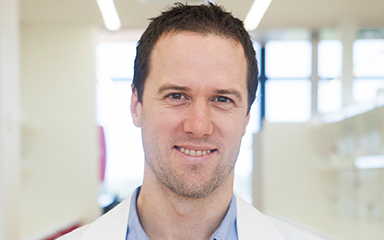
Felix Kong is a Lecturer at the University of Technology Sydney, Faculty of Engineering and Information Technology. He specializes in control engineering, robotics, and mechatronic systems with a focus on maritime navigation and bio-inspired locomotion. Current affiliation : University of Technology Sydney (Lecturer since 2022) Previous role : Postdoctoral Research Fellow at University of Technology Sydney (2019-2022) Education : PhD from University of Sydney His research spans multiple domains: Maritime robotics : Stochastic ship routing, ocean current estimation, visibility graph optimization Dynamic locomotion : Gait analysis in parrots, bio-inspired vertical climbing robots Control theory : Iterative learning control, contraction analysis, SLAM optimality prediction Recent publications demonstrate a strong trend toward autonomous navigation systems that integrate: Stochastic weather modeling for ship routing 3D ocean flow estimation for underwater gliders Neural network-based SLAM analysis Multi-agent planning frameworks He has received funding from: Australia's Economic Accelerator Innovate Grant (2025-2027) UTS ECR Research Capabilities Initiative (2021-2022) Teaching contributions include course development and instruction for 41099 Fundamentals of Mechatronic Engineering . Peer-review activities extend to major robotics conferences and journals.
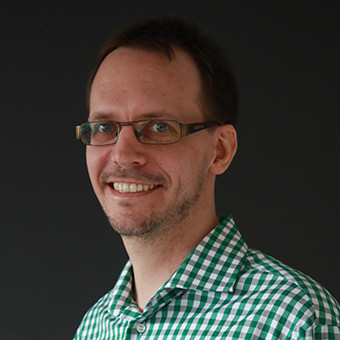
Dr. Can Nerse is an early-career researcher and Adjunct Fellow at the School of Mechanical and Mechatronic Engineering, University of Technology Sydney (UTS), where he works as a Postdoctoral Research Fellow at the Centre for Audio, Acoustics and Vibration (CAAV). He joined UTS in February 2021 and has progressed from Postdoctoral Research Associate to Postdoctoral Research Fellow. His academic journey includes a Postdoctoral Research Associate position at Gwangju Institute of Science and Technology in South Korea. Dr. Nerse received his PhD in Mechanical Engineering from Gwangju Institute of Science and Technology in August 2020, following an MSc from the same institution in 2015 and a BSc from Middle East Technical University, Ankara, Turkey in 2013. Dr. Nerse's research focuses on the intersection of vibro-acoustics, metamaterials, and bioinspired engineering. He investigates how eusocial insects like honey bees build structures with specific vibro-acoustic properties and applies these insights to develop novel materials and vibration control solutions. His work spans theoretical modeling, experimental validation, and practical industrial applications in noise and vibration mitigation. Current research interests include vibroacoustics, metamaterials, biotremology, self-organization, digital twins, and numerical methods. Dr. Nerse's publication record demonstrates a progression from fundamental vibration analysis to bioinspired metamaterial applications. His most recent work focuses on topological mechanical states in hyperuniform materials, wild bee signal classification, and bio-inspired acoustic metasurfaces manufactured through knitting technology. This research trajectory shows increasing integration of biological principles with engineering solutions for noise and vibration problems. International Institute of Acoustics and Vibration (IIAV) - Member since 2023 Society for Experimental Mechanics - Member since 2015 Korean Society for Noise and Vibration Engineering (KSNVE) - Member since 2013 Dr. Nerse has secured multiple research grants including the UTS FEIT Blue Sky Research Scheme Grant for bio-informed sensing and the UTS Cross-Faculty Collaboration Grant for acoustic well-being through metasurfaces. He has taught courses including Embedded Mechatronics System, Dynamics and Control, FEM and Optimization, and Sound and Vibration. He is available for Master's research supervision and PhD student supervision, particularly in areas related to his expertise in vibro-acoustics and metamaterials. Dr. Nerse leads research in the Centre for Audio, Acoustics and Vibration (CAAV) at UTS, working with interdisciplinary teams to develop innovative solutions for vibration and noise problems. His current projects involve creating acoustic metasurfaces using knitting technology to address noise issues in communal spaces, aligning with UN Sustainable Development Goals for Sustainable Cities and Communities, Industry Innovation and Infrastructure, and Climate Action.
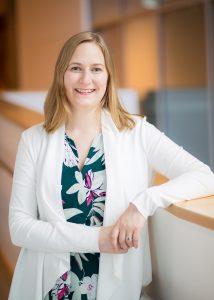
Raj Kurup serves as an Adjunct Professor in the Department of Chemical Engineering within the School of Engineering at The University of Western Australia, focusing on critical environmental engineering challenges. His academic contributions span theoretical hydrodynamics and practical water treatment applications. Research interests center on water resources management , with specialization in estuarine hydrodynamics (particularly the Swan River system) and innovative wastewater treatment technologies. Key domains include: Hydrodynamic modeling of salt wedge dynamics and algal blooms in microtidal estuaries Development of constructed wetlands for municipal and industrial effluent treatment Application of natural coagulants like Moringa Oleifera in water purification Biogas generation from organic waste through anaerobic digestion systems Publication trends reveal a progression from foundational estuarine studies (1997-2002) to applied wastewater solutions (2003-2018), consistently addressing Western Australia's water security needs through both computational modeling and experimental fieldwork. Award highlights include the prestigious UWA Chancellor's Medal (2024) , recognizing exceptional contributions to environmental engineering. Research funding demonstrates strong industry collaboration: Water Corporation WA projects on cyanotoxin persistence (2015) and Moringa-based coagulation (2012) Department of Primary Industries initiative for water treatment applications (2012) As an educator, Kurup contributes through research supervision and industry partnerships, though specific student mentoring details aren't documented in available sources. His work bridges academic theory and real-world water management challenges across Western Australia.
Professor Ryan Lister is a leading epigenetics and genomics researcher at the University of Western Australia (UWA) and head of the Epigenetics and Genomics laboratory at the Harry Perkins Institute of Medical Research. Elected as a Fellow of the Australian Academy of Science in 2020 and a joint Scientist of the Year in the Premier’s Science Awards, his work focuses on understanding the epigenome's role in gene regulation, cellular reprogramming, and disease. He holds the Sylvia and Charles Viertel Senior Medical Research Fellowship and has pioneered techniques like whole-genome bisulfite sequencing. BSc in Biochemistry and Genetics (UWA, 2000) PhD in Plant Mitochondrial Biogenesis (UWA, 2005) Postdoctoral Fellow (Salk Institute, 2006-2012) His research explores the epigenome's role in mammalian brain development, stem cell reprogramming, and plant biology. Techniques he developed, such as RNA-seq and ATAC-seq, enable high-resolution methylome mapping. Key findings include the first human DNA methylomes and epigenetic memory in iPSCs. Recent publications focus on synthetic gene circuits in plants, CRISPRi-based DNA methylation manipulation, and comparative methylome studies. His work spans both plant and human epigenetics, with implications for agriculture and medicine. Fellow of the Australian Academy of Science (2020) Joint Scientist of the Year (2020 Premier’s Science Awards) Sylvia and Charles Viertel Senior Medical Research Fellowship His lab collaborates on epigenome editing technologies and developmental biology. Current projects investigate DNA methylation readers, brain epigenomic diversity, and programmable gene expression systems.
Associate Professor Stefan Felder is a leading expert in hydraulic engineering and applied fluid mechanics at the School of Civil and Environmental Engineering, University of New South Wales (UNSW) . With a Dipl.-Ing. from RWTH Aachen University and a PhD from the University of Queensland, he established the hydraulic engineering research group at the UNSW Water Research Laboratory in 2014. Internationally recognized for innovations in air-water flow measurement, fish passage solutions, and remote sensing technologies, his work bridges laboratory-scale modeling with field-scale applications. Education: Dipl.-Ing. (2008) RWTH Aachen, PhD (2013) University of Queensland Leadership Roles: Chair of Research Management Group at WRL, Vice-Chair of IAHR Hydraulic Structures Committee Research Focus: Experimental hydraulics, fishway design, climate change impacts on estuarine systems, and advanced instrumentation development. His work pioneers LIDAR applications for flow analysis and air-water probe technologies. Grants & Projects: Chief Investigator on $6.2M+ in grants including NSW fishway installations, Swiss hydrodynamic safety studies, and international collaborations on sustainable hydraulic systems. Scientific Awards: Karl Emil Hilgard Hydraulics Prize (ASCE) 2023 JD Lawson Scholarship (Engineers Australia) 2017 University of Queensland Dean’s Award for PhD Excellence 2013 DTK Travel Grant for Dipl.-Ing. Thesis 2008
Professor Gopala Rangan is a clinician-scientist at the Westmead Clinical School, University of Sydney, and Head of the Michael Stern Laboratory for Polycystic Kidney Disease at the Westmead Institute for Medical Research. His work focuses on autosomal dominant polycystic kidney disease (ADPKD) , the most common genetic cause of kidney failure in adults, and extends to chronic kidney disease, dialysis, and glomerulonephritis. Affiliations: Senior Staff Nephrologist, Westmead Hospital; Co-Chair, SONG-PKD consortium; Member, 2021 KDIGO international guidelines for PKD Research Interests center on translational approaches to ADPKD and genetic kidney diseases, integrating preclinical models (e.g., Vitamin D receptor signaling, NF-κB inhibition) and clinical trials (PREVENT-ADPKD, CKD-FIX). His work emphasizes non-pharmacological interventions like hydration therapy and molecular pathogenesis studies. Scientific Contributions include leadership in 15+ clinical trials and guidelines, with recent publications highlighting genomic diagnostics (KidGen study), consensus-driven outcomes (KDIGO 2025 guidelines), and nutritional interventions (BEET-PKD, ketogenic diets). Key themes: Healthy Ageing , Cell Biology , and Clinical Trials . Awards/Honors: Lead Investigator, PREVENT-ADPKD (GNT1138513); Chair, Scientific Advisory Board of PKD Australia; KDIGO 2025 Guideline Committee member Advising roles include mentoring students and collaborators on ADPKD, though specific advisees are not listed. Grants: Joint industry-funded PREVENT-ADPKD (GNT1138513), PKD drug development program (GNT1164128).
Professor Becky Freeman is a distinguished academic at the University of Sydney's School of Public Health, where she serves as a Professor and leads the Prevention Research Collaboration. With twenty-five years of experience in tobacco control, she is internationally recognized for her expertise in program and policy best practices. She is also a member of the Charles Perkins Centre, contributing to interdisciplinary research on obesity, diabetes, cardiovascular disease, and cancer prevention. University of Sydney, School of Public Health Prevention Research Collaboration Charles Perkins Centre member Professor Freeman holds a BSc, MSc, and PhD. Prior to her Australian academic career, she worked for government and not-for-profit organizations in Canada and New Zealand, bringing extensive international experience to her research. Her primary research interests focus on tobacco control , examining how online and social media influence public health , and investigating the commercial determinants of health . She is an established authority on the potential of the Internet to circumvent tobacco advertising bans and has pioneered innovative research methods for tracking and analyzing online social media content. Her methodological approaches emphasize Prevention & Control and Qualitative Research , with particular attention to media studies, obesity & overweight, and public health policy. Professor Freeman's publication record demonstrates consistent scholarly output with clear thematic focus. Recent work shows increasing attention to e-cigarette regulation, youth vaping patterns, and digital marketing's intersection with public health policy. Her research often employs content analysis of social media platforms to examine tobacco and vape marketing tactics, with notable studies on Instagram, TikTok, and Twitter. She frequently collaborates with researchers across Australia and New Zealand, producing comparative policy analyses that inform public health interventions. Her work spans epidemiological studies, policy evaluations, and qualitative investigations into industry tactics. Tobacco advertising circumvention via digital platforms E-cigarette marketing strategies on social media Youth vaping trends and policy impacts Commercial determinants of health Public health policy evaluation methods Qualitative research methodologies As an academic supervisor, Professor Freeman mentors research students including Kamara, who is examining marketing restrictions across the digital environment for healthier food systems. Her research has been supported by numerous grants focused on tobacco control policy evaluation and digital health communication. She actively engages with policymakers to translate research findings into practical public health interventions. Professor Freeman leads the Prevention Research Collaboration, which brings together multidisciplinary researchers to address complex public health challenges through evidence-based policy recommendations. Her team conducts rigorous analyses of tobacco industry tactics and develops innovative methods for monitoring online health-related content. She maintains active involvement in national health policy discussions, particularly regarding electronic nicotine delivery systems regulation.
Dr. Julius Woongki Kim serves as the Mark Hughes Brain Cancer Research Fellow at the School of Medical Sciences, Faculty of Medicine and Health, University of Sydney. His research focuses on developing novel immunotherapeutic and virotherapeutic strategies for brain tumours, particularly malignant glioma, with emphasis on translational applications. His primary research interests span Cancer Immunology, Brain Tumour Biology, Virology, and Translational Oncology. He employs approaches including Translational Research and Treatment/Intervention with clinical specialization in Oncology. His work centers on dendritic cell modulation, oncolytic adenoviral vectors, neural stem cell delivery systems, and combinatorial immunotherapies targeting the tumour microenvironment. Key themes include immune checkpoint manipulation, viral vector engineering, and biomaterial applications for brain cancer treatment. Analysis of his publication record reveals consistent focus on glioma immunotherapy, with increasing emphasis on combinatorial approaches since 2015. His research bridges fundamental immune mechanisms with preclinical therapeutic development, particularly exploring synergies between virotherapy and immunomodulation. The work demonstrates progression from vector engineering to microenvironment modulation and systemic immune activation. His primary recognition includes: Mark Hughes Brain Cancer Research Fellowship Dr. Kim secured significant grant funding including the 2020 project "Preclinical Analysis of Combinatorial Bioengineered Dendritic Cell-based Immunotherapy against the Brain Tumours" funded by Mark Hughes Foundation Ltd/NRL Beanie for Brain Cancer. This supports his laboratory's development of dendritic cell-based therapies targeting brain tumours. His collaborative work involves translational research teams focused on moving discoveries from bench to bedside. His research is conducted within the University of Sydney's brain cancer research framework, collaborating with the Mark Hughes Foundation and focusing on immunotherapeutic strategies for glioma treatment.
Associate Professor Alison Pearce is a health economist leading the Health Economics Stream at the Daffodil Centre, a joint venture between the University of Sydney and Cancer Council NSW. Based at the Sydney School of Public Health, she specializes in cancer economics, discrete choice experiments, and measuring productivity loss. Her research aims to improve cancer care through evidence-based decision making. Dr. Pearce completed her PhD on chemotherapy side effects at the Centre for Health Economics Research and Evaluation (CHERE) at UTS in 2013, following occupational therapy training. Her career includes postdoctoral work at Ireland's National Cancer Registry and a Chancellor's Postdoctoral Research Fellowship at UTS. Her research focuses on the economics of cancer, patient preferences, productivity loss measurement (including unpaid work), and anxiety/depression in cancer patients. She has extended this to occupational therapy economics and health services research. Recent work emphasizes discrete choice experiments to understand patient preferences, AI in cancer screening, and economic evaluations of cancer interventions. Dr. Pearce's recent publications reveal a strong focus on patient-centered health economics research, particularly using discrete choice experiments to understand cancer treatment preferences. Her work spans methodological developments in economic evaluation, practical applications in cancer care, and international collaborations examining productivity loss across different healthcare systems. Her scientific awards include: 2021 Sydney Cancer Conference 3rd Prize for Best Mini-oral presentation 2018 HSRAANZ Best Health Services and Policy Research paper 2016 HESG Best Poster Presentation Award 2015 MASCC Young Investigator of the Year Award 2015 ISPOR Best New Investigator Podium Presentation Award Dr. Pearce coordinates Introduction to Health Economics and Health Policy (HPOL5000) in the Master of Public Health program and supervises three PhD students and multiple Master's students. She has received multiple research grants, including funding from the National Breast Cancer Foundation, NHMRC, and Department of Health. Her international collaborations span Brazil, Russia, Ireland, Canada, France, and the UK, reflecting the global impact of her health economics research.
Dr. Alison Dowling is a Research Fellow at Monash University's School of Nursing and Midwifery, specializing in medication management during care transitions for older adults in residential aged care with emphasis on rural health and healthcare resource allocation. She employs quantitative, qualitative, and mixed methods research approaches. Her research interests include: Medication Safety and Management Transitions of Care Residential Aged Care Healthy Aging Rural Health Healthcare Resource Allocation Chronic Disease Management Epidemiology Dr. Dowling prioritizes collaborative, inclusive research through interdisciplinary teams and consumer partnerships. Publication trends reveal concentrated focus on aged care medication safety (2025), alongside significant contributions to refugee health and chronic disease research (heart failure, renal disease) addressing vulnerable populations and healthcare system challenges. She completed supervision of a Master of Advanced Clinical Nursing research report in 2024.
Maciej Maselko is an Associate Professor in Applied BioSciences at Macquarie University. His research focuses on insect genome engineering to advance biotechnology applications, including genetic biocontrol of disease-vectoring mosquitoes and bioremediation of environmental contaminants. He leads projects on transgenic animal systems, synthetic biology-based solutions for invasive species control, and sustainable biomanufacturing in insects. Education: PhD in Molecular and Cell Biology (Oregon State University, 2011) BS in Biological Sciences (University of Alaska Anchorage, 2005) Research Interests: Dr. Maselko's work integrates genetic engineering and synthetic biology to address global challenges such as disease vector control, environmental pollution, and agricultural sustainability. His lab develops transgenic insects for biocontainment, population replacement strategies, and bioremediation using microbial enzymes expressed in insect hosts. Current projects include cane toad genetic manipulation, amphibian disease resistance engineering, and phytase production in black soldier flies. Collaborations: Active collaborations span institutions globally, with a focus on ecological and agricultural applications of genetic engineering. Projects involve partnerships in Australia, the US, and other regions. Grants & Projects: Principal Investigator for multiple grants including 'Sustainable biomanufacturing of phytase enzymes' (2023–2026) and 'Control of cane toads by genetic manipulation' (2023–2027). Lead on initiatives like 'Preventing disease-caused extinctions in amphibians' (2022–2025) and 'Insecticide-resistant honey bees for pollination security' (2023). Labs & Teams: His research group operates at the intersection of molecular biology, ecology, and engineering, with a focus on translating lab discoveries into real-world solutions for environmental and agricultural challenges.
Dr. Marisa Collins is an Associate Professor in Agronomy at La Trobe University's School of Agriculture, Food and Ecosystem Sciences, Department of Animal, Plant and Soil Sciences. With appointments spanning from 2006 to present, she has held progressive academic roles including Research Scientist at CSIRO, Senior Lecturer at University of Queensland, and current Associate Professor at La Trobe since 2024. Her educational background includes a PhD in Plant Science from the University of Melbourne (2006) and a Bachelor of Science (Honours) from the same institution (1999). Her research focuses on crop physiology and agronomy, particularly in legumes like mungbeans and pigeonpea, addressing water-use efficiency and abiotic stress responses. Collins' research portfolio demonstrates consistent focus on improving crop productivity through physiological understanding, with recent emphasis on mungbean modeling using APSIM Next Generation. Her work bridges field-based physiology with practical applications for broad-acre farming systems, particularly addressing drought and heat stress challenges in Australian agriculture. Current projects include GRDC-funded initiatives on mungbean yield gaps and NEXTGEN modeling. She has secured substantial research funding from GRDC, Agrifutures, ACIAR, and CRDC, with active projects including 'Genetic initiative to transform symbiotic nitrogen fixation' (2024-2028) and 'Development of RD&E Plan for the Lavender Industry' (2021-2022). Her collaborative network spans Australian research organizations and international partners. As an educator, Collins has coordinated the Bachelor of Agriculture program at La Trobe since 2022 and developed multiple agronomy courses. She has supervised numerous research students and serves on the Australian Council of Deans of Agriculture Learning and Teaching Academy. Her teaching philosophy emphasizes field-based practicals and industry engagement.
Dr. Habtamu Beyene serves as an Adjunct Lecturer in the Baker Department of Cardiovascular Research, Translation and Implementation at La Trobe University. His research focuses on lipidomics and metabolomics applications to cardiovascular health, obesity, and metabolic disorders. With an ORCID identifier 0000-0001-7075-6629, Dr. Beyene has published extensively in high-impact journals including The Lancet, Nature Communications, and Journal of the American College of Cardiology. Dr. Beyene's research program centers on lipidomics and metabolomics , with particular emphasis on how lipid metabolism relates to cardiovascular disease risk and metabolic health. His work spans population-based studies , biomarker discovery , and translational applications . Key areas include the development of lipid-based risk scores, metabolic age assessment, and plasmalogen metabolism in health and disease. His research often involves large international collaborations, particularly through the Global Burden of Disease Study. Analysis of Dr. Beyene's recent publications reveals a strong trend toward integrating lipidomic data with clinical outcomes to improve cardiovascular risk prediction. His work frequently combines multi-omics approaches with epidemiological methods to identify novel biomarkers and understand metabolic pathways. Notable contributions include lipidomic risk scores that enhance traditional cardiovascular risk assessment and analyses of global nutrition and obesity trends. Dr. Beyene actively contributes to major global health initiatives, particularly the Global Burden of Disease Study, where he has authored numerous high-impact papers on obesity, nutrition, and cardiovascular disease burden. His research has significant implications for both clinical practice and public health policy, bridging the gap between basic lipid science and practical applications in preventive cardiology.
Niko Sünderhauf is a Professor in the School of Electrical Engineering and Robotics at Queensland University of Technology (QUT), specializing in robotics, computer vision, and autonomous systems. His research spans visual place recognition, simultaneous localization and mapping (SLAM), neural radiance fields, and out-of-distribution detection for robotics applications. His research interests focus on enabling robots to understand and navigate complex environments through advanced computer vision techniques. He has made significant contributions to visual place recognition, particularly for handling viewpoint and environmental changes. His work on switchable constraints has improved robustness in SLAM systems, while his more recent research explores neural radiance fields, Gaussian splatting, and integrating large language models with robotic perception. Prof. Sünderhauf's publication record demonstrates consistent research productivity with 115 publications spanning from 2005 to 2025. His recent work shows a clear progression from traditional SLAM techniques toward more advanced neural scene representations and integration with large language models. His research has been published in top venues including IEEE ICRA, CVPR, IROS, and the International Journal of Robotics Research. Among his scientific contributions are novel approaches to visual place recognition that work across seasons and viewpoints, robust SLAM techniques that handle outliers and non-linearities, and recent innovations in neural scene representations for robotics. His work on switchable constraints has been particularly influential in the robotics community. Prof. Sünderhauf actively supervises PhD students including Dimity Miller, Krishan Rana, and Jad Abou-Chakra, who frequently appear as first authors on publications. His collaborative network includes researchers from QUT and international institutions, demonstrating strong research leadership in the robotics community.
Dr. Romana Morda is a Senior Lecturer in Psychology at Victoria University's College of Sport, Health & Engineering. She is also a registered psychologist with extensive experience in teaching developmental psychology and organizational psychology. Her academic leadership includes serving as Deputy Associate Dean Learning and Teaching since February 2023 and Associate Dean Learning and Teaching since March 2025. Dr. Morda holds the following educational qualifications: Bachelor of Behavioural Science from La Trobe University, Australia Diploma of Educational Psychology from Monash University, Australia Master of Psychology (Child and Educational) from Monash University, Australia PhD from the University of Melbourne, Australia Dr. Morda's research primarily focuses on fostering inclusion and wellbeing of traditionally socially disadvantaged groups, with particular emphasis on gender equality. Her work examines barriers women face in accessing education and employment, how systemic barriers impact career and leadership aspirations, and how culturally safe educational and organizational practices can facilitate empowerment and wellbeing. Her research spans multiple domains including gender studies, educational psychology, mental health, and social inclusion. Analysis of Dr. Morda's recent publications reveals consistent themes around gender equality, women's empowerment, and inclusive practices across various contexts. Her work often employs qualitative methodologies to explore nuanced experiences of marginalized groups, particularly women and culturally diverse populations. There is a clear trajectory in her research from examining specific populations to developing practical interventions for empowerment and inclusion. Dr. Morda is actively involved in research funding, having led industry-based collaborative projects including the Fostering Women's Empowerment project (a collaboration between VU, Swinburne and WomenCan Australia) and a project with the Western Bulldogs Community Foundation evaluating youth leadership programs (2019-2021). As a dedicated supervisor, Dr. Morda currently serves as principal supervisor for 5 PhD students and associate supervisor for 2 PhD students and a Master of Research student. She also supervises Master of Applied Psychology and Honours in Psychology students. To date, she has successfully supervised 5 PhD completions, 12 Master of Applied Psychology theses, 1 Master of Research thesis, and over 50 Honours theses, with all Honours and Master's students achieving H1 or H2A grades since 2014. Dr. Morda's supervision interests span a wide range of topics including curriculum practices in health professions education, women's leadership development, culturally safe care, family violence in migrant communities, and mental health. Her collaborative approach is evident in her work with various community organizations and institutions to address social disadvantage and promote inclusion.