Hans Baumgartner is Smeal Chair Professor of Marketing at Pennsylvania State University, specializing in consumer psychology and research methodology. His work develops advanced measurement techniques for cross-cultural consumer research, including structural equation modeling approaches for scale validation and response bias correction. Professor Baumgartner's research examines pathological buying behaviors, cross-cultural response patterns, and pro-environmental decision-making. Recent publications focus on improving measurement validity in international marketing studies through methodological innovations addressing common method variance and careless responding. He has authored foundational texts on marketing measurement and serves on editorial boards of major marketing journals.
Rem Collier is an Associate Professor in the School of Computer Science at University College Dublin (UCD). He holds a PhD in Computer Science from UCD (2001) and has held academic roles including Assistant Lecturer (2004), College Lecturer (2005–2018), and his current position since 2018. His research focuses on Multi-Agent Systems (MAS), Agent-Oriented Software Engineering (AOSE), Hypermedia MAS, Digital Twins, and applications in smart agriculture and urban simulation. He leads the CONSUS project (2022–2024) and collaborates on CAMEO (2021–2024). Education: BSc (Pure/Applied Mathematics, University of Bristol, 1994), MSc (Computation, UMIST, 1995), MPhil (UMIST, 1996), PhD (UCD, 2001). Research interests include Agent Factory Framework, ASTRA programming language, and integrating MAS with microservices. Notable achievements include the CIA System Innovation Award 2003 (ACCESS architecture) and Best Paper Awards at EMAS2020 and Mobile Learning 2006. His work spans over 150 peer-reviewed publications and grants such as HOTAIR (2004–2005) and SIFT (2008–2011). Teaching includes modules on Multi-Agent Systems, Distributed Systems, and Security. He has coordinated courses at UCD and the Joint UCD-Fudan program in Beijing and Sri Lanka. Labs/Teams: Active in Hypermedia MAS Simulation, collaborating on projects like CONSUS and CAMEO, emphasizing smart agriculture and distributed knowledge graphs.
Laura Drislane is an Assistant Professor of Psychology at the University of Mississippi, holding a Ph.D. from Florida State University. She serves as director of the Measurement and Etiology of Externalizing Problems (M.E.E.P.) Lab, focusing on trait-based models of psychopathology, particularly psychopathy. Previously, she was faculty at Sam Houston State University (2019–2023), following postdoctoral work at the University of Michigan and a pre-doctoral internship at the Minneapolis VA Medical Center. Her research integrates psychometric, behavioral, and neurobiological analyses to study impulse-control disorders, emphasizing psychopathy’s interpersonal, affective, and behavioral dimensions. Dr. Drislane’s work examines causal mechanisms underlying psychopathic traits (disinhibition, meanness, boldness) and their links to broader personality and psychopathology models. She investigates these constructs across diverse populations, including incarcerated offenders and community samples. Her methodologies include latent variable modeling, meta-analyses, and neuroimaging studies. Notable contributions include validating triarchic psychopathy scales and evaluating interventions for drug use in emergency settings. Publications highlight her expertise in psychopathy’s classification, EEG correlates of affective processing, and reliability of assessment tools like the Triarchic Psychopathy Measure. She teaches courses in clinical psychology, including personality assessment and practicum training. Her lab (M.E.E.P.) emphasizes translational research bridging basic science and clinical applications, with a focus on improving diagnostic frameworks and treatment strategies for externalizing disorders.
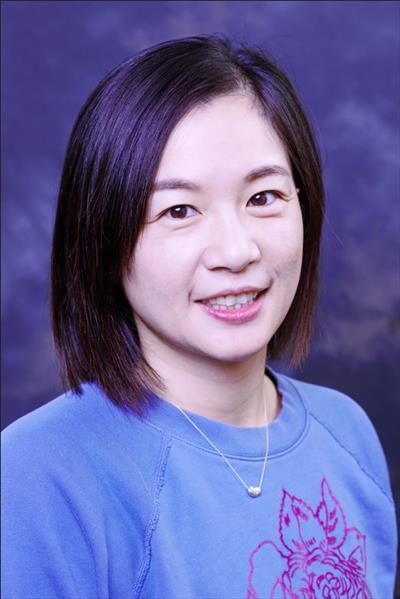
Ying Chen serves as Research Assistant Professor in the Department of Biomedical Engineering within Tufts University's School of Engineering. Her laboratory develops advanced 3D in vitro tissue models of human intestine using silk scaffolds and intestinal organoids to mimic native structure and function. Ph.D. in Biomedical Science and Engineering, University of Maine (2013) M.S. in Environmental Toxicology, Xiamen University (2007) B.S. in Environmental Science, Fujian Normal University (2004) Her research focuses on tissue engineering and regenerative medicine , specifically creating human intestinal models that maintain mucus layers and oxygen gradients. These models enable studies of inflammatory bowel disease, drug delivery mechanisms, nanotoxicity effects, and microbial infections. Her work bridges biomaterials science , organoid technology , and translational medicine , with recent publications emphasizing silk-based protective coatings and cultivated meat applications. Analysis of her publication record (2022-2026) reveals strong emphasis on silk protein biomaterials for cellular protection and tissue modeling, with growing applications in sustainable food technology. Key thematic areas include intestinal disease modeling (32% of recent work), silk-based cell encapsulation (28%), and novel imaging techniques for engineered tissues (15%). Dr. Chen actively secures competitive research funding, including a National Science Foundation grant for 'Dynamic protein-based biomaterial designs for bionic coatings' (2021-2024) and industry collaboration with Sofregen Medical Inc. Her teaching portfolio consistently features 'Tissue Engineering Research Lab' courses since 2019, training students in advanced biomaterial techniques. Her laboratory maintains two key patents: 'Innervated artificial intestine compositions' (2017) and 'Microphysiologic methods and compositions' (2014), demonstrating translational impact beyond academic publications.
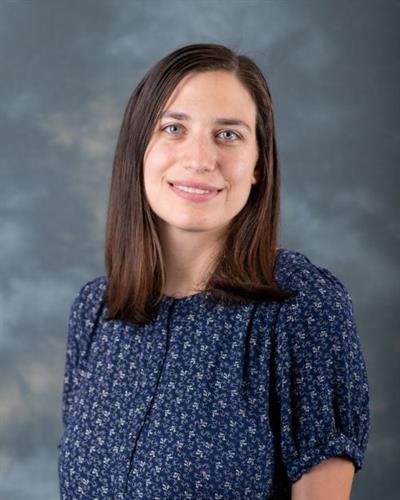
Samantha Petti is an Assistant Professor in both the Department of Mathematics (School of Arts and Sciences) and the Department of Computer Science (School of Engineering) at Tufts University. She is based at 177 College Avenue, Medford, MA. Her research focuses on computational biology, bioinformatics, and machine learning, with particular emphasis on protein structure analysis, genotype-phenotype mapping, and algorithm design for biological sequence analysis. She teaches courses such as Master's Thesis supervision, PhD Thesis guidance, and specialized topics in mathematics and computer science. Her work integrates interdisciplinary approaches, combining statistical methods, deep learning, and probabilistic models to address challenges in genomics, structural biology, and network science. Recent projects include developing end-to-end protein alignment tools and exploring sparse graph models for biological systems. Teaching: Supervises graduate thesis work (Master’s/PhD) and advanced courses in mathematics and computer science at Tufts. Lab/Team: Engages in collaborative research at the intersection of computational methods and biological systems.
Prof Alan Patching is a Professor and Semester Teaching Fellow at Bond University's Faculty of Society & Design, affiliated with the Centre for Comparative Construction Research. Contact: apatchin@bond.edu.au. His research focuses on psychological stress in construction management, mindfulness-based interventions in maternal health, interoceptive awareness in PTSD treatment, collaborative design methodologies, and the societal impact of esports. Research interests include integrating psychological studies with construction industry challenges, leveraging technologies like BIM and Lean processes in education, and exploring esports' potential in major sports events. He has presented on topics such as stress management in construction and hypnosis in therapy. No scientific awards are explicitly listed. Advising and grants: Supervised a doctoral thesis on stress attitudes in construction (2019). Active in interdisciplinary research collaborations, particularly with the Centre for Comparative Construction Research.
Li Ma is a Teaching Professor of Chinese and Coordinator/Director of the Study Abroad Program in China at Florida International University's Green School. Their work focuses on integrating cross-cultural education and global workforce development, with particular emphasis on Chinese language education and international business dynamics. Dr. Ma holds a prominent role in facilitating academic exchanges and global competency programs. Research interests span organizational behavior, cross-cultural management, and international human resource strategies. Their scholarship addresses global talent management, expatriate challenges, and contextualized business practices in diverse cultural environments. Notable contributions include studies on multinational corporation operations, cultural legitimacy, and diversity dynamics in global teams. Publications highlight expertise in international business strategy, organizational learning, and global workforce challenges. Recent work explores SIE (self-initiated expatriate) compensation models, cultural stigmatization in global assignments, and innovative talent management frameworks. Their work bridges academic research with practical applications in multinational enterprises. Dr. Ma's academic leadership includes coordinating study abroad programs and developing curricula for global competencies. Office located at SIPA II 230 with direct phone access (305) 348-6909.
Giovanni Dalmasso is an Associate Professor in the Department of Mathematics and Data Analytics at the IQS School of Engineering, Ramon Llull University. His research focuses on computational modeling of biological systems, including morphogenesis, cellular homeostasis, and biomedical image analysis. He specializes in developing tools for 3D/4D visualization of developmental processes and agent-based models of cellular dynamics. Key research areas include: 3D/4D reconstruction of embryonic development (e.g., limb bud morphogenesis) Biological shape correspondence algorithms (μMatch) Systems biology approaches to mitochondrial function and stress responses Mathematical modeling of calcium signaling dynamics His work contributes to UN Sustainable Development Goals related to innovation and infrastructure through advances in bioimaging and computational tools. Collaborations span institutions globally, including projects with the University of Edinburgh and University Pompeu Fabra. He has developed open-source software like LimbLab and veda for scientific visualization. Research outputs emphasize interdisciplinary methods combining engineering, mathematics, and biology to address fundamental questions in developmental biology and cellular systems. Current efforts focus on integrating moral decision frameworks into AI agents through contractualist models.
Dr. Miklos Bartha is a Professor in the Department of Computer Science at Memorial University of Newfoundland, located within the Faculty of Science. He holds a M.Sc. and Ph.D. from József Attila University in Hungary. His research focuses on programming language semantics, algebra and category theory applied to computer science, automata theory, and graph theory. Dr. Bartha's work bridges formal methods with computational models, emphasizing theoretical foundations and their applications in discrete systems. His academic career includes significant contributions to automata equivalence, synchronous system modeling, and graph-based algorithms. Notable areas of exploration include quantum automata, soliton graphs, and the monoidal structure of Turing machines. His research often intersects category theory, providing novel frameworks for understanding computational processes. Dr. Bartha has published extensively in international conferences and journals, with recent work addressing graph reduction algorithms, deterministic properties of soliton graphs, and the theoretical underpinnings of molecular switching using automata models. His publications span topics from formal verification of circuits to algorithmic graph theory, reflecting a deep engagement with both foundational and applied aspects of computer science. His contact information includes an office at Memorial University and can be reached via email at bartha@mun.ca or phone at (709) 864-2193.
John Mathieu serves as Board of Trustees Distinguished Professor and GE Professor in Business at the University of Connecticut's School of Business, Department of Management & Entrepreneurship. His research bridges theoretical organizational behavior with practical applications across military, healthcare, and corporate sectors, focusing on team dynamics and leadership systems. Education: BA in Psychology, University of Connecticut (1980) MS in Psychology, Old Dominion University (1982) PhD in Industrial/Organizational Psychology, Old Dominion University (1985) Research Focus: Dr. Mathieu pioneers multi-level team effectiveness models integrating micro-macro dynamics. His work examines team processes in complex systems (cancer care, surgical units, military operations) through advanced methodologies like computer-aided text analysis. Key themes include leadership interventions, human capital deployment, and network-based team structures, with emphasis on translating theory into actionable frameworks for high-stakes environments. Publication Trends: Recent work (2020-2022) demonstrates methodological innovation in measuring dynamic team constructs while addressing critical applications in healthcare and defense. His research consistently connects team processes to performance outcomes through rigorous cross-level analyses, with increasing focus on contextual factors like situational alignment and social capital resources. Scientific Recognition: Fellow, Society for Industrial/Organizational Psychology Fellow, American Psychological Association Fellow, Academy of Management Research Impact: As PI/Co-PI on $9.7M+ in grants, Mathieu partners with Fortune 500 companies, U.S. Armed Forces (Army/Navy/Air Force), and federal agencies (NASA, FAA, NRC). His 200+ conference presentations disseminate evidence-based team frameworks to diverse operational contexts, while editorial board service for top journals shapes the field's methodological standards. Current work emphasizes scalable team process interventions for complex adaptive systems.
Leon Wegner is a Professor in the Department of Civil Geological and Environmental Engineering at the University of Saskatchewan's College of Engineering. He holds a B.E. from the University of Saskatchewan, an M.A.Sc. from the Technical University of Nova Scotia, and a Ph.D. from MIT. His research focuses on structural engineering and materials, including fretting fatigue of bolted connections, structural health monitoring, cold weather masonry materials, composite materials mechanics, and cement-based materials. Current projects include developing antifreeze admixtures for subfreezing masonry construction and improving fatigue evaluation for potash mineshafts. He has openings for one PhD and two MSc students in industry-sponsored research on bolted steel connections. Education: B.E. (Saskatchewan) M.A.Sc. (Technical University of Nova Scotia) Ph.D. (MIT) Research Interests: Fretting Fatigue Structural Health Monitoring Cold-Weather Materials Composite Mechanics Cement Chemistry Recent Work Trends: His publications emphasize vibration-based damage detection for bridges, optimization of composite materials, and cold-weather construction solutions. He combines experimental and numerical approaches in projects like Diefenbaker Bridge monitoring and potash mine shaft evaluations. Grants and Advising: Supervises graduate students on industry-sponsored projects. His work aligns with infrastructure durability and material innovation in harsh environments.
Dr. Thomas Froese is the Department Chair and Professor of Civil Engineering at the University of Victoria (UVic), within the Faculty of Engineering and Computer Science. He specializes in project and construction management, sustainable infrastructure, and the integration of information technologies such as Building Information Modeling (BIM), IoT, and digital twins into building and infrastructure systems. His work emphasizes sustainability assessment, energy efficiency, and innovation in construction processes. He actively contributes to advancing sustainable building practices through applied research and education. Research Interests: Froese’s expertise spans sustainable building and infrastructure design, digital twin-enabled post-occupancy evaluations, timber-concrete composite systems, and the application of BIM in high-performance construction. He explores how technologies like GIS, IoT, and surrogate modeling can optimize building envelopes and enhance infrastructure resilience. His educational focus includes curriculum development for sustainability-centered civil engineering and fostering innovation in construction management. Articles Trends: His recent publications emphasize sustainability in construction, digital twin applications, and innovative materials like bio-inspired auxetics. He frequently examines case studies such as Brock Commons Tallwood House and UVic’s Engineering Expansion Project, highlighting practical implementation of sustainable technologies. His work bridges theory and practice, addressing challenges in thermal comfort, energy efficiency, and lifecycle assessment. Awards and Grants: No specific awards or grants are listed in the provided texts. Froese’s contributions are primarily reflected in his research output and academic leadership roles. He oversees the Civil Engineering Department and collaborates on projects promoting sustainable development, such as the UBC Living Lab initiative. Labs/Teams: As a department chair, Froese likely leads or collaborates with UVic’s civil engineering research groups focused on sustainable infrastructure and digital construction technologies. His work aligns with UVic’s broader commitment to environmental stewardship through applied engineering solutions.
Luis Ibarra is an Associate Professor in the Department of Civil & Environmental Engineering at the University of Utah, where he has been employed since 2010. He was promoted to Associate Professor in July 2016 after serving as an Assistant Professor from 2010 to 2016. He earned his PhD in Civil and Environmental Engineering from Stanford University in 2004. Research Interests Dr. Ibarra's research spans multiple domains of civil engineering with particular emphasis on seismic performance of structures, nuclear safety, and material behavior. His work integrates computational mechanics, experimental testing, and probabilistic risk assessment to address challenges in structural resilience under extreme loading conditions. Primary research themes include: Seismic modeling of nuclear containment structures and fuel rod behavior Development of advanced hysteretic models for structural components Earthquake engineering applications for bridges and buildings Probabilistic risk assessment of structural systems Publications Overview Recent publications (2018-2025) demonstrate Dr. Ibarra's focus on computational mechanics applied to nuclear and structural safety, featuring advanced finite element modeling, probabilistic methods, and experimental validation. Recurring themes include seismic vulnerability of nuclear facilities, deterioration modeling of structural components, and innovative retrofitting techniques for earthquake resilience. The research consistently integrates material science fundamentals with structural engineering applications. Awards and Recognition Ben Jacobsen Kingfisher Bend Ranch Award for exceptional teaching effectiveness (2015) Teacher of the Year Award, CvEEN Department (2014) Teacher of the Year Award in the CvEEN Department (2013) Milek Fellowship Award, American Institute of Steel Construction (2013) Academic Activities Dr. Ibarra maintains an active research program supported by multiple grants including seismic modeling of nuclear structures, machine learning applications for collapse prediction, and performance of retrofitted bridges. He regularly advises graduate students in thesis research and teaches courses in structural dynamics, steel design, and structural analysis. His professional service includes editorial board membership for the Tall and Special Buildings Journal and community outreach through earthquake education programs for high school students.
Professor Jana Lasser holds a professorship in Data Analysis at the University of Graz, where she leads the Complex Social & Computational Systems research group at the interdisciplinary IDea_Lab. She serves as Associate Faculty at the Complexity Science Hub Vienna and previously held positions at Graz University of Technology as a Marie Curie Fellow and interim professor at RWTH Aachen. Her educational background includes a PhD in Physics from Georg-August-University Göttingen (2019), conducted at the Max Planck Institute for Dynamics and Self-Organization, with research on salt desert pattern formation. Her academic journey reflects a transition from geophysics to computational social science. Lasser's research centers on emergent phenomena in complex social systems, employing machine learning, natural language processing, and computational modeling. Key interests include misinformation spread on social media, counterspeech effectiveness, social media recommendation algorithms' societal impact, and the fracturing of societal understanding of honesty. Her work combines theoretical frameworks with real-world applications through agent-based simulations and large-scale text analysis. Her recent publications reveal strong thematic coherence across computational social science, with significant focus on political communication dynamics, platform governance, and methodological innovation. The 15 most recent works demonstrate increasing integration of computational methods with social theory, particularly in analyzing truth-concept evolution in political discourse and developing alternative social media architectures. ERC Starting Grant 101160928 DeSiRe for designing social media recommendation algorithms FWF standalone project P 37280-N on conspiracy theory spread netidee SCIENCE prize for digital civic innovation Marie Curie Fellowship for postdoctoral research Lasser actively supervises graduate students in computational social science, with current focus on topics related to her ERC-funded project. She leads the Survey Special Interest Group within the COST Action on Researcher Mental Health, conducting Europe's largest benchmark study on academic mental health. Her lab maintains strong collaborations with the Complexity Science Hub Vienna and international institutions.
Gaël Le Mens is Professor (Catedràtic) in the Department of Economics and Business at Universitat Pompeu Fabra, with affiliations at Barcelona School of Economics and UPF-BSM. An ICREA Acadèmia Awardee (2023-2027), he researches learning processes in individuals, organizations, and machines, examining how information sampling affects judgment and belief formation. Current research explores: Social media feedback dynamics and opinion polarization Conceptual categorization using LLMs (GPT-4, Llama 3) Reinforcement learning biases Wisdom-of-crowds phenomena His work combines computational modeling with experimental methods. Publications appear in top journals including Psychological Review (4 papers), PNAS (4 papers), and Management Science. Research themes show consistent focus on decision biases arising from sampling limitations, with recent expansion into AI-assisted text analysis and political scaling applications. Honors include: ERC Consolidator Grant for selective information sampling research Multiple publications in PNAS and Psychological Review ICREA Acadèmia recognition Mentored doctoral students include Elizaveta Konovalova, Nikolas Schöll, and Thomas Woiczyk. Leads the ERC-funded project 'Implications of Selective Information Sampling' examining belief polarization mechanisms. Affiliated with the Rebel Governance Network and Strategic Organization Design Unit, with visiting positions at INSEAD, London Business School, and Stanford GSB.