Zane Simsone is an Acting Lecturer at Riga Stradins University's Department of Human Physiology and Biochemistry, actively contributing to research in cancer biology and microvascular physiology. His work spans two decades, with a recent focus on melanoma cell morphology and the impacts of cigarette smoking on vascular health. Research Interests: Cancer cell dynamics and microenvironment Paclitaxel-induced cellular changes Microvascular responsiveness in smokers Insulin resistance and inflammatory states Biochemical mechanisms of vasodilatation Cardiovascular risk factors from smoking Publication Trends: Over 13 years, his research consistently links smoking-related vascular changes with cancer cell behavior, revealing a dual focus on public health implications and cellular biochemical pathways. The 2024 paper extends this by exploring microcell formation in melanoma models, while earlier studies quantify smoking's acute and chronic effects on microcirculation. Professional Engagement: He contributes to the Latvian Society of Laboratory Medicine (2022–present) and Latvian Laboratory Technician Association (2014–present), with a peer-reviewed poster presentation at the 2011 Environmental and Experimental Biology conference.
Dr. Rosemary Kozar is a Tenured Professor of Surgery at the University of Maryland School of Medicine . She holds multiple leadership roles including Acting Director of the National Study Center , Co-Director of STAR-ORC , and Director of Translational Research at the R Adams Cowley Shock Trauma Center. Her academic journey includes a PhD in Molecular Physiology and Biophysics from Baylor College of Medicine and surgical training at Temple University and University of Texas Houston . Dr. Kozar's research focuses on endothelial dysfunction after hemorrhagic shock , with particular emphasis on syndecan-1 mechanisms , plasma resuscitation effects , and post-injury coagulopathy . Her work spans both basic science and clinical translation , featuring significant contributions to microRNA regulation in vascular injury and trauma-induced coagulation disorders . Recent publications (2020-2025) demonstrate expertise in hemorrhagic shock biomarkers , endothelial cell repair , and trauma resuscitation strategies . Key themes include extracellular vesicle pathology , genomic responses to injury, and implementation science for trauma care systems. Scientific Recognition : NIH Continuous Funding Since 2002 Multiple Dean's Teaching Excellence Awards NIH R01 Grant Recipient Recipient of Nina Starr Braunwald Award AAST Organ Injury Scale Editor Dr. Kozar actively mentors medical students and serves on national committees including the Coalition for National Trauma Research and Western Trauma Association . She holds editorial roles at Trauma Surgery & Acute Care Open and Journal of Trauma & Acute Care Surgery .
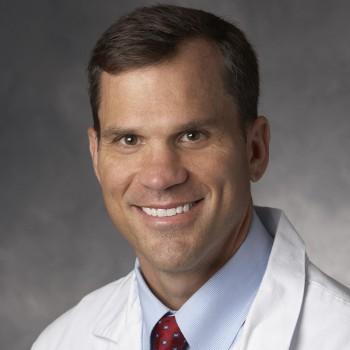
William Fearon, MD is a Professor of Medicine (Cardiovascular Medicine) and Chief of the Interventional Cardiology Section at Stanford University School of Medicine, as well as Chief of Cardiology at the VA Palo Alto Health Care System. He graduated from Dartmouth College and earned his MD from Columbia University. His research focuses on coronary physiology, including the FAME trials and development of the Index of Microcirculatory Resistance (IMR). He leads major clinical trials in interventional cardiology and heart transplantation, with over 350 publications. Awards include Fellowship in the American College of Cardiology and election to the American Society for Clinical Investigation. Education: B.A. in English, Dartmouth College (1990) M.D., Columbia University College of Physicians and Surgeons (1994) Residency: Stanford University Internal Medicine (1995-1998) Fellowships: Stanford General Cardiology & Interventional Cardiology (2002) Research Interests: Coronary physiology, FFR-guided interventions, cardiac allograft vasculopathy, transcatheter valve therapy. Current NIH funding supports studies on post-transplant vasculopathy. Active in editorial roles for Circulation: Cardiovascular Interventions and JACC journals. Key Trials: FAME 3 (5-year outcomes of PCI vs CABG) Contrast FFR validation (not recruiting) PASCAL valve repair trial (recruiting) Awards: Over 30 teaching awards from Stanford, named Master Fellow by Society of Cardiovascular Angiography. Labs: Leads a translational research lab investigating microvascular dysfunction and novel interventional therapies.
Peter Weinberg is a Professor of Cardiovascular Mechanics in the Department of Bioengineering at Imperial College London, Faculty of Engineering. He is based at the Royal School of Mines on the South Kensington Campus and can be contacted at p.weinberg@imperial.ac.uk. His research is centered on the biomechanics of cardiovascular diseases, particularly atherosclerosis and heart failure. He leads a research group focused on fluid dynamics, endothelial function, and advanced ultrasound imaging techniques. Education: Natural Sciences, University of Cambridge (Scholarship recipient) DIC, MSc, PhD in Physiological Flow Studies, Imperial College London Lady Davis Postdoctoral Fellowship, Technion – Israel Institute of Technology His research interests lie at the intersection of biomedical engineering, cardiology, and biomechanics . He investigates how hemodynamic forces such as wall shear stress influence endothelial permeability and atherosclerosis development. A major focus is on transcytosis of LDL , disturbed blood flow patterns , and non-invasive detection of heart failure using B-mode ultrasound and wave intensity analysis. His lab develops novel ultrasound imaging methods, including super-resolution techniques using nanodroplets and microbubbles, and coherence-based beamforming for 3D vascular mapping. His recent publications (2021–2025) demonstrate a strong trend toward advanced ultrasound diagnostics and molecular mechanobiology . The articles span from computational beamforming improvements to in vivo validation of endothelial activation pathways. Key themes include ultrasound velocimetry , macromolecule transport , shear stress modeling , and early disease detection . The work combines engineering innovation with deep biological inquiry, aiming to translate biomechanical insights into clinical tools. Scientific Awards and Honors: Fellow, Royal Microscopical Society Ordinary Member, The Physiological Society Member, British Atherosclerosis Society Committee Member, London Microcirculation Group Committee Member, British Society for Cardiovascular Research Committee Member, British Atherosclerosis Society Lady Davis Fellow Peter Weinberg has held key leadership roles in the Department of Bioengineering, including Director of Postgraduate Studies (Research) , Director of Research , and Academic Line Manager . He led the department’s efforts in the Research Assessment Exercise 2008 and Research Excellence Framework 2014. He founded and served as president of the Bioengineering Society (now BioMedEng), and was Associate Editor of the journal Atherosclerosis . He has organized major conferences such as the joint British Society for Cardiovascular Research and British Atherosclerosis Society meeting, and chaired BioMedEng18, attracting over 500 delegates. He has secured research grants, though specific details are not listed in the text. He leads a research laboratory in the Department of Bioengineering at Imperial College London, focusing on cardiovascular mechanics . The lab website details ongoing projects in ultrasound imaging, endothelial mechanobiology, and atherosclerosis modeling. The team uses a combination of computational modeling, in vitro bioreactors, and in vivo imaging to study vascular function and disease progression.
Kingsley U Onyemere serves as a Clinical Associate Professor in Clinical Sciences at the University of Illinois Urbana-Champaign, focusing on diabetes complications and health disparities with particular emphasis on African American populations. His research program integrates clinical medicine and quantitative analysis across critical domains: Microvascular dysfunction mechanisms in diabetes mellitus Cardiovascular risk management barriers in primary care Socioeconomic determinants of diabetes self-care behaviors Exercise physiology applications for spinal cord injury rehabilitation Health disparities in chronic disease outcomes He employs translational methodologies including multiscale entropy analysis to bridge physiological data with clinical practice. Publication trends since 2008 reveal progression from foundational studies on diabetes documentation and self-care economics toward advanced investigations of microvascular complications (2024) and innovative rehabilitation techniques using nonlinear dynamics (2023), demonstrating increasing methodological sophistication in addressing diabetes-related pathophysiology.
Daniela Kaufer holds the title of Professor and serves as the Associate Dean and Class of 1943 Memorial Chair at the University of California, Berkeley. Her research focuses on the molecular mechanisms underlying brain plasticity and deterioration in response to stress, neurological insults, and aging. Her lab investigates hormonal regulation of neurogenesis, blood-brain barrier (BBB) dysfunction, and their roles in epilepsy, Alzheimer's disease, and traumatic brain injury (TBI). Key projects include studying stress-induced changes in cholinergic signaling, BBB compromise's effects on neural pathology, and myelination dynamics in mood disorders. Research Interests : Hormonal regulation of adult neurogenesis and oligodendrogenesis BBB dysfunction's role in epilepsy, aging, and neurodegeneration Predicting individual stress susceptibility/resilience Developmental windows of vulnerability to stress TBI-induced secondary pathologies (e.g., post-traumatic epilepsy) Lab Activities : The Kaufer Lab employs interdisciplinary approaches, including molecular biology, electrophysiology, imaging, and high-throughput methods. Collaborations with institutions like the Lawrence Berkeley National Laboratory extend research into human aging populations and clinical translation. The lab's work emphasizes translational potential, with a focus on therapeutic targets like TGFβ inhibition. Grants & Advising : Though specific grants aren't listed, the lab's multifaceted projects suggest extensive funding for studies on BBB dysfunction, stress biology, and neurological disorders. Advising opportunities exist for students and researchers through contact at chphum@berkeley.edu. Labs/Teams : Primary lab: Kaufer Lab at UC Berkeley's Li Ka Shing Center (1951 Oxford St, Berkeley). Collaborations include the Jagust Lab (Alzheimer's studies) and animal model partnerships for TBI research.
Nikita Ved is a Research Professor at the Department of Physiology, Anatomy and Genetics, University of Oxford, affiliated with Merton College. They work in Prof Paterson's group, focusing on diabetic microvascular complications and vaccine uptake disparities in British Indian communities. Education: Undergraduate in Neuroscience, University of Bristol PhD in Ophthalmology, University College London (2016) Research Interests: Nikita Ved investigates diabetic retinopathy and neuropathy, emphasizing VEGF splice variants. Additional work examines maternal diabetes effects on embryonic heart defects and health inequalities in ethnic minorities. Scientific Awards: MBE (2023) for vaccine advocacy STEM for Britain Finalist (2019) European Society of Cardiology Prize (2018) British Microcirculation Society Young Investigator’s Prize (2015) Advising & Grants: They received a Novo Nordisk Postdoctoral Fellowship (2016) and co-founded the 1928 Institute (2020) to address vaccine misinformation in the British Indian community. Outreach: Nikita Ved is a key organizer for Pint of Science, British Science Association, and House of Commons science policy events, bridging public and academic discourse.
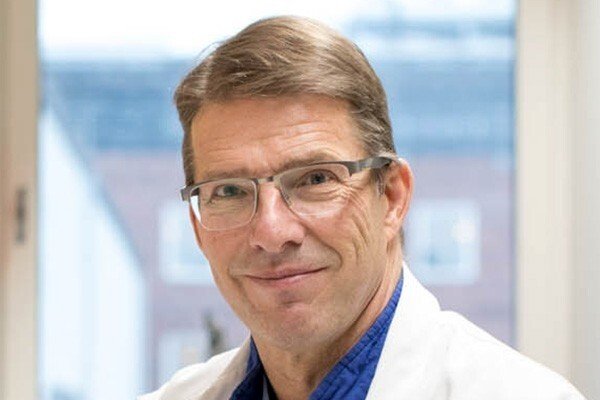
Professor Ulf Hedin is a distinguished vascular surgery researcher and clinician at Karolinska Institutet, where he serves as Professor and Chief Physician in the Department of Molecular Medicine and Surgery. He leads the Vascular Surgery research group at Karolinska University Hospital's Department of Vascular Surgery and maintains extensive collaborations with cardiovascular research groups at CMM, clinical physiology, cardiology, neurology, nuclear medicine, clinical chemistry, and clinical pharmacology departments. His research spans vascular biology, atherosclerosis, carotid stenosis, stroke prevention, and peripheral vascular disease. The research group has built a comprehensive platform integrating advanced cell and molecular biology, animal models, and patient-centered studies to investigate central processes in vascular disease including thromboembolism in carotid stenosis and stroke, aortic aneurysm development, and vascular wall repair processes following surgical interventions. The group also includes translational research in traumatology with multiple specialized teams focusing on specific aspects of vascular disease. Professor Hedin's publication record demonstrates consistent contributions to understanding atherosclerotic plaque instability, vascular wall biology, and innovative approaches to vascular disease diagnosis and treatment. His work combines molecular approaches with clinical applications, particularly in developing biomarkers for unstable atherosclerosis and targeted therapies to prevent stroke and other vascular complications. Alexander W. Clowes Distinguished Lecturer 2025 Professor Hedin actively supervises doctoral students including Marko Bogdanovic, Antti Siika, Maria Talvitie, and Ulrika Hahn-Lundström. His research is supported by significant funding including a 22.5 million SEK grant from MedTechLabs for research on peripheral vascular disease, which he leads jointly with Christian Gasser from KTH. His research group consists of specialized teams including the Carotid Stenosis and Stroke team and the Translational Vascular Medicine team, which apply integrative analyses combining bioinformatic and clinical data studies with murine models of vascular injury. The research group maintains a world-unique Biobank of Karolinska Endarterectomies (BiKE) containing over 1,400 tissue and blood samples from patients who have undergone carotid artery surgery, which serves as a foundation for many of their molecular investigations. They also develop innovative imaging diagnostics using software like vascuCAP to visualize plaque components associated with unstable atherosclerosis.
Giuseppe Mulé is an Associate Professor at the School of Medicine and Surgery of the University of Palermo (UNIPA) , affiliated with the "G. D'Alessandro" Office and the "Paolo Giaccone" Polyclinic in Palermo . He specializes in Nephrology , Internal Medicine , and Hypertension , with a focus on cardiovascular and renal complications. Research Themes : Arterial stiffness, renal resistance indices, blood pressure variability, choroidal/retinal vascular density, and metabolic-cardiovascular-renal interactions. Clinical Focus : Early detection of organ damage in hypertension, cardiorenal syndrome, and vascular aging. Teaching : Regularly instructs courses in Nephrology (Module IV) and Internal Medicine (Modules I-III) within the Medicine and Surgery degree program. Email : giuseppe.mule@unipa.it Publications analyze hypertension-related complications across cardiovascular, renal, and ocular systems, emphasizing novel anthropometric and imaging biomarkers for risk stratification.
John Belcher is a Professor of Medicine at the University of Minnesota, affiliated with the Division of Hematology, Oncology, and Transplantation. His research focuses on the molecular mechanisms and therapeutic interventions in sickle cell disease, particularly vaso-occlusive crises, inflammation, and complement activation. Recent publications highlight his work on anti-G-CSFR antibodies for cardiovascular complications, nitrous oxide for pain management, and complement inhibitors for vaso-occlusion. Studies also explore donor heart acceptance criteria and cardiac dysfunction in transplantation contexts. His research integrates hematology, vascular biology, and translational medicine, with a strong emphasis on preclinical models and biomarker discovery. No scientific awards, students, or laboratory affiliations were mentioned in the provided texts.
Anthony Hilliard is a Professor in the Department of Medicine at Loma Linda University School of Medicine, where he practices and conducts research in cardiology. He holds an MD from Loma Linda University (2002) and a BA from La Sierra University (1998). He is a Fellow of the American College of Cardiology (FACC), reflecting his significant contributions to the field. His research spans interventional cardiology, heart failure, acute myocardial infarction, cardiogenic shock, and the intersection of cardiovascular disease with socioeconomic and systemic health factors. He has published extensively on STEMI, coronary interventions, anticoagulation, and transplant cardiology. Dr. Hilliard's recent publications highlight trends in healthcare leadership, multidisciplinary management of high-risk cardiac procedures, the role of SGLT2 inhibitors in diabetes and heart disease, and the impact of social determinants on cardiovascular care. His work often involves large-scale data analysis, case reports, and clinical reviews aimed at improving patient outcomes. FACC (Fellow of the American College of Cardiology) Dr. Hilliard collaborates widely with colleagues in cardiology, nephrology, and transplantation. He is involved in clinical mentoring and research supervision, though specific students are not listed. His work includes grant-supported research using national registries and Medicare data, particularly in stent utilization and healthcare disparities. He is part of multidisciplinary teams managing complex cases involving mechanical circulatory support and structural heart disease. His leadership extends to institutional healthcare strategy, especially within Loma Linda’s Blue Zone, a region known for longevity and preventive health.
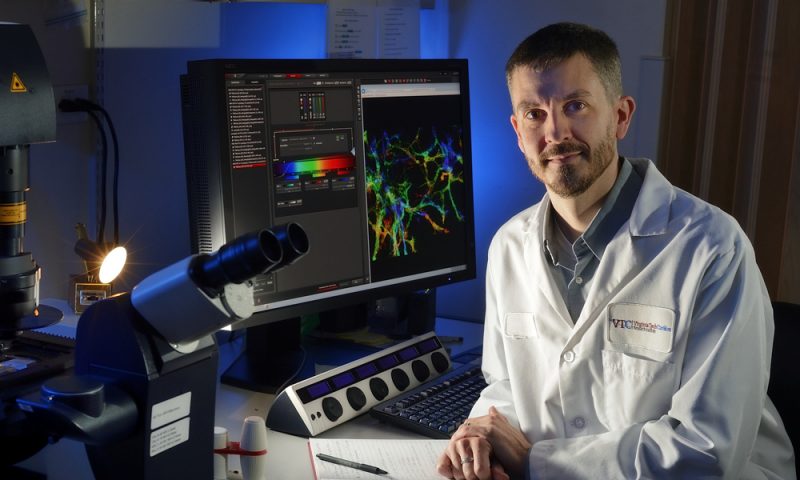
John C. Chappell, Ph.D., is an Associate Professor at the Fralin Biomedical Research Institute at VTC, with joint appointments in the Department of Basic Science Education, School of Medicine, and the Department of Biomedical Engineering and Mechanics, College of Engineering at Virginia Tech. He currently serves as the Director of the Translational Biology, Medicine, and Health graduate program, a key interdisciplinary initiative at the institution. Dr. Chappell's research focuses on vascular biology, particularly the development and function of blood vessels. His work investigates how pericytes interact with endothelial cells during vasculogenesis and angiogenesis, and how these processes are disrupted in diseases such as stroke, cancer, and diabetes. He combines computational modeling with real-time imaging of ex vivo and in vitro models to study these dynamic cellular interactions. His recent publications highlight a strong trend in understanding pericyte biology, vascular patterning, and the molecular mechanisms underlying vascular diseases, with several studies exploring the role of pericytes in homeostasis and hyperglycemia. His work has significant implications for developing therapies for vascular-related pathologies. NSF CAREER Award American Heart Association Transformational Project Award Joseph S. Pagano Award for Best Paper by a Postdoctoral Fellow Outstanding Trainee Oral Presentation, UNC IVB/MHI Research Symposium Dr. Chappell advises a number of graduate students and postdoctoral researchers, including Laura Beth Payne, Morgan Julian, Huaning Zhao, and Jordan Darden. His lab has received substantial grant funding from the National Institutes of Health, the American Heart Association, and other sources. He leads the Chappell Lab, which is part of the Center for Vascular and Heart Research at the Fralin Biomedical Research Institute.
Cristina Ionica Øie is a Senior Researcher at the Department of Medical Biology, UiT The Arctic University of Norway, specializing in liver biology and advanced microscopy. She leads the Sugar Crush project (2018-2024), investigating metabolic mechanisms in non-alcoholic fatty liver disease (NAFLD) progression, funded by RCN FRIPRO. As Co-PI of InterNASH , she explores intercellular pathways for NASH treatment, supported by RCN FORNI, Novo Nordisk, and UiT Innovation. Her work bridges cell biology and engineering, using optical nanoscopy to study liver sinusoidal endothelial cell (LSEC) dysfunction. Research focuses: LSEC metabolism, NASH pathogenesis, and super-resolution microscopy. Key techniques: Structured illumination microscopy, photonic chip-based nanoscopy, and transcriptomics. She holds the 2018 Young Researcher Prize from UiT’s Faculty of Health Sciences. Her labs collaborate across disciplines, integrating nanoscopy with functional assays to dissect liver disease mechanisms. Current grants total ~9.6 MNOK, supporting projects like GenSEC (CRISPR screening in LSECs) and equipment acquisition (e.g., Seahorse metabolic analyzer). Publications emphasize LSEC morphology, bacterial phage interactions, and fenestration dynamics, with contributions to journals like npj Gut and Liver and Nature Photonics . Her work advances understanding of liver endothelial biology and therapeutic targets for metabolic liver diseases.
PD Dr. Andreas Zietzer is a clinician-scientist at the University of Bonn, affiliated with the Medical Clinic and Polyclinic II at the University Hospital Bonn. He completed his medical training and translational doctorate at Charité – Universitätsmedizin Berlin and has been a key researcher at the Heart Center of the University Hospital Bonn since 2016 through the BONFOR program. He completed his habilitation in January 2024 and serves as a senior cardiologist specializing in rhythmology and invasive electrophysiology since August 2024. His research focuses on molecular cardiology , particularly endothelial regeneration , non-coding RNAs , and ceramide metabolism in the context of cardiorenal syndromes and aortic disease. He also leads innovative work in digital cardiology , directing the local arm of the ACRIBiS project and serving as principal investigator of the multicenter CHANGE study, which evaluates smartphone-based interventions for secondary prevention in chronic coronary syndrome. The analysis of his recent publications reveals a strong interdisciplinary focus bridging cardiovascular molecular mechanisms and digital health applications . His work spans from bench research on sphingolipid signaling and microRNAs to clinical trials on remote monitoring and behavioral interventions, demonstrating a translational approach that integrates basic science with patient-centered innovation. Scientific Funding and Recognition: Research grant from the German Society of Cardiology Grant from the Ernst & Bertha Grimmke Foundation (2020) Funding from the German Research Foundation (DFG) As head of the Digital Cardiology scientific working group, Dr. Zietzer mentors junior researchers and collaborates across disciplines. His leadership in the CHANGE study and ACRIBiS project highlights his role in advancing digital tools for cardiovascular care. His clinical expertise in ablation procedures and electrophysiology complements his research, positioning him as a leading figure in modern, integrated cardiology.
Larry B. Goldstein, MD, is a Professor and Chair of the Department of Neurology at the University of Kentucky, as well as the Associate Dean for Clinical Research. His academic appointments reflect his leadership in neurology, clinical research, and departmental administration. He is affiliated with the Equity Advisory Council and leads the Center for Advanced Translational Stroke Science (CATSS). His research focuses on stroke mechanisms, biomarkers, and vascular cognitive impairment, with particular attention to amyloid angiopathy, stroke recurrence, and disparities in care. He has contributed to major clinical guidelines and position statements, including the 2024 AHA/ASA Stroke Prevention Guidelines. Dr. Goldstein’s work spans translational research, clinical trials, and public health initiatives, aiming to enhance stroke prevention, treatment, and patient outcomes. He is a Fellow of the American Academy of Neurology (FAAN), American Neurological Association (FANA), and American Heart Association (FAHA). His research interests emphasize neuroimaging biomarkers, stroke epidemiology, and the interplay between systemic conditions (e.g., diabetes) and cerebrovascular disease. Key projects include studies on amylin’s role in cerebral microvascular dysfunction and its implications for Alzheimer’s disease. He also investigates disparities in stroke care, including rural-urban differences and socioeconomic factors. Dr. Goldstein’s multidisciplinary approach integrates clinical practice, basic science, and policy to address unmet needs in neurology. Labs/Initiatives: Director of the Center for Advanced Translational Stroke Science (CATSS) and Kentucky Neuroscience Institute. Grants/Awards: Recognized through FAAN, FANA, and FAHA fellowships, reflecting his clinical and research excellence. Education: Leads neurology residency and fellowship programs, emphasizing translational research and clinical innovation. His publications highlight contributions to understanding stroke pathophysiology, improving stroke systems of care, and advancing neurotherapeutics. Dr. Goldstein’s leadership in academic medicine addresses workforce wellbeing and healthcare economics, as seen in studies on physician burnout and funding models for neurology departments.