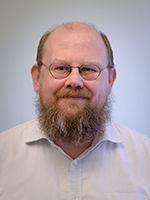
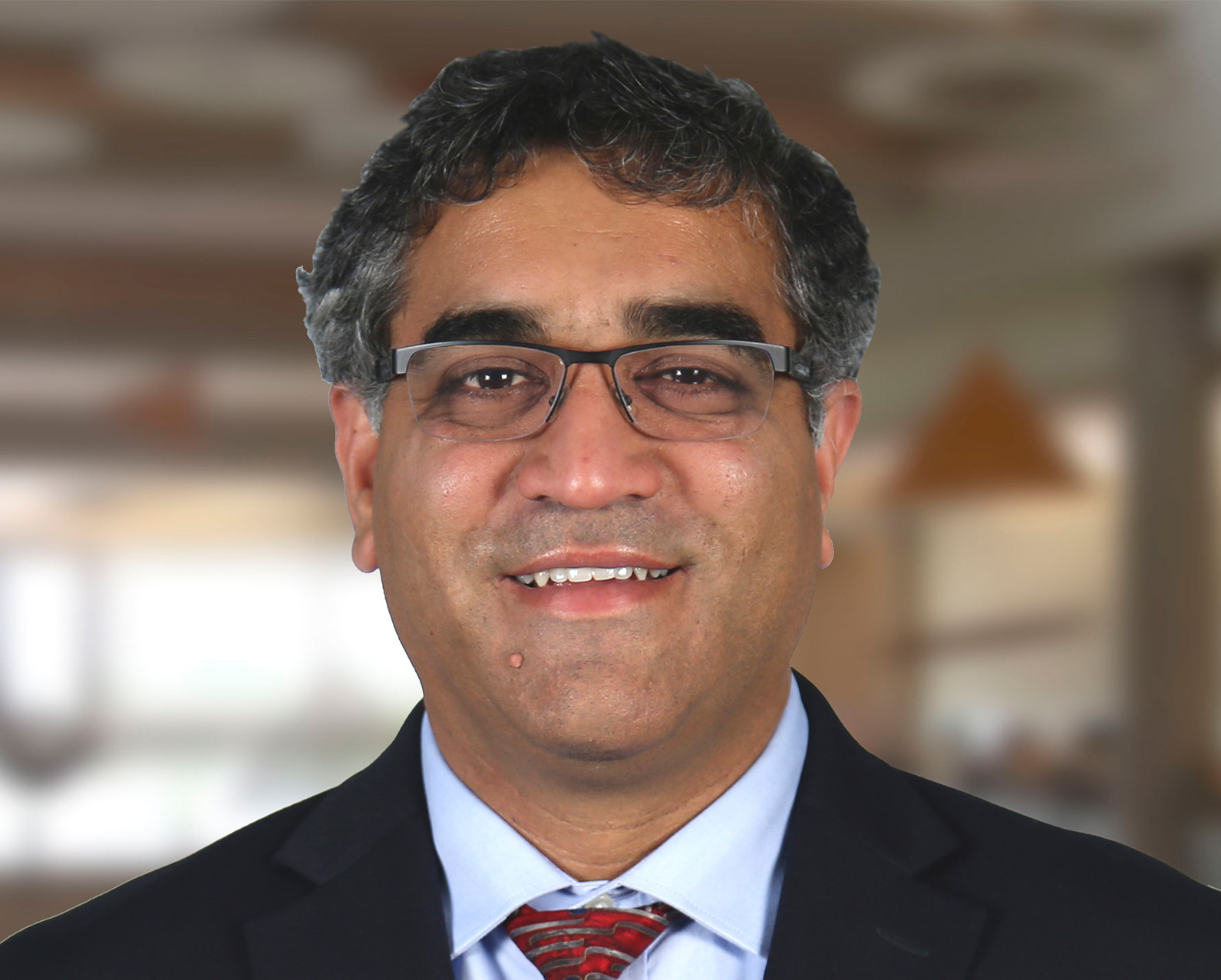
Ole Sigmund is a Professor at the Technical University of Denmark within the Department of Civil and Mechanical Engineering. He is affiliated with the NanoPhoton – Center for Nanophotonics and actively involved in research related to topology optimization, structural mechanics, and nanophotonics. Accepting PhD Students ORCID: 0000-0003-0344-7249 Research Interests: His work spans structural design, inverse methods, and multiphysics systems. Key areas include metamaterials, additive manufacturing, and photonic device optimization. Recent Publications (2021-2025): Focus on topology optimization for mechanical stability, nanophotonics, and multi-physics applications. Projects: Over 80 projects, including vibroacoustic systems, nanocavity design, and thermo-mechanical regulators. Collaborates with researchers like J.P. Groen and F. Wang.
Mihai Alin POP is a Scientific Researcher at the Department of Materials Science, Faculty of Materials Science and Engineering, Transilvania University of Brașov. His research focuses on advanced materials, additive manufacturing technologies, unconventional production methods, and environmental applications. Key interests include 3D printing materials, composite materials, and materials testing for innovative applications. Education details are not explicitly listed, but his academic work spans over a decade with publications from 2015 to 2025. Research highlights include studies on polymer composites, titanium alloys, and structural optimization for additive manufacturing. He has collaborated on projects involving solar energy applications, aerospace components, and sustainable materials. Notable contributions include investigations into the mechanical and acoustic properties of 3D-printed parts, heat treatment effects using solar furnaces, and structural analysis of lightweight materials. His work bridges theoretical modeling with experimental validation, addressing challenges in energy absorption, material durability, and eco-friendly manufacturing. Mihai POP’s research has practical implications for industries such as aerospace, automotive, and renewable energy, emphasizing innovation in material science and sustainable technologies.
Liping Liu is a Professor at the Department of Mathematics and Department of Mechanical and Aerospace Engineering, Rutgers University, New Brunswick, NJ. She holds a Ph.D. in Aerospace Engineering and Mechanics from the University of Minnesota (2006) and a Bachelor of Engineering from Beijing University (2000). Her research spans mechanics and materials science, focusing on multiscale-multiphysics analysis, optimal design of multifunctional composites, and continuum theories for thermoelectric and multiferroic materials. Current Research Themes Optimal bounds and microstructures for multiphase composites Eshelby inclusion problems and periodic E-inclusions Magnetoelectric and flexoelectric soft materials Thermoelectric energy harvesting and design Variational inequalities for field shaping Her work on Eshelby conjectures and periodic microstructures has led to breakthroughs in composite design. She investigates dynamic modeling of heterogeneous media, including free surface waves and sandwich structures, with applications in naval engineering and acoustic attenuation. Recent projects explore quantum-mechanical coupling in superconductors and surface elasticity in microelectronics. Over her career, she has received prestigious awards, including the Simons Fellowship (2016), NSF CAREER Award (2014), and AFOSR Young Investigator Program (2012). Her lab at Rutgers trains Ph.D. students in advanced material modeling and has produced graduates like Lixin Hu (2015) and Hanxiong Wang (2019).
Dr. Violakis Georgios is a Postdoctoral Researcher at Hellenic Mediterranean University, working on the EU-funded project PALPABLE. His research focuses on optical fiber sensors, photonics, and biomedical engineering, with applications in minimally invasive surgery, composite materials, and additive manufacturing. He collaborates with Prof. Polygerinos on advanced optical sensing technologies.
Amin Nozari, Ph.D. is an Assistant Professor in the Department of Mechanical Engineering at Rowan University , specifically within the Henry M. Rowan College of Engineering . His research focuses on sustainable materials and processes, renewable energy, and advanced thermoelectric technologies for energy conversion and waste heat recovery. He holds a Ph.D. in Electrical Engineering from North Carolina State University and postdoctoral experience at Pennsylvania State University. Education Background: Ph.D., Electrical Engineering, North Carolina State University M.S., Materials Science and Engineering, University of Tehran B.S., Materials Science and Engineering, Sharif University of Technology Postdoctoral Associate, Pennsylvania State University Research Interests: Dr. Nozari’s work centers on materials science , particularly in thermoelectric materials, microwave processing, and nanocomposite design. His studies aim to enhance energy efficiency through innovations like wearable thermoelectric generators, high-performance thermomagnetic alloys, and sustainable building envelope systems. He explores topics such as waste heat recovery, thermal management, and electrocaloric effects in smart materials. Publications Overview: His recent work emphasizes high-entropy alloys, thermoelectric module optimization, and nanomaterial synthesis. Key themes include improving thermoelectric figure of merit (ZT), designing cascaded systems for high efficiency, and integrating phase change materials for energy storage. Professional Memberships: He is affiliated with the Materials Research Society (MRS), American Physical Society (APS), and American Ceramic Society (ACerS). Labs/Teams: While no specific lab name is mentioned, his research likely involves collaborations within Rowan’s engineering facilities focused on materials synthesis and energy systems.
Øystein Elgarøy is a Professor at the Department of Astrophysics, University of Oslo. His research focuses on cosmology, astrophysics, and fundamental physics, particularly in areas such as dark matter behavior, neutrino physics, modified gravity theories, and superfluid dynamics in neutron stars. He has contributed extensively to understanding cosmic structures, cosmological models, and the interplay between particle physics and cosmology. His work spans decades, addressing topics like the cosmic microwave background (CMB), neutrino mass constraints, and alternative cosmological frameworks such as f(R) gravity and Friedmannless models. Collaborations include projects like the Euclid Strategic Dark Matter Initiative and the Cosmology and Extragalactic Astronomy research group. His recent studies explore quantized vortices in superfluid dark matter and cross-correlation analyses involving neutrinos and modified gravity. Elgarøy’s publications frequently bridge theoretical concepts with observational data, such as WMAP and KATRIN experiments. His research also touches on foundational questions like the expansion of space in Friedmann models and gravitational entropy’s role in inflationary scenarios.
Laura Pyrak-Nolte is Professor of Physics with a courtesy appointment in Civil Engineering at Purdue University. Her research at the Rock Physics Laboratory focuses on fracture mechanics, seismic wave propagation, and subsurface monitoring. Recent work includes geomechanical analysis of amphibolites and fracture aperture characterization using electrical resistivity. Publications span geophysics, biomechanics, and material science, with innovations in seismic precursor detection and fracture network modeling. Collaborative projects involve the Sanford Underground Research Facility and Utah FORGE initiatives.
Atieh Moridi is an Assistant Professor in the Sibley School of Mechanical and Aerospace Engineering at Cornell University. She joined Cornell in 2019 after postdoctoral research at MIT. Her research focuses on advanced materials and manufacturing, particularly leveraging additive manufacturing to create novel metallic materials. She employs in-situ X-ray and electron microscopy techniques to study microstructure dynamics during processes like laser melting. Education: B.Sc. and M.Sc. in Mechanical Engineering from Sharif University of Technology (2009, 2011), Ph.D. in Mechanical Engineering (Cum Laude) from Politecnico di Milano (2015). Awards include the TMS Young Innovator Award (2025), MIT-Italy Global Seed Fund (2015), and Schwartz Research Fund (2021). Research Interests: Additive manufacturing processes, metallurgical design, cold spray technologies, biodegradable implants, and in-situ characterization. Her work bridges material synthesis and mechanical performance, with applications in biomedical engineering and industrial manufacturing. Key Projects: Development of supersonic cold-spray 3D printing for porous titanium alloys (40% stronger than conventional methods), biodegradable metallic implants, and real-time operando analysis of melt pools. Her lab, the Lab for Advanced Materials and Manufacturing (LAMM) , emphasizes process-microstructure-property relationships. Grants and Collaborations: Supported by NSF CAREER, Navy Young Investigator Program, and industry partnerships. Recent work includes SPROUT Awards for collaborative engineering research and Navy-funded investigations into material defect detection via acoustic emission sensors.
Yong Deng is a Researcher at ETH Zürich within the Department of Acoustic Robotics for Life Sciences and Healthcare , focusing on innovative applications of acoustic technologies in food science, biotechnology, and biomedical engineering. His research spans: Ultrasound-assisted extraction of bioactive compounds (e.g., polyphenols, proteins) from agricultural waste Development of acoustically controlled microrobots for precise biological manipulation Design of intelligent sensory systems for food quality assessment Integration of multiscale modeling for optimizing food processing Creation of multifunctional materials for meat freshness monitoring Recent publications highlight advancements in nonthermal antimicrobial strategies , microbubble-enhanced extraction , and acoustic robotics for zebrafish embryo handling . His work often combines physics, engineering, and food chemistry to enhance sustainability and precision in food manufacturing and healthcare. Yong Deng is based at ETH Zürich’s campus in Rüschlikon, Switzerland, and can be contacted via email at dengyo@ethz.ch . He contributes to cutting-edge interdisciplinary research through collaborations in acoustic engineering and food biotechnology.
Alexandre Khaldi is an Associate Professor at IMT Atlantique’s Optics Department. His research focuses on innovative electroactive polymers for sensing and robotic applications in health and environmental domains. He holds a Master’s in Physico-Chemistry of Polymers (2008, Cergy-Pontoise University) and a Ph.D. in Electronic, Micro, and Nanotechnologies (2012, University of Valenciennes). Notable positions include postdoctoral work at the University of Cambridge (2012–2014) and a Marie Curie Fellowship at Linköping University (2014). His work spans smart microsystems, microrobotics, and porous polymer microparticles for acoustic metamaterials. Current research integrates micro-nano engineering, materials chemistry, and soft robotics to develop autonomous transducing systems. Research interests include electroactive polymers for health/environmental sensing, microfluidics, and smart textiles. His projects address challenges in stretchable electronics, plasmonic nanocrystals, and laser-based microfabrication. He has pioneered textile-based actuators for airflow measurement and electrochromic contact lenses. Khaldi’s methodologies involve advanced fabrication techniques like two-photon polymerization and sacrificial templating. Publications highlight contributions to wearable sensors, microactuator design, and material synthesis. His work bridges fundamental polymer science with applied engineering, emphasizing sustainability and biomedical integration. Ongoing efforts explore proximity effects in laser writing and scalable manufacturing of soft robotic components.
J.G.E. Gardeniers is a Full Professor at the University of Twente's MESA+ Institute, affiliated with the Mesoscale Chemical Systems department within the Faculty of Science and Technology. His research focuses on microfluidics, nanotechnology, and materials science, with a strong emphasis on 3D printing, catalytic systems, and biomedical applications. He has supervised 51 academic works and contributed to over 682 publications since 1984. His research spans topics like luminescent materials, electrochemical systems, and microfluidic device development. Key interests include: microfluidic fabrication for biomedical diagnostics, additive manufacturing of ceramic microarchitectures, and nanomaterials for energy applications. Recent work highlights include 3D-printed glass-ceramics for optics, palladium-decorated nanofibrous catalysts, and acoustic mixing systems. Collaborations span international institutions, with a focus on chemical engineering, photonics, and robotics. His activities include over 50 academic presentations and contributions to interdisciplinary projects like microfluidic oil recovery systems and space-compatible cell culture devices.
Ulysse Lebrec is an Adjunct Research Fellow at the University of Western Australia (UWA), affiliated with the School of Earth and Oceans and the UWA Oceans Institute. His research focuses on seabed characterization, Quaternary geology in tropical environments, and integration of bathymetry, seismic, and geotechnical data. He investigates sedimentary processes governing carbonate sediment distribution, seabed imaging techniques, and paleolandscapes' influence on modern marine environments. Collaborations include international teams studying coral reef evolution and offshore wind foundation systems. Research expertise includes marine geology, carbonate sedimentology, geomorphology, remote sensing, and seabed mapping. Key projects involve developing predictive ground models for offshore engineering and creating high-resolution bathymetry datasets (e.g., North West Shelf of Australia). Lebrec has contributed to 15 peer-reviewed publications since 2018, focusing on carbonate sediment properties, seismic-derived bathymetry, and interdisciplinary studies linking geology with marine biology. His work supports UN Sustainable Development Goals related to marine conservation and sustainable infrastructure development.
Baixin Chen is an Associate Professor at Heriot-Watt University's School of Engineering & Physical Sciences, affiliated with the Institute of Mechanical, Process & Energy Engineering. His research focuses on fluid dynamics, carbon capture and storage (CCS), and environmental engineering. He holds a PhD in Mechanical Engineering from Dalian University of Technology, China. Education: PhD in Mechanical Engineering, Dalian University of Technology, China (1989) MSc in Engineering Thermophysics, Dalian University of Technology, China (1983) Research Interests: Chen’s work spans theoretical and computational fluid dynamics, particularly in multi-fluid flows and microfluidics, with applications in energy and environmental engineering. Key areas include greenhouse gas control (e.g., CO₂ ocean storage), computational fluid dynamics (CFD), biofuel combustion, and fuel cell technology. He leads projects funded by NERC, EU FP7, and international collaborators. Grants & Projects: NERC QICS Project (2010–2013): £140K for marine ecosystem impact studies. FP7 ECO2 Project (2011–2015): €295K for sub-seabed CO₂ storage safety. METI Japan: Modeling CO₂ undersea storage (2009–2013). Awards & Roles: Sea-Sky Fellow, Dalian University of Technology (2012–2015) President’s Prize of AIST, Japan (2008) Visiting Professorships: University of Tokyo (2008), University of Bergen (2009) Labs & Teams: He leads the Environmental and Energy Fluid Dynamics group, comprising 5 PhD students, a Research Assistant, and 2–4 MSc students annually. His work aligns with UN Sustainable Development Goals related to climate action and clean energy.
Julian Walker is an Associate Professor at the Department of Materials Science and Engineering, NTNU, affiliated with the Functional Materials and Materials Chemistry research group (FACET). His research focuses on functional materials engineering, including ferroelectrics, piezoelectrics, and ionic plastic crystals. He holds a PhD from the University of New South Wales (2014) and has postdoctoral experience at Jozef Stefan Institute and Pennsylvania State University. Notable awards include the 2024 Ingrid and Sten Ahrlands Prize and JPhys Energy Emerging Leader nomination. Walker teaches undergraduate and master's courses such as TMT4145 Ceramic Engineering, TMT4245 Functional Materials, and TMT4166 Experimental Materials Chemistry. His research explores material composition, synthesis, and domain engineering to enhance functional properties. Recent work includes studies on tetragonal tungsten bronzes, ferroic plastic crystals, and multiferroic ceramics. Education : PhD in Materials Science (UNSW, 2014), Postdoc at Jozef Stefan Institute (2014-2016), Penn State University (2016-2018). Key Research Areas : Phase transitions, dielectric materials, energy storage, and sustainable manufacturing. Awards : 2024 Ingrid and Sten Ahrlands Prize, Excellence in Reviewing (Scripta Materialia, 2018; J. Mater. Chem. C, 2018-2019). His publications (2019–2022) address topics like ferroelectric domain dynamics, plastic crystal behavior, and piezoelectric film optimization. Teaching and outreach involve advanced materials science courses and participation in national conferences.
Pankaj Sarin is an Associate Professor in the Department of Materials Science and Engineering at Oklahoma State University, affiliated with the School of Materials Science and Engineering. His research focuses on advanced ceramic materials, in-situ high-temperature materials characterization, and microstructure-property relationships. He leads the Sarin Research Group, which develops novel instrumentation for synchrotron-based investigations up to 2000°C. His expertise spans water treatment materials, battery electrode design, bioceramics, and archaeological materials science. Ph.D. in Materials Science from University of Illinois at Urbana-Champaign B.Tech. in Ceramics Engineering from Banaras Hindu University Research interests include: in-situ high-temperature materials analysis, microstructure-property modeling, corrosion engineering, and aqueous corrosion studies. He teaches courses like MSE 5023 (Diffusion and Kinetics), MSE 5093 (Fundamentals of Materials Science), and MSE/MAE 5583 (Corrosion Engineering). Publications emphasize high-temperature ceramic composites, phase transformations, and synchrotron-based techniques. His work on water distribution systems and battery materials demonstrates applied research impact. He has secured grants for instrumentation development and educational programs. Recipient of funding for projects like the $1.9M award for water treatment research. Advises graduate students in materials science and engineering, emphasizing entrepreneurial training through research programs.