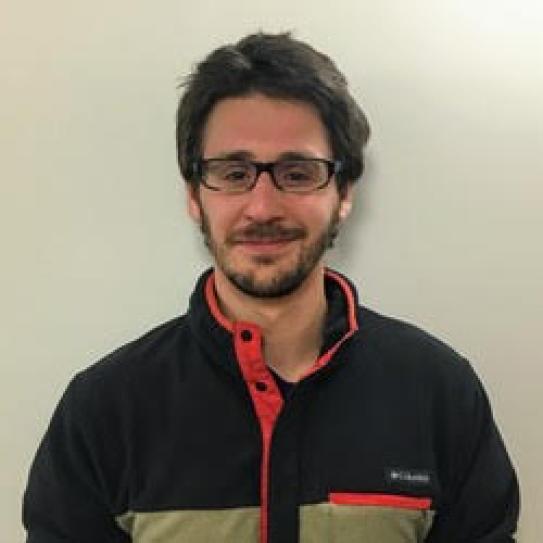
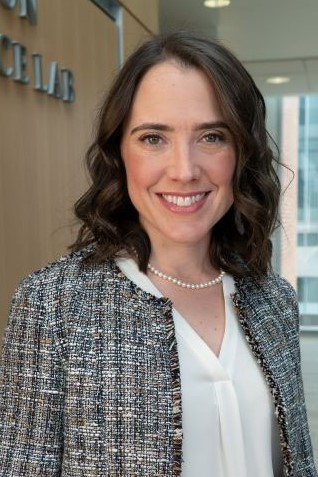
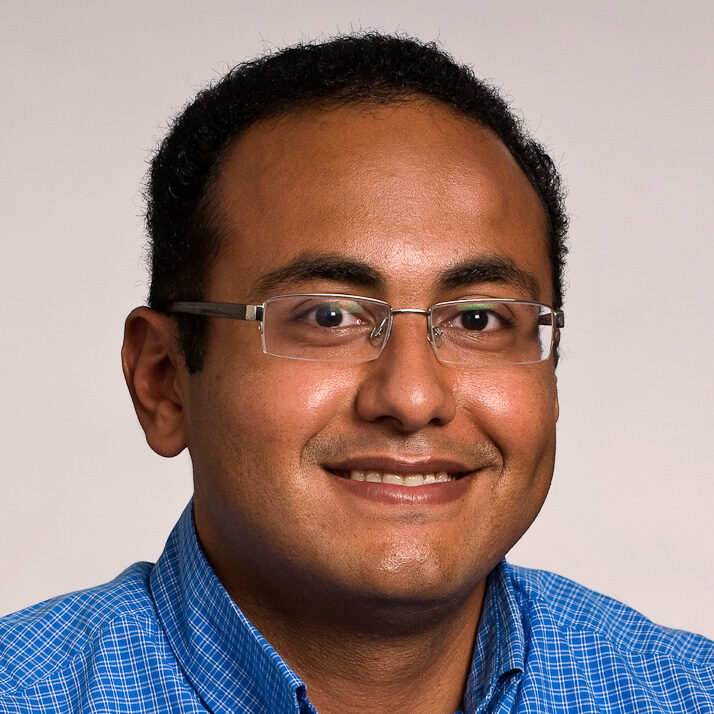
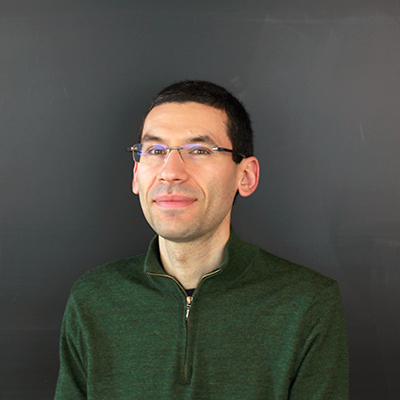
Eugene Vinitsky is an Assistant Professor at NYU Tandon School of Engineering, holding joint appointments in Civil and Urban Engineering and Computer Science. His research develops multi-agent reinforcement learning systems for autonomous vehicles and traffic control, with applications in robotics and intelligent infrastructure. He directs the Computational Transportation Systems Lab and leads projects like CIRCLES on congestion reduction. Research Focus: Designs algorithms enabling complex behaviors through unsupervised agent interactions, human-AI compatibility, and environment synthesis for autonomous systems. Awards & Leadership: NSF Graduate Fellow (2016), Eisenhower Fellow (2018, 2020), and PI on multiple grants including Amazon Research Awards. Mentored 14+ graduate students and organized international RL conferences.
Konstadinos (Kostas) Goulias is a Professor of Transportation in the Department of Geography at the University of California, Santa Barbara (UCSB), where he has served since 2004. Previously, he held academic positions at Penn State University from 1991 to 2004, including roles as Associate and Full Professor of Transportation Engineering. His research focuses on transportation systems planning, travel behavior dynamics, activity-based modeling, GIScience, and spatial analysis of transportation data. **Education**: Ph.D. in Civil Engineering (Transportation), University of California, Davis, 1991 M.S. in Civil Engineering, University of Michigan, Ann Arbor, 1987 Laurea Magistrale in Engineering, University of Calabria, Italy, 1986 **Research Interests**: Transportation demand modeling and microsimulation Activity-travel behavior analysis Spatiotemporal analysis of mobility using big data GIScience applications in transportation Policy implications of emerging technologies (e.g., autonomous vehicles) **Key Contributions**: Co-founder and Editor-in-Chief of Transportation Letters Principal Investigator of $6.5M in research projects Authored/edited three books and over 350 peer-reviewed publications Led the development of the SimAGENT microsimulation framework Directed the GeoTrans Laboratory at UCSB since 2007 **Awards**: Pyke Johnson Award (2021, 2016) Best Paper Award (2021) Chair of TRB committees on traveler behavior and activity-based approaches **Grants/Students**: Supervised multiple graduate students in transportation and geography Managed projects with sponsors including USDOT, state agencies, and international organizations **Labs/Teams**: GeoTrans Laboratory: Focused on smart city planning and transportation innovation Collaborations with institutions globally, including Australia, Europe, and Qatar
Xuesong Zhou is a Professor of Transportation Systems at the School of Sustainable Engineering and the Built Environment , Arizona State University (ASU). He leads the ASU Transportation+AI Lab and develops open-source tools like DTALite, NEXTA, and OSM2GMNS with over 100,000 downloads. His research focuses on multimodal transportation planning , dynamic traffic assignment , and rail scheduling with methodological contributions to traffic flow theory and operations research . Dr. Zhou's research bridges transportation system operations , computer applications for ITS , and logistics optimization . His work on differentiable programming reformulations and state-space-time network modeling has advanced real-time traffic prediction and multi-echelon facility scheduling . Scientific awards include: 2022 Elsevier Multimodal Transportation Best Article Award 2018 Transportation Research Part C Best Associate Editor Award 2012 INFORMS Railway Applications Section Best Paper Award He has advised 9 PhD students and 6 postdoctoral researchers to completion, with mentees now at institutions like Georgia Institute of Technology and Michigan State University. Current projects include NSF CONNECT and DOE Argonne collaborations on multi-scale traffic simulation and smart campus cyberinfrastructure .
Ridhi Kashyap is a Professor of Demography and Computational Social Science at the University of Oxford, where she contributes significantly to demographic research through innovative computational approaches. She is affiliated with the Leverhulme Centre for Demographic Science, where she co-leads the Digital and Computational Science strand. Her work bridges traditional demographic methods with cutting-edge computational techniques to address pressing social issues related to population dynamics and inequalities. Dr. Kashyap's research spans multiple areas of demography, with particular focus on: Mortality and population health, including pandemic impacts on life expectancy Gender inequality, especially son preference and digital gender gaps Marriage and family dynamics in relation to educational expansion and gender norms Migration and ethnicity patterns using digital data sources Sustainable development goals related to digital access and gender equality Her methodological expertise lies at the intersection of demography and computational social science. She leverages agent-based models, microsimulation, and machine learning techniques applied to novel data streams such as digital trace data from social media platforms. A notable example of her work is the digitalgendergaps.org platform, which nowcasts global digital gender inequalities in internet and mobile access - a key sustainable development goal indicator where official data is lacking. Her research demonstrates how computational approaches can fill critical data gaps and provide timely insights for policy decision-making. Analysis of Dr. Kashyap's recent publications reveals a strong focus on digital demography and computational approaches to understanding population dynamics. Her work frequently examines gender inequalities through digital lenses, including analyses of LinkedIn data to understand professional gender gaps and social media data to track digital access disparities. She has made significant contributions to understanding pandemic mortality patterns, particularly in India and the US, and has pioneered methods for using social media data to nowcast demographic phenomena. Her research consistently bridges theoretical demographic concepts with practical computational methodologies. Dr. Kashyap has been actively involved in several significant research initiatives, including leading the development of the Digital Gender Gaps dashboard and contributing to the creation of the World Cybercrime Index. Her work with the Leverhulme Centre for Demographic Science has positioned her at the forefront of computational demographic research. Within her academic role, Dr. Kashyap supervises graduate students and collaborates with interdisciplinary teams across demography, computer science, and public health. She has secured funding for projects that leverage digital data to address demographic research questions, particularly those related to gender inequality and sustainable development goals. Her work with social media data platforms demonstrates innovative approaches to overcoming traditional data limitations in demographic research. Dr. Kashyap co-leads the Digital and Computational Science strand at the Leverhulme Centre for Demographic Science, where she oversees a team of researchers working at the intersection of demography and computational methods. Her team develops innovative approaches to using digital trace data for demographic research, with particular focus on gender inequality metrics and pandemic impact assessment. The Digital Gender Gaps project represents one of her team's flagship initiatives, providing near-real-time monitoring of a key sustainable development indicator.
Emily Annika Burger is a Professor at the Department of Health Management and Health Economics, University of Oslo, where she leads research on health economics and cancer prevention. She holds a PhD from the University of Oslo and maintains a joint appointment as Research Scientist at Harvard T.H. Chan School of Public Health. Her education includes an MPhil from the University of Oslo and a BS from the University of Denver. Her research applies mathematical modeling to evaluate health policies, with emphasis on HPV vaccination strategies, cervical cancer screening, and cost-effectiveness analyses in global health contexts. Primary interests include optimizing prevention programs, health technology assessment, and addressing healthcare disparities. Recent publications demonstrate a focus on modeling vaccination impacts during pandemics, health economic evaluations of cancer interventions, and innovative screening methodologies. Her work frequently employs microsimulation models to project long-term public health outcomes. Awards and Honors 2023 Cancer Society of Norway Young Researcher Award 2024 University of Oslo Award for Young Researchers She leads multiple international collaborations, including projects with the Cancer Registry of Norway and Harvard Chan School. Her research group focuses on economic evaluation methodologies for healthcare technologies.
Ravi Seshadri is an Associate Professor in the Transport Division at the Department of Technology, Management and Economics, Technical University of Denmark (DTU). His research focuses on designing equitable, efficient, and sustainable mobility solutions with a focus on fiscal instruments like congestion pricing and tradable permits, as well as emerging mobility modes such as shared and demand-responsive transit. He employs methods from transportation network equilibria, dynamic traffic assignment, and agent-based simulation. His research interests span transportation economics, urban planning, and intelligent transportation systems. Key areas include evaluating the impacts of automated mobility-on-demand systems, optimizing tolling strategies using predictive control and reinforcement learning, and integrating multi-modal transportation networks through game-theoretical frameworks. His work emphasizes real-world applications in urban freight systems, e-commerce logistics, and sustainable urban mobility policies. Recent projects include studying congestion pricing schemes via agent-based microsimulation, analyzing behavioral responses to decarbonization policies, and developing frameworks for tradable credit systems with peer-to-peer trading. He has contributed to both theoretical advancements (e.g., robust traffic assignment models) and applied tools like the SimMobility simulation platform. Ravi's research demonstrates a strong focus on bridging transportation engineering with policy analysis, using cutting-edge computational methods to address complex urban mobility challenges. His work spans academic publications, industry collaborations, and policy consultations to advance sustainable transportation systems.
Julia F. Slejko, PhD, is an Associate Professor in the Department of Practice, Sciences, and Health Outcomes Research (P-SHOR) at the University of Maryland School of Pharmacy. She serves as Co-Director of the Patient-Driven Values in Healthcare Evaluation (PAVE) Center and Director of the Pharmaceutical Health Services Research Graduate Program. Dr. Slejko is actively involved in ISPOR, where she co-leads the Women in HEOR initiative and serves on the Faculty Advisor Council and Health Science Policy Council. BA in Molecular, Cellular and Developmental Biology – University of Colorado Boulder PhD in Pharmacoeconomics – University of Colorado School of Pharmacy, Center for Pharmaceutical Outcomes Research Postdoctoral Training – Pharmaceutical Outcomes Research and Policy Program, University of Washington School of Pharmacy Dr. Slejko’s research centers on health economic modeling and patient-informed value assessment. She investigates how real-world evidence, particularly medication adherence, influences cost-effectiveness analyses and healthcare decision-making. Her work integrates patient preferences into value frameworks, especially for chronic conditions like COPD, mental health disorders, and cancer. She also explores disparities in treatment outcomes related to socioeconomic and geographic factors. Her recent publications (2020–2023) demonstrate a strong focus on patient-centered outcomes, microsimulation modeling, and economic burden analyses across oncology, psychiatry, and respiratory diseases. Themes include stakeholder engagement, treatment preferences, and the economic impact of comorbidities and health inequities. Dr. Slejko mentors students through her role as faculty advisor for the UMB ISPOR Student Chapter and teaches graduate courses in research methods and pharmacoeconomics. She leads interdisciplinary research teams within the PAVE Center, fostering collaboration between patients, clinicians, and policymakers. She has no listed scientific awards in the provided text, though her leadership roles suggest professional recognition. She advises on student research and is involved in grant-funded projects related to patient-driven value assessment, though specific grants are not detailed.
Dr. Amedeo Spadaro Giardina is a Full Professor in the Department of Applied Economics at the University of the Balearic Islands. His academic profile shows active teaching and research engagement with courses scheduled through the 2025-26 academic year. His research focuses on theoretical and applied analysis of income redistribution systems. From a theoretical perspective, he works on normative analysis of optimal taxation models. From an applied perspective, his contributions involve constructing and using microsimulation models of social policies that incorporate behavioral responses of economic agents. Dr. Spadaro has authored numerous journal articles and book chapters published nationally and internationally. His work demonstrates consistent scholarly output across multiple research domains related to economic policy analysis. He has provided significant advisory services on redistribution policies for the French and Italian governments, as well as for the European Union. Additionally, he has served on reflection committees concerning the future of fiscal policies in Spain and the development of the information society in the Balearic Islands. Dr. Spadaro actively participates in organizing international scientific conferences and collaborates on research projects with Spanish and European scientists. His teaching portfolio includes Welfare Economics and supervision of bachelor's theses across multiple degree programs including Economics, Business Administration, Tourism, and Hotel Management.
Professor Emily Banks is a leading epidemiologist and public health physician at the Australian National University (ANU) College of Health and Medicine, contributing extensively to chronic disease prevention, Indigenous health, and population-level research. Education: MBBS (Honors I), BMedSci (Honors I), PhD Key Roles: Head of the Centre of Epidemiology for Policy and Practice, NHMRC Investigator Fellow, Visiting Professor at Oxford University Her research spans epidemiology , Aboriginal and Torres Strait Islander health , oncology , and cardiovascular medicine , emphasizing large-scale cohort studies to address public health challenges. Recent work explores alcohol-related mortality, Indigenous youth cardiovascular health, and e-cigarette prevention strategies. Over 450 publications highlight her expertise in cohort analysis , cancer risk , and preventive medicine . Awards include the Australian Medical Association Gold Medal and Member of the Order of Australia. Scientific Awards: UK Woman of Achievement in Science (2000) ANU Vice-Chancellor's Awards (2010-2017) National Breast Cancer Foundation Patron’s Award (2014) Order of Australia (2021)
Gregory Erhardt is an Associate Professor at the University of Kentucky's Stanley and Karen Pigman College of Engineering. His research focuses on advancing transportation forecasting through evidence-based policy decisions, integrating big data and activity-based models to address challenges in transit investment and emerging mobility technologies. Research Interests: Activity-Based Travel Models, Big Data Applications, Forecast Accuracy Assessment Email: greg.erhardt@uky.edu Erhardt's work spans the intersection of transportation infrastructure, data science, and policy analysis. He specializes in developing modeling tools to predict the effects of transit projects, evaluating ride-hailing impacts, and improving forecasting methodologies. Recent publications highlight trends in transportation network companies (TNCs), activity-based modeling frameworks, and transit ridership dynamics. His research explores ride-hailing driver participation, multi-modal optimization, and the relationship between microtransit and congestion patterns. Key themes include the integration of longitudinal datasets, bias mitigation in TNC data analysis, and evaluating the accuracy of traffic forecasting systems. His work provides actionable insights for policymakers in a rapidly evolving transportation landscape.
Dr. Julian Reinhold is a Researcher at the University of Duisburg-Essen's Institute of Sociology, working in Prof. Dr. Rainer Schnell's research group. He specializes in microsimulation modeling, statistical research methods, and reproducibility in social sciences. Research Focus : Developing computational models for population dynamics and catastrophe risk assessment Advancing reproducible research practices in social sciences Statistical methodology for large-scale surveys Contributions : Co-developed the MikroSim model for regional population forecasting Presented at major conferences including ECSR Annual Conference and MikroSim-Symposium Active in teaching statistics and empirical methods to sociology/political science students
Jukka Pirttilä is a Professor of Public Economics at the University of Helsinki, specifically within the Department of Political and Economic Studies in the Faculty of Social Sciences. He also holds affiliations as a researcher at the VATT Institute for Economic Research, a Senior Non-Resident Research Fellow at the United Nations University World Institute for Development Economic Research (UNU-WIDER), and a Fellow at CESifo. He serves as Deputy Director of the Finnish Centre of Excellence in Tax Systems Research (FIT), reflecting his leadership in national research initiatives. His research interests are centered on public economics , with a strong focus on optimal taxation , empirical analysis of tax systems , and the intersection of taxation and social protection in developing countries . His work spans labor economics, development economics, behavioral public finance, and inequality, often employing microsimulation and empirical econometric methods to evaluate policy impacts. His recent publications (2022–2024) reflect a consistent trend in analyzing tax and benefit systems in both developed and developing contexts. Key themes include migration and tax policy in Finland, tax-benefit microsimulation in the Global South, top income taxation in emerging economies, and youth activation programs. His work frequently involves cross-country collaborations and leverages large-scale administrative and survey data to assess policy effectiveness, equity, and efficiency. Fellow of CESifo Senior Non-Resident Research Fellow at UNU-WIDER Deputy Director of the Finnish Centre of Excellence in Tax Systems Research (FIT) Pirttilä has supervised and collaborated with numerous researchers, though specific advisees are not listed in the provided text. His work has been supported by major research centers such as VATT, CESifo, and UNU-WIDER. He is actively involved in policy-relevant research, particularly in Sub-Saharan Africa (e.g., South Africa, Uganda, Ghana, Tanzania, Zambia), assessing tax reforms, social protection programs, and fiscal policy impacts. He maintains a research blog at the University of Helsinki and has a highly active publication record, with over 47 papers announced in NEP (New Economics Papers) across fields like Public Economics, Public Finance, Development, and Labor Economics. His research is widely recognized, placing him among the top 5% of authors in RePEc based on output and co-authorship networks.
Michael Hyland is an Associate Professor in the Department of Civil and Environmental Engineering at the Samueli School of Engineering, University of California, Irvine. His research focuses on the modeling, analysis, and optimization of smart urban transportation systems, with particular emphasis on shared autonomous vehicles, microtransit integration with fixed-route transit, and sustainable mobility solutions. He employs methodologies from operations research (optimization, Markov decision processes), statistical modeling (discrete choice, regression), and economic analysis to address challenges in urban mobility. Education: Ph.D., Civil and Environmental Engineering (Transportation), Northwestern University, 2018 M.Eng., Civil and Environmental Engineering (Transportation), Cornell University, 2013 B.S. Civil and Environmental Engineering, Cornell University, Magna Cum Laude, 2013 His recent research explores emerging mobility paradigms through topics such as dynamic fleet management, vehicle miles traveled (VMT) impacts, equity in job accessibility, electricity demand implications of e-bikes, and human-machine collaborative planning frameworks. The work often combines large-scale simulation with interpretable modeling techniques. Hyland leads the Hyland Lab , which develops computational tools for evaluating integrated transportation systems. The lab's work spans theoretical modeling (e.g., state-space representations, decomposition heuristics) and applied policy analysis (e.g., assessing Senate Bill 1 infrastructure projects, AV-era parking reforms, and micromobility deployment strategies).
Karim Ismail is a Professor at the Department of Civil and Environmental Engineering, Carleton University. His research focuses on sustainable transportation modeling, road safety analysis, intelligent transportation systems, and computer vision applications for traffic data collection. Specializes in non-motorized transportation , including pedestrian and cyclist behavior. Develops probabilistic highway design standards using reliability and risk analysis. Pioneers vision-based safety evaluation techniques and traffic conflict modeling. His recent publications explore automated analysis tools for roundabout traffic, deep learning applications for proximity detection, and wireless sensor frameworks for collision avoidance. Notable accolades include the Michel Van Aerde Award (2025) and multiple Transportation Research Board honors. Supervised graduate students: Al-Haideri, Rulla (Ph.D. 2025) Mohammadi, Shahriar (Ph.D. 2022) Kassim, Ali (Ph.D. 2014)
Lionel WILNER is a senior researcher at CREST (Centre de Recherche en Économie et Statistique) and teaches economics at ENSAE Paris. He earned his PhD from Université Paris 1 (Panthéon-Sorbonne) and an accreditation to supervise research (HDR) from École Normale Supérieure (ENS). Affiliated with CESifo, he contributes to empirical industrial organization, social insurance economics, and policy evaluation methods. Education: PhD (Université Paris 1), HDR (ENS) His research spans empirical industrial organization (focusing on healthcare markets and demand estimation), social insurance economics (health, labor, pensions), and policy evaluation using microsimulation, reduced-form, and structural econometric models. Recent work includes analyzing child penalties, wealth accumulation, and fuel price inflation compensation mechanisms. He has published in top journals like ILR Review , Journal of Environmental Economics and Management , and Oxford Economic Papers . His studies often integrate empirical rigor with policy implications, influencing debates on gender disparities, public finance, and healthcare access. Scientific Awards: Certificate of Excellence in Reviewing, International Journal of Industrial Organization (2015) WILNER actively engages in policy analysis, serving as a substitute member of France’s Conseil d'Orientation des Retraites (2018–2024). He is a referee for journals including American Economic Journal: Microeconomics and Journal of Health Economics , and participates in international workshops and seminars on topics like aging, taxation, and healthcare reform.