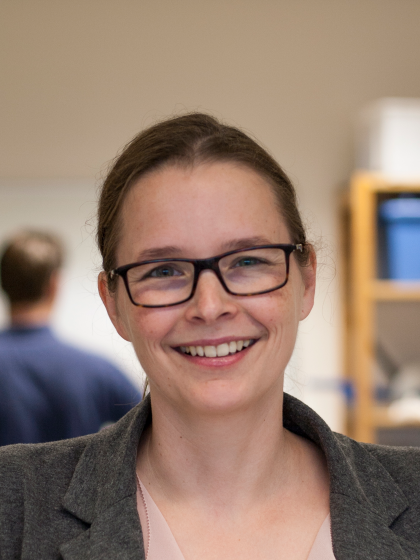
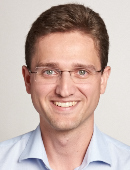
Dr. Susanne Kooistra is a Research Professor in the Faculty of Medical Sciences at the University of Groningen, affiliated with the University Medical Center Groningen (UMCG). She leads the Senescence, Stem Cells, and Inflammation (SSI) research group, focusing on neuroinflammation, microglial biology, and epigenetic regulation in neurological disorders. Her work spans multiple sclerosis, Alzheimer’s disease, and developmental neurobiology, emphasizing the role of microglia in disease progression and repair mechanisms. Her research integrates transcriptomic and epigenetic approaches to study immune responses in the central nervous system, particularly in contexts of aging, injury, and developmental stressors. Collaborations with institutions like the UMCG and international teams have advanced insights into microglial heterogeneity, myelin repair, and the impact of environmental factors on neurodevelopmental outcomes. Dr. Kooistra’s publications highlight contributions to understanding microglial function in demyelination, stress-induced immune modulation, and epigenetic memory in neuroinflammation. Her work has been recognized through high-impact journals and international peer-reviewed contributions, with a focus on translating basic discoveries into clinical insights for neurodegenerative diseases.
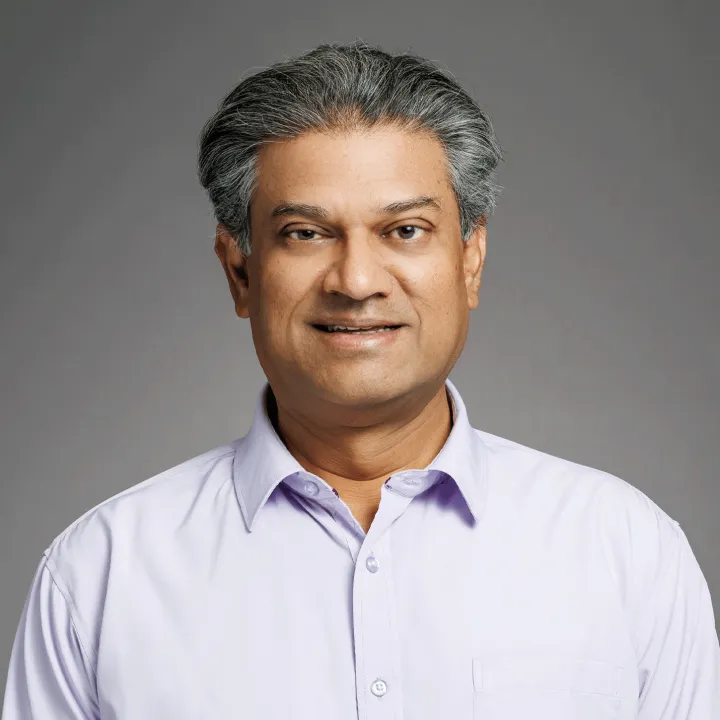
D.S. Fahmeed Hyder is a Professor of Biomedical Engineering at Yale University, with additional appointments in Radiology & Biomedical Imaging. He holds a Ph.D. from Yale University and leads the Hyder Lab, which focuses on advancing quantitative and translational imaging technologies using magnetic resonance methods to study brain function and dysfunction at the laminar level. His research integrates multidisciplinary approaches, including molecular imaging, neurophysiology, and material science. Research Interests: Neurovascular and neurometabolic coupling mechanisms Molecular imaging probes for disease diagnostics Functional MRI (fMRI) and metabolic imaging in health and disease Imaging applications for Alzheimer’s, stroke, and cancer Publications: Dr. Hyder’s recent work emphasizes cutting-edge imaging techniques, such as pH-sensitive biosensors, high-resolution fMRI, and multimodal optical imaging. His research highlights include studies on neurovascular dysfunction in Alzheimer’s models, therapeutic interventions for brain injury, and molecular imaging of tumor microenvironments. Awards: Niels Lassen Award (2003), for cerebral blood flow research Early Career Faculty Award (1998), NSF & NIH Pilot Awards from JDRF & Yale-UCL Collaborative (2008, 2013) Labs/Teams: The Hyder Lab collaborates with institutions like UCL and the James S. McDonnell Foundation, advancing translational imaging solutions for clinical applications.
Wenjie Luo is a researcher at the Brain and Mind Research Institute, Weill Cornell Medical College, focusing on neurodegenerative diseases and neuroimmunology. His role involves investigating molecular pathways linking tauopathy, microglial function, and genetic risk factors for Alzheimer's disease. Education: B.S. and M.S. from Peking University (China), Ph.D. from Albert Einstein College of Medicine (2001) His research explores the interplay between neuroinflammatory mechanisms, tau pathology, and genetic variants in Alzheimer's disease progression. Key areas include the cGAS-STING pathway, TREM2 agonism, and microglial interactions with oligodendrocytes. Recent publications highlight his work on tau propagation models, microglial signaling pathways (NF-κB, AKT), and sex-based differences in neurodegeneration. He collaborates on grants from the National Institute on Aging and BrightFocus Foundation, focusing on tau metabolism, TREM2 ligands, and APOE mutations in neurodegenerative diseases.
Emilia Favuzzi is an Assistant Professor in the Department of Neuroscience at Yale University, affiliated with the Wu Tsai Institute and multiple interdisciplinary programs. She holds appointments in Immunology and the Interdepartmental Neuroscience Program. Her research focuses on neuroimmune interactions, particularly how microglia and other glial cells influence brain wiring and function during development and in health/disease. Education: B.S. & M.S. in Biology/Neurobiology from Sapienza University of Rome; Ph.D. in Neuroscience from Miguel Hernández University (Spain). Postdoctoral training at Harvard Medical School and the Broad Institute. Research interests include microglial-synapse interactions, immune encoding in cortical circuits, and links between immune challenges and neuropsychiatric disorders (e.g., Long COVID). Techniques employed include spatial transcriptomics, in vivo imaging, chemogenetics, and viral tools. Awards include the Gruber Neuroscience Award (2023), BBRF Young Investigator Grant (2023), and multiple early career honors. Her lab investigates how immune signals are integrated into brain networks and their implications for neurodevelopmental and psychiatric conditions.
Cody J. Smith is the Elizabeth and Michael Gallagher Associate Professor in the Department of Biological Sciences at the University of Notre Dame, with affiliations in the Center for Stem Cells and Regenerative Medicine. His research focuses on the cellular and molecular mechanisms underlying neural development and regeneration. PhD, Cell and Developmental Biology, Vanderbilt University (2012) B.S., Biology, Mercyhurst University (2007) Postdoctoral Fellow, University of Virginia (2012–2016) Dr. Smith’s research lies at the intersection of developmental biology, neuroscience, and regenerative medicine. His lab investigates how stem cells and other neural populations organize during nervous system formation and repair. Key areas include neural development, glial-neuronal communication, axon guidance, microglia dynamics, and cellular coordination in both health and disease. Using zebrafish as a model organism and advanced live imaging techniques, the lab uncovers fundamental principles of neural circuit assembly and regeneration. The recent publications highlight a strong focus on pioneer axon pathfinding, glial cell function, actin dynamics, and regeneration mechanisms. Common themes include cellular tiling, invasion dynamics, and intercellular signaling during development. The research spans molecular, cellular, and behavioral levels, with implications for neurodevelopmental and neurodegenerative disorders. Scientific honors include: Alfred P. Sloan Fellow of Neuroscience (2017) Dr. Smith leads an active research lab that mentors graduate students and postdoctoral researchers. His lab is supported by external funding, as evidenced by sustained publication output and active research projects in neural development and regeneration. The lab emphasizes equity, inclusivity, and collaborative science. Research is conducted through the Smith Lab at Notre Dame, which utilizes cutting-edge intravital imaging and molecular tools to study nervous system organization in living zebrafish. The lab fosters a collaborative and inclusive environment and is actively involved in training the next generation of scientists.
Dhaval Joshi is a Researcher in the Department of Psychology at the University of Cambridge, affiliated with the Belin laboratory. His research focuses on understanding the neurobiological mechanisms underlying drug addiction, particularly the role of interoceptive mechanisms and the insular cortex. He investigates how astrocytic dopamine transporter regulation contributes to compulsive drug-seeking behaviors and the development of addiction-related habits. His work integrates neurobiological approaches to study addiction, including the impact of dopamine signaling in astrocytes across brain regions like the striatum. He also explores translational models of addiction and relapse prevention mechanisms. His recent studies highlight the significance of astrocyte-neuron interactions in modulating drug-seeking behaviors and the neuroplastic changes associated with addiction progression. His research interests span addiction neuroscience, neuropharmacology, and the neural circuits governing compulsive behaviors. While no specific awards are listed, his contributions to understanding the astrocytic role in addiction are notable within the field.
Sonia Navas-Martin is a Professor in the Department of Microbiology & Immunology at Drexel University College of Medicine. She holds a PhD from Universidad Autónoma de Madrid (1997). Her research focuses on innate immunity mechanisms during viral infections and neurodegenerative diseases, with emphasis on CNS pathologies and cellular senescence. Education: PhD in Microbiology & Immunology, Universidad Autónoma de Madrid (1997) Research Interests: Dr. Navas-Martin investigates how innate immune pathways contribute to immunopathology in viral infections (e.g., coronaviruses), neuroinflammation, and neurodegenerative diseases like Alzheimer’s. Her work combines molecular biology, immunology, and animal models to identify therapeutic targets. Key areas include: Microglial responses to viral pathogens Role of non-coding RNAs (e.g., miRNAs) in immune regulation Cellular senescence in HIV-associated neurocognitive disorders Cross-talk between TLR signaling and viral replication Publications: Her recent work includes studies on SARS-CoV-2 antiviral strategies, microglial antiviral mechanisms, and HIV-HCV co-infection dynamics. The articles reflect a focus on innate immunity modulation, viral pathogenesis, and translational therapies. Awards: Curator, American Society for Microbiology’s COVID-19 Research Registry Grants & Mentorship: She oversees an NIH-funded neuroimmunology graduate position and mentors students in scientific excellence. Her lab is known for collaborative, open research environments fostering innovation. Labs & Teams: Active in the Institute for Molecular Medicine & Infectious Disease at Drexel, collaborating on coronavirus immunology and SARS-CoV-2 therapeutic development. Her research integrates virology, immunology, and neurobiology to address critical gaps in understanding viral CNS pathogenesis.
Diego Gomez-Nicola is a Professor of Neuroimmunology at the School of Biological Sciences, University of Southampton, and Deputy Head of School (Research). He holds a concurrent role as Research Scientist at the Cajal International Neuroscience Centre (CSIC, Spain) on leave of absence. Previously, he served as Head of Neuroimmunology at Eli Lilly & Co. (2019) and held academic positions including Associate Professor (2017-2022) and Lecturer (2016-2017) at the University of Southampton. Education: B.Sci in Biological Sciences (Neurobiology), Complutense University of Madrid (1998-2003) M.Sci in Molecular Biology (Neurosciences), Autonoma University of Madrid (2003-2005) Ph.D. in Molecular Biology (Neurosciences), Autonoma University of Madrid (2005-2008) Research Interests: Focuses on glial cell roles in health and disease, particularly microglial dynamics in Alzheimer's and neurodegeneration. Utilizes advanced cell models and spatial biology techniques. Current projects include studying microglial senescence and the impact of early-life inflammation on dementia risk. Leadership & Grants: Leads multiple research projects funded by Alzheimer's Association, MRC, and Leverhulme Trust. Serves on key committees including MRC Neuroscience and Mental Health Board, UK MND Accelerator Steering Committee, and Southampton Athena Swan Team. Active in promoting interdisciplinary research through platforms like the Spatial Biology Hub. Labs & Collaborations: Collaborates with institutions such as the Neuroscience Institute for Life Sciences. Coordinates the South Coast ARUK Network and participates in international consortia for neurodegenerative disease research.
Collin Heer is an Associate Research Scientist in the Department of Therapeutic Radiology at Yale School of Medicine, Yale University. He holds a BS in Biochemistry and Biology from Clarke University (2015) and a PhD in Free Radical and Radiation Biology from the University of Iowa (2021). His postdoctoral training at Yale (2025) further solidified his expertise in radiation biology and cancer therapy. Dr. Heer’s research focuses on mitochondrial metabolism, NAD+ signaling in cancer and neuroinflammation, and the development of novel therapies targeting metabolic dysfunctions. His work bridges molecular mechanisms with translational applications, including radiation sensitizers, antioxidant therapies, and CRISPR-based gene editing. His publications highlight contributions to understanding NAD+ metabolism in viral infections, synergistic effects of radiation with drugs like avasopasem, and mitochondrial dysfunction’s role in cancer progression. He collaborates with the Bindra Lab, advancing studies on tumor ablation strategies and metabolic pathways. While no formal trainees are listed, his research aligns with Yale Cancer Center initiatives. He has presented findings at conferences like AACR25. His work emphasizes actionable insights for enhancing cancer therapies through metabolic and redox biology principles.
Youngseob Jung is a Research Fellow at the Department of Neuroscience within the Yale School of Medicine . His research focuses on neuroimmunology and neurodegenerative diseases , particularly the role of microglia in regulating brain protein levels via lysosomal pathways. This work intersects with broader themes in cell biology , protein homeostasis , and central nervous system (CNS) regulation . His 2021 publication in JCI Insight highlights mechanisms linking microglial function to Progranulin metabolism, with implications for lysosomal dysfunction in neurological disorders. This research contributes to understanding neurodegenerative disease pathology and potential therapeutic targets. While no scientific awards or student advisement details are publicly listed, his collaboration with Janghoo Lim and Leon Tejwani underscores his integration into interdisciplinary neuroscience teams at Yale.
Adrienne M. Antonson is an Assistant Professor in the Department of Animal Sciences at the University of Illinois Urbana-Champaign, affiliated with the College of Liberal Arts & Sciences Neuroscience Program. She leads the Antonson Developmental Neuroimmunology Lab, focusing on immunology, microbiology, and developmental neuroscience. Education: PhD in Immunophysiology and Behavior (University of Illinois Urbana-Champaign, 2018), Postdoctoral Fellow at Ohio State University (2018-2021) Affiliations: Microbial Systems Initiative, Carl R. Woese Institute for Genomic Biology (Environmental Impact on Reproductive Health Theme), Interdisciplinary Environmental Toxicology Program Her research investigates how prenatal maternal immune activation—via viral infections or stress—alters fetal microglial function and neurodevelopmental outcomes. Using translational animal models, she examines inflammatory pathways linking maternal insults to behavioral abnormalities and mental health disorders in offspring. Recent publications reveal critical insights into influenza A virus impacts on maternal-fetal immunity, epigenetic disruptions in hypothalamic development, and microbiome-mediated neuroinflammatory mechanisms. Her work emphasizes the maternal-fetal interface as a key regulator of neurodevelopmental trajectories. Contact: aantnsn2@illinois.edu , Edward R. Madigan Laboratory, 1201 W Gregory Drive, Urbana, IL 61801
Kevin S. Lee, Ph.D., is a Professor in the Department of Neuroscience at the University of Virginia School of Medicine. His research is centered on understanding the mechanisms of neuronal injury and developing therapeutic interventions for neurological disorders such as stroke, epilepsy, and glioblastoma. He leads a multidisciplinary laboratory focused on neuroinflammatory pathways and non-invasive brain circuit modulation. Research Interests: Mechanisms of neuronal injury in stroke and epilepsy Neuroinflammation in cognitive dysfunction post-cardiopulmonary bypass Therapeutic development using trans-sodium crocetinate Non-invasive disconnection of brain circuitry using focused ultrasound Pathophysiology of cortical malformations and seizures Neuroinflammatory contributions to glioblastoma multiforme Publication Trends: His recent publications demonstrate a strong focus on translational neuroscience, particularly combining molecular interventions with advanced neuromodulation techniques. A recurring theme is the use of non-invasive, targeted neuronal injury to study and treat seizure disorders and cognitive decline, often employing rodent models and collaborations with imaging experts. The work spans neuroengineering, neuroimmunology, and neuropharmacology, reflecting a highly interdisciplinary approach. Scientific Awards: No awards explicitly mentioned in the provided text. Advising and Grants: While specific students and grant funding are not listed, Dr. Lee appears to lead an active research lab with multiple ongoing projects and collaborations. His publication record suggests sustained funding and mentorship of junior researchers. He frequently collaborates with experts in neurosurgery, radiology, and immunology, indicating a team-based research environment. Laboratory and Research Team: The Lee Lab conducts multidisciplinary investigations into neuronal injury and repair. Research projects include stroke treatment, glioblastoma, and neuroinflammatory mechanisms. The lab collaborates extensively, particularly with Dr. Max Wintermark and others in neuroscience and radiology, suggesting integration within a larger research consortium at UVA.
Ping Zhou is an Associate Professor of Research in Neuroscience at the Brain and Mind Research Institute, Weill Cornell Medical College, where he has been conducting groundbreaking research since 2013. His work focuses on understanding the molecular mechanisms underlying neurovascular dysfunction in Alzheimer's disease and other neurodegenerative conditions. Dr. Zhou received his Ph.D. from the University of Illinois at Urbana-Champaign in 1991 and completed his undergraduate studies at Nanjing University in China in 1982. His educational background provided the foundation for his extensive research career in neuroscience and neurovascular biology. Dr. Zhou's research interests center on neurovascular coupling, cerebral amyloid angiopathy, and mitochondrial mechanisms of neuroprotection. His laboratory investigates how ApoE4 contributes to neurovascular dysfunction, the role of border-associated macrophages in white matter injury, and the neuroprotective functions of prohibitin through S-nitrosylation. His work bridges basic molecular mechanisms with translational applications for treating neurodegenerative diseases. Analysis of Dr. Zhou's recent publications reveals a strong focus on the intersection of neuroinflammation and neurovascular dysfunction in Alzheimer's disease. His work increasingly incorporates single-cell and epigenetic approaches while maintaining a strong emphasis on mitochondrial function and oxidative stress pathways. The research shows a clear progression from basic mechanisms of neurovascular coupling to more complex investigations of macrophage interactions and genetic risk factors like ApoE4. Dr. Zhou currently serves as Principal Investigator on the NINDS-funded project "Role of prohibitin nitrosylation in its neuroprotective functions" (2022-2027) and as Co-Investigator on two additional NINDS grants: "ApoE4, neurovascular injury and cognitive impairment" (2022-2027) and "Dietary sodium, neurovascular dysfunction and cerebrovascular risk" (2021-2026). These projects reflect his continued focus on molecular mechanisms of neuroprotection and vascular contributions to cognitive impairment. While the available information doesn't specify his laboratory structure, Dr. Zhou's extensive publication record spanning over two decades suggests leadership of a productive research team focused on neurovascular biology and neurodegeneration mechanisms.
Professor Philip Taylor is a Professor of Translational Immunology in the Division of Infection and Immunity at Cardiff University's School of Medicine. He serves as PGR Lead for the Systems Immunity Research Institute and is a UK Dementia Research Institute Professor. His research focuses on the innate immune system, particularly macrophages, myeloid cell surface receptors, and the complement system. His educational background includes a PhD in Molecular Genetics from Imperial College London (1998) and a BSc in Human Genetics from University College London (1994). His career progression shows a strong trajectory in immunology research, with positions at Oxford University before joining Cardiff University. Professor Taylor's research interests center on macrophage biology, particularly their origins, development, renewal, and transcriptional control of cellular activation. More recently, he has developed a significant focus on microglia in dementia, especially Alzheimer's disease. He also has interests in developing technologies that promote the 3Rs (Replacement, Reduction, Refinement) in animal research while maintaining scientific excellence. His work heavily involves experimental murine models of disease and immunity with the ultimate goal of elucidating novel mechanisms to manipulate macrophage activity for beneficial outcomes in disease. His recent publications demonstrate a strong trend toward understanding the role of the immune system in neurodegenerative diseases, particularly Alzheimer's, while maintaining his foundational work on macrophage biology and pathogen recognition. The research spans multiple disciplines including immunology, neuroscience, cell biology, and genetics, with strong translational potential. Recipient of a Wellcome Trust Investigator Award (2016-2021) Recipient of a Medical Research Council Senior Fellowship (2007-2014) Awarded Research Lecturer status, Oxford University (2006) Recipient of a Wellcome Trust Research Career Development Fellowship (2003-2007) Awarded RSII status, Oxford University (2002) Recipient of Medical Research Council PhD studentship (1994) Professor Taylor leads the Myeloid Cell Biology Group at Cardiff University, which investigates macrophage biology in homeostasis and disease, as well as the role of microglia in dementia. His current grant funding includes an MRC UK Dementia Research Institute Programme Grant (2017-2023) worth £1.7M and a Wellcome Trust Investigator Award (2016-2021) worth £1.41M. His research group is actively involved in understanding how genes implicated in Alzheimer's disease impact microglial function, with the aim of inspiring novel therapeutic approaches. The Myeloid Cell Biology Group is investigating professional phagocytes (macrophages, dendritic cells, and neutrophils) and their diverse roles in development, host defense, inflammation, wound healing, and immune surveillance. The group focuses on fundamental aspects of phagocyte biology, including pathogen recognition receptors, downstream signaling, and cellular activation events, with the goal of manipulating cell behavior for therapeutic benefit.
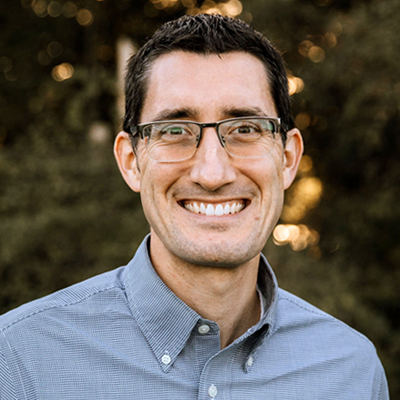
Joseph M. Castellano is an Associate Professor in Neuroscience and Neurology at the Icahn School of Medicine at Mount Sinai. His research focuses on molecular mechanisms underlying aging and Alzheimer's disease (AD) pathogenesis, particularly the role of blood-CNS interactions in regulating synaptic and neuroimmune function. PhD from Washington University in St. Louis Postdoctoral training at Stanford University His work spans several key areas: Aging , Alzheimer's Disease , Microglia , Immunology , and Stem Cells . Notable contributions include demonstrating how APOE4 impedes amyloid-beta clearance and identifying youth-associated peripheral factors like TIMP2 that reverse brain aging. Recent publications highlight his exploration of neuroimmune regulation via blood-borne factors, proteomic changes linked to APOE genotype, and therapeutic strategies targeting aging-associated conditions. His lab employs advanced techniques like microdialysis and in vivo imaging to study these mechanisms. 2021 ISMMS ADRC Developmental Project Grant 2020 Black Family Stem Cell Institute Pilot Award 2018 Katz and Martin Friedman Brain Institute Research Scholar 2016 K99/R00 Pathway to Independence Award (NIA/NIH) Dr. Castellano's research bridges fundamental aging biology with translational neurodegeneration studies, supported by grants from NIH and private foundations. His lab continues to investigate how systemic factors influence brain health, aiming to develop novel AD interventions.