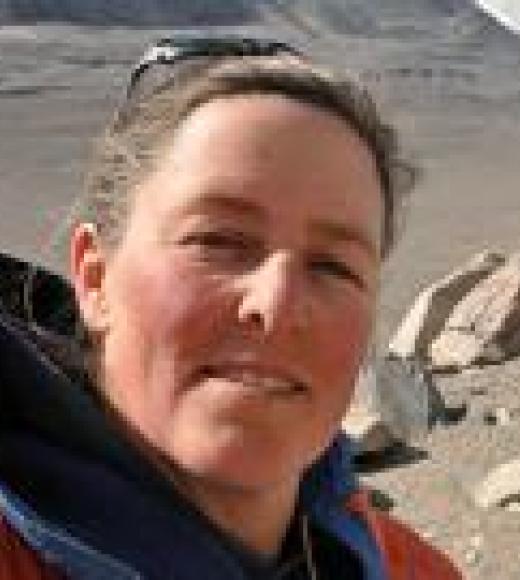
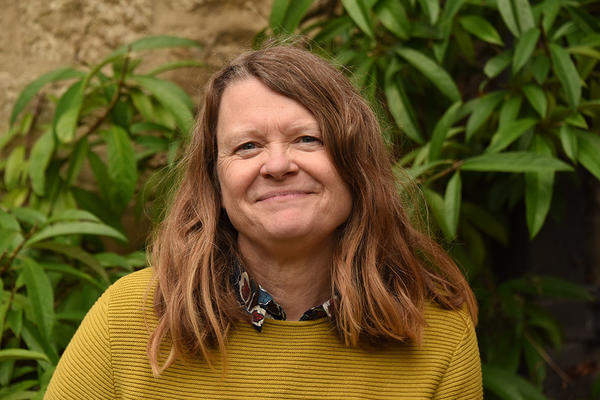
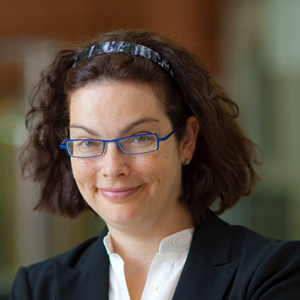
Dawn Y. Sumner is a Professor in the Department of Earth and Planetary Sciences at the University of California, Davis. Her research focuses on geobiology, paleobiology, and planetary science, particularly reconstructing ancient environments on Earth and Mars. She is a key member of NASA’s Mars Science Laboratory team, contributing to the Curiosity rover’s exploration of Gale Crater on Mars. Sumner’s work integrates field studies, lab analyses, and interdisciplinary approaches to understand microbial life’s role in shaping Earth’s history and potential habitability on other planets. Education: Ph.D., Massachusetts Institute of Technology (1995). Research interests include microbialite formation, Antarctic lake ecosystems, and the evolution of oxygenic photosynthesis. She investigates modern microbial communities in ice-covered lakes (e.g., Lake Vanda) to understand ancient environments and their biosignatures. Her scientific awards include the California Academy of Sciences Academy Fellow (2020) and Geological Society of America Fellow (2014). Sumner emphasizes inclusive education and supports student success in STEM through feminist research practices. Labs/Teams: W.M. Keck Center for Active Visualization in the Earth Sciences (KeckCAVES), Antarctic Lake Research Group.
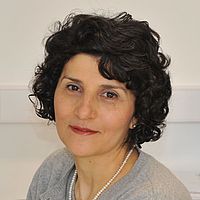
Angela D. Kent is a Professor in the Department of Natural Resources and Environmental Sciences at the University of Illinois Urbana-Champaign, where she also serves as Director of the Program in Ecology, Evolution, and Conservation Biology within the School of Integrative Biology. She is affiliated with the Carl R. Woese Institute for Genomic Biology. Her research focuses on microbial communities in agroecosystems and natural environments, particularly their roles in nitrogen cycling, soil health, and sustainable bioenergy production. Key research interests include microbial interactions in plant-microbe systems, the impact of genetic variation in crops on microbial processes, and the ecological and biogeochemical implications of soil microbiomes. She has authored over 99 publications and supervised datasets on topics such as denitrification dynamics, rhizosphere microbiome assembly, and microbial contributions to nitrogen retention. Dr. Kent has received the NACTA Educator Award (2012) and has contributed to high-impact studies on topics like microbial community responses to environmental stressors and the application of stable isotopes in bioenergy research. Her work bridges microbial ecology, agronomy, and environmental science, emphasizing practical solutions for sustainable agriculture and ecosystem management.
James Van Etten is the William Allington Distinguished Professor of Plant Pathology at the University of Nebraska-Lincoln, affiliated with the School of Biological Sciences and Nebraska Center for Virology. His research focuses on chloroviruses—large dsDNA viruses infecting Chlorella-like algae—with emphasis on DNA replication, restriction systems, and membrane transport proteins. Key research themes include: Viral DNA modification systems Host-virus interactions Structural virology Evolution of organellar genomes Recent work analyzed: SMRT sequencing of viral methylation patterns Chlorovirus cryopreservation methods Potassium channel biophysics Host chemical signaling mechanisms Lab webpage: vanettenlab.unl.edu
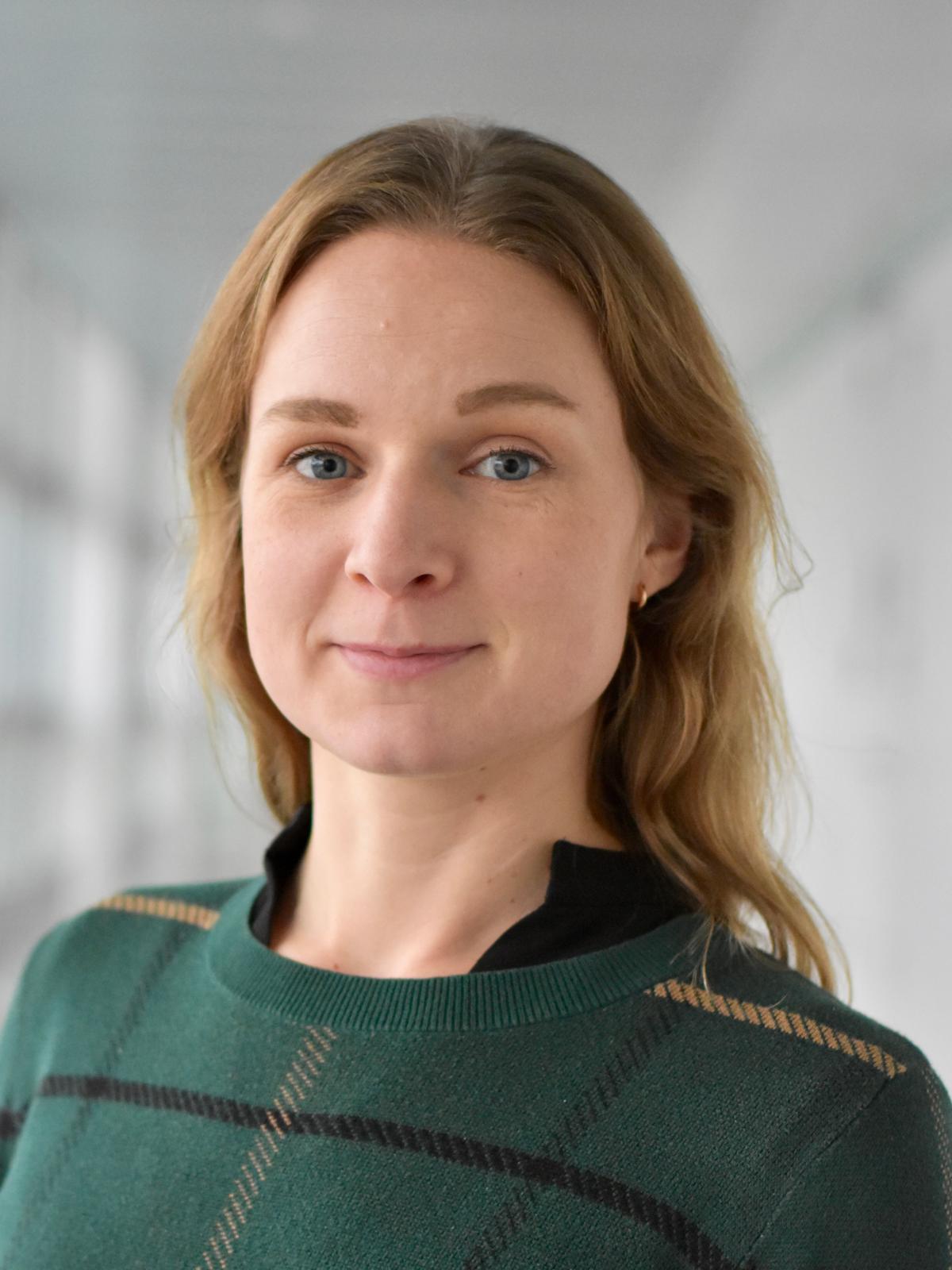
Prof. Dr. Deniz Tasdemir is a Full Professor (W3) of Marine Natural Products Chemistry at GEOMAR Helmholtz-Zentrum für Ozeanforschung Kiel and serves as Director of the GEOMAR-Biotech center and Head of the Marine Natural Product Chemistry Research Unit. Her career spans institutions including the National University of Ireland Galway and UCL School of Pharmacy. PhD in Pharmacy, ETH Zurich (1997) Post-doctoral work, University of Utah (2001) Dr. Helmut Legerlotz Fellowship, University of Zurich (2002-2025) Her research focuses on marine chemical ecology , metabolomics , and bioprospecting for bioactive compounds from sponges, algae, and marine microbiomes. Recent work explores seagrass pathogen reduction, microbiome interactions, and aquafeed applications. Scientific awards include: Waters Award for Natural Products Innovation (2016) Egon Stahl Silver Medal (2005) Pierre Fabre Prize (2004) ETH Zurich Medal (1997) She leads collaborative projects on ocean sustainability and marine drug discovery, with editorial roles in Marine Drugs , Planta Medica , and Phytochemistry Letters .
Lucas Paoli is a Researcher and Course Instructor at École Polytechnique Fédérale de Lausanne (EPFL), Switzerland. He leads the Paoli Lab (Microbiome Immunity and Ecology) within the Global Health Institute (GHI) under the School of Life Sciences (SV). His roles include scientific collaboration and teaching responsibilities in life sciences engineering. Paoli holds a PhD in Microbiome Research from ETH Zürich (2018-2023), an M.Phil. in Environmental Policy from the University of Cambridge (2017-2018), and an M.Sc. in Ecology and Evolution from École normale supérieure (2015-2017). Research Focus: His work bridges microbial immunity and ecology, investigating how microbes defend against viral infections across ecosystems like oceans and human microbiomes. Techniques include global-scale metagenomics and functional genomics to study immune strategies and ecological interactions. Key themes involve microbial community dynamics, viral defense mechanisms, and the impact of environmental factors on microbial immunity. Lab & Education: The Paoli Lab explores microbiome-immunity interactions with a focus on ecological contexts. Paoli supervises PhD students in Life Sciences Engineering. His research outputs span microbial ecology, metagenomic tool development, and marine microbiome studies. Contact: lucas.paoli@epfl.ch, AAB 1 39, +41 21 693 16 99.
Amy E. Fraley is an Assistant Professor at ETH Zürich, Department of Chemistry and Applied Biosciences, and leads the Medicinal Chemistry Research Group. Her cross-disciplinary work bridges natural products biosynthesis, pharmaceutical sciences, and environmental sustainability through enzymatic chemistry and biotechnology. BSc in Chemistry, Millersville University of Pennsylvania (2014) PhD in Medicinal Chemistry, University of Michigan College of Pharmacy (2019) Postdoctoral work at ETH Zürich Institute of Microbiology under Prof. Jörn Piel Her research focuses on harnessing biosynthetic enzymes (e.g., halogenases, monooxygenases, Diels-Alderases) to create sustainable bioactive metabolites. She explores natural product biosynthesis in fungi and marine bacteria, targeting disease mechanisms and green chemistry applications. Recent work includes metagenomic studies of Lake Chilika microbial mats and polyketide synthase engineering. Notable scientific awards include the 2024 JSP Fellow at Bürgenstock Conference, 2018 Rackham Predoctoral Fellowship, and multiple University of Michigan honors. Her group secured funding from the ETH4D Doctoral Mentorship Grant and Messerli Foundation . Collaborations span structural biology, synthetic chemistry, and microbiology, with key contributions to flavoenzyme characterization and bioactive compound libraries . The lab emphasizes interdisciplinary training and innovation in biocatalytic tools for organic synthesis.
Mari Moora is a distinguished Professor in Community Ecology at the University of Tartu's Faculty of Science and Technology, Institute of Ecology and Earth Sciences. Since August 2023, she has served as the Vice Rector for Research at the University of Tartu, a position she will hold until July 2028. With a career spanning over three decades at the University of Tartu, Professor Moora has established herself as a leading expert in plant ecology, particularly in the field of mycorrhizal symbiosis and its role in shaping plant communities. Education: Secondary education at Nõo Secondary School (1984) Bachelor's degree in Biology (Genetics) from University of Tartu (1989) PhD in Plant Ecology from University of Tartu (1998) with thesis supervised by Martin Zobel Professor Moora's research focuses on the processes behind the structure and diversity of plant communities, particularly examining the role of biotic interactions such as mycorrhizal symbiosis and pollination in shaping plant populations. Her work extends to studying global diversity patterns of arbuscular mycorrhizal fungi and soil metagenomics - investigating how soil molecular diversity influences visible ecological patterns across ecosystems. Her interdisciplinary approach combines field ecology, molecular techniques, and theoretical frameworks to address fundamental questions in community ecology and biodiversity science. Her recent publications demonstrate a clear trend toward understanding ecological processes at multiple scales, from molecular interactions to global biodiversity patterns. Professor Moora's work increasingly integrates cutting-edge molecular techniques like metabarcoding with traditional ecological approaches, creating a more comprehensive understanding of plant-microbial interactions. Her research has significant implications for biodiversity conservation, ecosystem restoration, and understanding how ecological communities respond to environmental change. Scientific Awards: Order of the White Star, 4th class (2025) Estonian Academy of Sciences Alma Tomingas Medal (2023) Science Award of the Estonian Republic (2016) Honorary member of the University of Rio Cuarto (Argentina) (1998) Professor Moora has served as a principal investigator for significant research projects including "Plant-microbial mutualisms in dynamic ecosystems" (2021-2025) and the University of Tartu component of "Agroecology and new crops in future climates" (2024-2030). She has been actively involved in research administration and evaluation, serving on panels for the European Research Council, German Research Foundation, and European Commission. Her editorial work includes being an Academic Editor for PLoS ONE (2011-2016) and serving as a referee for numerous high-impact ecology journals. As Head of the Chair of Plant Ecology (2021-2023) and currently as Vice Rector for Research, Professor Moora plays a significant role in shaping research strategy and academic leadership at the University of Tartu. Her work bridges fundamental ecological research with practical applications for biodiversity conservation and sustainable land management.
Josh Atkinson is an Assistant Professor in the Department of Civil and Environmental Engineering and the Omenn-Darling Bioengineering Institute at Princeton University. His research focuses on using synthetic biology and protein engineering to control electron transport in microbes for environmental applications, such as bioelectronic sensors and bioremediation. The Atkinson Lab investigates microbial energy processing, biofilm-electronic interfaces, and sustainable biotechnologies. Affiliations: Princeton University, Omenn-Darling Bioengineering Institute Research Interests: Microbial electron transport, bioelectronic systems, environmental monitoring, sustainable catalysis His work bridges disciplines like electrochemistry, bioengineering, and environmental science to engineer living materials for real-world challenges. The lab recruits students across levels, emphasizing diversity and interdisciplinary collaboration. Recent projects include real-time contaminant sensors and light-controlled biofilm patterning. Articles highlight innovations in bioelectronics and microbial systems engineering. The lab’s future directions involve scaling-up bioelectronic devices and enhancing microbial community understanding.
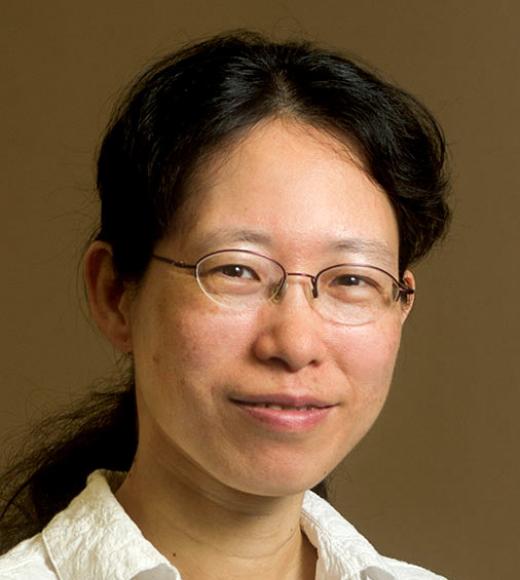
Dr. Xi Chen is a Professor in the Department of Chemistry at the University of California, Davis, where he has been a faculty member since 2003. His research spans carbohydrate chemistry, glycobiology, and cancer biology, with notable contributions to chemoenzymatic methods for glycoconjugate synthesis. Dr. Chen's work focuses on developing hybrid chemical-enzymatic approaches to synthesize complex carbohydrates and glycoconjugates, characterizing glycosyltransferase mechanisms, and designing enzyme mutants for improved catalysis. He also investigates carbohydrate-based diagnostics and therapeutics, particularly in cancer and inflammatory diseases. His recent publications highlight interdisciplinary studies linking carbohydrate metabolism to p53 tumor suppression pathways and RNA-binding protein regulation in cancer. Awards include AAAS Fellow (2015), ACS Isbell Award (2012), and NSF CAREER Award (2006). He earned his Ph.D. at Wayne State University (2000) and B.S. at Xiamen University (1994). Scientific Awards American Association for the Advancement of Science Fellow (2015) Dean's Team Award for Excellence (2013) Carbohydrate Research Award for Creativity (2013) ACS CARB Horace S. Isbell Award (2012)
Professor Lindsay Turnbull is a Professor of Plant Ecology at the University of Oxford's Department of Biology. Her research focuses on understanding the evolutionary and ecological basis of plant trait diversity and its consequences for ecosystems. Key interests include seed size variation, plant-soil interactions, and the impact of organic farming on biodiversity. She leads a research group exploring topics such as mutualism stability, species coexistence, and island conservation genetics. Turnbull's work integrates experimental, observational, and computational approaches to address fundamental questions in ecology. Her lab, based at the Department of Biology (Mansfield Road and South Parks Road campuses), has contributed to global understanding of biodiversity-ecosystem functioning relationships and plant-microbe symbioses. Notable projects include studies on Aldabra giant tortoises and coral reef connectivity in the Seychelles, highlighting her commitment to applied conservation science. Her research spans multiple scales—from molecular interactions in legume-rhizobia systems to large-scale biodiversity patterns in grasslands and tropical ecosystems. Recent work emphasizes the role of trait-based approaches in predicting ecological responses to environmental changes such as eutrophication and climate variability. Her publications frequently bridge theoretical and applied ecology, offering insights into both natural and human-managed ecosystems.
Katherine J. Franz is a Professor of Chemistry at Duke University, affiliated with the Trinity College of Arts & Sciences and the Duke Cancer Institute. She holds a Ph.D. from MIT (2000) and a B.A. from Wellesley College (1995). Her research focuses on bioinorganic chemistry, particularly metal ion coordination in biological systems, with applications in antimicrobial therapies, cancer metallomics, and neurodegenerative diseases. Key projects include developing prochelators targeting fungal and bacterial pathogens, studying copper's role in antifungal drug efficacy, and designing light-activated metal complexes for controlled drug release. Dr. Franz has received numerous awards including the Camille Dreyfus Teacher-Scholar Award (2009), Sloan Research Fellowship (2008), and the NSF CAREER Award (2005). She leads a lab with 6 current students/mentees and has secured grants from NIH, NSF, and the US-Israel Binational Science Foundation. Her lab's work spans from fundamental metalloprotein studies to translational drug development, emphasizing interdisciplinary approaches in chemistry and biology. Education: Ph.D. in Chemistry, MIT, 2000 B.A. in Chemistry, Wellesley College, 1995 Research Interests: Metal homeostasis in pathogens, copper's role in antifungal resistance, prodrug design for targeted therapy, and mechanistic studies of metalloproteins. Grants: Tri-Institutional Molecular Mycology Training Program (NIH, 2024–2029) Duke PREP Biomedical Sciences Program (NIGMS, 2022–2027) Copper-Mucin Interaction Study (BSF, 2022–2026) Her lab's publications (n=15+ since 2020) highlight breakthroughs in prodrug selectivity, copper-induced protein toxicity, and histatin antifungal mechanisms. The Franz Lab actively collaborates with clinicians and computational scientists to advance therapeutic strategies addressing unmet medical needs in infectious diseases and cancer.
Professor Bing-Jie (Bruce) Ni is an Adjunct Professor at the University of Technology Sydney (UTS) within the School of Civil and Environmental Engineering and a full Professor at UNSW Sydney. He is an internationally recognised leader in environmental engineering, wastewater treatment, greenhouse-gas mitigation, microplastics fate, electrocatalysis and sustainable energy systems. Education PhD in Environmental Engineering, University of Science and Technology of China, Hefei (2005–2009) Research Interests Professor Ni’s research integrates process engineering, microbial biotechnology, materials science and mathematical modelling to develop sustainable technologies for high-efficiency pollutant removal, minimal carbon footprint and maximal energy recovery from wastewater. He is a global pioneer in: Modelling and control of nitrous oxide (N₂O) and methane (CH₄) emissions from wastewater systems, Micro- and nano-plastics ecotoxicity and mitigation in anaerobic digestion, Transforming sewage sludge into high-value liquid bio-energy (medium-chain fatty acids and long-chain alcohols), Designing cost-effective electrocatalysts from natural minerals for green hydrogen production and wastewater electrolysis. Research Output & Impact Over the last decade he has published 2 research books, 30 book chapters and >400 refereed journal papers , including 35 in Environmental Science & Technology and 85 in Water Research . His work has influenced global policy: the IPCC adopted his nitrous-oxide-emission model in 2019 to revise national greenhouse-gas inventories for the first time in 13 years. Awards & Recognition ARC Future Fellowship & ARC DECRA Fellowship Clarivate Analytics Highly Cited Researcher (Web of Science) Royal Society of Chemistry Highly Cited Researcher (2020–present) Mendeley Data Top 2 % Cited Researchers worldwide Listed among “Australia’s Most Innovative Engineers” (Engineers Australia, 2018) 50+ additional awards including Scopus Young Researcher Award, South Australian Water Awards, UQ Research Excellence Awards, and Outstanding Doctoral Dissertation Awards. Research Funding & Leadership He has secured ≈ AUD $10 million in competitive funding (six major ARC grants plus >20 government, university and industry projects). He serves as: Lead Guest Editor, Water Research Editorial Advisory Board, Environmental Science & Technology Associate Editor for Journal of Cleaner Production , Environmental Chemistry Letters , Environmental Research , Journal of Environmental Management Editorial Board member for five additional high-impact journals. Teaching & Supervision At UTS he teaches Renewable Energy Technologies , Environmental and Sanitation Engineering , Process Dynamics and Control , and Water and Wastewater Treatment . He is available to supervise Masters and PhD students in environmental biotechnology, process modelling and sustainable energy systems. Laboratory & Commercial Translation He heads active research teams at both UNSW and UTS and is the inventor of >10 granted patents , some of which are currently being commercialised to deliver real-world impacts in greenhouse-gas-neutral wastewater treatment and renewable energy production.
Sharon Rozovsky is a Professor in the Department of Chemistry and Biochemistry at the University of Delaware's College of Arts & Sciences, where she leads research on oxidative stress response mechanisms and protein quality control pathways. Her work bridges biochemistry, chemical biology, and structural biology with direct implications for understanding neurodegenerative diseases and viral pathogenesis. Her academic foundation includes a B.S. from Tel Aviv University (1994) and a Ph.D. from Columbia University (2000), establishing her expertise in protein dynamics and redox biochemistry. These credentials underpin her innovative approaches to studying cellular stress responses. Rozovsky's research program centers on selenoproteins—proteins containing the rare amino acid selenocysteine—and their critical roles in endoplasmic reticulum (ER) stress resolution. She investigates how membrane-bound selenoproteins like Selenoprotein S and K regulate the ER-associated degradation (ERAD) pathway, with recent work revealing their surprising autoproteolytic activity and involvement in SARS-CoV-2 replication. Her lab pioneers chemical tools including expressed protein ligation and advanced 77Se NMR spectroscopy to characterize these systems at molecular resolution. Analysis of her 2021-2025 publications shows dominant themes in selenoprotein structure-function relationships, ER stress mechanisms, and viral interactions, alongside methodological innovations in cryo-EM grid technology and NMR. This body of work demonstrates consistent focus on redox biochemistry with expanding applications in virology and structural biology. No major scientific awards or fellowships were explicitly documented in the available materials, though her research impact is evident through high-impact publications and methodological contributions. She directs the active Rozovsky Research Group, mentoring graduate students and postdoctoral researchers in biochemical and biophysical techniques. Her laboratory operations are supported by competitive funding including an NSF CAREER award (2011) focused on selenoprotein reactivity, reflecting sustained recognition of her innovative research program.
Christopher Lawson is an Assistant Professor in the Department of Chemical Engineering and Applied Chemistry at the University of Toronto, affiliated with the Faculty of Applied Science and Engineering. He serves as Principal Investigator of the Microbiome Engineering Lab and is part of BioZone – the Centre for Applied Bioscience and Bioengineering. His research focuses on engineering anaerobic microbiomes for resource recovery from waste streams using systems biology, synthetic biology, and machine learning approaches. B.A.Sc., M.A.Sc. (University of British Columbia) Ph.D. (University of Wisconsin-Madison) Postdoctoral Training (Berkeley Lab) Lawson's work addresses the challenge of controlling complex microbial interactions in engineered systems to enable scalable biotechnologies for renewable energy, chemicals, and materials. His lab develops high-throughput methods integrating automation and computational tools to optimize microbiome assembly and metabolic fluxes. Recent publications highlight advancements in metabolic modeling , isotope tracing , and systems-level analysis of anaerobic microbiomes, with applications in wastewater treatment , anammox granules , and bioenergy production . His research bridges fundamental microbiology with industrial-scale bioprocess engineering. Scientific Awards ISME/IWA BioCluster Rising Star Award (2022) Jacobs Engineering Group/AEESP Outstanding Doctoral Dissertation Award (2020) Wesley Eckenfelder Graduate Research Award (2019) WEF Canham Graduate Studies Scholarship (2018) NSERC Post-Graduate Scholarship – Doctoral (2014) Lawson actively mentors students and postdocs, emphasizing technical rigor, communication skills, and independence. His lab collaborates within BioZone and with industry partners to advance "team science" principles. Current projects focus on creating engineered microbiomes for commercial-scale waste valorization.
Prof. Dr. Tunç ÇATAL is a Professor of Molecular Biology and Genetics at Üsküdar Üniversitesi. He holds a PhD from İstanbul Technical University (2008) and conducted postdoctoral research at Oregon State University and the National University of Ireland Galway. His expertise spans microbial biotechnology, molecular biology, and hydrogen production. Education: BSc in Biology, İstanbul University (2001) MSc in Biology, İstanbul University (2004) PhD in Molecular Biology-Genetics and Biotechnology, İstanbul Technical University (2008) Administrative Roles: Head of Molecular Biology and Genetics Department (English Program) Director of PROMER Research Center Bologna Coordinator and Erasmus Coordinator His research focuses on microbial electrochemical systems, bioremediation, and bioenergy. Notable contributions include optimizing hydrogen production using microbial electrolysis cells and studying the effects of pharmaceuticals on microbial fuel cell efficiency. He has supervised 3 graduate theses and holds TÜBİTAK awards for impactful publications. His work integrates environmental science and molecular biology, with applications in sustainable energy (e.g., hydrogen production) and wastewater treatment. Recent studies explore novel curcumin compounds for toxicity mitigation and marine mucilage-based bioelectrochemical systems.