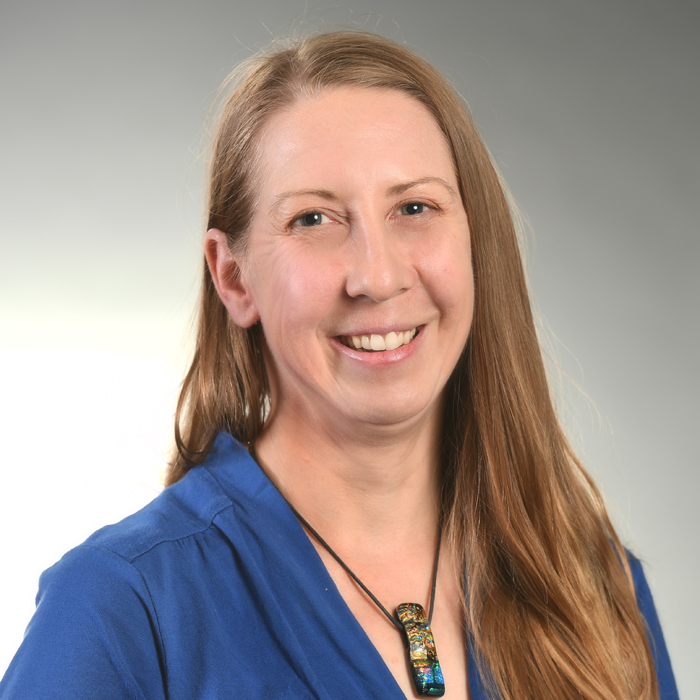
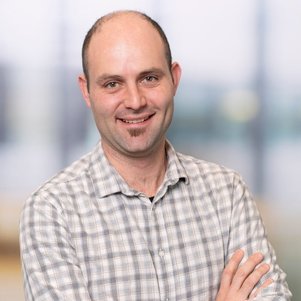
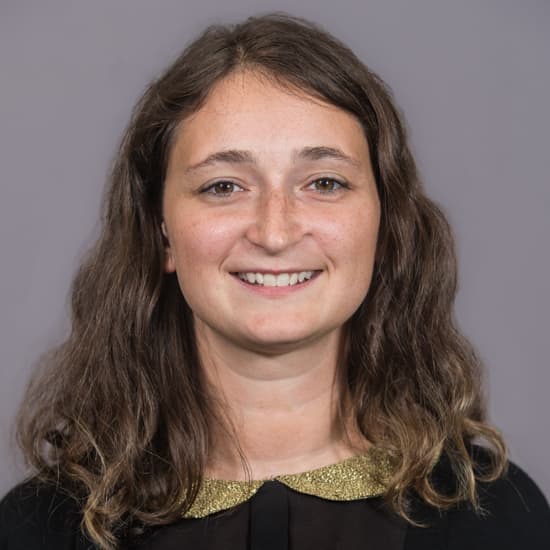
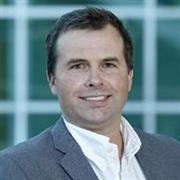
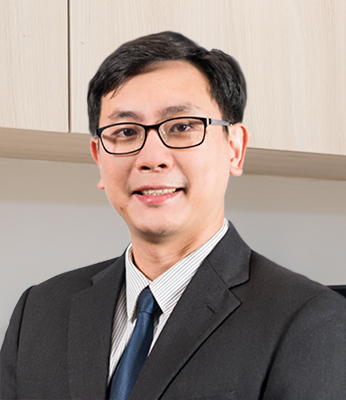
Anne M. Estes is an Associate Professor in the Department of Biological Sciences at Towson University. Her integrative biology research examines host-microbe symbioses, particularly focusing on microbiome dynamics in insect models like dung beetles and olive flies. Current investigations explore how diet and antibiotics impact microbial community structure and function within digestive systems. Her publication portfolio demonstrates consistent attention to microbial ecology themes across diverse systems, including recent work on climate change microbiology and educational approaches. Genomic analyses feature prominently, with several studies sequencing and comparing symbiotic bacterial genomes to understand evolutionary relationships and functional adaptations. Educational contributions include developing accessible microbiology teaching methods and curriculum resources for diverse learning environments.
Djordje Bajić is an Assistant Professor at the Department of Biotechnology within the Faculty of Applied Sciences at Delft University of Technology (TU Delft) . His research focuses on understanding and engineering microbial communities to address challenges in biotechnology, medicine, and environmental sustainability. Research Interests: Dr. Bajić’s work integrates evolutionary theory, computational modeling, and experimental approaches to address fundamental questions about microbial community assembly and function. Key areas include predicting community structure from genomic data, modeling metabolic interactions, and developing tools like the COMETS platform for simulating microbial ecosystems. Collaborations span synthetic biology, environmental biotechnology, and metabolic engineering. Lab & Affiliations: His group is part of the Industrial Microbiology section, collaborating with the UNLOCK facility for bioreactor studies and global initiatives like the Zero Emission Biotechnology Program. He leads efforts in microbial consortia design for CO₂ conversion and electrosynthetic biofilm engineering. Students & Team: Supervises PhD candidates Minke Gabriëls and Uros Gojkovic , emphasizing interdisciplinary training in computational and experimental methods. The team actively engages in international projects, such as statistical approaches to engineer microbiome functions for crop resilience and food production. Contact: Office B0.370, Building 58, TU Delft. Email: D.Bajic@tudelft.nl .
William R. Jacobs Jr. holds dual professorships in the Department of Microbiology & Immunology and the Department of Genetics at Albert Einstein College of Medicine, where he also holds the Leo and Julia Forchheimer Chair in Microbiology & Immunology. His research focuses on understanding Mycobacterium tuberculosis pathogenesis, developing novel vaccines using recombinant herpes vectors, and identifying mechanisms of bacterial persistence. Key projects include creating comprehensive deletion mutant libraries of M. tuberculosis, studying antibiotic resistance mechanisms, and advancing luciferase reporter phage diagnostics. Research areas emphasize: 1) Virulence factor identification through genetic screens, 2) Mechanisms enabling bacterial survival under host/antibiotic assault, 3) Vaccine development targeting influenza, TB, dengue, and EEEV, and 4) Rapid diagnostic technologies. His lab's work spans molecular genetics, immunology, and translational medicine with a focus on global health challenges. Publications (2017-2019) highlight breakthroughs in T-cell mediated immunity, metabolic pathways of persistence, and novel drug combinations. Current efforts prioritize translating basic science discoveries into clinical solutions for TB and viral infections.
Alexander Franks is an Associate Professor in the Department of Statistics and Applied Probability at the University of California, Santa Barbara. His research spans causal inference, covariance estimation, high-throughput biology, and sports analytics. He holds an NIH R01 grant to study post-transcriptional regulation in single cells, collaborating with Nikolai Slavov at Northeastern University. Ph.D. in Statistics, Harvard University, 2015 Sc.M. in Applied Mathematics, Brown University, 2010 Sc.B. in Computer Science and Applied Mathematics, Brown University, 2009 Dr. Franks' research focuses on causal inference and sensitivity analysis, particularly methods for assessing sensitivity to untestable assumptions. He develops approaches for causal inference with multiple concurrent treatments and multiple outcomes, exploring how dependencies inform sensitivity analysis. His work on covariance estimation characterizes variability in large-scale covariance matrices across multiple groups and as a function of continuous covariates. In high-throughput biology, he studies the relationship between mRNA and protein levels to understand post-transcriptional regulation. Additionally, he applies statistical methods to sports analytics, particularly basketball, analyzing player-tracking data and performance metrics. Dr. Franks' recent publications (2021-2025) demonstrate a strong focus on causal inference with multiple treatments and outcomes, sensitivity analysis for unobserved confounding, and covariance estimation. His work bridges theoretical statistics with applications in biology, public policy, and sports. Notable trends include the development of copula-based sensitivity analysis, Bayesian approaches to partial identification, and applications to diverse fields including abortion policy, gun control, neuroscience, and single-cell proteomics. Dr. Franks currently holds an NIH R01 grant to study post-transcriptional regulation in single cells, collaborating with Nikolai Slavov at Northeastern University. His research group develops statistical methodology with practical applications across multiple domains. His GitHub repositories "mgCov" and "factor-sensitivity" provide open-source implementations of his statistical methods for covariance estimation and sensitivity analysis. Dr. Franks collaborates with researchers across disciplines, particularly in biology and sports analytics. His work with Nikolai Slavov at Northeastern University focuses on single-cell proteomics. His research integrates statistical methodology development with practical applications in biological and social science domains, contributing to both theoretical advances and real-world problem solving.
Sheila Kitchen is an Assistant Professor in the Department of Marine Biology at Texas A&M University at Galveston. Her work integrates molecular, computational, and field-based approaches to study symbiotic relationships in corals, focusing on evolutionary and ecological dynamics. She earned her Ph.D. in Zoology from Oregon State University (2016), an M.S. and B.S. in Marine Biology from UNC Wilmington (2010, 2007). Research Interests: Kitchen's lab investigates the genomic and ecological mechanisms underlying symbiosis in corals, including heat stress responses, symbiont inheritance, and conservation strategies for threatened species. Her work emphasizes coral genomics, population genetics, and the application of molecular tools for reef restoration. Publications: Her recent work includes studies on coral symbiosis dynamics, genomic tools for conservation (e.g., STAGdb), and symbiont transmission mechanisms. Key themes include climate resilience, symbiotic evolution, and biodiversity conservation. Grants & Labs: The Kitchen Lab develops STAGdb, a SNP genotyping array for coral conservation. She collaborates on NSF-funded projects and contributes to coral restoration efforts. Prospective students are encouraged to join her team via the Join Us page. Labs/Teams: Kitchen leads the Kitchen Lab at TAMUG, focusing on symbiosis, genomics, and applied conservation. Her team includes researchers like Hannah Reich and K.L. Vasquez Kuntz, advancing coral genomics and field-based methodologies.
Zhongming Zhao, PhD, is a Professor and Chair at the McWilliams School of Biomedical Informatics at UTHealth Houston. He holds the Chair for Precision Health and directs the Center for Precision Health and the UTHealth Cancer Genomics Center. With over 25 years of experience, he specializes in bioinformatics, AI-driven healthcare solutions, and translational research. His work spans cancer genomics, pharmacogenomics, and neurodegenerative diseases. Dr. Zhao has authored over 550 papers, secured $190M in grants, and leads interdisciplinary teams in precision medicine. Education: PhD, Human and Molecular Genetics, University of Texas Health Science Center at Houston (2000) MS, Computer Science, University of Houston (2002) MS, Biomathematics, University of Texas Health Science Center (1998) MS, Genetics, Peking University (1996) BS, Biology, Zhejiang University (1991) Research Focus: Dr. Zhao’s expertise includes genomic sequencing technologies (WGS, RNA-Seq), single-cell omics, drug repositioning, and AI in healthcare. His lab develops computational tools like Deep5mC (DNA methylation prediction) and Dr. Kinase (drug resistance modeling). He investigates mechanisms of cancer immunotherapy resistance, neurodegenerative diseases, and psychiatric disorders through multi-omics integration. Awards: 2023 President’s Scholar Award Fellowships: ACMI, FAMIA, AIMBE Grants & Leadership: He oversees over 100 grants and collaborates with 100+ investigators. His leadership roles include Chief Bioinformatics Officer at Vanderbilt-Ingram Cancer Center and directorships in bioinformatics resources. Current initiatives focus on precision health, tumor microenvironment reprogramming, and AI-driven diagnostics. Labs & Teams: Leads the Center for Precision Health and collaborates across departments at UTHealth. His lab develops tools like deCS for single-cell annotations and ImmuneApp for immunopeptidome analysis. Active in translational projects like oncolytic virus therapies and drug repurposing for cancer and neurological diseases.
Anand Ramasubramanian is a Professor at San José State University, previously serving as an Associate Professor (tenured) of Biomedical Engineering at the University of Texas at San Antonio. He holds a Ph.D. in Bioengineering from Rice University, following M.S. (Indian Institute of Science) and B.S. (Annamalai University) degrees in Chemical Engineering. His research focuses on vascular mechanobiology, high-throughput antimicrobial drug discovery, and platelet storage solutions. Notable achievements include pioneering refrigerated platelet storage protocols endorsed by the FDA, developing miniaturized microbial culture platforms, and investigating fluid shear stress effects on inflammatory responses. He has received the Whitaker Foundation Fellowship and a Gold Medal for academic excellence. Currently directs undergraduate biomedical engineering programs and chairs chemical engineering curriculum initiatives. His work bridges engineering and medicine through projects like hemocompatibility testing of nanoparticles, point-of-care diagnostics, and biomechanical studies of blood clotting. Active in NIH and DOD-funded research totaling over $5M, with 80+ publications in top journals including Proc. Natl. Acad. Sci. and Frontiers in Microbiology .
Justen B. Whittall is a Professor in the Department of Biology at Santa Clara University's College of Arts and Sciences. His research focuses on macroevolutionary patterns and microevolutionary processes in angiosperm diversification, utilizing phylogenetic comparative methods, experimental evolutionary ecology, and quantitative genetics to study predictable evolutionary pathways and molecular constraints. Education: B.S. Biology, cum laude - Santa Clara University (1996) M.S. Plant Systematics - Oregon State University (1999) Ph.D. Plant Evolution - University of California Santa Barbara (2005) Postdoctoral Fellowship in Comparative Phylogenetics - University of California Davis Research examines directional trends in flower color evolution, particularly anthocyanin pigments, through quantitative PCR and genomic approaches. Current projects investigate molecular convergence in pigment pathways while balancing ecological functions like pollinator attraction and UV protection. The lab emphasizes undergraduate research participation in evolutionary studies. Publications demonstrate consistent focus on floral pigmentation genetics, plant polymorphisms, and evolutionary mechanisms across diverse species. Recent works explore transcontinental pigment patterns, biochemical convergence in pollination systems, and genomic characterization of insect orders. Advises graduate students including Timothy Butler ('10), Cynthia Dick ('08), Jason Buenrostro ('09), and Julie Herman ('14). Leads an active research lab at Santa Clara University investigating molecular basis of adaptive traits through field experiments and genomic analysis.
Dr. Rich Gurney serves as Professor and Chair of the Chemistry and Physics Department at Simmons University. His research focuses on Green Chemistry Education, sustainable material development, and antimicrobial systems. He has pioneered curriculum redesign integrating research into undergraduate laboratories and developed innovative green chemistry teaching approaches through the Science Mentoring Assistantships for Research Training (SMART) program. His investigations span antibacterial adhesives, greener polymeric systems for antimicrobial surfaces, and detection methods for endocrine disruptors in consumer products. Gurney co-founded the Green Chemistry Commitment and serves on science advisory boards including Massachusetts' Toxic Use Reduction Act committee. Recent research trends show strong focus on sustainable material development (60% of publications), educational innovation (27%), and analytical method development (13%). His work blends fundamental chemistry with practical applications in healthcare and consumer safety.
Kelsey Moreno, Ph.D., is an Assistant Professor of Psychology at Saint Xavier University, specializing in animal behavior. She holds a Ph.D. in Brain and Behavior Psychology from the University of Southern Mississippi and a B.S. in Biology (Ecology, Evolution, and Organismal Studies) from Western Washington University. Her postdoctoral research at Tel Aviv University's Zoology Department (2018-2021) focused on social behavior in nonhuman mammals. Her research integrates biological and psychological sciences to explore social relationships in mammals like bats, dolphins, and seals. Key areas include social network analysis, disease-related behavioral changes, and cetacean bubble production. Moreno emphasizes interdisciplinary approaches, combining fieldwork, lab studies, and computational modeling. Research Highlights: Investigated fruit bat social distancing during sickness, revealing disease-mitigation behaviors Explored bubble production functions in dolphins and Amazon river dolphins Studied personality-driven social bonds in bottlenose dolphins Awards: Recipient of the Zuckerman STEM Leadership Program Postdoctoral Scholarship, recognizing her interdisciplinary contributions to animal behavior research. Teaching responsibilities include Research Methods, Physiological Psychology, and Comparative Behavior courses. She mentors undergraduate researchers and oversees directed research projects.
Dr. Emily Arsenault is an Assistant Professor in the Department of Environmental Biology at SUNY College of Environmental Science and Forestry and serves as Director of the Cranberry Lake Biological Station. She holds a PhD in Ecology & Evolutionary Biology from the University of Kansas, an MA from the same institution, and a BA from Colby College. Her research examines freshwater ecosystems through the lens of food web dynamics, stable isotope analysis, and carbon-energy flow. Specific interests include anthropogenic impacts on water quality, coastal sediment transport, and ecological responses to climate change in high-latitude systems. Her work spans diverse aquatic environments from Adirondack lakes to Mongolian rivers. Recent publications demonstrate a consistent focus on intercontinental comparisons of aquatic ecosystems, employing geomorphological variables and isotope techniques to understand fish assemblage patterns and trophic interactions. Her articles frequently address methodological innovations in long-term ecological monitoring. Dr. Arsenault mentors graduate students researching brook trout foraging behavior, oxythermal habitat dynamics, and stream ecology. She leads the Arsenault Freshwater Ecology Lab, which studies environmental variability effects on food web properties and emphasizes climate change implications.
Nathan Magarvey is an Associate Professor in the Department of Biochemistry & Biomedical Sciences at McMaster University , affiliated with the Faculty of Health Sciences . His research focuses on computational approaches to natural product discovery and characterization.
Nichole L. Powell is an Associate Professor of Chemistry at Oxford College of Emory University. She holds a BSc from the University of the West Indies (Mona, 1995) and a PhD from Georgia State University (2003). Her research focuses on synthesizing natural product analogs for therapeutic applications and improving chemistry education through inquiry-based curricula. She actively advocates for diversity in STEM, serving as Chair of the Minority Affairs Committee for the Georgia Section of the American Chemical Society. Dr. Powell has received numerous accolades including the Mizell Award (twice), Phi Beta Kappa Faculty Recognition, and the National ChemLuminary Award. Her teaching excellence is highlighted by the Phi Eta Sigma honor society recognition and repeated Mizell Awards for educational contributions at Oxford College. Key Research Themes : Natural product synthesis, cancer drug discovery, undergraduate research integration, and STEM equity. Curriculum Development : Co-developed 'Chemistry Unbound' — a four-year interdisciplinary curriculum emphasizing active learning and student agency. Community Engagement : Founded 'Science on Saturdays' outreach program to engage K-12 students in hands-on science. Her work bridges laboratory research with pedagogical innovation, emphasizing inclusive teaching practices and mentoring underrepresented students. Over 20 years of experience includes supervising over 20 undergraduate researchers and delivering courses ranging from general chemistry to advanced research seminars.
CHNG Shu Sin is an Associate Professor in the Department of Chemistry at the National University of Singapore (NUS), serving concurrently as Vice Dean (Student Life and Alumni Relations) and Associate Director of the Singapore Center for Environmental Life Sciences Engineering (SCELSE-NUS). He holds a Ph.D. in Chemistry from Harvard University (2010), a postdoctoral fellowship at Harvard Medical School (2011), and a B.Sc. (Hons) from NUS (2003). Research Interests : His research focuses on bacterial outer membrane biogenesis, particularly lipid trafficking mechanisms in Gram-negative bacteria and mycobacteria. Key areas include identifying antibiotic targets, elucidating Mce systems' roles in lipid uptake, and understanding the Tol-Pal and Mla systems' functions in maintaining membrane asymmetry. His work has revealed critical insights into mycolic acid transport via MmpL3 and its implications for drug development. Teaching Contributions : He teaches courses such as CM1102 (Chemistry – The Central Science), CM3225 (Biomolecules), and CM4227 (Chemical Biology). Education : B.Sc. (Hons), National University of Singapore, 2003 Ph.D., Harvard University, 2010 Postdoc., Harvard Medical School, 2011 Research Highlights : His group discovered that the Mce1N protein negatively regulates mycobacterial lipid transport and identified the Tol-Pal complex's role in phospholipid retrograde transport. These findings advance strategies against tuberculosis and multidrug-resistant bacteria. Awards & Recognition : Walter Shaw Young Investigator Award for Lipid Research (ASBMB, 2019) NUS Teaching Excellence Awards (multiple years) Faculty Young Scientist Award 2018 Labs & Collaborations : His research is conducted in the Department of Chemistry (NUS) and SCELSE-NUS, focusing on interdisciplinary approaches to microbial membrane biology and drug discovery.
Dr. Jiarui Sun is a Postdoctoral Research Fellow at the School of the Environment, University of Queensland (UQ), within the Faculty of Science. His research focuses on microbial ecology, metagenomics, and archaeal biology. He has contributed to studies on subseafloor sediments, archaeal viruses, plastic biodegradation, and microbial diversity in agricultural systems. Dr. Sun collaborates closely with researchers such as Christian Rinke and Paul Evans, and his work bridges environmental science, genomics, and microbial evolution. Dr. Sun is available for supervision and currently serves as an associate advisor for PhD projects on biocrust microbiomes, Musa spp. microbiomes, soil pH gradients, and land-use impacts on soil ecosystems. He has previously advised a completed PhD project on bacterial core microbiomes in bananas. His research emphasizes functional genomics, microbial community dynamics, and the application of metagenomic techniques to understand environmental systems. Email: jiarui.sun@uq.edu.au