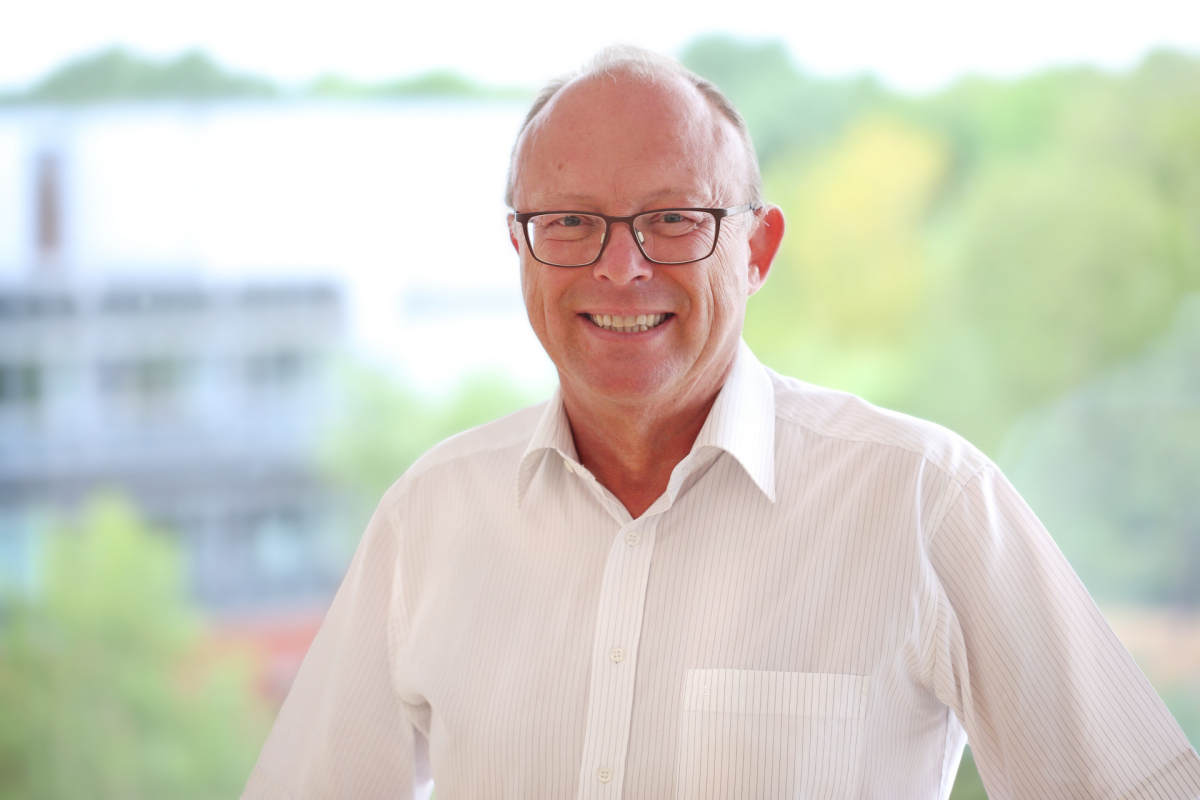
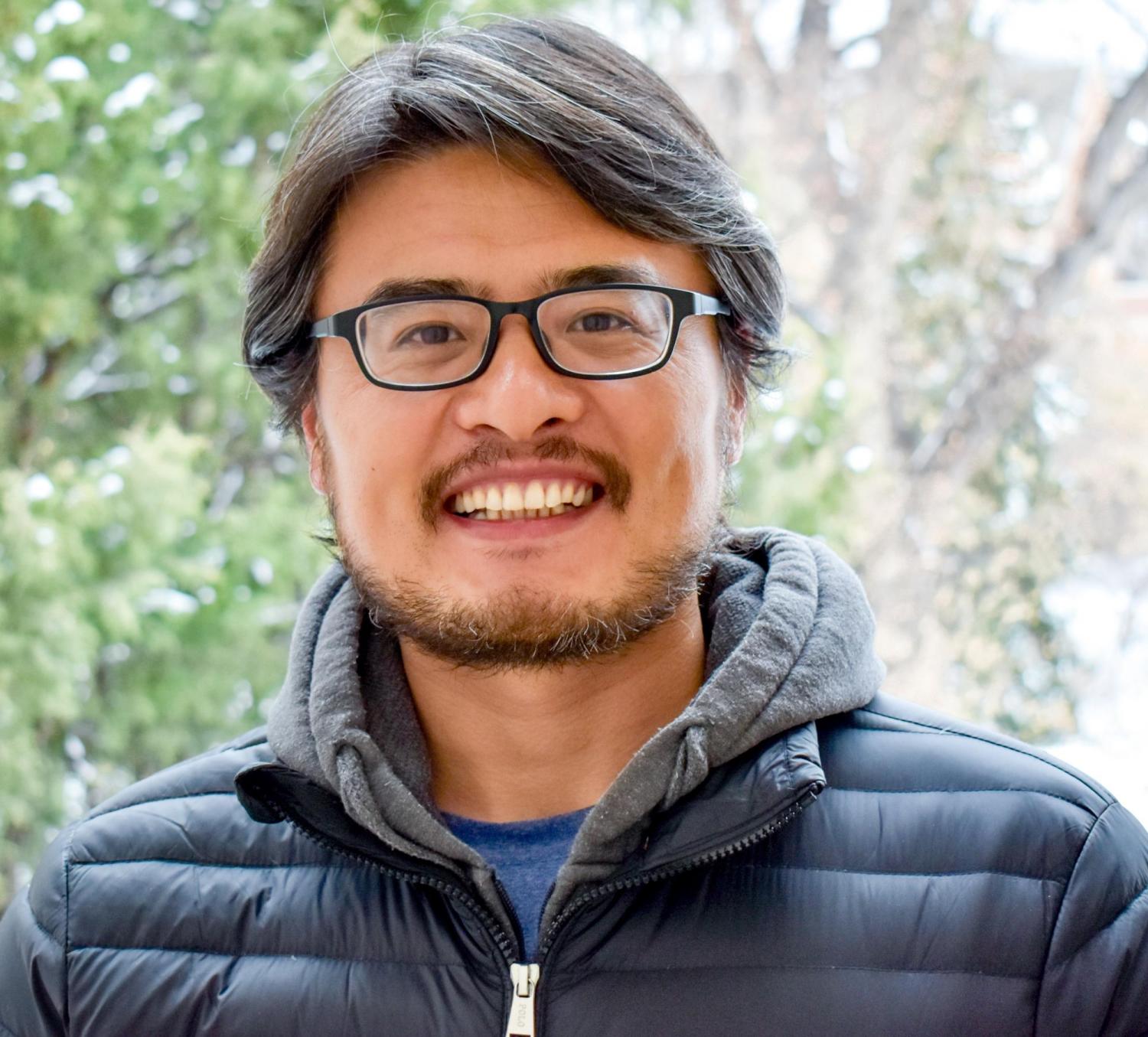
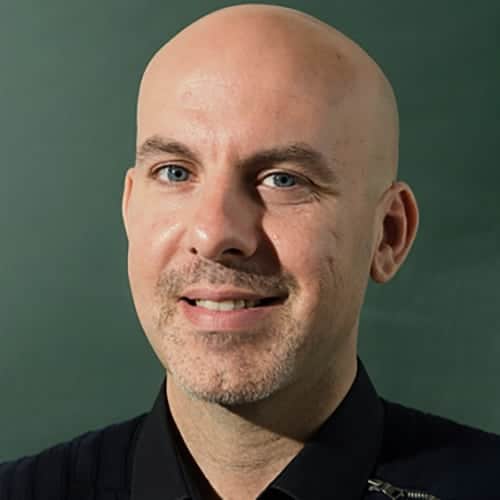
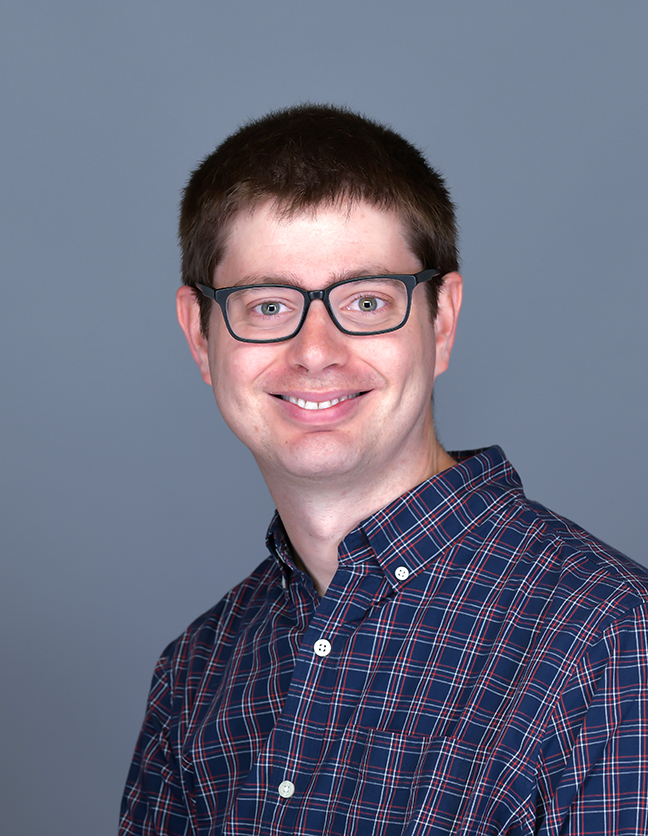
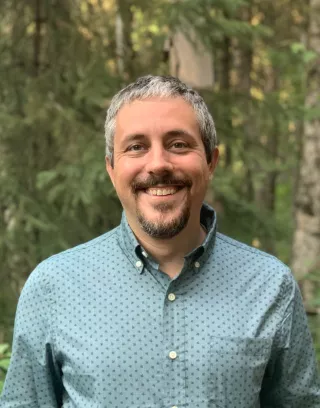
Prof. Dr. Rudolf Amann serves as Managing Director at the Max Planck Institute for Marine Microbiology in Bremen, Germany, and leads the Department of Molecular Ecology. His work pioneers molecular methods for studying marine microorganisms, with a focus on fluorescence in situ hybridization (FISH) to identify and quantify microbial cells. Managing Director, Max Planck Institute for Marine Microbiology (since 2018) Department Head, Molecular Ecology Research Center, Bremen, Germany Research Interests: Marine microbial diversity and ecology Carbon cycle dynamics in coastal and deep-sea environments Phytoplankton-bacterioplankton interactions Microbial taxonomy and phylogenetics Single-cell identification techniques (FISH, CARD-FISH) Integration of metagenomics and proteomics Publication Trends: Recent work focuses on microbial interactions in extreme environments (hydrothermal vents, Arctic waters), carbohydrate cycling in oceanic systems, and ecological differentiation of bacterial populations through advanced imaging and omics technologies. Contact: ramann@mpi-bremen.de
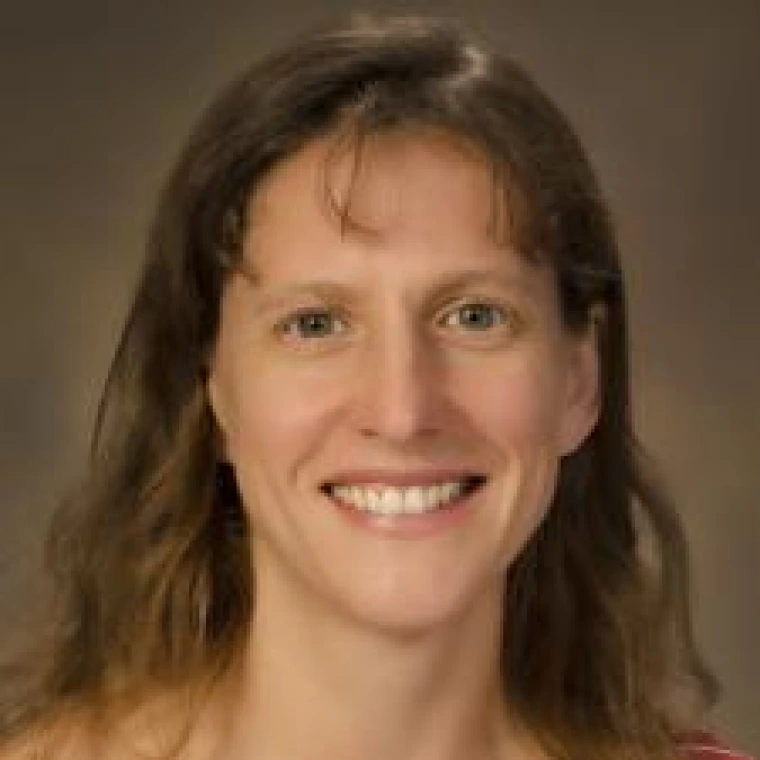
Kathy Fontaine serves as Senior Lecturer in Information Technology and Web Science at Rensselaer Polytechnic Institute and Program Manager for the RPI-IBM AI Research Collaboration. She joined RPI in 2014 after 25 years at NASA Goddard Space Flight Center where she developed international data access policies through CEOS WGISS, GEO, and USGEO. Her educational background includes: B.S. in Physics with Astrophysics Option from New Mexico Institute of Mining and Technology (1984) M.A. in Science, Technology and Public Policy from The George Washington University (2002) Ph.D. in Public Policy and Public Administration from Walden University (2013) Dr. Fontaine's research integrates data science policy with ethical frameworks, focusing on international data sharing cultures and volunteer organization dynamics. She develops courses like Big Data Policy and Ethical Informatics that address data scientists' societal responsibilities. Her work examines how policy implementations affect global earth observation systems and research data ecosystems, with particular attention to cross-cultural collaboration challenges in scientific consortia. Analysis of her publications reveals strong interdisciplinary connections between earth sciences and computer science, with emerging trends in data dexterity training, knowledge graph applications for social equity, and mineral inventory data legacies. Her research increasingly bridges technical data infrastructure with ethical considerations in data sharing. Dr. Fontaine actively contributes to scientific communities through the Earth Science Information Partners (ESIP), where she serves on GEO's Programme Board, and maintains affiliations with AGU, ACM Web Science, IEEE GRSS, and IEEE SSIT. Her current leadership in the RPI-IBM AI Research Collaboration extends her mission to develop responsible AI frameworks.
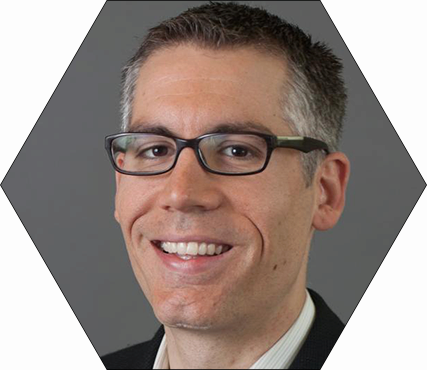
Associate Professor Nikolas Fokialakis is affiliated with the Department of Pharmacy at the National and Kapodistrian University of Athens, specifically within the Section of Pharmacognosy and Chemistry of Natural Products. His academic journey includes a PhD in Pharmacognosy, postdoctoral research at the USDA, and advanced degrees in Pharmacognosy and Pharmacy. His research focuses on natural products from plants, microorganisms, and marine organisms, with emphasis on anti-aging compounds, cosmeceuticals, and bioactive molecule discovery. Notable awards include the Arthur Neish Award (2010) and the ASP Award (2006). He holds editorial roles in international societies and has contributed to over 150 publications. His work integrates biotechnology for sustainable production of bioactive agents and explores microbial biodiversity for drug leads. Teaching responsibilities include courses in Pharmacognosy, Biotechnology, and Pharmaceutical Analysis. Education Highlights: PhD in Pharmacognosy (University of Athens, 2004) Postdoc at USDA Natural Products Lab Postgraduate Diploma in Pharmacognosy (2000) Pharmacy Degree (University of Athens, 1998) Research Interests: Isolation of bioactive small molecules from terrestrial and marine sources Anti-aging mechanisms targeting proteostasis Cosmeceutical development using microbial metabolites Phytochemical analysis of Mediterranean plants Publications Trends: Recent work emphasizes marine microbiota for anti-aging agents, pyrrolizidine alkaloid profiling, and sustainable bioengineering of microbes for industrial metabolites. Over 150 indexed articles demonstrate cross-disciplinary impact in natural products research. Awards: 2011-2019: Board Member, Society for Medicinal Plant Research ANR Research Committee (2015-2018) OECD Scholarship (2005-2006) Advising & Grants: Active in mentoring graduate students in natural products and biotechnology projects. Leads EU-funded initiatives on microbial diversity exploitation. Collaborates internationally on marine invertebrate chemistry and cosmeceutical development. Labs/Teams: Coordinates the Pharmacognosy and Natural Products Chemistry lab at University of Athens, focusing on metabolomics and bioactive compound discovery pipelines.
Roy Johnsen is a Professor in the Department of Mechanical and Industrial Engineering at the Norwegian University of Science and Technology (NTNU), specializing in corrosion and surface technology. With a Dr.ing. degree from NTH (1984), he has extensive industry experience from Statoil Research Centre (1985-1991) and CorrOcean (1991-2004), where he expanded the company globally. His current research focuses on hydrogen embrittlement, corrosion protection, and integrity management in offshore systems, with collaborations across Europe, Asia, and the Americas.
Heidi Brown is a Professor and Program Director at the University of Arizona , affiliated with multiple programs including the Mel and Enid Zuckerman College of Public Health, Entomology and Insect Science, Remote Sensing and Spatial Analysis, and the School of Geography and Development. PhD in Epidemiology of Microbial Diseases (Yale University) MPH in International Health Promotion (George Washington University) Postdoctoral experience at Oxford University (Zoology) and CDC (Bacterial Diseases Branch) Her research focuses on infectious disease epidemiology , emphasizing the spatial and temporal dynamics of diseases, vector-borne/zoonotic transmission, and environmental determinants of health. She integrates epidemiological and spatial analysis to address climate change impacts on disease patterns. Recent publications highlight her work linking climate variability to infectious diseases like Campylobacter, stakeholder engagement in climate adaptation, and dual hazard response strategies during the 2020 heat-COVID overlap. Her 2019 Fulbright in Brazil and 2023 sabbatical at Heidelberg Institute of Global Health underscore her international expertise. Scientific Awards: Fulbright (2019) She leads projects such as Adaptation Mal-Adaptation Assessment , Climate and Health Adaptation Monitoring Program (CHAMP) , and initiatives on heat health resilience. Her work bridges academic research with practical implementation for state and local health departments.
Hans Steenackers is an Associate Professor at the Faculty of Bioscience Engineering, KU Leuven, where he leads the MICA Lab within the Department of Microbial and Molecular Systems. His research focuses on innovative antimicrobial strategies targeting microbial communities, including socio-active, anti-resistance, and observation-guided approaches. Key research areas include biofilm dynamics antimicrobial resistance evolution in situ microbial monitoring Salmonella Typhimurium pathogenesis anti-virulence therapies His recent publications highlight advancements in biofilm inhibition, triggered antimicrobial release systems, and evolutionary robustness of probiotics. The majority of his work involves interdisciplinary collaborations, particularly in projects like TARDIS, ULTiMatE-MS, and MICROTUNe, with a focus on translating fundamental research into clinical applications. As an educator, he teaches advanced courses in microbial physiology, biofilm research, and applied biotechnology. The MICA Lab actively partners with academic and industrial stakeholders in initiatives such as the Flemish Scientific Research Network on Biofilms and the Bioclean H2020 project.
Dr. Craig R. Forest is a Professor at the Georgia Institute of Technology's Woodruff School of Mechanical Engineering, specializing in bioMEMS, neuroengineering, and high-throughput instrumentation. He leads the Precision Biosystems Laboratory, focusing on developing robotic tools for neuroscience and genomics. His research bridges mechanical engineering with biological systems, creating innovations like the PatcherBot for automated electrophysiology. Forest earned his Ph.D. (2007) and M.S. (2003) from MIT and B.S. (2001) from Georgia Tech. He has been recognized with awards including the 2013 Georgia Tech Class of 1940 W. Roane Beard Outstanding Teacher Award and Engineer of the Year (2013). His work emphasizes interdisciplinary collaboration, particularly through initiatives like CREATE-X and the Invention Studio, fostering student entrepreneurship and maker culture. Key contributions include ultra-high-throughput genomics tools, microfluidic systems, and acoustic reporter genes for medical imaging. Forest’s lab explores emerging fields like intracellular robotics in neuroscience and molecular communication networks, with applications in drug discovery and personalized medicine. Scientific awards highlight his impact in education and engineering innovation. His grants and collaborations span academic and industrial partnerships, advancing both theoretical and applied research in bioengineering and nanotechnology.
Hannah van Zanten is a Full Professor in Earth Systems and Global Change at Wageningen University & Research, specializing in sustainable food systems, regenerative agriculture, and biodiversity conservation. Her work emphasizes circular food systems, livestock production optimization, and environmental impact mitigation. She has received multiple awards, including the Storm-van der Chijs award (2015) and several Best Oral Presentation accolades at academic conferences. Her research spans topics like protein upcycling, soil biodiversity, and the environmental implications of livestock feed. She supervises PhD projects on regenerative agriculture, circular food transitions, and ecosystem services in South American grasslands. Recent projects include redesigning European food systems to enhance food security under climate change and modeling circularity impacts. Key research interests include: sustainable diets, land-use efficiency, and the integration of biodiversity conservation with agricultural practices. She has published extensively on topics like earthworm farming, circular protein systems, and the compatibility of animal-sourced foods with circular principles. Awards: 5 major prizes for academic contributions, including innovation in animal sciences and sustainability. Grants/Projects: Leading 19 active projects, including EU-funded initiatives on sustainable livestock and circular food system modeling. Labs/Teams: Collaborates with interdisciplinary teams on projects like SUSFANS (Sustainable Food Systems) and Re-Livestock (resilient livestock systems).
Prof. Dr. Sven Panke is a Full Professor and Head of the Department of Biosystems Science and Engineering at ETH Zürich. His research focuses on bioprocess engineering, synthetic biology, and enzymatic process development. Key areas include miniaturized bioreactor systems, microbial engineering for novel metabolite production, and high-throughput screening methodologies. Education: Studied Biotechnology at TU Braunschweig, with postgraduate research at the German National Research Center for Biotechnology and ETH Zurich. Transitioned from industry (DSM) to academia in 2001 as an Assistant Professor, progressing to Associate Professor (2007-2009) before leading the BSS department. Research interests emphasize directed evolution of enzymes, metabolic pathway engineering, and systems biology approaches to optimize microbial production systems. Current projects include bio-indigo synthesis, antimicrobial peptide discovery, and synthetic biology tools for cellular engineering. Labs/Teams: Leads the Bioprocess Engineering Lab at ETH Zurich, collaborating on projects like the E. coli import system design and γ-glutamyltransferase engineering. Active in developing microfluidics platforms for parallel reaction analysis. Grants/Advising: Funded by initiatives in sustainable biomanufacturing and synthetic biology. Supervises graduate students in bioprocess design and microbial systems engineering.
Guofeng Cao is an Associate Professor in the Department of Geography at the University of Colorado . His research integrates GIScience , GeoAI , geostatistics , and remote sensing to develop advanced methodologies for analyzing heterogeneous geospatial data and modeling complex spatiotemporal patterns. Focus areas: Uncertainty-aware geographic knowledge discovery, land cover/land use dynamics, spatiotemporal bias analysis, geospatial cyberinfrastructure development Applications: Natural hazards, environmental science, public health, global change studies Recent publications emphasize generative adversarial networks for climate downscaling, neural processes for uncertainty modeling, and fusion transformers for disaster assessment. His work combines deep learning with Bayesian inference to address scalability challenges in geospatial data processing. Scientific Recognition : NASA and USDA grants for spatiotemporal research Advising : Mentoring graduate students in geospatial data science Laboratory : Leads the STAR lab (Spatiotemporal Pattern Analysis & Research)
Alex Arenas is a Full Professor in the Department of Computer Engineering and Mathematics at Universitat Rovira i Virgili (URV), Tarragona, Spain. He is also an External Faculty member at the Complexity Science Hub in Vienna and Chief of Complex Systems Science at the Pacific Northwest National Laboratory, USA. His research spans complex systems, network science, computational epidemiology, and multilayer dynamics, with applications in public health, neuroscience, and social systems. Research Interests: His work focuses on the physics of multilayer networked systems, particularly the interplay between structure and function in complex networks. Key areas include synchronization, epidemic modeling, network medicine, the physics of the microbiome, and higher-order interactions in spreading processes. He investigates dynamic transitions using functional multilayer frameworks and develops models for real-world systems like urban mobility and misinformation diffusion. The recent articles highlight a strong trend in computational epidemiology, especially post-COVID modeling of vaccination strategies, rebound dynamics, and wastewater surveillance. There is also significant work on synchronization in oscillator networks, chimera states, and higher-order network effects, reflecting a deep engagement with nonlinear dynamics and theoretical network science. Applications span medicine, urban planning, and social systems. Scientific Awards: Fellow, American Physical Society (2018) Fellow, Network Science Society (2020) ICREA Academia (2011, 2017, 2022) Narcís Monturiol Medal (2022) Web Science Trust Test of Time Award (2024) Complex Systems Society Senior Award (2024) Advising and Grants: Arenas has supervised numerous PhD students and postdoctoral researchers, though specific names are not listed. He has been Principal Investigator on 47 research projects, including EU FP7 projects, a James S. McDonnell Foundation grant, and Horizon Europe's CREXDATA project. He has served as an editor for Physical Review E , Journal of Complex Networks , and Network Neuroscience , and has reviewed for major funding agencies including ERC, MINECO, and international bodies. Labs and Teams: He leads the Alephsys Lab at URV, which develops tools like Radatools for network analysis and community detection. His team focuses on interdisciplinary modeling of real-world complex systems using data-driven and theoretical approaches.
Dr. Michael Philben is an Associate Professor of Chemistry and Geological and Environmental Science at Hope College, where he joined in 2019 after postdoctoral positions at Memorial University (Canada) and Oak Ridge National Laboratory. His research focuses on climate-carbon cycle feedbacks in vulnerable ecosystems, particularly peatlands and Arctic tundra. His educational background includes a Ph.D. in Marine Science from the University of South Carolina (2014) and a B.A. in Earth and Planetary Science from Northwestern University (2010). At Hope College, he teaches Environmental Science courses and contributes to the Day1: Watershed program. Philben's research centers on carbon and nitrogen cycling in ecosystems containing vast organic carbon stocks. He leads an NSF CAREER-funded project investigating Michigan peat bogs as natural laboratories for climate change impacts, using a north-south transect from Portage to Newberry as a 'space-for-time' experiment. His work examines methane emissions, nitrogen availability, and net carbon balance under warming conditions, with particular attention to Sphagnum-dominated peatlands at the southern edge of their climate range. His 15 most recent publications (2020-2024) reveal a strong focus on peatland biogeochemistry, with increasing emphasis on methane dynamics, nitrogen cycling, and the role of specific biochemical compounds like sphagnan. The research combines field measurements across climate gradients with laboratory experiments, often involving Hope College students in all project phases. NSF CAREER Award for peatland climate research Philben actively mentors undergraduate researchers through the Philben Research Group, which investigates how warming impacts carbon cycling in peatlands. His projects involve interdisciplinary work spanning analytical chemistry, geology, and ecology. The group maintains a network of seven Michigan peat bog field sites and collaborates on international research, including Arctic studies in Alaska and Canada. His laboratory focuses on using analytical chemistry tools to predict climate-carbon cycle feedbacks, with particular attention to southern Michigan peatlands as sentinels for larger northern peatland complexes. The research group employs techniques including greenhouse gas flux measurements, radiometric dating of peat cores, and analysis of organic matter composition.
Dr. Jonathan Cale is an Assistant Professor in the Department of Forest Ecology and Management at the University of Northern British Columbia, affiliated with the NRES Graduate Program. His research program merges basic and applied approaches to investigate fungal ecology and forest pathology, focusing on how fungus-tree interactions influence forest health challenges. Specializes in forest fungi roles across disturbance stages: development, impact, and recovery Key interests: emerging forest diseases, climate change impacts on fungi, bark beetle-fungus interactions, chemical defense mechanisms Supervises graduate students in Biology and Forestry (MSc NRES) and serves as a media-contactable expert in Forest Pathology His recent publications address topics such as fungal community dynamics in disturbed forests, chemical defense responses in pines, and bark beetle-fungus coevolutionary mechanisms. No scientific awards are mentioned in the provided text.
Pixu Shi is an Assistant Professor in the Department of Biostatistics and Bioinformatics at Duke University's School of Medicine. Previously, they served as a Visiting Assistant Professor in the Department of Statistics at the University of Wisconsin-Madison (2018-2020) and as a Postdoctoral Researcher in the Department of Biostatistics at the University of Wisconsin-Madison (2016-2018). Dr. Shi earned their PhD in Biostatistics from the University of Pennsylvania in 2016 under advisor Hongzhe Li. They also hold an MS in Biostatistics from the University of Pennsylvania (2015), an MS in Statistics from Rutgers University (2012), and a BS in Statistics from Peking University (2010). Dr. Shi's research focuses on developing statistical methods for Microbiome Research, Longitudinal/Temporal Omic Data analysis, Integration of Omic Data, Spatial Omics, and High-dimensional Statistical Inference. Their work bridges statistical theory with practical applications in biomedical research, particularly in microbiome studies where they've made significant contributions with the TEMPTED (TEMPoral TEnsor Decomposition) method. The article trends show a strong focus on microbiome analysis, statistical methodology development, and applications in obesity, infectious disease, and cancer research. Their most recent work (2024-2025) demonstrates expertise in tensor decomposition methods, longitudinal data analysis, and integrating microbiome data with clinical outcomes across diverse areas including adolescent obesity, viral infections, and cancer metastases. Dr. Shi has secured multiple substantial research grants from major institutions including the National Institutes of Health (NIMH, NIAID, NCI, NIDDK, NIA), totaling over a decade of continuous funding for projects related to microbiome research, HIV/AIDS, cancer biomarkers, and metabolic studies. They actively contribute to education through teaching courses such as BIOSTAT 905: Linear Models and Inference at Duke University and previously taught statistics courses at the University of Wisconsin-Madison. Dr. Shi has also organized specialized workshop series including Quantitative Methods for HIV/AIDS, Microbiome, Immunology, and Cancer Bioinformatics.
Prof. Vera Meyer is a Professor in the Department of Applied and Molecular Microbiology at Technische Universität Berlin’s Faculty III - Process Sciences. Her research focuses on optimizing fungal production systems for bioactive compounds, antifungal agents, and secondary metabolites. She leads projects such as the MY-CO SPACE exhibition, exploring fungal-based materials in architecture and sustainability. Notable contributions include work on Aspergillus niger morphology, pyomelanin synthesis for radiation shielding, and co-authoring over 150 publications. Meyer holds patents on fungal biosynthetic processes and collaborates internationally on interdisciplinary bioeconomy initiatives. Contact: vera.meyer@tu-berlin.de . Education details are not explicitly listed, but her career includes leadership roles in TU Berlin’s biotechnology programs and UniCat collaborations. Research emphasizes systems biology approaches to microbial engineering, combining microbiology, mathematics, and engineering for predictive models of cellular processes. Recent projects include the MY-CO SPACE exhibition at Bundeskunsthalle Bonn (2025-2026), showcasing fungal-based construction materials.