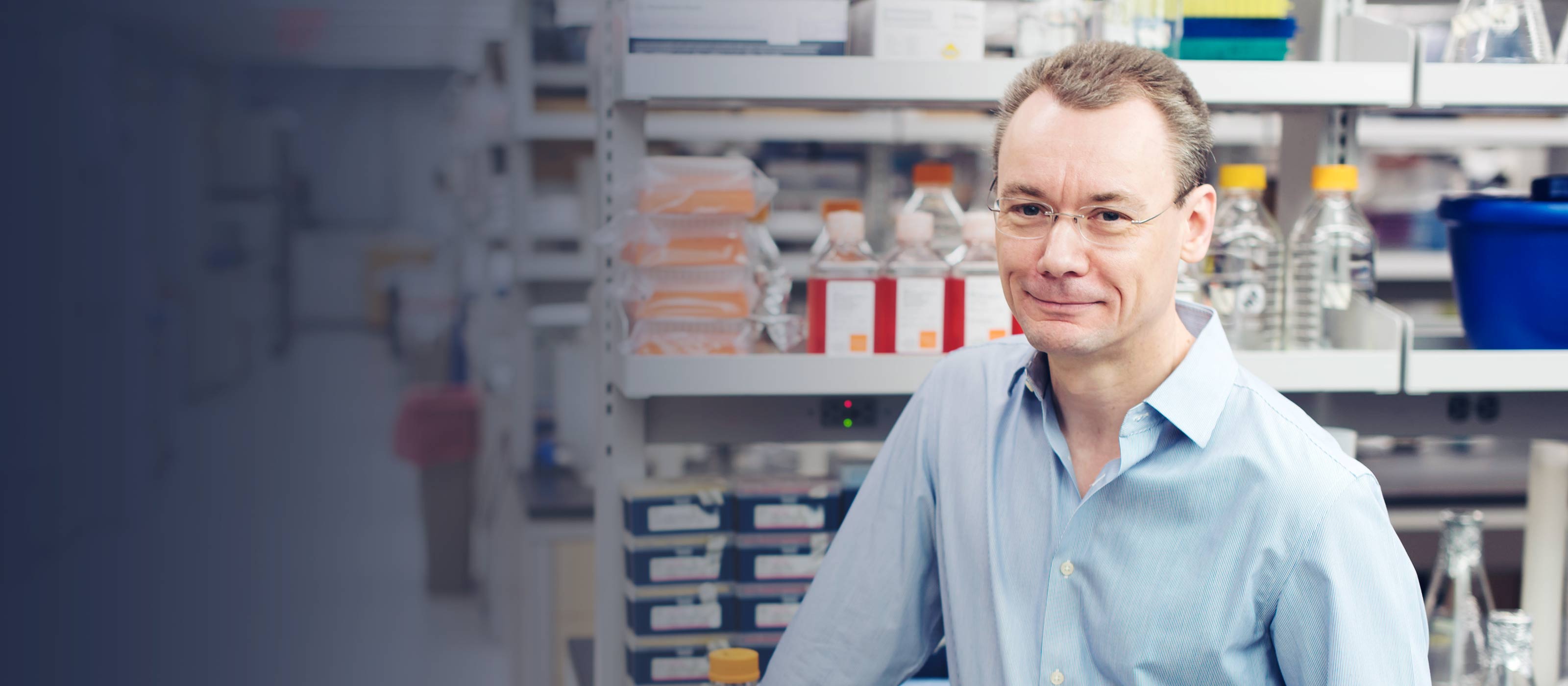
Marco Ventura is a Full Professor in the Department of Life Sciences at the University of Parma, Italy. His career spans roles from microbiologist at Catholic University and Nestlé Research Center to leading academic positions focused on probiotic bacteria and human gut microbiota. He serves on editorial boards for journals like Applied and Environmental Microbiology and Frontiers in Microbiology . Research Interests include: Genomics and postgenomics of probiotic bacteria Microbial biodiversity in the human intestine Genetics of bacteriophages Stress response mechanisms in bifidobacteria Evolutionary adaptation of probiotic strains Scientific Awards : Agostino Gemelli Award (1997) for top graduate in Agriculture FEMS Invited Speaker Meeting Grant (2012) Grants & Projects : Coordinated or led over €2.2 million in research funding from EU, MIUR, and private sponsors like Parmalat and Alimentary Health. Key projects focus on bifidobacterial genomics, probiotic isolation, and infant gut microbiota.
Sara K. Lindén is a Professor at the Department of Medical Biochemistry and Cell Biology, University of Gothenburg. Her research spans multiple biological systems, focusing on mucin biochemistry, host-pathogen interactions, and glycosylation patterns across human respiratory and gastrointestinal systems, as well as fish mucosal surfaces. Key methodologies include mass spectrometry, histochemical staining, and in vitro infection models. University of Gothenburg, Department of Medical Biochemistry and Cell Biology Research Interests: Mucin structure and function in host defense Glycosylation patterns in human and fish mucosal tissues Pathogen binding mechanisms (Helicobacter pylori, Aeromonas salmonicida, Brachyspira hyodysenteriae) Impact of smoking and inflammation on airway mucin composition Quorum sensing inhibition by host mucins Article Trends: Recent work emphasizes comparative mucin biology across species (human, pig, fish), with applications in infectious disease prevention, COPD pathology, and aquaculture health management. Studies integrate glycomics, proteomics, and functional assays to elucidate molecular interactions. Collaborations: Active in interdisciplinary research involving immunology, microbiology, and veterinary science. Collaborators include teams studying respiratory diseases (COPD), fish pathogens (Aeromonas, Moraxella), and porcine dysentery.
Matthew Welch is Professor and Frances H. Williams Chair in Biological Sciences within the Department of Molecular and Cell Biology at the University of California, Berkeley, where he also serves as Department Co-Chair. His research program investigates how microbial pathogens target host cellular machinery to uncover both disease mechanisms and fundamental biological processes. Welch's laboratory specializes in host-pathogen interactions with particular focus on actin cytoskeleton dynamics and membrane manipulation. His team studies diverse pathogens including Rickettsia, Burkholderia, Mycobacterium species, and baculovirus to understand how they exploit host signaling, cytoskeletal organization, and membrane trafficking during infection. Current projects examine pathogen-induced cell-cell fusion, phagosome escape mechanisms, and development of anti-trypanosomal drugs targeting cytoskeletal motor proteins. This work reveals critical insights into infectious disease while simultaneously illuminating poorly understood cellular processes in uninfected cells. Analysis of Welch's recent publications (2015-2022) shows consistent emphasis on pathogen exploitation of host cytoskeletal and membrane systems. His research demonstrates how pathogens serve as precision tools to uncover universal cellular mechanisms, with significant contributions to understanding autophagy evasion, actin-based motility, and membrane remodeling. Publications appear in high-impact journals including Nature Communications, Science Advances, and Molecular Biology of the Cell. Professional recognition includes: MTI Innovator Award (2025) AAAS Fellow (2023) As leader of the Welch Lab, he directs multidisciplinary research integrating chemical biology, molecular biology, and cell biology approaches to address fundamental questions in infectious disease. His work bridges basic cellular mechanisms with therapeutic development for neglected tropical diseases.
Professor Seang Mei Saw at the National University of Singapore is a leading expert in myopia epidemiology and genetics. Holding a primary appointment at Duke-NUS Medical School and joint affiliations with the Saw Swee Hock School of Public Health and Yong Loo Lin School of Medicine, she pioneered large-scale cohort studies like SCORM and STARS to understand childhood myopia. Her innovations include a fitness tracker for myopia prevention and a contact lens to slow progression. Education : MBBS (1988, NUS), MPH (1995, Johns Hopkins), PhD (1998, Johns Hopkins) Research interests span: Epidemiology of chronic eye diseases Genetic determinants of myopia Public health interventions for vision loss Environmental risk factors in ocular development Translational ophthalmic research Publication trends highlight her focus on myopia genetics (2013), pediatric epidemiology (2001-2006), and clinical interventions. Collaborative work with international consortia (CREAM, DCCT/EDIC) underscores her interdisciplinary approach. 2024 Asia Women Tech Leaders Award 2023 World’s Top 100 Ophthalmologists 2022 National Day Long Service Medal 2019 President’s Science Award (Team) 2014-2024 multiple OPO Awards As Vice-Dean (Research) and Co-Chair of NMRC Grant Review Panel, she has mentored numerous research initiatives. Her leadership of the Myopia Unit at Singapore Eye Research Institute drives translational projects with high public health impact.
Associate Professor Natalie Borg is a faculty member in the Department of Health and Biomedical Sciences at RMIT University , Australia. She leads the Immunity and Immune Evasion Laboratory and holds the title of RMIT Senior Research Translation Fellow . Her research focuses on innate immunity and how pathogens manipulate immune responses. This work drives antimicrobial drug discovery programs and investigates nanostructured surface applications for viral inactivation. Scientific Awards NHMRC Peter Doherty Fellowship NHMRC Career Development Award L'Oreal for Women in Science Fellowship ARC Future Fellowship Her research programs have secured $3.65 million in competitive national funding from ARC, NHMRC, and the US Leukemia and Lymphoma Society, alongside $1.16 million in translational grants supporting multidisciplinary collaborations and a technology licensing agreement.
Stephen Saville is an Associate Professor in the Department of Molecular Microbiology and Immunology at the University of Texas at San Antonio (UTSA), College of Sciences. His research focuses on the genetic regulation of Candida albicans cell shape and its role in fungal virulence. He leads the Saville Lab, where his team studies how morphological transitions contribute to pathogenesis in both mucosal and disseminated infections. Ph.D. in Molecular Genetics, University of Leicester B.Sc. in Applied Sciences, University of Wolverhampton Dr. Saville's research interests center on fungal pathogenesis , particularly the molecular mechanisms driving C. albicans hyphal formation and biofilm development. His lab investigates gene expression changes during the commensal-to-pathogen switch, constructs mutant strains, and tests their virulence in infection models. This work is critical for developing novel antifungal therapies that target virulence rather than viability. The recent publications highlight a consistent focus on filamentation inhibition , biofilm disruption , and host-pathogen interactions . His work spans molecular genetics, transcriptomics, and phenotypic screening, aiming to identify new therapeutic targets against life-threatening fungal infections. Keywords across his research include morphogenetic regulation, stress response, and antifungal drug development. Dr. Saville has collaborated extensively with prominent researchers such as J.L. Lopez-Ribot and has contributed to numerous reviews and original studies in high-impact journals. While no formal awards are listed, his sustained publication record and active lab indicate significant scientific impact. His lab currently includes undergraduate researchers, suggesting an active mentoring role. The Saville Lab employs both in vitro and in vivo models to assess pathogenic potential, focusing on disseminated and mucosal candidiasis. The team uses genetic manipulation, high-content screening, and transcriptomic analysis to uncover key regulatory pathways in C. albicans .
Luan D. Vu, Ph.D., is an Assistant Professor in the Department of Molecular Microbiology and Immunology at the University of Texas at San Antonio (UTSA), within the College of Sciences. His research focuses on viral immunopathogenesis, particularly how early-life viral infections such as RSV and SARS-CoV-2 impact long-term respiratory immunity in infants and pregnant women. Dr. Vu earned his Ph.D. in Medical Sciences from the University of Sydney, with a specialization in viral immunopathogenesis. His educational journey was supported by prestigious scholarships including the Australian Awards Scholarship, Japanese MEXT Scholarship, and JSPS Fellowships. His research interests center on: Early-life immune development and long-term consequences of viral infection Maternal-fetal immunity during respiratory infections Epigenetic reprogramming of innate immune cells (e.g., ILC2s) Trained immunity in infant immune responses Transplacental antibody transfer and environmental impacts (e.g., PM2.5) Development of novel diagnostics for respiratory viruses Dr. Vu's recent publications reveal a strong trend in understanding immune mechanisms in RSV and COVID-19, utilizing multi-omics, machine learning, and advanced imaging. His work bridges basic science with clinical translation, focusing on biomarker discovery, disease severity prediction, and therapeutic development. Key themes include the role of IL-1β, IL-33, and ST2 signaling in immunopathology, and the application of biosensors for rapid antigen detection. Honors and awards include: Parker B. Francis Fellowship in Pulmonary Research (2024–2027) Leveraging Innovation for Technology Transfer (LIFT2) Grant Australian Awards Scholarship Young Investigator Award from the International Network of Pasteur Institutions Recognition as a Notable Young Investigator by NIH Multiple journal highlights in AJRCCM and Experimental Biology and Medicine Dr. Vu actively mentors the next generation of scientists. He advises graduate students and postdoctoral fellows, fostering a collaborative lab environment focused on discovery and innovation. His lab has received multi-institutional collaborative grants, including support from LSU and UTSA, and he has been involved in technology transfer initiatives. He leads research projects on trained immunity, nanobody development, and organoid models of human nasal epithelium. His laboratory is equipped with state-of-the-art tools including the Cytek Aurora spectral flow cytometer, 10x Genomics Single-Cell System, Element Biosciences AVITI sequencer, and Nanostring Digital Spatial Profiler, enabling high-resolution immune profiling and spatial transcriptomics.
Dr. Cheryl Newman is a Professor in the Department of Medicine at the Medical College of Georgia (MCG), specializing in Infectious Diseases. She holds a clinical and academic appointment at MCG, where she contributes to patient care, medical education, and research. Her work is centered on HIV management and fungal infections, particularly Candida -related urinary tract infections. Research Interests: Dr. Newman's research spans HIV pathogenesis, immune activation, long-acting antiretroviral therapies, and the epidemiology, diagnosis, and pathogenesis of fungal infections. Her recent work explores the role of indoleamine 2,3-dioxygenase in immune dysregulation among aging HIV patients and the transition to injectable HIV regimens. She has published extensively on Candida urinary tract infections, covering clinical, diagnostic, and epidemiological aspects. Publication Trends: Her selected publications from 2011 to 2022 show a focused trajectory in chronic infectious disease management, particularly HIV and fungal infections. The articles reflect a blend of clinical research, translational immunology, and public health perspectives, with increasing emphasis on treatment innovation and host immune responses. Gold Humanism in Medicine Award (2015) Inducted into Gold Humanism in Medicine Honor Society (2015) America’s Top Physicians Award (2014) Exemplary Teaching Award (2014) Family Choice Award (2014) Best Doctors in America Award (2013) Advising and Grants: While no formal advisees or grant funding are listed in the provided text, Dr. Newman actively teaches medical students in the course RINF 5000 (Infectious Disease) and is engaged in scholarly dissemination through peer-reviewed publications. Her professional service includes active membership in major medical societies, indicating leadership and contribution to the broader medical community. Labs and Teams: Although specific research labs or teams are not mentioned, her work likely involves collaboration with the Division of Infectious Diseases at MCG, clinical research networks, and microbiology/immunology laboratories supporting HIV and fungal infection studies.
Paul F. Morris is a Professor in the Department of Biological Sciences at Bowling Green State University's College of Arts and Sciences. He holds a Ph.D. from Queen's University, Canada, and leads the Morris Lab, which focuses on oomycete genomics and polyamine metabolism in plants. His current research targets biocontrol solutions for Pythium pathogens threatening hydroponic agriculture, supported by an NSF Phase STTR award. Dr. Morris maintains active collaborations with plant pathology researchers in China and participates in the Oomycete Molecular Genetics Network. His research interests center on: Mechanisms of polyamine transport and biosynthesis in plant stress responses Genomic strategies of plant pathogens like Phytophthora capsici Development of bacterial biocontrol agents against oomycete pathogens Spatial organization of metabolic pathways in plants Analysis of his recent publications shows a strong focus on plant-pathogen interactions, enzymatic mechanisms in oomycetes, and polyamine metabolism. His work frequently employs molecular genetics, structural biology, and biochemical approaches to address fundamental questions in plant stress responses and pathogen virulence. Dr. Morris actively mentors graduate students, with advisees including Sheaza Ahmed (Ph.D.), Menaka Ariyaratne (Shanklin Award winner), and Nilanjana Chakrabarti. He secured significant funding through an NSF STTR grant for developing sustainable agricultural solutions. His outreach includes directing Kids' Tech University, a science education program for children aged 9-12 that has operated for seven years at BGSU.
Dr. Gareth Robinson serves as Associate Director of Planning and Partnerships within the Department of Applied Sciences at the University of the West of England's Faculty of Health and Applied Sciences. Holding a PhD and FHEA (Fellow of the Higher Education Academy), he maintains an active research profile while fulfilling administrative responsibilities. His dual role bridges academic research and institutional planning within the university's health sciences framework. Dr. Robinson's research program centers on bacterial bioluminescence applications, with particular expertise in genetic modification of human pathogens using plasmid-borne bacterial lux genes. His work has established innovative methodologies for monitoring antibiotic efficacy, conducting transcytosis and invasion assays with human cell lines, and evaluating novel biocide technologies including non-thermal plasma and aerosol delivery systems. Specializes in developing bioluminescent reporter strains as whole-cell bioreporters Focuses on real-time monitoring of antimicrobial activity in situ Investigates leukemia treatment resistance mechanisms using bioluminescent biosensors Contributes to water safety research through biofiltration studies His publication record demonstrates consistent scholarly output from 2009 through 2025, with recent work expanding into avian influenza impacts on animal populations and advanced leukemia research. Dr. Robinson's interdisciplinary approach bridges microbiology, oncology, and environmental science, particularly through his development of bioluminescent biosensors for real-time monitoring applications. His collaborative work appears across multiple journals and conference presentations, reflecting engagement with both clinical and environmental microbiology communities. While specific awards aren't documented in the available information, Dr. Robinson's research has generated substantial scholarly output with practical applications in healthcare disinfection, antimicrobial testing, and cancer treatment research. His work on electrochemically activated solutions and nonthermal plasma technologies represents significant contributions to biocide development and evaluation methodologies. Dr. Robinson's research program demonstrates strong connections between laboratory science and practical applications, particularly in developing rapid detection methods for biocide efficacy and investigating mechanisms of chemotherapy resistance in leukemia. His work with bioluminescent reporter strains provides valuable tools for real-time monitoring in both clinical and environmental contexts. The Department of Applied Sciences at UWE Bristol serves as the institutional home for his multifaceted research program that spans medical microbiology, biocidal technologies, and cancer research applications.
Dr. C James Sung is a Professor of Pathology and Laboratory Medicine at Brown University . He specializes in gynecological pathology , breast pathology , and cytopathology , with a focus on tumor pathology and diagnostic applications like the Pap smear . Research Highlights: Investigates HPV-related lesions and gynecological cancers . Explores histological grading and molecular markers in breast and endometrial cancers. Contributes to cytology testing standards and diagnostic accuracy studies. Recent Publications analyze trends in K-ras mutations , mucinous differentiation , and HPV testing across various female cancers, emphasizing tumor biology and diagnostic innovation. Teaching Initiatives include a Chinese Medical Elective for medical students, focusing on Mandarin language skills for clinical communication with Chinese-speaking patients.
Andrew J. Darwin is a Professor in the Department of Microbiology at NYU Langone Health. His research focuses on bacterial pathogenesis, particularly the role of proteases and stress response systems in Pseudomonas aeruginosa and Yersinia enterocolitica . His work explores cell envelope dynamics, proteolytic regulation, and bacterial virulence mechanisms. Academic Rank: Professor University: NYU Langone Health Email: andrew.darwin@nyulangone.org Dr. Darwin's research investigates protease activation mechanisms, such as CtpA hexameric assembly in Pseudomonas aeruginosa , and stress responses like the Psp system in Yersinia enterocolitica . He examines how proteases regulate cell wall homeostasis, mucoidy, and antibiotic resistance, as well as the interplay between secretion systems and bacterial survival during infections. Recent publications highlight protease-regulated cell envelope stress responses, including novel activation mechanisms for CtpA protease (2024) and inhibitor systems for lytic transglycosylases (2023). His work spans structural biology, enzymology, and bacterial physiology, with a focus on chronic infection models and virulence strategies.
Joseph J. Mattapallil is a Professor in the Department of Microbiology and Immunology at the F. Edward Hébert School of Medicine, Uniformed Services University. His career spans over two decades at the same institution, rising from Assistant Professor (2007–2012) to Associate Professor (2013–2020) and currently Professor (2020–present). Education: Ph.D., Immunology, University of California Davis (1997) M.S., Animal Science, University of California Davis (1994) B.V.Sc, Veterinary Medicine, College of Veterinary Medicine, APAU, India (1986) PMP® Certification, Project Management Institute (2017) Dr. Mattapallil’s research focuses on viral pathogenesis , animal models for emerging viruses , and anti-viral vaccines . He investigates host immune responses , mucosal pathogens , and immunological mechanisms in HIV/SIV infections. His work bridges microbiology , immunology , and translational virology . His publications reflect trends in emerging viruses (e.g., Zika, Dengue, SIV), vaccine development , and immune dynamics . He has contributed to understanding cross-neutralization , antibody-dependent enhancement , and microbiome-HIV interactions . Scientific Awards: Dean's Fellow, Uniformed Services University (2021) Dean's Annual Faculty Teaching Award (2019) Dean's Faculty Impact Award (2017, 2018) Dr. Mattapallil serves as Module Co-Director for 'Bench to Bedside and Beyond' (2016–present) and Director of Graduate Molecular Virology (2008–present). He has also held roles on NIH review panels (2006–2022) and as an Academic Editor for journals like Plos One and Journal of Clinical Medicine .
Sylvia Franke McDevitt serves as Associate Professor in the Biology Department at Skidmore College, Saratoga Springs, NY, where she conducts research on microbial metal homeostasis and teaches courses including Microbial Genetics, General Microbiology, Microbes in Society, and Bacterial Pathogens. Education: B.S. in Biology, Martin-Luther-University Halle, Germany (1996) M.S. in Microbiology, Martin-Luther-University Halle, Germany (1999) Ph.D. in Microbiology/Molecular Biology, Martin-Luther-University Halle, Germany (2002) Postdoctoral Associate, Martin-Luther-University Halle (2002-2003) Postdoctoral Associate, University of Arizona (2003-2006) Her research centers on bacterial regulation of essential transition metals (copper, zinc, iron) and resistance to toxic metals (silver). She investigates copper/silver resistance mechanisms in Escherichia coli involving periplasmic export systems, and examines zinc's role in Salmonella typhimurium pathogenicity through macrophage infection studies. This work addresses critical questions about bacterial adaptation to metal stress and implications for combating antibiotic-resistant pathogens using biocides like silver. Analysis of her 2004-2007 publications reveals consistent focus on metal transport systems, particularly cation diffusion facilitators and copper resistance proteins. Her work bridges microbiology, molecular biology, and biochemistry, with recurring themes in metal-dependent pathogenesis, biocide resistance mechanisms, and evolutionary adaptation of transport systems across bacterial species. Scientific Awards: No awards mentioned in source text Advising and grants: The provided materials list no graduate students, postdoctoral researchers, or specific grant funding sources. Her research appears conducted within institutional academic frameworks without mention of external funding. Laboratory and team structure is not described in the source text, though her publications indicate collaborative work with researchers including C. Rensing, G. Grass, and others on metal transport projects.
Marte Lie Høivik is a Professor at the University of Oslo's Institute of Clinical Medicine, Department of Gastroenterology and Hepatology. She serves as Senior Consultant and Head of the IBD Unit at Oslo University Hospital, leading the IBD research group and directing the IBSEN III study. Her research focuses on clinical and registry-based epidemiology in inflammatory bowel disease (IBD), with emphasis on clinical effectiveness, quality studies, prognostic research, and biomarker identification. Her work leverages large population-based cohorts like IBSEN to investigate disease course, treatment outcomes, and quality-of-life impacts. Recent publications reveal strong trends in risk prediction modeling, microbiome analysis, therapeutic drug monitoring, and real-world treatment effectiveness. Her team frequently examines understudied aspects like fatigue in remission, dietary impacts, and sex/gender differences in IBD outcomes using longitudinal cohort designs. Høivik actively supervises research within the IBSEN III cohort and collaborates extensively across Nordic countries on IBD epidemiology. Her team has published over 30 papers since 2021 in high-impact journals including Nature , Gastroenterology , and The Lancet Gastroenterology & Hepatology . She leads multiple research projects including the IBSEN III cohort study and NORDTREAT, with current funding supporting investigations into biomarkers, treatment strategies, and long-term disease outcomes in inflammatory bowel disease.