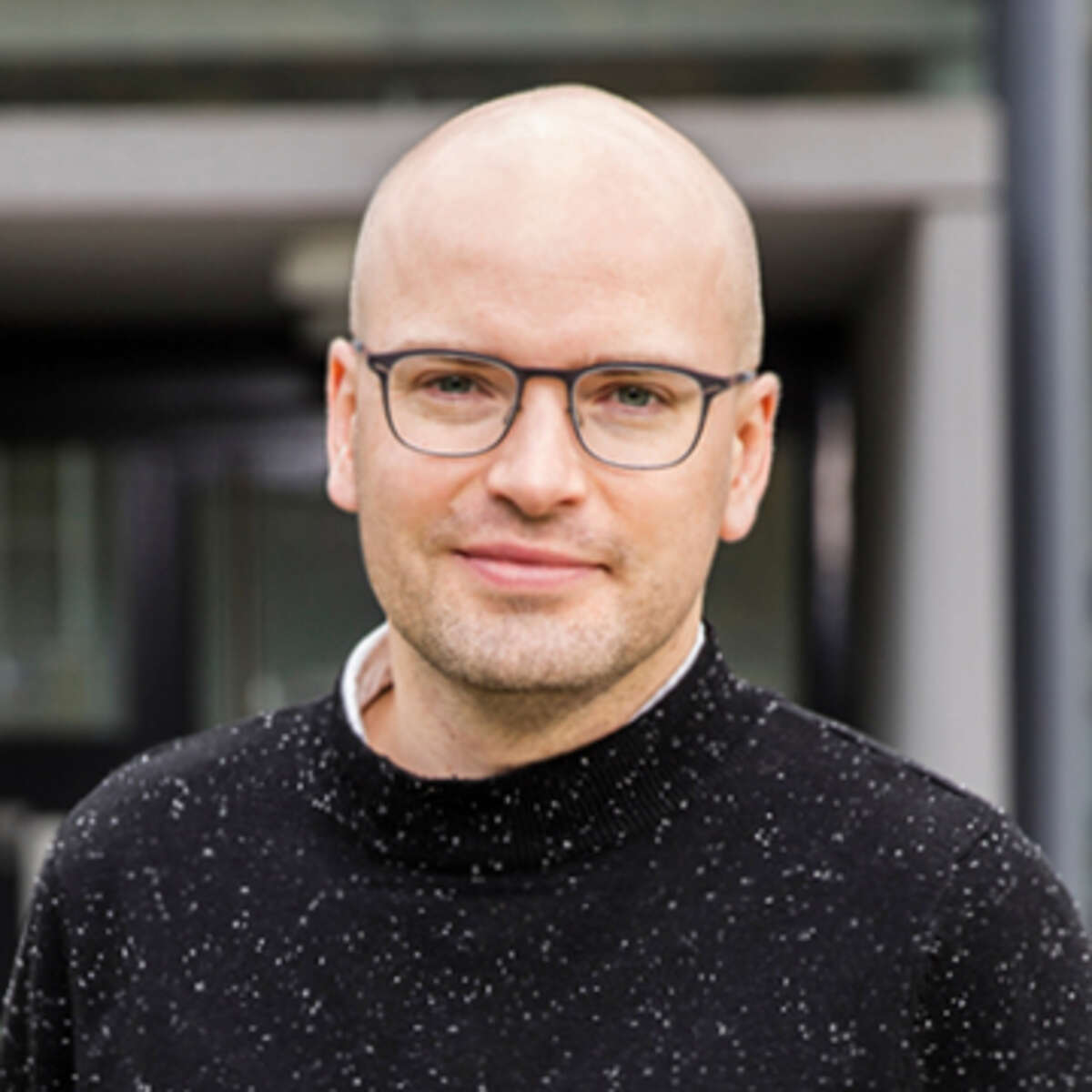
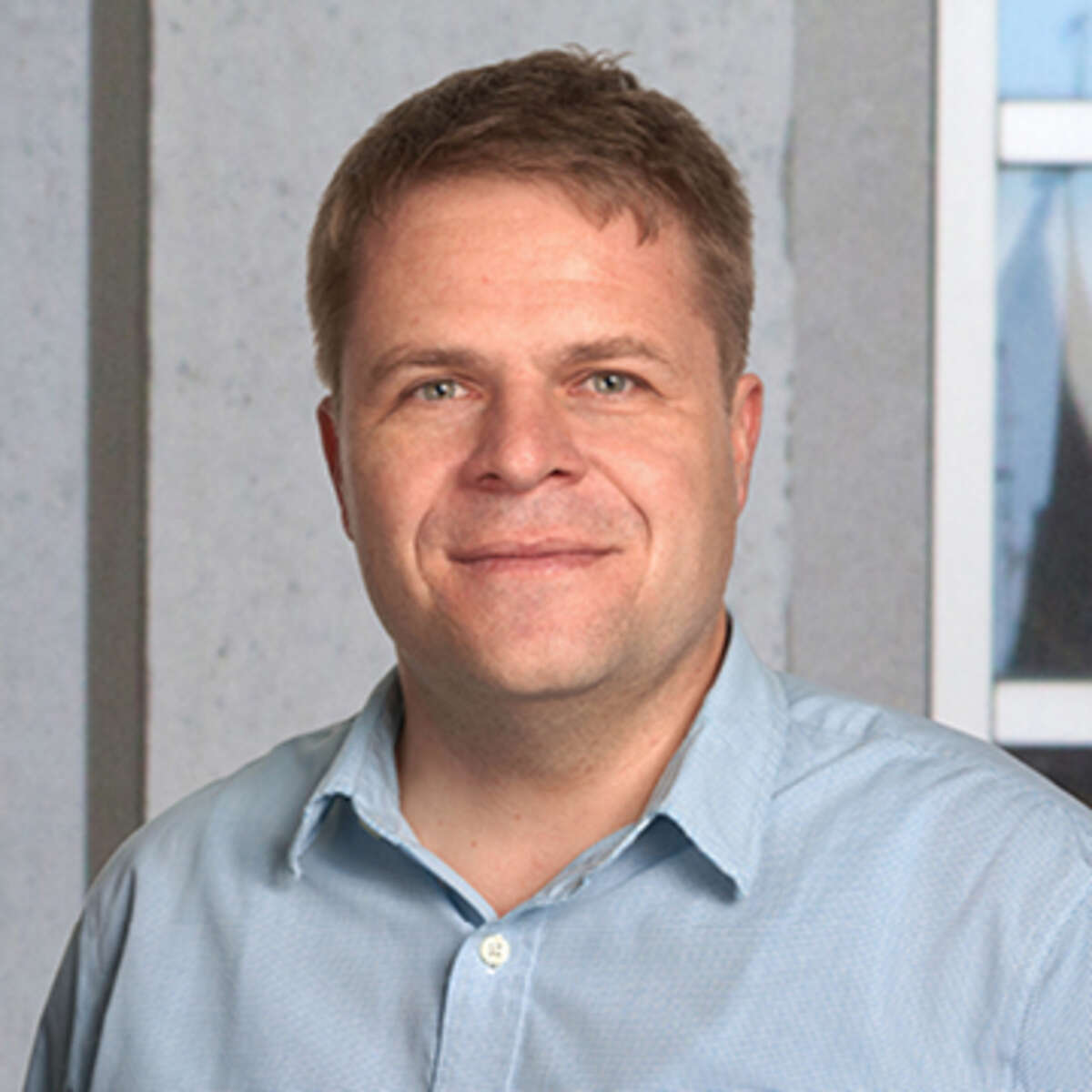
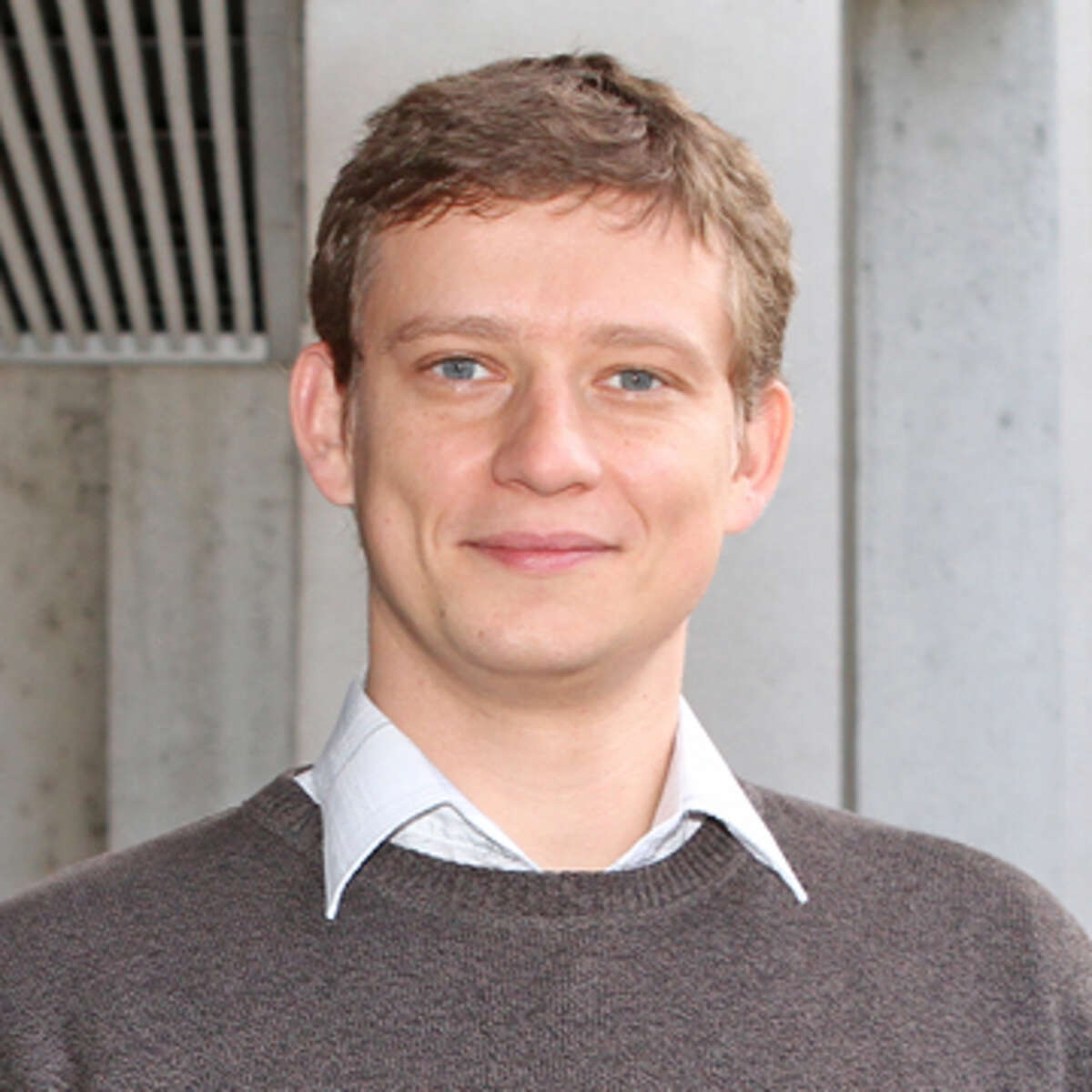
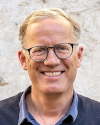
Prof. Knut Drescher is an Associate Professor at the Biozentrum, University of Basel , leading a research group focused on bacterial biofilms , swarming , and microbial multicellularity . Previously, he served as a Professor of Biophysics and Max Planck Research Group Leader at Philipps-Universität Marburg (2015-2021) and conducted postdoctoral research at Princeton University. Research Interests: Physical and biological mechanisms of biofilm formation Cell-cell interactions in microbial communities Antibiotic resistance in biofilms Hydrodynamics of bacterial swarms Evolution of cooperation in multispecies biofilms Development of bioimaging software (BiofilmQ, BacStalk) Scientific Awards: 2023: SNSF Consolidator Grant 2019: Heinz Maier-Leibnitz Prize (DFG), VAAM Research Prize, IUPAP Young Scientist Prize 2016: ERC Starting Grant Advising & Grants: Advises PhD and Master's students in microbiology, biophysics, and bioinformatics Secured major grants from ERC , HFSP , and DFG
Prof. Dr. Alex Hall is an Associate Professor at the Department of Environmental Systems Science and Head of the Institute of Integrative Biology at ETH Zürich , Switzerland. He holds a PhD from the University of Edinburgh (2008), followed by postdoctoral work at the University of Oxford and ETH Zürich, including prestigious SNSF Ambizione and Marie Curie Intra-European fellowships. Research Focus: The Hall lab investigates Microbial interactions in human microbiomes Antibiotic resistance evolution Horizontal gene transfer dynamics Computational and in vitro modeling of microbial communities Evolutionary medicine applications Scientific Contributions: His recent studies analyze probiotic treatments for Staphylococcus aureus decolonization, strain-specific ecological success in gut microbiomes, and CRISPR-Cas system roles in plasmid conflicts. The lab employs computational frameworks combined with experimental validations. Scientific Awards: SNSF Ambizione fellowship Marie Curie Intra-European fellowship He also serves on the SNSF PRIMA fellowship evaluation panel and the ETH Zürich Coordination Council Medicine .
Swiss Federal Institute of Technology in LausanneSwitzerland
Lucas Paoli is a Researcher and Course Instructor at École Polytechnique Fédérale de Lausanne (EPFL), Switzerland. He leads the Paoli Lab (Microbiome Immunity and Ecology) within the Global Health Institute (GHI) under the School of Life Sciences (SV). His roles include scientific collaboration and teaching responsibilities in life sciences engineering. Paoli holds a PhD in Microbiome Research from ETH Zürich (2018-2023), an M.Phil. in Environmental Policy from the University of Cambridge (2017-2018), and an M.Sc. in Ecology and Evolution from École normale supérieure (2015-2017). Research Focus: His work bridges microbial immunity and ecology, investigating how microbes defend against viral infections across ecosystems like oceans and human microbiomes. Techniques include global-scale metagenomics and functional genomics to study immune strategies and ecological interactions. Key themes involve microbial community dynamics, viral defense mechanisms, and the impact of environmental factors on microbial immunity. Lab & Education: The Paoli Lab explores microbiome-immunity interactions with a focus on ecological contexts. Paoli supervises PhD students in Life Sciences Engineering. His research outputs span microbial ecology, metagenomic tool development, and marine microbiome studies. Contact: lucas.paoli@epfl.ch, AAB 1 39, +41 21 693 16 99.
Professor Mirko Trajkovski leads the Laboratory of Metabolic Diseases at the Faculty of Medicine, University of Geneva. He completed his PhD at the International Max Planck School in Dresden (2005), followed by postdoctoral research at ETH Zurich, before establishing his lab at University College London (2012) and moving to Geneva (2013). His work focuses on adipose tissue plasticity , gut microbiota , and their roles in obesity , diabetes , and insulin resistance . Swiss National Science Foundation Professor (2014) ERC Starting Grant (2014) & Consolidator Grant (2019) Dr Walter Seipp Prize & Carl Gustav Carus Prize (2005) His lab investigates fat browning mechanisms , microbiota-host communication , and multi-tissue metabolic regulation using in vivo , in vitro , and human cohort approaches. Recent publications emphasize microbiome-based therapies , temperature effects on metabolism , and gut-bone-adipose crosstalk . Current advisees include PhD student Silas Kieser, with past members like Jing Xue, Salvatore Fabbiano, and Claire Chevalier contributing to immuno-metabolism and microbial engineering projects.
Dr. Anna Spescha is a Lecturer at ETH Zurich's Department of Environmental Systems Science, researching biological control of insect pests using Pseudomonas bacteria combined with nematodes and fungi. Her work focuses on developing sustainable agricultural solutions through microbial consortia that target below-ground pests like the cabbage maggot. Research Highlights: Triple-combination biocontrol systems Field validation of entomopathogenic efficacy Risk assessment frameworks for biocontrol agents Current Projects: Optimizing Pseudomonas-based formulations for bean seed fly and cabbage maggot control.
Professor Sebastian Hiller is a Full Professor at the Biozentrum of the University of Basel, Switzerland, where he leads a research group focused on structural biology and biophysics. His laboratory specializes in using nuclear magnetic resonance (NMR) spectroscopy to elucidate the structures and functions of proteins and their interactions at the atomic level. His research spans several key areas including molecular chaperones and protein folding mechanisms, outer membrane protein biogenesis in bacteria, and kinase signaling pathways. Notably, his group has made significant contributions to understanding how chaperones like trigger factor function, the mechanisms of outer membrane protein assembly through the Bam complex, and dynamic kinase interactions. Their work has direct implications for neurodegenerative diseases and antibiotic development. The Hiller lab's recent publications demonstrate a strong focus on NMR methodology development, protein folding dynamics, and structural mechanisms of antibiotic action. Their research on darobactin's mechanism of action against Gram-negative bacteria represents a significant advance in antibiotic discovery. The group frequently publishes in high-impact journals including Nature, Science, and Nature Communications. ICMRBS Founder's Medal (2018) EMBO Young Investigator (2014) ERC starting grant (2011) SNSF professorship (2010) SNSF scholarship for young researchers (2008) Professor Hiller supervises numerous PhD students and postdoctoral researchers, with many alumni having secured prestigious positions in academia and industry. His laboratory maintains strong collaborations across multiple institutions and has received significant funding through ERC grants and other competitive mechanisms. The Hiller group also operates advanced NMR facilities that serve the broader research community at the University of Basel.
Prof. Dr. Marek Basler is an Associate Professor of Infection Biology at the Biozentrum, University of Basel , leading a research group focused on the Type VI Secretion System (T6SS) in bacterial pathogens. His work bridges structural biology, molecular microbiology, and computational analysis to unravel the mechanisms of this contractile nanomachine. PhD in Microbiology (2007, Institute of Microbiology, CAS, Prague) Postdoctoral Fellow (2007–2013, Harvard Medical School) Assistant Professor (2013–2018) and Associate Professor (since 2018) at Biozentrum His research explores the structure, assembly, and therapeutic potential of the T6SS, a critical virulence factor in pathogens like Pseudomonas aeruginosa . Key themes include bacterial defense strategies , intermicrobial competition , and host-pathogen interactions . Recent projects highlight T6SS roles in antibiotic resistance and horizontal gene transfer . The most recent publications (2025–2024) reveal novel insights into T6SS activation by environmental stress , toxin diversity , and host cell targeting . Trends span microbial ecology , nanomachine dynamics , and computational modeling of bacterial interactions. Scientific Awards : EMBO Membership (2023) ERC Consolidator Grant (2019) EMBO Gold Medal (2018) Friedrich Miescher Award (2018) EMBO Young Investigator (2015) His lab (Basler Lab) utilizes state-of-the-art microscopy , biochemical techniques , and live-cell simulations (e.g., BacFighT6 ). Collaborations span institutions like Harvard Medical School and NCCR-AntiResist , with future work targeting antibacterial therapies .
Martina King is a Full Professor of Medical Humanities at the Faculty of Science and Medicine, University of Fribourg. She holds a dual habilitation in Germanistics and Medical History and is co-opted into the Departments of German Studies and Contemporary History. Her interdisciplinary research bridges literature, medicine, and cultural studies. Research Interests: Her work focuses on the narrative structures of medical texts, the cultural history of microbes, medical spaces in literature, and the intersections of contagion, vaccination, and literary representation. She explores how medical knowledge is narrated and how literature reflects and shapes medical thought. Her recent publications and ongoing SNF-funded projects analyze the discharge letter as a narrative genre and the portrayal of medical interiors in 20th-century literature. She is co-editing a major handbook on Literature and Medicine (2026). Her publications reveal a deep engagement with narrative epistemology, medical ethics, and the cultural meaning of illness. Scientific Awards: No awards explicitly mentioned. Advising and Grants: She leads two major SNF projects: one on the cultural history of the discharge letter (CHF 1.8 million, 2025–2029), and another on medical spaces in narrative literature (CHF 460,000, 2023–2027). She supervises doctoral students and collaborates with institutions in Lausanne, Bern, and Innsbruck. She has held research positions in Glasgow, Innsbruck, and Bern, and has been a lecturer and postdoctoral researcher funded by the DFG and SNF. Labs and Teams: She leads a research team on medical narratives at the University of Fribourg, collaborating with literary scholars, historians of medicine, and medical professionals. The team conducts textual analysis, archival research, and empirical interviews with clinicians on medical writing practices.
Swiss Federal Institute of Technology in LausanneSwitzerland
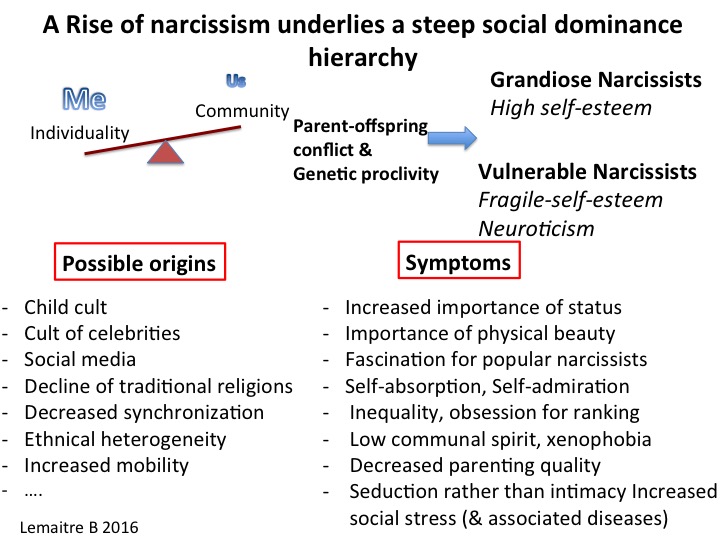
Bruno Lemaitre is a Full Professor at École Polytechnique Fédérale de Lausanne (EPFL), affiliated with the School of Life Sciences and the Global Health Institute (UPLEM). He also contributes to teaching in the Doctoral Program in Molecular and Cellular Life Sciences (EDMS), the School of Humanities (SHS), and the School of Basic Sciences (SV-SSV). He leads the Lemaitre Lab, focusing on immunology and host-pathogen interactions. Full Professor, EPFL – Global Health Institute (UPLEM) Full Professor, EPFL – School of Life Sciences (SV-SSV) Full Professor, EPFL – Doctoral Program (EDMS) Full Professor, EPFL – School of Humanities (SHS) Member, EPFL Committee of Academic Evaluation (CEAE) His research spans immunology, evolutionary psychology, and the sociology of science. Key areas include innate immunity, Toll-like receptors, Drosophila host defense, and the influence of narcissism on scientific success. He has published extensively on how personality traits shape research culture and ethics. The most recent 15 articles reflect a strong interdisciplinary trend, combining molecular immunology with psychological and sociological themes. While early works focus on TLRs and Drosophila immunity, recent publications explore narcissism, obesity, scientific discovery myths, and the cultural impact of personality. This indicates a broadening research scope from molecular biology to the human dimensions of science. Scientific awards and recognitions include: EMBO Member (2007) Bruno Lemaitre supervises a dynamic group of PhD students, both current and past, and is involved in significant educational initiatives, including MOOCs on immunology and authored textbooks. He has also contributed to public discourse through interviews and media appearances. His laboratory, the Lemaitre Lab, is a hub for research on infection and immunity, and he plays a role in academic governance through committee memberships.
Dr. Aurélien Bailly is affiliated with the University of Zurich in the Department of Plant and Microbial Biology . His research focuses on volatile organic compounds (VOCs) as signaling molecules in plant-microbe communication, particularly in mediating growth and immune responses. Research Interests Molecular mechanisms of VOC-mediated cross-kingdom signaling Plant perception of bacterial volatiles Trade-offs between growth and immunity via phytohormones Functional characterization of microbial VOC bouquets Publication Trends highlight work on Arabidopsis thaliana and rhizobacteria, with emphasis on auxin transport , systemic resistance , and biocontrol strategies . His articles span disciplines including microbial ecology , plant physiology , and chemical biology .
Prof. Dr. Joel Zindel is a faculty member at ETH Zurich's Institute of Molecular Health Sciences, leading a translational research group focused on tissue repair and scarring. He previously established his lab at the University of Bern (2023) before migrating to ETH Zürich in August 2025. His work bridges clinical surgery and immunology, targeting post-surgical complications like adhesions and fibrosis. Education: Medical Degree & MD, University of Bern PhD in Immunology, University of Bern SNSF-sponsored Research Fellowship, Canada Research Focus: The Zindel Lab investigates three key areas: (i) peritoneal macrophage biology in injury detection, (ii) mesothelial-to-mesenchymal transition in scarring, and (iii) foreign body responses in body cavities. Using intravital microscopy and clinical cohort studies, the lab explores immune-mesothelial interactions and druggable pathways. Publication Trends: Recent work emphasizes macrophage roles in regeneration, EGFR signaling in fibrosis, and technological innovations in surgical skill assessment. Key methodologies include spatial transcriptomics and multiphoton imaging. Scientific Awards: Max Cloëtta Research Fellowship SNSF Starting Grant Advising & Collaborations: Leads a team including PhD students (John Li Flores Alvarez, Agnes Huber, Brooke Slade) and postdoc Tea Kocijan. Collaborates with (bio)material engineers like Prof. Inge Herrmann and Prof. Mark Tibbitt.
Yuping Li is a Tenure-track Assistant Professor at the Biozentrum, University of Basel, where she leads a research group focused on the genetics and evolution of bacteria-jumbophage interactions. She was appointed in 2024 and received an SNSF Starting Grant the same year. Her research explores the unique biology of jumbophages—phages with large genomes and eukaryote-like properties—and their co-evolution with bacterial hosts, particularly the Pseudomonas phage phiKZ and the bacterial 'jumbophage killer' (Juk) immune systems. Nationality: Chinese Current Position: Tenure-track Assistant Professor, University of Basel, Biozentrum (since 2024) Previous Position: Postdoctoral Researcher, University of California, San Francisco (2019–2024) Visiting Scientist: EMBL, Heidelberg (2022–2023) Her research interests center on molecular microbiology, bacteriophage biology, bacterial immunity, and evolutionary genetics . She investigates how jumbophages form protective 'nuclei' inside bacterial cells to evade host defenses and how bacteria have evolved counter-mechanisms like the Juk system. This work combines genetics, microscopy, biochemistry, and structural biology to understand infection dynamics and evolutionary arms races. The ultimate goal is to harness jumbophages in fighting antibiotic-resistant bacteria. The recent publications show a strong trend in phage-host interactions, anti-CRISPR mechanisms, microbial evolution, and systems-level analysis of adaptation . Her work bridges fundamental virology with applied antimicrobial strategies, often using high-throughput sequencing, proteomics, and mathematical modeling. Articles span top journals like Cell , Nature Communications , and PLoS Biology , reflecting interdisciplinary impact. Scientific Awards: SNSF Starting Grant (2024) Postdoctoral Independent Research Grant, Program for Breakthrough Biomedical Research, UCSF (2021–2022) CEHG Predoctoral Fellowship, Stanford University (2018–2019) Genentech Foundation Predoctoral Fellowship (2016) Outstanding Student Scholarship (2007–2011) Yuping Li advises PhD students and postdoctoral fellows, including Elena Kaube, Dr. Marina Mahler, and Dr. Sam van Beljouw. Her group is supported by competitive grants such as the SNSF Starting Grant. She collaborates with leading scientists like Dr. Joseph Bondy-Denomy (UCSF) and Dr. Nassos Typas (EMBL). Her lab employs cutting-edge techniques in genetics, proteomics, and structural biology to dissect phage infection and bacterial immunity mechanisms. Her research group is part of the Biozentrum at the University of Basel, a leading institution in life sciences, and she is affiliated with the NCCR AntiResist initiative, focusing on antimicrobial resistance solutions.
Prof. Beat Keller is a Professor and Head of Molecular Plant Biology and Phytopathology at the University of Zurich's Department of Plant and Microbial Biology (Faculty of Science). His research focuses on molecular mechanisms of disease resistance in wheat against fungal pathogens like Blumeria graminis (powdery mildew) and leaf rust. Key areas include NLR immune receptors, effector proteins, and translational breeding for durable resistance. His group integrates genomics, genetics, and evolutionary biology to identify resistance genes in wheat landraces and wild relatives, leveraging genebanks for crop improvement. Recent work includes the AGENT project exploring Swiss wheat landraces for mildew resistance via k-mer-based GWAS, cloning non-canonical resistance genes like Pm4 and WTK4, and analyzing pathogen co-evolution. He teaches courses like 'Form und Funktion der Pflanzen' and supervises numerous PhD students. His work is funded by EU Horizon 2020 and other grants, emphasizing practical applications in agriculture.
Moritz Lehmann is a Professor at the Department of Environmental Sciences , University of Basel , specializing in Aquatic and Isotope Biogeochemistry . His research spans Aquatic Biogeochemistry , Stable Isotope Geochemistry , and Microbial Ecology , with a focus on lake and marine systems. Education: PhD in Environmental Geochemistry/Stable Isotope Geochemistry from ETH Zurich (2002). Professional Roles: Full Professor (2017–present), Head of Department (2019–2023), Cox Visiting Professor at Stanford University (2018). Research Trends: Recent publications highlight his work on lake sediment priming effects , oxygen isotope calibration , nitrous oxide kinetics , and methanogenesis in oxic waters . Collaborative projects with institutions like ETH Zurich and Stanford emphasize stable isotope analysis and biogeochemical modeling . Leadership & Grants: Served on the Department Board of Directors (2017–2023) and as Dean of Research (2014–2017). Led projects funded by agencies including the Federal Office for Agriculture and Zurich Basel Plant Science Centre .
Berit Ada Siedentop serves as a Visiting Professor in Theoretical Biology at ETH Zurich, Switzerland, based at the CHN K 16 building (Universitätstrasse 16, 8092 Zürich) within the Bonhoeffer research group. Her work bridges mathematical modeling and empirical microbiology to address evolutionary dynamics in bacterial systems. Her core research spans Theoretical Biology , Evolutionary Microbiology , and Antimicrobial Resistance , with specialized focus on plasmid transmission mechanisms, CRISPR-Cas defense systems, and antibiotic combination therapies. She employs meta-analytical frameworks to quantify resistance evolution and investigates how bacterial innate/adaptive immunity constrains horizontal gene transfer. Recent publications (2022-2024) reveal a cohesive trajectory examining microbial conflict systems: three 2024 papers dissect plasmid-phage-antibiotic interactions through CRISPR-mediated defense, conjugative plasmid barriers, and resistance meta-analysis, while her 2022 work established foundational models for plasmid co-infection dynamics. This body of work consistently integrates ecological modeling with evolutionary genetics to predict pathogen adaptation. Dr. Siedentop actively collaborates with the Bonhoeffer group on theoretical frameworks for microbial evolution, maintaining laboratory operations at ETH Zurich's Center for Microbiology and Environmental Systems Science infrastructure.