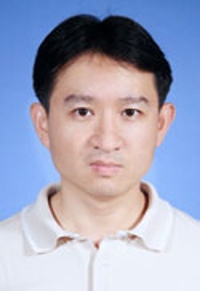
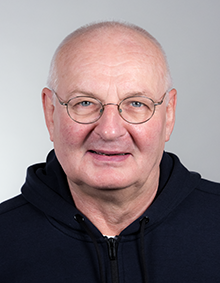
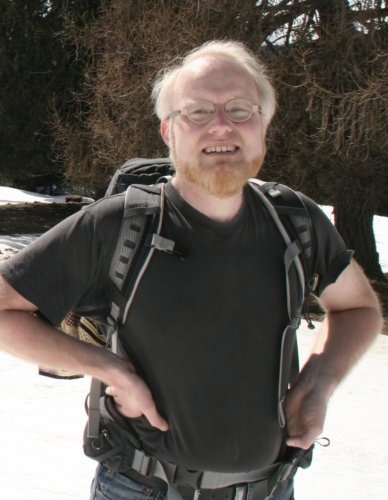
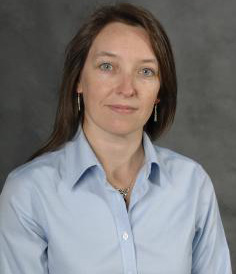
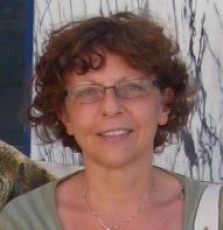
Song Jin serves as an Adjunct Professor of Environmental Engineering within the Department of Civil and Architectural Engineering and Construction Management at the University of Wyoming, focusing on innovative bioelectrochemical solutions for environmental challenges. His academic foundation includes: B.S. in Biochemistry from Anhui University, China (1990) M.S. in Plant Physiology (Molecular Biology) from University of Wyoming (1994) Ph.D. in Zoology and Physiology (Environmental Microbiology) from University of Wyoming (1997) Dr. Jin's research spans Environmental Remediation and Value-added Waste Conversion . He pioneers anaerobic biodegradation techniques for organic/inorganic contaminants (petroleum, chlorinated solvents, heavy metals) in soil and groundwater, developing bioelectrochemical systems like microbial fuel cells for remediation. His waste conversion work includes biochemically enhanced methane production from coal/oil shale, CO 2 conversion to organic acids/methane, and ambient-condition graphite-to-graphene oxide processes. Recent publications (2022-2025) reveal a dominant trend in bioelectrochemical system optimization for PFAS destruction, MTBE remediation, and coal-to-methane conversion, alongside geophysical methods for subsurface characterization. His work bridges environmental microbiology, electrochemistry, and geological engineering. He maintains active professional engagement as a Certified Hazardous Materials Manager (CHMM #12077) since 2003 and participates in the American Chemistry Society, Association of Environmental Health and Safety, and International Water Association.
Rebecca G. Ong is an Associate Professor in the Department of Chemical Engineering at Michigan Technological University, where she serves as Co-Director of Graduate Programs and is an active member of the Ecosystem Science Center. Her research bridges chemical engineering and sustainability science to advance bioenergy and waste valorization technologies. Her educational foundation includes a PhD in Chemical Engineering from Michigan State University and dual Bachelor of Science degrees from Michigan Technological University in Chemical Engineering and Biological Sciences (Plant Biology). This interdisciplinary background enables her unique approach to biomass conversion challenges. Dr. Ong's research program focuses on lignocellulosic biomass conversion through innovative pretreatment strategies like Ammonia Fiber Expansion (AFEX), with recent expansion into plastic waste upcycling via chemical deconstruction and microbial degradation. Her work spans molecular-scale plant cell wall studies, field-scale biomass assessments, and process engineering for sustainable biorefineries, addressing critical bottlenecks in biofuel production and plastic waste management. Analysis of her 15 most recent publications reveals a strategic pivot from traditional bioenergy systems toward integrated solutions for the plastic waste crisis, while maintaining core expertise in biomass conversion. This evolution demonstrates her commitment to addressing evolving environmental challenges through chemical engineering innovation, with strong emphasis on process sustainability and scalability. As Co-Director of Graduate Programs, she shapes chemical engineering education through courses including Advanced Transport Phenomena (CM5300), Alternative Energy Processes (CM3979/ENT3979), and Bioprocess Engineering Lab (CM4125). Her leadership in the Ecosystem Science Center facilitates cross-disciplinary collaboration on sustainability challenges, connecting engineering solutions with ecological systems analysis.
Professor Cormac Murphy is a Professor and Head of the School of Biomolecular and Biomedical Science at University College Dublin (UCD), a position he assumed in September 2023. Previously, he served as the Vice Principal for Research and Innovation in the College of Science from 2011 to 2013 and was the academic director of the MSc programmes in Biotechnology from 2015 to 2023. With over two decades of academic experience at UCD, he has progressed from Assistant Lecturer in Industrial Microbiology to his current professorship. Professor Murphy earned his BSc and PhD from Queen's University Belfast, followed by postdoctoral research at Dalhousie University in Canada and St Andrews University in Scotland. His academic journey reflects a strong foundation in microbiology and biochemistry that has shaped his research trajectory. His research program focuses on the microbial biosynthesis and biotransformation of fluorinated compounds , with particular emphasis on how microorganisms interact with organofluorine compounds that are increasingly prevalent in pharmaceuticals and environmental contaminants. Professor Murphy has developed significant expertise in the fungus Cunninghamella elegans as a microbial model for mammalian xenobiotic metabolism, leveraging its extensive cytochrome P450 activity. His laboratory investigates how microorganisms can biodegrade per- and poly-fluorinated alkyl substances (PFAS), which are persistent environmental pollutants. This work bridges fundamental microbiology with practical applications in environmental remediation and pharmaceutical development. Analysis of Professor Murphy's recent publications reveals a consistent focus on fluorinated compounds across multiple contexts - from the synthesis of fluorinated analogs of bioactive compounds to the biodegradation of fluorinated environmental pollutants. His work demonstrates an interdisciplinary approach combining organic chemistry, microbiology, and environmental science to address challenges in both pharmaceutical development and environmental contamination. Outstanding Reviewer for RSC Advances (2019) Institute of Chemical Engineers Judges' Award for "Discovery of the first fluorinating enzyme" (2002) President's Research Award (2002) Professor Murphy has supervised 22 PhD students to completion and published over 100 peer-reviewed papers and book chapters. His research has been supported by significant funding from multiple sources including Science Foundation Ireland (Research Ireland), Enterprise Ireland, Irish Research Council, and the European Union. Current major projects include "A Sustainable Solution for the Disposal of PFAS-containing Aqueous Film Forming Foams (AFFF)" and the BEACON Partnership with the University of Nottingham. His laboratory maintains a strong focus on the application of microbial systems for biocatalysis and biodegradation, with particular emphasis on biofilm systems that enable continuous biotransformation processes. The team actively investigates the enzymatic mechanisms underlying the metabolism of fluorinated compounds, with implications for both environmental remediation and pharmaceutical development.
Anders Jonsson is a Professor of Environmental Science at Mid Sweden University, working within the Department of Natural Sciences, Design and Sustainable Development in Östersund. Holding a PhD in Analytical Chemistry, he has established a distinguished research career focused on pollution remediation and sustainable environmental management across air, water, and soil systems. His research program addresses both analytical methodologies for pollutant measurement and practical remediation strategies for contaminated environments. Current projects include 'From wastewater to resource in the food industry' and the groundbreaking 'Airborne monitoring of water quality in inaccessible areas (AMORE)', which develops molecular methods for tracking fecal pollution sources in remote mountain regions. Earlier completed projects like 'BioRem Fiber' and 'ECWA-NOR' demonstrate his longstanding commitment to sustainable pollution solutions. Professor Jonsson's scholarly focus spans several critical environmental domains: Phytoremediation techniques using amaranth and other plants for heavy metal extraction Sustainable water management in mountainous ecosystems Microbial source tracking for water quality assessment Waste-to-resource conversion processes using black soldier fly larvae Appropriate remediation technologies for developing regions Analysis of his publication record reveals an evolving research trajectory from analytical chemistry foundations toward integrated environmental solutions. Recent work (2023-2025) emphasizes practical field applications of molecular methods, while maintaining his core focus on sustainable remediation in resource-limited settings. His international collaborations, particularly field studies in Nicaragua, demonstrate commitment to globally applicable environmental science. Though specific advising roles aren't detailed in the available information, his leadership in multiple research projects suggests active mentorship of graduate students and early-career researchers. His work bridges analytical precision with practical environmental problem-solving, particularly valuable for regions lacking sophisticated remediation infrastructure.
Dr. Norbert Klitzsch is a researcher at the Chair of Numerical Geosciences, Geothermal Energy, and Reservoir Geophysics at RWTH Aachen University's E.ON Energy Research Center. He has contributed to geothermal energy, reservoir geophysics, and subsurface fluid dynamics through publications in journals like Energy & Fuels and Geothermal Energy . University: RWTH Aachen University Department: Numerische Geowissenschaften His research focuses on: Geothermal energy systems and borehole heat exchangers NMR relaxometry and spectral induced polarization Electrical resistivity tomography for subsurface characterization Multiphase flow in porous media Thermal conductivity estimation using public data His recent publications analyze topics such as: Heat extraction optimization in coaxial borehole systems Biogenic gas production mechanisms in coal Shallow geothermal uncertainty quantification Surface roughness effects on geophysical signals
Rachel Mackelprang is an Assistant Professor in the Department of Biology at California State University, Northridge. Her work bridges microbial ecology, climate change, and planetary science, focusing on permafrost ecosystems and their implications for Earth and extraterrestrial environments. Ph.D. , 2006, University of Washington B.S. , 2001, University of Utah Dr. Mackelprang teaches courses like General Biology (BIOL 101) and Seminar in Cellular and Molecular Biology (BIOL 655A) . Her research explores microbial processes in extreme environments, particularly permafrost thaw dynamics and their carbon cycling impacts. Recent publications highlight her contributions to understanding permafrost microbiomes under climate change, alkane-degradation pathways in marine bacteria, and Mars exploration via permafrost analogs.
Prof. Dr. Uwe Strotmann serves as Professor in the Department of Engineering and Natural Sciences at Westfälische Hochschule, Recklinghausen, where he acts as academic advisor for the Chemistry program. His research laboratory focuses on critical environmental assessment methodologies within applied microbiology and biotechnology. His primary research interests encompass the development and standardization of microbiological toxicity tests and biodegradation assessment protocols, biochemical process engineering, and advanced water/wastewater treatment technologies. He has pioneered adaptations of ISO/OECD methodologies for evaluating chemical impacts on microbial ecosystems, with particular emphasis on respirometric and luminescent-based bioassays for industrial effluent monitoring. Analysis of his publication trajectory reveals sustained innovation in environmental testing systems, evolving from foundational work on nitrification inhibition and chlorinated hydrocarbon degradation to contemporary research on integrated biodegradability frameworks. His 2023-2024 publications demonstrate active engagement in modernizing OECD/ISO testing paradigms for emerging environmental challenges. As Chemistry program academic advisor, Prof. Strotmann provides curriculum guidance and research mentorship. His office (B7.1.303, August-Schmidt-Ring 10) operates by appointment, supporting both academic administration and research supervision within the engineering faculty's environmental research cluster.
Prof. Christian Ulrichs leads the Urban Ecophysiology of Plants group at Humboldt University's Albrecht Daniel Thaer Institute of Agricultural and Horticultural Sciences. His work bridges agricultural sustainability with ecological physiology. Academic affiliation: Humboldt University of Berlin Department: Albrecht Daniel Thaer Institute of Agricultural and Horticultural Sciences Research spans biocircular systems, including insect-based waste valorization , plant stress responses , and urban agriculture . Recent studies examine: Yellow mealworm substrate optimization Hemp waste fermentation for insect rearing Biodegradable packaging for leafy vegetables UV spectrum effects on cannabis metabolites Nutrient cycling in aquaponic systems His publications from 2023-2025 demonstrate interdisciplinary approaches combining entomology, horticulture, and waste management. Contact: dekan.lewi@hu-berlin.de
Dr. Matthias Schmidt is a Researcher at the Helmholtz Centre for Environmental Research (UFZ) , leading the high-resolution imaging team at ProVIS - Centre for Chemical Microscopy . He specializes in advanced microscopy techniques including scanning electron microscopy (SEM), helium-ion microscopy (HIM), and confocal Raman microscopy for environmental and biological applications. Ph.D. in Physics (2012) from Universität Leipzig Postdoctoral Fellow at Max-Planck Institute and University of Pretoria Research Interests: His work focuses on: Development of helium-ion microscopy for microbial imaging Correlative microscopy workflows and software ( Correlia plugin) Microbial interactions in rhizosphere and bioleaching systems Environmental applications of high-resolution imaging Biogeochemical processes in soil and aquatic systems Technical Expertise: Specializes in helium-ion and scanning electron microscopy, Raman spectroscopy, optical profilometry, and microanalytics. Current research includes viral transmission dynamics, biofilm characterization, and nanoparticle interactions with biological systems. Publication Trends: Recent work spans environmental applications of high-resolution imaging (2023-2025), focusing on tire particle pollution, antibiotic resistance in plastispheres, and microbial corrosion mechanisms. Earlier publications (2017-2021) cover biofilm dynamics, microbial transport phenomena, and semiconductor defect analysis.
Dr. Alison M. Cupples is a Professor in the Department of Civil and Environmental Engineering at Michigan State University's College of Engineering. Her research focuses on environmental microbiology and biodegradation of contaminants in soil and water systems. Dr. Cupples' primary research interests include: Biodegradation of organic contaminants Whole genome sequencing applications Microbial ecology in contaminated environments Functional gene analysis for contaminant degradation Molecular methods in environmental microbiology Her work addresses both traditional contaminants (chlorinated solvents, BTEX, MTBE, RDX, 1,4-dioxane) and emerging contaminants (antimicrobials, pharmaceuticals, personal care products) in agricultural soils and water systems. Dr. Cupples teaches multiple courses including ENE 280 - Principles of Environmental Engineering and Science, ENE 487 - Microbiology for Environmental Science and Engineering, and ENE 805 - Contaminated Site Remediation. ENE 280 covers physical, chemical and biological processes related to environmental systems ENE 487 focuses on microbiology applications in environmental engineering ENE 805 provides overview of remediation technologies for contaminated sites She has supervised numerous graduate students and is actively involved in outreach programs including High School Engineering Institute Laboratories, Wireless Integrated MicroSystems for TEENS Program, and Woman in Engineering Summer Program.
Daniel Noguera is a Wisconsin Distinguished Professor in the Department of Civil & Environmental Engineering at the University of Wisconsin-Madison's College of Engineering. His research integrates environmental engineering and microbiology to develop sustainable solutions for wastewater treatment and renewable energy production through microbial processes. Education: PhD, University of Illinois-Urbana Champaign (1996) MS, University of Illinois-Urbana Champaign (1991) MS, University of Los Andes (1989) BS, University of Los Andes (1987) Dr. Noguera's research centers on environmental biotechnology with three pillars: (1) Bioenergy production through microbial conversion of lignin and agroindustrial residues, (2) Energy-efficient biological nutrient removal in wastewater treatment focusing on enhanced phosphorus removal and low-oxygen nitrification/denitrification, and (3) Anaerobic digestion optimization for biogas quality improvement and value extraction from organic wastes. His work leverages microbial ecology, bioinformatics, and genetic engineering to manipulate microbial communities for environmental applications. Analysis of his 15 most recent publications reveals dominant themes in lignin valorization using Novosphingobium aromaticivorans , metagenomic characterization of wastewater and dairy residue microbiomes, and metabolic engineering for bioproduct synthesis. The research consistently bridges fundamental microbial physiology with engineering applications, particularly in converting aromatic compounds into valuable chemicals like cis,cis-muconic acid and 2-pyrone-4,6-dicarboxylic acid. Scientific Awards: 2020 University of Wisconsin System, Renewal of Wisconsin Distinguished Professorship 2015 University of Wisconsin System, Renewal of Wisconsin Distinguished Professorship 2010 Central States Water Environment Association, Bill Boyle Educator of the Year 2010 Water Environment Federation, Fair Distinguished Engineering Educator Award 2010 University of Wisconsin System, Wisconsin Distinguished Professorship 2006 Wisconsin Water Association (WWA), Research Award 2005 Water Environment Research Foundation, Paul L. Busch Award 2004 American Water Works Association (AWWA) Engineering & Construction Division, Best Paper Award 2004 Water Environment Federation, Harrison Prescott Eddy Medal 2004 American Water Works Association (AWWA), Publications Award 2002 Association of Environmental Engineering and Science Professors (AEESP), Distinguished Service Award 2002 Graduate School, University of Wisconsin-Madison, Vilas Associate 1999 National Science Foundation, NSF CAREER Award 1997 Samuel C. Johnson Distinguished Fellowship 1992 James M. Montgomery and AEESP, M.S. Thesis Award Dr. Noguera actively mentors graduate students through CIV ENGR 790 (Master's Research) and CIV ENGR 890 (Pre-Dissertator's Research), supervising theses on microbial processes for wastewater treatment and bioenergy. His research is supported by the Great Lakes Bioenergy Research Center and has yielded significant funding including the NSF CAREER Award and multiple renewals of his Distinguished Professorship, enabling advanced work in microbial community engineering and lignin valorization. He leads research within the Great Lakes Bioenergy Research Center's microbial engineering team, collaborating extensively with Timothy J. Donohue on genetic tools for Novosphingobium and Rhodobacter species. His laboratory employs integrated 'omics approaches (metagenomics, transcriptomics, RB-TnSeq) to study microbial communities in wastewater treatment systems and dairy residue fermentations.
Simon Leitner is a Researcher at the Institute of Soil Research , University of Natural Resources and Life Sciences, Vienna (BOKU). His work focuses on environmental biotechnology , groundwater remediation , and stable isotope analysis in agroecosystems and urban contexts. Key projects: Microbially active biochar filters , Vienna Urban Carbon Laboratory , UAV-based gas monitoring , and climate change impact studies Major collaborators: Andrea Watzinger , Rebecca Hood-Nowotny , and Bradley Matthews His research spans soil-water-plant interactions , pollutant degradation , and urban emission roadmaps . Recent publications emphasize biochar filter design , UAV applications , and isotope tracing in contaminated environments. Current projects funded by National Companies and Federal Ministries (e.g., Microbially active biochar filters for CHC remediation , 2025-2028) demonstrate applied environmental engineering approaches. He has developed automated isotope analysis systems and physical-biological filter prototypes .
Maria Antonietta Casadei is an Associate Professor at the Department of Pharmaceutical Chemistry and Technology , Sapienza University of Rome. She leads the laboratory of Bio-Inspired Devices for Technology , focusing on biopolymer- and lipid-based systems for biomedical and pharmaceutical applications. Research lines include synthesis of biopolymers for drug delivery and tissue engineering Development of 3D bioprinting materials and stimuli-responsive nanosystems Design of hybrid drug delivery systems (e.g., Gel-in.Liposomes) Expertise in biomaterials , nanotechnology , and controlled release Her publications (2024–2015) cover dextran-based cryogels , gellan gum composites , liposomal systems , and nanoemulsion stability , with applications in bone regeneration , antifungal therapy , and food waste valorization . Recent work emphasizes mathematical modeling of release kinetics and shape-memory hydrogels . Contact: mariaantonietta.casadei@uniroma1.it
Maribeth Watwood is a Professor at Northern Arizona University 's Graduate College and serves as the Vice Provost for Academic and Workforce Alliances. Her research spans environmental microbiology , bioremediation , and microbial ecology , with a focus on contaminant degradation and subsurface microbial processes. Key research areas include chlorinated solvent biodegradation , soil microbial dynamics , and stable isotope probing . Recent publications highlight groundwater remediation techniques using methanotrophs, enzyme activity assays , and microbial community analysis in contaminated environments. Her work intersects biogeochemistry and environmental engineering , addressing issues like agricultural runoff and subsurface contamination . While no explicit awards or student advising details are listed in the provided texts, her academic leadership role and research output underscore her contributions to microbial ecology and environmental science.
Dr. Lecturer Özge Taştan is an academic staff member at Yeditepe University's Faculty of Engineering within the Department of Food Engineering . She holds a PhD in Food Engineering from Ege University (2019) and has contributed extensively to non-thermal food processing, functional foods, and food preservation technologies. PhD: Ege University (2014-2019) MSc: Ege University (2011-2014) BSc: Pamukkale University (2007-2011) Associate Degree: Anadolu University (2009-2011) Her research focuses on non-thermal pasteurization (pulsed light, microwave, cold plasma), bioactive compounds (chitosan, carvacrol, phenolics), and functional food development using encapsulation and vacuum impregnation technologies. She has pioneered applications like mycotoxin removal from dried fruits and probiotic-infused snacks. Recent articles demonstrate expertise in food safety (SCI-indexed journals), packaging innovation (chitosan films), and nutraceutical delivery systems. Her work frequently combines emerging technologies with natural antimicrobials. Özel Poster Ödülü (UGTP) 1.lik Makale Ödülü (Pınar Enstitüsü, 2× She leads Turkish Scientific and Technological Research Council (TÜBİTAK) projects on biodegradable packaging and pesticide residue reduction , and has co-authored 14+ SCI publications. Her team also explores FTIR spectroscopy for chocolate quality prediction and postbiotic foods development.