Barbara TeichertView profile
Researcher
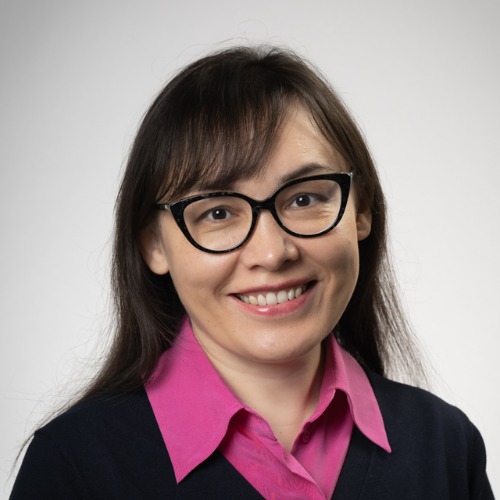
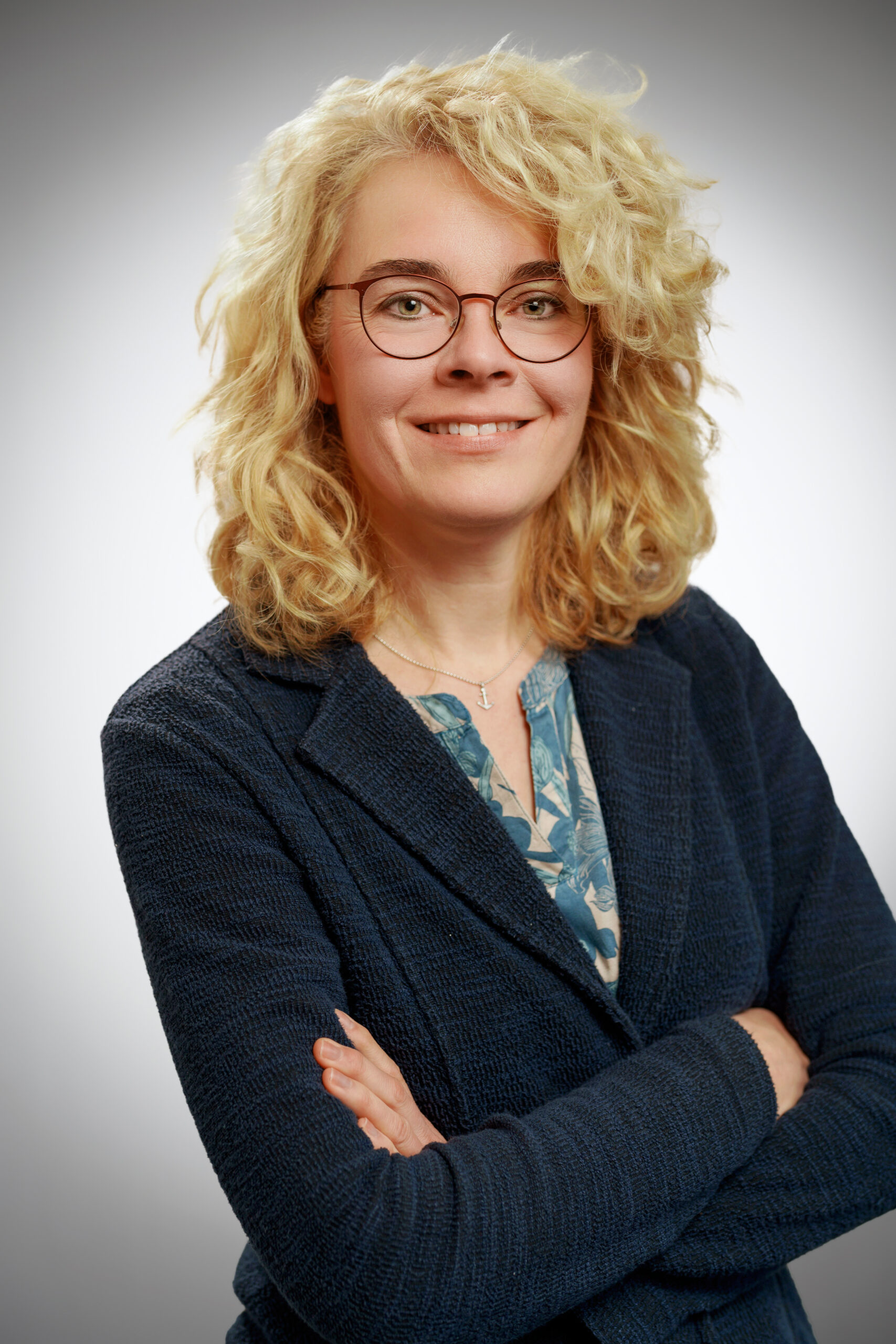
Barbara Teichert is a Researcher at the Department of Geosciences, Westfälische Wilhelms-Universität Münster, affiliated with the Faculty of Mathematics and Natural Sciences. She has held roles including Visiting Professor at the University of Vienna (2013) and Research Associate at multiple institutions since 2002. Her research focuses on hydrobiogeochemistry of mine waters, isotope geochemistry of mine gases, sulfur turnover processes, and geodata modeling. She has extensive experience in sedimentary and marine geochemistry, with contributions to understanding methane seep systems, isotopic fractionation mechanisms, and authigenic carbonate formation. Education: PhD (Dr. rer. nat.) in Geosciences, Christian-Albrechts-Universität zu Kiel (2002) Habilitation in Geosciences, Universität Münster (2019) Diplom in Geology-Paleontology, Ruprecht-Karls-Universität Heidelberg (1999) Research Interests: Her work integrates field observations, laboratory analyses, and modeling to address biogeochemical processes in marine and subsurface environments. Key areas include sulfur cycling in methane-dominated systems, isotopic tracers in porewater and carbonates, and the application of geostatistical methods to hydrogeological data. Current projects explore mine water geochemistry and isotopic signatures of gas emissions. Key Contributions: Over 30 peer-reviewed publications since 2003, including seminal studies on clathrate deposits, calcium isotope fractionation, and microbial carbonate formation in seep environments. Her work bridges sedimentology, geochemistry, and environmental science, with implications for resource exploration and climate change research. Grants & Advisory: Coordinated the DFG-funded ODP-IODP program (2005-2008) and led research teams in Germany, Austria, and international collaborations. Active mentorship of early-career researchers through interdisciplinary projects funded by German Research Foundation grants. Labs & Collaborations: Engaged with the Post-Mining Research Center (THGA) and the GEOMAR Helmholtz Centre for Ocean Research Kiel. Her work leverages advanced analytical techniques including SIMS microscopy and isotope geochemical modeling.