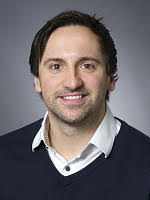
Anna Sobek is a Professor at the Department of Environmental Science , Stockholm University . Her career spans academia, industry, and policy, with significant contributions to environmental chemistry and contaminant dynamics. PhD research on PCB uptake in aquatic systems (2000) Marie Curie postdoc on herbicide-black carbon sorption (2006-2009) Environmental manager role (2009-2011) 4-year researcher position (2011) leading to permanent role (2018) Research focuses on organic contaminant behavior in aquatic environments, particularly: Contaminant distribution and risk assessment Organic carbon cycle interactions Passive sampling techniques Climate change impacts on pollutant fate Hadal trench contamination Mixture toxicity mechanisms Recent publications (2023-2019) analyze: PCB/PAH dynamics in extreme marine environments Climate-legislation interactions Microbial degradation variability Pharmaceutical pollution patterns Bioaccumulation potential across chlorinated paraffins Ecotoxicological assessment frameworks Key methodological approaches: Passive dosing systems Chemical activity concepts Flume experiments RNA metabarcoding Biogeochemical modelling Policy-impact analysis
Lisette P Waits serves as University Distinguished Professor in the Department of Fish and Wildlife Sciences within the College of Natural Resources at the University of Idaho. She holds additional affiliations as Affiliate Faculty at the Center for Research on Invasive Species, Member of the Initiative for Bioinformatics and Evolutionary Studies, and Participating Faculty at the Institute for Modeling Collaboration and Innovation through the Office of Research and Economic Development. Her academic credentials include: PhD in Genetics, University of Utah (1996) BS in Genetics, University of Georgia (1991) Dr. Waits' research program integrates conservation biology with advanced genomic methodologies to address critical wildlife management challenges. Her primary focus areas include endangered species recovery, population genetics, non-invasive genetic monitoring, and landscape-scale connectivity assessments. She employs molecular ecology and evolutionary biology frameworks to investigate genetic diversity loss, hybridization dynamics, and adaptive responses to environmental change across fragmented habitats. Analysis of her recent publications (2023-2025) reveals dominant themes in genomic conservation: development of spatial close-kin mark-recapture models for terrestrial species, comparative SNP/microsatellite analyses for carnivore population structure, and DNA metabarcoding applications for predator diet assessment. Her work consistently demonstrates how genetic connectivity mitigates diversity loss in threatened populations like Columbia Basin pygmy rabbits and grizzly bears, while quantifying harvest impacts on social carnivores including wolves and wolverines. Through university-affiliated institutes, Dr. Waits contributes to interdisciplinary initiatives applying bioinformatics and computational modeling to conservation genomics. Her collaborations enhance genomic data interpretation for wildlife management decisions, particularly regarding climate adaptation strategies and metapopulation recovery planning for species with complex social structures.
Dr. Dilantha Fernando is a Professor and Dean of Studies at St. Paul's College, University of Manitoba . He holds adjunct professorships at the Centre for Crop Health, University of Southern Queensland and the National Institute of Fundamental Studies, Sri Lanka . His career spans over 25 years in plant pathology research, with a focus on host-pathogen interactions in canola and wheat diseases. Education : PhD in Plant Pathology (Oregon State University), MSc in Microbiology (University of Kelaniya, Sri Lanka), BSc (Hons) in Botany (University of Peradeniya, Sri Lanka) Dr. Fernando is renowned for his work on blackleg disease in canola , developing 38 cultivars with improved resistance. His research integrates molecular approaches with conventional methods for sustainable disease management. Key areas include fungal pathogenesis , phytomicrobiome dynamics , and fungicide resistance in crops. His recent publications emphasize Verticillium wilt , Fusarium head blight , and genetic resistance mechanisms . By 2024, he had over 165 peer-reviewed papers and 14 book chapters, with a h-index of 53 and citations exceeding 9,878. Professional Recognition : 2024 Fellow – Canadian Phytopathological Society 2024 Lifetime International Research Achievement in Agriculture Award, Taiwan 2023 Lifetime Achievement Award for Agricultural and Environmental Sustainability 2022 Fellow – Asian PGPR Society Dr. Fernando has mentored over 75 graduate students and postdocs , including the 2019 PhD student Rasanie Padmathileke . He has secured over $47 million in research funding, including the largest NSERC-CRD grant in Canadian agriculture. As Editor-in-Chief of Plant Pathology (2023–present), he shapes global research discourse. His laboratory in Manitoba leads studies on plant immunity , fungal epidemiology , and genomic-based disease forecasting .
Cori Richards Zawacki serves as Professor of Biological Sciences at the University of Pittsburgh and Director of the Pymatuning Lab of Ecology, a biological field station on Lake Pymatuning in Northwest Pennsylvania. Her leadership facilitates diverse water-related research while advancing amphibian conservation science. Her academic training includes a PhD in Ecology and Evolutionary Biology and BS in Biology/Chemical Engineering from the University of Michigan, followed by postdoctoral work at the Smithsonian Tropical Research Institute and UC Berkeley. Dr. Richards-Zawacki's research centers on amphibian disease ecology and evolutionary resilience , with primary focus on Batrachochytrium dendrobatidis pathogenesis. Her lab investigates: Host-pathogen-environment interactions at population scales Climate change impacts on amphibian development and immunity Evolutionary mechanisms of reproductive isolation Conservation strategies for endangered amphibians Recent publications (2024-2025) reveal strong emphasis on disease resilience mechanisms , molecular detection tools , and multi-scale environmental drivers . Key trends include integration of CRISPR diagnostics, eDNA monitoring, and cross-scale resilience frameworks. She actively recruits undergraduate and graduate students for field and laboratory research through the Richards-Zawacki Lab, which operates under the Resilience Institute Bridging Biological Training and Research. The lab maintains critical infrastructure at the Pymatuning Lab of Ecology for long-term amphibian studies.
Helle Wangensteen is a Professor at the Department of Pharmacy , University of Oslo, specializing in Pharmaceutical Chemistry and Pharmacognosy . Her research bridges traditional medicinal knowledge with modern scientific methods. Current projects: Health effects of Nordic berries , Plant.ID , REA:Life Teaching: FARM1100 - Pharmaceutical Chemistry , FARM3100 - Pharmacognosy , and FARM5000 - Master's Preparatory Course Her work focuses on isolation and identification of natural substances from medicinal plants to explain traditional uses and discover new pharmaceutical leads. Key areas include antioxidant and anti-inflammatory mechanisms , plant molecular identification , and global health applications . Recent publications analyze anti-plasmodial compounds from Gentiana purpurea , anti-inflammatory properties of Norwegian plants , coumarins from Daphne mezereum , and neuroprotective effects of St. John’s Wort . Her team also investigates bioactive polysaccharides and polyphenols with applications in ulcerative colitis and endometriosis treatment. Methodologies include NMR spectroscopy , DNA metabarcoding , and immunological screening assays , reflecting a multidisciplinary approach to natural product drug discovery.
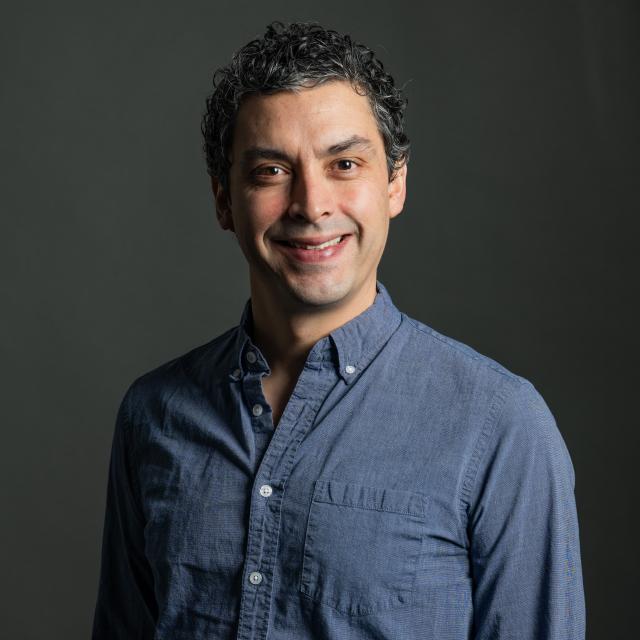
Tyler R Kartzinel is an Associate Professor in the Department of Ecology, Evolution, and Organismal Biology at Brown University and a member of the Institute at Brown for Environment and Society. He leads the Genomic Opportunities Lab (GenOps), an interdisciplinary research group that combines molecular ecology, fieldwork, ecological theory, and data science to understand biodiversity, species interactions, and environmental change. His work spans multiple continents including Africa (Kenya, Uganda, Tanzania), South America (Costa Rica, Chile), and North America (Yellowstone National Park, New England), focusing on conservation-relevant questions at the interface of genomics and ecology. Dr. Kartzinel's research interests center on conservation biology and molecular ecology, with particular emphasis on dietary DNA metabarcoding, gut microbiome analysis, and biodiversity monitoring. His work bridges fundamental ecological questions about species interactions and community dynamics with practical conservation applications. He has developed innovative genomic approaches to study food webs, dietary niche partitioning, and the impacts of large herbivores on ecosystem structure and function. His research integrates field experiments with laboratory molecular techniques to address pressing conservation challenges in a changing world. The 15 most recent publications reveal a strong focus on dietary ecology, microbiome science, and conservation genomics. His work consistently applies DNA-based techniques to understand wildlife diets, host-microbe interactions, and ecosystem dynamics across diverse systems from African savannas to Yellowstone National Park. Key trends include the development of CRISPR-based genomic tools for biodiversity science, investigation of diet-microbiome relationships across multiple taxa, and the application of molecular techniques to address conservation-relevant questions about endangered species and ecosystem management. 2018-2022 Ecological Society of America Early Career Fellow Dr. Kartzinel leads multiple research projects funded by the National Science Foundation and other agencies, including long-term studies in African savannas and Yellowstone National Park. His UHURU experiment in Kenya has generated over 12 years of data on large herbivore exclusion effects. He actively collaborates with conservation organizations worldwide to translate research findings into practical conservation solutions. His lab trains undergraduate and graduate students in molecular ecology techniques and conservation applications. The Genomic Opportunities Lab maintains state-of-the-art molecular facilities at Brown University for pre- and post-PCR work. The lab collaborates extensively with researchers across Brown's departments and with international conservation organizations. They develop and share field-tested protocols and open-source software to advance ecological research globally, with particular focus on making genomic tools accessible for conservation practitioners in diverse settings.
Fabien Burki is an Associate Professor at Uppsala University's Department of Organismal Biology, where he leads the Burki Lab focused on systematic biology. His research investigates protist evolution, particularly the origin of photosynthetic organelles through endosymbiosis and transitions to parasitic lifestyles in marine environments. Research interests include: Evolutionary mechanisms in microbial eukaryotes Plastid acquisition and genome reduction Phylogenomics of understudied protist lineages Marine parasite ecology (e.g., shellfish pathogens) Development of phylogenomic methods and databases His publications demonstrate consistent focus on: Resolving deep eukaryotic phylogenies Characterizing novel protist diversity Evolutionary transitions between free-living and parasitic lifestyles Adaptations in organelle biology He leads multiple research initiatives including an ERC Consolidator grant ( PlastidOrigin ) supporting investigations into plastid evolution through metagenomics and single-cell genomics. Current lab members include PhD students (Anders Alfjorden, Anne Walraven, Nina Pohl, Yash Pardasani) and postdoctoral researchers (Jennah Dharamshi, Xavi Florenza).
Emanuel Duarte Ribeiro is a PostDoc researcher at the University of Basel , affiliated with the Faculty of Humanities and Natural Sciences and working within the Department of Environmental Sciences under the FG Salzburger research group. His research focuses on paleoenvironmental reconstruction using biotic indicators in lake sediments, climate change impacts on aquatic ecosystems, and experimental studies in alpine springs. Current projects include KUMiT (Climate, Environment, People in Thurgau), SNSF-funded work on remote mountain lake ecosystems, and laboratory experiments on pesticide effects. His recent publications address diverse topics including Alpine plant diversity dynamics Neolithic land-use impacts Methane cycling in meromictic lakes Tropical paleofire metrics Fish fossil records Multi-proxy climate reconstructions Collaborations span institutions including UNESCO Biosphere Engiadina Val Müstair , Swiss National Park , and multiple international research teams analyzing paleoenvironmental datasets from Europe, Africa, and South America.
Dr. Scott Pedley is a Senior Lecturer in Ecology at Manchester Metropolitan University, specializing in invertebrate and community ecology. His research focuses on landscape-scale restoration, biodiversity conservation, and the ecological impacts of human activities on forest and heathland ecosystems. He has conducted extensive field experiments to assess biodiversity in plantation forests and has contributed to UK conservation policy through collaborations with land managers. Education : BSc in Ecology (1st Class), University of East Anglia (2008) PhD in Environmental Sciences, University of East Anglia (2013) Postdoctoral Researcher at Durham University (2014) and University College Cork (2015) PGCLTHE (Postgraduate Certificate in Learning and Teaching in Higher Education), Manchester Metropolitan University (2017) Teaching : Dr. Pedley emphasizes research-informed teaching, leading courses in Landscape Ecology, How Science Works, and Professional Skills. He has integrated R Statistics as a universal platform for data analysis across undergraduate and postgraduate programs. He also leads MSc field courses in Białowieża Forest, Poland. Research : His work examines community assembly patterns, ecosystem services, and biodiversity responses to landscape changes. Key areas include forestry ecology, invertebrate behavior under disturbance, and the application of metabarcoding for biodiversity monitoring. Advising & Collaboration : While no advisees are listed, Dr. Pedley collaborates with conservation practitioners to translate research into policy. His statistical training frameworks have standardized data analysis across STEM disciplines, enhancing student employability.
Matthew Bakker is an Associate Professor in the Department of Microbiology at the University of Manitoba's Faculty of Science. He leads the Bakker Lab - Agricultural Microbial Ecology Research Group , focusing on microbial ecology and species interactions affecting agricultural sustainability. At the University of Manitoba, he teaches Microbes In Our Environment , Introductory Biogeochemistry , and contributes to graduate courses in Evolution of Fungal Pathogens . PhD in Plant Pathology, University of Minnesota Postdoctoral research, Colorado State University Staff scientist, U.S. Department of Agriculture His research spans multiple interconnected areas of agricultural microbiology: Ecological understanding of Fusarium graminearum pathogenesis Soil microbiome responses to agricultural practices Microbial detoxification of mycotoxins Malting process microbiology Microbial greenhouse gas fluxes in soil Biocontrol agent development The lab's recent publications focus on advanced diagnostics (MALDI-TOF spectrometry), pathogen-phytochemical interactions, microbiome engineering, and climate change impacts on microbial communities. Research is supported through the BENEFIT Project (Genome Canada) and collaboration with the Canadian Collection of Agricultural Soil Microbes (CCASM) . Students working under his supervision include: PhD candidates: M. Shimosh Kurera, Rebecca Pagès MSc students: Brian Harrison, Kelsey Wog, Hariniha Selvarajan Co-op students: Varisha Rehman, Robin Nelson Undergraduate researchers: Avery Hoeppner, Sara Mills International collaborators: Dr. Hina Shanakhat, Dr. Briana Whitaker The lab actively engages in: Soil microbial community analysis Endophyte-pathogen interaction studies Mycotoxin bioremediation research Plant microbiome engineering Agricultural sustainability initiatives Training through the EvoFunPath program
Margit Cichna-Markl is a Professor at the University of Vienna's Faculty of Chemistry, specifically within the Institute of Analytical Chemistry. With over 122 publications and active research spanning from 2000 to the present, she maintains a significant academic presence with recent publications extending into 2025. Her research focuses on analytical chemistry applications in food science and molecular biology, specializing in DNA-based authentication methods for food products. Key areas include DNA barcoding, high-resolution melting analysis, and metabarcoding techniques for detecting food adulteration and verifying species authenticity in complex food matrices. Dr. Cichna-Markl's work demonstrates a strong trend toward developing molecular methods for food authentication, with recent publications focusing on EU-authorized edible insects, seafood identification, and plant species detection in processed foods. Her research bridges analytical chemistry with practical food safety applications, contributing significantly to food fraud prevention and regulatory compliance. She has been actively involved in research projects including mycotoxin analysis (2004-2007) and has presented numerous lectures and posters on food authentication techniques, with recent activities documented through November 2024.
Professor Otso Ovaskainen holds a permanent position at the University of Helsinki , where he serves as Research Director in the Organismal and Evolutionary Biology Research Program. He is also a Visiting Professor at a Norwegian Centre of Excellence since 2014. Supervisor in the Doctoral Programme in Wildlife Biology Established the Research Center for Ecological Change (REC) with 60+ members ERC Starting Grant recipient (2008-2013) Research Interests: Ovaskainen bridges mathematical theory with empirical ecology, focusing on metapopulation dynamics, movement ecology, and statistical community ecology. His work integrates: Ecological theory with data Individual-based modeling Fungal community dynamics Probabilistic taxonomic placement Environmental DNA analysis Multi-species movement modeling Scientific Leadership: He has led major projects including the Finnish Centre of Excellence in Metapopulation Research (2015-2017) and the LIFEPLAN biodiversity inventory project (2020-2026). His HMSC modeling framework remains a benchmark in joint species distribution modeling.
Santiago Herrera serves as Associate Professor in the College of Arts and Sciences at Lehigh University, where he leads the Deep-Sea Molecular Ecology Lab. His interdisciplinary research bridges oceanography, molecular biology, and computational analysis to study deep-sea ecosystems. Affiliated with the Smithsonian Institution, Woods Hole Oceanographic Institution (WHOI), and the Argentine Deep-Sea Studies Group (GEMPA), he has participated in over 45 oceanographic expeditions spanning all major ocean basins. His research focuses on deep-sea molecular ecology , environmental DNA biodiversity , and evolutionary processes in extreme marine environments. Herrera's lab employs high-throughput omics techniques, oceanographic field work, and computational modeling to investigate how environmental variability shapes deep-sea biodiversity across temporal and spatial scales. Current projects emphasize eDNA applications, comparative genomics, and ecosystem responses to anthropogenic stressors. Analysis of his recent publications reveals a strong emphasis on Developing molecular tools for coral biodiversity assessment Understanding connectivity in deep-sea populations through physical-biological modeling Characterizing symbiotic relationships in extreme environments Assessing impacts of climate change and pollution on deep-sea ecosystems Scientific recognition includes: Early-Career Research Fellowship from the National Academies of Sciences, Engineering, and Medicine Faculty Research Award from Lehigh's College of Arts and Sciences Frank Hook Professorship Herrera actively mentors graduate and undergraduate researchers, with former students pursuing advanced degrees at institutions including Johns Hopkins University, Harvard Medical School, and Texas A&M University. His lab collaborates extensively with physical oceanographers, geochemists, and resource managers to address conservation challenges in vulnerable marine ecosystems. Current fieldwork includes expeditions to the Juan de Fuca Ridge, Mar del Plata Canyon, and American Samoa using submersibles like HOV Alvin and ROV SuBastian.
Matthew Stanley Johnson is a Professor in the Department of Chemistry at the University of Copenhagen's Faculty of Science. His research focuses on atmospheric chemistry and climate change mitigation strategies, particularly in the area of methane removal technologies. He has established multiple startups related to air quality and climate solutions, including Ambient Carbon and Rensair. Professor Johnson received his PhD in Chemistry from the California Institute of Technology, where he studied Spectroscopy of Reactive Molecules and Clusters (1989-1995), and his Bachelor's degree in Chemistry from Macalester College, focusing on Linkage isomerism in thiocyanate (1985-1989). Johnson's research centers on atmospheric chemistry with emphasis on developing innovative climate solutions. His pioneering work on iron salt aerosol mechanisms for methane removal represents a novel approach to addressing one of the most potent greenhouse gases. His interdisciplinary research spans from fundamental molecular studies to practical applications for air pollution control, combining chemistry, physics, and engineering to tackle environmental challenges. His PERMA Project achieved a "world record for eradication of low concentration methane," demonstrating the real-world impact of his work. Analysis of Johnson's recent publications reveals a strong progression from theoretical understanding to practical implementation of methane removal technologies. His work on iron salt aerosol mechanisms shows how atmospheric chlorine chemistry can be harnessed for methane oxidation. Key themes across his publications include photocatalysis, isotope fractionation, and the development of efficient photoreactors for environmental applications, with increasing focus on field demonstrations and practical implementation. Ny dansk opfindelse nedbryder drivhusgas på 10 sekunder (July 2025) These startups hope to spray iron particles above the ocean to fight climate change (February 2023) Uventet høj forurening i metroen i København (January 2023) Always Searching To Clear The Air With Dr. Matthew Johnson (August 2022) Johnson actively advises multiple environmental technology startups including Ambient Carbon (CEO), Rensair (Chief Science Officer), and Airscape (Founder and Chief Science Officer). His research has attracted significant attention for its potential to complement existing climate change strategies through direct methane removal from the atmosphere. Johnson leads research teams focused on atmospheric chemistry and climate solutions, with connections to both academic and industry partners. His PERMA Project demonstrates successful translation of fundamental research into practical environmental technology with real-world impact on methane emissions.
Oliver Sven Kersten is a Postdoctoral Research Fellow at the Centre for Ecological and Evolutionary Synthesis (CEES), University of Oslo. He is currently investigating the effects of marine exploitation on marine mammals and fish using ancient DNA from archaeological and museum specimens. His work combines palaeogenomics, ecology, and bioinformatics to study population genomics of marine species. Previously, he completed a PhD at CEES (2018–2023) on conservation genomics of the Atlantic Puffin and served as a laboratory technician and manager in the ancient DNA lab. He holds a M.Sc. in Marine Sciences and B.S. in Marine Biology from Hawaii Pacific University, with prior research on abyssal zooplankton using metabarcoding. Research interests span marine genomics, conservation biology, ancient DNA analysis, and population genomics. His work bridges disciplines to address ecological and evolutionary questions using genomic, isotopic, and zooarchaeological data. Key themes include climate change impacts on Arctic avian populations, historical population genetics of marine species, and deep-sea biodiversity studies using environmental DNA. Publications reflect a focus on integrating ancient DNA with modern ecological data to understand long-term population dynamics of marine organisms. Recent work highlights applications in conservation genetics, such as revealing hybridization patterns in puffins and demographic declines in bluefin tuna. His technical expertise includes aDNA lab management, whole-genome sequencing, and bioinformatics analysis of large-scale genomic datasets. Labs/Teams: On-site manager of the aDNA lab at CEES, contributing to multinational projects like the 4-Oceans H2020 initiative. His research also involves collaborations in the MedPlag group and MedPlag-associated projects.