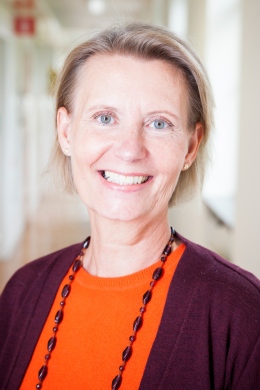
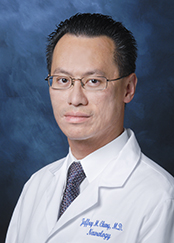
Jessica K. TylerView profile
Professor
Jessica K. Tyler, Ph.D. is a Professor of Pathology and Laboratory Medicine at Weill Cornell Medical College. She serves as Principal Investigator of the Laboratory of Epigenetics and Genomic Integrity and has been at Weill Cornell Medicine since 2015, after previously serving as a Tenured Professor at the University of Colorado School of Medicine and as a CPRIT Rising Star at MD Anderson Cancer Center. Dr. Tyler's research focuses on the molecular basis of genome stability, chromatin function, and longevity. Her lab uses budding yeast as a model system to study aging processes due to its conserved evolutionary pathways with humans. The Tyler lab investigates how epigenetics and chromosomal processes regulate DNA stability, why genome instability increases during aging, and how these processes contribute to cancer and neurodegenerative disorders. Current projects include studying aging and anti-aging mechanisms, epigenetics, and genomic integrity. Her laboratory has made significant contributions to understanding chromatin dynamics in DNA repair, including the discovery that the tardigrade protein Dsup can protect yeast genomes from damage and extend longevity. The lab's research combines molecular genetics in budding yeast, tissue culture studies, biochemistry, and next-generation sequencing approaches. Dr. Tyler has received numerous scientific awards including being named a Fellow of the American Association for the Advancement of Science (2017), a National Academy of Sciences Kavli Fellow (2011), and recipient of the AACR Woman in Cancer Research Charlotte Friend Memorial Award (2009). Fellow of The American Association for the Advancement of Science (2017) National Academy of Sciences Kavli Fellow (2011) University of Glasgow Tenovus Medal (2010) AACR Woman in Cancer Research Charlotte Friend Memorial Award (2009) Leukemia and Lymphoma Society Scholar (2005) Hans Krebs Prize in Biochemistry (1990) Dr. Tyler actively mentors students and postdocs, with numerous alumni now in academic and industry positions. She has been awarded multiple NIH grants including research on chromatin's role in the repair of radiation-induced damage and discovering molecular mechanisms that determine replicative lifespan. Her laboratory collaborates with researchers across institutions and maintains active participation in scientific symposiums focused on epigenetic regulation and genome integrity.