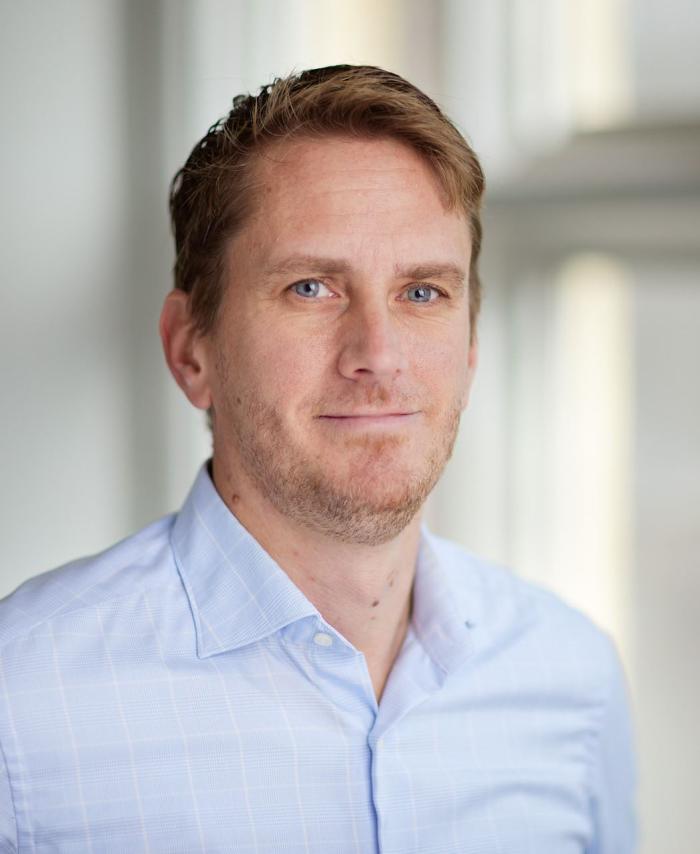
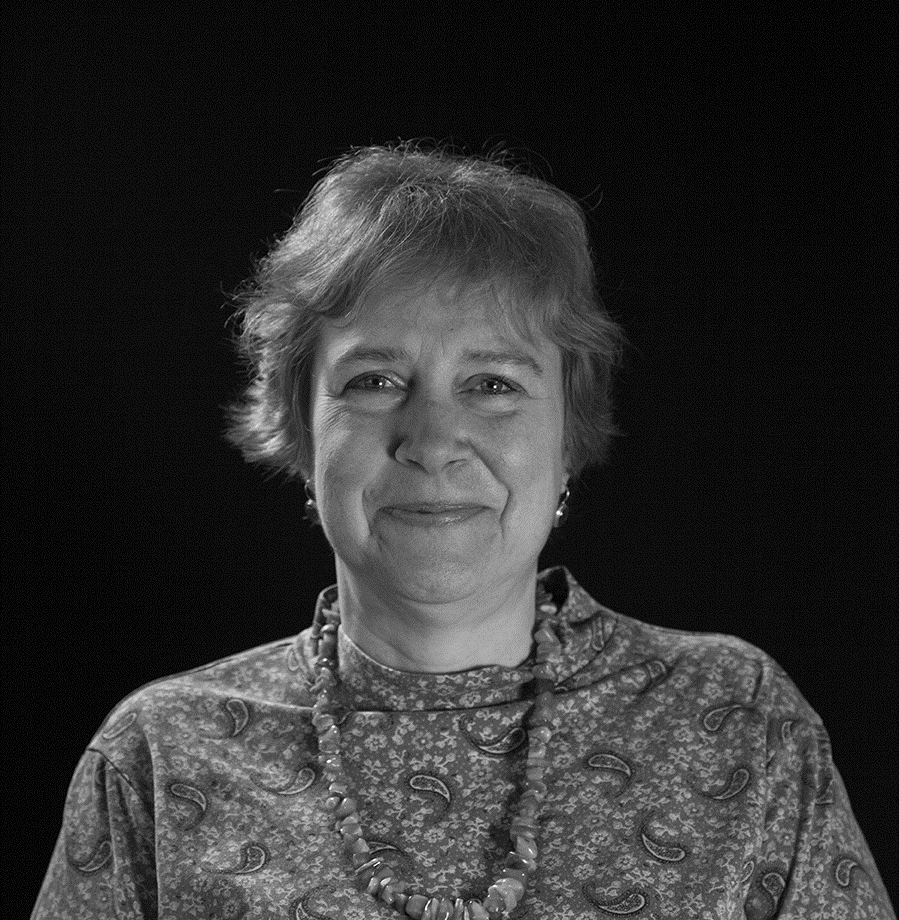
Professor Emma Widdis is a leading scholar at the Faculty of Modern and Medieval Languages and Linguistics at the University of Cambridge, specializing in the intersection of Soviet cinema, ideology, and cultural geography. Her work explores the reeducation of sensory perception through film, early Soviet urban spaces, and the construction of subjectivity via cinematic techniques. Teaches 20th-century Russian/Soviet literature, cinema, and film theory Focuses on sensory engagement, political avant-garde, and urban spatial representation Supervisor for MPhil and PhD students in Slavonic Studies Her recent book Socialist Senses (2017) examines how cinema shaped Soviet perceptions of reality. Her publications span topics like silence in sound film, set design materiality, and costume symbolism in early Soviet cinema. While no formal scientific awards are listed, her research has been supported through institutional grants and collaborations with centers like CRASSH and Cambridge Language Sciences.
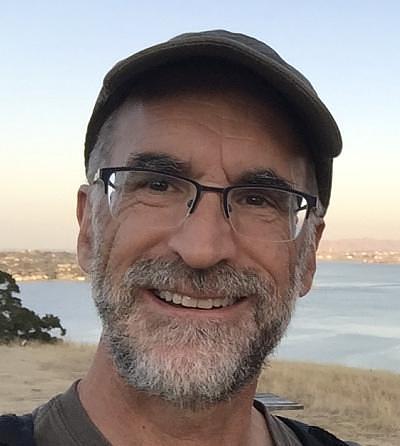
Professor Max Deeg is a leading scholar in Buddhist Studies at Cardiff University , holding a personal chair since 2009. With a career spanning institutions in Germany, Austria, and the UK, his research focuses on transcultural Buddhist history from India to East Asia, Chinese Buddhist travelogues , and interreligious encounters in medieval China. He has held visiting positions at universities in Japan, Nepal, the US, and Germany, and currently directs the Centre for the History of Religion in Asia (CHRA) . PhD from University of Würzburg (1990) Dr. phil. habil. in Religious Studies (1998) Full Professor at University of Vienna (2002-2006) His research explores Buddhist narratives as tools for constructing religious identity, foundation myths in trans-Himalayan contexts, and terminology evolution in Chinese Buddhist translations. Recent publications analyze Indian Buddhist monasticism through Chinese sources and religious concepts like xin (trust) across Buddhist, Manichaean, and Christian traditions. Awarded the KHK Visiting Research Fellowship (2016) and a DAAD Scholarship (1986-87) , Prof Deeg contributes to editorial boards of major journals. He supervises PhD students and teaches Buddhist Studies , Life of the Buddha , and Chinese Buddhist Texts .
Albrecht Fuess is a Professor of Islamic Studies at Philipps University of Marburg since 2010, specializing in Middle Eastern History (13th–17th centuries), Mamluk socio-cultural dynamics, and contemporary European Islamic discourses. His research spans historical continuity in Ottoman-Mamluk-Safavid interactions, Islamic youth cultures, and Mediterranean geopolitics. Research Focus: Medieval Islamic history, Transottomanica mobility studies, Islam in Europe, and cultural integration of Muslim migrants. Awards: Le Studium Fellowship (2007–2009) at Université de Tours. His publications emphasize military-economy interplay, legitimacy through religious narratives, and resource management in empires, with a focus on Mamluk and Ottoman transformations. He has advised on doctoral projects covering topics like Islamic welfare, Arabic ʾAmālī literature, and Cypriot-Ottoman relations. Leadership: Co-coordinator of Transottomanica (DFG-SPP 1981), member of ANR and DAAD committees, and liaison professor for the German National Academic Foundation. Editorial Roles: Co-editor of 'Transottomanica' and 'Muslim Worlds' series, and advisory board member for journals in Cairo, Paris, and Leuven.
Matt King is an Associate Professor and Graduate Director in the Department of History at the University of South Florida (USF), within the College of Arts and Sciences. He specializes in medieval Mediterranean history, digital humanities, and the Crusades era, particularly focusing on Norman-Sicily and Zirid-Ifriqiya relations. King holds a Ph.D. from the University of Minnesota (2018) and teaches courses on medieval history, digital methods, and historical pedagogy. His research explores the interconnectedness of medieval Mediterranean polities, leveraging Arabic and Latin sources alongside digital tools like the Old World Drought Atlas. His first book, Dynasties Intertwined (2022), examines Zirid-Norman relations. He has co-authored translations of al-Idrisi’s geography and is currently researching the historical perception of goblins. Education: Ph.D., University of Minnesota (2018); M.A. (2014), B.A. (2012) in History and Latin. King’s teaching emphasizes active learning and digital humanities, including workshops for K-12 educators. He has received grants totaling over $40,000 for research and community projects. Awards include the Outstanding Graduate Instructor Award (UMN, 2018) and the Subvention Award (USF, 2022). His publications span peer-reviewed journals (e.g., Journal of North African Studies , The History Teacher ) and edited volumes, with a focus on medieval Mediterranean dynamics, digital pedagogy, and environmental history. King advises graduate students in medieval Mediterranean history, emphasizing research in Arabic, Latin, or Greek. He is involved in digital initiatives, including departmental websites and archaeological 3D modeling projects.
Dr. Laura McMahon is an Associate Professor in Film and Screen Studies at the Faculty of Modern and Medieval Languages and Linguistics , University of Cambridge. She is currently on sabbatical leave and will return in Easter Term 2024. Her research explores intersections between film and philosophy , with a focus on French and Francophone cinema , decolonial approaches , feminist theory , and ecocritical perspectives . Dr. McMahon’s work examines how contemporary feminist filmmakers like Onyeka Igwe and Khady Sylla engage with archives to reframe history through speculative reimagining . She also investigates ecological themes in Claire Denis’s films and the ethics of animality in global art cinema. Her monograph Animal Worlds: Film, Philosophy and Time (2019) and edited collections like Animal Life and the Moving Image (2015) highlight her contributions to debates on nonhuman representation and deconstructive aesthetics . Her recent publications analyze documentary practices , postcolonial archives , and critical repurposing in moving image work. She welcomes inquiries from MPhil and PhD students working on related topics. Her teaching and research are affiliated with the Cambridge Film and Screen initiative and the Cambridge Italian Research Network (CIRN).
Prof. Stefan Rohdewald is a Professor of East and South-Eastern European History at the University of Leipzig since 2020. Previously, he held positions at Justus Liebig University Giessen (2013-2020), University of Passau (2003-2012), and University of Zurich (1998-2001). His research focuses on transregional histories, religious memory, and intercultural communication in Eastern Europe and the Ottoman sphere. Key roles include coordinating DFG’s Transottomanica program and leading the GiZo partnership with University of Zagreb. Education: PhD (2004, University of Zurich), Habilitation (2012, University of Passau). Research interests span memorial discourses, Ottoman-Europe relations, and sport history. Major projects include studies on Serbo-Bulgarian religious figures and transottoman mobility dynamics. He chairs conferences on minority politics and Ottoman Europe, contributing to over 70 peer-reviewed publications. Award-winning publications include Götter der Nationen (2014) and Vlad der Pfähler (2017). His work bridges Eastern European, Ottoman, and transnational histories through innovative methodological frameworks.
Ruben Andersson is Professor of Social Anthropology at the University of Oxford’s Department of International Development, where he researches migration, borders, security, and conflict. His work spans the West African Sahel, southern Europe, and global security dynamics. Current Leverhulme Major Research Fellow (2023-26) for 'Apocalypse soon: Security, subversion and the struggle for a human future' Author of three major monographs: Wreckonomics (2023), No Go World (2019), and Illegality, Inc. (2014) Co-edits special issues on remoteness and risk in global governance His research focuses on the unintended consequences of security interventions, including: How fear maps global danger zones Counterproductive border control industries Postcolonial risk economies in Mali and Afghanistan Security-fueled displacement cycles Profits from migration control systems Anthropology of the bioeconomy Recent publications (2016-2024) analyze: Security as subversion Border wall paradoxes Bioeconomic border technologies Digital danger mapping Interventionist 'bunker politics' Time as a control mechanism Scientific recognition: Leverhulme Major Research Fellowship (2023) Co-published in The Cambridge Journal of Anthropology , Political Geography , and Security Dialogue Doctoral supervision includes: Chloe Marshall-Denton Maggie Neil His fieldwork in Mali, Senegal, and the Mediterranean has produced critical insights about: Security industry feedback loops Risk aversion in academic/interventionist practices Colonial cartographic legacies in modern geopolitics Profit motives behind 'failed' interventions
John MacFarlane is a Professor of Philosophy at the University of California, Berkeley , with affiliations to the Group in Logic and the Methodology of Science and co-organizer roles in the Meaning Sciences Club and Townsend Center Working Group . His research spans philosophy of language, philosophical logic, metaphysics, epistemology, philosophy of mathematics, history of logic , and ancient philosophy , particularly Aristotle . He has held visiting positions at institutions like École des Hautes Études en Sciences Sociales (EHESS), Paris . Education : Ph.D. in Philosophy (2000, University of Pittsburgh), M.A. in Classics (1997) and Philosophy (1994), A.B. summa cum laude in Philosophy (1991, Harvard). Research Interests focus on semantic relativism , particularly assessment sensitivity as explored in his book Assessment Sensitivity: Relative Truth and Its Applications (Oxford, 2014). He investigates how epistemic modals and vagueness interact with truth evaluation. His work in philosophical logic includes a textbook Philosophical Logic: A Contemporary Introduction (Routledge, 2021). Secondary interests include ancient philosophy (Aristotle, Plato), formal logic , and fiddlosophy . Article Trends reveal contributions to relativism , epistemic modals , vagueness , and logicism . His recent work (2025) examines Plato’s Protagoras and belief utility , while 2022–2020 articles address semantic indecision and probabilistic knowledge . Earlier works (2008–2000) include foundational studies on Frege, Kant, and Aristotle . Scientific Awards include a 2023 Residential Fellowship at Wissenschaftskolleg, Berlin (declined), 2016–17 Fellow at IEA Paris , and 2015 American Academy of Arts and Sciences membership . He has received multiple Humanities Research Fellowships at Berkeley (2016, 2008, 2003) and Research Enabling Grants (2000–2009). Advising includes supervising 15+ PhD students in areas like logic, epistemology, and philosophy of language . Notable advisees include Richard Lawrence (2017) and Sophie Dandelet (2021). He also guided honors theses at Berkeley, such as Benjamin Logan’s work on epistemic modals (2018). Labs and Teams involve co-organizing the Townsend Center Working Group in History and Philosophy of Logic, Mathematics, and Science and contributing to the Group in Logic and Methodology of Science . His interdisciplinary approach integrates philosophy, logic, and computational tools , including creating Pandoc for document conversion.
Professor Beatrice Heuser is a distinguished academic in the Department of Politics within the School of Social & Political Sciences at the University of Glasgow. Her career spans multiple prestigious institutions across Europe, including King's College London, University of Reading, and visiting professorships at Sciences Po Paris, Bundeswehr University Munich, and MGIMO. She maintains significant affiliations with major strategic research institutes including Chatham House, RUSI, IFRI, and IRSEM. Education: BA from Bedford College London, MA from LSE, DPhil from Oxford (St Antony's/St John's), Habilitation from University of Marburg Professional Experience: Former Director of Studies at German Bundeswehr's military history research office, NATO Headquarters consultant, and extensive teaching across European institutions Her research centers on strategic studies with particular focus on the cultural dimensions of warfare, nuclear strategy, and the historical evolution of strategic thought. Key research areas include strategic culture, military exercises as political instruments, laws of war development, and European defense policy. Her work bridges historical analysis with contemporary security challenges, examining how cultural narratives shape strategic decision-making from antiquity to the nuclear age. Professor Heuser's recent publications demonstrate consistent scholarly output across strategic theory, military history, and contemporary security issues. Her work shows particular emphasis on the conceptual foundations of strategic culture, historical analysis of warfare evolution, and practical applications to modern security challenges including nuclear deterrence and asymmetric warfare. The interdisciplinary nature of her research connects political theory, historical analysis, and security studies. She actively supervises graduate students in strategic theory, nuclear strategy, insurgency studies, and defense policy-making within NATO/EU contexts. Her teaching portfolio includes War and International Relations, Defense Policy, and Strategic Theory courses.
Angelika Malinar, Professor of Indology at the University of Zurich and member of its Gender Studies Department, specializes in Hinduism, Indian philosophy, and Sanskrit literature. Her work spans historical and modern contexts, with a focus on epic texts and Indo-European exchanges. She co-edits the Brill's Encyclopedia of Hinduism and contributes to the University Research Priority Program "Asia and Europe." PhD and habilitation from University of Tübingen Researcher at Tübingen, Berlin, and London Her research integrates Sanskrit epics, philosophical traditions, and modern Hindu identity. Recent publications analyze Mahābhārata theology, ritual practices, and cross-cultural interpretations. She explores how texts like the Bhagavadgītā and Nārāyaṇīya bridge ritualism, aesthetics, and individual authority. Key article trends examine cosmological monotheism , epic decision-making , and colonial reinterpretations . Her editorial roles include interdisciplinary volumes on time, purity, and Indo-European cultural dialogues. As a Senior Lecturer at SOAS and Professor in Zurich, she has led projects on monastic institutions, rasas, and canonical formation. Her work contextualizes Indian philosophy within global frameworks, notably nineteenth-century German Indology.
Timothy R. Tangherlini serves as the Elizabeth H. and Eugene A. Shurtleff Chair in Undergraduate Education and Professor in the Department of Scandinavian and the School of Information at the University of California, Berkeley. A distinguished folklorist and ethnographer, he has pioneered computational approaches to folklore studies, bridging traditional humanities scholarship with cutting-edge digital methods. His research expertise spans multiple interconnected domains: Digital humanities and computational folkloristics Danish and Scandinavian cultural traditions Network analysis of narrative structures Machine learning applications in cultural analysis Conspiracy theory formation and transmission Korean cultural studies and K-Pop analysis Tangherlini's work focuses on how stories circulate across social networks and how individuals use narratives to negotiate ideology within their social groups. He has been instrumental in developing the field of Culture Analytics, co-directing a three-year program at the NSF's Institute for Pure and Applied Mathematics and leading the NEH's Institute for Advanced Topics in Digital Humanities on Network Analysis for the Humanities. His research combines ethnographic depth with computational sophistication, creating novel methodologies for analyzing large cultural corpora. His scholarly contributions have earned him significant recognition: Fellow of the American Folklore Society Fellow of the Royal Gustav Adolf Academy (one of Sweden's Royal Academies) Elizabeth H. and Eugene A. Shurtleff Chair in Undergraduate Education Tangherlini has secured substantial funding from prestigious organizations including the NEH, NSF, NIH, AFOSR, Mellon Foundation, Nordic Council of Ministers, and Google. His work on conspiracy theories, K-Pop choreography analysis, and historical Danish folklore has garnered media attention, demonstrating the public relevance of his research. With extensive international experience including appointments at the University of Copenhagen, University of Iceland, and Harvard University, he maintains a global scholarly perspective while contributing significantly to undergraduate education at Berkeley.
John H. Arnold is Professor of Medieval History at the University of Cambridge and Fellow of King's College. Educated at the University of York (BA History, D.Phil Medieval Studies), his academic career includes positions at University of East Anglia and Birkbeck, University of London before joining Cambridge in 2016. He holds editorial roles at Cultural and Social History, Past & Present, and directs publication series at both York Medieval Press and Cambridge University Press. Arnold's research centers on medieval religious culture, particularly lay belief, heresy, inquisition, and the history of gender. His monograph 'The Making of Lay Religion in Southern France' (2024) exemplifies this focus. Current projects investigate the social history of confession and the repression of usury. Analysis of Arnold's 15 most recent publications reveals consistent engagement with medieval religious dissent and belief systems. Key themes include: reinterpretations of heresy trials (2019), sensory dimensions of faith (2018), historiographic debates about Catharism (2016), and methodological examinations of archival sources (2022). His work frequently employs theoretical frameworks from sociology and philosophy to reinterpret medieval religious conflict. Arnold maintains active research networks through editorial leadership and supervision. His Cambridge Studies in Medieval Life and Thought series promotes innovative scholarship in medieval history.
Craig M. Koslofsky is a Professor of History at the University of Illinois at Urbana-Champaign, with additional affiliations in Germanic Languages and Literatures, the European Union Center, and the Program in Medieval Studies. His research focuses on early modern Europe, particularly the history of everyday life and human skin in the early modern era (1400–1800). He explores topics such as medical practices, slavery’s impact on indigenous populations, and supernatural beliefs in colonial contexts. His research interests span the Atlantic World, British Empire, and medieval Europe, reflecting interdisciplinary approaches to historical analysis. Recent publications address the intersection of skin studies and colonialism, the cultural history of ghosts in Enlightenment America, and the Reformation’s local manifestations. He has edited works on transatlantic slave trade surgeons and early modern religious debates. Koslofsky holds a Ph.D. and is based in Gregory Hall. His work bridges global and local histories, emphasizing the material and cultural dimensions of early modern life. He collaborates across disciplines, engaging with medical history, literary studies, and colonial studies.
Seb Falk is a College Fellow and Research Fellow at Girton College, University of Cambridge, and a Senior Admissions Tutor. He holds academic roles including Praelector and Director of Studies for the Cambridge Foundation Year. His research focuses on medieval mathematical sciences, particularly astronomy, navigation, and the history of scientific instruments and texts. Falk earned a BA in History and Spanish from Oxford University, followed by an MPhil and PhD in History and Philosophy of Science from Cambridge. His research explores the interplay between religion, literature, and science in the Middle Ages, challenging the 'Dark Ages' narrative. Key projects include studies on late medieval astronomical tables and instruments, and a global comparative analysis of natural sciences around the year 1000. Falk has published widely, including the acclaimed book The Light Ages (2020), which was shortlisted for the Hughes Prize and awarded the Osterbrock Prize in 2025. His articles span topics like medieval astronomical practices, manuscript studies, and the cultural history of science. Falk is also a sought-after media contributor, appearing on BBC programs and podcasts, and has engaged in public outreach through lectures and museum collaborations.
Professor Helena Sanson is a Full Professor of Italian, History of Linguistics, and Women's Studies at the University of Cambridge , where she is also a Fellow of Clare College and serves as Postgraduate Teaching and Examining Officer for the Italian Section. She joined Cambridge in 2005 after teaching at University College London (1998-2003) following her British Academy Postdoctoral Fellowship. PhD from University of Reading (2002) Her interdisciplinary research focuses on the intersection of Italian linguistic history , literary culture , and gender studies from the Renaissance to post-Unification period. Particular emphasis includes women's contributions to linguistic thought , conduct literature analysis , and female roles in translation networks . Her work examines how women navigated language standardization, educational access, and literary production across social strata. Recent projects include Leverhulme-funded research on women's linguistic experiences in 18th-19th century Italy and co-edited volumes on transnational travelers' accounts and early modern female education . She founded the Women and Gender in Italy (1500-1900) book series and the journal Women Language Literature in Italy . Scientific awards include: British Academy Postdoctoral Fellowship Leverhulme Research Fellowship Philip Leverhulme Prize CRASSH Early Career Fellowship Isaac Newton Trust grant Senior Visiting Fellowship at University of Bologna She supervises graduate research in topics spanning women's writing , linguistic thought , translation history , and cultural marginalization in 16th-20th century Italy. Her work bridges philology, literary criticism, and social history through rigorous textual analysis.