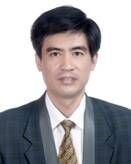
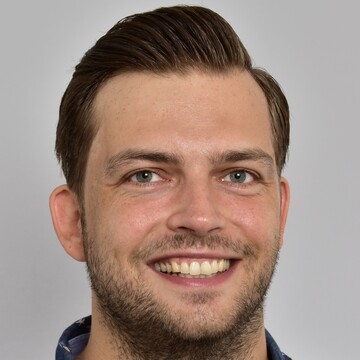
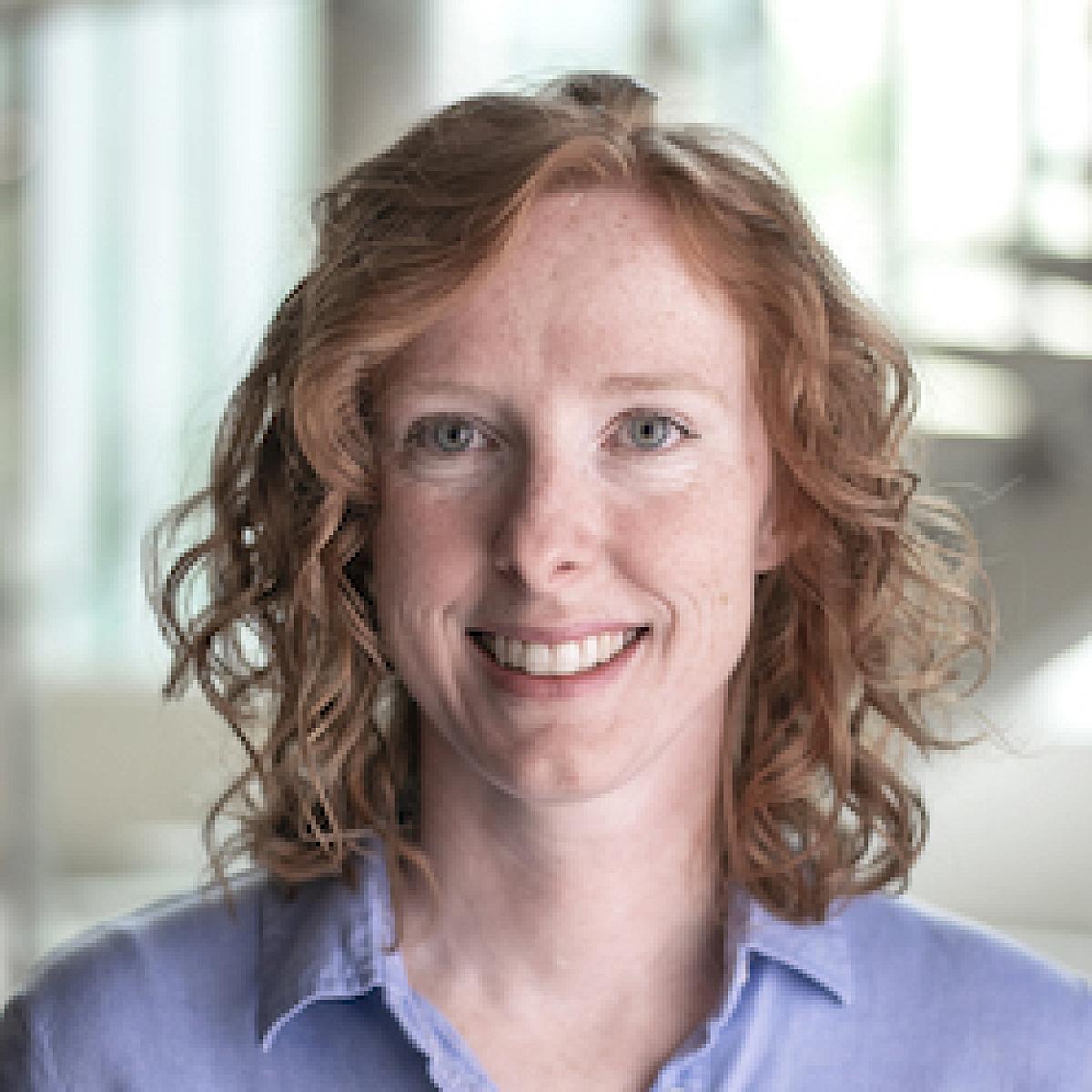
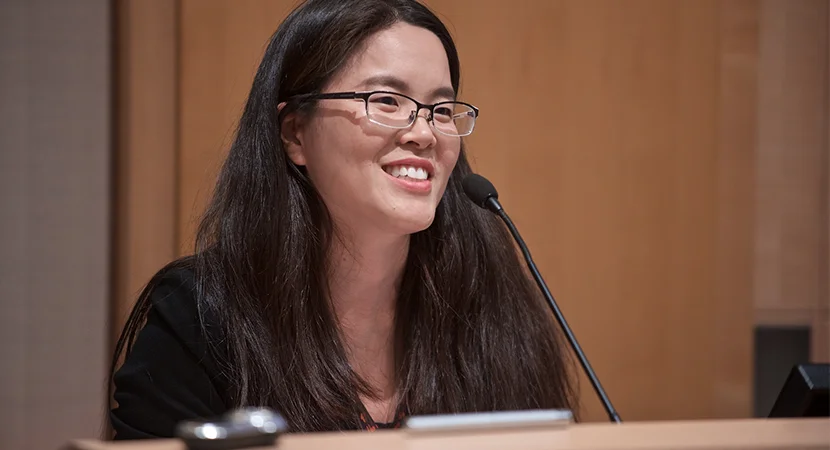
Prof. Robbert Jan Kok is a Professor of Drug Delivery Technology at Utrecht University's Utrecht Institute for Pharmaceutical Sciences (UIPS) and Programme Director for the Bachelor of Pharmacy. He obtained his Pharmacy degree (1993) and PhD in renal drug targeting (1998) from the University of Groningen, followed by postdoctoral research on endothelial-targeted drug delivery. His work spans curriculum development for pharmacy programs and interdisciplinary research in drug innovation. Research Focus: Kok specializes in advanced drug delivery systems, including nanomedicines for kinase inhibitors, 3D-printed formulations, and stimuli-responsive carriers. Key areas include: Targeted delivery to tumors, kidneys, and inflamed tissues Polymeric micelles, liposomes, and microspheres for sustained release Biopharmaceutics and pharmacokinetic optimization Publication Trends: His recent work emphasizes nanotechnology-enabled therapies (e.g., curcumin nanodelivery, photodynamic micelles) and device-integrated drug release (3D-printed implants, macroencapsulation). Studies frequently combine material science with preclinical validation in cancer, renal diseases, and inflammatory disorders. Academic Leadership: Kok oversees student advising, laboratory operations, and international collaborations at UIPS. His team explores translational applications of drug delivery platforms, including partnerships for vascularized tissue engineering and combination therapies.
Yu-Chong Tai is the Anna L. Rosen Professor of Electrical Engineering and Medical Engineering at the California Institute of Technology. He holds the Cherng Leadership Chair (2017–22) and has served as Executive Officer (2005–2008, 2013–22). His research focuses on applying MEMS/NEMS technologies to medical applications, including medical implants, microfluidics, and lab-on-a-chip systems. Tai leads the Caltech MEMS Laboratory, an 8,000-square-foot facility with clean-room and biological labs dedicated to biomedical device development. Education: B.S., National Taiwan University (1981); M.S., University of California (1986); Ph.D., 1989. Academic progression: Assistant Professor (1989–95) → Associate Professor (1995–2000) → Professor (2000–13) → Rosen Professor (2013–present). Research interests span medical devices, Bio-MEMS, microfluidics, drug delivery, and implantable systems like retinal prosthetics and spinal stimulators. His group collaborates with UCSF, USC, UCLA, and industry partners to advance neural implants and micro-scale medical technologies. Key awards: Member of the National Academy of Engineering, Elected to the National Academy of Inventors Notable projects include HPLC-on-a-chip, wireless drug delivery systems, and oxygen-permeable implant coatings. Tai teaches courses on medical device design and micro/nano technology, fostering interdisciplinary innovation.
Elizabeth Stephens is an Associate Professor of Cultural Studies at the University of Queensland's School of Communication and Arts, serving as Director of Research. She holds affiliations with the Queensland Digital Health Centre and the Centre for Digital Cultures & Societies. Her academic journey includes roles as an Australian Research Council Future Fellow (2017–2021) and Associate Dean Research at Southern Cross University (2014–2017). Her research focuses on three interlinked areas: histories of science/medicine/technology, art/science collaboration, and critical medical humanities. Notable works include Normality: A Critical Genealogy (2017) and Anatomy as Spectacle (2011). Recent projects explore the history of work, productivity, and fatigue, alongside speculative biology and art-science intersections. Stephens supervises PhD candidates in cultural studies of science, medical humanities, and digital cultures. Her 100+ publications span books, book chapters, and journal articles, addressing topics from queer theory to biotechnologies. She actively engages in interdisciplinary collaborations, reflecting her commitment to bridging arts and sciences. Her articles critically examine themes like automation's cultural impacts, historical medical practices, and gender/sexuality in science and media. Awards and grants include ARC Discovery Projects and UQ Foundation grants. Stephens is available for supervision and media commentary on gender, medical humanities, and digital culture.
Huiyan Li, PhD, P.Eng., is an Associate Professor in the Department of Biomedical Engineering at the University of Guelph. Her research focuses on developing micro/nanoscale biosensors and lab-on-a-chip technologies for cancer diagnostics and personalized medicine. Dr. Li holds a Ph.D. in Biomedical Engineering from McGill University and completed postdoctoral training at Harvard Medical School/Massachusetts General Hospital. Her multidisciplinary research integrates biosensing, micro/nanofabrication, bio-optics/electronics, and computational tools to study cancer molecular complexity. Current openings exist for M.A.Sc. students interested in biosensing research. Key research areas include extracellular vesicle analysis, multiplexed immunoassays, magnetic/nanoparticle-enhanced bioassays, and graphene-based biomedical sensors. Recent work emphasizes point-of-care diagnostics and enhanced protein detection via novel material integration. Teaching responsibilities include ENGG 6301 (Advanced Micro/Nano Biotechnology) and undergraduate courses in bio-instrumentation and biomedical signal processing. Her work spans biomaterials classification, microfluidic systems, and antimicrobial nanocomposite development. Research outputs emphasize scalable microarray formats, EV-based biomarker discovery, and sensor sensitivity enhancement through nanomaterial innovations. Current projects address EV concentration measurement, 3D antibody microarrays, and magnetic-responsive hydrogel discs for bioassay improvements.
Shantanu Bhattacharya is a Lee Kong Chian Professor of Operations Management, Deputy Dean (Education), and Academic Director of the PhD in Business (General Management) at the Lee Kong Chian School of Business, Singapore Management University (SMU). He holds a PhD in Operations Management from The University of Texas at Austin (1998), an M.S. in Electrical and Computer Engineering from Louisiana State University (1993), and a B.Tech. in Electrical Engineering from IIT Bombay (1991). His research focuses on Operations Management , Supply Chain Strategy , Sustainable Operations , and New Product Development . He has pioneered studies on closed-loop supply chains, remanufacturing systems, and lifecycle pricing strategies. His work also explores digital business innovation, healthcare R&D partnerships, and energy sector operations. His recent work addresses strategic challenges in everything-as-a-service models (XaaS), battery-as-a-service strategies for automotive industries, and humanitarian logistics optimization. Earlier contributions include seminal studies on milestone-based R&D contracts, gain-share coordination mechanisms, and infrastructure investment in disaster relief. He has received awards including the 1996 Alden G. Clayton Dissertation Fellowship (top 5/57 entries) and multiple teaching nominations at INSEAD. Beyond academia, his research bridges operational efficiency with societal impact, particularly in sustainability and Asian market dynamics. He advises doctoral candidates such as SHEN Ya (CKGSB-SMU DBA). His career spans roles at INSEAD (2002-2014) and visiting positions at SMU-LKCSB (2014-2017), with leadership in curriculum design and PhD programs.
Peter Redfield serves as Professor of Anthropology at the University of Southern California's Dornsife College of Letters, Arts and Sciences, where he bridges anthropology with science and technology studies, postcolonial theory, and humanitarian practice. He previously held the presidency of the Society for Cultural Anthropology (2017-2019) and maintains active affiliations with the LOST Research Network (Law, Organization, Science and Technology), though this network is transitioning to an archive in 2024. His research critically examines transnational expertise and the ethics of humanitarian interventions in contexts of unreliable infrastructure, with current projects including "Beyond Reliable Infrastructure"—which analyzes minimalist life technologies for water, sanitation, and health—and collaborative work with Stellenbosch University on sanitation politics in South Africa. Redfield's scholarship consistently interrogates how humanitarian design navigates utopian ideals of social justice while confronting material constraints and political complexities in global health. His publication trends reveal sustained focus on medical anthropology and humanitarian ethics, particularly through case studies of epidemic response (Ebola), technological fixes (LifeStraw®), and organizational practices (Doctors Without Borders). This work demonstrates evolving attention to material politics and infrastructure, moving from colonial histories (e.g., French Guiana rocketry) toward contemporary crises in global health governance. Redfield's research is supported by institutional affiliations including the Institute for Advanced Study (Princeton, 2016-17) and collaborative partnerships across Africa. He leads interdisciplinary teams examining humanitarian innovation, with recent work emphasizing the material dimensions of aid delivery and the political economies of "dignified living" in marginalized communities.
Scott McCabe is a Professor of Marketing at Birmingham Business School, University of Birmingham. He earned his PhD from the University of Derby in 2001, focusing on visitor motivations in the Peak District National Park, and holds an MA in Leisure and Tourism Studies from the University of North London (1993) and an HND in Leisure Studies from the University of Salford (1991). Current co-editor in Chief of the Annals of Tourism Research Editorial board member of Tourism Management Elected fellow of the International Academy for the Study of Tourism (2019+) His research spans social tourism , responsible tourism , tourist emotions , and socio-linguistic methodology , with significant work on wellbeing outcomes from supported holidays for disadvantaged families. He has contributed to Annals of Tourism Research , Journal of Travel Research , and other top-tier journals. Recent publications address topics like qualitative research sampling , tourism theory , dark tourism motivations , and smart destination engagement . His work combines tourism policy critique , consumer behavior analysis , and methodological innovation . Scientific awards include fellowships and leadership roles in international tourism research committees. He has served as VP for the International Sociological Association's Tourism Research Committee and co-chairs the Academy of Marketing's Tourism Marketing SIG.
Dr. Julius Emmrich serves as a neurologist and neuroscientist at Charité – Universitätsmedizin Berlin, holding appointments as Assistant physician in the Clinic for Neurology and Associate Member of the Einstein Center Digital Future. He is a Digital Clinician Scientist funded by the German Research Foundation and leads projects within the Berlin Institute of Health's Digital Health Accelerator Program. Additionally, he co-founded and chairs the nonprofit Doctors for Madagascar since 2011. His educational background includes: Medical studies at University of Freiburg and Leipzig Doctorate (Dr. med.) from University of Leipzig / Mount Sinai School of Medicine, NYC (2012) Master of Philosophy in Neuroscience from University of Cambridge (2012) Medical license (2011) Emmrich's research integrates digital health innovation with global health equity, focusing on mobile technology solutions for healthcare access in resource-limited settings. His work with Doctors for Madagascar developed mTOMADY—a USSD-based platform enabling mobile health financing through savings, insurance, and voucher systems. This bridges his clinical neurology expertise with practical applications in maternal health, rural insurance coverage, and last-mile health fund delivery across Madagascar and the Democratic Republic of Congo. He directs significant research initiatives including the Mobile Maternal Health Wallet and Digital Insurance Card programs, funded through German Research Foundation grants and Berlin Institute of Health partnerships. His prior roles include Junior Clinician Scientist at Berlin Institute of Health (2015-2017) and visiting researcher positions at Cambridge University and the Federal Institute for Risk Assessment. As chairman of Doctors for Madagascar, Emmrich oversees operations supporting over 200,000 people through mTOMADY, which has facilitated 100,000+ treatments since 2019. The organization implements context-specific solutions including mobile health wallets for cocoa farming communities and voucher programs in remote regions, demonstrating scalable models for equitable healthcare financing.
Privatdozent Dr. Andreas Faust is a leading researcher at the European Institute for Molecular Imaging (EIMI) at the University of Münster, where he heads the Chemical Targeting Lab. His work focuses on developing innovative imaging agents for medical diagnostics, particularly in radiopharmaceutical chemistry and molecular imaging. He maintains strong affiliations with the Department of Nuclear Medicine at the University Hospital Münster and participates in the "Cells in Motion" excellence cluster, contributing to cutting-edge research at the intersection of chemistry, medicine, and imaging technology. Dr. Faust completed his chemistry studies at the University of Münster, earning his Diploma in 1999, followed by his doctoral degree (Dr. rer. nat.) in 2003 with research on artificial caffeine receptors. His academic journey continued with positions at the Department of Organic Chemistry and the Department of Nuclear Medicine before becoming head of the chemistry group at EIMI in 2011. Dr. Faust's research centers on organic and medicinal chemistry with specialization in radiopharmaceutical chemistry . His team develops novel tracers for diagnostic molecular imaging using positron emission tomography (PET), single-photon emission computed tomography (SPECT), optical imaging, and photoacoustic imaging. A significant portion of his work focuses on creating specific ligands for the alarmins S100A8/S100A9 and bacteria-specific tracers based on complex carbohydrates or siderophores. His research has important applications in inflammation imaging, infection diagnostics, and cancer theranostics, with emphasis on improving metabolic stability and target specificity of imaging agents. His publication record demonstrates consistent contributions to molecular imaging, with recent work emphasizing bacteria-specific PET tracers, inflammation imaging targeting S100 proteins, and novel optical imaging probes. The research shows a clear trajectory toward developing clinically applicable imaging agents with improved specificity and metabolic stability, particularly in the areas of infection diagnostics and inflammation monitoring. 2017: Best Poster Award at Symposium "Molecular Imaging Agents in Medicine," Groningen 2009: Young Investigator Award at Deutscher Röntgenkongress, Berlin 2005: Best Scientific Poster Award at 4th Annual Meeting of the Society of Molecular Imaging, Köln Dr. Faust leads multiple significant research projects, including as Coordinator of a project on immune cell distribution imaging (2019-2024) and as Principal Investigator for CRC-project A03 "Targeting of S100A8/A9 for imaging of inflammatory disorders" and research on vascular graft infections (both 2021-2024). His Chemical Targeting Lab comprises a multidisciplinary team working at the intersection of chemistry, microbiology, and medical imaging, securing substantial funding from the Innovative Medicines Initiative and DFG Collaborative Research Centre. The Chemical Targeting Lab maintains state-of-the-art facilities for chemical synthesis, radiochemistry, and biological testing. The lab collaborates extensively with microbiologists, clinicians, and imaging specialists to translate basic research into clinical applications. Current research directions include optimizing bacterial imaging probes for clinical diagnostics and developing new inflammation-specific tracers for early disease detection, with particular focus on S100A9-targeted imaging and siderophore-based bacterial detection systems.
Shutao Ma is a Professor and Doctoral Supervisor at Shandong University's School of Pharmaceutical Sciences, serving as Director of the Department of Medicinal Chemistry since 2009. He has received the Special Government Allowance from China's State Council since 2002 and the seventh youth award of Shandong province for his contributions to medicinal chemistry. His academic credentials include: Ph.D. in Pharmaceutical Sciences, Shandong University (2004-2007) M.Sc. in Pharmaceutical Sciences, Shandong Medical University (1988-1991) B.Sc. in Pharmaceutical Sciences, Shandong Medical University (1981-1986) Professor Ma's research pioneers innovative strategies against antibiotic-resistant bacteria through three interconnected pillars: 1) Designing FtsZ/AcrB-targeted small molecules to disrupt bacterial cell division and efflux mechanisms; 2) Structural optimization of macrolides, glycopeptides, and lipopeptides to overcome resistance; 3) Total synthesis and mechanistic studies of marine-derived antibacterial natural products. His work bridges synthetic chemistry with microbiological validation to develop next-generation antimicrobials. Analysis of his 15 most recent publications (2014-2016) reveals a dominant focus on antibacterial drug discovery (87% of works), particularly FtsZ inhibitors (33%) and macrolide derivatives (27%). Emerging themes include quorum sensing modulation (7%) and antiviral/anticancer applications (13%), demonstrating strategic expansion while maintaining core expertise in resistance mechanisms. His scientific recognition includes: First prize of Shandong science and technology progress award (2000) Special government allowance from the State Council (2002) The seventh youth awards of Shandong province (2002) As a Doctoral Supervisor, Professor Ma mentors the next generation of medicinal chemists while directing a robust research program funded by 12 major grants. His National Natural Science Foundation portfolio (2004-2020) spans antibacterial discovery, while Shandong Provincial grants (2006-2017) and China-Australia collaborations (2014-2017) support translational development of resistance-breaking agents. Leading the Department of Medicinal Chemistry, he oversees a multidisciplinary team integrating synthetic chemistry, microbiology, and computational modeling to advance antibacterial drug candidates from concept to preclinical validation, with particular emphasis on FtsZ-targeted therapeutics and macrolide engineering.
Max Pellert is a computational social scientist and cognitive scientist with faculty appointments at multiple institutions. Since 2022, he has served as an Assistant Professor at the Chair for Data Science in the Economic and Social Sciences at the University of Mannheim . He previously held an interim Professor position at the University of Konstanz and an Assistant Researcher role at Sony Computer Science Laboratories Rome. His work bridges computational methods with social science theory. Education M.Sc., University of Vienna (2017) in Middle European interdisciplinary Master's program in Cognitive Science (with distinction) Ph.D., Medical University of Vienna (2022) in Medical Informatics, Biostatistics & Complex Systems Research interests center on Computational Social Science , Digital Traces , and Natural Language Processing for emotion and sentiment analysis. He develops Temporal Adapters for tracking longitudinal emotional patterns and FAULTANA pipeline for polarization studies. His AI Psychometrics framework assesses personality-like traits in large language models. Recent publications include: (1) 2025 ACL work on political bias in LLMs; (2) 2025 ICWSM study of temporal emotion analysis; (3) 2024 Perspectives on Psychological Science paper on LLM psychometrics; (4) 2024 PNAS Nexus polarization analysis; (5) 2023 Emotion cross-cultural study of pandemic emotions. Scientific Awards Habilitation candidate status at University of Mannheim Teaching includes IS 616: Large Scale Data Analysis , IS 809: Advanced Text Mining Lab , and IS 723: Data Science Seminar at master’s and PhD levels. His Barcelona Supercomputing Center role focuses on principal investigator duties for computational social science projects.
Jüri Raud (born August 6, 1972) is an Associate Professor in Plasma Spectroscopy at the Institute of Physics, Faculty of Science and Technology, University of Tartu. He has been a dedicated researcher at the University of Tartu since 2000, progressing from Senior Engineer to Research Fellow, Senior Research Fellow, and currently Associate Professor since 2021. His academic career spans over two decades of research in plasma physics with significant contributions to plasma spectroscopy, plasma chemistry, and plasma medicine applications. His educational background includes: Doctoral Degree in Physics (2009), University of Tartu Master's Degree in Physics (2001), University of Tartu Undergraduate studies in Physics (1995-1999) and Geology (1990-1995), University of Tartu Raud's research focuses on plasma spectroscopy, plasma chemistry, and plasma medicine, with particular emphasis on plasma diagnostics, gas discharge physics, and medical applications of plasma. His work bridges fundamental plasma physics with practical applications in materials science and medicine, especially in understanding plasma-liquid interactions and their biomedical implications. He has made significant contributions to understanding ionization processes in various gas mixtures and their applications in plasma medicine. His recent publications (2022-2024) demonstrate a strong focus on plasma diagnostics, plasma medicine applications, and plasma-material interactions. The research trends show a clear progression toward medical applications of plasma, with numerous studies on plasma-activated water, reactive species production, and their effects on cancer cells. His work also maintains strong foundations in fundamental plasma physics, particularly in ionization coefficients and discharge characteristics across various gas mixtures. Raud has been actively involved in teaching physics at both the University of Tartu and Masaryk University, covering courses in computer hardware, electromagnetism, and laboratory physics. He serves as Chairman of the gas discharge physics seminar at the University of Tartu and as the EFDA JET Technical Contact Person for Remote Participation on fusion experiments in Estonia. His research group focuses on plasma spectroscopy techniques, plasma diagnostics, and the development of plasma applications in medicine and materials processing. The team collaborates extensively with international partners in the field of plasma physics and fusion research, contributing to both fundamental understanding and practical applications of low-temperature plasmas.
Katherine E. Varley, PhD is a Huntsman Cancer Institute Investigator and Associate Professor in the Department of Oncological Sciences at the University of Utah. She leads the Varley Lab and is a member of the Nuclear Control of Cell Growth and Differentiation Program, focusing on breast cancer genomics, epigenetics, and biomarker discovery. Her work bridges computational biology with clinical applications to improve breast cancer diagnosis and treatment. Dr. Varley earned her BS in Biology with a concentration in Computational Biology from Cornell University in 2003, followed by a PhD in Computational Biology from Washington University School of Medicine in 2009 under Dr. Robi Mitra. Her postdoctoral training was conducted in Dr. Richard M. Myers' laboratory at the HudsonAlpha Institute for Biotechnology, where she participated in the ENCODE Project Consortium. Her research focuses on using next-generation sequencing and computational analysis to study gene expression, transcription factor binding, and DNA methylation patterns in breast cancer. The Varley Lab investigates epigenetic gene regulation, develops novel molecular methods and bioinformatics approaches, and translates discoveries into clinical tools. Key research areas include Clinical Trial Genomics, Epigenome Engineering, Detecting Circulating Tumor DNA, and identifying Transcription Factors Driving Metastasis, with particular emphasis on triple-negative breast cancer. Analysis of Dr. Varley's publications reveals a consistent trajectory from fundamental genomic mechanisms to clinical translation, with recent work emphasizing biomarker discovery, tumor heterogeneity, and the development of genomic tools for precision oncology. Her research spans cancer biology, genomics, and computational analysis to address critical challenges in breast cancer treatment. Dr. Varley holds multiple patents related to cancer diagnostics and genomic technologies, including targeted sequencing methods, multigene assays for recurrence risk, and biomarkers for triple-negative breast cancer. These inventions reflect her commitment to translating basic research into clinical applications. She actively collaborates with clinical investigators in breast cancer trials and works closely with the Breast and Gynecologic Cancers Disease Center at Huntsman Cancer Institute. Her lab maintains four main research thrusts that collectively address breast cancer from molecular mechanisms to clinical applications, demonstrating a comprehensive approach to improving patient outcomes through genomic technologies.
Dr. Su Ryon Shin is an Assistant Professor in the Division of Engineering in Medicine at Harvard Medical School and Brigham and Women's Hospital (BWH) in Cambridge, MA. She leads an active research laboratory focused on bioengineering, tissue engineering, and regenerative medicine, with particular expertise in 3D bioprinting, biomaterials, and organ-on-a-chip technology. Her research interests span biohybrid robotics, decellularized extracellular matrix, stem cell-based tissue engineering, and volumetric muscle regeneration . Dr. Shin's work integrates advanced biomaterials with cellular systems to create innovative solutions for tissue regeneration and disease modeling. She has pioneered approaches using human stem cell-derived materials for volumetric tissue regeneration and developed biohybrid neuromuscular robots powered by living cardiac muscle cells. Her publication record demonstrates consistent productivity with over 180 publications, including numerous first/senior author papers in high-impact journals like Science Robotics, Advanced Materials, and Nature Reviews Bioengineering . Her work shows a clear progression from fundamental biomaterials development to increasingly complex tissue engineering applications and translational research. Dr. Shin has received significant recognition including being named a 2025 BWH Health & Technology Innovation Awardee , Highly Cited Researcher 2024 by Web of Science, and multiple Stepping Strong Innovator Awards (2015, 2018, 2020). Her research has been featured in Nature Reviews Bioengineering for breakthrough work on biohybrid robots. She actively mentors students and postdocs, with former lab members accepted to prestigious programs like MIT's PhD program in Chemical Engineering. Her collaborative approach is evident through numerous interdisciplinary projects with researchers across Harvard Medical School, BWH, and international institutions.
Prof. Dr. med. Franz Lennard Ricklefs is a Senior Physician and Head of the Working Group at the Department of Neurosurgery, University of Hamburg Faculty of Medicine. He is a Medical Specialist in Neurosurgery with cross-disciplinary expertise in neuro-oncology, molecular pathology, and extracellular vesicle research. Affiliations: University Medical Center Hamburg-Eppendorf (UKE), European Liquid Biopsy Society (ELBS), International Consortium on Meningiomas (ICOM) Research Interests: His work focuses on neurosurgical oncology, particularly glioblastoma and meningioma pathobiology. He investigates DNA methylation patterns, extracellular vesicle biomarkers, and liquid biopsy implementation in clinical neuro-oncology. Additional interests include surgical outcomes for epilepsy and aneurysm management. Article Trends: Over the last decade, Dr. Ricklefs has published extensively on: Extracellular vesicle applications as liquid biopsy markers DNA methylation subclasses for glioblastoma and meningioma Multicenter surgical outcome benchmarking Immune evasion mechanisms in neuro-oncology Technological innovations in neurosurgical visualization Molecular characterization of rare CNS tumors Professional Contributions: He co-authored the MISEV2023 guidelines for extracellular vesicle studies and participates in international consensus reviews for meningioma classification. His collaborations span institutions across Europe and North America.