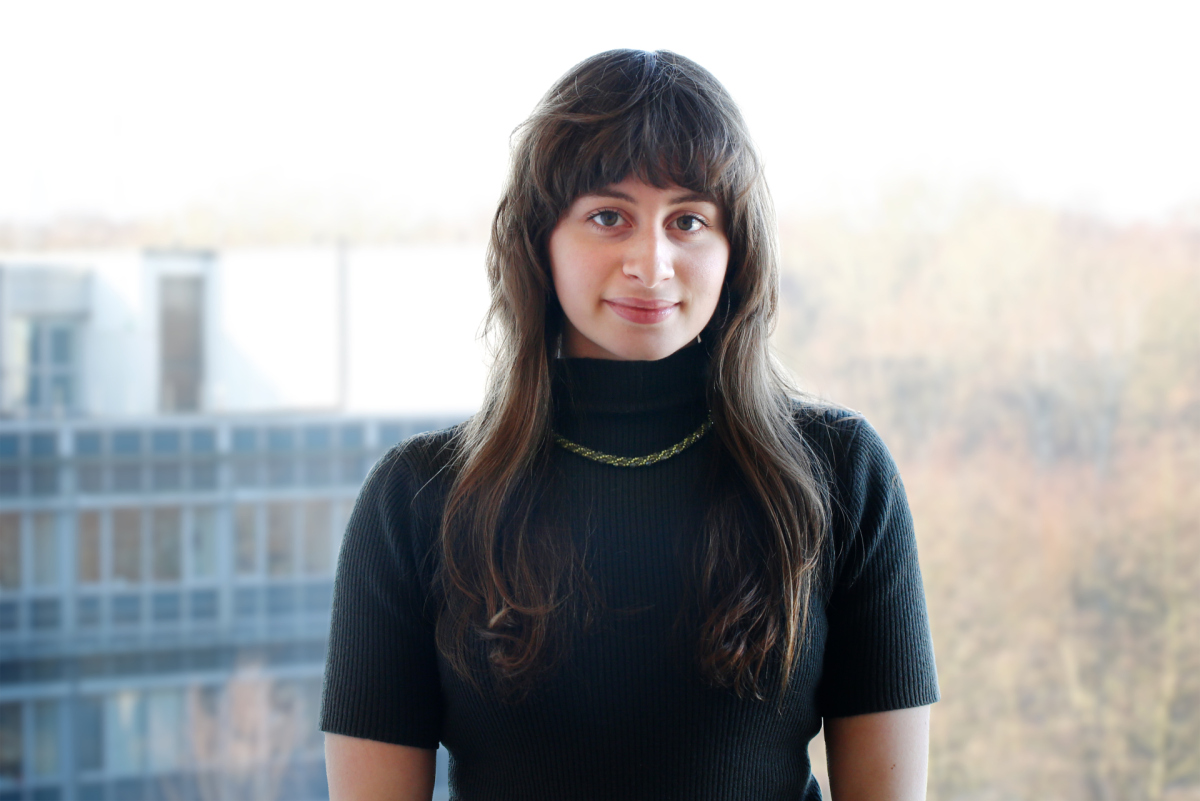
Hailey-Hannah Cottet is a researcher in the Department of Biogeochemistry at the Max Planck Institute for Marine Microbiology, led by Prof. Dr. Marcel Kuypers. Her work focuses on nutrient acquisition strategies in seagrass ecosystems, particularly nitrogen fixation via symbiotic microorganisms, and their role in carbon export and burial in marine environments. Research interests include: Biogeochemical processes in seagrass habitats Microbial interactions in nitrogen-limited marine systems Quantification of carbon fixation rates using stable isotopes Application of metagenomics and metatranscriptomics Single-cell activity measurements via nanoSIMS Her methods integrate geochemical and microbiological approaches to study blue carbon ecosystems in the Mediterranean and beyond.
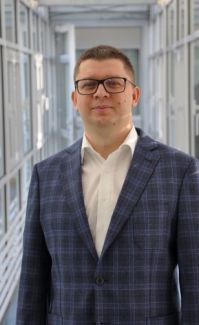
Dr. Dragana Filipović is a research associate and archaeobotanist affiliated with the Institute of Pre- and Protohistoric Archaeology at the University of Kiel, Germany, and currently a postdoctoral researcher at the Max Planck Institute of Geoanthropology in Jena. She has held research and teaching positions at the University of Belgrade, the Serbian Academy of Sciences and Arts, and contributed extensively to international collaborative projects such as the CRC 1266, ROOTS Cluster of Excellence, and the ERC-funded BIRTH project. PhD in Archaeology/Archaeobotany, University of Oxford MPhil in Archaeobotany, University of Nottingham MA and BA in Archaeology, University of Belgrade Her research centers on the economic, social, and symbolic roles of plants in prehistoric societies, particularly in Neolithic and Bronze Age Europe and central Anatolia. She investigates early farming practices, plant domestication, storage, consumption, and ritual use through archaeobotanical analysis, stable isotope studies, and ethnoarchaeological insights. Her work emphasizes human-environment interactions, land use, and agricultural resilience in long-lived settlements such as Vinča and Çatalhöyük. The 15 most recent publications highlight a strong trend in archaeobotanical and isotopic analysis of prehistoric crop systems, especially millet diffusion, cereal processing, and plant use in ritual and domestic contexts across Europe. Her work frequently integrates multidisciplinary data from pollen, charcoal, and food residues to reconstruct past environments and subsistence strategies. Key regions include the Balkans, northern Germany, and central Anatolia. She has contributed to major academic events as a co-organizer and speaker, including sessions at the European Association of Archaeologists and workshops on millet cultivation. Her invited lectures span institutions such as Oxford, Kiel, Gothenburg, and Umeå, reflecting her international recognition in environmental archaeology. Dr. Filipović actively mentors through teaching assistantships and has supervised student projects. She has secured research funding from DAAD, Max Planck Society, and the European Science Foundation. Her involvement in public outreach includes exhibitions, science festivals, documentaries, and educational workshops for children and the public, demonstrating a strong commitment to science communication. She is involved in laboratory and field research, particularly through the Dynamics of Plant Economies project at Kiel and the FEDD project at the Max Planck Institute. Her collaborations span the Çatalhöyük Research Project, Vinča Project, and numerous Balkan-focused excavations, forming a broad network of interdisciplinary teams across Europe.
Dr. inż. Tomasz Marszałek is an Assistant Professor in the Department of Molecular Physics at Lodz University of Technology, with a multidisciplinary academic background spanning physics, engineering, and chemistry. He also leads a research team at the Max Planck Institute for Polymer Research in Germany, reflecting his strong international research profile. His educational foundation includes degrees from three faculties at Lodz University of Technology: Faculty of Technical Physics, Information Technology and Applied Mathematics; Faculty of Mechanical Engineering; and Faculty of Chemistry. He completed his doctoral studies in 2012 and pursued extensive postdoctoral research in Germany, including positions at MPI-P and Heidelberg University. Tomasz Marszałek's research centers on the fundamental processes governing charge transport in organic and hybrid semiconductors, particularly through crystallization and self-assembly in thin films for field-effect transistors. His work bridges materials chemistry, device physics, and nanoscale engineering to advance organic electronics. Key focus: Crystallization dynamics Core interest: Self-assembly of functional materials Application: Thin-film transistor optimization Materials: Organic & hybrid semiconductors Techniques: Thin-film deposition, interfacial engineering Goal: High-performance, stable, solution-processable devices His publication record includes over 90 JCR-listed articles in elite journals such as Nature Materials , Nature Communications , Advanced Materials , and Advanced Functional Materials . The 15 most recent representative articles reflect a consistent trajectory in organic electronics, emphasizing molecular design, film morphology control, interfacial engineering, and device performance enhancement. Key trends include the use of green solvents, air-stable semiconductors, low-voltage operation, and multiscale modeling—highlighting both experimental and theoretical dimensions of his research. His scientific excellence has been recognized through several prestigious awards: START Scholarship, Foundation for Polish Science (2012) Minister of Science and Higher Education Scholarship for Young Scientists (2017) Award for Outstanding Achievements in Science, PAN Łódź (2019) Project award: 'Organic field effect transistor with insulated gate' from the Minister of Science and Higher Education Dr. Marszałek mentors early-career researchers and contributes to advancing the field through collaborative projects between Poland and Germany. While specific grant details are not listed, his leadership role at MPI-P and sustained publication output suggest active funding support. His dual affiliation enables strong integration of academic teaching and cutting-edge research. He is actively involved in a research team at the Max Planck Institute for Polymer Research, where he leads investigations into advanced organic materials. This group likely includes postdoctoral researchers, PhD candidates, and technical staff focused on synthesizing, characterizing, and implementing novel semiconductors for next-generation electronic devices.
Dr. Kirstin Strokorb (she/her) is a Senior Lecturer and Deputy Director of Postgraduate Research at the School of Mathematics, Cardiff University . Her research focuses on multivariate, spatial, and temporal dependence phenomena in extreme value theory , a field critical for assessing rare hazardous events in data-driven risk modeling. She contributes to interdisciplinary research through editorial roles (Extremes, Stochastic Models) and leadership in the One World Extremes seminar and Statistics seminar series . Education: PhD in Mathematics (University of Göttingen, summa cum laude, 2013), Diploma in Pure Mathematics (University of Göttingen, 2010), Exchange student at Warwick University (2006/2007). Research Interests include extreme value theory, stochastic processes, and graphical models. She develops tools for spatio-temporal risk assessment and forecast evaluation , with applications in finance, insurance, and environmental engineering. Her work addresses challenges in max-stable processes , stochastic orderings , and realisability problems . Recent article trends emphasize graphical models for extremes , simulation algorithms , and stochastic ordering . She explores high-dimensional extremes and tail correlation functions , contributing to spatial and temporal modeling and conditional independence frameworks . Scientific Awards : Oberwolfach Research Fellow (2024) RSS Mardia Award for interdisciplinary workshops (2018) Nominated for Philip Leverhulme Prize (2020) Supervision & Grants : Mentored PhD students Michela Corradini, Matt Hutchings, Eferhonore Efe-Eyefia, and Jonas Brehmer. Projects supported by EPSRC DTP , TETFund , and Innovation for All grants . Led workshops under Cardiff’s Water Research Institute and Data Innovation Research Institute . Labs & Collaborations : Collaborated with institutions including University of Copenhagen, University of Geneva, and University of Edinburgh. Active in the Bernoulli Society , Royal Statistical Society , and Data Innovation Research Institute .
Reda El Ghawi is a Doctoral Researcher at the Max Planck Institute for Biogeochemistry in the Department Biogeochemical Integration (BGI) , specializing in hybrid modeling that combines physics-based approaches with machine learning. He contributes to the Model-Data Integration and Atmosphere-Biosphere Coupling, Climate and Causality research groups under the International Max Planck Research School for Global Biogeochemical Cycles (IMPRS-gBGC). Research Focus: El Ghawi’s work centers on integrating machine learning techniques with process-based land-surface models (e.g., JSBACH) to model biological processes like transpiration and photosynthesis. His studies span groundwater dynamics, stable isotope analysis, and climate modeling, emphasizing hybrid methodologies to reconcile physical laws with data-driven insights. Key Contributions: Recent publications highlight applications in semiarid Mediterranean hydrology, karst spring analysis, and Managed Aquifer Recharge. His technical expertise includes numerical modeling, data assimilation, and earth system simulations.
Dr. Martin Wegmann serves as Senior Academic Councillor at the Chair of Remote Sensing within the Institute of Geography and Geology at the University of Würzburg's Faculty of Philosophy. He holds multiple leadership roles including Head of the Biodiversity and Nature Conservation Unit and EAGLE Coordinator, demonstrating his significant contributions to integrating Earth observation technologies with ecological research and conservation applications. Dr. Wegmann's research spans Remote Sensing , Biodiversity Monitoring , and Conservation Ecology , with particular expertise in developing methodologies to monitor ecosystem functions from space. His work bridges satellite data acquisition with ecological applications, creating innovative approaches to link animal movement data with remote sensing for habitat suitability assessment. His research has significantly advanced the field of biodiversity monitoring through frameworks like the spectral species concept and practical tools such as RStoolbox and rasterdiv. Analysis of his recent publications reveals a clear trajectory toward integrating artificial intelligence with remote sensing for environmental monitoring, particularly in forest ecosystems and climate change impacts. His work increasingly emphasizes open science principles and the development of essential biodiversity variables that can be monitored from space, contributing to global conservation efforts and policy frameworks. As an educator, Dr. Wegmann has mentored numerous students across diverse research topics connecting remote sensing with ecology, including biodiversity monitoring in montane forests, forest fragmentation analysis, and tropical dry forest mapping. He has been instrumental in developing the EAGLE program and co-founded the AniMove Summer School, which has become a key training platform for movement ecology and remote sensing integration. Dr. Wegmann leads collaborative research initiatives with major international organizations including the Max Planck Institute, Zoological Society of London, and Smithsonian Institution. His work maintains strong community engagement through research platforms including remote-sensing-biodiversity.org, www.animove.org, and remote-sensing-conservation.org, which serve as hubs for knowledge sharing and capacity building in the field.
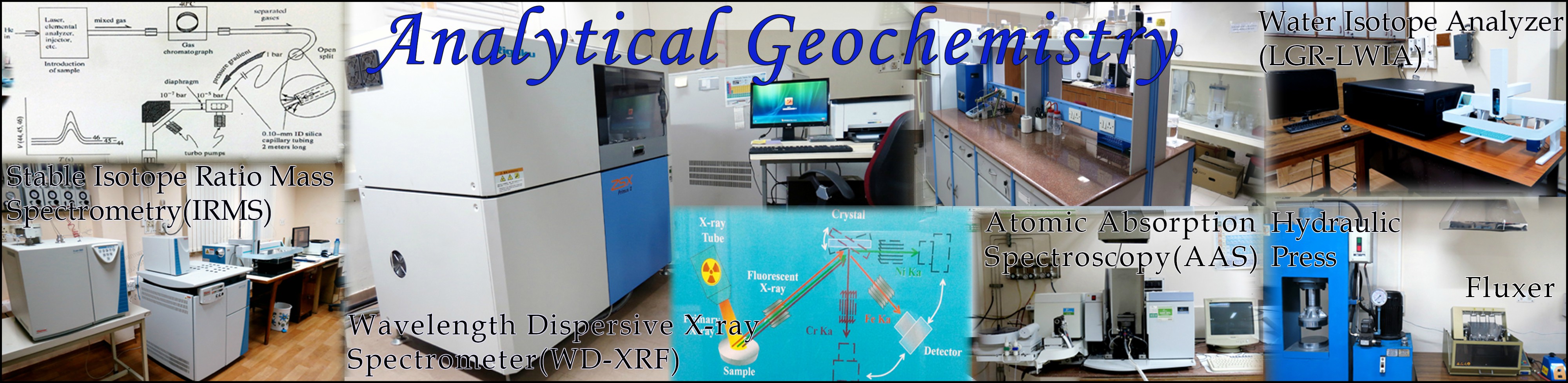
Debajyoti Paul serves as Professor and Head of the Department of Earth Sciences at the Indian Institute of Technology Kanpur. Previously, he held positions as Associate Professor in both Earth Sciences and Civil Engineering departments, and as Assistant Professor in Civil Engineering at IIT Kanpur. His academic journey includes a PhD from Cornell University (2002) and a Visiting Research Fellowship at Max-Planck Institut fur Chemie in Germany. Dr. Paul specializes in geochemical research with particular focus on isotopic systems and Earth's physical-chemical processes. His work spans multiple research areas including Rb-Sr, Sm-Nd, U-Th-Pb-He, and K-Ar isotopic evolution modeling, Quaternary paleoclimate reconstruction of India, and analysis of stable isotope compositions in various environmental contexts. His research integrates geological, archaeological, and climate science methodologies to understand Earth's evolutionary processes. His publication record demonstrates consistent contributions to earth sciences, with recent work examining altitudinal climatic effects on stable isotopes, large igneous provinces, Late Holocene climate implications, global surface heat flow, and volcanic evolution in Mauritius. These publications appear in reputable journals such as Journal of Arid Environments, Current Science, Quaternary International, and Journal of Volcanology and Geothermal Research. Andhra University Gold Medal for securing First Class First (1994) Cornell University Long fellowship (1998-99) Alexander von Humboldt Research Fellow (2004) Dr. Paul's educational background includes a PhD from Cornell University (2002) with thesis on 'Modeling the isotopic evolution in the Earth & Geochemistry of Mauritius Island, Indian Ocean,' an M.Sc. from Andhra University (1994), and a B.Sc. from Utkal University (1992). His teaching areas encompass Geochemistry, Isotope Geochemistry, and Petrology, reflecting his research expertise.
Professor ZHAO Ning is a faculty member at East China Normal University's School of Marine Sciences and State Key Laboratory of Estuarine and Coastal Research. He holds a PhD from the MIT-WHOI Joint Program in Oceanography (2017) and a BS from Nanjing University (2011). His prior positions include postdoctoral roles at the Max Planck Institute for Chemistry and Woods Hole Oceanographic Institution. His research encompasses: Paleo-ocean circulation dynamics Marine isotope geochemistry and sediment chronology Impacts of anthropogenic activity on ocean systems Deglacial climate transitions and ice sheet interactions Rifted margin evolution and oceanic crust formation Recent publications demonstrate a strong focus on reconstructing past ocean conditions using isotopic tracers, analyzing modern eutrophication impacts, and developing paleoclimate data standards. His work frequently appears in high-impact journals including Nature Communications and PNAS . Scientific Awards: Zi-jiang Outstanding Young Scholar (2020) Arctic Service Medal (2013) PAGES Travel Award (2018) National Scholarship of China (2008) Outstanding Graduate of Nanjing University (2011) He leads research at the State Key Laboratory of Estuarine and Coastal Research, focusing on coastal geochemical processes and climate interactions.
Dr. Matthias Bernert is a Researcher at the Max Planck Institute for Plasma Physics (IPP) in Garching, Germany, specializing in the Experimental Divertor Physics group. His work focuses on advancing the understanding of plasma behavior in nuclear fusion devices, particularly in the critical divertor region responsible for heat and particle exhaust management in tokamaks. His primary research interests include Plasma Physics , Nuclear Fusion , Divertor Physics , and Experimental Physics . Within these fields, Dr. Bernert conducts experimental investigations into plasma edge dynamics, detachment processes, and heat load mitigation strategies essential for developing viable fusion energy systems. His research directly addresses key challenges in sustaining stable plasma conditions for future reactors like ITER. The Experimental Divertor Physics team at IPP operates within one of the world's leading fusion research facilities, utilizing advanced diagnostics to study plasma-material interactions and develop innovative solutions for next-generation fusion power plants. Dr. Bernert's contributions support the institute's mission to achieve controlled thermonuclear fusion as a sustainable energy source.
Max Emil Ermter Ramsøe is an Academic employee at the Section for Geogenetics within the Globe Institute at the University of Copenhagen. His research focuses on applying biomolecular techniques to archaeological and cultural heritage materials, with an active publication record from 2023-2025. Dr. Ramsøe's research interests span across several interdisciplinary fields: Palaeoproteomics - the study of ancient proteins to understand biological and cultural processes Zooarchaeology by Mass Spectrometry (ZooMS) for species identification in archaeological contexts Archaeological science applications to cultural heritage objects and materials Stable isotope analysis for provenance and ecological studies Development of streamlined methodologies for ancient biomolecule analysis His recent publications demonstrate a strong focus on applying cutting-edge biomolecular techniques to diverse archaeological materials ranging from Egyptian mummy masks to medieval wax seals and ancient bone samples. His work often involves international collaborations across Europe and addresses fundamental questions in archaeology, environmental history, and cultural heritage science, with several papers receiving significant attention including coverage by 27 news outlets for his research on seagrass meadows supporting turtle populations. Dr. Ramsøe has established a robust research profile with multiple publications in high-impact journals including Proceedings of the National Academy of Sciences of the United States of America, Heritage Science, and Journal of Archaeological Science: Reports, demonstrating both methodological innovation and substantive contributions to understanding past human-environment interactions.