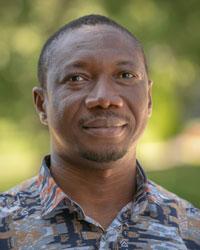
Jianping Xu is a Professor in the Department of Biology at McMaster University, specializing in the ecology and evolutionary genetics of fungi. His research explores evolutionary mechanisms in fungal populations from environmental, clinical, and host-associated contexts. Institution: McMaster University Department: Biology Research Overview: Integrates microbiology, molecular genetics, and quantitative approaches to study fungal evolution. Research Interests include: Population genetics of human and animal fungal pathogens Mitochondrial DNA variation and inheritance Development of biomarkers for fungal identification Microbiome impacts on host health Publication Trends show focus on fungal pathogenesis, environmental adaptation, and genomic analyses across species like Cryptococcus , Aspergillus , and agricultural fungi. Teaching & Outreach connects to McMaster's biology programs, with research stories highlighting fungal-based innovations (e.g., mushroom plastics) and clinical studies on drug-resistant pathogens.
Isabel D. Fernandez, MD, MPH, PhD is an Associate Professor in the Department of Public Health Sciences at the University of Rochester School of Medicine and Dentistry. With expertise spanning nutritional epidemiology, public health, and clinical medicine, Dr. Fernandez focuses on understanding the determinants of nutritional status across the lifespan, particularly childhood malnutrition and obesity. Her research bridges population health with individual behaviors, examining how environmental factors interact with personal choices to influence nutritional outcomes. She has established herself as a leading researcher in weight management interventions, particularly in worksite and postpartum settings. Dr. Fernandez's educational background includes: PhD in Epidemiology from University of Minnesota (1999) MPH in Epidemiology from University of Minnesota School of Public Health (1994) MD from Buenos Aires National University (1981) As a nutritional epidemiologist, Dr. Fernandez specializes in the two ends of the nutritional status continuum - malnutrition and obesity. Her research examines societal determinants of nutritional conditions and how environmental factors interact with individual behaviors. Current projects include worksite interventions for weight gain prevention and qualitative studies on how low-income families navigate nutrition and physical activity choices. She integrates biological, behavioral, and environmental perspectives to develop comprehensive approaches to nutritional health, with particular focus on children, adolescents, and postpartum women. Her extensive publication record reveals a strong trajectory toward translational research that bridges nutritional science with practical interventions. Recent work spans pregnancy and postpartum health, worksite wellness, dietary assessment methodologies, and health disparities among minority populations. A notable trend is her increasing focus on technology-enabled interventions, including mHealth approaches for dietary assessment. She also maintains a strong interest in understanding the biological mechanisms underlying nutritional behaviors, as evidenced by studies examining cortisol patterns, gut hormones, and inflammatory markers in relation to eating behaviors and weight outcomes. Dr. Fernandez has received several prestigious awards throughout her career: Student Research Award (1998) Indirect Recovery Funds Award (1993) Predissertation Fieldwork Grant, MacArthur Interdisciplinary Program on Peace & International Cooperation (1992) Alumni Association Fellowship (1992) XIV Latin-American Pediatrics Congress Fellowship (1984) Honors Diploma (1981) Dr. Fernandez has led significant research projects including the "Images of a Healthy Worksite" group-randomized trial testing environmental interventions for worksite weight gain prevention and the "eMOMS" electronically-mediated weight intervention study for pregnant and postpartum women. Her grant portfolio reflects consistent funding for obesity prevention research across different life stages and settings. While specific students aren't listed in available information, her extensive publication record with multiple co-authors suggests active mentorship of graduate students and postdoctoral fellows. Dr. Fernandez is affiliated with the Center for Community Health and Prevention at the University of Rochester. Her collaborative work demonstrates involvement in multidisciplinary research teams that include experts in nutrition, epidemiology, behavioral science, and clinical medicine. She has developed strong partnerships with community-based organizations serving Latino and immigrant populations, particularly evident in her recent work with Mexican immigrant farmworkers.
Shaneé A. Washington is an Assistant Professor of Justice and Equity in Teacher Education at the University of Washington, College of Education . Her work focuses on educational advocacy by Black, Indigenous, and People of the Global Majority (PGM), examining self-determination in learning environments through Indigenous methodologies and culturally sustaining pedagogies. Education: Ph.D. in Curriculum & Instruction (Boston College, 2019), M.Ed. in Education Leadership and Policy (University of Maryland, 2004), B.A. in Elementary Education (Lincoln University, 2000) Research Interests encompass equity studies , land-based methodologies , multicultural education , and qualitative research , with a focus on creating humanizing educational spaces through relational accountability and cultural revitalization. Recent publications analyze Indigenous family engagement, community-led liberation spaces, and cross-cultural collaborative professionalism. Scientific Awards include: 2023 Outstanding Reviewer (Honorable Mention), AERA Division K 2020 Outstanding Dissertation Awards from AERA Leadership for Social Justice SIG and Family-School-Community Partnership SIG 2019-2020 Martin Howell Outstanding Advisor Award 2018 Donald J. White Teaching Excellence Award 2018-2019 Lynch School Doctoral Dissertation Fellowship As Affiliate Faculty at the Banks Center for Educational Justice, she continues her 14-year legacy of teaching Black and Brown students in Prince George’s County, Maryland, and applies these experiences to her scholarly work.
Orla Doyle is a Professor in the School of Economics at University College Dublin and a Research Fellow at the UCD Geary Institute for Public Policy. She serves as Director of the UCD Childhood and Human Development Research Centre and has held various academic positions at UCD since 2004, progressing from Postdoctoral Researcher to full Professor in 2023. Her academic journey includes appointments as Assistant Professor (2011-2017), Associate Professor (2017-2023), and multiple leadership roles including Deputy Head of School and Director of Teaching & Learning. BA (Mod) from Trinity College Dublin PhD from Trinity College Dublin Professor Doyle's research focuses on the economics of human development, particularly examining how early life conditions shape later life outcomes through rigorous experimental methods. Her work spans health economics, labor economics, political behavior, early child development, and policy evaluation methodologies. She emphasizes interdisciplinary collaboration across economics, psychology, medicine, and public health to advance understanding of human capital formation. Her publication record demonstrates consistent research productivity across multiple disciplines, with recent articles examining gender norms, cardiovascular disease prevention, rare disease economics, and early childhood interventions. The research shows a strong emphasis on experimental designs and causal inference methods to evaluate policy effectiveness, particularly in early childhood contexts. A significant portion of her work examines the long-term impacts of interventions through longitudinal studies. Professor Doyle leads major research initiatives including the Preparing for Life study, the longest-running early childhood field experiment in Europe. She has secured substantial research funding from diverse sources including the Irish Research Council, Medical Research Council, and international collaborations. Her professional activities include committee memberships, conference organization, and public engagement initiatives focused on policy relevance and gender equity in economics. She directs the UCD Childhood and Human Development Research Centre, leading a team of researchers focused on early intervention programs. Her work bridges academic research with practical policy applications, particularly through collaborations with Irish government agencies and health services to translate research findings into actionable programs for disadvantaged communities.
Kevin Williams, MD is a Professor in the Department of Cardiovascular Sciences at the Lewis Katz School of Medicine, Temple University, with secondary appointments in Medical Genetics and Molecular Biochemistry. He directs research at the Aging + Cardiovascular Discovery Center and serves as principal investigator for multiple NIH-funded projects. His educational credentials include: MD from Johns Hopkins University (1980) Internal Medicine Residency at University of Chicago Medical Center (1983) Clinical Endocrinology Fellowship at Yale-New Haven Hospital (1984) Metabolism Fellowship at Columbia University (1985) Dr. Williams' research revolutionized understanding of atherosclerosis through his work on LDL retention in arterial walls, establishing foundational links between basic science and clinical approaches. His laboratory investigates diabetic dyslipidemia mechanisms and insulin-signaling proteins, emphasizing that atherosclerosis causes 50% of Western deaths and 80% of diabetic cardiovascular events. Current work addresses lipid metabolism in autoimmune diseases and cancer. His 2025 publications reveal intensified focus on cardiovascular risk in lupus/dermatomyositis patients, lipid dysregulation in obesity/cancer, and novel therapeutic targets like SCD inhibition. The work spans molecular mechanisms to clinical management, with strong emphasis on translational applications for high-risk populations. Dr. Williams serves as Consulting Editor for the Journal of Clinical Investigation and on editorial boards for Arteriosclerosis, Thrombosis and Vascular Biology and Rambam Medical Journal. He holds 11 patents related to lipoprotein modification and diabetic dyslipidemia treatment. His laboratory at Temple investigates corrective strategies for postprandial lipid disposal defects in diabetes and explores membrane lipid remodeling in metabolic disease. Current NIH projects focus on early atherosclerotic disease intervention and lipid-based therapeutic approaches for high-risk cardiovascular patients.
Per Pettersson Lidbom is a Professor in the Department of Economics at Stockholm University, where he maintains an active research program at the intersection of economic history, political economy, and public policy analysis. His scholarly work primarily focuses on historical economic development in Sweden, utilizing rigorous empirical methods to examine causal relationships between institutional arrangements and economic outcomes. Professor Lidbom's research spans several interconnected domains including political economy, public education policy, transport infrastructure economics, maternal health economics, and labor market institutions. His methodological approach frequently employs historical databases, natural experiments, and regression-discontinuity designs to establish causal relationships in contexts where experimental data is unavailable. A significant portion of his work investigates how political institutions, particularly voting systems and power structures, have shaped economic development trajectories in 19th and early 20th century Sweden. His publication record demonstrates sustained scholarly productivity with recent work (2021-2022) examining Swedish mass migration to the United States, the causal effects of transport infrastructure, and the relationship between political power and public education provision. His research reveals how historical institutional arrangements continue to exert influence on contemporary economic outcomes, particularly within the Nordic context. Lidbom's interdisciplinary approach bridges economics with history, political science, and public health to address fundamental questions about economic development and institutional change. As a faculty member at Stockholm University, Professor Lidbom contributes to academic discourse through his research publications and likely participates in departmental activities, though specific details about teaching responsibilities, current advisees, or grant-funded projects are not evident from the available information.
Dr. Elinam Amevor is an Assistant Professor at the University of Pittsburgh's Division of Communication and the Arts. She holds a Ph.D. in Communication & Media Studies from the University of Oregon, an M.Phil from the University of Education in Winneba, Ghana, and a B.A. in Communication Studies from the University of Ghana. Ph.D., Communication & Media Studies, University of Oregon M.Phil, University of Education, Winneba-Ghana B.A., Communication Studies, University of Ghana Her research spans critical areas in communication, including ethics in philanthro-journalism, global health communication, and cultural sensitivity during health crises. She has extensively analyzed U.S. development policies in post-Ebola Liberia and gender dynamics in international aid frameworks. Recent publications highlight her focus on cultural-centered strategies for sustainable development, media's role in peacebuilding, and critiques of neocolonial narratives in global health. She frequently examines intersections between media ethics, gender equity, and postcolonial theory. Dr. Amevor has taught journalism, public relations, and professional communications at institutions in Ghana and the United States, including Minot State University, North Dakota. Her work emphasizes participatory approaches to address maternal health disparities in rural communities.
William Williams serves as an Innovation Fellow within the School of Medicine at the University of St Andrews, specifically in the Department of Medical & Biological Sciences at the North Haugh campus. His interdisciplinary role bridges clinical practice, public health research, and medical engineering, with a focus on developing practical solutions for global health challenges in resource-limited settings. Williams' research portfolio demonstrates exceptional breadth across public health violence prevention and ophthalmology. His work on knife crime deterrence through imagery analysis, alcohol monitoring interventions, and psychological safety scales has significantly influenced Scottish youth violence policy. Concurrently, his ophthalmology research advances trachoma diagnosis and retinal imaging technologies, particularly through frugal engineering approaches like the Arclight ophthalmoscope adaptations. His methodology expertise spans mixed-methods epidemiological studies, clinical nomogram development, and transdisciplinary team science. Analysis of his 15 most recent publications reveals three dominant research trajectories: 1) Community-level violence prevention strategies targeting Scottish youth (60% of recent output), 2) Ophthalmological diagnostic innovation with emphasis on low-resource settings (25%), and 3) Medical device engineering for drug safety and surgical applications (15%). This distribution underscores his strategic focus on public health interventions while maintaining clinical engineering contributions. Williams secured STAIRS funding as Co-Investigator for the 2021-2022 project "A Frugal Engineering Approach to Laser Treatment for the Prevention of Blindness," which developed accessible laser treatment solutions for eye diseases. This work gained policy traction with references in governmental documents and significant social media dissemination (10 X users, 31 Mendeley readers). His collaborative network spans public health agencies, clinical departments, and engineering teams across Scottish institutions.
Steven Grover is a Professor at the Department of Medicine, Faculty of Medicine and Health Sciences, McGill University, and a Senior Scientist at the Research Institute of the McGill University Health Centre (RI-MUHC), Montreal General Hospital site. He leads the Division of Clinical Epidemiology and the Cardiac Health Improvement Program, focusing on lifestyle interventions and digital health tools for cardiovascular disease prevention. Key Affiliations: McGill University RI-MUHC (Metabolic Disorders and Complications Program) Research Focus: Dr. Grover's work bridges clinical epidemiology and digital health, emphasizing: Computer modeling of cardiovascular and cancer progression Cost-effectiveness of hypertension and dyslipidemia treatments Development of e-health platforms for risk communication Improving adherence to clinical guidelines Workplace wellness programs using gamification Publication Trends: Recent works highlight: 2025: Digital prenatal programs for maternal mental health 2024: AI-driven mental health counseling for chronic disease 2023: Cannabis use in veterans 2022: Gamified sleep interventions and SMART trial protocols 2021: Canadian dyslipidemia guidelines 2020: Long-term weight loss via behavioral planning Scientific Awards: 1991: Henry J. Christian Award (American Federation for Clinical Research) Leadership & Grants: Dr. Grover has directed major initiatives like the MyHealthCheckup Survey and McGill CHIP Healthy Weight Program , with funding for studies on: Cost-effectiveness of cardiovascular treatments Pharmaceutical interventions (e.g., evolocumab in FOURIER study) Workplace wellness program evaluations Labs & Teams: He leads the Division of Clinical Epidemiology and Cardiac Health Improvement Program at RI-MUHC, collaborating with teams on: Global risk assessment tools Pharmaceutical and digital therapeutic trials Post-myocardial infarction sleep disorder studies
Richard Kimoff is a Professor in the Department of Medicine at McGill University's Faculty of Medicine and Health Sciences and a Senior Scientist at the Research Institute of the McGill University Health Centre (RI-MUHC) at the Glen site. He is affiliated with the Translational Research in Respiratory Diseases Program within the Centre for Outcomes Research and Evaluation (CORE) and serves in the Department of Medicine, Division of Respiratory Medicine at the McGill University Health Centre. Dr. Kimoff's educational background includes: BSc in Anatomical Sciences from McGill University (1977) MSc in Pathology from McGill University (1983) MD from McGill University (1983) FRCP (Fellow of the Royal College of Physicians) in Internal and Pulmonary Medicine (1989) Dr. Kimoff's research program focuses on sleep-disordered breathing (SDB) across three primary themes. His work on innovative diagnostic and therapeutic strategies has led to important contributions in developing novel approaches for identifying and treating sleep apnea. His investigations into upper airway neuromuscular dysfunction have provided critical insights into how sensory afferents in the upper airway determine sleep apnea severity, with his research demonstrating that attenuation of upper airway mechanoreceptor function plays a critical role in impaired end-apneic arousal in obstructive sleep apnea patients. In the cardiovascular and reproductive health domain, his work examines the intersection of sleep disorders with congestive heart failure and investigates the adverse effects of maternal sleep-disordered breathing on pregnancy outcomes. Dr. Kimoff's recent publications demonstrate a strong focus on clinical applications of sleep medicine research, particularly examining how sleep-disordered breathing affects cardiovascular outcomes in heart failure patients and impacts pregnancy outcomes. His work spans multiple disciplines including cardiology, neurology, and obstetrics, reflecting the systemic nature of sleep-disordered breathing consequences. Dr. Kimoff directs the Sleep Laboratory at the Royal Victoria Hospital and has been funded by the Canadian Institutes of Health Research (CIHR), the Fonds de recherche du Québec - Santé (FRQ-S), industry partners, and the MS Society of Canada. His research includes both pathophysiologic studies on respiratory mechanisms during sleep and clinical investigations with practical applications for diagnosis and treatment of sleep-disordered breathing. As an academic leader, Dr. Kimoff contributes to medical education through his professorship at McGill University and through his role directing the Sleep Laboratory. His work bridges basic science, clinical research, and practical patient care applications, making significant contributions to the understanding and treatment of sleep-disordered breathing and its systemic consequences.
Michal Abrahamowicz, PhD is a Senior Scientist at the Research Institute of the McGill University Health Centre (RI-MUHC) and Professor in the Department of Epidemiology, Biostatistics and Occupational Health at McGill University's Faculty of Medicine and Health Sciences. He is affiliated with the Cardiovascular Health Across the Lifespan Program and the Centre for Outcomes Research and Evaluation (CORE) at RI-MUHC. His research focuses on developing innovative statistical methodologies for clinical and biomedical data analysis, particularly in survival analysis. Key areas include modeling time-varying and cumulative effects of risk factors and treatments, and addressing biases in observational studies. He co-founded and co-chairs the international STRATOS initiative (www.stratos-initiative.org), involving over 100 statisticians from 18 countries, aimed at improving analyses of observational studies. From 2011-2019, he served as Principal Investigator of the CAN-AIM network, funded by the Canadian Institutes for Health Research, which brought together over 45 faculty members from 12 Canadian universities for drug safety and effectiveness research. His recent publications demonstrate a strong focus on methodological advances in biostatistics, particularly in survival analysis, causal inference, and flexible modeling techniques. His work spans applications in cardiovascular diseases, cancer epidemiology, pharmacoepidemiology, and arthritis research, with an increasing emphasis on practical implementation of statistical methods in clinical research. Abrahamowicz leads major collaborative research initiatives including large clinical trials and longitudinal population-based studies. His research methodology work directly informs applications in real-world clinical and epidemiological studies, creating a strong bridge between theoretical statistics and practical healthcare research.
Dr. Marie-Josée Brouillette is an Associate Professor in the Department of Psychiatry at McGill University's Faculty of Medicine and Health Sciences. She serves as a Scientist at the Research Institute of the McGill University Health Centre (RI-MUHC) on the 5252 de Maisonneuve site, focusing on the Infectious Diseases and Immunity in Global Health Program and the Centre for Outcomes Research and Evaluation . Research Focus: Psychosocial aspects of HIV infection and post-COVID syndrome, emphasizing cognition and mood regulation, their impact on quality of life, and clinical interventions. Key Projects: Positive Brain Health Now Study (840+ participants across Canada) and post-COVID syndrome research with self-management resources. Methodology: Longitudinal cohort studies, neuropsychological assessments, blood/saliva biomarker analysis, interdisciplinary collaborations (neurology, epidemiology, HIV clinics, community groups). Contact: marie-josee.brouillette@mcgill.ca
Hugh Clarke, PhD is a Senior Scientist at the RI-MUHC, Glen site and a Professor in the Department of Obstetrics and Gynecology at McGill University 's Faculty of Medicine and Health Sciences. His research focuses on oocyte development within ovarian follicles. Research Interests: Oocyte growth and maternal molecule storage Germ cell-somatic cell communication Environmental toxin effects on oocyte quality Intercellular signaling mechanisms mRNA regulation during maturation Chromatin remodeling at fertilization Publications (2015-2024) reveal expertise in reproductive biology, with key projects examining: EGFR signaling in follicular decoupling mTOR pathway in follicle communication CNOT6-mediated mRNA deadenylation Transzonal projection architecture Epigenetic inheritance patterns Actin's role in meiotic processes Location: Lab F3-50, Royal Victoria Hospital, Montreal, QC H3A 1A1
Anna E. Beaudin is an Associate Professor in the Department of Internal Medicine at the University of Utah School of Medicine, holding an adjunct appointment in the Department of Pathology's Division of Microbiology and Immunology. Her research centers on fetal hematopoiesis and its lifelong impact on immune function and disease susceptibility. Her educational background includes: B.A. from Cornell University M.S. from Brown University Ph.D. from Cornell University Dr. Beaudin's work investigates how fetal hematopoietic stem cells generate specialized immune cells that persist into adulthood to maintain tissue homeostasis. She examines how prenatal challenges like infection and nutrition disrupt immune development, leading to conditions such as asthma, metabolic disorders, and hearing loss. Her lab employs single-cell analysis, fate-mapping, and mouse models to uncover mechanisms of developmental hematopoiesis. Recent publications reveal a dominant theme: prenatal inflammation and nutritional factors reprogram hematopoietic stem cells, altering immune cell development and increasing susceptibility to allergic, metabolic, and autoimmune diseases across the lifespan. Key focus areas include tissue-resident macrophages, innate lymphoid cells, and fetal-specific hematopoietic pathways. Her scientific recognition includes: Pew Biomedical Scholars Award Hellman Foundation Award Research is supported by NIH grants and published in high-impact journals including Cell Stem Cell and Blood. As Principal Investigator, she mentors graduate students through the Molecular Biology Program and serves on committees for the International Society of Experimental Hematology and American Society of Hematology. Her work involves extensive collaboration with immunologists, hematologists, and developmental biologists. The Beaudin Lab operates within the University of Utah's Molecular Medicine Program, utilizing advanced genomic and in vivo techniques to explore how early-life events shape lifelong immunity and disease risk.
Richard E. Nelson is an Adjunct Professor in Internal Medicine at the University of Utah and holds adjunct appointments in Pediatrics and Population Health Sciences. His work focuses on health economics, infectious disease modeling, and addressing health disparities among vulnerable populations. Key research themes include cost-effectiveness analysis of clinical interventions, evaluation of healthcare policies, and social determinants of health. Recent publications examine VA programs for housing instability, infectious disease prevention strategies, and surgical economics. His methodological expertise spans economic modeling, electronic health record analysis, and implementation science. He collaborates across disciplines including public health, pediatrics, and oncology, with 15+ recent articles on topics ranging from prosthetic implant economics to telemedicine equity during pandemics.