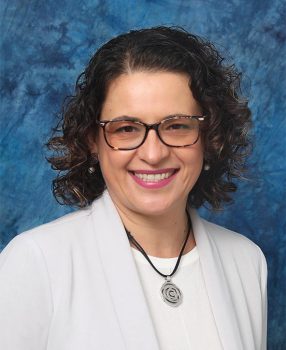
Jasmine AlvaradoView profile
Assistant Professor
Jasmine Alvarado serves as an Assistant Professor of Education Studies at Brandeis University, where she specializes in family engagement, bilingual education, and educational policy. Her research sits at the critical intersection of societal inequities, educational policies, and family experiences in K-8 schools, employing ethnographic, narrative, and participatory methodologies informed by critical race theory, intersectional feminism, and sociolinguistic perspectives. Educational Background: Ph.D. in Education from Boston College M.Ed. from CUNY Hunter College B.A. from Harvard University Jasmine's extensive teaching experience spans over a decade, encompassing university-level instruction, teacher candidate supervision, conference workshops for educational leaders, elementary bilingual youth education, and adult language development classes. Her personal background as a member of an Ecuadorian family with Quechua roots, combined with her experiences as a student, teacher, administrator, and after-school program director in NYC and Greater Boston Public Schools, deeply informs her commitment to collective learning and educational equity. Research Focus: Her work particularly emphasizes urban education contexts, examining how race, ethnicity, and language intersect with educational policies and practices. Through critical ethnographic approaches, she explores how families navigate and negotiate educational systems, especially in bilingual and dual-language program contexts. Scientific Awards: Outstanding Reviewer for AERA/Review of Educational Research Journal (2024-2025) Bilingual Research Issues Outstanding Dissertation Award-Second Place (2024-2025) AERA Latino/a/x Outstanding Dissertation Award (2023) Spencer Foundation Research Development Award (2020) Multiple fellowships from AERA, Ford Foundation, and Spencer Foundation Research Impact: Her publications demonstrate a consistent focus on bilingual education policy, family engagement in diverse communities, and the racialized experiences of families in educational settings. Recent work particularly examines the impacts of COVID-19 on bilingual programs and family-school relationships, while earlier work traces the historical evolution of bilingual education in Massachusetts.