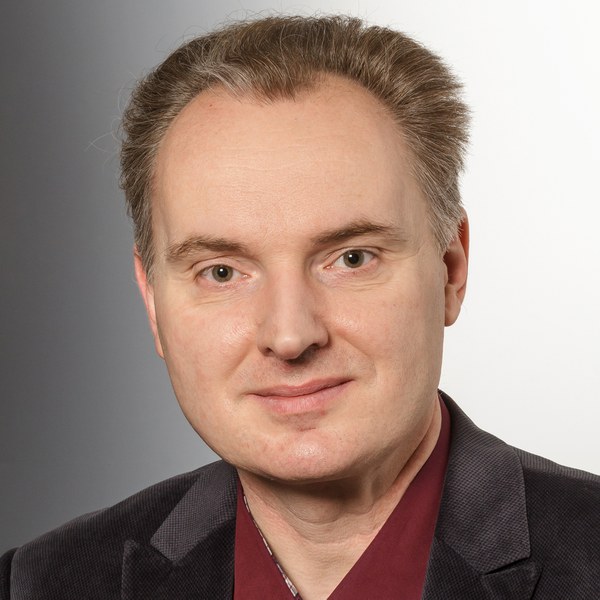
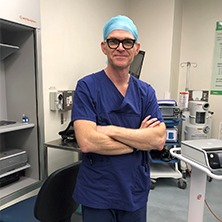
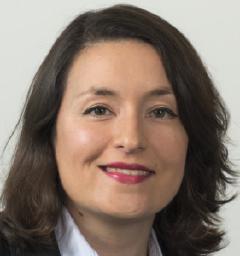
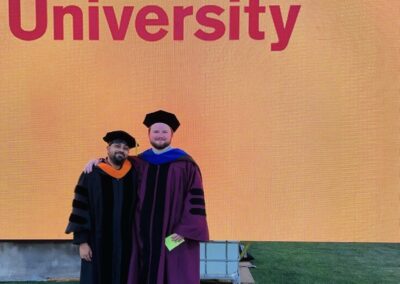
Dr. Piotr Kowalski serves as Head of Department at the Jülich Research Centre , leading the Theory and Computational Modeling of Materials in Energy Engineering (IET-3) group. His research focuses on computational materials science , electrochemistry , and nuclear waste management , leveraging density functional theory and quantum computing to model energy-related materials. Research Trends : His recent work explores high-entropy materials for batteries, protic ionic liquids in fuel cells, and quantum annealing for optimizing ionic configurations. He investigates radionuclide retention mechanisms in nuclear waste repositories and electrocatalytic interfaces for hydrogen evolution. Lab & Infrastructure : Piotr's team operates within IET-3 , contributing to the Institute of Energy Technologies at Jülich. Their computational studies support advanced energy storage solutions and nuclear safety research, with a focus on solid-state electrolytes and actinide immobilization .
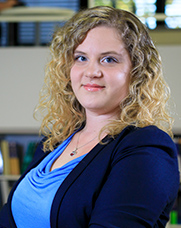
Dalia Suša Vugec, PhD is an Assistant Professor at the Department of Informatics, Faculty of Economics & Business, University of Zagreb. She is actively involved in teaching and research within the field of business informatics, with a focus on digital transformation and business process management. Her educational background includes a graduation in managerial informatics in 2012 and a PhD earned in 2020, both from the University of Zagreb, Faculty of Economics & Business. She has also pursued additional education at the University of Ljubljana and University of Cambridge. Business Process Management Robotic Process Automation Digital Transformation Knowledge Management Digital and Information Literacy Artificial Intelligence Applications Her research output demonstrates a strong focus on business process management, digital transformation, and the intersection of technology with business processes. Recent publications explore robotic process automation, process mining, AI applications in knowledge management, and the digital literacy of students. Her work often examines practical implementations and case studies across various industries. Dean's Award for Excellence for graduate thesis (2012) Dr. Suša Vugec teaches various courses including Business Process Management Systems, Business Informatics, and Artificial Intelligence Systems in Business. Her teaching materials are delivered through Google Classroom, reflecting her practical approach to integrating digital tools in education. She has actively participated in numerous scientific projects and serves as a reviewer for international scientific journals and conferences.
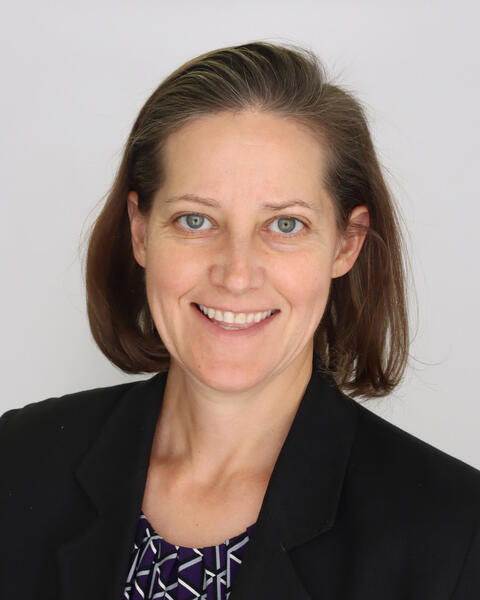
Jana L. Anderson, M.D. serves as Assistant Professor of Emergency Medicine at Mayo Clinic College of Medicine, holding dual appointments as Consultant in the Division of Emergency Medicine Research and Division of Pediatric Emergency Medicine. Her clinical practice focuses on pediatric emergency care at Mayo Clinic's Rochester, Minnesota campus where she actively participates in the Hospital-Wide Sedation Committee since 2006. Education: Fellow, Pediatric Emergency Medicine (University of Utah) Residency, Pediatrics (University of Utah) M.D., Carver College of Medicine (University of Iowa) B.A., Biology Cum Laude (Luther College) Dr. Anderson's research centers on pediatric pain management and sedation protocols , with landmark findings establishing pediatric pain as responsible for over 19 million annual U.S. medical visits. Her work spans intranasal analgesics (fentanyl vs ketamine), nitrous oxide protocols , and propofol/fentanyl applications for fracture reduction. A significant contribution includes developing an electronic decision aid for acute otitis media that promotes shared decision-making between clinicians and parents, reducing unnecessary antibiotic use. Her fingerprint analysis confirms deep expertise in Emergency Department operations (100%), Pediatrics (54%), and Sedation protocols (29%). Analysis of her publication trends reveals increasing focus on evidence-based clinical decision rules since 2020, with recent book chapters addressing bacterial meningitis, fever evaluation, and serious infections in infants. Her work consistently bridges emergency medicine with primary care applications, particularly in antibiotic stewardship and procedural sedation safety. Scientific Awards: 2024 Minnesota Monthly Top Doctors 2019 & 2018 Favorite Faculty Awards 2015 Best Doctors recognition 2012 Teacher of the Year 2003 NIH Loan Repayment for Pediatric Research As founding charter member of the Society for Pediatric Sedation (since 2007), Dr. Anderson has shaped national sedation standards while maintaining active roles in Mayo Clinic's Quality Committee and Pediatric Residency Clinical Competency Committee. Her research receives continuous institutional support through Mayo Clinic's Emergency Medicine Research infrastructure, with recent work on codeine dispensing patterns funded through retrospective database analysis of national claims data. Current projects focus on optimizing painless emergency department experiences through protocol development and decision support tools. Dr. Anderson leads the Pediatric Nursing Workgroup within Emergency Medicine and contributes to the ED Provider Peer Review Committee, driving quality improvements in pediatric sedation safety and length-of-stay metrics. Her clinical work directly informs research through Mayo Clinic's integrated practice-based research network.
Dr. Joanne Steel is a Lecturer in Speech Pathology within the School of Health Sciences at the University of Newcastle, Australia. She is a Certified Practising Speech Pathologist with over ten years of clinical and research experience working with adults in acute, inpatient and outpatient hospital settings and the community. Dr. Steel is also the co-founder of BRAINSPaN (Brain Impairment Clinician and Researcher Peer Network), a multidisciplinary network with over 700 members across Australia that facilitates knowledge sharing between clinicians and researchers in the brain impairment field. Dr. Steel earned her Doctor of Philosophy and Bachelor of Speech Pathology (Honours) from the University of Newcastle, where she was awarded the University Medal in 2010. Her academic journey has been focused on improving outcomes for adults with acquired neurogenic communication disabilities, particularly after traumatic brain injury or stroke. Dr. Steel's primary research area is the assessment and treatment of cognitive and social communication disorders after traumatic brain injury (TBI), with a specific focus on management for people with severe injury in the early stages of recovery. Her work addresses the complex challenges of assessing communication changes following brain injury, which requires close collaboration with both the affected individuals and their family members. A significant portion of her research has examined how to improve narrative discourse abilities (such as telling stories and giving explanations) for people with TBI, recognizing that impairment in this fundamental social skill negatively impacts relationships and employment opportunities. Her research program demonstrates a clear progression from foundational work on cognitive communication assessment during post-traumatic amnesia to the development of innovative assessment methods and interventions for narrative discourse after TBI. Recent work focuses on visual discourse elicitation materials, speech-language pathologists' clinical practices, and the development of narrative discourse interventions for patients in early recovery stages. This research aligns with UN Sustainable Development Goal 3 ("Good Health and Well-being") through its focus on improving communication outcomes for people with traumatic brain injury. Dr. Steel's scientific recognition includes the University Medal from the University of Newcastle (2010). She has secured multiple research grants, including the SHS Research Support grant (2024), Faculty of Education and Arts New Staff Grant (2021), and conference travel grants to present her work at national and international conferences. As an educator, Dr. Steel has developed two core courses in the Speech Pathology program and coordinates and lectures in courses covering adult language disorders, adult speech disorders, clinical practice, and research review. She currently serves as Principal Supervisor for a PhD student researching "Speech Pathology Intervention For Cognitive Communication Disorders Post-Traumatic Brain Injury Within Inpatient Rehabilitation Settings." Her research collaborations include work on the SafetyCatch app for hospital communication safety, the international TBIBank Grand Rounds digital health resource, and her co-founded BRAINSPaN network. Through BRAINSPaN, Dr. Steel has created a sustainable platform for multidisciplinary collaboration in brain impairment research and practice. The network has successfully increased multidisciplinary collaboration, knowledge sharing, and skill development around cognitive rehabilitation, with members reporting significant benefits from connecting with this professional community.
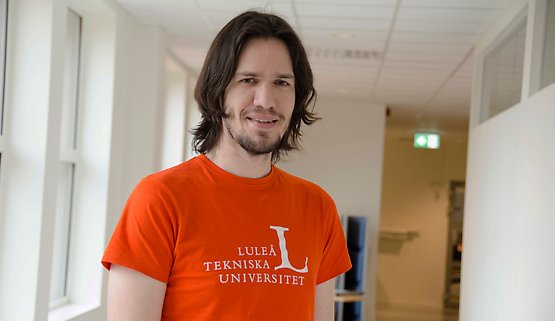
Marcus Liwicki is a Chair Professor at Luleå University of Technology (LTU) and Senior Assistant Professor at the University of Fribourg, where he leads research in Machine Learning at the Department of Systems and Space Engineering. He serves on LTU's Vice-Chancellor's Council for Artificial Intelligence. Education: MS in Computer Science (Free University of Berlin, 2004) PhD (University of Bern, 2007) Habilitation (Kaiserslautern University of Technology, 2011) His research focuses on core machine learning (pattern recognition, neural networks) and applied AI in document analysis, quantum computing, and human-computer interaction. Recent publications demonstrate strong emphasis on generative AI models, multi-task learning optimization, and AI applications in physics/health domains. Awards: ICDAR Young Investigator Award (2015) for pattern recognition research He leads the Machine Learning Group at LTU's EISLAB, supervising multiple courses including Advanced Deep Learning, Neural Networks, and AI fundamentals.
Niels Bjørn-Andersen is an External Professor at Copenhagen Business School's Department of Digitalization within the CBS School of Business. His academic career spans five decades with significant contributions to Information Systems research, particularly in socio-technical systems and digital transformation. Recent work focuses on societal impact measurement and maritime informatics. His research interests center on Information Systems with specialization in digital ecosystems, value co-creation, and societal impact assessment. Key areas include: Maritime informatics and container supply chain optimization Open government data sustainability frameworks ERP systems evolution and implementation challenges Socio-technical traditions in Scandinavian IS research Academic impact beyond bibliometric metrics Recent publications show a strategic shift from technical ERP studies toward societal value measurement and maritime digitalization. With 150+ publications including 41 journal articles and 28 conference proceedings, his work demonstrates consistent engagement with real-world digital transformation challenges. Notable contributions include frameworks for PortCDM implementation and societal value measurement methodologies. Media engagement is substantial with 160 press appearances addressing IT failures in Danish public sector systems and e-commerce impacts on retail. Professional activities include AIS Grand Vision Project participation and lectures on Scandinavian socio-technical research origins. His supervised work encompasses 5 academic projects, though specific student names aren't disclosed in available materials. Current research trajectories emphasize sustainable value creation through digital infrastructure and redefining academic impact metrics.
Professor Andrew Barbour is an academic general surgeon and translational researcher at The University of Queensland , specifically affiliated with the School of Medicine under the Faculty of Health, Medicine and Behavioural Sciences . He specializes in upper gastrointestinal, pancreatic, melanoma, and sarcoma surgery , with expertise in robotic and laparoscopic procedures for conditions like oesophageal cancer and soft tissue tumours. Doctor of Philosophy, The University of Queensland Faculty of Anaesthetists, Royal Australasian College of Surgeons His research integrates genomic, epigenomic, and transcriptomic data to advance precision medicine in cancer , focusing on biomarker discovery for therapy response and recurrence prediction. Key contributions include the DOCTOR trial (first PET-guided personalized therapy for oesophageal cancer) and the GAP Trial (establishing preoperative chemotherapy for pancreatic cancer). Recent publications emphasize spatial transcriptomics for thin melanoma mortality prediction, multi-omic profiling of oesophageal adenocarcinoma, and radiomics for immune signature analysis in melanoma. His work also explores small extracellular vesicle heterogeneity and genomic catastrophes as drivers in cancer. Queensland Advancing Clinical Research Fellowship for melanoma recurrence prediction Key roles in NHMRC-funded trials and MRFF MASTERPLAN trial As Chair of the AGITG Upper GI working party , he leads national cancer research initiatives. His Surgical Oncology Lab at TRI operates the Cancer Evolution Biobank , linking tumour biology with clinical outcomes.
Dongyi Wang is an Assistant Professor in the Department of Biological and Agricultural Engineering at the University of Arkansas, where he directs the Smart Agriculture and Food Engineering (SAFE) Lab. His work bridges advanced technologies like artificial intelligence, robotics, and machine vision with agrifood manufacturing to enhance product quality, safety, and worker welfare. Ph.D. in Bioengineering from the University of Maryland, College Park B.S. in Electrical and Computer Engineering from Fudan University Visiting experience at The Chinese University of Hong Kong Research interests span smart agrifood manufacturing , robotics , machine vision , and artificial intelligence , with applications in crop monitoring, food safety, and healthcare. His lab develops solutions like automated defect detection, pathogen sensing, and sustainable processing systems. Article analysis reveals a focus on AI-driven agricultural automation , hyperspectral imaging , robotic manipulation of bio-products , and food safety innovations . Recent works include YOLO-based tomato defect segmentation, E. coli biosensing, and UAV-based blackberry monitoring. Awards & Memberships College of Engineering Dean’s Award of Excellence Rising Star Research Award (UARK) Outstanding Mentor Award (UARK) Professional memberships in ASABE and IEEE As an educator, he teaches instrumentation and artificial intelligence in agrifood manufacturing . The SAFE Lab, funded by USDA NIFA, NSF, and federal/local agencies (> $7M), prioritizes workforce development in AI/robotics for agrifood industries.
Bari J Dzomba serves as Associate Professor of Instruction and Graduate Program Director in the Department of Health Services Administration and Policy at Temple University's College of Public Health. With over 20 years of cross-sector experience spanning academic health systems, medical education, pharmaceuticals, and insurance, she joined Temple in 2018 after leadership roles at Penn State College of Medicine where she directed informatics initiatives for clinical research and medical school accreditation. Education: PhD in Leadership, Alvernia University MS in Information Science, The Pennsylvania State University BA in Advertising Design, The College of New Jersey Research Focus: Dr. Dzomba specializes in health informatics applications for public health, with emphasis on data analytics , machine learning , and health information systems . Her work integrates population health informatics with practical healthcare solutions, developing foundational courses in health data standards and text mining while leading initiatives like the research data warehouse for clinical translational science. Publication Trends: Recent research demonstrates her dual focus on public health surveillance (applying NLP to vaccine safety monitoring) and health informatics workforce development (analyzing educational programs against job market demands). This reflects her commitment to bridging technical health data capabilities with real-world healthcare system needs. Awards: No scientific awards were documented in the provided materials. Academic Leadership: As Graduate Program Director, she oversees curriculum development for health informatics degrees while teaching eight courses spanning healthcare database design, data analytics, and machine learning applications. Her prior role leading Penn State's medical school accreditation data initiatives demonstrates significant administrative impact. Technical Teams: Previously directed informatics and IT teams for Penn State's Clinical and Translational Science Institute, managing i2b2 implementation and research data warehouse operations that supported institutional research infrastructure.
Ilkka Seilonen serves as a Researcher in the Department of Electrical Engineering and Automation at Aalto University, actively contributing to the Information Technologies in Industrial Automation research group as a Postdoctoral Researcher. His work bridges theoretical control systems with practical implementations in agricultural technology and power infrastructure, maintaining consistent publication output from 2017-2022. Seilonen's research centers on industrial automation standards with particular expertise in OPC UA (Unified Architecture) implementations. He has pioneered task allocation algorithms for agricultural machinery control systems and developed distributed architectures for smart grid frequency regulation. His work integrates information and communication technologies (ICT) to solve critical challenges in energy resource optimization and real-time control systems, with significant contributions to ISOBUS-compliant tractor-implement automation. Publication analysis reveals three dominant research trajectories: (1) Agricultural automation using OPC UA for machinery control systems (2020-2022), (2) Smart grid applications including frequency containment reserves and demand response (2017-2019), and (3) Pandemic-era educational adaptations in automation laboratories (2021). His work consistently demonstrates cross-domain applicability of distributed control architectures while maintaining strong industry relevance through ISOBUS and IEC 61499 standards compliance. No scientific awards are documented in the provided materials. Seilonen maintains extensive collaborative relationships with researchers including Valeriy Vyatkin (frequent co-author on smart grid projects), Timo Oksanen (agricultural automation specialist), and Olli Kilkki (energy systems expert). While specific grant details remain unspecified, his publications in IEEE Transactions and Computers and Electronics in Agriculture indicate substantial research funding support. Student supervision information is not explicitly provided in the source text. As core member of Aalto's Information Technologies in Industrial Automation group, Seilonen contributes to developing next-generation industrial informatics solutions with particular focus on standardizing communication protocols for heterogeneous automation systems. Current projects appear to emphasize agricultural technology integration and smart grid flexibility services.
Marie Puren is an Associate Professor in history and digital humanities at EPITECH Paris , where she leads the Digital Methods for Humanities and Social Sciences (MNSHS) team since 2022. She also holds research affiliations with the LRE laboratory , Jean-Mabillon Center , and LARHRA in Lyon. Her work bridges historical analysis with computational techniques, focusing on political ideologies, cultural heritage preservation, and digital methodologies. Her research interests include: Digital Humanities and Computational History Political Ideologies in the French Third Republic Cultural Heritage Modeling Textual Analysis with NLP and XML-TEI History of Publishing and Literary Collaboration Marie contributes to major projects like AGODA (parliamentary debates analysis) and SILKNOW (silk heritage preservation). She teaches courses on digital methodologies, historical research, and environmental impacts of technology. Her leadership in Humanistica and participation in international conferences highlight her academic influence.
Dr Vladimir Gusev is an interdisciplinary researcher at the University of Liverpool , currently serving as a Lecturer in Computer Science within the School of Electrical Engineering, Electronics and Computer Science. He previously led the Leverhulme Research Centre for Functional Materials Design for four years, integrating Chemistry and Computer Science to advance materials discovery. Research Focus: Optimization algorithms, machine learning, automated reasoning, and combinatorial problems in discrete structures. Collaborations: Active in the Materials Chemistry research group, working with teams across Mathematics, Computer Science, and Chemistry departments. His recent work involves multi-agent reinforcement learning for crystal structure optimization, data-driven property prediction in materials science, and automated reasoning techniques for exploring chemical space. Publications emphasize geometric optimization, materials informatics, and algorithmic complexity. Dr Gusev supervises graduate theses on topics like machine learning for compositional data , crystal structure optimization , and experimental design in materials discovery .
Maria Konow Lund is Professor at the Department of Journalism and Media Studies within the Faculty of Social Sciences at Oslo Metropolitan University (OsloMet), based at Pilestredet 48, 0167 Oslo (Office S459). Her research spans digital journalism, media practices, and conflict reporting through affiliations with the Digital Journalism , Media Practice , Media, War and Conflict (MEKK) , and Transform research groups. Her research focuses on hybrid investigative journalism models evolving through digital transformation and global crises. Key interests include: Cross-border collaborative frameworks overcoming jurisdictional barriers Pandemic-driven innovations in telework and live data tracking Sustainable nonprofit-commercial funding ecosystems Local-global organizational hybrids like Bristol Cable and The Bureau Local Conflict zone reporting ethics within media-war dynamics Recent publications (2023-2024) reveal a concentrated analysis of hybridization as journalism's adaptive response to existential threats. Her work documents how investigative reporting survives through networked collaborations, digital tool innovation, and flexible organizational models—particularly during the COVID-19 pandemic where live trackers and remote verification became critical. Geographically, her research bridges Nordic, Asian, and global contexts. Professor Konow Lund actively contributes to PhD supervision practices as evidenced by her co-authored guide Praksis for kommende ph.d.-veiledere . Her research groups facilitate interdisciplinary work on media conflict dynamics and digital transformation, though specific grant details remain unlisted in available materials.
Kumar Ankit is an Associate Professor of Materials Science and Engineering (MSE) and Graduate Program Chair in the School for Engineering of Matter, Transport and Energy at Arizona State University. His research focuses on computational materials science with emphasis on phase-field modeling of microstructural evolution in materials. He leads the 4D ICE (Laboratory for 4D Interface Control & Engineering) research group, which develops computational tools for discovering efficient processing routes for advanced materials synthesis. Education: Ph.D. (Dr.-Ing.) Summa Cum Laude, Mechanical Engineering, Karlsruhe Institute of Technology, Germany (2015) Integrated Dual Degree (B.Tech/M.Tech) Metallurgical Engineering, Indian Institute of Technology-BHU (2010) Dr. Ankit's research spans multiple domains of computational materials science, with particular expertise in quantitative phase-field modeling. His work integrates computational approaches with machine learning to address fundamental challenges in microstructure science and engineering. His group investigates phenomena including solidification, solid-state transformations, grain coarsening in multicomponent alloys, electromigration-induced damage, and self-organization in polymers and vapor-deposited films. A growing emphasis in his recent work involves developing data-driven emulators that can predict complex microstructural evolution more efficiently than traditional simulation methods. Analysis of Dr. Ankit's recent publications reveals a strong trend toward integrating machine learning with traditional computational materials science methods. His work increasingly focuses on developing data-driven approaches to model complex microstructural evolution, particularly in electromigration and phase separation phenomena. The research spans multiple disciplines including materials science, computational physics, and machine learning, with applications in semiconductor manufacturing, microelectronics reliability, and advanced materials processing. Scientific Awards: 2024 Wenner-Gren Fellow (Sweden) 2022 NSF Early Career Award (CAREER) 2022 Editors' choice award, Journal of Phase Equilibria and Diffusion 2018 Robert W. Cahn prize of Springer Nature and the Journal of Materials Science 2016 Early Career Investigator Award of the German Research Foundation (DFG) Dr. Ankit has successfully secured significant research funding including a $560,000 NSF CAREER award for studying pearlite discontinuities in eutectoid microstructures, a $5 million DOE Earthshots grant as co-PI for carbon-free steelmaking technology, and multiple NSF grants focused on electromigration and materials characterization. He mentors several PhD students who work on diverse research projects spanning computational modeling of electromigration, nanostructural self-assembly, and capillary-mediated interface phenomena. Dr. Ankit co-founded the MateriAlZ Seminar series with collaborators at ASU and the University of Arizona to promote student engagement and increase the visibility of Arizona universities in Materials Science and Engineering. Dr. Ankit directs the 4D ICE research laboratory, which focuses on developing computational tools for rapid discovery of time-, energy-, and cost-efficient processing routes for materials with tailored functionality. The lab's work lies at the intersection of phase-field modeling, machine learning, and high-performance computing. Current projects include investigating capillary-mediated solid-liquid interface energy fields (funded by NASA), electromigration-induced defects in electronic materials (funded by NSF), and nanostructural self-assembly in vapor-deposited films (funded by ASU College of Engineering). The lab maintains strong collaborations with researchers at national laboratories and in industry.
Alparslan Akca is a Professor at the University of Göttingen , specializing in environmental monitoring and geospatial analysis. His research intersects ecology, urbanization, and biotechnology. Education: Not explicitly mentioned in the text. Research Focus: Forest area mapping with satellite remote sensing, urbanization monitoring in developing regions, and applications of geospatial technologies for ecological and urban systems. Students: Advised doctoral research including Hyun-Kook Cho (forest monitoring), Roman Radberger (Istanbul urbanization), and Thomas Beisch (urban green space informatics). Article Trends: Recent advised theses explore climate change impacts on agroforestry, neurodegenerative disease biomarkers, cardiovascular diagnostics, and sustainable material science. Topics span environmental resilience, medical diagnostics, and quantum physics applications. Awards: No scientific awards or prizes are explicitly documented in the provided texts.