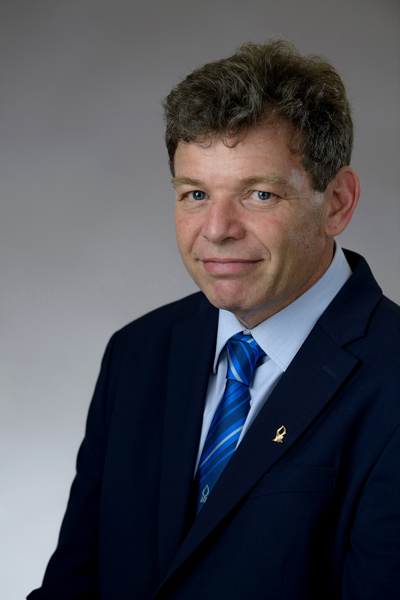
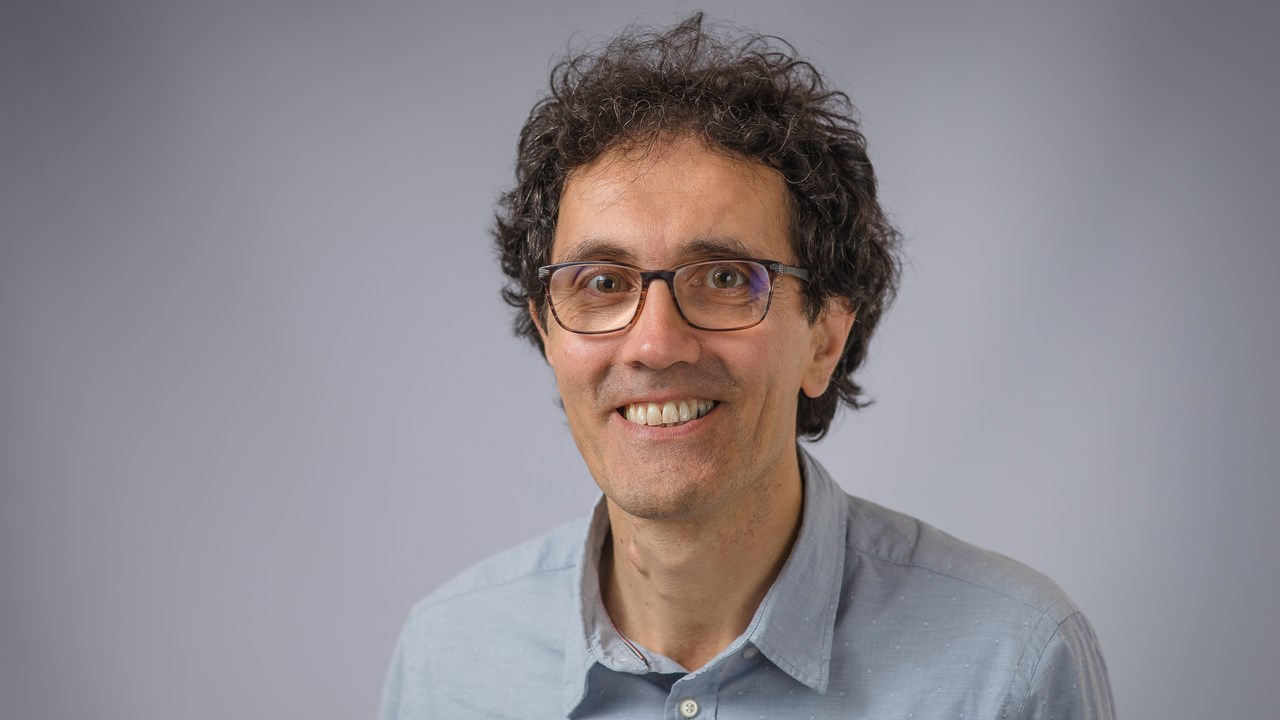
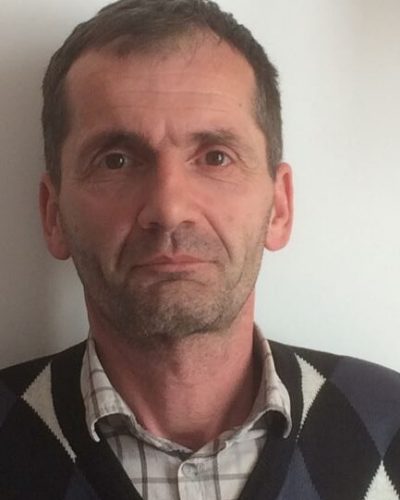
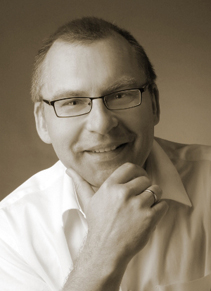
Joachim Braun serves as Scientific Coordinator and Manager at the Chair of Eastern Christian Theology within the Faculty of Theology at KU Eichstätt-Ingolstadt . His work focuses on the history and theology of Eastern Churches, liturgical traditions, and intercultural identity dynamics. Specialized in Byzantine rite liturgical history and Syrology Expert in multilingualism and ethnolinguistic border crossings Researches interreligious engagement with Islam and manuscript studies Recent publications explore digital cultural heritage platforms, martyrdom narratives, and Armenian diaspora theological perspectives. He actively participates in international conferences on Eastern Christianity and collaborates with Prof. Thomas Kremer on digital knowledge transfer initiatives. Contact: JBraun@ku.de | Ulmer Hof Building, Room UH-102
Alexandra Lippman is a Visiting Assistant Professor of Anthropology at Pomona College , with a focus on cultural anthropology and sound ethnography . Her work bridges Latin America , Brazil , and media and technology to examine race , legal anthropology , and intellectual property . She founded the Sound Ethnography Project , co-runs the record label Discos Rolas , and hosts the radio show “Sound Study” on Dublab. Her research explores the culturalization and criminalization of sonic practices in Brazil and the commercialization of open access platforms like ResearchGate. Ph.D. and M.A. in Anthropology from University of California, Irvine B.A. in Anthropology from Bryn Mawr College Her scholarly work analyzes sonic sovereignty , alternative intellectual property frameworks, and the politics of academic metrics . She co-edited Gaming the Metrics (MIT Press, 2020), a volume critiquing academic misconduct in the digital age. Her ethnographic research in Brazil since 2008 underpins her manuscript The Power of Funk: Citizenship, Race, and Sonic Sovereignty in Rio de Janeiro . Lippman’s publications span sound studies , open access ethics , and cultural politics . Her creative work has been featured in The New York Times , L.A. Weekly , and The FADER . She advocates for non-market-based knowledge distribution through her research on platforms like SciELO in Brazil. Intel PhD Fellowship National Science Foundation grant DDIG 1058768 for research on Brazilian intellectual property She has no listed advisees. Her current projects include reimagining ethnographic attention through experimental media and collaborative scholarship.
PD Dr. Claudia Lieb is a faculty member at the Institute of German Studies , University of Münster , specializing in the Department of Modern German Literature . Her research bridges Law and Literature , Digital Humanities , and German Romanticism , with a focus on media history and interdisciplinary methodologies. Key projects include the virtual exhibition on Annette von Droste-Hülshoff's collages and digital storytelling. She explores intersections of literary accident narratives and legal discourse in works like Crash. Der Unfall der Moderne Her habilitation Germanistiken (2022) compares philological and legal practices from 1630–1900. Collaborations include the Käte Hamburger Kolleg and LWL Literature Museums . Publications span encyclopedia articles , literary theory , and media history , with upcoming entries in the Handbuch Literatur & Recht .
François Lagirarde, born in Paris on January 28, 1953, is a Lecturer at the École française d'Extrême-Orient (EFEO) with a focus on Theravadin Buddhism and Southeast Asian Studies. He has dedicated his career to the study of Buddhist manuscripts, epigraphy, and cultural transmission in Thailand, Laos, and Cambodia. PhD in the history of religions (2001, EPHE) 3rd Cycle Doctorate in comparative literature (1981, University of Paris XII) Extensive training in Thai languages at EFEO centers in Chiang Mai and Vientiane His research centers on Buddhist manuscript preservation, ritual narratives, and the inculturation of Theravada Buddhism in Lanna culture. He has digitized over 19,000 pages of Buddhist chronicles from Northern Thailand, focusing on Tham script and tamnan literature. His editorial roles include co-editor-in-chief of the Bulletin of the French School of the Far East and general director of the journal Aséanie (1997-2012). François Lagirarde's publications reveal a deep engagement with Buddhist epigraphy, chronicles, and cultural anthropology. His work spans traditional manuscript analysis to digital archiving methodologies, particularly in Northern Thai contexts. He has collaborated extensively with institutions like the Siam Society and Chulalongkorn University . G. Cœdès scholarship (1993-1994) As a former head of the Bangkok Centre (2001-2011) and Professor of French at Thammassat University (1981-1993), he bridges language pedagogy with advanced Buddhist studies. His expertise also extends to the restoration of Buddhist monuments , such as Vat Long Khoun in Luang Prabang.
Lydia Craig is a Lecturer in the Department of English at Eastern Illinois University. She specializes in Victorian fiction, digital humanities, and literary criticism with a focus on Charles Dickens and the Brontë sisters. Her research examines theological themes in Dickens's works, authorship verification in digital contexts, and the material culture of Victorian publishing. ORCID: 0000-0001-5628-8451 Address: Coleman Hall, Eastern Illinois University, 600 Lincoln Avenue, Charleston, IL 61920, United States Research Interests: Craig's work bridges traditional literary analysis with digital tools for studying Victorian fiction. She explores religious nonconformity in Dickens's narratives, Byronic hero tropes across 19th-century literature, and challenges in authenticating historical quotes online. Her editorial role with Edinburgh University Press and contributions to academic conferences highlight her engagement with global Victorian scholarship. Recent Trends: Craig's publications since 2020 emphasize digital methodologies, collaborative research, and interdisciplinary approaches to Victorian texts. She investigates intersections of race, colonial contexts, and canonical literature, particularly in Bleak House and Wuthering Heights. Professional Roles: Craig serves as Associate Editor for The Dickens Fellowship (since 2024) and Treasurer for The Dickens Society (since 2021). She actively participates in academic networks focused on Victorian literature and digital humanities.
Kevin Shea is a Professor of Chemistry and Chair of the Chemistry Department at Smith College . His research spans organic synthesis and pedagogical innovation. Research Focus: Organic synthesis methods (tandem Nicholas/Pauson-Khand reactions), biologically active molecules for neglected tropical diseases, and click chemistry. Education: Ph.D. from Massachusetts Institute of Technology, B.S. from Worcester Polytechnic Institute. His work integrates organic chemistry with molecular biology , exemplified by a collaboration with Steve Williams's lab targeting lymphatic filariasis. Recent publications highlight his commitment to active learning and technology-enhanced teaching in organic chemistry. Scientific Contributions include carbon-carbon bond formation strategies, cobalt-alkyne complexes, and educational resources like open-access textbooks and classroom response systems. His article trends blend synthetic organic chemistry with pedagogical research, emphasizing real-world applications such as drug development for tropical diseases. Notable Collaborations: Steve Williams (Molecular Biology, Smith College) Co-authors on educational research: David J. Gorin, Kerry L. Barnett, Catherine McGeough Shea's teaching innovations include literature-based assessments and manuscript reviews to evaluate student readiness. His laboratory serves as a hub for interdisciplinary projects bridging organic synthesis and biological applications.
Harvey Hames is a Professor in the Department of General History at Ben-Gurion University of the Negev (BGU), currently serving as Rector since 2018. His academic career spans roles including Dean of the Faculty of Humanities and Social Sciences (2016-2018) and department chair (2011-2015). He established the Center for the Study of Conversion and Inter-Religious Encounters (2013) under the I-CORE initiative, a significant hub for interdisciplinary research. Education: PhD in Medieval History (1996), Cambridge University His research focuses on Medieval and Renaissance religious interactions , particularly Jewish-Christian-Muslim dynamics. Key areas include Kabbalah and Christian mysticism , apocalyptic movements , inter-religious polemics , and Bible/Talmud translations . His work challenges assumptions about pre-Renaissance Christian engagement with Jewish mysticism, exemplified by his studies on Ramon Llull. Recent publications analyze semantic change methodologies (2018) and medieval conversion narratives. He has guest-edited major journals like Mediterranean Historical Review and co-edited volumes on Latin-into-Hebrew knowledge transfer, emphasizing the underappreciated Christian-Jewish intellectual exchange in medieval Europe. Scientific Awards: 2014 David Berg and Family Chair in European History (BGU) 2013 I-CORE Center for Conversion and Inter-Religious Encounters 2006 Magister of Maiorcensis Schola Lullistica 2003 Clare Hall (Cambridge) Life Membership 2002 Samuel Toledano Prize His advising and grant work include leading the I-CORE program (2013), which received Israel Science Foundation funding (grant 1754/12). He has also contributed to academic discourse through editorial roles and collaborations with institutions like Brill and SUNY Press.
Diego Calvanese is a Visiting Professor at Umeå University's Department of Computing Science and holds a full professorship at the Free University of Bozen-Bolzano, Italy. His research focuses on AI for data management, including virtual knowledge graphs (VKG), ontology-based data access (OBDA), and formal methods like description logics. He is part-time at Umeå, balancing roles with his primary position in Italy. Calvanese has received prestigious awards including the AAAI Classic Paper Award (2021), EurAI Fellow (2015), and ACM Fellow (2019). He supervises three doctoral students at Umeå and has authored over 350 publications, with an h-index of 71. His work emphasizes data integration, geospatial systems, and ethical AI applications. Key Roles: Associate Programme Chair (IJCAI 2025), Programme Chair (IJCAI-ECAI 2026), Head of AI for Data Management Research Group Research Interests: Knowledge representation, graph data management, explainable AI, and telemonitoring systems like reCOVeryaID. His research group develops tools like Ontop, a VKG system enabling seamless data access across heterogeneous sources. Current projects include geospatial data integration and temporal OBDA frameworks. Calvanese has served on over 150 program committees and editorial boards, including Artificial Intelligence and JAIR. His work bridges technical advancements with societal impacts, addressing AI's role in healthcare, climate, and democracy.
Emanuel Grosu is a Researcher at the Institute for Interdisciplinary Research , Department of Socio-Human Sciences, affiliated with Alexandru Ioan Cuza University of Iași . His work bridges cultural memory , ethics , and medieval Latin literature with a focus on translation and hermeneutics , Latin paleography , and the transmission of classical values . Dr. Grosu specializes in medieval Latin texts and their modern interpretations, particularly examining religious and cultural memory through works like the Visio Tnugdali and History of the Lombards . He actively contributes to academic discourse as a translator and editor of significant medieval works, including Anselm of Canterbury and Summa Theologica by Thomas Aquinas. His research interests span medieval mentalities , digital humanities , and interdisciplinary methodologies . Recent publications explore digitalization in classical studies , medieval theological concepts , and scientific communication in medieval Europe. He has participated in national and international conferences, including the International Academy of Heraldry and Explorations in Biblical Tradition symposiums.
Kera B Ackerman is an Associate Professor at the University of Kentucky in the Department of Early Childhood, Special Education, and Counselor Education. Her work focuses on special education, evidence-based practices, and rural education, with a strong emphasis on inclusive classrooms and interventions for students with intellectual disabilities and behavioral disorders. Doctor of Philosophy (2017), University of Kentucky Master of Science in Education (1999), University of Akron Her research explores inclusive education , reading fluency interventions , and co-teaching strategies . She leverages technology and peer coaching to enhance engagement and outcomes for students with disabilities, particularly in rural settings. The 15 most recent publications highlight her dedication to special education through digital tools , peer collaboration , and rural policy analysis . Notable topics include literacy strategies for students with intellectual disabilities, co-teaching efficacy, and systemic support for inclusive classrooms. Scientific Awards : Nietzel Visiting Distinguished Faculty Program Award, 2017 Grants and Projects : Dr. Ackerman has led initiatives like the IHE Special Education Consortium (FY25–FY26) and the KEEP project (2024–2027), focusing on evidence-based teacher preparation and urban-rural educational equity.
Dr Jennie England is a researcher at the University of York's Centre for Medieval Studies and Research Co-ordinator at York Minster. She works on the StreetLife project and has curated exhibitions on Anglo-Saxon charters. Education: BA in History, University of York MA in Medieval Studies, University of York PhD in History, University of York (2018) Research Focus: Medieval history, manuscript studies, and heritage management, particularly examining Anglo-Saxon charters and monastic reform movements. Publications: Includes studies on the Codex Wintoniensis and Osbert of Clare's historical influence.
Professor Michael Baldzuhn is a distinguished scholar of Medieval and Early Modern German literature at the University of Hamburg's Faculty of Humanities, Department of Language, Literature, Media I Institute of German Studies. Appointed as full professor in 2019, he has established himself as a leading expert in medieval song poetry, school literature, and manuscript studies. His research focuses span medieval song poetry , school literature of the Middle Ages and Early Modern period , medieval fables , transmission and textual history of medieval literature , manuscript studies/codicology , orality and writtenness , and Latin and vernacular languages in the late Middle Ages . His work bridges philological precision with cultural historical insights, particularly in how educational practices shaped literary transmission. Professor Baldzuhn's recent publications reveal a sustained engagement with textual transmission and educational practices, with his 2024 critical edition of Jacobus Montanus's Centuria epistolarium formularum representing a major contribution to understanding late medieval educational practices. His work consistently demonstrates how school contexts shaped literary production and transmission, with particular attention to bilingual (Latin-German) educational materials. His scholarly activities include participation in international workshops and conferences focused on manuscript cultures, textual transmission, and educational practices across Europe. Professor Baldzuhn also maintains significant digital resources including www.liederhandschriften.de and www.meistergesang.de , supporting research in medieval song poetry and manuscript studies. Beyond his research, Professor Baldzuhn has extensive teaching experience across multiple German universities, with courses covering medieval German literature, language history, and specialized topics in medieval studies. His academic trajectory reflects deep commitment to both research excellence and pedagogical innovation in medieval studies.
Dr. Jenny Bunn serves as an Honorary Lecturer in the Department of Information Studies at University College London, where she has been teaching since 2010. Her academic position builds upon extensive professional experience at major archival institutions including the V&A Museum, Royal Bank of Scotland Archives, Glasgow University Archives, and The National Archives. Dr. Bunn's educational background includes a PhD in Archive Studies (2011), MA in Archives and Records Management (1995), and BA from King's College Cambridge (1993), all obtained at prestigious UK institutions. Her research focuses on the critical intersection of archival science with emerging technologies, particularly examining how artificial intelligence transforms traditional archival practices. Her scholarly work reveals a strong trend toward examining AI applications in archival contexts, with numerous publications from 2022-2024 addressing topics like AI tools for digital cultural heritage, explainable AI in recordkeeping, and ethical considerations in automated archival appraisal. These works demonstrate her leadership in bridging traditional archival theory with contemporary technological challenges. Editorial role at Archives and Records: The Journal of the Archives and Records Association (2012-2019) Active member of both the Archives and Records Association and Information and Records Management Society As an educator, Dr. Bunn teaches core modules in UCL's Archives and Records Management program, including Concepts and Contexts, Curation and Stewardship, and Digital Curation. Her teaching directly reflects her research interests, preparing students for the evolving technological landscape of archival practice. Her professional activities demonstrate sustained engagement with both the theoretical and practical dimensions of archival science, maintaining connections between academic research and professional practice through her editorial work and professional society memberships.
Beáta Megyesi is a Professor of Computational Linguistics at Uppsala University's Department of Linguistics and Philology, currently on leave from August 2023 to December 2025. She holds a PhD in Speech Communication from the Royal Institute of Technology (KTH) and has been a prominent figure in computational linguistics research and education at Uppsala University since at least 2000. Her academic background includes: PhD in Speech Communication, Department of Speech, Music and Hearing, KTH (2002) BA in Computational Linguistics, Department of Linguistics, Stockholm University (2000) Megyesi's research focuses on the intersection of computational methods and humanities, particularly historical cryptology and digital philology. She develops innovative tools that enable humanists and social scientists to obtain quantitative analyses of historical texts, with special emphasis on automatically cracking historical ciphers. Her work bridges linguistic analysis, computer science, and historical research, creating methodologies for processing and analyzing encoded historical documents. She has pioneered approaches to automatic transcription, key structure extraction, and deciphering techniques for historical manuscripts, making significant contributions to both computational linguistics and historical research. Analysis of her recent publications reveals a strong trend toward interdisciplinary research combining historical cryptology with advanced computational methods. Her work demonstrates increasing sophistication in handling historical ciphers through machine learning, image processing, and language modeling techniques. The research spans multiple languages and historical periods, with particular focus on early modern European diplomatic correspondence. Her publications show consistent contributions to both theoretical frameworks and practical tools for historical document analysis, with growing attention to privacy concerns in language learner data. Megyesi has held significant leadership roles including: President of Northern European Association for Language Technology (NEALT, 2020-2021) Head of Department, Department of Linguistics and Philology (2009-2018) Director of English Park Campus, Uppsala University (2017-2018) Member of Swedish Research Council's preparatory group for Linguistics (2021-2023) As an educator, Megyesi has supervised graduate students including Eva Pettersson and Mojgan Seraji, and has taught courses on language technology, digital philology, and computational linguistics at both undergraduate and graduate levels. She has received research funding from Vetenskapsrådet (Swedish Research Council) for multiple projects including DECRYPT (2018-2024) and DECODE (2015-2017), demonstrating sustained research productivity and external recognition of her work's significance. Megyesi leads the DECRYPT project focused on developing methods to automatically crack historical ciphers, working with interdisciplinary teams of linguists, computer scientists, and historians. Her research group has developed specialized tools for transcription of encrypted manuscripts and created important resources like the DECODE Database of Historical Ciphers and Keys. She is an active participant in the international historical cryptology community, frequently organizing and contributing to conferences in this specialized field.
Ian Johnson is the P. J. Moran Family Associate Professor of Military History at the University of Notre Dame , specializing in war, diplomacy, and technology. He holds a Ph.D. in History from Ohio State University and has held fellowships at Yale University and the Clements Center for National Security. Education: Ph.D., Ohio State University (2016) His research examines the origins and conduct of war, with a focus on collective security, atomic diplomacy, and international military cooperation . His acclaimed book The Faustian Bargain analyzes Soviet-German military collaboration during the interwar period, while his current work explores early Cold War military planning and General Ridgway's strategic evolution. Recent publications highlight interwar technological espionage, Cold War security frameworks, and 20th-century military doctrine . Awards include the 2022 Society for Military History Distinguished Book Award and fellowships from Fulbright-Hays and the OSU Presidential Program. Professional Affiliations: Co-director of Notre Dame’s International Security Studies minor, Principal member of the Notre Dame International Security Center