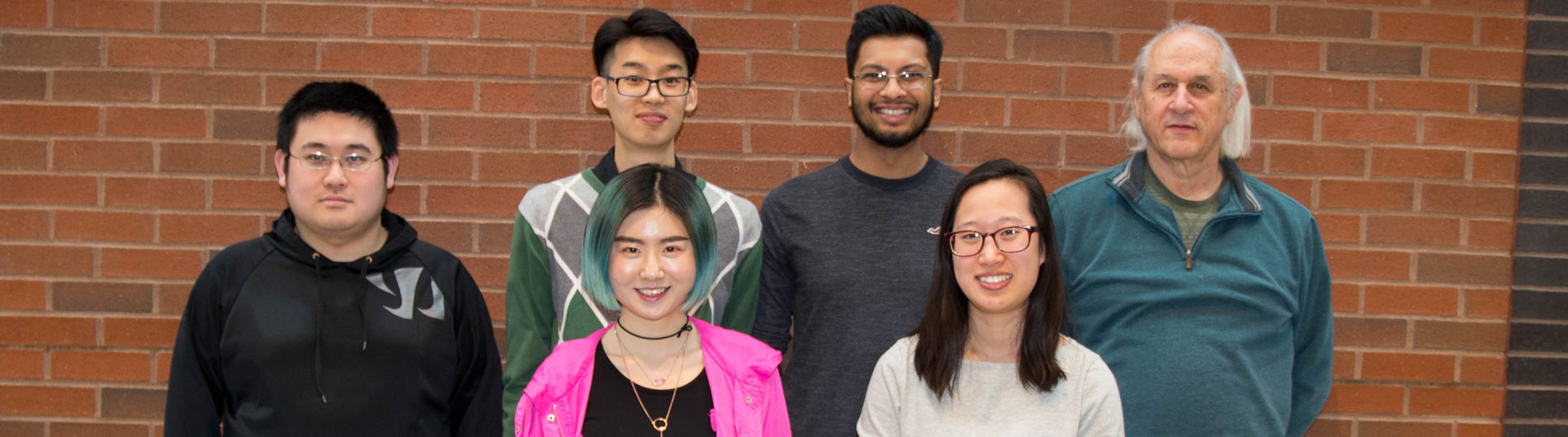
Fabrizio Marinelli is an Associate Professor of Biophysics and Data Science at the Medical College of Wisconsin (MCW), effective July 2025, and holds an adjunct senior investigator position at the Versiti Blood Research Institute. He previously served as a staff scientist at the National Heart, Lung, and Blood Institute (NHLBI/NIH) and conducted postdoctoral research at the Max Planck Institute of Biophysics and NIH. Educational background includes a PhD in Statistical and Biological Physics from the International School for Advanced Studies (Trieste, Italy), an MS in Chemistry from La Sapienza University (Rome), and postdoctoral training in molecular biophysics. His research focuses on computational modeling of molecular mechanisms in membrane transport, signaling, and morphological changes, integrating advanced simulation techniques with experimental data (e.g., EPR/DEER, HDX-MS, cryo-EM). Key methodologies include enhanced sampling methods, free-energy calculations, and machine learning. Research highlights include elucidating mechanisms of Na+/Ca2+ exchangers, ion selectivity in lysosomal K+ channels, and structural interpretation of DEER and HDX data. He leads the Biophysics Graduate Program’s recruitment efforts and actively collaborates with experimental labs to bridge theory and experiment. Lab members include postdocs William Brown and Sandra Byju, and graduate student Tyler Trask. Publications emphasize computational tools (e.g., PLUMED, Colvars library) and reproducibility in molecular simulations. His work aims to advance therapies for infectious diseases, drug resistance, and cancer through mechanistic insights into proteins and membranes.
Sophie Lanone is a researcher and team leader of the Genetic-environment Interactions in COPD, Cystic Fibrosis, and Respiratory Pathologies (GEIC2O) team at the Mondor Institute of Biomedical Research (IMRB), affiliated with Université Paris-Est Créteil. Her work focuses on understanding the interplay between genetic and environmental factors in respiratory diseases, particularly COPD, cystic fibrosis, and surfactant-related pathologies. She leads a multidisciplinary team of clinicians and scientists investigating molecular mechanisms, inflammation resolution, and environmental impacts on pulmonary health. Key research themes include the molecular basis of cigarette smoke-induced COPD, genetic and cellular aspects of cystic fibrosis, and the role of specialized pro-resolving mediators in disease. Funding sources include EU programs (e.g., H2020 REMEDIA), ANR, and patient associations like Vaincre la Mucoviscidose. Recent advances include identifying lipid mediator defects in CF patients and demonstrating resolvin E1’s efficacy in correcting ciliary dysfunction. Team members have received awards, such as Khadeeja Adam Sy’s 2024 prize for active participation in CF research. Collaborations span in vitro/ex vivo models, patient cohort studies, and translational approaches toward personalized therapies. The team also explores environmental exposures (e.g., asbestos, nanoparticles) and their long-term respiratory health impacts.
Thomas Melia is a Professor of Cell Biology at the Yale School of Medicine, part of Yale University. He leads the Melia Lab, focusing on autophagosome biogenesis and membrane dynamics during autophagy. His research integrates cell-based assays with advanced imaging techniques like electron cryo-microscopy. Key areas include understanding membrane sources for autophagosomes, lipid transport mechanisms, and organelle formation under cellular stress. Education: PhD in Biochemistry from Baylor College of Medicine (1999), BS in Biological Sciences from Carnegie Mellon University (1992) Research Interests: Autophagy, lysosomal biology, membrane trafficking, and protein aggregate clearance Lab Affiliations: Collaborates with departments like Biochemistry, Quantitative Biology, and Molecular Cell Biology Melia's work bridges molecular mechanisms with cellular function, particularly in how cells respond to starvation or pathogen invasion by degrading cytosolic components. Recent studies highlight roles for dynamin-like proteins in nuclear autophagy and lipid transfer proteins in organelle biogenesis.
Jakob Körbelin is a Principal Investigator at the University Medical Center Hamburg-Eppendorf (UKE), affiliated with the Faculty of Medicine and the II. Medical Clinic and Polyclinic. His research focuses on vascular biology, gene therapy, and neurological disorders, particularly targeting the blood-brain barrier using adeno-associated viral (AAV) vectors. He leads studies on pulmonary hypertension, neurovascular interactions, and genetic diseases like Niemann-Pick type C2. His work bridges basic science and translational medicine, emphasizing AAV engineering and therapeutic applications. Key research interests include endothelial cell biology, neuroinflammation, and the pathophysiology of vascular diseases. Notably, he received the UCCH Hubertus Wald Young Investigator Award 2013 for his contributions. His lab explores mechanisms of vascular dysfunction, gene delivery optimization, and the impact of viral vectors in treating rare diseases. Collaborations span molecular neurobiology, immunology, and translational oncology. Publications highlight breakthroughs in AAV-mediated therapies, such as reversing neurodegeneration in NPC2 models and identifying novel targets for pulmonary hypertension. Ongoing projects address microvascular brain pathology in SARS-CoV-2 infection and the role of transcription factors in vascular diseases.
Marc Diamond, M.D. , is a Professor of Neurology and Neuroscience at UT Southwestern Medical Center. He previously served as the David Clayson Professor of Neurology at Washington University in St. Louis (2009-2014) and held faculty positions at UCSF (2002-2009). As founding director of the Center for Alzheimer's and Neurodegenerative Diseases (CAND), he leads a multidisciplinary team investigating protein aggregation mechanisms in neurodegenerative diseases. Education: M.D. from UCSF (1993), history degree from Princeton Key Contributions: Discovered cell-to-cell propagation of tau protein aggregates, linking Alzheimer's to prion biology His research focuses on tauopathies , prion-like protein propagation , and translational therapeutics . He has developed methods for detecting proteopathic seeding activity now used globally, holds multiple patents, and invented a monoclonal antibody in clinical trials for Alzheimer's therapy. His work has profoundly impacted understanding of neurodegenerative disease progression and therapeutic strategies. Laboratory: The Diamond Lab trains postdocs, graduate students, and staff in multidisciplinary approaches to neurodegeneration, emphasizing cellular models and molecular mechanisms of protein aggregation.
Ming Lei is a Professor of Physiology and Pharmacology at the University of Oxford. His research focuses on cardiac electrophysiology, signal transduction, and molecular mechanisms of arrhythmias. He leads the Lei Group , also known as the Cardiac Signalling Group , which explores novel therapeutic targets for cardiovascular diseases. Education: BM, MD, D.Phil Professional Recognition: Fellow of the Royal Society of Biology (FRSB) Recent publications highlight his work on: PAK Kinases as targets for arrhythmias Anti-arrhythmic drug classification and clinical applications Isoform-specific glycosylation of ion channels Optical mapping techniques in preclinical cardiac models Stem cell-derived cardiomyocytes for studying atrial function His research trends emphasize molecular mechanisms of cardiac dysfunction, kinase modulation, and advanced imaging methodologies. The Lei Group collaborates on projects involving genetic models (e.g., RyR2 knock-in mice) and cellular interactions (e.g., myofibroblast-cardiomyocyte crosstalk). Key subfields include signal transduction , lysosomal pathways , ion channel regulation , cardiac hypertrophy , electrophysiological imaging , and stem cell applications .
Grant C Churchill is a Professor of Chemical Pharmacology at the University of Oxford, affiliated with New College as a Tutor in Medicine. His research group specializes in understanding cellular calcium signaling, particularly through the second messenger NAADP , and developing chemical tools for drug discovery targeting lysosomal calcium channels and bipolar disorder . Research Focus Churchill’s work spans: Identifying NAADP antagonists like Ned-19 via shape-based virtual screening Repurposing ebselen as a lithium mimetic for bipolar disorder Elucidating lysosomal calcium dysregulation in Niemann-Pick disease and GM2 gangliosidoses Investigating serotonin receptor signaling in psychiatric disorders Key Contributions His group’s discovery of ebselen progressed to phase 2 clinical trials, while acetyl-leucine is being tested for lysosomal diseases. Current projects focus on novel chemical probes for two-pore channels and mechanisms of TFEB activation in neuroprotection.
Dr. Stephanie de Alcantara Fernandes is a Minerva Fast Track Group Leader at the Max Planck Institute for Biology of Ageing in Cologne, Germany, where she leads research on muscle metabolism and aging. Her laboratory investigates how spatial and functional regulation of mTORC1 signaling influences skeletal muscle health, growth, and regeneration throughout the lifespan, with implications for understanding and promoting healthy aging. Dr. Fernandes completed her academic training through a distinguished path: PhD in Biology (Summa cum laude, with distinction), University of Cologne/Max Planck Institute for Biology of Ageing (2017-2023) Master of Science in Genetics, University of São Paulo (2015-2017) Bachelor of Science in Biological Sciences, University of São Paulo (2009-2014) Exchange year at University of Birmingham, UK (2013) Her research focuses on skeletal muscle biology, particularly the balance between anabolic and catabolic processes that maintain muscle health. Dr. Fernandes investigates how mTORC1 (mechanistic Target of Rapamycin Complex 1), a central signaling hub, is spatially organized within cells to selectively regulate specific cellular functions in response to different nutrient sources. Her work reveals that mTORC1 is not simply "on or off" but can be finely tuned to control distinct processes in different cellular compartments, particularly in skeletal muscle cells. A key aspect of her research examines how these regulatory mechanisms change with age, contributing to age-related muscle loss (sarcopenia). By understanding the molecular basis of muscle maintenance and regeneration, her laboratory aims to identify targets for interventions that could promote healthier aging and prevent age-related decline in muscle function. Analysis of Dr. Fernandes' publication record shows a clear trajectory of increasingly independent research focused on mTORC1 signaling, nutrient sensing, and their roles in aging and muscle biology. Her most recent work demonstrates sophisticated understanding of mTORC1's spatial regulation, revealing how different pools of mTORC1 respond to distinct amino acid sources to control specific cellular processes. This research bridges fundamental cell biology with translational applications for aging-related conditions. Dr. Fernandes has received numerous prestigious awards recognizing her scientific excellence: Minerva Fast Track Fellowship (2025) - Group Leader Position for Outstanding Female Scientists from Max Planck Society Graduate School for Biological Sciences (GSfBS) doctoral award for 2023 (2025) World Muscle Society Fellowship (2016) Cologne Graduate School of Ageing Research fellowship (2017-2020) Master's scholarship from São Paulo Research Foundation (2015-2017) Science Without Borders Scholarship from Brazilian Council for Scientific and Technological Development (2013) As a newly appointed Group Leader through the Minerva Fast Track program, Dr. Fernandes is establishing her independent research program with substantial institutional support. Her laboratory combines advanced techniques including high-throughput omics approaches (proteomics, metabolomics), molecular biology, biochemistry, cell biology, and super-resolution microscopy. She utilizes multiple model systems including mouse models, skeletal muscle cell lines, and iPSC-derived skeletal muscle cells to identify evolutionarily conserved mechanisms relevant to human health. Dr. Fernandes leads the Minerva Fast Track Group at the Max Planck Institute for Biology of Ageing, which focuses specifically on "Muscle metabolism and aging." Her team investigates how selective mTORC1 signaling is coordinated between different skeletal muscle cell types and how it changes with age, with the ultimate goal of understanding how muscle health can be maintained throughout life.
Matthias Peter is a Professor of Biochemistry at ETH Zurich, leading research into mechanisms governing cell growth and division. His laboratory focuses on ubiquitin-dependent regulation of DNA replication and mitosis, and autophagy's role in cellular quality control. He chairs the Department of Biology (2011-2015) and holds leadership roles in Switzerland's research infrastructure, including Vice Chair of ScopeM's microscopy platform. His academic career includes roles at ISREC (1996-2002) and postdoctoral training at UCSF (1991-1996). Education: PhD in Biochemistry from ISREC (1991), ETH Zurich diploma in Gene Technology (1987). Research interests span molecular mechanisms of cell division, ubiquitin systems, and autophagy. Awards include ERC Advanced Grant (2011) and UBS Excellence in Research (2002). Leadership: Member of Swiss National Research Council, SNF selection committee, and SWTR council. Over 20 years of committee service in national research programs. His lab's work is published in top journals like Science, Nature, and Molecular Cell.
Marta Lipinski is an Associate Professor in the Department of Anesthesiology at the University of Maryland School of Medicine . She is also affiliated with the Shock, Trauma and Anesthesiology Research (STAR) Center , the Center for Stem Cell Biology and Regenerative Medicine , and the Center for Biomolecular Therapeutics . Her research focuses on the role of autophagy and lysosomal function in neurotrauma and neurodegenerative diseases . PhD in Cancer Biology, MIT Postdoctoral training at Harvard Medical School Her research keywords include Autophagy , Lysosomes , Neuroinflammation , Lipid Metabolism , Traumatic Brain Injury , Spinal Cord Injury , and Brain Aging . She investigates how autophagy disruption after CNS injury contributes to neuroinflammation and neuronal death , with recent work exploring the link between TBI and late-onset neurodegeneration as well as autophagy-lipid metabolism interactions . Her collaborative network spans departments and institutions, including Junfang Wu (Anesthesiology), Eugene Koh (Orthopaedics), Maureen Kane (School of Pharmacy), and Michael Cummings (UMD College Park). Active grants include NIH R33 AG076858 and R01 NS115876 , focusing on multi-omics platforms for brain aging and autophagy modulation in TBI.
Alessio Accardi, Ph.D., is a Professor of Physiology and Biophysics in Anesthesiology at Cornell University. He also holds secondary appointments in the Department of Physiology and Biophysics and Department of Biochemistry. His research focuses on understanding the structural and functional mechanisms of ion channels and transporters, particularly the CLC protein family, which is implicated in human diseases like Bartter’s syndrome. Primary Appointment: Department of Anesthesiology Secondary Appointments: Department of Physiology and Biophysics, Department of Biochemistry Techniques: Cryo-Electron Microscopy, X-ray Crystallography, Electrophysiology His lab uncovers biophysical mechanisms of ion movement across cellular membranes, bridging active and passive transport proteins. Recent work highlights the dual nature of CLC proteins as both ion channels and transporters, challenging previous assumptions. The lab employs a multidisciplinary approach, combining structural biology with functional assays in synthetic lipid bilayers. Their research has direct implications for understanding ion channelopathies and developing targeted therapies. Recent publications explore lipid scrambling mechanisms in TMEM16 proteins, pH-dependent activation in CLC transporters, and voltage-gated channel modulation by anesthetics. These studies utilize Cryo-EM and crystallography to reveal molecular insights. Contacts: ala2022@med.cornell.edu | Accardi Lab Website
Douglas B. Cowan serves as a Staff Scientist in the Cardiology and Vascular Biology Program at Boston Children's Hospital and holds an Associate in Surgery position at Harvard Medical School. His career spans over three decades with foundational training in genetics and molecular biology. B.Sc. in Honors Genetics, University of Western Ontario (1987) M.Sc. and Ph.D., University of Toronto (1989, 1994) Postdoctoral Fellowship, MRC-sponsored at Mount Sinai Hospital and Toronto General Hospital Dr. Cowan's research focuses on mitochondrial transplantation as a novel therapy for ischemia-reperfusion injury, with pioneering work demonstrating that autologous mitochondria injected during reperfusion significantly enhance cardiac recovery. His expertise bridges cardiovascular molecular biology , bioengineering , and translational surgical innovation , particularly in developing rapid mitochondrial isolation techniques and coronary delivery systems. Current investigations explore mitochondrial integration mechanisms in human cardiomyocytes using super-resolution microscopy. His publication portfolio includes 124 works with 4,810 citations and an h-index of 39, dominated by high-impact studies in PLoS ONE , American Journal of Physiology , and Journal of Thoracic and Cardiovascular Surgery . Key trends show evolution from foundational work on endothelial junctions (1999) to mitochondrial therapy dominance since 2009, with recent expansion into stroke applications (2023) and donor heart preservation (2022). Dr. Cowan collaborates extensively with James D. McCully (135+ co-publications), Pedro J. del Nido, and Ingeborg Friehs within the Cardiac Surgery Research Laboratory at Boston Children's Hospital. Current projects include optimizing mitochondrial delivery for pediatric cardiac applications and investigating metabolic mechanisms in fatty acid metabolism post-transplantation.
Sarah A. Stanley is an Associate Professor in the Department of Immunology and Molecular Medicine at the School of Public Health. Her research focuses on understanding immune responses to Mycobacterium tuberculosis (Mtb), a pathogen responsible for significant global mortality. Her work addresses why natural immunity often fails to eradicate Mtb infections, exploring both host immune mechanisms and bacterial virulence strategies. The Stanley Lab employs a multidisciplinary approach, including bacterial/host genetics, microscopy, chemical biology, and proteomics to dissect host-pathogen interactions. Research interests include host-derived metabolites’ role in macrophage antimicrobial activity, Th17 immunity, bacterial nanocompartments as oxidative stress defenses, and human genetic polymorphisms influencing tuberculosis outcomes. Current projects investigate how interferon-γ-independent pathways and GM-CSF activation of HIF-1α modulate immunity, alongside bacterial strategies to evade host defenses. The lab also develops mucosal vaccination strategies using cyclic dinucleotide adjuvants to enhance T cell responses. Publications emphasize mechanisms of Mtb persistence, host immune evasion, and translational approaches to vaccine/therapeutic design. The lab’s long-term goals include identifying novel targets for therapies and vaccines to combat tuberculosis, leveraging insights from host-pathogen biology.
Mark D. Noble is a pioneering Professor (Part-Time) in the Department of Biomedical Genetics at the University of Rochester School of Medicine , with concurrent appointments in Neurology, Neurobiology and Anatomy. He co-discovered the first CNS precursor cell in 1983 and directs the University of Rochester Stem Cell and Regenerative Medicine Institute . His career spans institutions including Stanford University and University College London. Ph.D., Genetics, Stanford University (1977) B.S., Biology & Philosophy, Franklin & Marshall College (1971) Post-doctoral: MRC Neuroimmunology Project, University College London (1977-1981) Research Focus : Dr. Noble's work bridges stem cell biology , neuroscience , and oncology . His lab discovered the redox/Fyn/c-Cbl pathway , revealing how oxidative states regulate stem cell function and cancer progression. Key contributions include chemobrain mechanisms , lysosomal dysfunction therapies , and pharmacological approaches for nerve injuries. His team developed 4-aminopyridine applications for nerve repair and diagnosis. Collaborative Impact : Working with Drs. Chris Proschel and Margot Mayer-Pröschel, he advanced astrocyte transplantation for spinal cord and Parkinson's injury. His work on cancer stem cells in glioblastoma and basal-like breast cancer identified novel therapeutic targets through Cool-1/β-pix inhibition of c-Cbl. Patents & Mentorship : Dr. Noble holds 15 patents and consults for biotech companies. His lab has mentored graduate students like Ludia Pack , Yunpeng Pang , and Neal Shah , while driving research on metabolic regulation of stem cells and translational medicine .
Wanlu Du is a Lecturer III in the Department of Molecular, Cellular, and Developmental Biology at the University of Michigan's College of Literature, Science, and the Arts (LSA). Their primary role is teaching, with active research involvement as co-Principal Investigator in the Duan-Lab. Research focuses on neuro-immune interactions, molecular mechanisms of cell death, and cancer immunology. Education includes a Ph.D. from the Institute of Neuroscience, CAS, and a Research Fellowship at Harvard Medical School. Research interests emphasize lysosomal biology, TRPC channel functions, and translational therapies for metastatic brain tumors. Current courses taught include Advanced Topics in Biology and Human Immunology. Collaborative work includes developing oncolytic virus therapies and understanding lysosomal Zn2+ dynamics in cancer cell death. Mentoring students is a core commitment. No scientific awards are listed here, but contributions span neurobiology, immunology, and oncology. The Duan-Lab collaboration highlights interdisciplinary research in molecular mechanisms and therapeutic strategies.