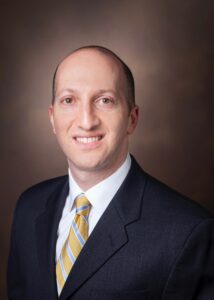
Dr. Michael D. Traynor Jr. is an Assistant Professor in the Department of Surgery at the University of Utah School of Medicine, specializing in Pediatric Surgery. He practices at Primary Children's Hospital in Salt Lake City and holds dual qualifications in medicine (MD) and public health (MPH). His academic roles include administrative chief resident and active participation in clinical research. Education: MD from University of North Dakota School of Medicine and Health Sciences, MPH from Harvard T.H. Chan School of Public Health, General Surgery residency at Mayo Clinic College of Medicine and Science, and Pediatric Surgery fellowship at University of Utah. Dr. Traynor's research focuses on pediatric trauma, global surgery, surgical simulation, and public health integration in clinical practice. His recent work examines low-resource diagnostics, scooter-related injuries, and simulation training accessibility in low-income countries. His publications (2019–2023) span Annals of Thoracic Surgery , Journal of Pediatric Surgery , and World Journal of Surgery , analyzing topics like postoperative symptom tracking, trauma registry comparisons, and climate change mitigation in surgical settings.
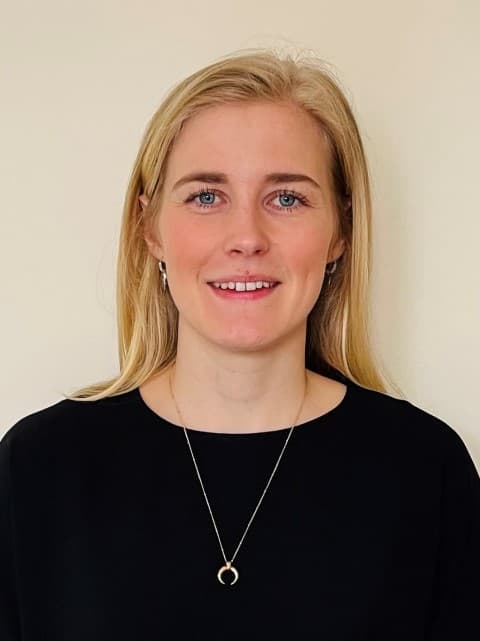
Francisca van der Schyff, MBChB, MMed, FEBS, FCS(SA), serves as Assistant Professor of Surgery at the University of Utah School of Medicine, Department of Surgery, Division of Pediatric Surgery. She is an internationally trained transplant surgeon with subspecialty expertise in pediatric and adult liver and kidney transplantation. Education & Training: MBChB (with honors) – University of Cape Town, South Africa General Surgery Residency (5 years, cum laude) – University of Pretoria School of Medicine MMed – University of Pretoria School of Medicine Pediatric Surgery Fellowship (2 years) Transplant Surgery Fellowship (2 years) – certified by European Board of Surgery (FEBS-Transplant) Visiting Fellowship – Erasmus University, Netherlands (ex-vivo & in-vivo organ perfusion technologies) Clinical & Research Interests: Dr. van der Schyff’s work centers on expanding access to transplantation for children and adults with end-stage liver and kidney disease. Her clinical practice encompasses living and deceased donor procurement, complex hepatobiliary reconstruction in children, and peri-transplant critical care. Research emphases include: Pediatric liver and kidney transplant outcomes Living donor transplantation techniques and safety Biliary atresia surgical innovation Immunosuppression optimization and rejection management Critical care protocols for emergent transplantation Leadership & Service: President, South African Transplant Society (2024) President-Elect, South African Transplant Society (2024) Member, Vanguard Committee, European Union Medical Society (EUMS) – designs curricula and conducts exit examinations for European transplant fellows Scientific Awards & Recognition: Fellow of the European Board of Surgery – Transplantation (FEBS) Fellow of the College of Surgeons of South Africa (FCS(SA)) Current Focus: As faculty at the University of Utah, Dr. van der Schyff continues to advance transplant surgery through patient-centered care, innovative research, and international collaboration.
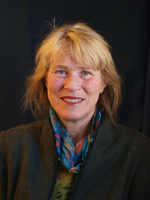
Sudha Jayaraman is a Professor of Surgery at the University of Utah , serving as Director of the Center for Global Surgery . Her academic journey includes General Surgery residency at UCSF , a MSc in Public Health in Developing Countries from the London School of Hygiene and Tropical Medicine , and a Trauma & Critical Care Fellowship at Brigham and Women’s Hospital/Harvard Medical School . Board Certified: General Surgery & Surgical Critical Care Research Pillars: Global Surgery, Trauma Epidemiology, Medication Safety, Surgical Disparities Her research focuses on trauma systems development in low-resource settings , particularly in Uganda and Rwanda , with funding from NIH , Rotary Foundation , and DOD . Key contributions include coauthoring Global Burden of Disease studies and systematic reviews for the Cochrane Injury Group . Recent work examines mHealth platforms for prehospital care and decolonizing Global Surgery frameworks. Notable awards include the Harvard Medical School Health Disparities Fellowship . She leads major initiatives like the CRoCIDILE Study Group and Academic Global Surgery Curricula development. Personal interests include adventure sports, piano, and pursuing a private pilot license .
Professor Caroline Homer AO serves as Deputy Director for Gender Equity, Diversity & Inclusion and Co-Head of both the Global Women's and Newborn Health and Immunisation and Health Systems Strengthening groups at Burnet Institute. She maintains Visiting Professorial appointments at University of Technology Sydney, Monash University, Deakin University, University of Melbourne, Cardiff University, and King’s College London. Her academic credentials include: MMedSc (Clin Epi), University of Sydney (2008) PhD, University of Technology Sydney (2001) MNurs, University of Technology Sydney (1997) A globally recognized maternal health scholar, Professor Homer's research spans reproductive health services, midwifery workforce development, and health systems strengthening in resource-limited settings. Her work emphasizes practical implementation of evidence-based care models to reduce maternal and newborn mortality, with particular focus on equity in health service delivery and policy influence through WHO and national guideline development. Her 2025 publications demonstrate persistent focus on operationalizing maternal health improvements through training program evaluations, clinical skill enhancement, and workforce well-being studies. These works collectively advance implementation science in global health contexts while addressing critical gaps in emergency obstetric care and midwifery practice. Major recognitions include: Frank Fenner Award (2023) NHMRC Elizabeth Blackburn Investigator Grant Award (2022) Honorary Fellowship, RANZCOG (2022) Order of Australia (AO) (2017) Caroline Homer Writing Prize (2013) Professor Homer actively supervises graduate students and leads major research initiatives funded by national and international bodies. Her current projects include the Global Maternal and Newborn Health Platform and midwifery strengthening programs across Asia-Pacific, directly informing WHO guidelines and national health policies. She co-leads Burnet Institute's Global Women's and Newborn Health and Immunisation and Health Systems Strengthening groups, which drive multi-country research partnerships focused on scalable health system interventions and capacity building in maternal-newborn care.
Dr. Mary Abboah-Offei is a Lecturer in Public Health and International Health and Social Care at the School of Health and Social Care, Edinburgh Napier University, Scotland, UK. She holds a PhD from King's College London (2020) and an MSc, and is a Fellow of the Higher Education Academy (FHEA). She serves as the Principal Investigator for the ExtraCECI Project, an MRC-funded cluster randomised controlled trial of community-based person-centred enhanced care for people with HIV/AIDS in Ghana, valued at £1,638,953.61. Additionally, she is the Programme Leader for the MSc Healthcare Management at Edinburgh Napier University. Dr. Abboah-Offei's research focuses on person-centred care and its applicability across various contexts and disease conditions. Her primary interest lies in person-centred care within HIV management and its impact on quality of life. She has developed and tested community-based enhanced care interventions for people living with HIV/AIDS in Ghana. Her research extends to palliative care, nursing, early childhood development, and health services research, utilizing qualitative, participatory, and mixed methods approaches. She is particularly interested in how person-centred interventions can be adapted to improve health outcomes across different patient populations. Her recent publications demonstrate a strong focus on person-centred care models, particularly in HIV management and palliative care across Sub-Saharan Africa. She has conducted systematic reviews, feasibility studies, and intervention development research, often employing mixed methods approaches. Her work spans multiple countries including Ghana, Kenya, and other Sub-Saharan African nations, addressing critical gaps in healthcare delivery for vulnerable populations. Her research consistently emphasizes the importance of culturally appropriate, holistic care that addresses physical, psychological, social, and spiritual needs. Dr. Abboah-Offei actively mentors students and early-career researchers. She serves as second supervisor for Taira Jabeen's research on "The Experience of being Muslim in Mental Health Services in UK" and has supervised MPH dissertations at the University of York. Her current major grant is the ExtraCECI Project, a 48-month MRC-funded study beginning in 2024, which builds on her earlier feasibility work with the community-based enhanced care intervention (CECI) for people living with HIV/AIDS in Ghana. She is actively involved in professional service, including membership on the Edinburgh Napier University School of Health and Social Care Research Integrity Committee, reviewing research funding applications for NIHR, and serving on the Organising Committee for the 8th African Palliative Care Conference. She has also engaged with media, featuring in a BBC interview on end-of-life care, demonstrating her commitment to public engagement in research.
Davide Bilardi serves as a Teaching Fellow at the University of Oxford's Department of Primary Care Health Sciences, where he plays a key role in the Master's in Global Healthcare Leadership programme developed in collaboration with the Saïd Business School. As a member of the senior academic team, he shapes the educational experience for executive professionals from diverse global backgrounds, supporting their learning, research development, and leadership growth while fostering interdisciplinary collaboration between healthcare and business education. Bilardi completed his DPhil in Clinical Medicine at Oxford, focusing on measuring the impact of capacity-strengthening initiatives in global health research. His scholarly work with The Global Health Network evaluated tools for assessing research competencies among healthcare workers across Brazil, Thailand, and Zambia. As part of the Decolonisation and Global Health Exchange Network, he worked for over a year in Kenya as a senior postdoctoral researcher at the KEMRI-Wellcome Trust Research Programme, examining best practices in research capacity strengthening to promote more equitable knowledge exchange. His extensive publication record reveals consistent focus on improving healthcare systems in resource-limited settings, particularly regarding pediatric infectious diseases, antimicrobial resistance, and HIV treatment. Bilardi's research demonstrates expertise in navigating complex international research environments across high-income and low- and middle-income country institutions, with particular attention to implementation challenges in global health research. His recent work includes developing tools for measuring health research competencies and addressing neonatal sepsis management in diverse healthcare settings. Beyond his academic work, Bilardi trains as a Life and Career Coach and participates in the Oxford University Coaching Network, reflecting his commitment to holistic professional development. He maintains active collaborations with global research networks including the PENTA network for pediatric infectious diseases and serves on the Technical Advisory Forum of the International Centre for Antimicrobial Resistance Solutions (ICARS – Global).
Kristen A. Stafford, PhD, MPH serves as Associate Professor in the Department of Epidemiology & Public Health at the University of Maryland School of Medicine. She holds the administrative position of Technical Deputy Director for the Center for International Health, Education, and Biosecurity (CIHEB) and is based at the Institute of Human Virology (725 W. Lombard Street, IHV N348). With 28 years of experience as an infectious disease epidemiologist, including 20 years working in Africa, Dr. Stafford specializes in HIV care and treatment programs, infrastructure development for clinical and epidemiological research, and implementing monitoring and evaluation systems. Notre Dame of Maryland University, BA, Psychology, 1995 Johns Hopkins Bloomberg School of Public Health, MPH, Health Policy & Management, 2004 University of Maryland School of Medicine, PhD, Epidemiology, 2015 Dr. Stafford's research focuses on the epidemiology of aging with HIV infection, examining how age affects HIV treatment outcomes in low- and middle-income settings. Her methodological expertise includes complex study design, analytical methods for patient and program outcomes, large cohort development and analysis, and HIV and aging research. She has designed and implemented multi-country education and training programs for integrating monitoring and evaluation into HIV programs and co-authored the WHO guide to implementing quality improvement in resource-limited settings. Her work spans infectious diseases, HIV and aging, non-AIDS defining cancers, women's health, HIV-associated non-AIDS conditions, and Global Health . Analysis of her recent publications (2023-2025) reveals a strong focus on HIV treatment outcomes across Africa, particularly in Nigeria, Zambia, and Botswana. Her work examines differentiated service delivery models, viral load suppression, UNAIDS 95-95-95 targets, and the impact of social determinants on HIV outcomes. She has also contributed significantly to understanding the intersection of HIV with other health conditions including frailty in older adults, cardiovascular risk, and hepatitis C co-infection. 2013 Otani Award for superior academic performance and consistent service to GPILS 2013 Trudy Bush Award for Outstanding Research in Women's Health and Epidemiology Dr. Stafford has secured significant grant funding including NIH U54TW012041 (Role of Data Streams In Informing Infection Dynamics in Africa), R21AI179493 (Projecting the age shift in HIV prevalence in sub-Saharan Africa), and CDC U2GGH002335 (ENTRENCH) and U2GGH002332 (CONNECT). She previously served as Director of Clinical Research Education Programs in the Department of Epidemiology and Public Health for four years and has extensive experience implementing domestic Ryan White funded programs and international HIV care programs across eight African countries. As Technical Deputy Director for CIHEB, Dr. Stafford leads efforts to strengthen health systems and improve HIV epidemic control through nimble county health systems in Western Kenya and Nairobi. Her work integrates continuous quality improvement approaches into HIV programs across resource-limited settings.
Keith Obstein is a Professor of Medicine at the Vanderbilt University Medical Center and a Professor of Mechanical Engineering at Vanderbilt University . He serves as Assistant Dean for Simulation in Medical Education and directs the Center for Experiential Learning and Assessment (CELA) and the STORM Lab USA . Education: B.S. in Biomedical Engineering, Johns Hopkins University MD, Northwestern University Medical School MPH, Harvard T.H. Chan School of Public Health Dr. Obstein’s research focuses on robotics and device development for gastroenterology and endoscopic training . He pioneered capsule robot technologies for colorectal cancer screening and single-incision surgery. His work has been funded by the National Institutes of Health (NIH) , National Science Foundation (NSF) , and Cancer Research UK . Recent publications highlight advancements in autonomous capsule robots and low-cost endoscopic systems , reflecting his dual commitment to medical innovation and accessibility in low-income settings . Notably, his team earned the Best Student Paper Award at the 2018 International Symposium on Medical Robotics. Scientific Awards: 2023 Vanderbilt Innovator of the Year Best Application and Overall Awards, Hamlyn Symposium on Medical Robotics 2016 As Program Director of the Gastroenterology Fellowship Training Program (2015–2023) , he mentored students like Federico Campisano and Nicolo Garbin , who have presented at Eurosensor and the Undergraduate Research Fair. His lab, STORM Lab USA , operates alongside University of Leeds since 2016.
Ada Achinanya is a Research Associate at the University of York 's York Trials Unit, specializing in health inequalities, mental health, and reproductive medicine. Her current work on the UPTURN study (NIHR-funded) focuses on improving pulmonary rehabilitation access for COPD patients from ethnic minority groups. PhD in Reproductive Medicine, University of Sheffield MSc in Reproductive Medicine, University of Sheffield BSc in Medical Laboratory Science (Haematology), University of Ghana, Accra Her research spans culturally sensitive healthcare interventions, qualitative studies on fertility care in Global South contexts, and mental health service development. Recent publications highlight disparities in infertility treatment affordability and the psychosocial challenges faced by marginalized populations. Scientific contributions include: Global Health Policy Dialogue presentations White Rose Fertility Network speaking engagements Peer review roles at Journal of Psychology and Scientific African Journal Ada mentors students in emotionally sensitive research and advocates for capacity-building initiatives in low-resource settings.
Oluwasola Afolabi is a Senior Lecturer (Associate Professor) in Water & Environmental Engineering and an RAEng Engineering for Development Research Fellow. He serves as the University International Special Envoy to Sub-Saharan Africa, focusing on sustainable technology transfer in low- and middle-income countries. His expertise spans waste-to-energy processes, agri-food waste management, and WASH (Water, Sanitation, Hygiene). He leads the Royal Academy of Engineering-funded project on renewable energy synergies in sub-Saharan Africa. Education: BEng (Hons) in Engineering MSc (Distinction) in Environmental Engineering PhD in Water & Environmental Engineering Professional Certifications: CEng, Chartered Water and Environmental Manager (C.WEM), Member of the Chartered Institution of Water and Environmental Management (MCIWEM), Fellow of the Higher Education Academy (FHEA) Research Interests: Waste-to-energy and bioenergy systems, particularly in developing regions Wastewater treatment and water quality management Innovative sanitation technologies and public health risk assessment Geospatial tools for food security and environmental vulnerability analysis Technology transfer and development impact assessments Research Trends in Publications: His work emphasizes bioaerosol dynamics in healthcare settings, optimization of agri-food waste valorization (e.g., hydrothermal carbonization), and geospatial modeling for environmental decision-making. Recent studies address microbial risks from toilet plumes and radioactive contaminant behavior during sewage treatment. Awards: RAEng Engineering for Development Research Fellowship (2019–2024) Advising & Grants: Principal Investigator for RAEng-funded project on renewable energy in sub-Saharan Africa Completed projects include BMGF’s Reinvent the Toilet program and UK Environment Agency studies on radionuclides Open to supervising PhD students in WASH, bioenergy, and sustainable waste management Labs/Teams: Active in the Water Engineering research group, collaborating with international partners on development-focused engineering solutions.
Amy Jones is a University Teacher in Clinical Exercise Physiology at Loughborough University (since 2021), affiliated with the National Centre for Sport and Exercise Medicine. She holds a PhD from Loughborough University (2016–2020) and a BSc in Sport and Exercise Sciences from the University of Birmingham (2013). Her research focuses on exercise-based rehabilitation for chronic conditions like COPD and heart failure, with particular emphasis on international healthcare collaborations in Kyrgyzstan and Sri Lanka. She is a Fellow of the Higher Education Academy (2022) and has co-supervised students while developing teaching and mentoring skills. Education background includes: BSc Sport and Exercise Sciences, University of Birmingham (2013) PhD in Clinical Exercise Physiology, Loughborough University (2016–2020), sponsored by NCSEM and Leicester NHS Trust Research interests span: Clinical exercise testing and rehabilitation for chronic diseases Pulmonary rehabilitation in low- and middle-income countries Exercise physiology in cystic fibrosis and chronic heart failure Systematic reviews on outcome measures and intervention efficacy Her recent publications emphasize: Exercise outcomes in COPD/heart failure patients International healthcare initiatives in Kyrgyzstan and Sri Lanka Quality improvement in cystic fibrosis care Awards include Fellowship of the Higher Education Academy (2022) and Associate Fellow status (earlier role). She has contributed to global projects like Global RECHARGE, focusing on pulmonary rehabilitation adaptation in diverse settings. Labs/teams: Member of the Lifestyle for Health and Wellbeing research group at NCSEM.
Rachel Baker is a Professor of Health Economics and Director of the Yunus Centre for Social Business and Health at Glasgow Caledonian University. She holds a BA in Economics and Social Policy and a PhD from Newcastle University. Her research focuses on societal values in healthcare resource allocation, using mixed methods including Q methodology and economic valuation techniques. She has led major projects like the MRC-funded study on societal perspectives of life-extending treatments for terminal illnesses (2011–2014) and collaborates internationally on topics such as microfinance and health equity (FinWell) and community-led health initiatives (CommonHealth). Rachel is a member of the Wellcome Trust Expert Review Group and former President of the International Q Methodology Society. Her work addresses health inequalities through studies on Universal Basic Income, financial wellbeing in low-income groups, and the impact of community-led organizations. Key contributions include frameworks for health technology assessment, realist evaluation methods, and policy analysis on pandemic responses (e.g., UK/Scotland’s handling of COVID-19). Rachel has secured grants from the Medical Research Council (MRC), Economic and Social Research Council (ESRC), and UK Research and Innovation. Her research aligns with UN Sustainable Development Goals related to health equity and poverty reduction.
Johanne Sommerschild Sundby is a Professor in Global Reproductive Health at the University of Oslo (UiO), affiliated with the Department of Community Medicine and Global Health within the Faculty of Medicine. Her work focuses on maternal and reproductive health in low-resource settings, particularly in the Global South, including Malawi, Mozambique, South Africa, Tanzania, Ethiopia, and The Gambia. She holds roles in several boards, including the UIO Board, ISS Summer School Board, Forum for Global Health Board, and the Global Health Research School Board. She has contributed to national health policy in Norway through a NOU report on women's health and serves on WHO committees. Her research emphasizes global health equity, maternal mortality reduction, and health systems strengthening. Key areas include reproductive rights, intimate partner violence impact on healthcare access, and culturally appropriate maternity care for migrant populations in Norway. She also explores health financing mechanisms in low-income countries. Her publications address topics like medicinal plant use in pregnancy, health insurance schemes in The Gambia, and barriers to optimal care for recently migrated women. She has advised numerous international initiatives and contributed to policy dialogues on maternal health. Her work spans qualitative and quantitative methodologies, addressing both clinical and systemic challenges in global health.
Anne Gutteberg is an Assistant Professor at Molde University College, affiliated with the Faculty of Health Sciences and Social Care and the Department of Health and Social Sciences. Her roles include teaching in the Bachelor of Nursing program, contributing to internationalization initiatives, and advising on emergency department and emergency medical communication center practices. She holds a Master's degree in Coping and Empowerment from Volda University College. Her research focuses on nursing education, HIV/AIDS care in low-income countries, healthcare stigma, and clinical mentorship challenges. Key studies include investigations into nursing students' evaluation practices and the socio-economic burdens faced by HIV-positive individuals. She is part of the Nursing Research and Professional Development group. Publications highlight themes of mentorship accountability in clinical training and the intersection of living conditions with HIV management. Collaborative work spans nursing education reforms and global health equity issues.
Bernard Okeah is a Lecturer in Adult Nursing at the School of Health Sciences. His research focuses on antimicrobial stewardship, community health systems in Sub-Saharan Africa, and maternal/child health interventions. He has published 7 peer-reviewed articles between 2020 and 2022, emphasizing infection prevention, healthcare education, and global health equity. Research Interests: • Antimicrobial Stewardship in Nursing Education • Impact of Community Health Workers in Oral Health Promotion • Healthcare-associated Infection Control Strategies • Universal Health Coverage in Sub-Saharan Africa His articles analyze topics like nurse education competencies, preventive interventions against antibiotic resistance, and systemic reviews on healthcare provider roles in low-income regions. Collaborations include multi-institutional studies on infection prevention and global health policy.