Prof. Dr. Carsten Lucke is a faculty member at the Technische Hochschule Mittelhessen within the Department of Mathematics, Natural Sciences and Data Processing (MND), specifically affiliated with the Department of Business Informatics . He serves as Head of the M.Sc. Business Informatics program, Chair of the Master's program committee, and Chair of the admissions committee. His primary research focuses on software engineering , enterprise architecture (with emphasis on TOGAF, NAF, ADMBw), and IT security . Research Interests: Software Architecture, Architectural Modeling, Knowledge Management in Software Projects, Enterprise Architecture Frameworks Expertise: Stakeholder-Oriented Enterprise Modeling, ERP System Integration, PHP-based Software Development His publications reflect systematic approaches to integrating security management with enterprise architecture and addressing architectural complexity in large-scale systems. While no scientific awards are documented in the provided texts, his contributions span multiple empirical studies, conceptual frameworks, and practical implementations in software engineering.
Professor Steve Counsell is a distinguished academic in the Department of Computer Science at Brunel University London's College of Engineering, Design and Physical Sciences. Holding a PhD from Birkbeck, University of London (2002), he previously served as a Lecturer at Birkbeck and brings industry development experience to his academic role. As a Fellow of the British Computer Society, his career bridges theoretical research and practical software engineering applications. PhD in Software Engineering from Birkbeck, University of London (2002) Former Lecturer at Birkbeck Department of Computer Science Industry software development experience prior to PhD Professor Counsell's research centers on empirical software engineering with particular focus on software metrics, refactoring techniques, code smells, fault analysis, and agile methodology implementation. His work consistently emphasizes industry collaboration, addressing real-world challenges faced by developers and project managers. A significant portion of his research investigates the relationship between software structure metrics and maintainability, with extensive studies on object-oriented systems evolution and web application engineering. Analysis of his recent publication trends reveals a sustained focus on empirical validation of software engineering practices, with increasing emphasis on industrial case studies and reproducibility of results. His work spans both theoretical metric development and practical application in commercial environments, particularly examining how structural code properties correlate with fault-proneness and maintenance effort. Fellow of the British Computer Society Professor Counsell actively supervises doctoral research, currently guiding three PhD students while having successfully completed nine PhD supervisions since 2004, all within software engineering and information systems domains. His research has attracted significant funding including EPSRC grants EP/E055141/1 (as Co-investigator studying program slicing and faults), EP/H019685/1 (with Moorfields Eye Hospital on glaucoma data analysis), and current project EP/L011751/1 exploring fault prediction techniques in collaboration with industry partners. His research activities are coordinated through the CIDA research group at Brunel, where he maintains strong collaborations with industry partners to ensure practical relevance of his empirical studies. Current projects focus on analyzing industrial fault data to determine which prediction techniques provide the most accurate explanations of software faults in real-world systems.
Eujin Pei is a Full Professor in Additive Manufacturing at Brunel University London, where he serves as Associate Dean (Quality Assurance) for the College of Engineering, Design and Physical Sciences. He is also Director of the BSc Product Design Engineering Programme and leads the Additive Manufacturing & 4D Printing Research Group while serving as Co-Director of the Brunel Centre for Digital Manufacturing. With Chartered Engineer (CEng), Chartered Environmentalist (CEnv), and Chartered Technological Product Designer (CTPD) accreditations, Professor Pei bridges industry expertise with academic research, having previously developed solutions for companies including Motorola, Ericsson, Sennheiser, and Rentokil Initial. Professor Pei's research focuses on shape memory materials, design principles for Additive Manufacturing, and sustainable manufacturing technologies. He is a recognized expert in Design for Additive Manufacturing (DfAM) and 4D Printing, with significant contributions to understanding the causal relationship between Additive Manufacturing processes and shape-changing behaviors. His work extends to developing design guidelines for optimizing part orientation, minimizing overhangs, enhancing layer adhesion, and light weighting through simulations. As Chair of the UK National Standards Committee for Additive Manufacturing (BSI AMT/8) and UK Head of Delegation to ISO/TC 261, he shapes global standards for Additive Manufacturing Data and Design. His publication record reveals a strong focus on standardization efforts, 4D printing applications, and sustainable manufacturing practices. The research trends show increasing emphasis on interdisciplinary approaches, combining materials science, engineering design, and sustainability considerations. Recent work explores human-centered design for 4D printing applications, medical implementations of 4D printing, and advanced computational methods for energy optimization in manufacturing processes. Additive Manufacturing Award for Excellence from ASTM International (2022) Listed in Stanford University's top-cited scientists (2020-2024 editions) International WorldStar Packaging Award (2014) IDSA IDEA Award (2011) Helen Hamlyn Centre for Design 24 hour Inclusive Design Challenge (2011) Motorola Motofwrd (2006) Professor Pei has served as Principal Investigator and Work Package Leader for high-impact research grants, including the EU-funded MULTHEM project exploring Additive Manufacturing to create lightweight, thermally efficient components. His advisory roles include positions with the UK Government Office for Science for the "Foresight Project on Drivers of Technology Needs" on 4D Printing and the "Rapid Tech Assessment on 4D Printing." He is a Full College Member of the EPSRC Peer Review College and serves on the Engineering Council Registration Standards Committee. As Editor-in-Chief of the Progress in Additive Manufacturing Journal, he plays a significant role in shaping the field's scholarly discourse. Professor Pei leads the Additive Manufacturing & 4D Printing Research Group at Brunel, which focuses on developing frameworks for 4D Printing and exploring the influence of infill patterns and densities on printed parts. The group collaborates with international partners and industry stakeholders, including BAE Systems Applied Intelligence through Knowledge Transfer Partnerships. His research extends to partnerships with cultural organizations including the Leicester Arts and Museum Service and Leicester Transport Heritage Trust for applying 3D Printing to digitally reproduce and restore historical artifacts.
Ingela Bäckström is a Professor at the Department of Communication, Quality Management and Information Systems (KKI) within the Faculty of Science, Technology and Media (NMT) at Mid Sweden University. She specializes in quality management, sustainable health, and organizational leadership, with a focus on Lean methodologies and Appreciative Inquiry. As Chairperson of the Council of Teaching at Undergraduate and Graduate Level (GRUR), she contributes to academic governance. Research Interests center on leadership strategies that integrate customer satisfaction, employee wellbeing, and organizational profitability. Her work examines quality culture development, transitional care efficiency, and value-based leadership across healthcare and education sectors. Recent projects include digital transformation in healthcare and sustainable preschool quality frameworks. Publication Trends (2023-2025) highlight cross-sector quality improvement, with articles spanning elderly care, ICU transitional processes, preschool education, and Magnet hospital models. Methodologies combine systematic reviews, mixed-method studies, and practical implementations of Lean and TQM principles. Collaborative Projects include partnerships with Swedish Institute for Quality Development (SIQ), the Kamprad Family Foundation, and multiple public-private healthcare organizations. She co-developed coaching models for value-based leadership and measurement instruments for team collaboration in patient transfers.
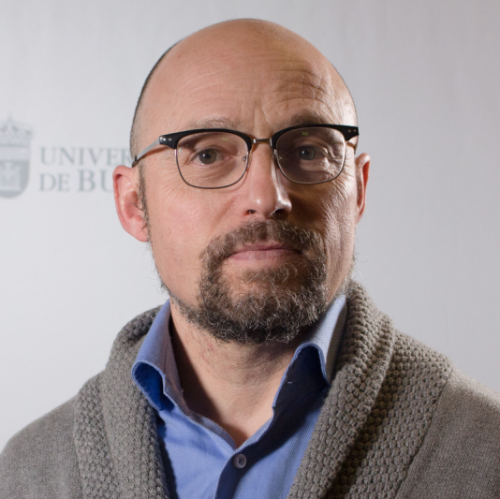
Ruben Aragon Posadas serves as Associate Professor in Nursing at the Faculty of Health Sciences, University of Burgos. His work integrates teaching, research, and community service, with a focus on elderly health and sexual education. He earned his doctorate from the University of Burgos in 2022, with a thesis on the "SEXMA" program for elderly sexual education. Dr. Posadas' primary research interests include gerontological nursing, sexual health education for the elderly, and health promotion. He has spearheaded the SEXMA program and the "Evalúa tu salud" initiative, evaluating non-pharmacological interventions for hypertension and caregiver support. His methodology often involves service-learning and community-based participatory research. His publication record (2010-2023) shows a progression from hypertension management and caregiver syndrome to a concentrated focus on elderly sexual health, with the SEXMA program dominating recent work. This reflects a commitment to addressing understudied aspects of elderly care through practical, service-oriented research. He has supervised doctoral students, including Belén Zurro García (2022). While specific grants are not detailed, his projects demonstrate active engagement in university-community partnerships for health improvement. Dr. Posadas contributes to the University of Burgos Health Promotion Week, illustrating his dedication to applied public health initiatives.
Dalia Suša Vugec, PhD is an Assistant Professor at the Department of Informatics, Faculty of Economics & Business, University of Zagreb. She is actively involved in teaching and research within the field of business informatics, with a focus on digital transformation and business process management. Her educational background includes a graduation in managerial informatics in 2012 and a PhD earned in 2020, both from the University of Zagreb, Faculty of Economics & Business. She has also pursued additional education at the University of Ljubljana and University of Cambridge. Business Process Management Robotic Process Automation Digital Transformation Knowledge Management Digital and Information Literacy Artificial Intelligence Applications Her research output demonstrates a strong focus on business process management, digital transformation, and the intersection of technology with business processes. Recent publications explore robotic process automation, process mining, AI applications in knowledge management, and the digital literacy of students. Her work often examines practical implementations and case studies across various industries. Dean's Award for Excellence for graduate thesis (2012) Dr. Suša Vugec teaches various courses including Business Process Management Systems, Business Informatics, and Artificial Intelligence Systems in Business. Her teaching materials are delivered through Google Classroom, reflecting her practical approach to integrating digital tools in education. She has actively participated in numerous scientific projects and serves as a reviewer for international scientific journals and conferences.
Valentina Lucia La Rosa serves as a Research Fellow at the Department of Humanities and Social Sciences, University of Catania, under the scientific direction of Elena Commodari. Her research focuses on the intersection of psychological development and sociocultural contexts during critical life stages. Her primary research areas examine symbolic representations of pregnancy and motherhood across gestational and postpartum periods, with emphasis on cross-cultural comparisons of women's experiences in European populations. She investigates sociocultural variables influencing maternal health outcomes, mother-child attachment formation, and psychological impacts of global crises like the COVID-19 pandemic on childbirth experiences. Methodologically, she employs mixed approaches including qualitative analysis, cross-sectional studies, and longitudinal assessments to explore developmental psychology within diverse family systems. Recent publications demonstrate consistent thematic focus on maternal-infant well-being, with escalating attention to pandemic-related psychological challenges since 2020. Her work bridges clinical psychology and public health through analyses of attachment mechanisms, sociocultural determinants of health, and crisis response in vulnerable populations. Cross-cultural methodology remains central to her examination of how societal structures shape individual psychological experiences during reproductive transitions.
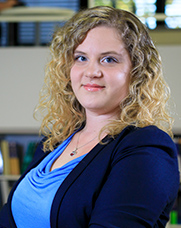
Dr. Lauren Forrest is an Assistant Professor in the Psychology Department within the College of Arts and Sciences at the University of Oregon. She leads The Forrest Lab , dedicated to determining how suicide and eating disorders can be effectively predicted, treated, and prevented. Her research focuses on understanding the complex interplay of factors contributing to these devastating conditions, with particular attention to minoritized groups experiencing disproportionate burdens. Dr. Forrest's work operates at the intersection of clinical science, advanced quantitative methods, and health equity. Dr. Forrest earned her PhD in Clinical Psychology from Miami University in 2020, completed her Predoctoral Clinical Internship at Yale School of Medicine in 2020, and received her Bachelor of Science in Psychology from the University of Utah in 2012. Her academic trajectory reflects a strong commitment to both clinical training and advanced methodological sophistication. Dr. Forrest's research program addresses critical questions in clinical psychology through four interconnected content areas. Her work on network models statistically examines how symptoms inter-relate and potentially cause one another in eating disorders. In machine learning and data-driven models , she applies advanced quantitative methods to predict difficult-to-predict outcomes like eating disorder severity and suicide. Her research on inequities and disparities focuses on risk processes across levels of influence, particularly through an intersectionality lens. Most significantly, her lab is dedicated to studying suicidal thoughts and behaviors and eating disorders within the LGBTQIA+ community , where these conditions disproportionately impact individuals but research representation is severely lacking. Dr. Forrest's publication record demonstrates a strong trajectory of impactful research with increasing focus on intersectionality. A notable trend across her publications is the application of sophisticated methodologies including network analysis, machine learning, and advanced statistical modeling to address complex questions about the structure, prediction, and treatment of mental health conditions. Her work increasingly examines how gender, sexual orientation, race/ethnicity, and rurality interact to create unique risk profiles for suicide and eating disorders. Dr. Forrest actively mentors doctoral students and research coordinators in her lab at the University of Oregon. Her current team includes PhD students Haley Henriksen, Griffin Kreit, Devon Peterkin, and research coordinator Cassidy Martens. She maintains connections with alumni affiliates including Ayla Gioia, PhD. Dr. Forrest seeks students with strong research experience, statistical sophistication, and commitment to addressing health inequities, though she is not accepting new clinical psychology PhD students for Fall 2026. Dr. Forrest's lab is currently engaged in several major projects including research on acute, person-specific suicide risk processes in rural sexual minority adults; momentary suicide risk processes in trans people; a systematic review of short-term predictors of suicidal thoughts and behaviors; and advanced quantitative methods applied to eating disorder research. Her lab maintains a strong commitment to diversity, equity, and inclusion, recognizing that diverse perspectives benefit psychological science and that the field must do better to train individuals from historically excluded groups.
Lily An serves as an Assistant Professor of Quantitative Methodology within the Educational Policy Studies department at Georgia State University's College of Education & Human Development. She completed her Ph.D. in Education Policy and Program Evaluation at Harvard University in 2025, where she was affiliated with the Center for Education Policy Research as a PIER Fellow. Her academic credentials include: Ph.D. in Education Policy and Program Evaluation, Harvard University (2025) Ed.M. in Education Policy and Management, Harvard Graduate School of Education B.A. in Statistics, Williams College Dr. An's research focuses on advancing educational measurement techniques, developing rigorous program evaluation frameworks, and analyzing school accountability policies. She employs causal inference methods—including quasi-experimental designs—and specializes in meta-analyses of educational interventions. Her work frequently addresses summer learning programs' impacts on student outcomes, with particular attention to sociodemographic disparities in enrichment access and mathematics achievement gaps among low-income populations. She integrates psychometric tools to assess standardized testing validity within policy contexts. Analysis of her publication record (2019-2025) reveals a consistent trajectory in methodological innovation for education policy research. She has pioneered applications of Gaussian process regression in multidimensional regression discontinuity designs to overcome limitations of traditional analytic approaches, while her extensive meta-analytic work establishes evidence bases for summer learning interventions across cognitive, non-cognitive, and behavioral domains. Her scholarship bridges educational measurement, quantitative methodology, and K-12 policy implementation. Her professional recognitions include: PIER (Partnering in Education Research) Fellow, Center for Education Policy Research Equity and Inclusion Fellow, Harvard Graduate School of Education Summer Institute for Computational Social Science participant Just Education Policy Institute for Developing Scholars participant Dr. An has collaborated with state education agencies including the Massachusetts Department of Elementary and Secondary Education during her tenure as a research analyst at Brown University. Her current work continues this practice-oriented focus through quantitative analysis of policy effects on student outcomes, though specific grant funding details and advising activities were not documented in available sources.
Mohammad Abdollahi Azgomi is a Professor of Computer Engineering at the School of Computer Engineering, Iran University of Science and Technology (IUST), where he has been serving since 2005, progressing from Assistant Professor to Associate Professor and finally to Professor in 2022. He holds multiple significant roles including Director of the Trustworthy Computing Laboratory (TwCL) since 2006, and previously served as Research Deputy of the School of Computer Engineering from 2020-2023. His academic career is complemented by extensive service on editorial boards, scientific committees, and as a PC member for numerous international conferences in security, cryptography, and computer science. Dr. Azgomi earned his Ph.D. in Computer Engineering (Software) from Sharif University of Technology in 2005 with a dissertation on 'High-Level Extensions for Stochastic Activity Networks: Theories, Tools and Applications,' supervised by Prof. Ali Movaghar. He also completed his M.S. (1996, with honors) and B.S. (1991) in Computer Engineering (Software) from the same institution, with his master's thesis focusing on 'Design and Implementation of Security Services for Computer Networks.' His research spans several interconnected domains centered around dependable and secure computing systems. Dr. Azgomi specializes in modeling and simulation techniques, particularly Petri Nets and Stochastic Activity Networks, for quantitative evaluation of system properties. His work significantly contributes to security and privacy frameworks, trust models, and dependable software design. He has pioneered approaches for evaluating cyber-physical systems security through game-theoretic models and developed frameworks for assessing software architecture quality attributes under uncertainty. Analysis of his recent publications reveals a strong research trajectory focusing on computational trust models, malware propagation dynamics in heterogeneous networks, and security evaluation of cyber-physical systems. His work demonstrates consistent application of formal methods like stochastic activity networks and Petri nets to solve complex security and dependability problems. There's a clear progression from foundational modeling techniques to sophisticated applications in cloud computing, web services security, and intrusion-tolerant systems. Best Researcher of the Year, School of Computer Engineering, IUST (2013, 2014, 2016, 2017) Best Paper Award at CSICC'12 for work on symbolic state space generation Best Paper Award at Innovations'09 for security protocol modeling Best Bachelor Thesis Supervisor (2009) Best Lecturer, IT Group, E-Learning Center (2008) Distinguished M.S. Graduate, Sharif University (1996) Dr. Azgomi has supervised an impressive number of doctoral students, with 14 Ph.D. graduates from IUST and 6 from other universities. His current teaching includes graduate courses on Dependable Software Systems and undergraduate Research Methods and Presentation. He serves on the editorial board of the CSI Journal on Computing Science and Information Technology and has been actively involved in numerous international conferences as program committee member and chair. The Trustworthy Computing Laboratory (TwCL), which Dr. Azgomi directs, focuses on rigorous engineering methodologies for evaluating dependability and security in information and communication technologies. The lab conducts research in formal methods, security modeling, dependable systems, and network security, with particular emphasis on Petri nets, stochastic activity networks, and quantitative evaluation techniques for security, privacy, and trust.
Helena Titheridge is a Professor of Mobility and Sustainable Transport at the Department of Civil, Environmental and Geomatic Engineering, University College London (UCL) . With appointments at UCL since 1997, she has held roles in the Bartlett School of Planning and the Transport Studies Group at the University of Westminster (2003). Her research focuses on sustainable transport systems, social exclusion, GIS-T applications, and the interplay between transport, land-use, and environmental policies. She collaborates with organizations such as Transport for London, RPS Group, and Ipsos MORI. Education : PhD (Open University, 2005), MSc (Middlesex University, 1993), BSc (University of Leeds, 1991), Postgraduate Certificate in Learning and Teaching (University of Westminster, 2006). Research Interests encompass: Sustainable transport and mobility systems Social exclusion and equity in urban transport GIS-T for policy analysis Decision support tools for local authorities Deep learning in urban ecoacoustic assessment Informal settlement modeling (e.g., predictSLUMS) Professional Activities include: Associate Editor, Journal of Transport Geography (2016–present) Editorial roles in Transportation Planning and Technology and Journal of Transport and Land Use Conference organizer (Universities Transport Studies Group, 2008–2009) External examiner and grant reviewer Teaching spans postgraduate and undergraduate levels, with directorship of the MSc Transport and Mobility Systems , EngD Urban Sustainability and Resilience , and EngD Environmental Engineering Science programs. She teaches courses on transport-environment interactions, interdisciplinary urban sustainability, and engineering impact assessment.
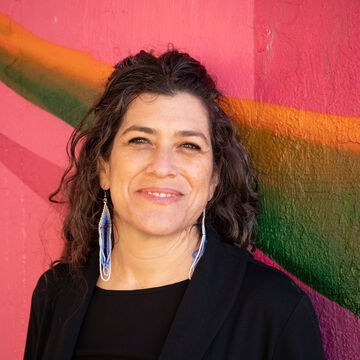
Dr. Melita Morales is an Assistant Professor in the Department of Art Education at the School of the Art Institute of Chicago (SAIC), where she bridges artistic practice, learning science, and curriculum design. Her interdisciplinary scholarship investigates knowledge emergence through embodied and material art experiences across educational contexts. Her educational background includes: Undergraduate studies in science and art at Santa Clara University Graduate specialization in art education at Rhode Island School of Design PhD in Curriculum and Instruction from Boston College Research focuses on transdisciplinary learning design, ethnographic analysis of art experiences, and expansive disciplinary possibilities that honor multiple relational and axiological orientations. She employs arts-based research methods to explore how material interactions shape knowledge construction in educational settings. Dr. Morales teaches core courses including Art Education curriculum design for children/youth, human development theory, and graduate thesis supervision. Her pedagogy integrates culturally responsive practices, visual-verbal literacies, and iterative curriculum development emphasizing student-centered assessment without standardizing artistic outcomes. Her scholarly contributions appear in leading journals such as Curriculum Inquiry , Linguistics and Education , Mind, Culture, and Activity , and the Journal of Interdisciplinary Studies in Education , reflecting significant impact in art education research. As a former practicing art educator, she brings practical experience to her academic work, guiding graduate students through thesis development while emphasizing critical analysis of visual culture and socially just pedagogical frameworks.
Julie Matuga is a Professor at Bowling Green State University (BGSU) in the School of Counseling, Higher Education, Leadership and Foundations within the College of Education & Human Development. She has held significant administrative roles including Vice Provost for Institutional Effectiveness (2017-2019) and Associate Dean for Assessment, Research and Technology (2010-2012). Her educational credentials include: Ph.D. in Educational Psychology (Learning, Cognition & Instruction emphasis) from Indiana University (1999) M.S. in Curriculum & Instruction (Art Education) from Indiana University (1999) B.S. in Curriculum & Instruction (Art Education) from Indiana University (1990) Matuga's research centers on online education , with emphasis on self-regulation and student learning in digital environments. She pioneers work in educational assessment for institutional improvement, student belonging in higher education, and women's academic leadership . Her scholarship bridges Vygotskian theory with practical applications in educational technology and policy reform. Her publication record (2006-2019) reveals consistent focus on online learning quality assurance, data-driven assessment practices, and leadership development. Key patterns include longitudinal studies on self-regulation mechanisms, frameworks for institutional data utilization, and intersectional analyses of gender/racial barriers in academia. Matuga has secured substantial external funding: The CTC Belonging Project (2015, PI) IDEAL-N NSF grant ($27,000, 2015, Co-PI) BGSU ALLIES NSF grant ($984,484, 2018-2021, Co-PI) She mentors graduate researchers through EDFI 6900: Directed Research and doctoral committees, focusing on educational psychology and assessment methodologies. She directs critical university initiatives including the College Transition Collaborative (CTC) and BGSU's Graduate K-12 Online Teaching and Learning Certificate program, driving systemic innovation in educational practice.
Professor Krassen Stefanov Stefanov is a researcher at the Faculty of Mathematics and Informatics (FMI), Sofia University "St. Kliment Ohridski", with over 30 publications and leadership roles in 15 European Commission RTD projects. He holds a PhD in Computer Science from Sofia University and is a Cisco Certified Academy Instructor. 2003–2004: Cisco Certified Network Professional (CCNP) Instructor, Birmingham, UK 2002: Euro Innovation Manager certification, Brno University of Technology 2000–2001: Cisco Certified Academy Instructor (CCAI and CCNA) 1996–1997: MSc in Educational and Training Systems Design, University of Twente 1977–1982: MSc in Mathematics and Computer Science, Sofia University His research focuses on Technology Enhanced Learning , Semantic Knowledge Systems , Mobile Applications , and Open Development Platforms . He specializes in designing educational programs, modeling social processes, and consulting SMEs on ICT adoption. His publications from 2010–2012 emphasize digital libraries , metadata repositories , serious games , and cloud-based learning networks , with a strong emphasis on lifelong competence development and ICT standardization . Scientific Awards Best Paper Award, 5th International ePortfolio 2007 Conference He has led projects like the Share.TEC portal and weSPOT cloud platform , contributing to teacher training, SME consulting, and European RTD initiatives. His work involves designing competence assessment models and service-oriented e-learning infrastructures . Labs & Teams Professor Stefanov is affiliated with FMI Researchers and has collaborated extensively in the TENCompetence network, developing open-source infrastructures for lifelong learning. He co-created the Share.TEC portal for educational resource sharing and contributed to the I*Teach methodology for teacher training.
Cristina MOREL is a Permanent lecturer-researcher at ESTACA since 2020, specializing in electrical engineering and control systems. Previously, she held academic positions at ESEO (2016-2020) and the IUT of Angers (2000-2020), and began her career at the Technical University of Cluj-Napoca (1992-1999). Her research focuses on nonlinear dynamics, chaos control, and applications in power electronics and renewable energy systems. Dr. MOREL holds a Doctorate in Automatics and Applied Computer Science from the University of Angers (2005) and a Habilitation to Direct Research (2016). She earned her Graduate Engineer degree in Automation and Computer Science from the Technical University of Cluj-Napoca (1992), where she was Vice-major of her promotion. 2016: Habilitation to Direct Research in Electronics, University of Angers 2005: Doctorate in Automatics and Applied Computer Science, University of Angers 1992: Graduate Engineer in Automation and Computer Science, Technical University of Cluj-Napoca Her research spans chaos control , nonlinear dynamics , and their applications in power electronics and renewable energy systems . She pioneered anticontrol of chaos to reduce electromagnetic interference in power converters and developed novel maximum power point tracking (MPPT) algorithms for photovoltaic systems under partial shading. Current work focuses on fault diagnosis for electric vehicle powertrains using entropy analysis and neural networks. Recent publications (2022-2025) show strong focus on chaos applications for MOSFET thermal management, entropy-based fault diagnosis in inverters, and energy storage optimization for electric vehicles and drones. There is clear evolution toward data-driven approaches (neural networks) for fault detection and real-world applications in e-mobility. Dr. MOREL has received several academic honors early in her career: Winner of the National University Assistant Competition (Romania, 1996) Winner of the National University Preparation Competition (Romania, 1993) Winner of the national entrance exam to the Polytechnic School of Cluj-Napoca (1987, 15th out of 700 candidates) She has supervised five PhD theses and three Master's research projects on topics including fault diagnosis in polyphase machines, energy management for battery-ultracapacitor vehicles, and MPPT for photovoltaic systems. Her research is supported by collaborations with University of Angers, ESEO, and ESTACA laboratories. Dr. MOREL led the Automation and Electrical Engineering research group at ESEO (2016-2018) and the Energy and Environment option (2016-2020), conducting experimental work in power electronics and control systems laboratories focused on converter design and EV powertrain validation.