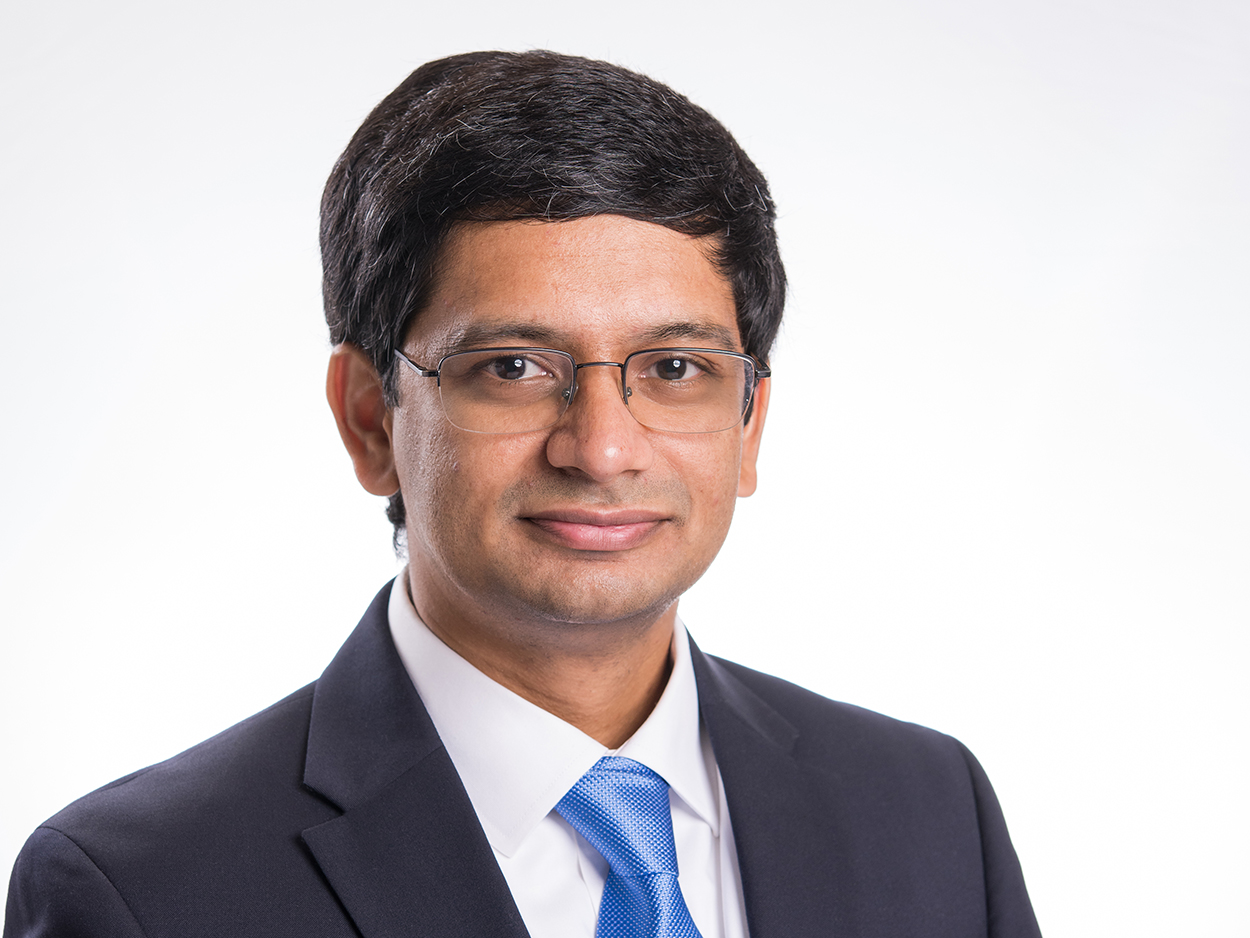
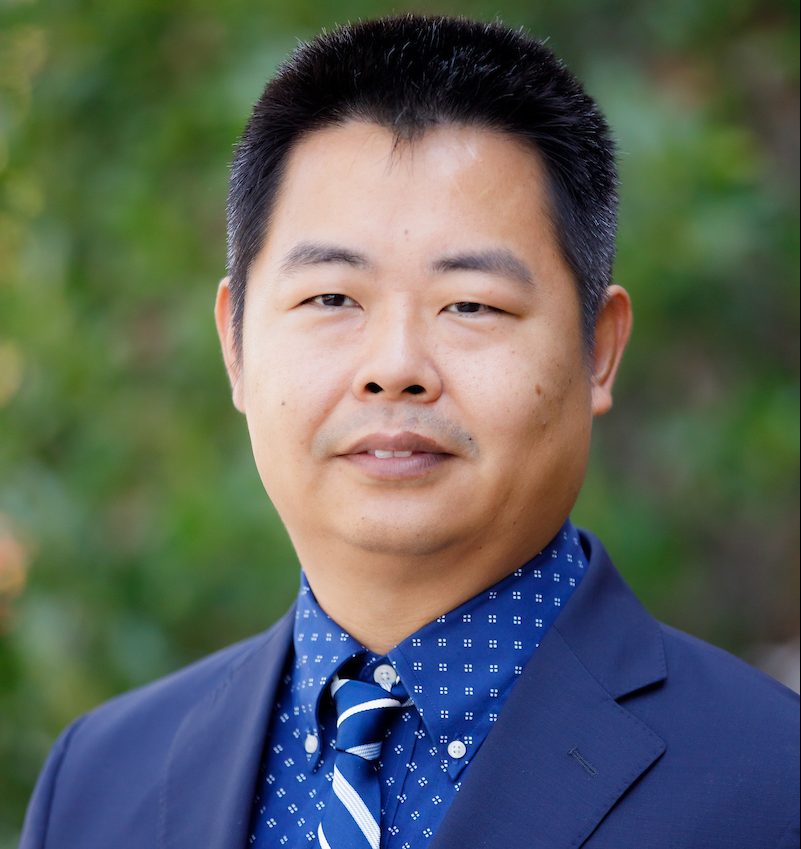
Haruka Nagao is an Assistant Professor at the Schnitzer School of Global Studies and Languages within the University of Oregon . Their research focuses on health governance , Africa-China relations , gender dynamics , public opinion , soft power diplomacy , and East Asia . Recent publications highlight interdisciplinary trends: (1) Public Health and Health Governance (e.g., mental health in rural China, prenatal care, vaccine distribution), (2) Political Science and Policy Analysis (e.g., grassroots elections, women's leadership, immigration policy), and (3) International Relations and Diplomacy (e.g., China's global soft power, Africa-China collaborations). Their work integrates China studies with comparative analysis , addressing intersections between social networks , democratic understanding , and global health politics .
Dr. Wei Peng is a Professor in the Department of Media and Information at Michigan State University, specializing in health communication technology design and human-computer interaction. Her research explores behavior change mechanisms through interactive media. Ph.D. in Communication from University of Southern California (2006) Key research areas include: Psychological and social effects of interactive media AI-driven health promotion systems Conversational agents for wellness Digital games for physical activity Mobile health applications Combating health misinformation through technology Her 2024-2021 publications demonstrate expertise in AI ethics, health gamification, and technology-based behavior change. Grant collaborations include: National Science Foundation (NSF) - Sensor-enabled family routines for child obesity prevention Robert Wood Johnson Foundation (RWJF) - Exergame development Scientific recognition includes multiple ICA Top Paper Awards and MSU Teacher-Scholar honors. She actively serves on editorial boards of: Journal of Communication Health Communication Games for Health Journal BMC Public Health Currently advising in AI applications for health misinformation and persuasive technology research.
Professor Arlene Holmes-Henderson is a Professor of Classics Education and Public Policy at Durham University, holding a British Academy Innovation Fellowship (2022-2024). She teaches on the Latin with Classics PGCE course in the School of Education and leads interdisciplinary research projects on oracy, Classics education, and policy engagement. Education: Studied Classics at Oxford, Harvard, and Cambridge. Qualified as a schoolteacher and taught for over a decade before returning to academia. Affiliations: Visiting Research Fellow at the Institute of Classical Studies (School of Advanced Study) and Affiliated Researcher at the Bennett Institute for Public Policy, University of Cambridge. Research Interests: Focuses on Classics education, oracy development, and the intersection of policy and the humanities. Key projects include Shy Bairns Get Nowt (oracy and employability) and Aristotle Beyond the Academy (reception of rhetoric in non-academic contexts). Co-directs the Advocating Classics Education project and chairs the Classics Development Group. Publications: Over 80 articles and books, including Expanding Classics (Routledge, 2023) and Forward with Classics (Bloomsbury, 2018). Recent work emphasizes policy engagement and levelling-up through oracy education. Awards: MBE (2023) for services to education Elected Member of Academia Europaea (2024) Grants and Roles: Chair of the Latin Expert Panel at the UK Department for Education Advisor to All-Party Parliamentary Groups on Classics, Oracy, and Political Literacy Member of the Universities Policy Engagement Network (Vice Chair) Labs and Collaborations: Directs Durham’s Centre for Classics Education Research and EngagementS (CERES). Collaborates with institutions like the AHRC, Leverhulme Trust, and Novus Education to bridge academia and policy.
Giulio Jacucci is a Professor in the Department of Computer Science at the University of Helsinki, affiliated with the Helsinki Information Technology Research Institute. He serves as a Supervisor in the Doctoral Programme in Computer Science, mentoring PhD candidates in human-computer interaction and related fields. His academic career spans over two decades with continuous research productivity from 2006 through 2025. Professor Jacucci's research interests center on Human-Computer Interaction , particularly focusing on Virtual Reality , Brain-Computer Interfaces , and Neuroadaptive Systems . His work explores how technology can adapt to users' cognitive and physiological states, with significant contributions to social virtual reality environments, embodied agents, and information retrieval systems. He investigates how virtual representations affect social behavior, time perception, and communication in digital spaces. His publication record shows a clear evolution from foundational work in information retrieval toward increasingly sophisticated neuroadaptive systems. Recent publications (2024-2025) demonstrate his leadership in examining social dynamics within virtual reality platforms, including votekicking mechanisms, mirror watching behaviors, and communication tools like mutes. His work bridges technical innovation with deep understanding of human social behavior in digital environments. Professor Jacucci currently leads multiple research projects funded by the Academy of Finland, including DataLit: Datalukutaito ja vastuullinen päätöksenteko (2023-2026) and MyModel: Selitettävyys suositusten hallinnassa (2023-2027). These projects focus on data literacy, responsible decision-making, and explainability in recommendation systems, reflecting his commitment to ethical and user-centered technology development. His research has received media attention, particularly around brain-computer interfaces and virtual reality applications, with coverage in outlets discussing how deep learning transforms mobile applications and sensor landscapes. He has presented his work at major conferences including CHI 2017 and continues to be an active contributor to the international research community.
Joydeep Biswas is an Associate Professor in the Computer Science Department at the University of Texas at Austin, where he serves as the Director of the Autonomous Mobile Robotics Laboratory (AMRL). He is also affiliated with Texas Robotics, the UT Machine Learning Laboratory, and UT Good Systems. Previously, he was an Assistant Professor in the College of Information and Computer Sciences at the University of Massachusetts Amherst. Dr. Biswas earned his PhD in Robotics from Carnegie Mellon University in 2014 and his B.Tech in Engineering Physics from the Indian Institute of Technology Bombay in 2008. His educational background has provided him with a strong foundation in both theoretical and applied aspects of robotics and artificial intelligence. Dr. Biswas's research focuses on enabling long-term autonomy for mobile robots operating in human environments. His work spans robot perception, motion planning, control systems, and AI, with the ultimate goal of creating self-sufficient autonomous mobile robots that can perform tasks accurately and robustly in real-world settings. He is particularly interested in perception, planning, and failure recovery for autonomous mobile robots, which supports his vision of having autonomous service mobile robots deployed at campus-to-city scale, both indoors and outdoors, performing assistive tasks over deployments spanning years. His IJCAI 2019 Early Career Spotlight talk summarizes much of his research to date and ongoing interests. His recent research has shown a strong trend toward social navigation, human-robot interaction, and the application of machine learning techniques to robotics problems. There's a clear progression from fundamental robotics research toward more complex, real-world applications that require robots to understand and navigate human social spaces effectively. His work increasingly integrates large language models and other advanced AI techniques with traditional robotics approaches, as evidenced by his recent publications on topics like preference-conditioned navigation, social navigation benchmarks, and instruction-following navigation systems. Dr. Biswas has received numerous prestigious awards including the NSF CAREER Award (2021), J.P. Morgan Faculty Research Award (2019), Amazon Research Award (2019), and a grant from Northrop Grumman Mission Systems (2018). These awards recognize his innovative contributions to the field of robotics and autonomous systems. As a dedicated educator and mentor, Dr. Biswas actively supervises PhD and master's students, with his PhD student Sadegh Rabiee winning the student poster award at the Northrop Grumman University Symposium 2019. He has secured significant grant funding from the National Science Foundation for projects including 'Introspective Perception and Planning for Long-Term Autonomy' and 'Interactive Synthesis and Repair For Robot Programs,' demonstrating his ability to secure competitive research funding and his commitment to advancing the field. Dr. Biswas leads the Autonomous Mobile Robotics Laboratory (AMRL), which serves as a hub for interdisciplinary research in mobile robotics. The lab has developed notable resources such as the UT Campus Object Dataset (CODA) for 3D perception research and SOCIALGYM, a framework for benchmarking social robot navigation. His team regularly deploys robots on the UT Austin campus and in urban environments to test and refine their approaches in realistic settings, bridging the gap between simulation and real-world application.
John Gallagher is Associate Professor in English and Information Sciences at UIUC. His research examines how writers adapt to participatory audiences in digital environments, including social media interactions and AI writing tools. Using case studies and computational methods, he explores algorithmic audiences, ethical implications of AI, and technical communication in institutional contexts. He teaches courses in professional writing, digital rhetoric, and research methodologies. Recent projects analyze content creators' narratives about platform algorithms, inclusive emoji design, and academic integrity challenges posed by generative AI.
Dr. Muhammad Abdul-Mageed is an Associate Professor in the School of Information at The University of British Columbia, with joint appointments in Linguistics and an associate membership in Computer Science. He holds the Canada Research Chair in Natural Language Processing and Machine Learning. His research focuses on deep learning, socio-pragmatics, and speech/language technologies, particularly for Arabic and African languages. He leads the UBC Deep Learning & NLP Group and co-directs SSHRC-funded grants like I Trust AI and Ensuring Full Literacy. He is a founding member of the Center for Artificial Intelligence Decision making and Action and a member of the Institute for Computing, Information, and Cognitive Systems. His work spans automatic speech recognition, machine translation, computational socio-pragmatics, and low-resource language technologies. Notable projects include developing Arabic speech recognition systems, multidialectal Arabic benchmarks, and tools for African language processing. He has authored over 100 peer-reviewed papers and leads initiatives like the NADI Arabic Dialect Identification shared task and the NileChat project for culturally-aware LLMs. His research aims to create equitable, socially-aware AI systems for health, social media, and information management.
Matthew Kay is an Associate Professor in the Department of Communication Studies at Northwestern University's School of Communication, with a secondary appointment in Computer Science. He serves as Co-Director of Graduate Studies for the PhD in Technology and Social Behavior program. His research focuses on human-computer interaction and information visualization, specializing in uncertainty communication, usable statistics, and personal informatics. He employs mixed-method approaches including behavioral analysis, interactive system development, and visualization technique evaluation to address real-world data interpretation challenges. Analysis of his recent publications reveals dominant themes in visualization literacy development, uncertainty representation for decision-making, and health informatics applications. His work consistently bridges theoretical frameworks with practical implementations, particularly in educational assessment tools and election forecast visualizations. Professor Kay co-directs the Midwest Uncertainty Collective (MU collective), a research group advancing uncertainty communication methodologies. Previously faculty at the University of Michigan School of Information, he maintains active contributions to visualization tool development including the ggdist R package for uncertainty visualization.
Dr. Qing Zhou is a Professor of Psychology at the University of California, Berkeley, and Director of the Culture and Family Study Lab. He received his Ph.D. from Arizona State University and specializes in understanding how cultural context, family dynamics, and temperament influence children's socio-emotional, academic, and executive function development, with a focus on immigrant families. Key research interests include: Developmental psychopathology Temperament and emotion regulation Family socialization and parenting Impact of bilingualism on child development Cultural values and migration effects on adjustment His work employs multi-method approaches, including questionnaires, behavioral observations, and neuropsychological testing, with ongoing projects like the NICHD-funded longitudinal study on dual language learners and the Chau Hoi Shuen Foundation-supported grandparent involvement research. Collaborations include scholars at UC-Davis, UC-Merced, Wellesley College, and institutions in France and Taiwan. Dr. Zhou has trained numerous students, including current doctoral candidates Xinyi Chen, Erika Roach, and Christopher Gys, as well as alumni at institutions like Harvard, Stanford, and UCSF. His lab's publications emphasize cross-cultural comparisons, longitudinal designs, and intervention implications for immigrant youth.
Deborah Richards is a Professor in the School of Computing at Macquarie University, affiliated with the Ethics and Agency Research Centre, Performance and Expertise Research Centre, and Frontier AI Research Centre. She holds roles as Industry and External Relations Director for the School and Director of the Virtual Reality Lab. Her research focuses on Intelligent Virtual Agents, Virtual Reality applications in education and health, knowledge acquisition, and cybersecurity ethics. She has authored over 425 publications and led 19 research projects, including studies on AI in healthcare and ethical AI design. Education: PhD (Artificial Intelligence, Macquarie University), MAppSc (Information Studies), BBus (Computing and MIS), and a Postgraduate Certificate in Higher Education (Leadership and Management). She advises on PhD and MRes students in Intelligent Virtual Agents research. Research interests include virtual agents for health behavior change, AI ethics, and educational technology. Notable projects include the eADVICE web-based management system for urinary incontinence and the development of embodied conversational agents for wellbeing support. Awards include the ABC Science Media Fellowship (2005) and Vice-Chancellor’s Citations for Outstanding Contributions to Student Learning (2017). Grants and collaborations span health informatics, cybersecurity, and AI ethics. She co-leads initiatives like the Respectful Maternity Care study and the Virtual Reality Lab’s immersive learning environments. Future work emphasizes ethical AI integration in education and healthcare.
Antti Honkela is a Professor of Data Science at the University of Helsinki's Department of Computer Science, within the Faculty of Science. He also serves as the Coordinating Professor for the Privacy-preserving and Secure AI Research Programme at the Finnish Center for Artificial Intelligence (FCAI), and as Deputy Director of the Master's Programme in Data Science. His roles include membership in the Health and Social Data Permit Authority (Findata) and as an Action Editor for Transactions on Machine Learning Research. Honkela's research focuses on privacy-preserving machine learning, differential privacy, Bayesian methods, and their applications in computational biology and healthcare. He leads projects such as the European Lighthouse in Secure and Safe AI (ELSA) and the Data Literacy for Responsible Decision-making initiative. His work emphasizes developing robust frameworks for privacy-aware AI, including differentially private synthetic data and federated learning. Honkela has advised numerous PhD and Master's students, and his contributions span theoretical advancements and practical implementations, such as the D3p Python package for differentially private probabilistic programming. Key contributions include advancements in Bayesian inference from synthetic data, privacy accounting mechanisms, and computational methods for genomic epidemiology. His interdisciplinary approach bridges machine learning, statistics, and healthcare, addressing challenges in data privacy and secure AI deployment.
Neil Selwyn is a Professor in the Faculty of Education at Monash University with over 30 years of research experience focusing on the integration of digital technology into educational settings. His work centers on the 'real-life' constraints and problems faced when implementing technology-based education, with expertise in AI, automation, data-driven education, and digital degrowth. His primary research interests span digital technology and society, the use of digital technologies in educational settings, digital sociology of education, and environmental sustainability issues associated with digital technology use. Professor Selwyn is recognized internationally for his critical approach to educational technology and has led numerous nationally-funded projects examining educational data, learning analytics, and AI technologies. His recent publications reflect a growing focus on the environmental implications of AI in education, digital degrowth, and the practical challenges teachers face when implementing AI tools in classrooms. This work demonstrates a shift toward examining the sustainability and ethical dimensions of educational technology. Fellow of the Academy of Social Sciences in Australia (2024) Professor Selwyn serves as a media commentator for major outlets including the NYT, WSJ, CNN, Guardian, BBC, and ABC, and hosts the 'Education Technology Society' podcast. He maintains significant international collaborations, currently holding visiting positions at Lund University (2025), University of Oxford (2023-2027), and previously at the University of Gothenburg (2016-2017).
Dr. Jiaqi Gong serves as Associate Professor in Computer Science and Adjunct Associate Professor in Mechanical Engineering at The University of Alabama's College of Engineering, while directing the Alabama Center for the Advancement of Artificial Intelligence. His academic foundation includes: B.S. in Engineering, China University of Geoscience (2004) Ph.D. in Engineering, Huazhong University of Science and Technology (2010) Dr. Gong's research pioneers human-AI convergence through cyber-physical systems and smart health technologies, developing mobile/wearable platforms to enhance human perceptual, cognitive, and physical capabilities. His work spans artificial intelligence, machine learning, computer vision, and IoT with applications in healthcare, environmental monitoring, and education. The Sensor-Accelerated Intelligent Learning (SAIL) laboratory he founded drives innovation in behavior change interventions, human movement modeling, and educational data mining. Recent publications reveal strong interdisciplinary trends: healthcare AI dominates with medication adherence prediction and surgical classification systems, while environmental applications feature flood-risk communication and drought analysis. His work increasingly integrates generative AI and LLMs across domains, demonstrating methodological innovation in federated learning, knowledge graphs, and explainable storytelling frameworks. Notable recognitions include: Best Student Paper Award, IEEE/ACM Connected Health Conference (2022) Best Student Paper Award, Body Sensor Networks Conference (2019) Data Challenge Win, IEEE Biomedical Health Informatics (2018) Best Paper Award, Body Area Networks Conference (2014) Best Demonstration Award, IEEE Wireless Health Conference (2014) Dr. Gong leads significant funded projects including a $2M CDC/NIOSH grant for first responder safety and $3M NSF funding for hydrologic research. As SAIL laboratory director, he mentors students in developing clinically deployed technologies for multiple sclerosis, dementia, and mental health. Future work focuses on scaling AI applications in chronic disease management and climate resilience through the Alabama AI Center. The SAIL laboratory (founded 2017) operates as a multidisciplinary hub developing wearable/mobile systems for health applications, with active collaborations across medical clinics and engineering departments for real-world deployment of behavior change interventions and movement analysis tools.
Professor Adam Yuet Chau is a Fellow and Director of Studies at St John's College and holds the Professor of the Anthropology of China position at the Faculty of Asian and Middle Eastern Studies, University of Cambridge . His academic journey includes training at Stanford University (PhD in Anthropology, 2001) and teaching roles at Oxford and SOAS before joining Cambridge in 2008. Focus on Chinese religions and their social dimensions Specializes in ritual theory and cultural transformations Develops comparative frameworks for understanding religious practices His research spans religion under socialism , hosting in political/religious contexts , and ritual polytropy . Recent projects include editing Chinese Religious Culture in 100 Objects and analyzing 'spheres' (界) in Chinese society . Publications like Miraculous Response (2006) and Religion in Contemporary China (2011) establish him as a key figure in religious anthropology. Current and past PhD/MPhil students explore topics from temple festivals in Taiwan to religious subjectification . He actively reviews for leading presses (Cambridge, Oxford, Harvard) and journals ( Ethnos , Modern China ), and participates in international academic workshops.
William S. Horton (Sid) is an Associate Professor in the Department of Psychology at Northwestern University , where he has taught since 2005 and directed the Cognition and Communication Lab (Cresap 108). Starting in September 2025, he will serve as Chair of the Department of Linguistics . His research focuses on socio-cognitive mechanisms in language use, particularly discourse pragmatics , perspective-taking , and non-literal language processing . Education: B.S. in Psychology/German from Duke University (1991), M.A. and Ph.D. in Cognitive Psychology from University of Chicago (1994/1999) Previous roles: Postdoctoral research at SUNY-Stony Brook, Cognitive Aging at Georgia Tech Research trends from his 20+ years of publications include common ground , memory processes , figurative language , and age-related communication changes . His work increasingly incorporates computational text analysis and real-time digital communication studies. Awards : Fellow, Society for Text and Discourse Students : Supervised Ph.D. theses on conversational alignment, common ground activation, and digital communication. Undergraduate honors projects explore inhibitory deficits, speech internalization, and perspective-taking in bilingualism. Cognition and Communication Lab investigates language processing in spoken/written contexts using experimental methods and computational models.