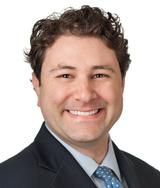
Björn Pasternak is a Research Professor leading the Pharmacoepidemiology group at the Department of Medicine, Solna, Karolinska Institutet. His team specializes in large-scale registry studies focused on adverse drug effects, with research programs in pediatric pharmacoepidemiology, safety of diabetes medications, and rapid assessment of drug safety concerns. The group leverages high-quality epidemiological methods to inform evidence-based clinical decisions. Pasternak's research interests span pharmacoepidemiology, drug safety, diabetes outcomes, cardiovascular risk, and perinatal health. His work utilizes nationwide registries to evaluate real-world drug effects, socioeconomic disparities in treatment, and long-term outcomes of chronic therapies. Key focuses include GLP-1 receptor agonists, SGLT2 inhibitors, antibiotic use in pregnancy, and opioid safety. Recent publications demonstrate strong emphasis on Scandinavian cohort studies of diabetes medications (GLP-1 agonists, SGLT2 inhibitors) and their associations with thyroid cancer, liver events, intestinal obstruction, and cardiovascular/renal outcomes. Other trends include perinatal pharmacovigilance (antibiotics, acid-suppressive drugs) and neurodegenerative risks in athletes.
Adam C Stein is an Associate Professor in the Department of Medicine at Northwestern University's Feinberg School of Medicine, specializing in gastrointestinal disorders of the small bowel. He provides clinical care at Northwestern Memorial Hospital and Ann & Robert H. Lurie Children's Hospital of Chicago, with expertise in Crohn's disease, celiac disease, intestinal failure, and malnutrition management. Education: MD from University of Illinois, Chicago (2007) Residency in Internal Medicine at University of Chicago (2010) Fellowship in Gastroenterology at University of Chicago (2013) Fellowship in Nutrition at University of Chicago (2014) Dr. Stein's research focuses on small bowel pathologies including obscure gastrointestinal bleeding, cystic fibrosis-related GI complications, and advanced endoscopic techniques like video capsule endoscopy and double balloon enteroscopy. His clinical work emphasizes nutritional support through parenteral nutrition and tube feeding for complex malabsorption syndromes. Recent publications (2022-2024) demonstrate concentrated research on gastrointestinal manifestations in rare diseases (nephropathic cystinosis) and cystic fibrosis, with particular attention to nutritional management barriers and drug safety profiles in inflammatory bowel disease therapies. No scientific awards are listed in the current profile. Information regarding student advising and research grants is not specified in available materials, though Dr. Stein maintains active industry collaborations through consulting roles with AbbVie, Amgen, and Takeda Pharmaceuticals. As a member of the Division of Gastroenterology and Hepatology, Dr. Stein collaborates with multidisciplinary teams across Northwestern Medicine's academic hospitals, contributing to clinical committees including the ACG Training Committee (2017-2023) and editorial boards such as Current Gastroenterology Reports (2019-2023).
Elin Org is a Professor of Microbiomics at the University of Tartu's Institute of Genomics, where she also serves as Head of the Estonian Genome Centre and Vice Director of the Institute. Her academic career spans over two decades with significant contributions to microbiome and genomic research. Education: PhD in Genetics, University of Tartu (2006) Master's Degree in Molecular Biotechnology and Biomedicine, University of Tartu (2000) Bachelor's Degree, University of Tartu (1997) Classical Singing, Heino Eller Tartu Music School (1996) Professor Org's research primarily focuses on the intricate relationships between host and gut microbiota and their influence on metabolism and common complex diseases. Her work bridges microbiomics, genomics, and complex disease research, with particular emphasis on understanding how gut microbiome composition affects human health. She has pioneered research connecting long-term antibiotic usage with microbiota-dependent effects and has made significant contributions to understanding the role of gut microbiome in conditions such as gestational diabetes, endometriosis, and polycystic ovary syndrome. Her approach integrates advanced computational methods with comprehensive health data to uncover causal relationships in microbiome research. Her recent publications demonstrate a strong trend toward integrating microbiome data with extensive digital health metrics, using machine learning approaches to identify microbial predictors of health outcomes. This work is increasingly focused on translating microbiome research into clinical applications for disease prediction and personalized medicine approaches, particularly in the context of the Estonian Biobank initiative. Major Scientific Recognition: 2025 National Science Award in medical and health sciences 2023 and 2022: Recognized among the world's top 1% most cited researchers by Clarivate Analytics 2020: Member of AcademiaNet, a portal for top female researchers 2017: EMBO Installation grant 2013: Marie Curie International Outgoing Fellowship Professor Org has secured substantial research funding as principal investigator for multiple significant projects, including 'DISCERN - Discovering the causes of three poorly understood cancers in Europe' (€245,466, European Commission) and 'Improving colorectal cancer screening and prediction using microbiome-based biomarkers' (€760,450, Estonian Research Council). She has served as an opponent for numerous PhD theses across European institutions, contributing to the development of emerging researchers in her field. As Head of the Estonian Genome Centre, Professor Org leads a multidisciplinary research team that plays a crucial role in Estonia's transition from biobanking to personalized medicine applications. She is actively involved in international collaborations through COST networks including INFOGUT (focused on in vitro colon models) and ML4Microbiome (statistical and machine learning techniques in human microbiome studies), positioning her at the forefront of global microbiome research initiatives.
Dr. Rebecca Clark is an Associate Professor in the Department of Biosciences at Durham University. Her research focuses on understanding intestinal function in health and disease using the Drosophila model. She investigates how the intestinal epithelium balances barrier function, nutrient absorption, microbial symbiosis, and cell turnover, particularly during aging and disease states. Key research questions include mechanisms of intestinal barrier failure and the interplay between nutrition and intestinal homeostasis. Her work integrates genetic, microbiological, and physiological approaches to explore aging-related pathologies. Current projects aim to identify molecular pathways linking intestinal health to longevity. Supervised postgraduate students include Ale Acevedo Marcelin, Beñat Yanez, and Fanila Shahzad. Dr. Clark’s lab uses Drosophila as a model system due to its powerful genetic tools and evolutionary relevance. Research has implications for understanding human conditions such as inflammatory bowel disease and age-related metabolic disorders. Recent findings highlight microbiota-independent aging mechanisms and the role of tricellular junctions in stem cell regulation. No scientific awards are explicitly listed in the provided materials. Her research has been published in journals like Cell , Nature Cell Biology , and Proceedings of the National Academy of Sciences .
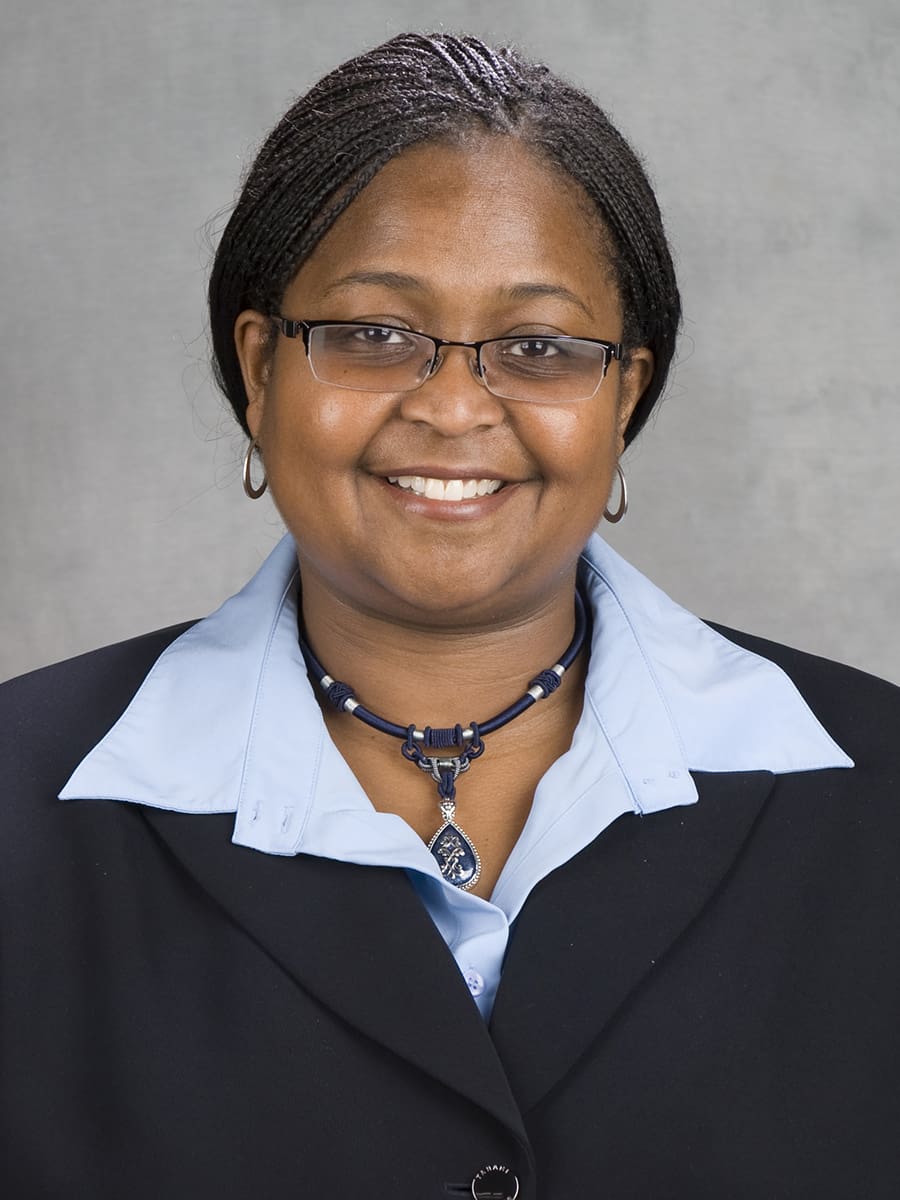
Dr. Oluwabunmi (Bunmi) Olaloye is an Assistant Professor of Pediatrics in the Division of Neonatology at Yale School of Medicine. She holds appointments in Neonatal-Perinatal Medicine and is affiliated with the Janeway Society. Her academic background includes an MD from Rutgers New Jersey Medical School, pediatrics residency at University of Texas Medical Branch, and neonatology fellowship at University of Pittsburgh Medical Center. Dr. Olaloye's research focuses on immune dysfunction underlying neonatal intestinal diseases such as necrotizing enterocolitis (NEC) and spontaneous intestinal perforation (SIP). Using cutting-edge techniques like single-cell RNA sequencing and mass cytometry, her work identifies biomarkers and therapeutic targets to improve outcomes for premature infants. Key research areas include fetal immune system maturation, placental immune interactions, and gestational age-specific inflammatory responses. Her publication record spans 12 peer-reviewed articles between 2019-2025, emphasizing translational immunology and neonatal pathophysiology. Notable contributions include defining immune cell trajectories in preterm infants and developing gating guidelines for high-dimensional cytometry data. Current projects involve constructing immune cell atlases across human lifespans and investigating nutritional interventions for intestinal disorders. Laboratory affiliations include the Laboratory for Surgery, Obstetrics & Gynecology where she explores neonatal mucosal immunity. Her work integrates clinical observations with systems immunology approaches to address critical gaps in understanding prematurity-associated gastrointestinal pathologies.
Pierre Maechler is a Professor at the University of Geneva's Faculty of Medicine in the Department of Cell Physiology and Metabolism. His research focuses on mitochondrial metabolism in pancreatic beta cells and its critical role in diabetes pathogenesis, with particular emphasis on glutamate dehydrogenase function and regulation. His laboratory investigates the molecular mechanisms of insulin secretion and beta-cell failure in Type 2 diabetes. Maechler's research interests span mitochondrial metabolism, energy homeostasis, and the molecular pathways linking nutrient sensing to insulin secretion. His work has established crucial connections between glutamate metabolism, beta-cell function, and diabetes development. He investigates how metabolic stressors like glucotoxicity and lipotoxicity impair beta-cell function through mitochondrial dysfunction. His research has expanded to include the role of glutamate dehydrogenase in multiple organs including brain, liver, and muscle, revealing systemic metabolic implications. Analysis of Maechler's publication record shows a sustained focus on beta-cell metabolism with evolving scope. Early work established fundamental mechanisms of glutamate signaling in insulin secretion, while recent publications demonstrate expansion into multi-organ metabolic regulation. His research has identified novel biomarkers for beta-cell mass, explored therapeutic targets for diabetes, and revealed unexpected roles for glutamate dehydrogenase in diverse physiological processes from muscle regeneration to brain function. The consistent thread through his work is understanding how mitochondrial metabolism governs cellular and systemic energy homeostasis. Professor Maechler has mentored numerous PhD students and postdoctoral fellows who have gone on to publish significant work in diabetes research. His laboratory collaborates extensively with clinical researchers to translate basic findings into potential therapeutic approaches for diabetes. Funding for his work likely comes from Swiss National Science Foundation and other European research agencies, supporting investigations into metabolic diseases. Maechler leads the Mitochondria and Energy Metabolism research group at the University of Geneva. His team employs a multidisciplinary approach combining molecular biology, metabolomics, and physiology to investigate metabolic regulation in health and disease. The laboratory maintains strong connections with clinical diabetes researchers, facilitating translational applications of their findings. Current work focuses on identifying novel therapeutic targets for preserving beta-cell function in diabetes.
Christopher J. Lengner is the Harriet Ellison Woodward Professor and Chair of the Department of Biomedical Sciences at the University of Pennsylvania School of Veterinary Medicine. He is a member of the Institute for Regenerative Medicine, NIH P30 Center for Molecular Studies in Digestive and Liver Diseases, and Abramson Cancer Center, with roles in training and research leadership. Education : PhD in Cell and Molecular Biology from the University of Massachusetts Medical School (2004). His research focuses on molecular mechanisms governing stem cell potency and their dysregulation in diseases like cancer and regenerative failure. Using genetic, genomic, and single-cell approaches in murine and human systems, his lab has uncovered novel pathways in intestinal stem cell hierarchy, cancer ontogeny, and therapeutic targeting. Recent publications highlight work in colorectal cancer metastasis (PI3K/AKT, NOTUM inhibition), intestinal regeneration (mTORC1, FLASH radiotherapy), and tumor microenvironment dynamics. Collaborations span human induced pluripotent cells and patient samples. Scientific Awards : Ruth L. Kirschstein Postdoctoral Fellowship He mentors graduate students (Ryan Cedeno, Maryam Yousefi) and leads the Center for Animal Transgenesis. His lab’s integrative studies bridge basic science to translational applications in oncology and regenerative medicine.
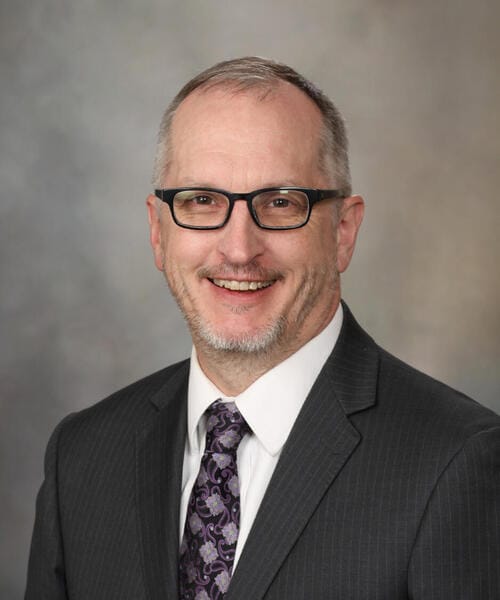
Allan B. Dietz is a Professor of Laboratory Medicine and Pathology at Mayo Clinic College of Medicine and Science. He serves as Co-Director of the Human Cellular Therapy Lab at Mayo Clinic's Center for Regenerative Biotherapeutics, with dual appointments in the Department of Immunology and Division of Transfusion Medicine. 1986: BA in Biology and Chemistry from University of Northern Iowa 1992: PhD in Genetics from Texas A&M University 1993: Postdoctoral Fellowship at USDA Agricultural Research Service His research spans cellular immunotherapy, stem cell biology, and regenerative medicine , with a focus on dendritic cell vaccines for cancers (CML, melanoma, glioblastoma), monocyte immunosuppression mechanisms, and mesenchymal stromal cell applications in GVHD and tissue repair (ALS, Crohn’s, renal stenosis, diabetes). Recent work includes microfluidic bioreactor development for cell therapy manufacturing and immune profiling for cancer patients. Key publications from 2024-2025 include: Microfluidic bioreactors for dendritic cell production Pembrolizumab-ibrutinib melanoma trials Mesenchymal stem cells in spinal cord injury Multiorgan transplant immune management guidelines Awarded: 2017 Mayo Clinic Team Science Award 1997 Voyles Fellowship in Stem Cell Biology 1991 Carrington Award for Cell Biology Active in regulatory committees including FDA-compliant cell therapy oversight and ISCT North American meetings. Integrates laboratory findings with clinical workflows through Mayo Clinic's CCaTS and Center for Individualized Medicine programs.
Tyler Bold, MD, PhD serves as Associate Professor in the Division of Infectious Diseases and International Medicine within the Department of Medicine at the University of Minnesota Medical School. He concurrently holds faculty appointments in the Microbiology, Immunology and Cancer Biology (MICaB) Ph.D. Graduate Program and the Department of Medicine, establishing a multidisciplinary research presence spanning infectious disease pathogenesis, immunology, and host-pathogen interactions. His research program integrates clinical infectious disease expertise with fundamental immunological investigation, focusing on tuberculosis host-directed immunotherapy, SARS-CoV-2 pathogenesis mechanisms, and macrophage biology in atherosclerosis. Key interests include T cell costimulation in granulomatous diseases, viral-microbiome interactions during respiratory infections, and diagnostic innovations for resource-limited settings. His work bridges basic science discovery with translational clinical applications, particularly in immunocompromised populations and complex infectious syndromes. Analysis of his 15 most recent publications reveals dominant research trajectories in tuberculosis immunology (40% of articles), SARS-CoV-2 pathogenesis and therapeutics (35%), and atherosclerosis immunometabolism (15%), with emerging work on fungal infections in hematologic malignancies. The publications demonstrate consistent use of advanced techniques including single-cell resolution analysis, structural biology, and randomized clinical trials, reflecting both mechanistic depth and clinical relevance across infectious disease subspecialties.
Dr. Weiwei Ai is a Research Fellow at the Auckland Bioengineering Institute , University of Auckland, New Zealand. With a multidisciplinary background in biomedical engineering and computational modeling, he focuses on developing energy-consistent physiological models and closed-loop validation frameworks for implantable medical devices. Education PhD in Bioengineering, University of Auckland (2019) Master of Engineering (ME) in Electrical Engineering, Beijing University of Technology (2005) BSc in Electronic Engineering, Qingdao University (2002) Dr. Ai's research centers on computational physiology and medical device validation , utilizing bond graph formalisms and hybrid automata to create thermodynamically consistent models for glucose transport, cardiac pacemakers, and gastrointestinal systems. His work bridges mathematical modeling with clinical applications through formal verification techniques. His recent publications highlight trends in closed-loop biomedical device design and energy-based physiological modeling , including: (1) bond graph models for SLC transporter dynamics, (2) adaptive respiratory pacemaker frameworks with biofeedback, (3) formal verification of cardiac devices using timed automata, and (4) compositional cyber-physical epidemiology models. He also explores AI-driven integration of digital twins in healthcare through FAIR data principles. Supervision Opportunities : Dr. Ai is an accredited PhD supervisor at the University of Auckland, offering projects on AI-driven energy-based platforms for credible digital twins in healthcare. Labs : Affiliated with the Auckland Bioengineering Institute, focusing on computational models and in-silico validation systems.
Jay G. Berry, MD, MPH is a general pediatrician and hospitalist at Boston Children's Hospital , and a researcher affiliated with Harvard Medical School . His work focuses on care delivery, clinical outcomes, and healthcare resource utilization for children with medical complexity. He has secured NIH and foundation funding for initiatives like developing contingency plans, hospital discharge standards, and machine learning models for predicting healthcare needs. Education : MD (University of Alabama School of Medicine, 2001), Pediatrics Residency (University of Utah), Harvard Pediatric Health Services Research Fellowship (2006). Leadership : Founder of the Complex Care Quality Improvement Research Collaborative and Co-Chair of the Academic Pediatrics Association Complex Care Special Interest Group. Research Themes include healthcare integration for children with tracheostomies, discharge planning, medical complexity classification, and machine learning applications. His recent publications span Pediatrics , JAMA Pediatrics , and BMJ , analyzing topics like readmissions, resource use in neurological disorders, and pandemic impacts on surgical volumes. Scientific Awards include: Agency for Healthcare Research and Quality (AHRQ) Outstanding Achievement for Scientific Contribution Using HCUP Award Young Clinician Research Award from CIMIT AcademyHealth Nemours Child Health Services Research Award Grants include NICHD K23 HD058092-01A1 and AHRQ R21 funding. He has contributed to national standards for pediatric discharge care and developed the Hospitalization Resource Intensity Scores for Kids (H-RISK).
Catarina M Henriques is a Senior Research Fellow at the University of Sheffield's School of Medicine and Population Health. She leads a research group focused on Telomere Biology, Ageing, and Regenerative Medicine, with affiliations to the Bateson Centre , Healthy Lifespan Institute (HELSI) , and CIMA (Centre for Integrated research into Musculoskeletal Ageing). BSc (Hons) in Molecular & Cellular Biology, University of Glasgow PhD in Immunology and Cancer, University of Lisbon (FCT Fellowship) Her research explores the interplay between telomere dysfunction, cellular senescence, and immune/stem cell regulation in tissue homeostasis decline during ageing. Using zebrafish models , she investigates how telomerase-dependent mechanisms influence multi-tissue degeneration and therapeutic rejuvenation strategies. Recent work highlights telomere dynamics in immunity, intestinal permeability, and neurodegeneration. Key publications include: 2024: Telomere length as an epigenetic trait in disease modeling 2023: p21-GFP senescence zebrafish for senolytic testing 2022: Gut leukocyte telomere dependence and retinal regeneration Her work bridges the Versus Arthritis CIMA and Bateson Centre collaborations. Scientific awards include: Sir Henry Dale Fellowship (Wellcome Trust/Royal Society) CIMA Research Fellowship Vice-Chancellor’s Fellowship She supervises postgraduate researchers and contributes to undergraduate/postgraduate education via modules on multimorbidity, reproduction, and human disease modeling. The lab employs histology, immunofluorescence, flow cytometry, and cell culture to study zebrafish tissue repair mechanisms.
Dr. Alexander Kirpich is an Assistant Professor in the Department of Population Health Sciences at Georgia State University's School of Public Health. With a Ph.D. in Biostatistics from the University of Florida (2015) and prior postdoctoral experience in infectious disease modeling, he specializes in biostatistical analysis and epidemiological forecasting. Since joining Georgia State in 2019, his work integrates viral genomics, public health surveillance, and computational modeling to address emerging disease threats. Ph.D. in Biostatistics, University of Florida (2015) Master of Statistics, University of Florida (2011) Specialist Degree in Mathematics, Belarusian State University (2006) His research focuses on infectious disease modeling , including COVID-19 , HIV , mpox , and cholera , employing techniques like epidemic forecasting , genomic analysis , and statistical modeling . He also develops computational tools (e.g., StatModPredict) for public health applications and contributes to interdisciplinary projects on food security, smoking cessation, and pediatric health outcomes. Dr. Kirpich's recent work demonstrates trends in Integrating internet search data with traditional epidemiological models Applying machine learning to genomic datasets Developing agent-based stochastic models for disease transmission Quantifying excess mortality in politically constrained settings Contact: akirpich@gsu.edu | Office: Urban Life Building, Suite 407, Atlanta, GA
Mireille Serlie, MD, PhD, is a Professor of Internal Medicine (Endocrinology) at Yale School of Medicine, joining in 2023. Her research focuses on obesity, nutrition, and brain function, particularly neural mechanisms regulating food intake and insulin resistance pathways. She is also the Medical Director of the Amsterdam University Medical Center’s Expert Center for Intestinal Failure and Parenteral Nutrition. Her work bridges clinical practice and translational research, with collaborations on topics like exercise timing, sleep’s metabolic effects, and genetic determinants of bariatric surgery outcomes. Key contributions include systematic reviews on patient-reported outcomes, glycaemic control, and consensus statements on sarcopenic obesity and micronutrient management. Education: PhD (2007), MD (1995), University of Amsterdam; Residency and Fellowship at Academic Medical Center Amsterdam. Research interests emphasize interdisciplinary approaches to metabolic disorders, leveraging clinical and molecular insights. Her recent articles address topics such as dopamine’s role in glucose metabolism, tissue-specific inflammation in obesity, and the impact of physical activity timing on glycaemia.
Jacqueline Henderson serves as an Associate Professor in the Mechanical Engineering Department within Bradley University's Caterpillar College of Engineering & Technology. Her research focuses on biomechanics with specialization in upper extremity disorders and mathematical modeling applications. Her educational background includes a Ph.D. in Biomedical Engineering from Wayne State University, an M.S. in Mechanical Engineering from the same institution, and a B.S. in Mechanical Engineering from Prairie View A&M University. Joining Bradley in 2010, she has established herself as a key researcher in skeletal biomechanics. Ph.D., Biomedical Engineering, Wayne State University M.S., Mechanical Engineering, Wayne State University B.S., Mechanical Engineering, Prairie View A & M University Dr. Henderson's research centers on upper extremity biomechanics, particularly investigating carpal tunnel syndrome through mathematical modeling of subsynovial connective tissue shearing. Her work extends to cumulative trauma disorders and rehabilitation biomechanics, with significant collaborations between Bradley University and local medical communities. She employs advanced techniques including speckle-tracking ultrasound and finite element modeling to analyze tendon-nerve interactions in the carpal tunnel. Her publication record demonstrates consistent focus on biomechanical analysis of the carpal tunnel and spinal structures, with recent expansion into neurovascular coupling and Alzheimer's disease mechanisms. Key methodologies include ultrasound assessment, finite element modeling, and quantitative tissue property measurement. Professional recognition includes an NIH National Research Service Award fellowship at Mayo Clinic. She serves as a reviewer for the Journal of Applied Biomechanics and Journal of Clinical Biomechanics, and participates in Bradley University's Affirmative Action Committee. Dr. Henderson actively mentors STEM-interested youth and has developed educational initiatives including ME 101: Introduction to Mechanical Engineering and ME 591: Human Centered Design. Her service extends to K-12 engineering outreach programs in the Detroit Public School system.