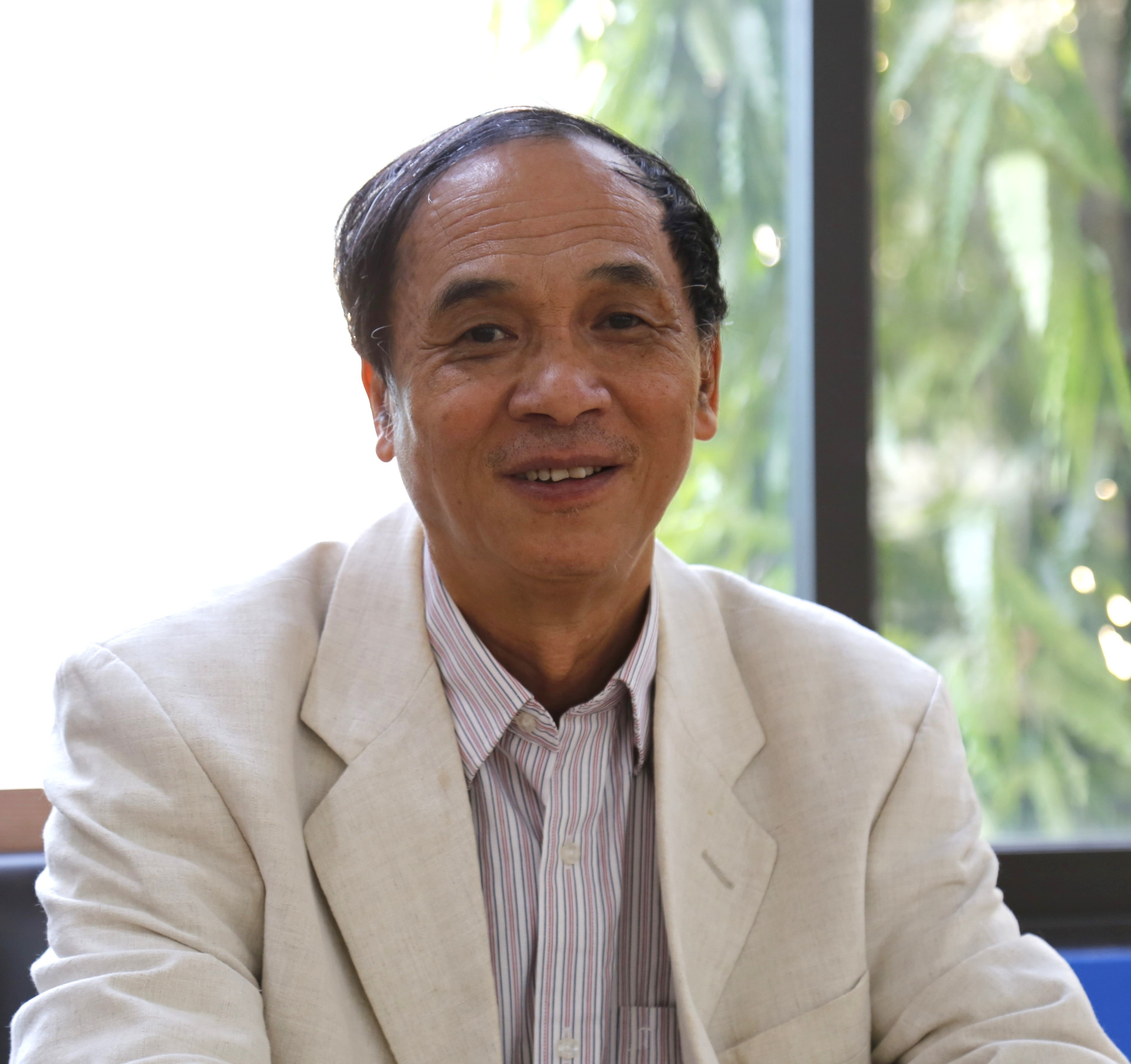
Prof. Dr. Nguyen Quang Hung is a Senior Lecturer at the Faculty of Philosophy, University of Social Sciences and Humanities (VNU-Hanoi), and Director of the Center for Contemporary Religious Studies since 2007. His academic career spans over 35 years, focusing on Classical German Philosophy, religious history, and socio-cultural dynamics in Vietnam. Education : B.A. in Philosophy (Rostov-on-Don University, 1986); M.A. in Southeast Asian Studies and Religious Studies (Passau University, 1998); Ph.D. in Southeast Asian Studies (Humboldt University, 2004). His research explores religion-culture interactions , missionary history , and ethnic community dynamics , particularly among Vietnam's Mong ethnic group. He has published over 70 articles and 10 books (3 international), including studies on Weber, Tillich, and Kant. His 15 most recent publications (2021-2024) analyze religious pluralism , legal philosophy , and confucian ethics , with a focus on Vietnam's socio-political context and global comparisons. Scientific Awards : Ho Chi Minh Prize (highest national award), State Award, VNU Awards, and international recognitions. He has mentored 6 PhD and 16 Master's students , supervised NAFOSTED and national research grants, and led projects on religious policy (2004-2025). His current work examines religion and personal life (2023-2025).
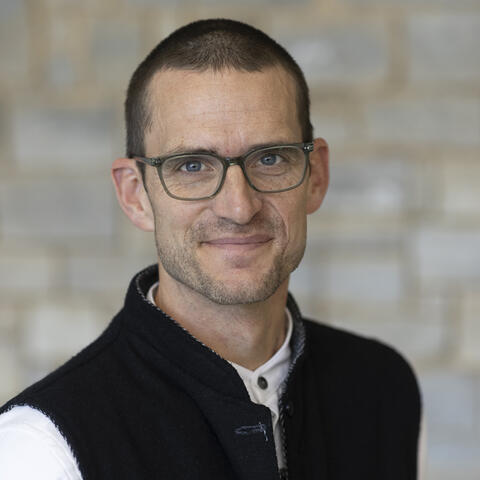
Willis Jenkins is the John Allen Hollingsworth Professor of Ethics and Chair of the Department of Religious Studies at the University of Virginia. His work bridges religious ethics, environmental humanities, and climate justice through transdisciplinary research initiatives. PhD in Religious Ethics from University of Virginia Research focuses on: Climate justice and ethics amidst extinctions Multispecies methods in religious studies Contemplative ecologies Religion and ecological change Water security ethics Posthumanist religious ethics Recent publications analyze intersections of Catholic ethics with ecological law, virtue ethics in Anthropocene contexts, and water rights frameworks. Co-directs the Coastal Futures Conservatory, a National Science Foundation-funded initiative integrating arts into environmental research at Virginia Coast Reserve. Awards include Templeton Award for Theological Promise (2008) and American Academy of Religion Award for Excellence (2014). Teaching includes courses on climate ethics and religion-environment relations.
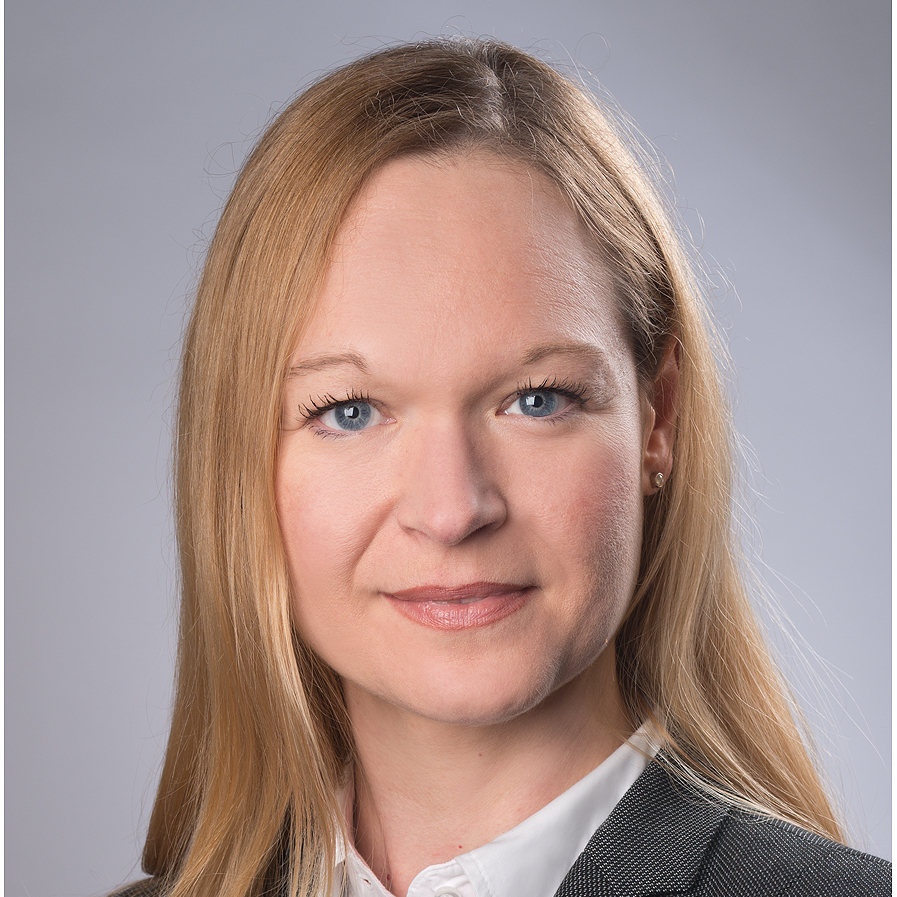
Dr. Susanne Knaeble is a Senior Lecturer at the Chair of German Medieval Studies , Faculty of Linguistics and Literature, University of Bayreuth. She currently holds the Acting Professorship for German Philology at the University of Würzburg (2024). Her research spans historical narratology, intersectionality, gender semantics, and time-religious concepts in pre-modern German literature, with a focus on courtly narratives and early Baroque autobiographical texts. Academic Roles: Acting Professor at TU Dresden (2021–2022), University of Konstanz (2021), and Technical University of Braunschweig (2018–2019); Scientific Assistant at the University of Bayreuth (2009–present). Key Research Areas: Intersectionality, gender in medieval narratives, time perception, amateur theater, and religious-profane interactions. Publications: 15+ articles on medieval time theory, gender dynamics in Arthurian romances, and religious symbolism, including her habilitation monograph Zukunftsvorstellungen in frühen deutschsprachigen Prosaromanen (2019). Awards: Feodor Lynen Fellowship (2014), DFG Project Funding (2014–2016), Alexander von Humboldt Foundation Druckkostenzuschuss (2019).
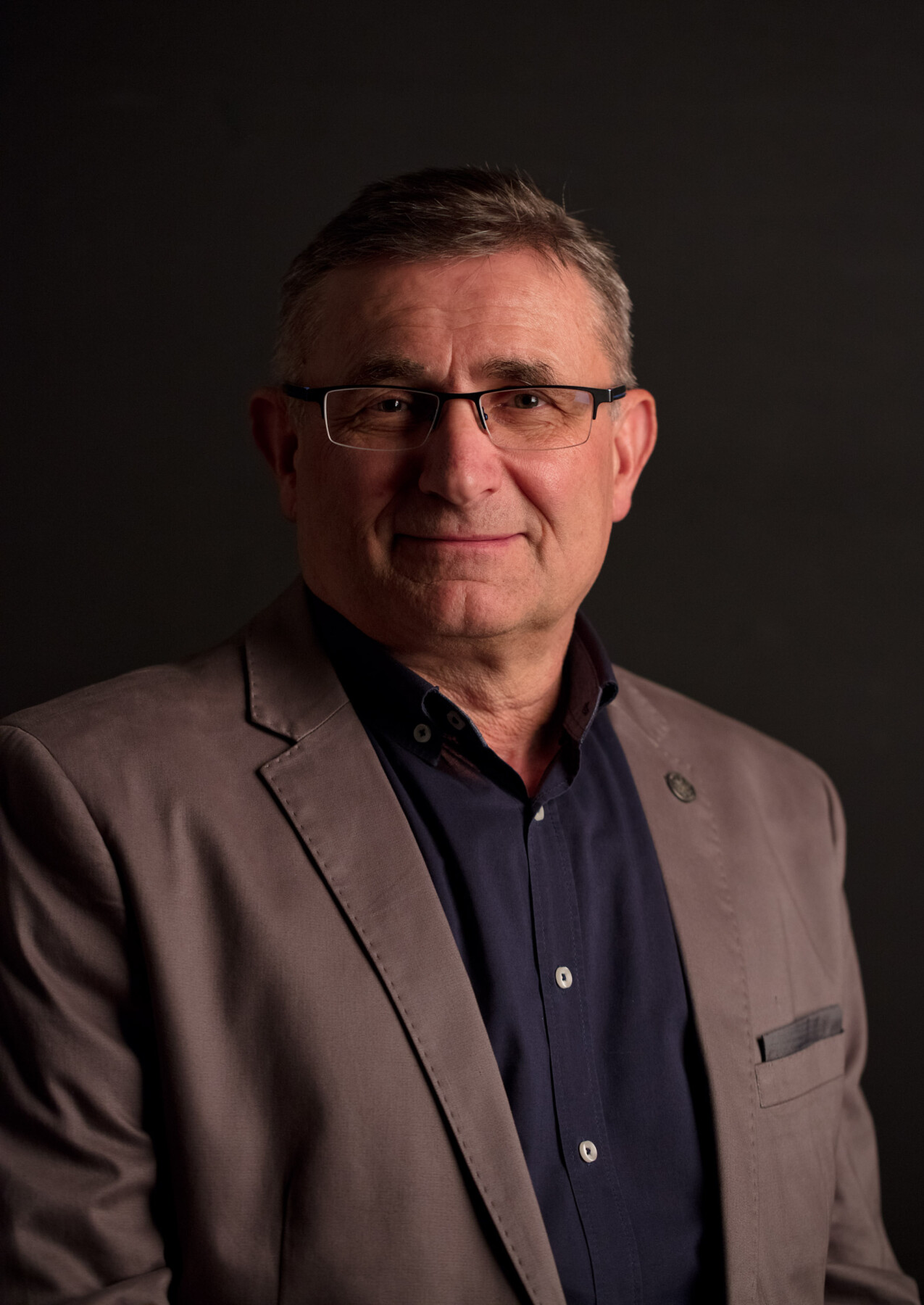
Arjan Post is a Senior Lecturer at the Faculty of Arts , KU Leuven, specializing in Islamic studies with a focus on the intersection of Sufism, Islamic theology, and jurisprudence. He leads the Leuven Centre for the Study of Islamic Culture and Society and is actively involved in several interdisciplinary research groups. Key Research Areas: Sufism, Hanbalism, Ibn Taymiyya, Islamic ethics, and ʿilm al-kalam. Projects: Explores pre-modern tensions between Islamic legal literalism and mystical interpretation, including the juridical epistemology of Aḥmad Zarrūq and the evolution of Hanbali thought into Wahhabism. Publications: Recent works examine Sufi states and stations, the ethics of spiritual perfection, and biographical entries in Islamic encyclopedias. His teaching includes courses on Modern Standard Arabic, Introduction to Islam, and Islamic Law. Post is also a member of the LECTIO institute and contributes to criminological and linguistic research networks.
Dariusz Manasterski is a Professor at the Stone Age Department of the University of Warsaw. His research focuses on cultural transformations during the Neolithic-Bronze Age transition in Central-Eastern Europe, particularly examining Bell Beaker influences and prehistoric ceramic technology. Specializes in long-distance cultural contacts Analyzes Bell Beaker impact on local communities Studies prehistoric pottery decoration and polishing techniques His recent work investigates amber workshops, reed arrowshafts, and ritual complexes in North-Eastern Poland. Publications span experimental archaeology, material provenance studies, and cultural diffusion patterns. Contact: dmanasterski@uw.edu.pl
Vicky Foskolou is an Associate Professor of Byzantine Archaeology at the University of Crete , with academic appointments at the Hellenic Open University (2003-2017) and prior roles as Special Scientist (2002-03). Her research focuses on Byzantine monumental painting, iconography, East-West artistic interactions, private devotion practices, and pilgrimage material culture. PhD in Byzantine Archaeology (University of Athens, 2000) Alumni of University of Heidelberg (postgraduate 1991-96) Elected: Lecturer (2004), Assistant Professor (2012), Associate Professor (2024) Key research themes include intercultural encounters in medieval Greece, Latin influence on Byzantine art, and the role of objects in religious practice. Her publications span edited volumes and peer-reviewed articles on topics like magical amulets (2014), local saint cults (2016), and mendicant spirituality in Venetian Crete (2022). Recent work examines Mary Magdalene's veneration (2025) and hybrid artistic traditions in the Latin East (2023).
Fruzsina Krizsai is an Assistant Professor at the Department of Modern Hungarian Linguistics , Eötvös Loránd University . Her academic work focuses on pragmatic features of spoken and written texts across genres, including funeral valedictions and Hungarian dialect content on social media. She serves as a research platform member for Linguistic Heterogeneity and Social Participation and contributes to the SLoW (Sociolinguistics of Writing) project (2025-2028) . Responsibilities: Institute website manager, departmental communication officer, and training manager for proofreading professional development. Teaching: Undergraduate courses in oral/written communication, stylistics, media literacy, typography, and document editing. Her research integrates functional cognitive linguistics and experimental pragmatics , with a focus on metaphor comprehension, speech act processing, and interpretive structures in Hungarian. She collaborates with the Style Research Group of the ELTE DiAGram Center and participates in civil dialectology initiatives. Article analysis reveals trends in dialectology , pragmatic theory , and multimodal discourse . Her work bridges language variation , contextual inference , and interdisciplinary genre studies . Key projects: SLoW (2025-2028), DiAGram Functional Linguistics Workshop, and collaborative citizen science dialect research. She employs methodologies from Bakhtinian theory , functional pragmatics , and cognitive development studies .
Anna Wessman is a Professor of Iron Age Archaeology at the Department of Cultural History, University Museum of Bergen. Her research spans Late Iron Age Finland and the Baltic region, burial archaeology, metal-detecting cultures, citizen science, and museum studies. She has led major projects like the Levänluhta water burial analysis and co-developed the semantic portal FindSampo , integrating public finds into open-access databases. PhD in Archaeology (University of Helsinki, 2010) with a focus on Iron Age burial rituals Acting University Lecturer in Museum Studies, University of Helsinki (2015-2017) Adjunct Professor in Iron Age Studies, University of Turku (2022 onwards) Her research combines ethnographic methods with isotopic analysis, examining topics like the Finnar in sagas, cremation practices, and the role of citizen scientists in archaeology. She collaborates across disciplines, including genetics (e.g., Levänluhta isotope studies) and digital humanities ( FindSampo platform). Recent articles highlight her work on metal-detected artifact networks (2025), Viking Age magic interpretations (2025), and cremation studies (2024). Her projects have been funded by the Kone Foundation, Academy of Finland, and Emil Aaltonen Foundation, focusing on community archaeology and digital heritage platforms. Wessman actively bridges academic and avocational communities, advocating for structured collaboration with metal-detectorists to enhance archaeological data. Her publications address ethical dilemmas in displaying human remains (2021) and methodological innovations like 'archaeological object interviews.' Key affiliations: University of Bergen (current), University of Helsinki (PhD), University of Turku (Adjunct Professor) Founding member of the European Public Finds Recording Network and Cultural Heritage Crime Network
Dr. Andrea Luithle-Hardenberg is an Academic Assistant and Study Advisor for the BA Practical Module at Goethe University Frankfurt's Institute of Ethnology. Her work focuses on South Asian anthropology, particularly Jainism and ascetic traditions in India. Education: PhD in Ethnology from Freie Universität Berlin (2006), with a monograph on Jain pilgrimage to Mount Shatrunjaya. Research: Explores asceticism, religious freedom, gender practices, caste ideologies, and postcolonial dynamics in Gujarat, Maharashtra, and Odisha. Collaborations: Partnerships with universities in Mumbai, Bhubaneswar, and Sambalpur for fieldwork and scholarly exchanges. Her publications analyze Jain child ascetics, vegetarianism, pilgrimage rituals, and colonial-era Jain scholarship. She combines ethnographic fieldwork with theoretical frameworks in cultural anthropology and human rights discourse.
Dr. Jillian Ross is an Associate Professor of Biblical Studies at Liberty Theological Seminary, Liberty University. She joined the faculty in 2016 and was appointed Director of the Biblical Language Programs in 2017. Her educational background includes a Ph.D. from Trinity Evangelical Divinity School, an M.Div. from Central Baptist Theological Seminary, and a B.S. from Maranatha Baptist Bible College. Prior to her current role, she taught mathematics in Christian schools and served as an adjunct instructor at Trinity Evangelical Divinity School during her doctoral studies. Her research focuses on the Old Testament, with specialized interests in the Book of Judges, inner biblical allusions, and women's ministry. She explores themes of divine-human interaction, narrative typology, and theological patterns in ancient texts. Her work frequently employs literary analysis and historical-critical methods to examine scriptural narratives. Ross's publications span books, peer-reviewed articles, essays, and study Bible contributions, predominantly centered on Judges and Pentateuchal connections. Her 2023 monograph analyzes allusions within Judges, while her journal articles investigate linguistic, theological, and intertextual dimensions of biblical stories. Her writings reflect consistent emphasis on narrative criticism, Hebrew linguistics, and the theological implications of Israelite history. No scientific awards, grants, or supervised students are mentioned in the source material. She leads the Biblical Language Programs at Liberty, indicating administrative involvement in curriculum development for Hebrew and related studies.
Marja Ahola is a researcher in archaeology at the Department of Cultures, University of Helsinki. Her work focuses on the materialization of immaterial aspects of life—such as religion, storytelling, and social relationships—in the archaeological record, particularly in the Mesolithic and Neolithic Stone Age of northeastern Europe. She specializes in analyzing museum collections and developing novel methodologies for understanding ritual practices and material culture. Institution: University of Helsinki Department: Department of Cultures Research Interests: Ahola explores ritual practices, death and burial cultures, material culture, and identity in prehistoric societies. Her research emphasizes sensory and artistic approaches to understanding Mesolithic-Neolithic transitions, with a focus on the Baltic Sea region. She investigates how symbolic meanings are embedded in artifacts, graves, and landscapes. Publications: Ahola has published extensively on topics including Corded Ware mortuary practices, flint assemblages, and symbolic interpretations of burials. Her recent work (2025–2024) examines wetland deposits, sensory landscapes, and the quantification of subjective archaeological analysis. Scientific Awards: She was awarded a Docentship (Dosentuuri) in 2024 for her academic contributions. Projects: Principal Investigator for the 2021 project Peuransarveen tallennetut tarinat (Stories Recorded in Antler), exploring digital humanities and artistic research methods in Stone Age Finland. Media Visibility: Ahola has contributed to public discourse through 40 media appearances (2025–2022), discussing topics like Arctic graveyards, sacred consciousness, and Stone Age storytelling. Academic Activities: She has delivered invited presentations (e.g., 2025 Kivikausi ), participated in editorial work, and consulted on prehistoric studies.
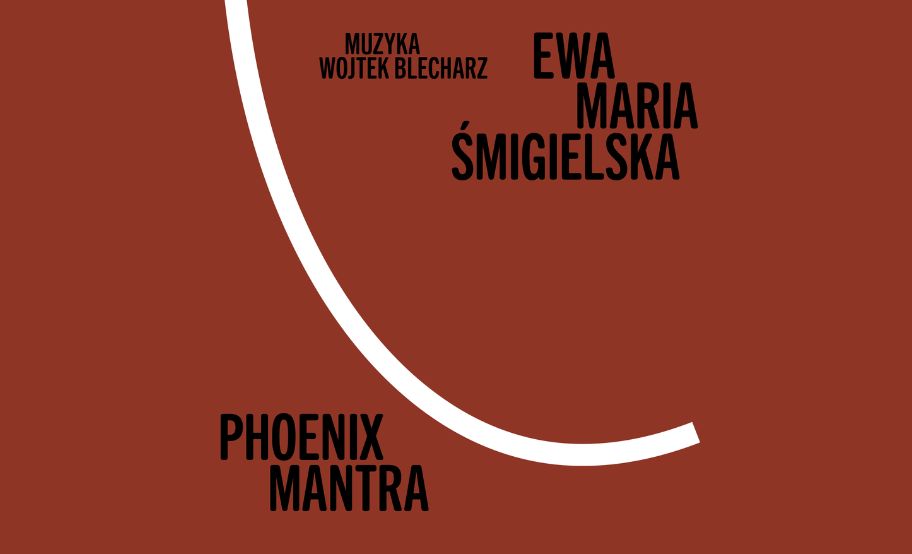
Dr. Ewa Maria Śmigielska is a contemporary sculptor and installation artist working at the Faculty of Design at the Academy of Fine Arts in Warsaw. Born in Warsaw in 1987, she completed her studies with distinction at the Faculty of Sculpture, specializing in Audiovisual Space Studio under Professor Grzegorz Kowalski. In 2019, she earned her PhD in visual arts and conservation of works of art from the same institution. Her artistic practice spans drawing, sculpture, video, installation, and scenography, with a focus on cross-cultural dialogues between Eastern and Western artistic traditions. Her research interests revolve around cultural and formal syncretism , often emerging from postcolonial critique. Śmigielska's work integrates elements referencing various cultures, temporal orders, and sensory experiences, juxtaposing emblems of Far Eastern culture with raw materials associated with contemporary urban aesthetics. Her installations create performative spaces that invite viewer participation, emotional engagement, and transformative experiences. She explores themes of spiritual transformation, urban identity, and the intersection of traditional symbolism with modern materials like mirrors, neon signs, and sheet metal. Śmigielska's recent artistic output demonstrates consistent exploration of sound installations and participatory art, with her 2024 exhibition 'Phoenix Mantra' representing the culmination of these interests. This sound installation, featuring music by Wojtek Blecharz, transforms space into a ritual journey toward spiritual renewal, connecting viewers with historical contexts of Warsaw's Wawelberg Colony. Her work shows a clear trajectory from earlier explorations of Chinese mythology in 'Follow the Dragon' (2021) toward more complex multisensory environments that bridge cultural divides. Scholarship from ZAiKS (Fundusz Popierania Twórczości Stowarzyszenia Autorów ZAiKS) As an educator and cultural ambassador, Śmigielska has served as a lecturer at the Sichuan Fine Arts Institute in China, fostering Polish-Chinese artistic understanding. She has curated numerous exhibitions both in Poland and internationally, demonstrating strong organizational skills and cross-cultural communication abilities. Her collaborative work with composer Wojtek Blecharz on projects like 'Transkryptum' and 'Phoenix Mantra' highlights her interdisciplinary approach and ability to secure artistic partnerships. Śmigielska actively participates in artistic collectives like Inne Towarzystwo in Warsaw, which provides alternative exhibition spaces for experimental work. Her current projects at the Open Colony in Wola demonstrate engagement with community-based art practices and historical memory, transforming urban spaces into sites of collective healing and cultural dialogue. Her work with the Polish Sculpture Center in Orońsko shows institutional collaboration that supports large-scale artistic production.
Charlie Smith is an Associate Professor in the Department of Statistics at North Carolina State University, affiliated with the Biomathematics Program. He holds a Ph.D. in Biophysics from the University of Chicago and B.S. in Physics from MIT. His research focuses on neurobiological stochastic processes, physiological models, and first passage time approximations. Smith has organized major conferences like the Gordon Research Conference on Theoretical Biology and Biomathematics (2000-2006). He teaches courses such as ST370 (Statistics for Engineers) and ST746 (Stochastic Processes), and has supervised numerous graduate students. His work spans interdisciplinary collaborations in toxicology, pharmacokinetics, and biomathematical modeling. Professional service includes directing the Biomathematics Graduate Program (2003-2005) and editorial roles in journals. Education: Ph.D. Biophysics (University of Chicago, 1979), M.S. Biophysics & Theoretical Biology (University of Chicago), B.S. Physics (MIT) Research: Stochastic modeling in neuroscience, neural diffusion models, and interdisciplinary applications in toxicology and pharmacokinetics Teaching: ST370, ST507, ST746, and graduate-level stochastic processes courses Professional Contributions: Conference chair (Gordon Research Conferences), program director roles, and advisory work in biomathematics
Karla Erickson is a Professor of Sociology at Grinnell College, where she also chairs the Department of Sociology. Her research bridges feminist ethnography, labor studies, and technology sociology, focusing on human-machine relations, elder care, and market exchanges. Education Ph.D., American Studies (Minor: Feminist Studies), University of Minnesota, 2004 M.A., Liberal Studies, Hamline University, 1998 B.A., English and Women's Studies, Illinois Wesleyan University, 1995 Erickson explores how AI and automation reshape human value through her project Messy Humans , integrating critical race theory with technological analysis. Her work spans The Hungry Cowboy (marketplace community building) and How We Die Now (elder care labor and death rituals). Her research highlights tensions in labor, technology, and mortality, with recent contributions to Scientific American , Salon , and Wired . Erickson's awards include the 2020-2021 Center for the Humanities Faculty Fellowship. Scientific Awards Center for the Humanities Faculty Fellowship, 2020-2021 Erickson's teaching includes courses on AI and robotics, with a focus on humanistic inquiry. She serves on the boards of Grinnell Regional Medical Center and Grinnell Community Day Care and Preschool, linking her research to community engagement.
Safia Jama is a Lecturer in the Department of English at the Weissman School of Arts and Sciences, Baruch College, City University of New York. She holds an M.F.A. in Creative Writing (Poetry) from Rutgers University-Newark, an M.A.ED. in English Education from Teachers College, Columbia University, and a B.A. in English and American Literature from Harvard College. Her academic focus spans creative writing, poetry, and English education. Education M.F.A., Creative Writing (Poetry), Rutgers University-Newark M.A.ED., English Education, Teachers College, Columbia University B.A., English and American Literature, Harvard College Her research and creative work centers on poetry, narrative structure, and cultural identity. She has published poems in outlets such as World Literature Today and the Academy of American Poets, with her debut poetry collection Crowded House (Beltway Editions, 2023) exploring themes of memory, family, and diaspora experiences. Her 2025 Bryant Park Reading Room performance highlights her engagement with public literary spaces. Jama has received recognition as a semi-finalist for prestigious poetry prizes, including the Gatewood Prize (2019) and the Pleiades Press Editors Prize (2017). She actively contributes to academic service as a member of the Weissman Committee on Undergraduate Academic Standing and as a grant proposal reviewer for the Brooklyn Arts Council and Lower Manhattan Cultural Council.