Ujjwal NeogiView profile
Senior Lecturer
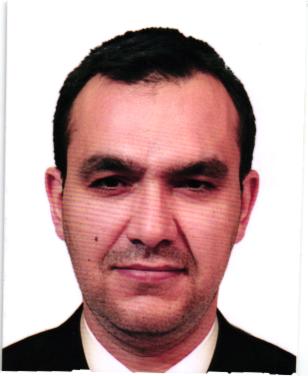
Ujjwal Neogi is a Senior Lecturer and Docent at Karolinska Institutet, where he leads The Systems Virology Lab within the Department of Laboratory Medicine. His research focuses on understanding viral pathogenesis through the lens of immunometabolism and systems biology. He also holds teaching positions at both Karolinska Institutet and Manipal Institute of Virology in India. Dr. Neogi earned his PhD from the Department of Medicine, Huddinge, Karolinska Institutet in 2013 and was awarded Docent status in 2018. His academic journey reflects a strong foundation in medical virology and immunology. Neogi's research program centers on the metabolic rewiring that occurs during RNA virus infections, particularly focusing on HIV, SARS-CoV-2, Crimean-Congo hemorrhagic fever virus (CCHF), Japanese encephalitis virus (JEV), and Dengue viruses. His lab pioneered systems biology approaches to fingerprint metabolic changes during viral infection and develop novel functional cure strategies by engineering the metabolic state of immune cells. A significant portion of his work examines inflamm-aging in people living with HIV on successful therapy. His publication record shows a strong focus on multi-omics approaches to understand host-pathogen interactions, with particular emphasis on metabolic reprogramming during viral infections. Recent work has expanded to include studies on long-term complications of successful HIV therapy, neurological impacts of viral infections, and the role of gut microbiome in immune development and disease progression. Dr. Neogi actively supervises doctoral students and postdoctoral fellows, and teaches across multiple levels including bachelor's, master's, and doctoral programs. His courses cover molecular and clinical virology, emerging and re-emerging infectious diseases, systems biology in infectious diseases, and diagnostic virology. The Systems Virology Lab operates as part of Karolinska Institutet's Department of Laboratory Medicine and collaborates with multiple research teams including those studying immuno-metabolic reprogramming, innate immune responses, stem cell and organoid models, and the Systems Infection Biology facility which provides advanced bioinformatics analysis services.