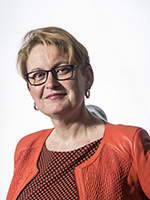
Lieuwke Kranenburg is an Assistant Professor at the Faculty of Veterinary Medicine , Utrecht University , specializing in Equine Internal Medicine . She provides patient care at the University Equine Clinic and teaches Master's courses in equine digestion , infectious diseases , and skin problems . Research Focus: Equine internal medicine, digestive diseases, infectious pathogens, metabolic disorders Professional Certifications: EBVS® European Veterinary Specialist in Equine Internal Medicine International Collaboration: Trained Chinese veterinarians at Heilan Equestrian Centre Publications highlight her work on equine gastric disease management, diagnostic imaging, infectious disease epidemiology, and metabolic research. She contributes to equine clinical research through peer-reviewed journals and conference abstracts. Professional Involvement: Former board member of the Equine Medicine Group and current GGP representative for FEEVA, maintaining professional networks and advancing equine veterinary practice.
Hans Bouwmeester is a Full Professor in Toxicology at Wageningen University & Research, specializing in chemical risk assessment, nanomaterial toxicity, and in vitro modeling. His work focuses on integrating artificial intelligence and physiologically based kinetic (PBK) models to predict toxic effects of contaminants like organophosphate pesticides, microplastics, and mycotoxins. He leads projects exploring the health impacts of foodborne contaminants in inflammatory bowel disease and developing animal-free testing methods. Key collaborations include EU initiatives like the ONTOX project and the GUTTEST program, which utilize advanced in vitro models such as gut-on-a-chip systems. Research interests span toxicokinetics, nanoplastics exposure, and the application of Bayesian networks for nanomaterial hazard ranking. His team addresses translational challenges in linking in vitro data to in vivo outcomes, with a focus on bile acid metabolism and cardiotoxicity prediction. Bouwmeester has supervised over 10 PhD candidates, including studies on microplastic hazard assessment, nanomaterial gastrointestinal fate, and AI-driven data extraction for risk assessment. Notable contributions include datasets on nanoplastics' protein corona effects and transcriptomic analyses of intestinal cell responses. His work is published in journals like Ecotoxicology and Environmental Safety , Toxicology , and Environmental Science & Technology , emphasizing open-access research and interdisciplinary approaches to chemical safety.
Prof. Robbert Jan Kok is a Professor of Drug Delivery Technology at Utrecht University's Utrecht Institute for Pharmaceutical Sciences (UIPS) and Programme Director for the Bachelor of Pharmacy. He obtained his Pharmacy degree (1993) and PhD in renal drug targeting (1998) from the University of Groningen, followed by postdoctoral research on endothelial-targeted drug delivery. His work spans curriculum development for pharmacy programs and interdisciplinary research in drug innovation. Research Focus: Kok specializes in advanced drug delivery systems, including nanomedicines for kinase inhibitors, 3D-printed formulations, and stimuli-responsive carriers. Key areas include: Targeted delivery to tumors, kidneys, and inflamed tissues Polymeric micelles, liposomes, and microspheres for sustained release Biopharmaceutics and pharmacokinetic optimization Publication Trends: His recent work emphasizes nanotechnology-enabled therapies (e.g., curcumin nanodelivery, photodynamic micelles) and device-integrated drug release (3D-printed implants, macroencapsulation). Studies frequently combine material science with preclinical validation in cancer, renal diseases, and inflammatory disorders. Academic Leadership: Kok oversees student advising, laboratory operations, and international collaborations at UIPS. His team explores translational applications of drug delivery platforms, including partnerships for vascularized tissue engineering and combination therapies.
Professor Rinse Weersma is a Full Professor and Gastroenterologist at the Faculty of Medical Sciences, University of Groningen, and works at the University Medical Center Groningen (UMCG). He leads research in the Groningen Institute for Gastro Intestinal Genetics and Immunology (3GI), focusing on inflammatory bowel diseases and the gut microbiome. Faculty of Medical Sciences, University of Groningen University Medical Center Groningen (UMCG) Groningen Institute for Gastro Intestinal Genetics and Immunology (3GI) Professor Weersma's research primarily centers on inflammatory bowel disease (IBD), including Crohn's disease and ulcerative colitis, with a strong emphasis on understanding the role of the gut microbiome, genetic factors, and immune responses. His work bridges gastroenterology, immunology, and microbiology to develop better diagnostic tools and treatment approaches for IBD patients. He has pioneered research on how diet, environmental factors, and host genetics interact to influence disease development and progression. Analysis of Professor Weersma's recent publications (2025) reveals a strong trend toward multi-omics approaches to understanding inflammatory bowel diseases. His research integrates microbiome analysis, genetic studies, and clinical data to identify biomarkers for disease prediction and treatment response. Key themes include the relationship between gut microbiome composition and IBD, gene-environment interactions, and the application of advanced statistical methods to dietary and clinical data. His work has significant implications for personalized medicine approaches in gastroenterology. Rising Star Award (2011) Professor Weersma actively supervises PhD students including Marjolein Klaassen and Laura Bolte, focusing on gut microbiome research in inflammatory bowel diseases. His research is supported by multiple collaborative projects including the 1000IBD project, which has generated extensive multi-omics data from IBD patients. He frequently collaborates with international research teams across Europe and has contributed to major studies on liver transplantation and microbiome interactions. His work has been funded through various national and international grants supporting gastrointestinal research. Professor Weersma leads research within the Groningen Institute for Gastro Intestinal Genetics and Immunology (3GI), which brings together experts in gastroenterology, immunology, genetics, and microbiome research. His team collaborates extensively through the TransplantLines Investigators consortium and participates in large-scale international research initiatives studying inflammatory bowel diseases across diverse populations.
Dr. Karin Strijbis is an Associate Professor of Mucosal Infection Biology at Utrecht University's Faculty of Veterinary Medicine, Department of Biomolecular Health Sciences, Division of Infectious Diseases and Immunology. Since 2023, she has served as the head of the Infection Biology group. Her research focuses on host-microbe interactions at mucosal surfaces, particularly examining how bacteria interact with mucins in the intestinal tract, respiratory system, and vagina. Dr. Strijbis' research interests span multiple interconnected fields: Mucosal immunity and host defense mechanisms at mucosal surfaces Interactions between commensal and pathogenic bacteria with mucins Role of transmembrane mucins (MUC1, MUC3, MUC4, MUC13, MUC17) in health and disease Impact of microbiota on inflammatory bowel disease and cancer development Mechanisms of bacterial invasion and immune responses at mucosal barriers Her recent publications demonstrate a strong focus on understanding how mucins form protective barriers against pathogens while maintaining homeostasis with commensal bacteria. Key research themes include the role of MUC13 in regulating intestinal barrier function, the impact of vaginal microbiota (particularly Prevotella timonensis) on HIV transmission, and how mucin domains protect against viral infections like SARS-CoV-2. Her work combines advanced cell culture models with molecular and biochemical approaches to dissect host-microbe interactions at mucosal surfaces. Dr. Strijbis has secured significant research funding, including: An ERC Starting Grant (2020-2025) to investigate how bacteria-mucin interactions impact health and disease of the intestinal tract An ERC Proof of Concept Grant (2022-2024) to develop a mucinase-based biological to enhance cancer treatment A ZonMW-TOP Grant (2019-2024) on the impact of vaginal microbiota on HIV transmission OneHealth funding (2020-2022) to establish intestinal and lung primary models from different animal species Her research group employs advanced primary intestinal, respiratory, and vaginal infection models to study pathogenic and commensal bacteria including Salmonella enterica, Pseudomonas aeruginosa, Prevotella species, Mannheimia haemolytica, Campylobacter jejuni, EHEC, Lactobacilli, and Bifidobacteria. The lab investigates changes in the mucus layer during inflammatory bowel disease and the functions of mucins in bacteria-induced inflammation during carcinogenesis.
Janneke Samsom is a Full Professor in the Department of Pediatrics at Erasmus MC, a leading academic medical center in the Netherlands. Her work is centered at the intersection of pediatric immunology and gastroenterology, with a strong emphasis on understanding immune dysregulation in inflammatory bowel diseases. Her research interests include mucosal immunology , T-cell differentiation , inflammatory bowel disease (IBD) , Crohn’s disease , regulatory and pathogenic T cells , and the discovery of biomarkers for treatment response . She investigates how memory T cells and plasma proteins can be profiled to define patient immunotypes, enabling personalized therapeutic strategies. The recent trend in her publications shows a strong focus on integrating proteomic and immunophenotypic data to predict disease progression and treatment outcomes in both pediatric and adult IBD. Her work spans from fundamental immunology to clinical translation, including case studies in rare immune disorders. Inflammatory Bowel Disease (IBD) Crohn's Disease Ulcerative Colitis T-cell Immunology Biomarker Discovery Pediatric Autoimmune Disorders She has supervised numerous junior researchers and students, contributing to a robust body of supervised academic work. Her collaborative network extends across Europe, with active research partnerships in immunology and gastroenterology. Dr. Samsom leads a research group focused on pediatric immune-mediated gastrointestinal diseases, contributing significantly to both national and international research initiatives.
Prof. G. Dijkstra is a faculty member at the University of Groningen's Faculty of Medical Sciences, affiliated with the Nutrition Research in Medicine (NiM) department. His academic rank is Professor. He specializes in inflammatory bowel disease (IBD), Crohn's disease, and transplantation medicine. His research focuses on diet-nutrition interactions, biomarker discovery, and clinical outcomes in gastrointestinal disorders. He has been recognized with the Inspirator Prize (2024) from the Dutch Society 100%. Research interests include IBD pathophysiology, dietary impact on disease activity, and post-transplantation outcomes. Key collaborations include the Dutch Initiative on Crohn and Colitis (ICC) and the Groningen Institute for Organ Transplantation (GIOT). His work spans over 400 publications, emphasizing translational research and clinical applications. Recent studies explore biomarkers in pregnancy with IBD, dietary patterns predicting flares, and cellular signatures in intestinal grafts. He leads multidisciplinary teams addressing inflammation, oxidative stress, and surgical outcomes. Key articles from 2025 include diet-quality studies, Vedolizumab case reports, and risk stratification models for Crohn's recurrence. His work bridges basic science and clinical practice, with a focus on improving patient outcomes through personalized approaches.
Prof. G.Peter A. Smit is a Professor at the Faculty of Medical Sciences, University of Groningen. His research focuses on metabolic diseases, particularly glycogen storage disorders, inflammatory bowel disease, and pediatric nutritional management. He collaborates internationally on studies involving diagnostic imaging (e.g., muscle ultrasound), dietary protocols, and genetic analysis. Education: His academic background includes advanced training in pediatrics and metabolic medicine (university details not explicitly stated). Research Interests: Smit explores the clinical and biochemical aspects of inherited metabolic disorders, emphasizing translational research to improve patient care. His work combines molecular diagnostics, nutritional interventions, and longitudinal clinical studies. Recent efforts involve dynamic gastrointestinal modeling to optimize dietary strategies for hepatic glycogen storage disease patients. Professional Activities: He maintains a clinical role as a pediatrician specializing in metabolic diseases and serves as a consultant at Talant Drachten/Beetsterzwaag. His publications (2014-2017) highlight interdisciplinary approaches to understanding disease mechanisms and improving diagnostic tools.
Ranko Gacesa is a researcher at the Faculty of Medical Sciences , University of Groningen , affiliated with the Groningen Institute for Gastro Intestinal Genetics and Immunology (3GI) . His work focuses on gut microbiome interactions in diseases like inflammatory bowel disease (IBD), Crohn's disease, and coeliac disease, as well as post-transplantation complications. Research trends show expertise in metagenomics , microbial strain-level analysis , and non-HLA genetic mismatch studies in transplantation. He actively contributes to understanding dysbiosis and oral pathobiont colonization in diverse ethnic populations. Scientific Awards : Vidi grant for nutrition and gut microbiome research (2024) Supervision : Co-supervisor for Marjolein Klaassen's PhD research on gut microbiome in IBD
Roy Dwarkasing is a researcher at Erasmus MC's Department of Radiology & Nuclear Medicine, specializing in magnetic resonance imaging (MRI) applications for oncology and gastrointestinal diseases. His work spans hepatocellular carcinoma surveillance, fistula treatment optimization, and clinical decision-making frameworks. Active in Medical Imaging (MRI, PET-MRI) and Oncology (HCC, cholangiocarcinoma, esophageal cancer) Key collaborations in Gastroenterology and Surgical Outcomes Research Trends His recent publications focus on MRI's role in cancer surveillance, including Current Problems in Diagnostic Radiology (2024) and The Lancet Oncology (2025). Collaborative studies with institutions like Erasmus MC address fistula repair techniques (Bioengineering, 2025) and diagnostic classification systems (Abdominal Radiology, 2024).
Dr. Saskia Overbeek is a Researcher in the Department of Pharmacology within the Faculty of Science at Utrecht University. Her research spans immunology, pharmacology, and nutritional science with a focus on how dietary components modulate immune responses and inflammation. Dr. Overbeek's research interests include: Immune regulation through dietary components Human milk oligosaccharides and immune development Neutrophil biology in inflammatory conditions Gut-lung axis and mucosal immunity Microbiome-immune system interactions Development of nutritional interventions for immune-related disorders Her publication record (2007-2024) demonstrates an evolution from neutrophil biology in respiratory diseases to broader investigations of dietary immunomodulation. Recent work (2018-2024) focuses on how human milk oligosaccharides and other prebiotics influence immune responses, particularly their ability to suppress Th2 responses while enhancing Th1 and regulatory pathways. This research has implications for allergy prevention, vaccine efficacy, and inflammatory conditions. Key scientific contributions: Extensive publication record in high-impact journals including Nature Reviews Nephrology, PLoS One, and Gut Pioneering work on N-acetyl proline-glycine-proline and neutrophil-mediated inflammation Significant contributions to understanding gut-kidney axis in chronic kidney disease Research on how dietary components modulate immune responses in vaccination and allergy contexts Dr. Overbeek has maintained extensive collaborations with researchers at Utrecht University, particularly with colleagues in pharmacology, immunology, and nutritional sciences. Her work typically employs in vitro models using intestinal epithelial cells and immune cells, complemented by murine models to study immune responses in vivo.
Aldert Zomer is an Associate Professor at the Faculty of Veterinary Medicine , Utrecht University, specializing in Infectious Diseases & Immunology . He is affiliated with the WHO Collaborating Centre for Campylobacter and Antimicrobial Resistance and serves as a Bioinformatics Consultant for Janssen Pharmaceuticals . His research focuses on bacterial (meta)genomic analysis for comparative genomics , molecular epidemiology , and genotype-phenotype associations in pathogens like Salmonella , Escherichia coli , and Campylobacter . PhD in Molecular Genetics from University of Groningen (2007) Postdoctoral work at University College Cork and Radboud University Medical Centre His research integrates bioinformatics , microbiome analysis , and machine learning to study antimicrobial resistance mechanisms, host-pathogen dynamics, and microbial ecology in veterinary and public health contexts. Current projects include Visiting Scientist at Quadram Institute (Norwich, UK) Leadership in Utrecht University's Research IT Committee He has developed open-source tools like RFPlasmid and Kaptive for genomic analysis and is actively involved in WHO's One Health AMR initiatives OIE Reference Laboratory for Campylobacter Teaching microbial genomics courses at Utrecht University
Prof. Cisca Wijmenga is a Professor of Human Genetics at the University of Groningen and Head of the Department of Genetics at the University Medical Center Groningen (UMCG). Her research focuses on the genetic basis of immune-related chronic diseases, particularly coeliac disease, inflammatory bowel diseases (Crohn’s and ulcerative colitis), and the role of the gut microbiome in health and disease. She has pioneered functional genomic approaches to understand disease mechanisms and translate genetic insights into clinical applications. Key achievements include Spinoza Prize (2015), election to the Royal Netherlands Academy of Arts and Sciences (2012), and leading the BBMRI-NL2.0 project (€9.8M grant, 2014). She served as Rector Magnificus of the University of Groningen from 2019–2023, becoming its first female rector in 405 years. Research interests emphasize genetic susceptibility to autoimmune disorders, host-microbiome interactions, and the application of organ-on-chip technologies. Collaborations span multi-omics analyses, biobanking, and international consortia (e.g., BBMRI, International Multiple Sclerosis Genetics Consortium). Grants/Awards: Spinoza Prize, KNAW Membership, ERC Advanced Grant Labs/Teams: Host-Microbiome Interaction Group, UMCG Genetics Department
Nicole de Roos is a Researcher in Nutrition and Disease at Wageningen University & Research. She focuses on dietary interventions, particularly in gastrointestinal health, renal nutrition, and chronic disease management. Her work includes studies on atopic dermatitis, dialysis patients, and endometriosis. She co-supervised multiple PhD projects addressing gut health and inflammatory bowel disease. Key research interests include Irritable Bowel Syndrome, dietary fiber effects, and personalized nutrition. She received the James Lind Prijs 2021 for contributions to irritable bowel syndrome research. Notable collaborations include projects on anti-inflammatory diets and bioelectrical impedance analysis.
Prof. Edith Feskens is a renowned academic in Human Nutrition and Health at Wageningen University & Research, holding the Chair of Global Nutrition. She earned her MSc from Wageningen University (1987) and PhD from Leiden University (1991), focusing on glucose tolerance and cardiovascular epidemiology. Her career spans roles at the RIVM (until 2005), leading to her academic appointments at Wageningen. She currently co-leads the Gerrit Grijns Initiative and serves as a Theme Leader at OnePlanet Research Center. Her expertise spans epidemiology, cardiovascular diseases, metabolic syndrome, and global nutrition, with a focus on sustainability and LMICs. Key research areas include dietary interventions (e.g., SLIMMER program), vitamin requirements in obesity, fermented foods’ cardiometabolic effects, and night-shift nutrition. She leads projects on maternal-child nutrition, smartphone dietary tools (Traqq), and global food systems. Her work emphasizes translating research into policy, such as the SLIMMER program’s inclusion in Dutch health insurance. Her scientific contributions span over 200 publications, addressing topics like dietary patterns, micronutrient status, and health outcomes. She chairs international committees (e.g., IUNS Council) and advises organizations like the Dutch Diabetes Foundation. Her lab focuses on nutrition across the life course and global health equity, balancing public health impact with methodological innovation in dietary assessment technologies.