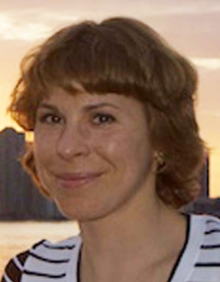
Tatiana Andreyeva, PhD, is Associate Professor and Director of Economic Initiatives at the Rudd Center for Food Policy and Health within the University of Connecticut. She specializes in economic incentives shaping food choices, price elasticity, and taxation policies related to sugar-sweetened beverages, with notable development of the Rudd Center Revenue Calculator for beverage taxes. PhD in Policy Analysis, Pardee RAND Graduate School (2006) MPhil in Policy Analysis, Pardee RAND Graduate School (2003) MA in Economics, National University Kiev-Mohyla Academy (2000) BA in Economics, International Solomon University (1997, with honors) Her research spans food policy economics, focusing on federal nutrition assistance programs (WIC, SNAP), obesity prevention strategies, and health disparities. Recent studies examine breastfeeding trends post-formula shortages, CACFP implementation challenges, and the intersection of maternal employment with infant feeding practices. She has served as Principal Investigator for grants from NIH, USDA Economic Research Service, and Robert Wood Johnson Foundation. Previously, she worked at RAND Corporation on health policy issues including obesity, mental health, and retirement behavior.
Cindy J Nowinski, MD, PhD is a Research Professor in the Departments of Medical Social Sciences (Outcome and Measurement Science, Determinants of Health, Implementation Science) and Neurology (Ken and Ruth Davee Department) at Northwestern University Feinberg School of Medicine. She is affiliated with the Institute for Public Health and Medicine (IPHAM) - Center for Patient-Centered Outcomes and the Northwestern University Clinical and Translational Sciences Institute (NUCATS). Dr. Nowinski earned her BS (1982), MA (1986), and PhD (1991) from Loyola University of Chicago, followed by an MD (2000) from Northwestern University Feinberg School of Medicine. Trained as both a clinical psychologist and physician, she brings a unique interdisciplinary perspective to her research. With over 20 years of experience, Dr. Nowinski is a leading expert in developing patient-reported outcome measures and performance-based cognitive assessments for children and adults. Her research focuses on improving health and healthcare quality through standardized outcome measures, with particular emphasis on cognitive aging, neurological conditions (dementia, multiple sclerosis), and digital assessment technologies. She has played central roles in major national initiatives including Neuro-QoL, PROMIS, NIH Toolbox, Mobile Toolbox, and MyCog. Her recent publications reveal a strong emphasis on smartphone-based cognitive screening tools for primary care implementation, machine learning optimization of assessment algorithms, and validation of remote cognitive testing methods. This work demonstrates her commitment to translating research into practical clinical tools that improve early detection of cognitive impairment. Dr. Nowinski has received the Innovations Award from NorthShore University HealthSystem (2007) and holds numerous leadership positions including: Member, Digital Measures: Alzheimer's Disease and Related Dementias Working Group, Digital Medicine Society (2022-Present) Member, Clinical Practice Special Interest Group Working Group on PROMs as Screening Tools, International Society for Quality of Life Research (2020-Present) Associate Editor, Quality of Life Research (2018-2021) Guest Editor, Frontiers in Pediatrics (2019-2022) She maintains active involvement in multiple professional societies including PROMIS Health Organization, Alzheimer's Association ISTAART, Digital Medicine Society, and International Society for Quality of Life Research. Her research is conducted through collaborations focused on implementing digital cognitive assessment tools like MyCog and Mobile Toolbox in diverse clinical settings, with special attention to underserved communities.
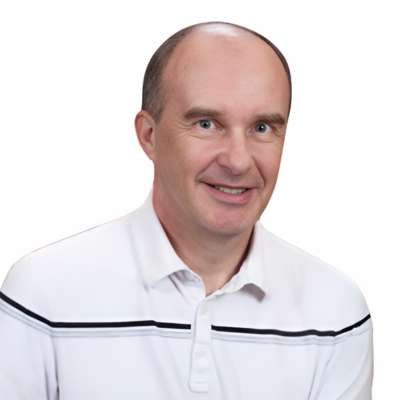
Daniel Berry is an Associate Professor at the Institute of Child Development , University of Minnesota. His research focuses on how children’s experiences shape self-regulation skills, including impulse control, attention management, and information processing, with applications to vulnerable populations and high-risk contexts. EdD, 2010, Harvard University His work integrates developmental neuroscience , hormones and behavior , and quantitative methods for longitudinal data . Key themes include: Neurophysiological mechanisms of self-regulation Impact of caregiving environments on development Statistical modeling of complex longitudinal data Recent publications highlight trends in autonomic nervous system dynamics , cross-system regulation , and causal inference in developmental contexts . He is open to advising new PhD students in fall 2026. Dr. Berry leads the Bioecology, Self-Regulation and Learning Lab , which employs experimental and longitudinal approaches to study mind-brain-environment interactions. No scientific awards are explicitly mentioned in the text.
Maren Podszun, Ph.D., serves as Senior Researcher and Group Leader at the Department of Food Biofunctionality within the Institute of Nutritional Sciences at the University of Hohenheim, Germany, a position she has held since 2024. Previously, she was stand-in professor of Nutritional Sciences and Dietetics (2021-2023) and assistant lecturer (2020-2021) at the same institution, following a postdoctoral fellowship at the National Institutes of Health (2016-2020). Her academic credentials include: Ph.D. in Nutritional Sciences (Dr. rer. nat.), University of Hohenheim (2015). Thesis: The impact of vitamin E on xenobiotic metabolism and hepatic lipid accumulation . Diploma in Nutritional Sciences (M.Sc. equivalent), University of Hohenheim (2011). Thesis: Development and partial validation of a high performance liquid chromatography(HPLC-ECD) method for the quantification of atorvastatin and metabolites . Dr. Podszun's research centers on molecular mechanisms linking nutrition to liver pathophysiology, with emphasis on metabolic dysfunction-associated steatotic liver disease (MASLD). Her work investigates vitamin E's role in modulating oxidative stress, lipid metabolism, and drug-nutrient interactions, utilizing advanced techniques in lipidomics, immunohistochemistry, and cell culture models. She explores how bioactive food compounds influence hepatic lipid accumulation and xenobiotic metabolism, with particular focus on tocopherols, tocotrienols, and curcumin. Analysis of her recent publications (2020-2024) reveals consistent investigation into MASLD biomarkers, vitamin E therapeutics, and genetic determinants of treatment response. Her work bridges clinical hepatology and molecular nutrition, frequently appearing in high-impact journals like Gastroenterology (IF 25.7) and Redox Biology (IF 11.8), demonstrating translational relevance from cellular mechanisms to human disease. Her scientific contributions are recognized through awards: Excellence in Teaching Award, University of Hohenheim (2022) GVF Vitamin Preis (2020) Professor Wild Award (2016) DAAD Fellowship (2012) As an educator, she has taught nutritional sciences and dietetics while mentoring students through laboratory research. She leads a dedicated research group focused on food biofunctionality, with active projects on curcumin metabolism and vitamin E-drug interactions, operating within the university's specialized laboratory infrastructure for nutritional biochemistry and molecular analysis.
George Malcolm is an Associate Professor in Psychology at the School of Psychology, University of East Anglia (UEA), where he has been since 2016. His research focuses on visual attention, scene understanding, and developmental aspects of perception. He is a member of the Cognition, Action and Perception and Developmental Science research groups. He is currently accepting PhD students and welcomes research assistants to join his lab. Undergraduate: University of St Andrews Master’s: University of York PhD: University of Edinburgh Dr Malcolm's research centers on how humans convert visual input into meaningful scene categories and use this information to guide eye movements. He investigates differences between adult and child visual processing, particularly in rapid scene categorization and attentional allocation. His work employs eye-tracking, transcranial magnetic stimulation (TMS), virtual reality (VR), and drawing tasks to explore high-level vision and perception. The recent publications highlight a strong trend in understanding how semantic relationships between scenes and objects influence attention, both in adults and young children. There is a growing focus on developmental visual cognition, including studies on infants and children. His work increasingly integrates crossmodal and real-world contexts, emphasizing ecological validity in attentional research. Dr Malcolm has contributed to several collaborative research projects, including an ongoing project titled 'Autism and Biophilia: The impact of natural scenes on anxiety.' He has held administrative roles such as Communications Director and Deputy Research Director, and is actively involved in public engagement through social media. He leads an active research lab and collaborates with institutions such as the University of Essex and Aitrak. His work contributes to broader scientific understanding in cognitive psychology and has implications for neurodevelopmental conditions and human-computer interaction.
Dr. Pauline Scanlan is a Lecturer in the School of Microbiology at University College Cork (UCC), leading the Scanlan Lab at the APC Microbiome Ireland research institute. Her research focuses on the ecology and evolution of the human gut microbiome, including antimicrobial resistance (AMR), bacteria-phage coevolution, and protist diversity. She holds a Royal Society-Science Foundation Ireland University Research Fellowship and previously worked at the University of Oxford and Teagasc. Education : B.Sc. (Plant and Microbial Biotechnology), UCC, 2002 Ph.D. (Medicine), UCC, 2007 Research Interests : Dr. Scanlan investigates how gut microbiota evolve in response to antibiotics, biotic interactions, and environmental factors. Key areas include AMR evolution, phage-bacteria dynamics, Blastocystis prevalence, and inflammatory bowel disease (IBD) associations. Articles : Her recent work highlights antibiotic impacts on gut microbiota stability, phage-bacteria coexistence mechanisms, and protist diversity in health. Themes include microbial adaptation, community resilience, and evolutionary trade-offs in the gut ecosystem. Awards : Royal Society-Science Foundation Ireland University Research Fellowship (2015) Marie Curie Intra-European Research Fellowship Grants & Labs : The Scanlan Lab explores microbiome evolution using in vitro models and longitudinal human cohort studies. Active projects include IBD-related research and microbial coevolutionary dynamics.
Jon Skranes is a Professor and Chief Physician specializing in pediatrics at NTNU. He holds positions as Senior Consultant at Sørlandet Hospital HF and Head of the Habilitation Service for Children and Adolescents (HABU). His roles include leading the Pediatric Brain Research group within the Agder Brain Circuit (ABCDE) research cluster and serving on the board of FASD Alliance in Europe. His work focuses on neurodevelopmental outcomes in preterm infants, cognitive deficits in pediatric populations, and neuroimaging applications in developmental medicine. Research interests emphasize brain structure-function relationships in children born preterm, including white matter development, cortical thickness trajectories, and long-term neurocognitive outcomes. He has pioneered studies on working memory training interventions for pediatric and elderly populations with cognitive impairments. Collaborations span institutions like Harvard Medical School and the University of Oslo, leveraging advanced neuroimaging techniques and genetic analyses. Publications (2016-2009) highlight work on neurodevelopmental origins of brain changes, preterm birth impacts on brain structure, and molecular genetics of cerebral palsy. His clinical contributions include establishing regional expertise centers for prenatal exposure disorders and evaluating digital health literacy tools for parents of sick children. Key roles: Research Group Leader, Clinical Neurologist, Academic Supervisor Research Foci: Prematurity effects, Neuroplasticity, Cognitive Rehabilitation Notable Projects: Memory Aid Study (working memory training), neonatal brain atlas development
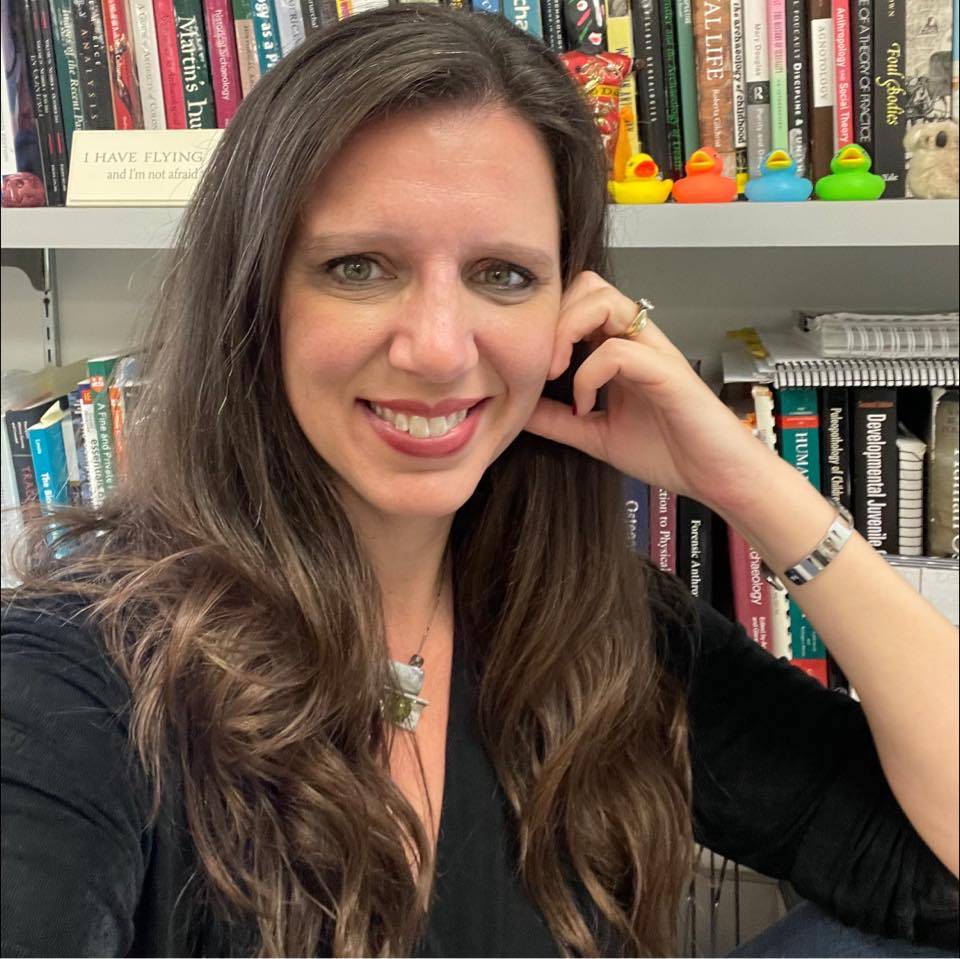
Meredith A. B. Ellis, Ph.D., is an Associate Professor in the Department of Anthropology at Florida Atlantic University. She holds faculty affiliate status with the Peace, Justice, and Human Rights Initiative and Women, Gender, and Sexuality Studies at FAU, reflecting her interdisciplinary engagement. Education: Ph.D. in Anthropology with Distinction, Syracuse University, 2014 M.A. in Anthropology, Syracuse University, 2011 M.A. in English, University of Rochester, 2005 B.A. in Anthropology and English, William Smith College, 2004 (Summa Cum Laude, Phi Beta Kappa) Research Interests: Meredith Ellis specializes in bioarchaeology with a focus on the 19th century United States, particularly the skeletal remains of subadults (children). Her work lies at the intersection of the biological and the social, exploring how human skeletal systems embody social relationships, environmental conditions, and cultural norms. Key themes include social bioarchaeology, bioarchaeology of childhood, historical bioarchaeology, nutrition and disease (such as rickets and scurvy), trauma, and identity formation. She employs skeletal analysis, archival research, and historical archaeology to reconstruct life histories from the past. Publication Trends: Her recent publications (2010–2024) reveal a consistent focus on childhood in historical contexts, particularly through the Spring Street Presbyterian Church collection and the 1928 Lake Okeechobee Hurricane victims. Her work increasingly explores theoretical dimensions of identity, memory, and embodiment, integrating interdisciplinary perspectives. The articles span bioarchaeology, historical archaeology, paleopathology, and cultural theory, demonstrating a sophisticated blending of empirical analysis and social theory. Scientific Awards: Syracuse University All-University Doctoral Prize, 2015 Advising and Grants: While specific students and grants are not listed, Dr. Ellis teaches graduate-level courses such as ANG 6905 Proposal Development and Writing and Directed Independent Study, indicating her active role in mentoring graduate students. Her research, including NAGPRA compliance work and projects on historical disasters, suggests involvement in externally funded research initiatives, though specific grants are not detailed in the provided texts. Labs and Research Groups: Dr. Ellis is affiliated with the Ethnography Lab at FAU. Her research draws on interdisciplinary collaboration, particularly in historical bioarchaeology and childhood studies, and she has co-edited volumes with scholars like Jane Eva Baxter, indicating active participation in academic networks and research communities.
Daniel K. Kido, MD, is a Professor in the Department of Radiology and the Radiation Research Division at the School of Medicine, Loma Linda University. He also serves as Vice Chair of Academic Affairs in Radiology, reflecting his leadership and administrative contributions to the institution. Doctor of Medicine, Loma Linda University, 1965 Bachelor of Arts, Pacific Union College, 1961 Dr. Kido's research focuses on advanced neuroimaging techniques, particularly susceptibility-weighted imaging (SWI), with applications in cerebral microhemorrhages, brain iron metabolism, dementia, Alzheimer's disease, and pediatric brain injury. His work bridges radiology and neuroscience, emphasizing the use of MRI to understand neurodegenerative and vascular pathologies. He has made significant contributions to the imaging of tethered spinal cord syndrome and hypoxic-ischemic injury in neonates. The trend in his recent publications (2010–2022) shows a sustained focus on quantitative susceptibility mapping, cerebral oxygenation, stroke imaging, and MRI biomarkers for cognitive decline. His research often involves multidisciplinary collaboration, particularly with experts in neurology, neuropathology, and biomedical engineering. Dr. Kido has served on various institutional committees, including the Promotions Committee, Intellectual Properties Committee, and Board of Trustees at Loma Linda University. He has also contributed to national organizations such as the Radiological Society of North America’s Ethics Committee. Committee Membership at Loma Linda University (2001–2012) Promotions Committee (2004–2011) Board of Trustees - LLUAHSC (2001–2007) Radiological Society of North America, Ethics Committee (2002–2005) While specific grant funding is not mentioned, his extensive publication record and long-term research activity suggest sustained research support. He has advised or collaborated with numerous researchers and clinicians, particularly in pediatric neuroimaging and neurodegeneration. Dr. Kido is also associated with the development and clinical application of advanced MRI techniques such as high-resolution blood oxygen-level dependent (HRBV) venography and SWI.
Susan C. J. Sumner is a Professor of Nutrition at the University of North Carolina at Chapel Hill's Gillings School of Global Public Health. She serves as Director of the Metabolomics and Exposome Laboratory (MEL) at UNC Chapel Hill and leads research initiatives in precision nutrition and personalized medicine. Her research spans maternal and child health, diabetes, toxicology, cancer, microbiome, and addiction, with a focus on using untargeted metabolomics/exposome technologies to identify biomarkers for disease detection and intervention strategies. She has received grants from NHLBI, NIGMS, NCI, NIDDK, and NIEHS. Mechanistic insights into environmental chemical metabolites Multi-omics approaches to obesity-related health outcomes Exposome analysis for lifespan health impacts Dr. Sumner earned her B.S. and Ph.D. in Chemistry from North Carolina State University, followed by postdoctoral research at the National Heart, Lung, and Blood Institute (NHLBI).
Dr. Deborah K. VanderVeen serves as Professor of Ophthalmology at Harvard Medical School and practices at Boston Children's Hospital, where she directs both the Pediatric Cataract Service and Retinopathy of Prematurity Service. With clinical expertise spanning pediatric cataract surgery, retinopathy of prematurity, childhood glaucoma, and strabismus management, she provides comprehensive care across multiple locations including Boston and Waltham. Her educational background includes: Undergraduate studies at Kansas State University (1985) Medical degree from University of Kansas Medical Center (1993) Internship at University of Kansas Medical Center (1994) Residency at Boston University Medical School (1997) Fellowship at Boston Children's Hospital (1998) Dr. VanderVeen specializes in complex pediatric eye conditions including cortical visual impairment, ocular manifestations of genetic disorders (Marfan syndrome, neurofibromatosis, tuberous sclerosis), and pediatric glaucoma. Board-certified by the American Board of Ophthalmology, she provides care in both English and Spanish, serving a diverse patient population with conditions ranging from blocked tear ducts to severe retinopathy of prematurity. Her extensive publication record demonstrates a strong focus on developing evidence-based approaches for pediatric eye care, particularly in retinopathy of prematurity screening algorithms (FIRST-ROP, TWO-ROP), pediatric cataract outcomes through the Toddler Aphakia and Pseudophakia Study, and childhood glaucoma management. Recent work explores innovative applications of artificial intelligence for patient education and examines how socioeconomic factors influence visual outcomes in children. As Director of specialized clinical services at Boston Children's Hospital, Dr. VanderVeen leads teams dedicated to advancing care for children with complex eye conditions. Her work with national registries and contribution to American Academy of Ophthalmology guidelines demonstrates her leadership in shaping best practices for pediatric ophthalmology.
Michael Hindle is the Peter R. Byron Distinguished Professor and Interim Chair of the Department of Pharmaceutics at Virginia Commonwealth University's School of Pharmacy. He holds a pharmacy degree and Ph.D. in pharmaceutical technology from the University of Bradford, UK. His research specializes in developing aerosol drug delivery systems for challenging patient populations. Research interests include: Computational fluid dynamics (CFD) modeling of aerosol deposition Dry powder inhaler design for pediatric and neonatal patients Synthetic lung surfactant formulations for respiratory distress syndrome Novel methods for nasal and pulmonary antibiotic delivery Nanoparticle formation techniques for inhalation therapies He leads the interdisciplinary Hindle Research Group, collaborating with VCU's Department of Mechanical Engineering. Current projects include developing dry powder surfactant aerosols for infants in low-resource settings (funded by Gates Foundation) and high-efficiency inhalers for pediatric cystic fibrosis patients (NIH/NICHD). Awards & Honors: Fellow, National Academy of Inventors (2023) 10 U.S. patents and 5 E.U. patents in aerosol delivery technology He serves on NIH study sections, editorial boards of Journal of Aerosol Medicine and AAPS PharmSciTech , and has secured funding from NIH, FDA, and pharmaceutical industry partners.
Katrine Lindholm Bøgh is a Professor and Head of the Research Group for Food Allergy at the National Food Institute, Technical University of Denmark (DTU). Her work focuses on developing diagnostic, preventive, and therapeutic strategies for food allergies, with a specific emphasis on understanding how physicochemical properties of food proteins influence allergy development versus tolerance. She leads interdisciplinary research at the intersection of immunology, food science, and sustainable nutrition. Current affiliations: DTU National Food Institute, Research Group for Food Allergy Academic rank: Professor Her research integrates Food Allergy , Molecular Allergology , and Allergenicity Assessment to investigate immune mechanisms triggered by protein modifications (e.g., hydrolysis, heat treatment) and exposure routes. She has pioneered studies on Alternative Protein Sources like insect, rapeseed, and microalgae to evaluate allergenic risks in sustainable foods. Recent publications highlight trends in European Union novel food approvals (2025) and mechanistic insights into cow’s milk allergy models (2024). Key themes include Sublingual Immunotherapy , Brown Norway Rat Models , and Protein Processing Effects on allergenicity. She supervises PhD students Yue S.R. and Shafie B., and leads major projects like: ALLEVIATE2: Novel food allergy immunotherapy strategies ALLPreT: Allergenicity Prediction Toolbox for novel foods SAFEPRO: Sustainable protein sources for future diets Her work aligns with UN Sustainable Development Goals (SDG 2, SDG 3), and she actively participates in international conferences and media outreach about food allergy risks in innovative protein sources.
Dr. D. Kimbrough Oller is a Professor and Plough Chair of Excellence at the University of Memphis's School of Communication Sciences and Disorders. He holds affiliations with the Konrad Lorenz Institute for Evolution and Cognition Research (External Faculty Member since 2008) and the Scientific Advisory Board of the LENA Foundation (since 2005). His research focuses on infant vocal development, bilingualism, child phonology, and the evolution of language. Education: Ph.D. in Psycholinguistics (University of Texas at Austin, 1971); B.A. in Romance Languages (University of California, Berkeley, 1968). Experience: Directed projects on vocal development and language evolution since the 1970s; NIH-funded research totaling over $6 million. Research Interests: Bridging infant vocal behavior, evolutionary linguistics, and clinical applications in speech disorders (e.g., autism, Down syndrome). Key topics include the emergence of speech capacity and bilingual language acquisition in children. Grants: Recent funding includes NIH awards for 'Infant Vocal Communication: Typical Development and Autism Risk' ($3.2 million, 2015–2020) and 'Vocal Exploration and Interaction in the Emergence of Speech' ($2.9 million, 2011–2016). Awards: Notable honors include the Honors of the American Speech-Language-Hearing Association (2013) and the University of Memphis Presidential Lifetime Achievement Award (2018). Elected as a AAAS Fellow in 2023. Labs/Teams: Leads the Infant Vocal Communication Lab and collaborates with interdisciplinary teams on projects involving neurodevelopmental disorders and language evolution.
Victoria Mateu is an Associate Professor of Hispanic Linguistics at the University of California, Los Angeles (UCLA), Department of Spanish and Portuguese, where she joined in 2019 after completing her Ph.D. in Linguistics at UCLA and serving as Lecturer in Linguistics and Lab Manager of the UCLA Language Lab. Her educational background includes: Ph.D. in Linguistics, University of California Los Angeles (2016) M.A. in Linguistics, University of California Los Angeles (2013) B.A. in English Philology, Universidad de Granada, Spain (2011) Dr. Mateu's research employs experimental methodologies to investigate language representation across populations, with core focus on Spanish acquisition in children and adults. Her work examines morphosyntactic constraints, crosslinguistic differences between Spanish/English, language processing mechanisms, and word segmentation in monolingual/bilingual infants. She explores how developmental paths reveal underlying grammatical structures through both naturalistic and experimental paradigms. Recent publications demonstrate strong trends in intervention effects across syntactic domains (passives, sluicing, wh-questions) with expanding cross-linguistic scope (Mandarin, Italian) and methodological innovation through large-scale collaborations. Her work bridges theoretical syntax with developmental psycholinguistics, emphasizing experimental rigor in child language research. Her scientific recognition includes: UCLA Social Impact Collaborative Seed Grant ($50,000) for ‘A community-centered approach to supporting dual language learning’ Dr. Mateu actively mentors graduate students as evidenced by co-authored publications with emerging scholars. Her current grant-funded project with Megha Sundara and Laurel Perkins develops community-centered approaches to dual language support, reflecting commitment to applied linguistic research. She serves as course instructor for advanced syntax and language acquisition seminars. As former Lab Manager of the UCLA Language Lab and current contributor to the international ManyBabies Consortium, she participates in large-scale initiatives addressing methodological challenges in infant research through multi-lab collaborations.