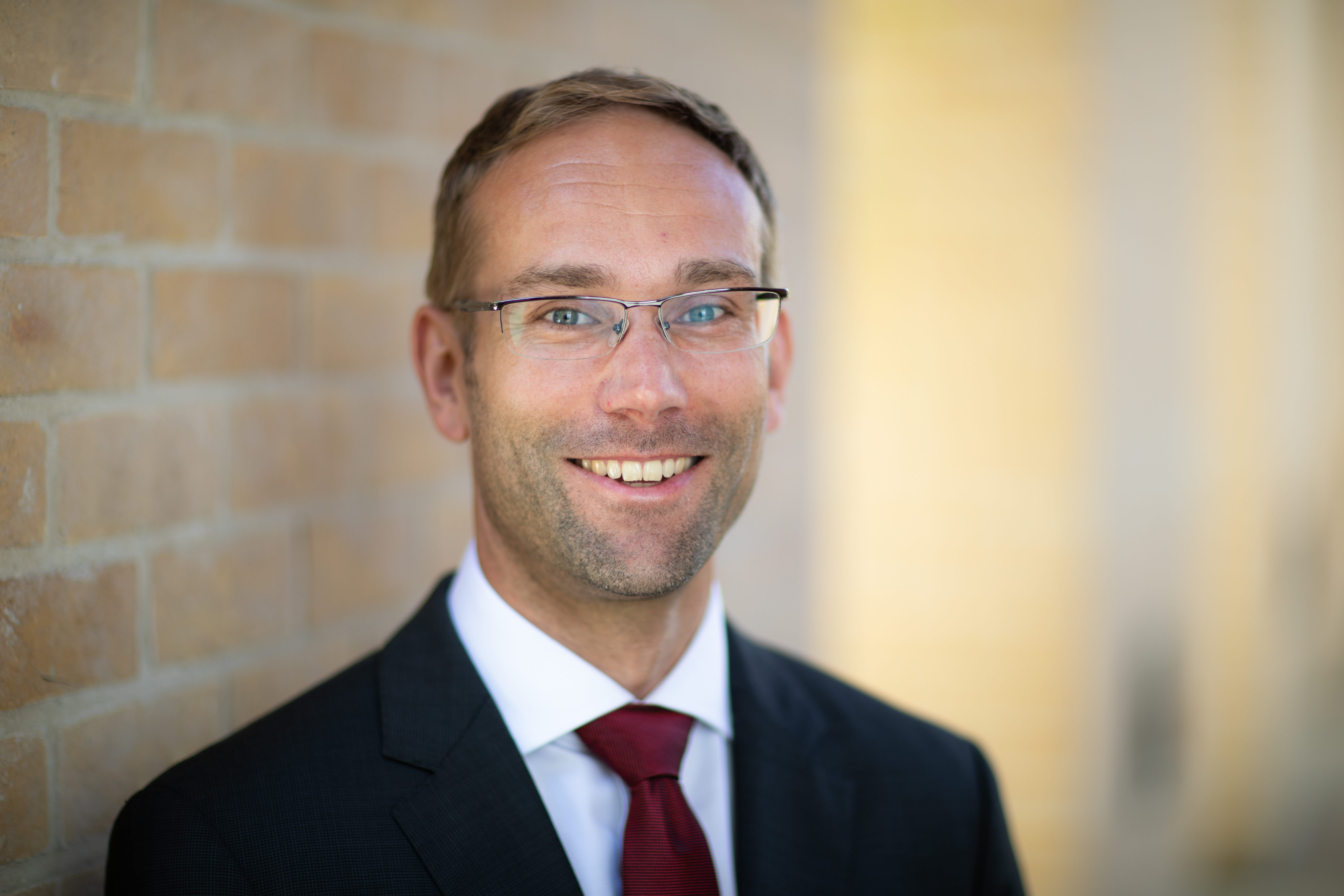
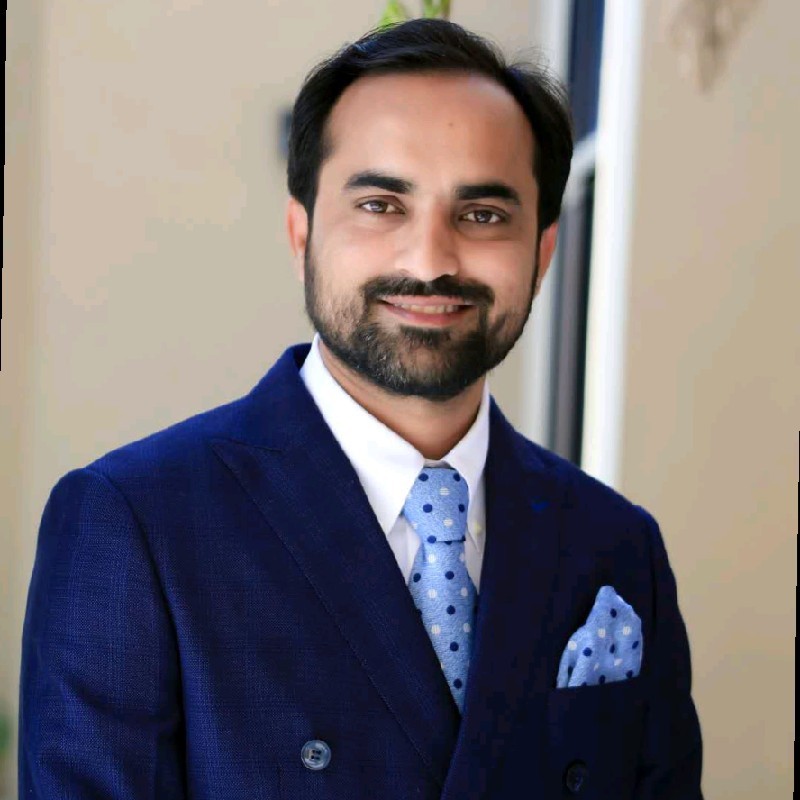
Sam Yam is a Professor and Head of the Management & Organisation Department at the National University of Singapore's (NUS) Business School. He holds the Jardine Cycle & Carriage Professorship and serves as Associate Dean. His research spans strategy, organisational behaviour, applied psychology, ethics, and human-technology interaction. Yam has contributed to over 125 publications, focusing on AI ethics, workplace dynamics, and cross-cultural management. He explores topics like robot replacement effects, abusive supervision, and financial anxiety's intergenerational impacts. His work bridges psychology, ethics, and organisational theory, addressing contemporary challenges in automation, leadership, and human-AI collaboration. Appointments: Head of Management & Organisation (2022–present), Joint Appointment in Arts & Social Sciences (2023–present). Key Research Themes: Future of work, human-technology interaction, ethical leadership, and Machiavellian dynamics. Notable Contributions: Multimodal ADHD diagnostics, leader biases toward robot-using employees, and cultural impacts on team performance. Yam’s interdisciplinary approach integrates psychology, technology, and management, addressing societal issues like AI ethics and workplace automation. His research frequently appears in top journals like the Journal of Management and Annual Review of Organizational Psychology .
Chendi Zhang is a Professor of Finance at the University of Exeter Business School. He serves as the founding Director of the Exeter Sustainable Finance Centre and Director/Treasurer of the Global Research Alliance for Sustainable Finance and Investment. Previously, he was Associate Dean for Research & Impact (2021-2025) and Director of Research for Finance and Accounting (leading REF2021 submission). He holds affiliations with the Global Systems Institute and Environment and Sustainability Institute, contributing to UN Sustainable Development Goals including Climate Action and Responsible Consumption. Education PhD in Financial Economics from Tilburg University MRes in Finance from Tilburg University MSc in Economics from Tilburg University BSc in International Finance from Shanghai Jiao Tong University Research Focus Professor Zhang's research explores sustainable investing, corporate finance, and behavioral finance with emphasis on ESG integration, climate risk, and stakeholder governance. His work examines how environmental/social factors influence financial markets, corporate decision-making, and asset pricing through empirical and theoretical frameworks. Recent studies analyze biodiversity's financial impact, carbon pricing mechanisms, income inequality disclosures, and ESG resilience during crises (e.g., COVID-19, Ukraine conflict). His research identifies market inefficiencies related to climate sensitivity, gambling sentiment, and dividend policies while exploring corporate governance in state-owned enterprises. Funding and Recognition Research funded by UKRI Natural Environment Research Council, British Academy, BNY Mellon, Royal Bank of Canada, and World Bank. Work featured in The Economist , Wall Street Journal , and Forbes . Articles published in top journals including Management Science and Journal of Financial Economics , cited over 10,000 times. Professional Service Vice Chair of Research Committee for Chartered Association of Business Schools. External examiner for Imperial College London. Previous appointments at University of Cambridge, University of Warwick, University of Sheffield, and Tilburg University.
Dr. Celestine Ike Nwachukwu is a Senior Lecturer in Organisational Behaviour and HRM at Manchester Metropolitan University’s Business School. He holds external roles including External Examiner (Postgraduate/Undergraduate HRM, Solent University; Undergraduate Business with HRM, University of Salford) and Senior Visiting Fellow at Coal City University, Enugu, Nigeria. His professional memberships include the Chartered Institute of Personnel and Development (CIPD), Chartered Management Institute (CMI), and British Academy of Management (BAM). Education: PhD in Management Studies, Liverpool John Moores University (2013-2016) MSc in Human Resource Management and Development, Liverpool Hope University (2011-2013) B.Th. (Sacred Theology), Pontifical Urbaniana University, Rome B.A. Philosophy, Imo State University Research Interests: Focuses on value-added HR functions, innovative people management, inclusive leadership, e-leadership transformations, and HR leadership in advancing decent work. Current research tracks include digital leadership in organizations and HRM’s role in private sector decent work. Active in exploring academics’ cultural awareness in teaching international students and work-integrated learning practices. Teaching & Supervision: Teaches postgraduate courses like Leading with High Performance and HR Analytics, and undergraduate modules such as Managing People in the Contemporary Economy. Supervised PhDs including studies on social learning barriers in Nigerian public service and entrepreneurial experiences of Black African entrepreneurs. Acts as Internal PhD Viva Examiner for strategic HRM topics. Professional Contributions: Session Chair for HRM tracks at the British Academy of Management Conference (2023) and panelist at the World HR Congress (2021). Engaged in policy discussions on employee turnover prevention and people development strategies.
Dr. Omkar Prabhakar Dastane is a Senior Lecturer and Director of Postgraduate Studies at the Malaysia School of Business, Monash University Malaysia. He holds a PhD in Business from Curtin University and certifications including Certified Management and Business Educator (CMBE) from CABS, UK, and HRDF-approved trainer status in Malaysia. His research focuses on technological impacts on businesses, digital consumer behavior, and customer value perception, with publications in A-ranked journals like the Journal of Retailing and Consumer Services and Asia Pacific Journal of Marketing & Logistics . He has secured MYR 157,549 in research grants and received notable awards like the Best Paper Awards (2017/2018) and Emerald Literati Award (2024). Dr. Dastane has held leadership roles including Head of MBA Programs and Head of Postgraduate Studies at top-tier institutions. He actively contributes to editorial roles for journals like Arab Gulf Journal of Scientific Research and reviews for SSCI/SCIE-indexed publications. His teaching emphasizes strategic branding and services marketing, integrating AR/VR tools for immersive learning. He has also led educational visits across ASEAN countries. His research interests span metaverse applications in business, immersive technologies, and contemporary consumer behavior trends. Recent work explores AI-driven services, live-stream commerce, and digital transformation's role in achieving UN SDGs. He has advised on over 200 research projects and secured multiple teaching grants including the 2025 Learning & Teaching Grant.
Profile Roles and Affiliations: Michael Smets is a Professor of Management at the Saïd Business School, University of Oxford. He is also a Research Fellow at Green Templeton College and a member of the Centre for Professional Service Firms. His academic contributions span institutional theory, practice theory, and strategic management. Education: Bachelor’s equivalent in Business and Economics, Cologne University, Germany MSc in Management Research, Saïd Business School DPhil in Management, Saïd Business School Postdoctoral Researcher at Saïd Business School and University of Alberta’s School of Management Research Interests: Michael’s work examines professional service firms (PSFs) through three core lenses: Global Operations: Internationalisation challenges in law, consulting, and reinsurance firms, with a focus on institutional complexity and regulatory systems. Innovation & Career Systems: How evolving career structures in PSFs can simultaneously drive innovation and address work-life balance demands. Recent studies highlight ambidextrous career paths and their strategic leverage. Methodological Innovation: Pioneering video- and team-ethnography to capture micro-level organisational practices. His ‘fly on the wall’ study at Lloyd’s of London is a landmark in this domain. Academic & Industry Impact: His research has been translated into industry-relevant outputs, including reports for the reinsurance sector and handbooks for legal firms. The 2013 ESRC Award for Outstanding Impact in Business recognises this translational work. Academically, he has received the 2012 Academy of Management Journal Best Article Award and multiple best paper awards. Teaching & Executive Education: Michael teaches strategic management, innovation, and business development in executive programmes for Commerzbank, Deloitte, and other global firms. He is Programme Director for the Oxford Leading Professional Service Firms Programme, emphasizing interactive, case-study driven pedagogy. His teaching philosophy prioritises critical thinking over rigid models, as he states: ‘It is critical to understand under which circumstances which models work, and which ones don’t.’ Labs & Collaborations: Affiliated with the Centre for Professional Service Firms and the Oxford Initiative on Rethinking Performance. He collaborates with institutions like Cass Business School and Aston Business School on ethnographic studies. His work also intersects with the Insurance Institute of London and the International Bar Association for practitioner-focused outputs.
Thomas Rüde is Universitätsprofessor for Hydrogeology at RWTH Aachen University , Germany, where he leads the Hydrogeology group within the Faculty of Georesources and Materials Engineering. Holding the chair since 2005, he also serves as Managing Director of the Vereinigung Aachener Geowissenschaftler e.V. and has previously been Vice-President (2008-2014) and Executive Council member (2000-2008) of the International Mine Water Association (IMWA). Education 2004 – Privatdozent (Dr. rer. nat. habil.), University of Munich 1995 – Dr. rer. nat., University of Karlsruhe 1991 – Diplom-Geologe, University of Karlsruhe Research focus Professor Rüde’s work centres on understanding and modelling flow and reactive transport in complex aquifer systems . Key themes include: Contaminant hydrogeology – behaviour of geogenic arsenic and uranium in groundwater Groundwater protection and remediation – risk assessment and mitigation strategies Mine-water management – acid mine drainage, dewatering-well clogging, post-mining landscapes Tracer and hydraulic testing – field experiments to quantify subsurface heterogeneity Numerical modelling – high-performance simulation of multi-aquifer systems and karst His research spans Europe (Germany, Austria, Netherlands), Latin America (Mexico, Indonesia) and South-East Asia, frequently in close collaboration with local universities and industry partners. Publication trends Since 2010, Rüde has published extensively on geogenic contamination (As, U, F) in sedimentary and volcanic aquifers, mine-water impacts , and karst hydraulics . Recent work (2022-24) highlights advanced environmental tracers (gadolinium), transboundary groundwater issues, and the sustainable management of post-mining landscapes under climate change. Numerical models range from site-scale dewatering optimisation to catchment-scale coupled flow-transport simulations. Scientific awards & recognition Best Teaching Award 2010 – RWTH Aachen University Best Teaching Award 2012 – RWTH Aachen University Best Teaching Award 2014 – RWTH Aachen University Supervision & academic service Since 1998 he has taught hydrogeology through lectures, seminars, laboratory and field courses, and computer-based modelling labs. To date he has supervised: 13 PhD candidates 34 Diploma students 57 MSc students 63 BSc students He is Chairman of the Study Commission for the BSc programme in Georesources Management at RWTH Aachen, ensuring curriculum development and quality assurance. Laboratory & field infrastructure His group operates modern hydrochemical laboratories for trace-element analyses and maintains field stations for tracer experiments in Germany, Mexico and Indonesia. High-performance computing resources (in collaboration with the Jülich Supercomputing Centre) enable large-scale groundwater modelling and Monte-Carlo uncertainty assessments.
Anne Holland is Professor of Physiotherapy and Head of Respiratory Research at Monash University and Alfred Health in Melbourne, Australia. She is an NHMRC Leadership Fellow (2021–2025) and a Chief Investigator for the NHMRC Centre of Research Excellence in Pulmonary Fibrosis and the NHMRC Centre of Research Excellence in Treatable Traits. Her research focuses on supportive therapies for chronic respiratory diseases, particularly COPD and pulmonary fibrosis, with a strong emphasis on pulmonary rehabilitation, telerehabilitation, and ambulatory oxygen therapy. Her research interests include: Respiratory physiotherapy Pulmonary rehabilitation (home-based and low-cost models) Access to care for chronic lung disease Telerehabilitation and digital health Symptom management in interstitial lung disease Exercise training and physical activity promotion Her recent publications focus on symptom management, digital self-management tools, treatable traits models, and clinical trials in pulmonary fibrosis and COPD. The body of work reflects a strong trend toward patient-centered, accessible, and evidence-based interventions that improve quality of life and clinical outcomes in chronic respiratory conditions. Her major scientific awards include: Society Medal, Thoracic Society of Australia and New Zealand (2021) European Respiratory Society Gold Medal for Allied Health Professionals (2022) NHMRC Investigator Fellow (Leadership 1) (2021) Fellow, Thoracic Society of Australia and New Zealand (2019) American Thoracic Society Pulmonary Rehabilitation Assembly Award (2016) Anne Holland supervises PhD students and is actively involved in advising and grant leadership. She is the Primary Chief Investigator on major trials such as the PERFORM trial and the TAPPET trial, and she leads a multinational ambulatory oxygen trial for fibrotic lung disease. Her work is supported by NHMRC and international collaborations. She is also President of the Thoracic Society of Australia and New Zealand, reflecting her leadership in the field. Anne leads the Holland Respiratory Care Research Group at Monash, which focuses on innovative models of care delivery, validation of remote monitoring tools, and improving patient self-management in chronic lung disease. The team collaborates widely across Australia and internationally, particularly in trials involving pulmonary rehabilitation and treatable traits.
Professor Ester Cerin is a leading academic at the Mary Mackillop Institute for Health Research, Australian Catholic University (ACU), where she leads the Behaviour, Environment and Cognition Research Program. She holds an adjunct professorship in Statistics at the Department of Community Medicine, UiT The Arctic University of Norway, and is an Honorary Professorial Fellow at both the Baker Heart & Diabetes Institute and the School of Public Health, University of Hong Kong. Her international career includes academic roles in Australia, the USA, and Hong Kong. Her research centers on the environmental and psychosocial determinants of lifestyle behaviors and health, with a focus on physical activity, cognitive health, and sustainable environments. She employs advanced statistical methods to study how urban design and neighborhood characteristics influence health across the lifespan. Her work bridges public health, urban planning, and behavioral science. The recent publications highlight a consistent focus on built environment impacts on physical activity and cognitive health across age groups and continents. Her studies frequently employ multi-country designs (e.g., IPEN, iMAP) and advanced methodologies including meta-analyses, cohort studies, and objective environmental assessments. Key themes include walkability, urban densification, aging, and mental health. Top 1% of scholars, University of Hong Kong, 2015 Clarivate Highly Cited Researcher, 2019 Professor Cerin has secured over $24 million in research funding from prestigious bodies including NHMRC, ARC, NIH, and World Cancer Research Fund. She has led 12 major grants as Lead Investigator and serves as Principal Investigator for the iMAP and EPOCH studies. She supervises HDR students and mentors early-career researchers. Her leadership extends to editorial roles as Deputy Editor-in-Chief of the International Journal of Behavioral Nutrition and Physical Activity and Associate Editor of Health & Place . She co-founded the International Cognitive Health and the Environment Network (ICHEN) to promote research and advocacy for environments that support cognitive health. Her work is embedded in large international collaborations, including multi-country cohort studies and systematic reviews under the IPEN and CEPA working groups.
Dr I-Shuo Chen is a Senior Lecturer in Organisational Behaviour at the School of Management, Faculty of Business and Law, Anglia Ruskin University (ARU). He previously held academic positions at the University of Dundee and Wuhan University, China, and earned his PhD in Business Studies from Trinity College, Dublin. He is actively engaged in research and editorial work, serving as Associate Editor for Frontiers in Psychology – Organisational Psychology . Education and Qualifications: PhD in Business Studies, Trinity College, Dublin Fellow (FHEA), Higher Education Academy (UKPSF), 2018 IPMA-HR Senior Certified Professional, 2000 Research Interests: Dr Chen's research focuses on organisational behaviour, particularly work engagement, work-life balance, green human resource management, creativity, innovation, and higher education. His work explores how personal and organisational resources influence employee well-being and performance, especially in digital and remote environments. Themes such as online leisure crafting, home boredom, and intelligent learning systems are central to his recent investigations. Publications and Research Trends: His recent publications appear in high-impact SSCI and SCI journals such as Computers in Human Behavior , International Journal of Hospitality Management , and Journal of Air Transport Management . The research demonstrates a consistent focus on applying psychological and management theories to practical organisational and educational challenges, with an increasing emphasis on digital transformation, employee resilience, and sustainable HR practices. Scientific Awards and Memberships: Fellow (FHEA), Higher Education Academy (UKPSF), 2018 IPMA-HR Senior Certified Professional, 2000 Associate Member, Chartered Institute of Personnel and Development (CIPD), 2019 Member, Chartered Management Institute (CMI), 2019 Member, UKRI Future Leaders Fellowships Peer Review College, 2021 Member, European Association of Work and Organisational Psychology, 2017 Member, European Academy of Occupational Health Psychology, 2014 Advising, Grants, and Editorial Roles: Dr Chen serves as Associate Editor for Frontiers in Psychology and has been an ad hoc reviewer for numerous top journals including Human Relations , International Journal of Human Resource Management , and Journal of Happiness Studies . While no specific grants or students are listed, his extensive peer review and editorial board involvement indicate active scholarly leadership. Labs and Research Teams: Although no specific lab or research team is named, Dr Chen collaborates internationally and presents regularly at major conferences such as the Academy of Management (AOM) and European Association of Work and Organisational Psychology (EAWOP), suggesting active participation in global research networks.
Professor Hing-Ho Tsang is the Chair in Civil and Structural Engineering at the University of Dundee, with over a decade of academic experience in Australia and Hong Kong. His research focuses on advancing sustainable infrastructure solutions, earthquake resilience, and green technologies to enhance building and infrastructure safety against natural disasters. He holds a Chartered Professional Engineer (CPEng) certification and advises governments and industries on building codes and seismic design guidelines. Tsang chairs the Global Network for Geotechnical Seismic Isolation (GSI) and serves as the Australian National Delegate to the International Association for Earthquake Engineering (IAEE). His expertise spans geotechnical seismic isolation, recycled materials in construction, and structural dynamics, contributing to UN Sustainable Development Goals (SDGs) like resilient infrastructure, circular economy, and climate action. With over 200 publications and a career-long impact ranking in Civil Engineering, Tsang has received prestigious awards including the R W Chapman Medal and Research Impact Award. Research Focus: Seismic design, sustainable construction, bio-inspired materials, and geotechnical isolation systems. Awards: Top Cited Article (2021–2022), Teaching Excellence Award (2022), and multiple international recognitions. Leadership Roles: Editorial board member for Geosynthetics International , organizer of the 18th World Conference on Earthquake Engineering technical session. His work emphasizes equity-driven engineering solutions, fostering inclusive and disaster-resilient communities. Current projects include innovative modular building systems and AI-driven seismic response models.
Alexandra Collins is an Associate Professor in Environmental Sustainability at the Centre for Environmental Policy, part of the Faculty of Natural Sciences at Imperial College London. Her work focuses on integrating environmental decision-making with societal benefits through ecosystem services and natural capital frameworks. She is affiliated with the Grantham Institute, Human Behaviour and Experience Network, and Ocean Plastic Solutions Network, among others. Education: BSc Biological Sciences (University of Bristol), MSc Environmental Technology (Imperial College London), PhD Environmental Research (Imperial College London). She has held roles including a NERC Policy Fellowship and a Knowledge Exchange Fellowship with Defra. Research interests include holistic approaches to environmental challenges, societal benefits from green/blue spaces, participatory methods in decision-making, and co-production of knowledge. Current projects include the NERC-funded CAMELLIA project (urban water management) and the EU-funded HEART project (blue-green technologies for urban health). Her work emphasizes interdisciplinary systems thinking and stakeholder engagement. Publications span evidence-based policy, ecosystem service valuation, and climate-resilient infrastructure. She has collaborated with governments (UK, EU), NGOs, and international organizations to translate research into actionable strategies. Her recent work addresses barriers to flood adaptation, Indigenous inclusion in water governance, and multi-use offshore systems. Advising & Grants: Supervises PhD research on cultural ecosystem services and participatory catchment management. Co-investigator on major grants including £4.2M NERC CAMELLIA project. Active in developing decision-support tools for green infrastructure investments through the Nature Smart Cities initiative. Labs/Teams: Core member of the Centre for Environmental Policy, leading interdisciplinary teams on urban sustainability and environmental governance. Engages with cross-sectoral partnerships to bridge science-policy-practice gaps.
Dr Wasim Ahmad is a Lecturer in Marketing at the Department of Marketing, Lancaster University Management School (LUMS), having joined the institution in January 2024. His prior academic appointments include Monash University, Florida State University, Teesside University, and Fujian University of Technology, where he conducted research, taught undergraduate/postgraduate modules, and led curriculum development. Education: Ph.D. in Marketing, University of International Business and Economics PostDoc, Florida State University Research Interests: Dr Ahmad investigates consumer behaviour with emphasis on negative emotions (brand hate, betrayal) and extreme responses to brands across cultural contexts. His work spans sustainability-oriented innovation in B2B firms, eco-brand strategy, and cross-cultural CSR implementation—particularly during crises like the pandemic. He employs quantitative methodologies including experimental designs and meta-analysis, frequently examining digital marketing phenomena such as virtual influencers, travel apps, and dark patterns in online interfaces. Publication Trends: His 2023-2025 output reveals concentrated research on brand hate consequences in B2B relationships, sustainability innovation linked to triple-bottom-line performance, and cross-cultural digital behaviour (e.g., social media addiction, travel app usage). Key journals include Journal of Business Research , Industrial Marketing Management , and Annals of Tourism Research , demonstrating interdisciplinary reach across marketing, sustainability, and tourism. Scientific Awards: No specific awards, prizes, or fellowships mentioned in source materials Advising and Grants: Dr Ahmad actively supervises PhD candidates in green marketing topics (product sustainability, eco-brand orientation) using quantitative approaches. He teaches core modules including International Marketing (MKTG101), Strategic Marketing (MKTG301), and Marketing Research (MKTG212). No grant funding details were provided in the directory. Labs and Teams: No dedicated research labs or teams specified in current affiliation Collaborative work evident in B2B sustainability studies with international co-authors
Professor Sujana Adapa is a Professor and Head of the UNE Business School at the University of New England. She specializes in Management (Strategy & Marketing) and teaches courses such as Strategic Marketing and Consumer Behaviour. Her research focuses on SMEs, corporate social responsibility (CSR), technology adoption, and gender diversity. She holds a BSc (Ag), MSc (Ag), MBA (India), and PhD (UNE). **Education**: BSc (Agriculture) MSc (Agriculture) MBA (India) PhD (University of New England) **Research Interests**: Consumer studies, gender research, technology adoption, regional entrepreneurship, SMEs, sustainability, and CSR. Current projects include studies on women’s career progression in accounting firms and CSR practices in SMEs across Australia, Malaysia, and India. **Awards**: 2016 ANZAM Educator of the Year 2016 Australian Awards for University Teaching Citation 2016 HEA Senior Fellowship (UK) Multiple LearnX Awards (2015–2016) **Grants and Roles**: Grants totaling over $1M in areas like workplace safety, innovation ecosystems, and inclusive workplaces. Deputy Head of School (2019), Course Coordinator (2017–2019), and equity committee roles. Editorial roles for journals like Small Enterprise Research . **Teaching and Leadership**: Awards include the 2017 UNE Teaching Excellence Award for multimedia-enhanced teaching. She supervises HDR students in marketing, consumer behavior, and SME innovation.
Professor Lilian Otaye-Ebede holds a PhD in Management from Aston University and is a Professor in Human Resource Management and Organisational Behaviour at the University of Liverpool. Her research focuses on diversity management (race/ethnicity, gender, neurodiversity), strategic HRM, work-life balance, and employee wellbeing. She serves as an Associate Editor for the International Journal of Human Resource Management and has held editorial roles for Personnel Review and others. Lilian is an Academic Fellow of the CIPD and chairs the Race Equality Charter (REC) sub-group at the University of Liverpool. Her work includes leading the workplaceedi.com initiative, funded by the ESRC, and advising NHS England’s WRES Team on race equity. Lilian actively supervises PhD students exploring topics like inclusive digitalisation, AI in recruitment, and gendered racial microaggressions. Notable professional roles include serving on the Open Eye Gallery Board, the Academy of Management DEI Division Executive Committee, and as an external examiner at multiple universities. Her research addresses systemic inequities in healthcare, academia, and public sectors, with a focus on amplifying marginalized voices through impactful policy interventions.
Evita Papazikou serves as a Lecturer in Transport Engineering at the School of Engineering, University of the West of England (UWE Bristol), where she contributes to the Centre for Transport and Society and collaborates with the Bristol Robotics Laboratory's Connected & Autonomous Vehicles Centre. Her academic qualifications include: Civil Engineering (BEng and MEng) from Aristotle University of Thessaloniki MSc in Planning, Organisation, and Management of Transport Systems, Aristotle University of Thessaloniki PhD in Automated Systems and Driver Behaviour (Road Safety) from Loughborough University, sponsored by the Insurance Institute for Highway Safety with access to SHRP2 NDS data Dr. Papazikou's research focuses on road safety, connected and automated vehicles, driver behaviour analysis, and smart infrastructure. She investigates accident causation through statistical modeling, develops driver monitoring systems, and explores human factors in transportation. Her work integrates traffic simulation with mobility data fusion from vehicles, sensors, and infrastructure to enhance safety in future mobility systems, particularly in cooperative, connected, and automated environments. Her recent publications (2023-2025) reveal a concentrated research trajectory examining safety impacts of dedicated lanes for autonomous vehicles, parking policy implications in automated eras, and driver fatigue management. She consistently employs naturalistic driving data and traffic microsimulation to analyze driver-vehicle-environment interactions, with increasing emphasis on real-world intervention effectiveness and environmental sustainability in mobility systems. Scientific Awards: No specific awards were mentioned in the provided information. Dr. Papazikou has secured significant research funding through competitive programs including Horizon 2020, Innovate UK, and the Department for Transport. Her project portfolio demonstrates substantial industry collaboration, particularly with Ford, and includes: LEVITATE: Assessing societal impacts of Connected and Automated Vehicles SafetyCube: Developing an innovative road safety decision support tool i-DREAMS: Creating a smart driver and road environment assessment system DDRST: Building a data-driven road safety tool for hotspot identification TRIP: Developing a driver culpability assignment tool for road injury prevention She actively contributes to interdisciplinary research through her affiliations with the Centre for Transport and Society and the Bristol Robotics Laboratory's Connected & Autonomous Vehicles Centre, where she bridges engineering, human factors, and policy development for next-generation transportation systems.