Professor Denise Jackson is a faculty member in the Department of Health and Biomedical Sciences at RMIT University, Bundoora West campus. She serves as the Head of the Thrombosis and Vascular Biology laboratory and holds an honorary fellowship from the National Health and Medical Research Council (NHMRC). Her research focuses on thrombosis mechanisms, platelet biology, and immunoreceptor roles in infection and immunity. She coordinates courses such as MEDS1142 Medical Informatics, BUSM3220 Medical Laboratory Quality Systems, and ONPS2153 Medical Informatics and Laboratory Management. Research Interests: Professor Jackson’s work spans thrombosis, platelet function, mouse models of thrombus formation, and the molecular mechanisms of immunoreceptors in pathogens. Her team investigates tetraspanins’ role in blood clot regulation and signaling pathways in platelets. Key projects include studying tyrosine kinase inhibitors’ effects on haemostasis and exploring immunoreceptor crystal structures for drug design. Professional Involvement: She reviews grants for NHMRC, National Heart Foundation, and international bodies like the Wellcome Trust and NSF. She also serves as a reviewer for journals including Nature and Blood . Student Supervision: Principal supervisor of 12 Honours, 3 Masters, and 4 PhD students. Labs/Teams: Leads the Thrombosis and Vascular Biology lab, collaborating on drug development and thrombosis prevention strategies.
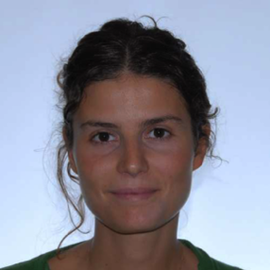
Dr. Kathleen Curtius is an Assistant Professor in the Department of Medicine at the University of California San Diego (UCSD), affiliated with the Division of Biomedical Informatics and the UCSD Moores Cancer Center. She leads the Quantitative Cancer Control laboratory, focusing on early cancer detection and prevention through mathematical modeling and multi-scale data analysis. Previously, she held a Medical Research Council Rutherford Fellowship at Barts Cancer Institute (London) and completed postdoctoral training in Prof. Trevor Graham's lab. Her research integrates applied mathematics, computational biology, and clinical oncology to address cancer evolution and screening strategies. Education: PhD in Applied Mathematics, University of Washington (2015) MS in Applied Mathematics, University of Washington (2011) BS in Mathematics, UCLA (2010) Research Interests: Mathematical oncology Cancer evolution modeling Epigenetic drift analysis Screening optimization Multiscale tumor dynamics Her work bridges disciplines to develop predictive tools for early cancer detection and personalized surveillance strategies. Publications: Recent work includes studies on metagenomic data bias (Nature Communications 2025), AI-driven cancer biomarker discovery (JCI Insight 2022), and computational models of Barrett's esophagus progression (Gut 2020). Her research emphasizes translational applications in clinical oncology and public health. Awards: Recognized with the 2024 Leah Edelstein-Keshet Prize, 2022 AGA Research Scholar Award, and 2018 MRC Rutherford Fellowship. Her work has been cited over 1,000 times across key oncology journals. Funding: Principal Investigator on NIH grants (R01CA270235, I01BX005958) supporting projects on Barrett's esophagus modeling and colitis-associated colorectal cancer surveillance optimization. Collaborates with clinicians, geneticists, and computational biologists to advance cancer control efforts. Labs/Teams: Leads the Quantitative Cancer Control Lab at UCSD, part of the Bioinformatics and Systems Biology division. Active in interdisciplinary initiatives like the Moores Cancer Center's Cancer Control Program.
Andres Soler is a Lecturer at NTNU's Department of Engineering Cybernetics within the Faculty of Information Technology and Electrical Engineering. His research focuses on EEG signal processing for applications in brain-computer interfaces (BCI), stress/health monitoring, and low-density electrode systems. He has published extensively on topics including EEG source imaging, artifact removal, and optimized channel selection techniques. His work bridges biomedical engineering and machine learning, with notable contributions to driver alcohol detection systems and motor imagery classification for neurorehabilitation. Teaching roles include serving as Guest Lecturer for Biomedical Instrumentation and Control (TTK4270) and Adaptive Data Analysis (TTK7), while acting as main lecturer for Industrial Electrotechnics (TTK4240). His research group collaborates internationally on projects like FlexEEG and has presented at conferences such as IEEE EMBC and Brain Informatics. Key research directions include advancing EEG-based systems for clinical and automotive applications, developing algorithms for real-time brain activity decoding, and optimizing EEG hardware configurations for cost-effective implementations. Current trends show focus on enhancing signal quality through artifact mitigation strategies and improving BCI communication systems for locked-in patients.
Anna Breger is a Senior Postdoctoral Researcher at the Department of Applied Mathematics and Theoretical Physics (DAMTP), University of Cambridge, and a Research Fellow leading the iDeal project at the Medical University of Vienna. She holds the prestigious Hertha Firnberg Fellowship from the Austrian Science Fund, focusing on image quality assessment and medical imaging applications. Her work bridges theoretical mathematics with practical challenges in healthcare and cultural heritage preservation. Research interests include mathematical image processing for medical diagnostics, data representation, and cultural heritage restoration. She has pioneered AI-driven methods for analyzing historical sheet music and medical imaging data, collaborating with institutions like the Fitzwilliam Museum and Cambridge University Library. Key Projects: iDeal (Medical Image Quality), C2D3-funded Cultural Heritage AI, AIX-COVNET collaboration for X-ray analysis. Awards: Hertha Firnberg Fellowship, City of Vienna Promotion Award, L’OREAL Fellowship. Grants: C2D3 Accelerate, Austrian Science Fund. Publications emphasize advancing IQA metrics for medical images and developing clustering algorithms (visClust). She also contributes to interdisciplinary initiatives like Her Math’s Story and the AI for Cultural Heritage Hub (ArCH).
Kolbjørn Kallesten Brønnick is a Professor and Dean at the Faculty of Social Sciences, University of Stavanger. His research spans neuroscience, healthcare technology, and digitalization impacts in academia. He has contributed to studies on EEG-based disease classification, digital stressors in academic environments, and telemedicine efficacy. His work emphasizes cross-disciplinary approaches, integrating clinical neuroscience with public health challenges. Key research interests include neurodegenerative disorders, olfactory dysfunction assessment, and healthcare practitioner resilience. His recent publications explore EEG biomarkers for Parkinson’s disease, validation of digital consultation tools, and pandemic-related communication strategies. Brønnick collaborates internationally on projects addressing neuropsychiatric symptoms in dementia and multisite EEG data harmonization. His work is published in high-impact journals like Clinical Neurophysiology and Frontiers in Psychology. Notable contributions include developing the Digital Stressors Scale and the PARPHAIT olfactory assessment tool. Brønnick’s academic leadership role underscores his commitment to advancing social science and health research methodologies.
Dr. Gunjan Y. Parikh serves as an Associate Professor in the Department of Neurology at the University of Maryland School of Medicine, where she also functions as the Medical Director of the UMMC Neuro Critical Care Unit. Her clinical practice focuses on the intersection of neurology and critical care medicine, with particular expertise in managing patients with acute neurological emergencies including traumatic brain injury, intracerebral hemorrhage, and subarachnoid hemorrhage. Dr. Parikh completed her undergraduate education with a BA in Biochemistry from The University of Texas at Austin, followed by her MD from Texas A&M College of Medicine. Her clinical training includes an Internal Medicine internship at St. Vincent's Hospital - Manhattan, Neurology residency at Barrow Neurological Institute at Saint Joseph's Hospital and Medical Center (where she also served as Chief Resident), and specialized fellowship training in Neurocritical Care/Vascular Neurology at Columbia University Medical Center/Weill Cornell Medical Center. She further enhanced her research skills through an NINDS Research Fellowship in Neuroimaging at the National Institutes of Health. Her research program centers on identifying biomarkers during the resuscitation phase of patients with acute brain injuries that determine lesion repair, restoration of function, and recovery of consciousness. This work has led to significant contributions in characterizing the MRI signature of primary microvascular injury after head trauma and other acute brain injuries through both in vivo and ex vivo investigations. Her lab integrates multimodality monitoring with advanced neuroimaging techniques to translate findings to clinical care and develop outcome measures for clinical trials targeting currently untreatable aspects of brain injury such as demyelination and neurodegeneration. Analysis of Dr. Parikh's recent publications reveals a strong focus on translational neuroscience with emphasis on neuroimaging techniques, biomarker discovery, and clinical applications for acute brain injury management. Her work spans from basic science investigations of microvascular injury to clinical studies on patient outcomes, with particular attention to traumatic brain injury, intracerebral hemorrhage, and subarachnoid hemorrhage. Recent publications demonstrate increasing integration of data science approaches for predicting neurological deterioration and developing automated clinical assessment tools. Fellow of the Neurocritical Care Society (2024) Member, American Academy of Neurology Member, Neurocritical Care Society Member, National Neurotrauma Society Dr. Parikh serves as Site Co-PI for the DISCOVERY study (Determinants of Incident Stroke Cognitive Outcomes and Vascular Effects on Recovery) under NINDS/NIA U19 NS115388, and as SubK site-PI for the REACH-ICH study (Race/Ethnicity, Hypertension and Prevention of VCID and Stroke after Intracerebral Hemorrhage) under NINDS/NIH 5R01NS093870-08. Her research has been featured in multiple media outlets including MD Edge Psychiatry, News Medical, and SciTech Daily, highlighting her contributions to understanding vascular injury in traumatic brain injury. As Medical Director of the UMMC Neuro Critical Care Unit, Dr. Parikh leads a multidisciplinary team focused on providing high-reliability, quality care with emphasis on patient experience. Her research group actively investigates cerebral hemodynamics, neuroimaging biomarkers, and clinical decision support tools for patients with acute neurological conditions, with particular attention to improving triage and interhospital transfer of neuroscience patients.
Laura Toni is an Associate Professor in the Department of Electronic & Electrical Engineering at University College London (UCL). She serves as Director of the MSc in Telecommunications and Internet Engineering and the MRes in Telecommunications. Additionally, she is a Turing Fellow at the Alan Turing Institute and a member of ELLIS (European Lab for Learning and Intelligent Systems). Her research focuses on coding, streaming technologies, machine learning for immersive communications, decision-making under uncertainty, and large-scale signal processing. She leads the LASP (Learning And Signal Processing) group at UCL. Education: MSc (2005) and PhD (2009) from the University of Bologna, followed by postdoctoral research at UC San Diego and EPFL under Professors L. Milstein, P. Cosman, and P. Frossard. Key roles include Technical Program Chair at ACM MM 2022, Keynote Co-Chair at ACM MMSys 2022, and leadership in organizing workshops on graph-based machine learning and emerging technologies in performing arts. She is a Senior IEEE Member and holds editorial roles in IEEE Multimedia Magazine and EURASIP Journal on Signal Processing. Her work bridges communication systems and machine learning, with contributions to adaptive streaming, network optimization, and graph signal processing. She actively promotes diversity and inclusion in technical conferences, including roles as Diversity Chair at MMSys 2021 and PIMRC 2020.
Dr ASM Kayes serves as Senior Lecturer in Cybersecurity and Cyber Curriculum Lead at La Trobe University's Department of Computer Science and Information Technology, where he shapes cybersecurity education programs including Master's, Bachelor's, and Double Degrees. His academic journey began with a PhD from Swinburne University of Technology in 2015, followed by postdoctoral research at La Trobe before joining as Lecturer in 2019 and promotion to Senior Lecturer in 2022. His research spans critical cybersecurity domains including data security, privacy preservation, context-aware access control, malware/ransomware defense, and IoT/fog/cloud security leveraging AI/ML techniques. Dr Kayes has established himself as a leading voice in blockchain security frameworks, privacy policy analysis, and cyber incident response through publications in top-tier venues like ACM Computing Surveys, IEEE Internet of Things Journal, and Computers & Security. His recent publications reveal a strong trajectory toward integrating AI with traditional security frameworks, particularly in blockchain risk assessment (2025), cross-domain access control (2025), and IoT behavior prediction (2024). The research demonstrates consistent focus on practical security solutions addressing ransomware mitigation, privacy breaches, and emerging threats in decentralized systems. Over $880,000 secured as Chief Investigator for cybersecurity projects Australian Government Department of Social Services grant (2023-2026) for cyberbullying prevention AustCyber research funds with industry partners (2020-2023) SmartSat CRC and ASCRIN PhD scholarship grants (2021) Dr Kayes has successfully supervised 5 PhD candidates to completion and currently mentors 5 doctoral students across diverse topics including AI-driven threat hunting, satellite network security, and blockchain risk frameworks. His collaborative network spans UK, USA, Europe, and Asia, with active industry partnerships through Westpac, BHP, and Quantum Victoria. He serves on editorial boards for leading cybersecurity journals and has examined HDR dissertations globally, reflecting his significant standing in the academic community.
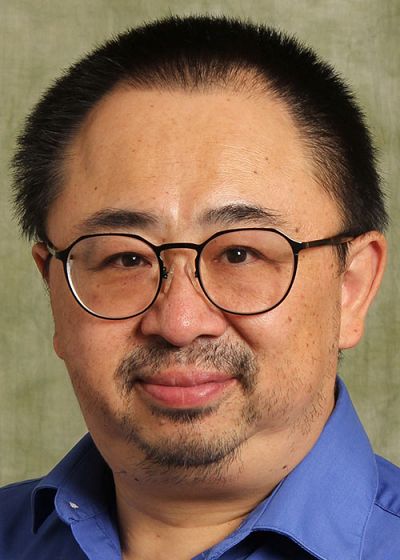
Yu Chen is a Professor in the Department of Electrical and Computer Engineering at Binghamton University, State University of New York. He leads the Ubiquitous Smart & Sustainable Computing (US2C) Lab and serves as Director of the Center for Information Assurance and Cybersecurity (CIAC). His research focuses on Trust, Security, and Privacy in Edge-Fog-Cloud Computing, IoT, and Smart Cities. Dr. Chen holds a PhD from the University of Southern California (2006), with prior research under Professors Kai Hwang and Anthony F. J. Levi. His work has been funded by NSF, DoD, AFOSR, and industrial partners, yielding over 200 publications. He is a Senior Member of IEEE and SPIE, and a member of ACM. Education: PhD in Electrical Engineering, University of Southern California (2006) Affiliations: Director, US2C Lab Associate Director, CIAC Research Interests: Smart Cities, Intelligent Surveillance, Edge-Fog-Cloud Computing, IoT Security, and Privacy-Preserving Technologies. His work emphasizes real-time systems, resilient edge architectures, and decentralized consensus protocols for IoT. Grants & Awards: Funded by NSF, DoD, AFOSR, NYS MDPI Computers 2019 Best Paper Award Best Student Poster Award (IEEE AIPR 2014) Students & Labs: Advised 19 students (PhD/Master’s). Key projects include secure edge video processing, ENF-based authentication, and blockchain for IoT. The US2C Lab explores smart city applications and edge computing resilience.
Patrick Thng is a Principal Lecturer of Information Systems at Singapore Management University's School of Computing and Information Systems. As Director of the MITB (Financial Technology & Analytics) Programme, he teaches graduate courses in Digital Banking, FinTech, Global Sourcing, and Digital Transformation. His research spans Information Systems Management, FinTech applications, and global technology sourcing practices. Recent publications focus on financial technology innovation, outsourcing lifecycle management, and AI applications in healthcare. His work bridges academic research with industry practices in banking and technology sectors.
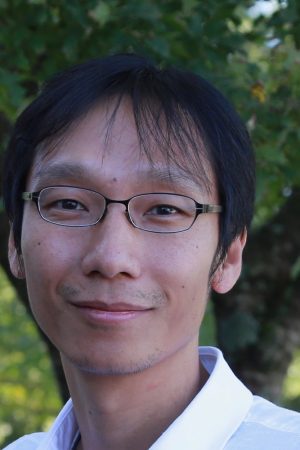
Minwoo Jake Lee is an Assistant Professor in the Department of Computer Science at the University of North Carolina at Charlotte (UNC Charlotte), affiliated with the College of Computing and Informatics (CCI). His faculty role is active until June 30, 2027. He leads the Video and Image Analysis Lab and maintains research and personal websites. Dr. Lee holds a Ph.D. from Colorado State University. Education: Ph.D. in Computer Science, Colorado State University Research Interests: Dr. Lee focuses on foundational machine learning, particularly reinforcement learning. His work explores robotics, adaptive systems, and human-AI interactions, supported by grants from the NSF and NIH. Key areas include knowledge representation, evidence-based reasoning, sparse learning, and meta learning. Lab & Collaborations: His Video and Image Analysis Lab investigates cutting-edge problems in machine learning and its applications, emphasizing interdisciplinary approaches.
Dr. Chris Chesher is a Senior Lecturer in Digital Cultures within the Discipline of Media and Communications at the University of Sydney's Faculty of Arts and Social Sciences. He co-founded both the Digital Cultures program and the Master of Digital Communication and Culture at the University. Previously, he served as a senior lecturer in the School of Media and Communications at the University of New South Wales. His academic career spans interdisciplinary research at the intersection of digital media, cultural studies, and technology. Dr. Chesher's educational background includes: PhD from Macquarie University Master of Arts (Interdisciplinary Studies) from the University of New South Wales Bachelor of Arts (Media and Communications) from Mitchell CAE (now Charles Sturt University) Dr. Chesher's research adopts a transdisciplinary approach connecting digital cultures, media studies, and cultural studies with philosophy of technology, science and technology studies, games studies, internet studies, sociology of technology, human-computer interaction, social robotics, cultural robotics, and digital humanities. His work challenges conventional understandings of human-machine relations and explores the cultural implications of emerging technologies through projects on robotics beyond anthropomorphism, invocational media theory, and smart urban environments. His recent publications reveal a strong thematic focus on robotics, AI, and digital media theory, with particular attention to non-anthropomorphic approaches to social robotics, invocational media theory, and smart urban environments. The publications demonstrate his consistent engagement with how digital technologies reshape human experience, social relations, and spatial understanding across multiple domains including banking, restaurants, street furniture, and home environments, reflecting both theoretical depth and practical relevance. Dr. Chesher has received recognition for his teaching excellence: 2023 - University of Sydney Faculty of Arts and Social Sciences Teaching Innovation Award As an academic supervisor, Dr. Chesher has guided multiple PhD candidates to completion across diverse topics including digital gambling, game items in digital environments, user regulation on Facebook, and climate change visualizations. His grant history demonstrates sustained research funding, including the Australia-Korea Partnership on Mobile Robot Development in Public Space (2019), Public Forum on Urban Robots and the Future City (2018), and Everyday Social Media Network (2014), highlighting his leadership in collaborative, interdisciplinary research initiatives. Dr. Chesher is actively involved in collaborative research through the Sydney Institute for Robotics and Intelligent Systems (SIRIS) at the University of Sydney, where he contributes to projects examining the cultural dimensions of robotics and AI beyond anthropomorphic frameworks, bridging technical innovation with critical cultural analysis.
Aleksandar Jevremović is a Full Professor at the Faculty of Informatics and Computing, Singidunum University (Belgrade, Serbia), and holds multiple academic and professional roles. He is the Serbian representative at the UNESCO IFIP Technical Committee on Human-Computer Interaction since 2018. He has served as Vice-Dean of his faculty (2015–2018) and held visiting professorships at institutions like Ss. Cyril and Methodius University (North Macedonia) and Tallinn University (Estonia). His research focuses on cybersecurity, IoT, AI, and e-learning innovation. Education and Affiliations: External Researcher at the Mathematical Institute of the Serbian Academy of Sciences and Arts Visiting Scholar at Cyprus Interaction Lab (Cyprus University of Technology) Alumni/Postdoc Researcher at Tallinn University's HCI Group Member of IEEE and the Informatics Association of Serbia Research Interests: Jevremović’s work spans cybersecurity (e.g., intrusion detection, secure IoT protocols), human-computer interaction (HCI), AI-driven education tools, and neurotechnological applications like EEG-based assessment systems. He emphasizes practical solutions for digital safety, such as children’s online protection and cryptographic key generation from biometric data. Grants and Projects: Member of the External Advisory Committee for the EU-funded ONTOCHAIN project (2022–2023) Mentor for training schools like AAPELE Training School and NET4Age-Friendly initiatives Trainer in IoT, cybersecurity, and health promotion programs across Europe Labs and Teams: He collaborates with interdisciplinary teams on projects like CASPER (Children Agents for Secure and Privacy Enhanced Reaction) and led the development of WIDE, a collaborative web development education platform.
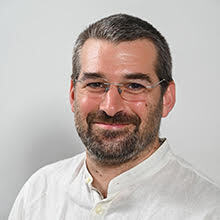
Sebastiano Vascon is an Associate Professor at Ca' Foscari University of Venice's Department of Environmental Sciences, Computer Science and Statistics (DAIS), and affiliated with the European Center for Living Technology. He earned his PhD in 2016 from the Italian Institute of Technology and University of Genoa, focusing on evolutionary game theory in pattern analysis and computer vision. His postdoctoral work spanned institutions like the Technical University of Munich and ETH Zurich, where he specialized in Active Learning and multi-object tracking. His research merges AI with interdisciplinary challenges, including climate change, environmental science, and cultural heritage preservation. Key areas include graph neural networks, computer vision, and game-theoretic models. He leads projects like RePAIR (AI for cultural heritage reassembly) and EasyWalk (AI-driven mobility solutions), and contributes to initiatives like MEMEX (digital storytelling). Teaching spans courses in Deep Learning, Machine Learning for Environmental Applications, and AI in Cultural Management. Research projects include: RePAIR: AI-driven 3D puzzle solving for artifact reconstruction EasyWalk: Socially-aware navigation systems MEMEX: AI for inclusive digital storytelling Climate modeling with IceBoost framework Publications highlight innovations in trajectory forecasting, environmental risk assessment, and graph-based methods. He actively reviews for top conferences (CVPR, ECCV) and journals.
Andrew R. Jamieson is an Assistant Professor in the Lyda Hill Department of Bioinformatics at UT Southwestern Medical Center, where he leads a research team focused on developing advanced AI systems for medical education and clinical performance assessment. He was appointed in 2019 and serves as Principal Investigator of the Jamieson Group. Institution: UT Southwestern Medical Center School: School of Health Professions Department: Lyda Hill Department of Bioinformatics Academic Rank: Assistant Professor Dr. Jamieson earned his B.A. in Physics with honors (2006) and Ph.D. in Medical Physics (2012) from the University of Chicago. His early work in computer-aided diagnosis laid the foundation for his career in AI and machine learning. Education: University of Chicago (B.A., Ph.D.) Prior Experience: GE Healthcare, Big Data Analytics Startup (First Data Scientist) Dr. Jamieson's research lies at the intersection of artificial intelligence, medical education, and bioinformatics. His team leverages multimodal data—including video, audio, and text—from the UTSW Simulation Center to train frontier AI models for automated assessment of medical student performance. His work in computational image analysis spans label-free live-cell imaging, spatial biology, and highly multiplexed immunofluorescence, with applications in cancer biology and diagnostics. He has also made significant contributions to public health through the development of the UTSW COVID-19 forecast model. The most recent publications reflect a strong trend toward AI-driven medical education tools, particularly using large language models and multimodal AI for OSCE assessment. Earlier works focus on deep learning in medical imaging, dimensionality reduction, and computer-aided diagnosis in mammography. The research consistently emphasizes interpretability, automation, and clinical translation. Scientific recognition includes being featured on the cover of Cell Systems (July 2021) for work on melanoma cell analysis. His team's development of the first automatic AI grading system for medical student OSCE notes in 2023 marks a major innovation in educational assessment. Featured on cover of Cell Systems (2021) Developed UTSW COVID-19 forecast model Pioneered AI grading system for OSCE notes (2023) Dr. Jamieson is actively involved in mentoring and graduate education. He serves as Course Director for the Master’s in Health Informatics program and contributes to nanocourses at the Clinical Informatics Center. His team includes multiple advisees and collaborators working on NLP, LLMs, and AI/ML in healthcare. He is expanding his group and seeking researchers in AI, data science, and software development. His leadership in the Bioinformatics Core Facility (2018–2021) and ongoing collaborations with pathologists and radiation oncologists demonstrate strong interdisciplinary grant and project engagement. Course Director: Master’s in Health Informatics Mentor to multiple graduate students and researchers Collaborations: Pathology, Radiation Oncology, Surgery, Clinical Informatics The Jamieson Group is a dynamic, interdisciplinary research team at the forefront of applying cutting-edge AI to medical education and clinical data analysis. The lab focuses on natural language processing, multimodal learning, and computer vision, with strong ties to the UTSW Simulation Center and Clinical Informatics Center. The team develops custom pipelines for spatial biology and imaging data and is actively expanding to meet growing research demands.