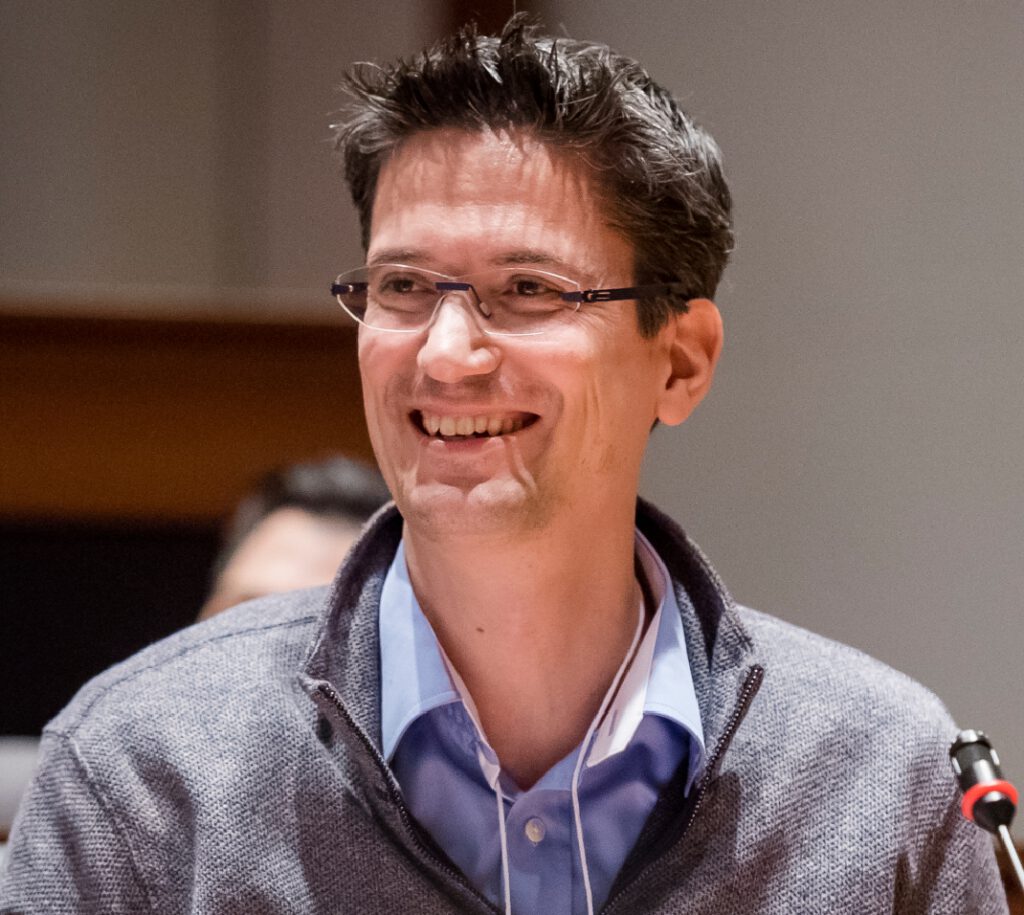
Simon Birrer is an Assistant Professor in Physics and Astronomy at Stony Brook University, specializing in cosmology and gravitational lensing. He holds a PhD from ETH Zurich (2016) and previously served as Kavli Fellow at Stanford University. Birrer leads research probing dark matter and dark energy using gravitational lensing phenomena. His group develops computational tools for analyzing strong gravitational lensing data to study cosmic expansion and dark matter distribution. Research areas include time-delay cosmography, Hubble constant measurements, and machine learning applications in astrophysics. Recent publications focus on multi-messenger gravitational lensing (2025), LSST survey applications (2025), and AI-powered lens modeling pipelines (2025). His work consistently addresses fundamental cosmological tensions like the Hubble constant discrepancy. Awards: Kavli Postdoctoral Fellowship (2019-2022) Kugelpyramide Lifetime Achievement Award Experimental Innovation Award (ETH Zurich) Research Group: Leads the SBU Strong Lensing group with 9+ graduate students and postdocs. The group participates in major collaborations including LSST Strong Lensing Science Collaboration (co-chair), LSST Dark Energy Science Collaboration, and TDCOSMO.
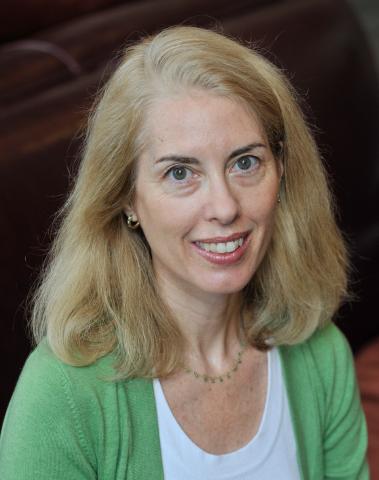
Jinyan Li serves as Professor of Tax Law at Osgoode Hall Law School, York University, where she previously held the position of Interim Dean and currently co-directs the LLM Tax program while serving as academic director of the Professional Graduate Studies Program. Her educational qualifications include: BA from UIBE (China) LLB from University of Toronto LLM from Queen's University DJur from Osgoode Hall Law School She is an active member of the Bar of Ontario. Professor Li's research spans tax law and policy with specialized expertise in international taxation frameworks, social income support systems, Chinese tax evolution, and e-commerce taxation challenges. Her scholarly work has significantly shaped legal discourse, with multiple citations by Canadian judicial authorities including the Supreme Court of Canada in landmark cases such as Deans Knight Income Corp. and Alta Energy . Her publication history demonstrates consistent focus on comparative tax systems and policy development, particularly examining Chinese tax structures and global digital economy implications. This trajectory reflects deepening engagement with international tax coordination mechanisms and equity considerations in fiscal policy. Her distinguished recognition includes: Tax Excellence Award (2021) from the Ontario Bar Association Lifetime Contribution Award (2017) from the Canadian Tax Foundation Academic Excellence Award (2007) from the Canadian Association of Law Teachers D.J. Sherbaniuk Distinguished Writing Award (1999) York University Research Leader (2017) Teaching Awards (2004, 2014) Professor Li actively supervises LLM and PhD candidates specializing in tax law and social income support policy, maintaining close mentorship with students including Lawrence, Sonia McCamus, and John D. Her externally funded research has received substantial support from governmental bodies including the Department of Finance and National Revenue, alongside international institutions such as the IMF, OECD, and Asian Development Bank where she served as consultant. She leads research initiatives through the LLM Tax program and organizes high-impact academic events, recently co-hosting the 2022 Pillar Two symposium and Women with Disabilities: Income Security and Tax Policy conference, demonstrating ongoing commitment to contemporary tax challenges and inclusive policy development.
Massachusetts Institute of TechnologyUnited States
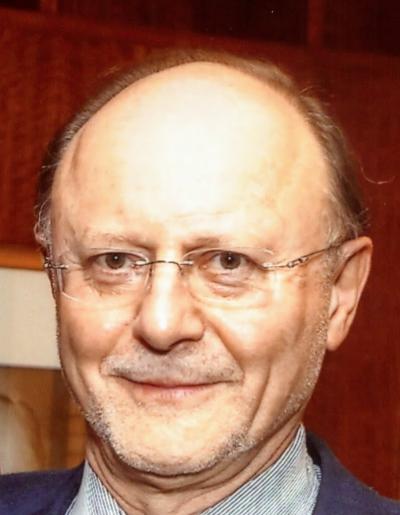
Ricardo Caballero is the Ford International Professor of Economics at the Massachusetts Institute of Technology's School of Humanities, Arts, and Social Sciences, where he previously served as Chairman of the Economics Department from 2008 to 2011. A leading scholar in macroeconomics and financial economics, his research focuses on safe assets, monetary policy, financial crises, and international economics. His research interests center on the macroeconomic implications of financial frictions, with particular emphasis on safe asset shortages, risk premium dynamics, and monetary policy transmission mechanisms. Caballero's work has pioneered the risk-centric approach to macroeconomics, explaining phenomena such as the Wall Street/Main Street disconnect, global imbalances, and the collapse of interest rates through the lens of safe asset scarcity and risk intolerance. His research bridges theoretical modeling with empirical analysis of financial crises and policy interventions. Caballero's recent publications demonstrate a consistent focus on financial conditions indexing, monetary policy frameworks, and the interaction between financial markets and the real economy. His work increasingly examines how central banks can target financial conditions directly and how risk premia evolve during crises, with applications to pandemic-era economic policy and zero lower bound environments. 2002 Frisch Medal of the Econometric Society Smith Breeden Prize by the American Finance Association Journal of Finance 2014 Brattle Group Prize 2022 Banque de France-TSE Senior Prize in Monetary Economics and Finance Elected Fellow of the Econometric Society (1998) Elected Fellow of the American Academy of Arts and Sciences (2010) As an NBER Research Associate and frequent policy advisor, Caballero has influenced central bank thinking globally through his work on financial stability, monetary policy frameworks, and global imbalances. His research has informed policy discussions at the Federal Reserve, IMF, and multiple central banks regarding crisis management, safe asset creation, and the appropriate monetary response to financial shocks. Caballero maintains active collaborations with major financial institutions and central banks worldwide, translating theoretical insights into practical policy frameworks.
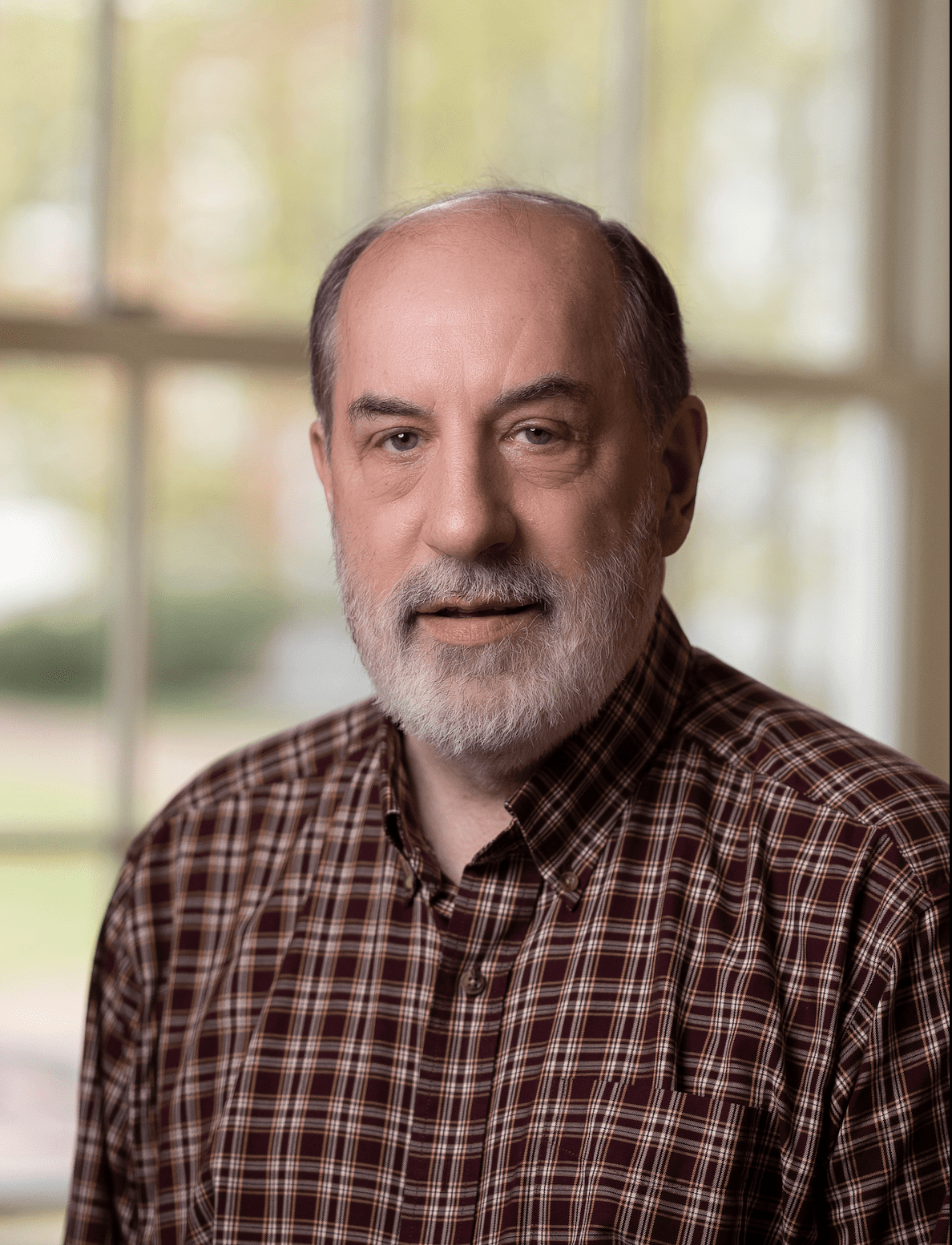
Nina Pavcnik is the Interim Dean of Arts and Sciences and the Niehaus Family Professor in International Studies at Dartmouth College, where she has served as a Professor of Economics since 2009. She holds a B.A. from Yale University and a Ph.D. in Economics from Princeton University. Her research focuses on the intersection of international trade, development, and industrial organization, examining how globalization impacts workers, households, and firms in developing economies. Education: B.A. in Economics, Yale University (1994); Ph.D. in Economics, Princeton University (1999). Her research interests include international trade policy, trade and development, child labor, and the structural transformation of economies. Pavcnik’s work analyzes the effects of trade liberalization on inequality, labor markets, and firm dynamics in low-income countries. She has contributed to understanding how globalization reshapes economic landscapes and influences poverty reduction strategies. Her awards include the Phi Beta Kappa Visiting Scholar (2022–2023), the Best Coeditor Prize from the Journal of International Economics (2018 and 2019), and the Dean of Faculty Award for Outstanding Mentoring and Advising at Dartmouth (2017). She has also held editorial roles at leading journals like the Journal of Economic Perspectives and the World Bank Economic Review. Pavcnik has advised numerous students and mentees, including undergraduates and junior researchers in economics. Her grants and fellowships include funding from the Social Sciences and Humanities Research Council, the Economic Research Institute for ASEAN and East Asia, and the World Bank. She actively contributes to policy discussions on trade, development, and globalization through her advisory roles at institutions like the IMF and the Inter-American Development Bank. Her research has been disseminated through prestigious journals and books, with a focus on topics such as informal employment, firm dynamics, and the distributional effects of trade policies. Pavcnik’s work emphasizes the need for evidence-based policies to address the challenges and opportunities posed by globalization.
University of California , Santa Barbara (UCSB)United States
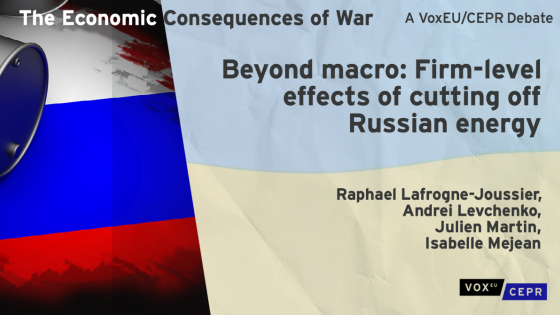
Isabelle Mejean serves as Professor in the Department of Economics at Sciences Po, specializing in international macroeconomics and international trade. Her prior academic appointments include Ecole Polytechnique, CEPII (Centre d'Etudes Prospectives et d'Informations Internationales), and the IMF Research Department. Education: PhD in Economics, University of Paris 1-Panthéon-Sorbonne (2006) Mejean's research explores micro-foundations of global trade systems, emphasizing firm-level adaptations to geopolitical shifts, environmental regulations, and supply chain disruptions. Her work bridges macroeconomic phenomena with granular trade data, investigating how carbon taxes reshape supply networks, how trade fragmentation affects economic security, and how labor market structures influence volatility resilience. This approach reveals critical mechanisms behind inflation transmission and policy spillovers across borders. Analysis of her 2022-2025 publications shows consistent focus on empirical trade dynamics using French manufacturing datasets and global firm networks. Key trends include quantifying carbon leakage through supply chains, mapping shock propagation in firm-to-firm trade, and evaluating de-risking strategies amid geopolitical tensions. Her research directly informs contemporary debates on climate-trade policy coherence and energy security. Scientific Awards: No awards documented in source material. Advising and Grants: Doctoral supervision activities and research funding sources remain unspecified in available records. Labs and Teams: Affiliation with specific research collectives or laboratories is not referenced in current institutional profiles.
Axel Dreher is Professor of International and Development Politics at Heidelberg University’s Alfred-Weber-Institute for Economics. He is a leading scholar in political economy and development economics, with extensive affiliations including the German National Academy of Sciences Leopoldina, CEPR, CESifo, KOF, AidData, and EUDN. He serves as Editor of the Review of International Organizations and Co-Director of the Center for European Studies (CefES) at the University of Milan-Bicocca. Ruprecht-Karls-University Heidelberg (2011–Present) Georg-August University Göttingen (2008–2011) ETH Zurich (2005–2008) University of Konstanz (2004–2005) University of Exeter (2003–2004) University of Mannheim (2000–2003) His research centers on political economy , economic development , foreign aid , and globalization . He investigates how political institutions, leadership incentives, and geopolitical interests shape development outcomes and international financial flows. His work often employs empirical and geospatial methods to analyze aid allocation, corruption, migration, and the rise of emerging donors like China. The 15 most recent publications reflect a strong focus on China’s overseas development finance , regional favoritism , and the political determinants of aid . Keywords span political economy, development economics, and international relations, with subfields including Chinese foreign aid, geospatial analysis, governance, institutional quality, and South-South cooperation. His recent book Banking on Beijing and award-winning paper Wedded to Prosperity exemplify his cutting-edge contributions to understanding the political economy of development. Scientific awards include: 2023 Best Paper Award, Political Economy of Aid Society (PEAS) 2023 Best New Dataset Award, International Political Economy Society International Geneva (IG) Award 2020 Excellence in Refereeing Award, World Bank Economic Review (2019) 2010 KfW Excellence Award for policy-relevant research Multiple DFG and Swiss research grants Dreher has advised over 30 PhD students on topics ranging from aid effectiveness to political violence and migration. He has received major research grants from the German Research Foundation (DFG), Swiss Network for International Studies (SNIS), European Commission, and VolkswagenStiftung. His leadership roles include organizing the annual Political Economy of International Organizations conference series and serving on editorial boards of top journals such as World Development and Defence and Peace Economics . He is actively involved in academic labs and research networks including the Courant Research Center on Poverty and Equity at Göttingen, AidData at William & Mary, and the Center for European Studies (CefES). His current work continues to explore the intersection of politics, development, and globalization, particularly through georeferenced data and natural experiments.
Kathryn M. Dominguez is a Professor of Public Policy and Economics at the University of Michigan's Gerald R. Ford School of Public Policy, where she also serves as Associate Dean for Academic Affairs. She maintains a dual affiliation with the Department of Economics as director of the honors program. Her educational background includes: PhD in Economics from Yale University (1987) AB from Vassar College (1982) Dominguez's research focuses on international financial markets and macroeconomics, with particular expertise in foreign exchange rate behavior. Her work examines global financial systems, exchange rate interventions, and monetary policy across borders. She has authored influential works including 'Exchange Rate Efficiency and the Behavior of International Asset Markets' and 'Does Foreign Exchange Intervention Work?' (co-authored with Jeff Frankel). Her recent publications reveal a strong emphasis on understanding financial crises, particularly the Great Recession and pandemic-era challenges, with attention to policy responses and international ramifications. Her research demonstrates consistent engagement with central banking policies, exchange rate dynamics, and international financial stability. Professional affiliations: Research Associate, National Bureau of Economic Research Member, Panel of Economic Advisers at the Congressional Budget Office Member, Advisory Scientific Committee of the European Systemic Risk Board Dominguez has advised major institutions including USAID, the Federal Reserve, IMF, World Bank, and Bank for International Settlements. She previously taught at the Kennedy School, Woodrow Wilson School, London School of Economics, and UC Berkeley's Goldman School. At Michigan, she teaches macroeconomics, finance, and international economics courses including Global Financial Markets, Crises, and Policy, and Macroeconomics.
Andrei A. Levchenko is the John W. Sweetland Professor of International Economics at the University of Michigan's Department of Economics. He holds affiliations with prominent institutions including NBER, CEPR, and CEBRA, where he directs the International Trade and Macroeconomics Program. His research focuses on international trade, global production networks, business cycle transmission, and the macroeconomic implications of institutional changes. Levchenko's work bridges micro and macroeconomics, analyzing firm-level data to understand aggregate phenomena. Key contributions include studies on global supply chains' role in economic fluctuations, the impact of industrial policy on long-term growth, and the distributional consequences of large devaluations. He has been recognized with the Bhagwati Award and featured in the Economic Report of the President multiple times. His research spans topics such as trade elasticities, inflation dynamics, and the intergenerational trade-offs of pandemic lockdowns. Levchenko collaborates with leading economists globally, producing influential papers in top journals like the American Economic Review and Review of Economic Studies. His Google Scholar profile highlights over 10,000 citations, underscoring his significant impact on modern international economics. Education: Not explicitly listed in the provided materials. Affiliations: NBER Research Associate, CEPR Research Fellow, CEBRA Director of ITM Program. Grants & Awards: Bhagwati Award (2021/2022), multiple NBER/CEPR working papers, and contributions to policy dialogues via IMF and World Bank collaborations.
Chuck Fang is an Assistant Professor of Finance at Drexel University's LeBow College of Business. He holds a PhD in Finance from UPenn Wharton (2023) and BAs in Economics, Mathematics, and Statistics from UC Berkeley (2015). His research is centered on credit markets, monetary policy, financial innovations, and financial data infrastructure. PhD in Finance, UPenn Wharton, 2023 BAs in Economics, Mathematics, and Statistics, UC Berkeley, 2015 His research interests span credit markets , monetary policy transmission , financial innovations (including DeFi and automated market makers), and financial data linkage (e.g., Bond-Compustat-CRSP and DealScan-Compustat links). His work explores how monetary policy affects bond fund flows, debt structure changes, and sovereign restructuring. He emphasizes data quality and transparency, contributing open-source tools for empirical finance. The most recent articles reveal a strong focus on monetary policy amplification , debt market structure , and data infrastructure for empirical research. Keywords across publications include finance, monetary policy, asset pricing, fintech, and data linkage. Subfields consistently involve bond fund flows, syndicated loans, sovereign debt restructuring, DeFi mechanisms, and financial data validation. His research bridges macroeconomic policy with micro-level financial data, often using large-scale institutional holdings and transaction data. Scientific awards include: WFA Brattle Group PhD Candidate Award for Outstanding Research Chuck Fang has advised no students listed in the materials. He has secured research recognition through conference presentations and working paper awards. His work is supported by access to major financial databases and collaboration with leading scholars such as Kairong Xiao and Greg Nini. He actively disseminates findings through SSRN, Google Scholar, and academic conferences. He leads or contributes to several data infrastructure projects, including the Bond-Compustat-CRSP Link and DealScan-Compustat Link. These tools enhance empirical research in corporate finance and asset pricing by improving issuer identification and data accuracy. He also maintains a personal website and is active on professional platforms like LinkedIn and Twitter, promoting open science and financial research transparency.
Joshua Aizenman is the Robert R. and Katheryn A. Dockson Chair in Economics and International Relations, and Professor of Economics and International Relations at the University of Southern California (USC), Dornsife College of Letters, Arts and Sciences. He joined USC in 2013 and holds a Research Associate position at the National Bureau of Economic Research (NBER). His research focuses on applying cost-benefit analysis to international economics, examining policies, institutions, and their impacts on economic performance, particularly in emerging markets. Key areas include commercial policies, crises management, capital controls, exchange rate regimes, and macroeconomic resilience. Previously, he held positions at UC Santa Cruz (Presidential Chair in Economics), Dartmouth (Champion Professor of International Economics), Hebrew University of Jerusalem, University of Chicago GSB, and University of Pennsylvania. He has served as Co-Editor for the Journal of International Money and Finance (2010–2021) and consults with institutions like the IMF, World Bank, and Federal Reserve Bank of San Francisco. His research highlights include analyzing the Mundell-Fleming Trilemma/Quadrilemma, fiscal-monetary policy interactions during crises, and the role of international reserves. Notable awards include the USC Endowed Chair since 2013. Recent work addresses post-pandemic economic challenges, central bank policies during crises, and resilience of emerging markets under global monetary cycles.
Laurence M. Ball is a Professor of Economics at Johns Hopkins University's Krieger School of Arts & Sciences, Department of Economics. He holds affiliations as a Research Associate at the National Bureau of Economic Research (NBER) and a consultant for the International Monetary Fund (IMF). He has held visiting roles at central banks including the Federal Reserve, European Central Bank, Bank of Japan, Bank of England, and Reserve Bank of New Zealand. Education: PhD in Economics from MIT. Research Interests: Focuses on macroeconomic topics such as unemployment mechanisms, inflation dynamics, fiscal and monetary policy frameworks, and financial regulation. His 2018 book The Fed and Lehman Brothers: Setting the Record Straight on a Financial Disaster (Cambridge University Press) critically examines central bank responses to financial crises. Professional Activities: Engages in policy-related research and has advised multiple institutions on economic stabilization strategies. His work bridges academic theory with practical applications in central banking and regulatory policy.
Massachusetts Institute of TechnologyUnited States
Kristin J. Forbes is the Jerome and Dorothy Lemelson Professor of Management and Global Economics at MIT’s Sloan School of Management. She holds a PhD from MIT and graduated summa cum laude from Williams College. Her research focuses on international macroeconomics, monetary policy, and financial stability. She has served in senior policy roles, including External Member of the Bank of England’s Monetary Policy Committee (2014–2017) and Member of the White House Council of Economic Advisers (2003–2005). Academic Affiliations: NBER Business Cycle Dating Committee, CEPR Research Associate, US Monetary Policy Forum, Council on Foreign Relations Policy Roles: Advisory positions at Bank for International Settlements, IMF, and Massachusetts State Governor’s Council of Economic Advisers (2009–2014) Honors: Honorary Commander of the Order of the British Empire (2019), MIT Bicentennial Medal (2015), 2021 Digital Teaching Award Her research examines monetary policy frameworks, rate cycles, macroprudential regulation, and exchange rate dynamics. Notable contributions include analyses of post-pandemic inflation drivers and global quantitative tightening strategies. She regularly advises central banks and international organizations on policy design and implementation.
Francesco Giavazzi is a Professor in the Department of Economics, Politics and Decision Sciences at Bocconi University, specializing in macroeconomics and political economy with active research output through 2024. His research centers on fiscal policy mechanisms, austerity impacts, and political-economic interactions. Key investigations include how government spending cuts versus tax increases affect economies differently, the role of timing in fiscal adjustments, and empirical analyses of terrorist attacks' influence on voting behavior using Twitter data. His work bridges theoretical economic models with real-world political phenomena. Recent publications demonstrate consistent focus on European fiscal policy challenges, with significant contributions through high-impact journals and books. His collaborative work with Carlo Favero and the late Alberto Alesina forms a distinctive research lineage examining austerity effectiveness across different economic contexts and institutional settings.
Jeffrey Frankel is the James W. Harpel Professor of Capital Formation and Growth at Harvard University's Kennedy School and a Research Associate at the National Bureau of Economic Research (NBER). He previously served as a Professor of Economics at the University of California at Berkeley and as a Member of the US President's Council of Economic Advisers during the Clinton Administration (1996-99), where his responsibilities included international economics, macroeconomics, and the environment. Dr. Frankel was born in San Francisco and earned his undergraduate degree from Swarthmore College before completing his PhD in economics at MIT. He has held visiting appointments at prestigious institutions including the Federal Reserve, International Monetary Fund (IMF), and Peterson Institute for International Economics. He also co-directs the NBER International Seminar on Macroeconomics (ISoM) and Harvard Project on Emerging Financial Markets (PEIF) conferences annually. Professor Frankel's research spans multiple critical areas of international economics. His work focuses on commodities, financial crises, currency dynamics, fiscal and monetary policy, regional economic blocs, and international environmental issues. He has been ranked among the 40 most-cited economists globally, reflecting the significant impact of his scholarly contributions. His recent publications reveal a growing emphasis on the intersection of politics and economic policy, particularly regarding US trade policy, presidential influence on monetary policy, and the international role of major currencies. His commentary appears regularly in major international publications including Project Syndicate, where he writes a syndicated monthly column. He also maintains an active blog at jeffrey-frankel.com, where he discusses current economic issues. In 2025, he transitioned from Twitter/X to Bluesky, continuing to share his economic analysis with a global audience. Ranked among the 40 most-cited economists Regular columnist for Project Syndicate Co-director of NBER ISoM and Harvard PEIF conferences Expert on international monetary systems and currency dynamics As an educator and mentor, Professor Frankel has influenced generations of economists and policymakers through his teaching at Harvard Kennedy School. His expertise in international economics has made him a sought-after commentator on global economic developments, particularly regarding currency markets, trade policy, and macroeconomic management. He continues to actively engage with current economic challenges, including analyzing the economic implications of political developments and policy proposals.
Dr. Kevin P. Gallagher is a Professor of Global Development Policy at Boston University (BU) and Director of the Global Development Policy Center (GDP Center). He focuses on economic development, trade/investment policy, international environmental policy, and Latin America. His research emphasizes global financial governance, climate resilience, and equitable development. Education includes a BA from Northeastern University, and MA and PhD from Tufts University. He has held visiting/adjunct roles at institutions like Johns Hopkins SAIS, Fletcher School, and Tsinghua University. Research interests center on reforming Bretton Woods institutions, China’s global development finance, and climate policy integration into IMF frameworks. He co-authored influential books such as The Case for a New Bretton Woods and The China Triangle . Recent work addresses debt sustainability in developing countries, climate transition risks, and innovative financing mechanisms like Sustainable Future Bonds. He advises global bodies like the UN Committee for Development Policy and chairs task forces on green transitions and China competition. Key contributions include advocating for IMF surcharge reforms, evaluating climate risks in energy projects, and analyzing China’s overseas development finance impacts on biodiversity and socio-ecological systems.