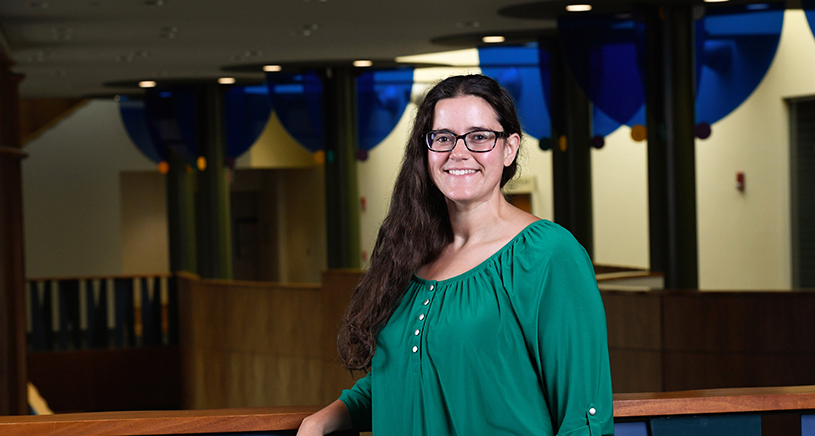
Ashli Owen-Smith is a behavioral scientist affiliated with the School of Public Health at Georgia State University , where her research focuses on mental health disparities, suicide prevention, and integrative/complementary approaches for complex mental-physical health conditions. She works with underserved populations including refugees/immigrants, incarcerated individuals, and LGBTQ+ communities through community-based participatory research and mixed-methods frameworks. Her current projects are funded by CDC , DBHDD , and DPH . Education: Ph.D. in Behavioral Sciences (Emory, 2009), S.M. in Public Health (Harvard, 2005), B.A. in Psychology (Smith College, 2001) Her research spans mental health , trauma , suicide prevention , and mindfulness-based interventions . Recent work examines telehealth adaptations for chronic pain and mental health, vaccine hesitancy in refugee communities, and social determinants of suicide . She leads studies on gender-affirming care and health disparities in LGBTQ+ populations. Key article trends include epidemiological analysis of suicide risk factors, COVID-19 impacts on mental health, ICD-10 coding for autism, and complementary medicine in trauma recovery. Subfields span telehealth , health equity , mental-physical comorbidity , and community engagement . Students she has mentored include C.A. Scarlett , T. Griner , and M.M. Sesay . Her work integrates public health policy , clinical research , and health systems analysis .
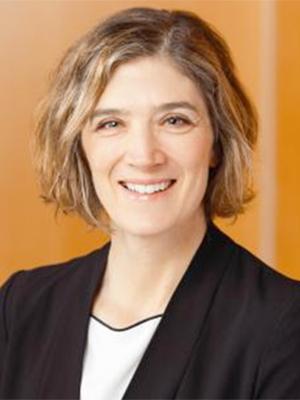
Denise Esserman is a Professor of Biostatistics at the Yale School of Public Health, where she joined the faculty in 2014. She is a member of the Yale Center for Analytical Sciences and collaborates with multiple departments at the Yale School of Medicine, including the Clinical and Translational Science Award Program, Patient-Centered Outcomes Research Institute, and the Cancer Center. Her research focuses on methodological aspects of clustered randomized trials and sample size calculations. Education: PhD in Biostatistics from Columbia University (2006) MS in Statistics from University of Georgia (2001) Dr. Esserman's research interests span several critical areas in biostatistics and public health methodology. She specializes in clustered randomized trials, with particular expertise in understanding how intraclass correlation coefficients (ICC) and other factors impact sample size calculations. Her work extends to longitudinal studies methodology, randomized controlled trial design, and sampling techniques. She has contributed significantly to statistical methods for clinical trials, healthcare data analysis, and public health research. Her interdisciplinary approach bridges theoretical statistics with practical applications in healthcare settings. Analysis of Dr. Esserman's recent publications reveals a strong focus on methodological innovations in clinical trial design and analysis, particularly for cluster-randomized trials. Her work spans healthcare applications including fall injury prevention in elderly populations, opioid use disorder treatment in international settings, pain management for hemodialysis patients, and validation of medical coding algorithms. She frequently employs advanced statistical techniques including Bayesian methods, mediation analysis, and methods for handling clustered data. Her research demonstrates a consistent commitment to improving the rigor and applicability of statistical methods in public health and clinical research. Dr. Esserman serves as a reviewer for several prestigious journals including the American Journal of Epidemiology, Arteriosclerosis, Thrombosis and Vascular Biology; Statistics in Biopharmaceutical Research; Clinical Trials; and Obesity. As a member of the Yale Center for Analytical Sciences, Dr. Esserman collaborates with numerous researchers across Yale University. Her current projects include the EQuIP trial (HIC ID 2000033355), where she serves as Sub Investigator with primary completion date of 08/31/2027, focusing on mental health and behavioral research for sexual minority women.
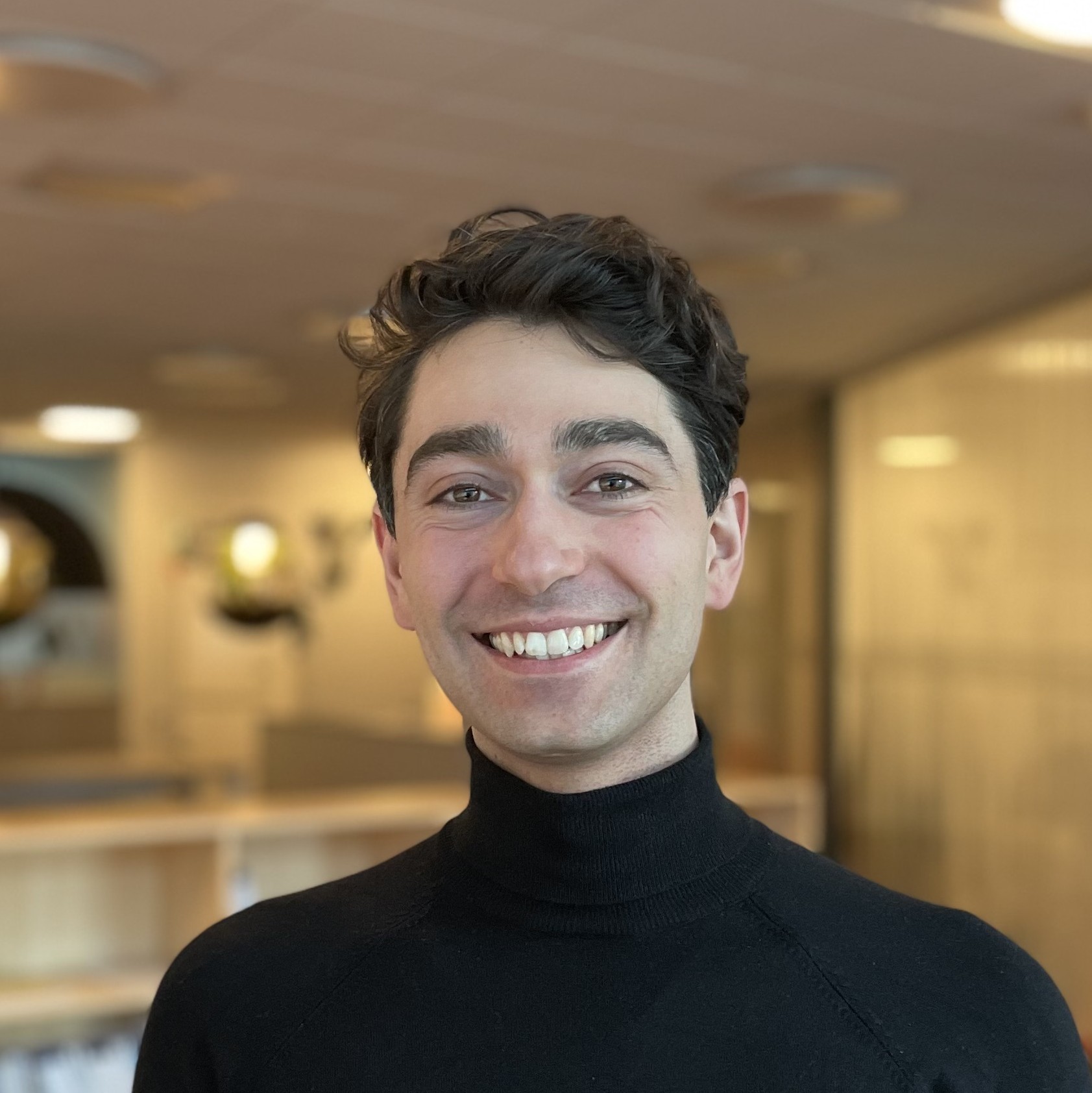
Nabil M Issa is a Professor in the Department of Surgery (Trauma and Critical Care) and Medical Education at the Feinberg School of Medicine, Northwestern University. He is a general and acute care surgeon at Northwestern Memorial Hospital, with a focus on minimally invasive techniques including robotic and laparoscopic surgery. Dr. Issa is also a Master Surgeon Educator and holds leadership roles in national surgical education organizations. Dr. Issa's educational background includes: MD: Al Mustansiriya University College of Medicine (1988) FRCS: Fellow of the Royal College of Physicians and Surgeons of Glasgow, Scotland, United Kingdom (1997) FACS: Fellow of the American Board of Surgery with additional qualification in Surgical Critical Care (2007) FCCM: Fellow of the Society of Critical Care Medicine (2007) MHPE: Master's in Health Professions Education, University of Illinois at Chicago (2016) Dr. Issa's research focuses on surgical education , particularly in creating innovative curricula and assessing technical and cognitive skills acquisition. His work spans simulation , team science , and outcome measures in trauma and critical care. He investigates evidence-based practices for surgeon credentialing and emphasizes patient education and quality improvement in acute care settings. His recent publications reflect a strong commitment to diversity in surgical training , trauma outcomes research , and sustainability in surgery . Dr. Issa examines disparities in fellowship training, morbidity in vulnerable populations, and the validation of injury severity metrics. His work bridges clinical care with educational innovation and systems-level improvements in surgical practice. Dr. Issa has received numerous honors and awards, including: Excellence in Teaching Award, Northwestern University Department of Surgery (2023) Professorship in Surgery, Northwestern University (2023) Academy of Master Surgeon Educators, American College of Surgeons (2022) Member in the National Committee on Trauma (COT), American College of Surgeons (2022) Presidential Citation, Surgical Critical Care Program Directors Society (SCCPDS) (2021) Excellence in Teaching Award, Feinberg School of Medicine (2019) Best Trauma/SICU Teacher Award, Department of Emergency Medicine (2019) Presidential Citation, Surgical Infection Society (2012) Excellence in Teaching Award, Feinberg School of Medicine, Surgical Residency Program (2011) Excellence in Teaching Award, Northwestern University (2011) Dean's Award for Teaching Excellence, Feinberg School of Medicine (2011) Presidential Citation, Society of Critical Care Medicine (2010) Excellence in Teaching Award, Feinberg School of Medicine, Surgical Clerkship (2010) Excellence in Teaching Award, Feinberg School of Medicine, Surgical Residency Program (2010) Excellence in Teaching Award, Feinberg School of Medicine, Surgical Clerkship (2009) Excellence in Teaching Award, Feinberg School of Medicine, Surgical Residency Program (2009) Excellence in Teaching Award, Feinberg School of Medicine, Surgical Residency Program (2008) Dr. Issa serves as a faculty mentor for the Surgical Education Research Fellowship (SERF) and has held leadership roles in surgical education committees. His leadership includes: Chair, Association for Surgical Education (2024-Present) Co-chair, Association for Surgical Education (2023-Present) Chair, Development Committee at ASE (2019-Present) Member, Executive committee for ASE Foundation (2019-Present) Chair, Awards Committee- Association for Surgical Education-ASE (2018-Present) Vice President, Chicago Committee on Trauma (2015-Present) Dr. Issa has developed and leads simulation-based educational initiatives at Northwestern Memorial Hospital, focusing on acute care and surgical skills. He collaborates with multidisciplinary teams in trauma, critical care, and surgical education to design curricula that address the continuum of surgical training.
Laura Korhonen is a Professor of Child and Adolescent Psychiatry at Linköping University , serving as Head of Department of Biomedical and Clinical Sciences (BKV) and leading the national knowledge center Barnafrid . She is affiliated with the Center for Social and Affective Neuroscience (CSAN) and actively contributes to research on child mental health, trauma, and violence prevention. Professor in Child and Adolescent Psychiatry Head of Department of Biomedical and Clinical Sciences Director of Barnafrid National Knowledge Center Active in Center for Social and Affective Neuroscience Teaching roles in medical and psychotherapy programs Her research focuses on psychotic symptoms in children , biomarkers for mental illness , and mental health in refugee populations . She examines the impact of trauma, digital media use, and violence on child development, advocating for early interventions and cross-sector collaboration. Recent publications highlight her work on refugee youth mental health , challenges in ICD-10 coding for child maltreatment , and associations between digital media usage and adolescent well-being . Her team applies mixed-methods approaches to understand non-suicidal self-injury cessation and participatory research methods across Europe. Scientific Awards: Co-investigator in SEK 30 million Forte Council grants (2022) Laura leads Barnafrid , Sweden's national center for child violence prevention, and collaborates internationally through networks like COST Action 19106 . Her work informs European policy guidelines and crisis response frameworks for children in conflict zones.
Suzan Uysal is an Associate Professor at the Icahn School of Medicine at Mount Sinai and Adjunct Associate Professor at New York University. She co-directs the Neuropsychology Fellowship program in Neurology and teaches functional neuroanatomy and clinical neuroscience across multiple departments. Her clinical practice focuses on neuropsychological evaluations for neurologic and age-related disorders. Education: PhD in Psychology from NYU, with fellowships at NYU School of Medicine and Mount Sinai Hospital. She has authored a major textbook integrating functional neuroanatomy with clinical neuroscience. Research interests include neuroprotection in cardiac surgery, neurocognitive outcomes of surgical procedures, and perioperative neurology. Key publications include seminal work on cerebral oxygenation optimization and postoperative cognitive decline assessment. Her work bridges clinical practice and education, with contributions to diagnostic coding standards (ICD-10-CM) and perioperative safety principles. She collaborates across disciplines in neurology, anesthesiology, and rehabilitation medicine. Professional roles include leadership in neuropsychology training programs and editorial contributions to clinical handbooks on neuroprotection and critical care.
Aleda (Allie) M. Leis, PhD, is a Research Assistant Professor in the Department of Epidemiology at the University of Michigan School of Public Health. Her work bridges chronic and infectious disease epidemiology, with a focus on cardiometabolic outcomes following viral infections. Education: PhD in Epidemiological Science, University of Michigan (2022) MS in Biostatistics, Drexel University (2015) BS in Mathematics, St. Bonaventure University (2013) Research Interests: Dr. Leis investigates how viral infections like influenza and COVID-19 interact with metabolic and cardiovascular diseases across the lifespan. Key areas include aging, women's health, bone health, and precision health initiatives using large datasets such as the Study of Women’s Health Across the Nation (SWAN) and CDC respiratory surveillance programs. Projects: She leads the Surveillance of Respiratory Infections’ Sequelae (SunRISE) program, contributes to the AI & Digital Health Innovation network, and co-investigates vaccine effectiveness in the Michigan-Ford Initiative (MFIVE). Her work utilizes electronic health records and longitudinal cohorts to explore post-viral health impacts. Contact: Email aledat@umich.edu for collaboration or media inquiries.
Olga Solomon, PhD, serves as Associate Professor of Clinical Pediatrics at the University of Southern California, where her work bridges medical anthropology and pediatric healthcare. She focuses on improving healthcare experiences for autistic children and their families, with particular attention to systemic disparities affecting racial and ethnic minority communities through community-engaged research methodologies. Her research centers on Autism Spectrum Disorder healthcare equity, examining how cultural, socioeconomic, and structural factors impact access to early intervention, diagnostic pathways, and treatment outcomes. Solomon employs ethnographic and narrative approaches to investigate parent-provider communication, community-based service navigation, and the social dimensions of conditions like sleep disorders, gastrointestinal issues, and obesity in autistic youth. Her work consistently highlights the intersection of disability studies with health services research. Analysis of Solomon's publication trajectory reveals sustained focus on racial and ethnic disparities in autism care, with increasing emphasis on community-academic partnerships and participatory methodologies. Her research spans clinical domains including pediatric obesity management, behavioral health interventions, and diagnostic processes, always contextualized within broader frameworks of health equity and social justice. Recent work demonstrates methodological innovation through mixed-methods approaches that center community perspectives.
D.L. (Daniala) Weir is an Assistant Professor at Utrecht University's Science college, specifically within the Pharmacoepidemiology and Clinical Pharmacology department. Her research bridges clinical pharmacology , epidemiology , and applied data science to enhance medication safety for patients with multimorbidity. Education: B.Sc. in Biological Sciences (University of Alberta, 2012) M.Sc. in Epidemiology (University of Alberta, 2014) Ph.D. in Epidemiology (McGill University, 2019) Postdoctoral Fellowship (University of Toronto, 2021) Her work combines causal inference frameworks with machine learning to address clinical challenges using real-world data from Canada, the UK, and the Netherlands. She collaborates across disciplines with biostatisticians , data scientists , and healthcare professionals , emphasizing patient-centered approaches through engagement with patients and caregivers. Key research areas include: Dynamic treatment regimens Medication-related harm prevention Adverse drug event detection mHealth applications for adherence Her publications demonstrate expertise in applied data science methodologies for time-to-event analysis , predictive modeling , and multimorbidity treatment optimization .
Dr. Corinne Hohl is a Professor and Head of the Department of Emergency Medicine at the University of British Columbia (UBC), Faculty of Medicine. She serves as a scientist at the Centre for Clinical Epidemiology and Evaluation (C2E2), practices emergency medicine at Vancouver General Hospital, and chairs the Canadian COVID-19 Emergency Department Rapid Response Network. Dr. Hohl is also a member of the Canadian Drug Safety and Effectiveness Research Network and the Canadian Network for Advanced Interdisciplinary Methods for Comparative Effectiveness Research. Her educational credentials include: Bachelor of Science (B.Sc.) Master of Health Science (M.H.Sc.) Doctor of Medicine (MDCM) Fellow of the Royal College of Physicians of Canada (FRCPC) Dr. Hohl's research centers on emergency medicine , drug safety and effectiveness , and pandemic preparedness , with pioneering work in adverse drug event surveillance and health information technology. She developed the ActionADE system to prevent medication re-exposure harm through automated cross-setting communication. Her work integrates clinical practice with health systems innovation, focusing on clinical decision rules and real-world data analytics to improve patient safety in emergency care. Recent publications reveal three dominant trends: (1) leveraging health data for pandemic response (COVID-19 mortality prediction, vaccine effectiveness, health equity), (2) advancing drug safety through informatics (SNOMED CT coding, administrative data validation, non-adherence detection), and (3) addressing climate and social determinants of health (heatwave impacts, neighborhood marginalization). These studies consistently bridge emergency medicine with population health. Her scientific recognition includes: Best Paper Award from the American College of Emergency Physicians (2011) New Investigator Award from CIHR (2012) UBC Teacher of the Year Award (2013) UBC Excellence in Early Career Mentorship Award (2019) As a graduate supervisor in UBC's Experimental Medicine program, Dr. Hohl mentors students through the Graduate and Postdoctoral Studies portal. She leads major collaborative grants including the ActionADE randomized controlled trial and the Canadian COVID-19 Emergency Department Rapid Response Network, funded by CIHR and health research agencies. Her work emphasizes interdisciplinary team science and knowledge translation into practice. Dr. Hohl directs research at the Centre for Clinical Epidemiology and Evaluation and co-leads national networks including the Canadian Drug Safety and Effectiveness Research Network. Her teams focus on emergency department-based interventions, real-world evidence generation, and scalable health IT solutions for medication safety and pandemic response.
Godfried van Agthoven is a part-time PhD student at Barnafrid, Linköping University (2022-2030), a researcher at Skaraborg Hospital, and a Consultant in Adolescent Medicine at Child Protection Team Västra Götaland. He co-founded Barnahus Skaraborg and Child Protection Team Västra Götaland, focusing on vulnerable children exposed to abuse and neglect. He chairs the Ethics Committee at the Swedish Paediatric Society (2025) and previously served on the board of the Association for Children Abuse and Neglect (2016-2023). Education & Teaching He teaches specialized courses including: Violence Against Children (Linköping University, 2023-2025) Pediatric Obesity Management (Karolinska Institutet, 2025) Child Protection Curriculum (University of Gothenburg, 2025) Research Focus His research examines health disparities among children in state care, ICD coding practices for maltreatment documentation, and systemic improvements for child protection services. He employs interdisciplinary approaches spanning clinical pediatrics, social work, and health policy. Affiliations & Collaborations He works within Barnafrid—a national center on violence against children—and collaborates with researchers including Laura Korhonen (Professor), Gabriel Otterman (Adjunct Associate Professor), and doctoral candidates at Linköping University's Department of Biomedical and Clinical Sciences.
Liam O'Neill is an Associate Professor in the Department of Rehabilitation and Health Services at the University of North Texas. His research focuses on healthcare efficiency measurement, data envelopment analysis, health information systems, and the impact of big data in healthcare, particularly during the pandemic. He holds a Ph.D. in Rehabilitation and Health Services and has conducted extensive studies on healthcare system optimization and infection control. His work spans over two decades with a strong emphasis on improving healthcare outcomes through advanced analytics. Key research areas include evaluating hospital efficiency, infection control strategies in healthcare facilities, and the application of ICD coding systems for better patient care management. Notable contributions include studies on reducing hospital-acquired infections through architectural redesign and analyzing the socioeconomic impacts of healthcare policies. Dr. O'Neill’s publications frequently address pandemic-related challenges, such as risk factors for COVID-19 hospitalizations and mortality patterns among vulnerable populations. His research integrates data-driven methodologies with real-world healthcare challenges to inform policy and practice.
Erich J Greene is a Research Scientist in the Department of Biostatistics at the Yale School of Public Health , where he contributes to clinical trial methodology and statistical analysis. Yale Center for Analytical Sciences (YCAS) Yale Data Coordinating Center (YDCC) Education: PhD in Psychology (2003), Princeton University MA in Psychology (1997), Princeton University MS in Physics (1995), Cornell University AB in Physics (1991), Princeton University Research Interests span Biostatistics , Clinical Trial Design , Survival Analysis , and Public Health Data Science . His work focuses on: Competing risks and clustering in time-to-event data Electronic health record data validation Sex/gender disparities in cardiovascular outcomes Pragmatic trial methodologies Bayesian approaches for complex biomedical data Publication Trends reveal expertise in: Cluster-randomized trial statistical methods Fall injury prevention modeling Dementia care comparative effectiveness ICD-10 coding algorithms Non-proportional hazard scenarios Zero-inflated recurrent event modeling Collaborations include frequent partnerships with: James Dziura (9 co-publications) Can Meng (8 co-publications) David Ganz and Denise Esserman (6 each) Additional Activities: Served on the Board of Directors for the New Haven Theater Company (2011-2022).
James Flory is an Associate Professor of Population Health Sciences at Weill Cornell Medical College , Cornell University. With an MD and MSCE from the University of Pennsylvania (2009) and a BA from Columbia University (2002), he specializes in pharmacoepidemiology and clinical research related to diabetes management, drug safety, and healthcare policy. Education: M.D., University of Pennsylvania School of Medicine, 2009 M.S.C.E., University of Pennsylvania School of Medicine, 2009 B.A., Columbia University, 2002 His research focuses on the intersection of diabetes pharmacology , cardiovascular risk , and health services research . He has contributed extensively to understanding drug safety (e.g., sulfonylureas, SGLT2 inhibitors, TRK inhibitors), medication adherence , and clinical decision-making in diabetes and oncology settings. His methodological work includes instrumental variable analysis , pragmatic trial design , and real-world data validation . James Flory's recent publications examine temperature-related diabetes complications , AI in clinical decision support , and policy impacts on medication utilization . His work combines epidemiological methods with health informatics to address critical questions in diabetic care , drug safety surveillance , and health equity .
Gunjan Tiyyagura, MD, is an Associate Professor of Pediatrics (Emergency Medicine) and of Emergency Medicine at Yale School of Medicine. She serves as the Director of Pediatric Quality and Safety Education in the Department of Pediatrics and is affiliated with the FRESH Collaborative and the Janeway Society. Her work bridges clinical practice, research, and education in pediatric emergency care and child safety. Associate Professor, Pediatrics (Emergency Medicine), Yale School of Medicine Associate Professor, Emergency Medicine, Yale School of Medicine Director, Pediatric Quality and Safety Education, Yale Pediatrics Member, FRESH Collaborative Member, Janeway Society Dr. Tiyyagura completed her medical training at the University of Connecticut School of Medicine (MD, 2005), earned a BA in History from the University of Pennsylvania (2001), completed her pediatric residency and chief residency at Columbia University (2006–2009), and pursued a fellowship in Pediatric Emergency Medicine at Yale University School of Medicine (2013). She further advanced her academic credentials with an MHS from Yale School of Medicine in 2020. Her research is centered on child abuse and neglect, intimate partner violence, and household violence, with a focus on enhancing recognition and reporting in acute care settings. She develops and evaluates family-centered, trauma-informed interventions and clinical decision support tools to improve child safety. Her recent work includes studies on physical restraint use, ICD-10 coding for violence, and community advisory boards for family violence. Her 15 most recent publications (2024–2025) reveal a consistent focus on child safety, violence-informed care, and clinical decision-making in emergency settings. Key themes include the development and usability testing of clinical decision support systems for child abuse, surveillance of intimate partner violence using diagnostic codes, and implementation of trauma-informed care models. Her research combines mixed methods, implementation science, and quality improvement approaches across pediatric emergency departments. Dr. Tiyyagura collaborates extensively with researchers such as Marc Auerbach, Melissa Langhan, Andrea Asnes, and Paula Schaeffer. She mentors trainees and contributes to medical education, particularly in quality improvement and patient safety. She has been involved in initiatives to enhance clinical practices, including appropriate antihistamine use and the role of advanced practice providers in pediatric emergency care. She is actively engaged in team science through the FRESH Collaborative and contributes to institutional efforts in child safety and advocacy. Her lab, the Whisk Cup, and her participation in the FRESH Collaborative reflect her commitment to interdisciplinary, community-engaged research aimed at preventing family violence and improving systems of care.
Thomas Vakili is a doctoral researcher at the Department of Computer and Systems Science , Stockholm University , affiliated with the Natural Language Processing Research Group . His work intersects language technology, artificial intelligence, and privacy protection , focusing on mitigating data leakage risks in large language models while maintaining utility. Education: MSc in Computer Science and Engineering (KTH Royal Institute of Technology) Research explores privacy-preserving NLP through techniques like pseudonymization and de-identification, with applications in clinical data and Swedish electronic health records . Recent projects include End-to-End Pseudonymization of BERT models and analysis of eponyms in clinical text . Publications in BMC Medical Informatics , LREC , and NoDaLiDa conferences address privacy risks , model utility , and cross-lingual NLP . He supervises bachelor's and master's theses and teaches courses in NLP , Internet Search Techniques , and Digital Business Strategies .