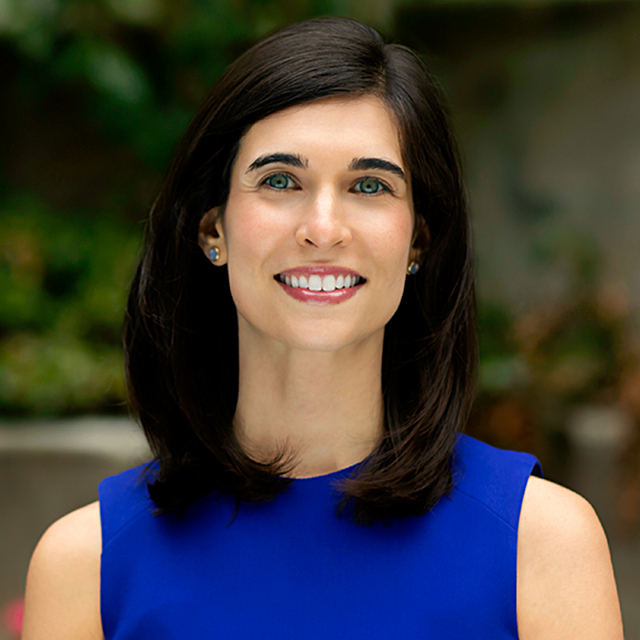
Fanny DuchaineView profile
Lecturer
Fanny Duchaine is a Lecturer in the Faculty of Social Sciences at the University of Strasbourg and a Research Engineer at the SAGE laboratory (UMR 7363). She is also an Associate Researcher at the Institute for Research and Documentation in Health Economics (Irdes), reflecting her strong interdisciplinary engagement in health and social sciences. Her work bridges demographic research with public health policy analysis. Her research interests center on health demography , with a focus on mortality, care pathways, and territorial inequalities affecting vulnerable populations, especially those living with disabilities or chronic conditions. She leverages large-scale national health data (SNDS) to conduct epidemiological and spatial analyses, particularly in the context of the COVID-19 pandemic. Her work examines the impact of the pandemic on people with spinal cord injuries, multiple sclerosis, and severe mental disorders, analyzing disruptions in care and excess mortality. The trends in her recent publications show a consistent focus on data-driven public health research . She develops and applies innovative algorithms to identify populations with specific disabilities using health insurance data, enabling robust longitudinal and spatial studies. Her publications span demography, epidemiology, and health policy journals, often in collaboration with medical experts and institutions like Inserm and Irdes. She frequently presents her findings at national and international conferences, contributing to both academic and policy debates. Fanny Duchaine is actively involved in major research projects, including the HandiCovid project (2021–2025), funded by CNSA, which investigates how pandemic restrictions affected access to care for people with disabilities. She is a member of several scientific consortia, such as the HandiCovid consortium, the Covid-Hosp consortium, and the ReDSiam network. She also participates in the Young Researchers in Health and Society Network. Her teaching responsibilities include courses in demography at both undergraduate and graduate levels, such as Introduction to Demography , Doing Demography Today , and Demographic Analysis . She supervises advanced topics like local demographic projections in the Master’s program. She leads and contributes to research on healthcare workforce distribution, having published on the impact of zoning policies on the territorial distribution of liberal nurses in France. Her methodological rigor and interdisciplinary approach position her as a key contributor to understanding health inequalities and the social determinants of health in contemporary France.