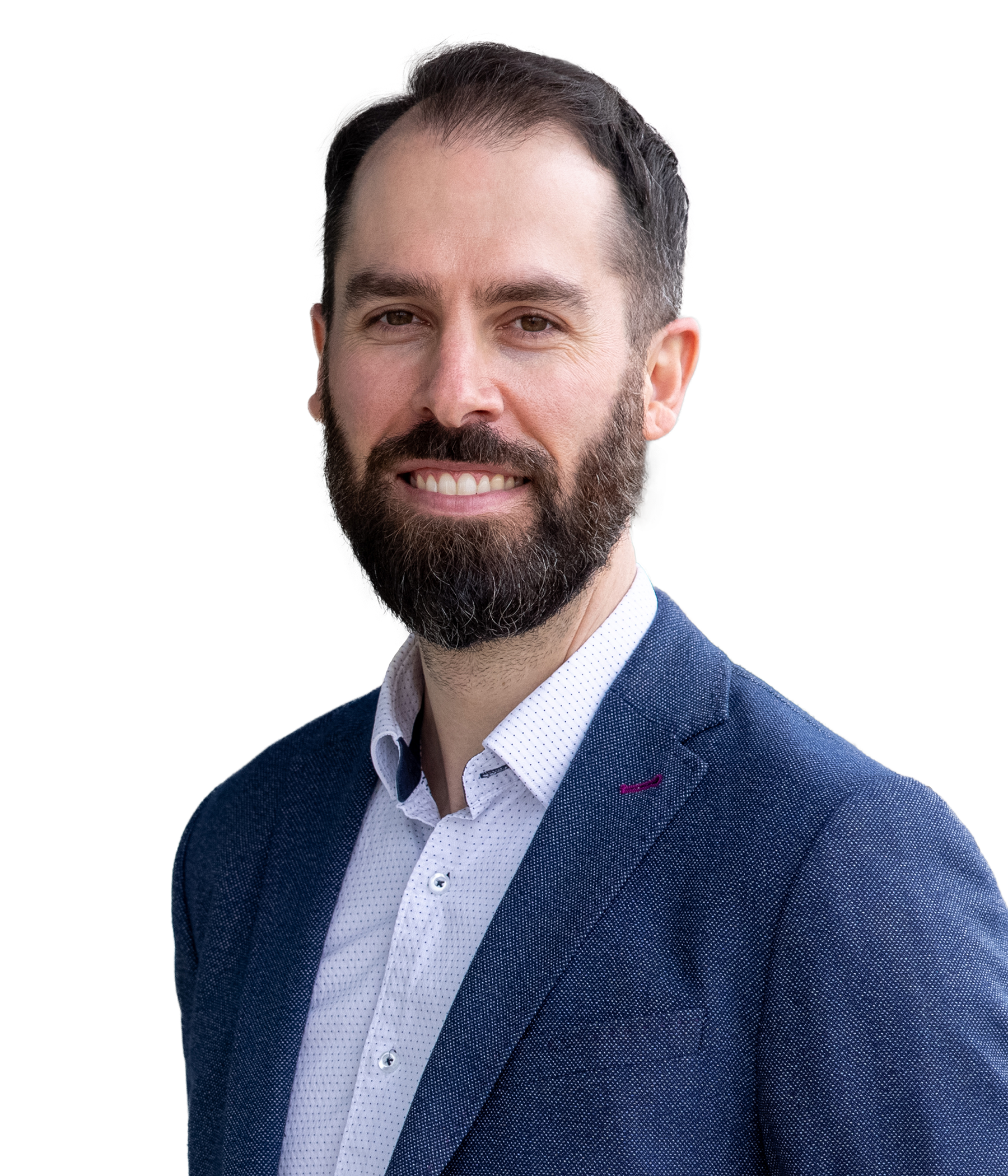
Peter Newton is an Associate Professor and Associate Chair of Undergraduate Studies in the Department of Environmental Studies at the University of Colorado Boulder. His interdisciplinary research focuses on socio-environmental systems, with primary areas in conservation/sustainable development in tropical forests and sustainable agriculture/food systems. Ph.D. in Environmental Sciences M.Sc. in Applied Ecology and Conservation B.A. in Zoology His work spans Brazil, the U.S., Indonesia, Mozambique, Uganda, and Vietnam, emphasizing policy-relevant, systems-oriented approaches. Key themes include climate change mitigation through pasture management, forest restoration, and sustainable protein technologies. Dr. Newton leads the Group for Interdisciplinary Research on Agriculture, Food, Forests, Environment, and Sustainability (GIRAFFES), mentoring graduate students in MS and PhD programs. He also engages with visiting scholars and undergraduate honors students.
Jonathan Crowe is the Head of School and Dean of the School of Law and Justice at the University of Southern Queensland. He previously taught at Bond University and the University of Queensland, and held visiting positions at Georgetown University and the University of Texas at Austin. His expertise spans legal philosophy, ethics, constitutional law, and rape and sexual assault law. He is a founding director of Rape and Sexual Assault Research and Advocacy (RASARA) and co-edits the Journal of Legal Philosophy . Education: BA(Hons), 2000 LLB(Hons), 2002 PhD, 2006 Research Interests: His work focuses on legal theory, natural law, constitutional law, and ethical dimensions of legal practices. He has authored or edited over eleven books and 100+ chapters/articles, including Australian Constitutional Law: Principles in Movement (Oxford UP, 2022) and Mediation Ethics: From Theory to Practice (Edward Elgar, 2020). Recent Publications: His recent works explore natural law theory, affirmative consent law reforms, and moral obligations in unjust legal systems. For instance, he critiques legal pseudolaw and advocates for clearer sexual consent frameworks in criminal law. Awards: None explicitly listed. Advising & Grants: Currently supervising a doctoral thesis on international recognition of non-state legal actors. No grants mentioned. Organizations: Founder of RASARA, co-editor of Journal of Legal Philosophy .
Marianna Muravyeva is a Professor at the Aleksanteri Institute - Finnish Centre for Russian and East European Studies and the Faculty of Law at the University of Helsinki. She holds a Docent title and is an affiliated Senior Research Fellow with the Helsinki Inequality Initiative (INEQ). Her research bridges legal history, gender studies, and social sciences, focusing on normativity, gender, and violence, particularly in Russia and post-Soviet contexts. Education includes a Ph.D. in History from St. Petersburg State University (1999), a Master’s in History Education (1998), and a Bachelor’s in Social Sciences (1996) from Herzen State Pedagogical University. She also holds a Diploma in Human Rights of Women from the Raoul Wallenberg Institute (2007). Muravyeva has held external positions as Professor of Law at the Higher School of Economics (Moscow), Visiting Professor of Sociology at the Higher School of Economics (St. Petersburg), and Marie Curie Senior Research Fellow at Oxford Brookes University. She co-chairs the Women and Gender Network of the European Social Sciences History Conference and is a founding member of the Russian Association of Women’s Historians (RAIZhI). Her research projects include 'FEVER' (Four Epochs of Violence in Every Family in Russia) and 'Democratization at Stake,' examining anti-gender politics. She supervises doctoral programs in Social Sciences, Gender, Culture, and Society, Law, and Political/Societal Change. Recent articles address juvenile justice reform, queer family violence, and Russia’s legal responses to domestic violence. Muravyeva’s grants exceed £500k from the EC, US State Department, and others. She actively engages in policy advocacy, media commentary on Russian sociopolitical issues, and international conferences on law, gender, and violence.
Prof. Violeta Petroska-Beška is a Full Professor of Psychology at the Institute of Psychology, Faculty of Philosophy, Ss. Cyril and Methodius University of Skopje (UKIM). She has been employed since 1980 and holds academic positions in Methodology/Psychometrics and Peace Psychology. She holds a PhD from Belgrade University (1989) and advanced conflict resolution training from Columbia University. Prof. Petroska-Beška is licensed psychologist and member of Macedonia's Psychological Testing Board. Her research focuses on psychological test development, ethnic identity dynamics, multicultural education, and program evaluation. She has authored/co-authored influential works on interethnic relations, including analyses of Macedonian textbook biases (2018), refugee prejudice reduction (2018), and policy transfer in social cohesion (2018). She led Macedonia's 2010 Millennium Development Goal report on universal education and co-created the bilingual "Mosaic" kindergarten initiative. Prof. Petroska-Beška serves as Editor-in-Chief of Psychology - Science and Practice (since 2019) and leads the Citizens' Association Center for Human Rights and Conflict Resolution. She has collaborated with UNDP, UNICEF, and international institutions on education reforms, conflict resolution programs, and refugee integration projects. Her work includes over 200 academic publications and 30 authored/co-authored books. Key Awards: Distinguished Alumni Award (Columbia Teachers College, 2011) Professional Roles: Senior Fellow at USIP (2000-2001), UNESCO consultant, international lecturer at 10+ universities
Francesca Prati is an Associate Professor in the Department of Psychology 'Renzo Canestrari' at the University of Bologna. Her academic discipline is Social Psychology (PSIC-03/A). She holds a PhD in Social Psychology from the University of Bologna (2012) and conducted research at Kent University (UK) and the University of Connecticut (USA). She was a Marie Skłodowska-Curie Fellow at the University of Oxford (2018-2020), studying intergroup contact and collective action perspectives of ethnic minorities. Since 2020, she has been an Associate Professor at the University of Bologna. Her research focuses on reducing intergroup prejudice through socio-cognitive strategies, including multiple categorization, intergroup contact, and language analysis. Key themes include dehumanization mitigation, morality in intergroup relations, and the role of political orientation in prejudice reduction. She has explored applications in healthcare equity, migrant integration, and environmental education through citizen science projects. Her work spans experimental psychology, policy analysis, and cross-cultural studies. Notable contributions include demonstrating the long-term effects of citizen science on environmental awareness and the role of linguistic abstraction in intergroup sensitivity. She has also examined gender bias in performance evaluations and structural healthcare system impacts on worker satisfaction. Scientific Awards: Marie Skłodowska-Curie Fellowship (2018-2020). Advising & Grants: Supervised research on intergroup dynamics and received fellowship funding for Oxford-based studies. Labs/Teams: Collaborates on projects involving intergroup contact, morality, and citizen science initiatives.
Carly S. Woods serves as Associate Professor of Communication in the College of Arts and Humanities at the University of Maryland, specializing in rhetoric, gender studies, and public address. Her interdisciplinary research bridges history, cultural studies, and argumentation theory with a focus on rhetorics of belonging and exclusion. Woods' research expertise centers on cultural studies, gender, public address, and rhetoric , particularly examining how marginalized groups navigate educational and political spaces through argumentation. Her work reveals how debating societies historically served as crucial sites for women's educational access and civic participation, while her current projects explore international debate networks and the memory politics of figures like Barbara Jordan. Her recent scholarship demonstrates a clear trajectory toward transnational and intersectional frameworks, with publications analyzing Puerto Rican debate tours, feminist publishing after Title IX, and digital rhetoric's role in racial justice movements. This evolution reflects her commitment to expanding rhetorical traditions beyond national boundaries and disciplinary silos. National Communication Association's James A. Winans-Herbert A. Wichelns Memorial Award American Forensic Association's Daniel Rohrer Memorial Outstanding Research Award Woods actively mentors graduate students in rhetoric and public address while teaching courses on social change and argumentation. Her research is supported by institutional recognition for both scholarly excellence and pedagogical innovation, with ongoing projects examining interwar international debate and intersectional memory studies. Her laboratory of inquiry operates through the Center for Political Communication and Civic Leadership, where she engages with collaborative research groups examining civic discourse and democratic participation through historical and contemporary lenses.
Professor Jing Lin is a faculty member in the Department of Counseling, Higher Education, and Special Education at the University of Maryland's College of Education. Her work focuses on transformative education integrating contemplative practices, Daoist philosophy, and ecological awareness. She explores themes of interconnectedness, sustainability, and equity through pedagogical innovation. Research Interests: Prof. Lin's scholarship bridges Eastern philosophies with modern educational challenges. Core areas include eco-justice pedagogy, virtue cultivation through Daoist principles, and reimagining education to address global crises like climate change and social inequity. She emphasizes love-based education, intercultural collaboration, and the integration of science with spiritual inquiry. Publications Trends: Recent work highlights contemplative practices as pathways to planetary healing, critiques anthropocentric educational frameworks, and advocates for decolonizing higher education. Her articles often blend interdisciplinary approaches (e.g., quantum physics, neuroscience) with spiritual traditions to propose holistic educational models. Awards: No specific awards listed, but her contributions are recognized through frequent publication in transformative education fields. Advising/Grants: No student advisees or grant details provided in current materials. Her focus appears centered on research and conceptual frameworks rather than applied grant-funded projects. Labs/Teams: Engaged with the Harriet Tubman Department's research initiatives, particularly the Indigenous Futures Lab and D.C. Queer Studies projects. Collaborates internationally on eco-justice and contemplative education networks.
Maria Jansson is a Professor of Gender Studies at Örebro University, affiliated with the School of Humanities, Education and Social Sciences and the Department of Humanities, Education and Social Sciences. She holds a dual role as a researcher and academic, focusing on gender equality, political dynamics, and cultural policies. Her work bridges feminist theory with empirical research, particularly in the areas of public/private boundaries, film industry gender equity, and education. Educated at Stockholm University, she earned her PhD in Political Science in 2001 with a thesis on motherhood and labor. She has held positions at Stockholm University and Örebro University, advancing to full professorship in 2020. Her research explores intersections of politics, culture, and gender, with a focus on how policies shape societal structures. Key projects include the Digiscreens initiative (EU-funded), examining digital streaming platforms' impact on democracy, and the Women in Swedish Film project, analyzing gender equality efforts in the film industry. She also investigates pedagogical methods, such as memory work, to enhance critical citizenship education. Her publications span journals like Women's Studies International Forum and Journal of Scandinavian Cinema , addressing topics from queer online labor to HIV/AIDS policy narratives. She collaborates internationally and leads interdisciplinary teams across Scandinavia and Europe. Jansson’s work emphasizes activism’s role in policy change and challenges systemic inequalities. Her lab, the Center for Feminist Social Studies, fosters collaborative research addressing contemporary gender issues.
Ali Hamidi is a researcher affiliated with Linnaeus University's Department of Informatics under the Faculty of Technology. His work focuses on computational thinking (CT) education, systems thinking integration, and STEM pedagogical innovation. He leads the Computational Thinking and Coding Skills in Schools (CoCoS) research group and contributes to the Linnaeus University Systems Community (LNU-STC). Current projects include the EU-funded IGNITE initiative to reform Albanian/Kosovo education systems and the TACTIDE project empowering teachers with digital tools. Hamidi's research emphasizes bridging CT with systems thinking frameworks, robotic learning for children, and maker technologies for inclusive education. He co-edited proceedings for Linnaeus Student Conferences on IT (2019-2021) and holds a Licentiate in Education Sciences (2023). His 2025 Human Systems Management paper advances CT education through systems theory, while 2024 work critiques CT pedagogical foundations. Publications span robotics in early programming education (2022), digital competence for preschool teachers (2022), and textile-based STEM engagement (2019). Collaborations with Milrad, Zerega, and Mirijamdotter highlight interdisciplinary approaches. Current research groups address CT integration across formal/informal learning contexts.
Sofia Wikman is a Professor of Criminology at the Department of Criminology, University of Gävle. Her research focuses on workplace violence prevention, societal issues such as youth mental health, crime victims, and the impact of migration on crime rates. She leads two FORTE-funded projects: one examining crime development in Sweden over 40 years, and another addressing workplace threats and violence prevention. Her work emphasizes organizational safety frameworks, networking among managers, and dismantling stigma around workplace violence reporting. Key research interests include migration and crime correlations, violence in welfare sectors, and policy-driven solutions. Recent publications analyze workplace safety in state agencies, pandemic mental health trends, and school violence prevention strategies. She collaborates with unions and policymakers to develop actionable safety measures and advocates for transparent reporting mechanisms.
Dr. Tafsir Matin Johansson is an Assistant Professor (Research/Ocean Sustainability, Governance & Management) at the WMU-Sasakawa Global Ocean Institute. He holds a PhD in Maritime Affairs from WMU, an MSc in International Maritime Law from Lund University, and an LL.B. (Honours) from the University of Chittagong. His interdisciplinary research focuses on ocean governance, techno-regulatory frameworks for robotics, Arctic policy, IUU fishing, marine debris, and gender equality in ocean science. Recent work examines climate adaptation in shipping, remote inspection technologies, and sustainable port management. Dr. Johansson has led projects funded by Transport Canada, the European Union, and Swedish/Danish agencies, addressing oil spill response, underwater noise, and autonomous systems. His publications frequently analyze regulatory innovation for emerging technologies and crisis management strategies in maritime operations.
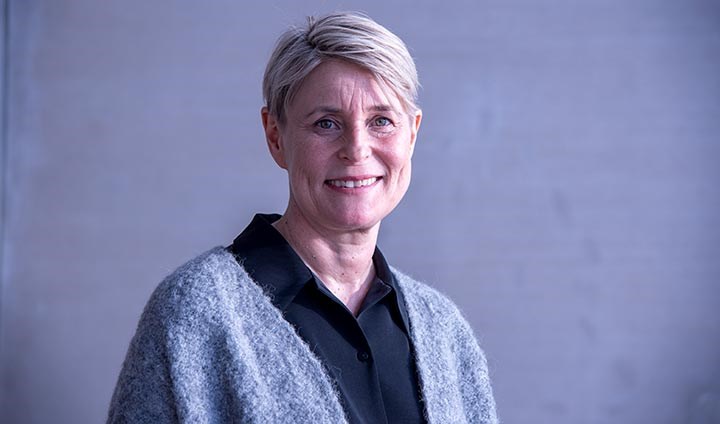
Matthew Reason is a Professor of Theatre and founding Director of the Institute for Social Justice at York St John University. He leads the AHRC-funded 'I’m Me' project, exploring identity and representation in learning disability arts. His research focuses on participatory methodologies, audience experience, and the intersection of performance with social justice issues. His work spans theatre for children, liveness in performance, and creative approaches to documenting live art. He has published widely on topics including audience research, dance spectatorship, and the ethics of inclusive research practices. Key projects include studies on prison and military audiences, and the role of drawing as a research tool. Matthew actively engages with communities through collaborative projects, emphasizing co-productive research that fosters societal change. His leadership at the Institute for Social Justice drives interdisciplinary initiatives to advance equity across multiple sectors.
Olabisi Delebayo Akinkugbe is an Associate Professor of Law and the Purdy Crawford Chair in Business Law at the Schulich School of Law, Dalhousie University. He serves as a member of the Marine and Environmental Law Institute and maintains an active scholarly profile with significant contributions to international economic law, particularly as it relates to Africa and the Global South. Professor Akinkugbe's academic journey includes: PhD in Law from the University of Ottawa LLM from the University of Toronto LLB (Hons) from the University of Lagos, Nigeria Licentiate Degree in Law from the University of Abuja, Nigeria Professor Akinkugbe's research explores critical intersections of international economic law, human rights, and development, with a particular focus on African contexts. His scholarly approach integrates socio-legal perspectives, post-colonial theory, and Third World Approaches to International Law (TWAIL). His work critically examines international investment law, regional economic integration in Africa, the role of international courts, and transnational business law. He investigates how historical, political, and economic contexts shape legal frameworks and their implementation across different jurisdictions, particularly in the Global South. His recent publications demonstrate a strong focus on contemporary challenges in international economic law, particularly addressing climate justice, racial dimensions of investment law, African financial architecture, and the African Continental Free Trade Area. His scholarship reveals a consistent pattern of examining how international legal frameworks can be reformed to better serve developmental needs and address historical inequities. Professor Akinkugbe's work increasingly connects environmental concerns with economic governance, reflecting emerging trends in global legal scholarship. Professor Akinkugbe has received notable recognition for his contributions: Hannah and Harold Barnett Excellence in Teaching Award (2024) Dalhousie Belong Research Award (2020-2022) for "Illicit Financial Flows, Africa, and Sustainable Development" SSHRC Insight Development Grant (2021-2024) for "Illicit Financial Flows, Trade and the Sustainable Development Conundrum in Africa" SSHRC Insight Development Grant (2016-2019) for "Regional and National Courts and Africa's Economic Integration" Professor Akinkugbe actively supervises graduate students in areas including Africa and International Economic Law, Regional Economic Integration in Africa, International Courts, and International Law and Development. He has secured significant research funding that supports his investigations into illicit financial flows, sustainable development, and regional economic integration in Africa. His leadership extends to editorial roles, including co-founding and serving as co-Editor-in-Chief of the African Journal of International Economic Law and editorial positions with several prominent international law journals. Professor Akinkugbe has established Afronomicslaw.org, a thriving academic community focused on international economic law as it relates to Africa and the Global South. This platform hosts several important initiatives including the African Sovereign Debt Justice Network, the African Journal of International Economic Law, thematic symposia, book reviews, and webinars. His leadership in creating this space has significantly contributed to the development of scholarly discourse on African perspectives in international economic law.
L.A. (Lukas) Linsi is an Associate Professor of International Political Economy at the Faculty of Arts, University of Groningen, where he also serves as Chair of the Young Academy Groningen and a member of the Center for Philosophy, Politics, and Economics. His research focuses on multinational firms, global capitalism, and the political economy of economic measurement. He holds a PhD from the London School of Economics and has held postdoctoral and visiting positions at leading institutions like Harvard University. His work bridges critical political economy theory with empirical analysis, particularly leveraging firm-level data to understand macroeconomic trends. Key areas include the transformation of multinational enterprises, executive remuneration dynamics, and the reliability of national economic statistics in an increasingly transnational world. Linsi has published extensively in journals like Review of International Political Economy and contributes to public debates on globalization, trade wars, and data integrity through media engagements and editorial roles. Education: PhD (2016) and MPhil (2015) in International Relations from the London School of Economics; Postdoctoral Researcher at the University of Amsterdam (2016-2019); Visiting Fellow at Harvard University (2015-2016). Research Interests: Multinational firms as lenses for international political economy analysis; critical political economy theory; economic measurement challenges; transnational corporate power dynamics; executive pay and inequality; global value chains. Media Engagement: Regular contributor to public discourse on trade statistics, US-China trade tensions, and economic data integrity. Recent topics include the impact of the BRIC acronym on capital flows, the politics of World Bank reports, and post-pandemic economic governance. Affiliations: Editorial Board Member of Politics and Governance and Yearbook on Data Autonomy ; Board Member of the Centre for Philosophy, Politics and Economics.
Maxwell J. Smith is an Assistant Professor at the School of Health Studies within the Faculty of Health Sciences at Western University . He holds multiple appointments across the Department of Philosophy , Schulich Interfaculty Program in Public Health , Department of Epidemiology and Biostatistics , and other research centers. As the Western Research Chair in Public Health Ethics , his work bridges bioethics, public health policy, and social justice. Research Domains: Public health ethics, infectious disease ethics, health equity, moral philosophy Collaborations: Social epidemiologists, global health organizations, interdisciplinary ethics institutes Key Focus: Ethical frameworks for pandemic response, health equity in policy-making His recent publications explore the intersection of ethics and epidemiology in health equity modeling, pandemic treaties, workplace vaccination mandates, and resource allocation during crises. He has contributed to high-impact journals like New England Journal of Medicine and The Lancet Infectious Diseases . Notable contributions include: Developing empirical ethics studies for public health policy Advocating for intersectoral action on health inequities Addressing systems thinking in ethical frameworks Global governance of pandemics Equity-focused vaccine monitoring strategies Dr. Smith’s work emphasizes translating philosophical ethics into practical public health solutions, with a strong commitment to social justice and interdisciplinary collaboration.






/prod01/yorksjacuk/media/content-assets/staff-profile-images/MATTHEW-REASON-4.jpg)