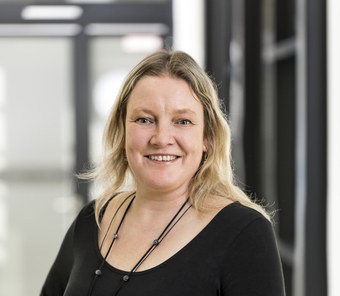
Susanne Weis is a Research Professor and Group Leader of the 'Variability of the Brain' group at the Department of Brain and Behavior (INM-7), part of the Institute of Neuroscience and Medicine (INM) at Research Center Jülich GmbH. Her work focuses on understanding brain variability through advanced neuroimaging techniques and machine learning, with particular emphasis on sex differences, hormonal influences, and clinical applications in mental health. Her research interests include neuroimaging methodologies, machine learning applications in cognitive neuroscience, and the structural-functional relationships underlying brain variability. She investigates how factors like sex hormones and naturalistic stimuli (e.g., movies) affect brain connectivity and cognitive performance, aiming to improve diagnostic and predictive tools for disorders such as schizophrenia and Alzheimer’s disease. Publications highlight her contributions to developing datasets (e.g., SpEx), analyzing confound leakage in ML models, and exploring meta-analytic networks during naturalistic viewing. Her work bridges basic science and clinical impact, addressing challenges in interpreting neuroimaging data and advancing personalized medicine approaches. In her role as a group leader, Weis oversees research projects and collaborates with interdisciplinary teams. She is affiliated with the Helmholtz Association and contributes to the broader scientific community through her research in neuroimaging and computational neuroscience.
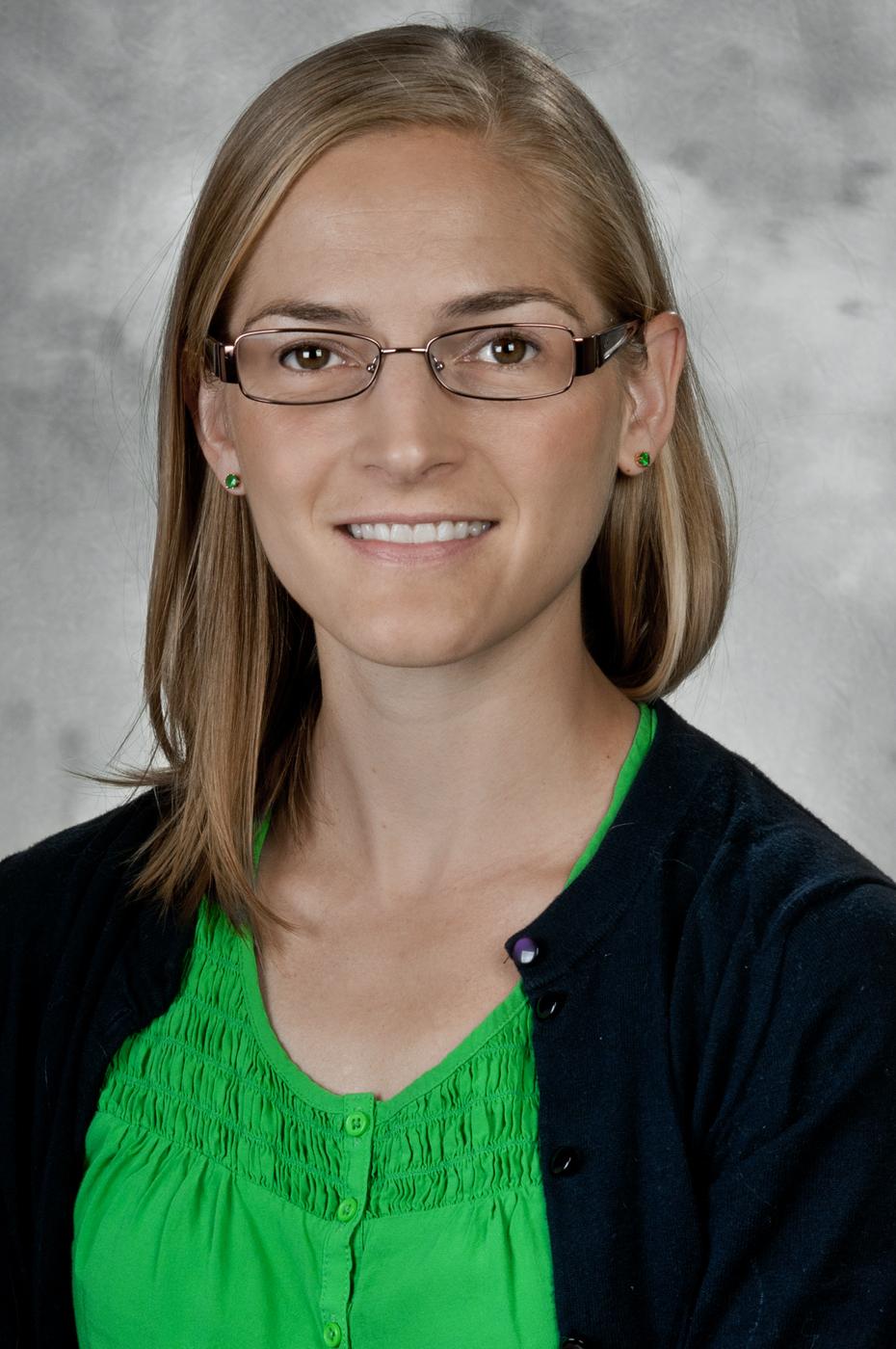
Margaret Bublitz is Associate Professor at Brown University with joint appointments in the Department of Psychiatry and Human Behavior , Department of Medicine , and Department of Obstetrics and Gynecology . She holds secondary appointments at the School of Public Health as Senior Investigator and Behavioral and Social Sciences faculty member. Dr. Bublitz earned her PhD in Clinical Psychology (2010) from the University of British Columbia, followed by postdoctoral training in Cardiovascular Behavioral Medicine at Brown Medical School. Her research focuses on: Psychological stress pathways to adverse perinatal outcomes Maternal childhood maltreatment effects on neurobiology Mindfulness interventions for hypertension and preterm birth prevention Her 15 most recent publications demonstrate expertise in perinatal mental health , sleep-disordered breathing , HPA axis regulation , and fetal neurodevelopment , with significant collaborations in neuroendocrinology and maternal-infant health disparities . Scientific recognition includes: 2024-2025 Global Fulbright Scholarship 2022 Brown Early Career Research Achievement Award Multiple NIH and foundation grants exceeding $6 million Bublitz leads NIH-funded projects examining mechanisms of mindfulness training (R01HL157288) and serves as mentor in the MORPHE Trial for digital maternal health innovations. She is a licensed psychologist and active member of Brown's Stress, Trauma and Resilience (STAR) Institute and Mindfulness Center .
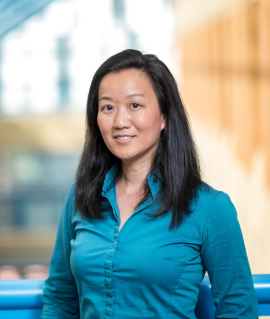
Dr. Frances Chen is a Professor and Area Coordinator in the Department of Psychology at the University of British Columbia (UBC), located on the traditional, ancestral, and unceded territory of the Musqueam People. She holds a PhD from Stanford University (2009). Her research integrates health psychology, social psychology, and neuroendocrinology to explore how social experiences influence mental and physical health. Key areas include the physiological impacts of loneliness, social support, and hormonal changes during puberty on adolescent development. Education: PhD, Psychology, Stanford University, 2009 Research Focus: Dr. Chen investigates how social interactions 'get under the skin' through studies on loneliness, stress, conflict negotiation, and hormonal mechanisms. Her work emphasizes interventions to enhance social connection and reduce health disparities. Recent Article Trends: Recent publications highlight interdisciplinary approaches, including genetic influences on depression, effects of near-infrared lighting on cognition, and longitudinal studies on adolescent hormonal contraceptive use. Her work bridges basic science and applied health outcomes. Awards & Grants: Michael Smith Health Research BC C2 Award (2022) Killam Faculty Research Fellowship (2019) Teaching & Learning Enhancement Fund Grant (2025) SSHRC Prosociality Project Funding (2023) Lab & Mentorship: Director of the Social Health Lab, she mentors graduate and undergraduate students, prioritizing equity and inclusion. Recent lab achievements include studies on teen health development and interventions to improve student success in psychology programs. Lab Initiatives: UBC Teen Health and Development Study (longitudinal hormonal/mental health tracking) NIR lighting health impact research (collaborative interdisciplinary project) Prosociality 'in the Wild' SSHRC project
Dana Pe'er is a Professor and Chair of the Computational and Systems Biology Program at the Sloan Kettering Institute (SKI) of Memorial Sloan Kettering Cancer Center. She is also an Investigator of the Howard Hughes Medical Institute and holds the Alan and Sandra Gerry Endowed Chair. Dr. Pe'er leads an interdisciplinary research group that combines advanced genomics approaches with machine learning to address fundamental questions in biomedical science, with particular focus on cancer biology, developmental biology, and immunology. Dr. Pe'er earned her PhD from Hebrew University in Jerusalem, Israel. Her academic journey includes a postdoctoral fellowship with George Church at Harvard Medical School. Before joining Memorial Sloan Kettering Cancer Center in 2016, she held faculty positions at Columbia University. Dr. Pe'er's research focuses on understanding cellular plasticity, the consequences of intra-tumor heterogeneity, cancer evolution and metastasis, and the mechanisms by which regulatory circuits go awry in disease. Her lab combines single-cell and spatial profiling technologies with machine learning approaches to investigate gene regulation, cellular plasticity, and cell-cell communication in the contexts of cancer, immunity, and development. They are particularly interested in how organisms develop from a single cell to generate diverse cell types, how epigenetic control rewires during development, and how cells communicate to execute multicellular responses. Analysis of Dr. Pe'er's recent publications reveals a strong focus on developing computational methods for single-cell and spatial genomics data analysis. Her work spans cancer types including pancreatic, prostate, colorectal, and breast cancer, with emphasis on tumor heterogeneity, metastasis mechanisms, and cellular plasticity. A significant portion of her research involves creating novel algorithms and tools like CellRank, REUNION, and SEACells that enable researchers to extract meaningful biological insights from complex genomic datasets. 2023 Class of 2023 Inductee - American Academy of Cancer Research (AACR) Academy 2023 Innovator Award - International Society for Computational Biology (ISCB) 2021 Fellow - International Society for Computational Biology (ISCB) Howard Hughes Medical Institute Investigator (2021) 2019 Ernst W. Bertner Memorial Award - University of Texas MD Anderson Cancer Center 2016 Lenfest Distinguished Faculty Award - Columbia University 2014 Director's Pioneer Award - National Institutes of Health 2014 Overton Prize - International Society for Computational Biology (ISCB) Dr. Pe'er is known for her dedicated mentorship approach, describing herself as "a mama bear" who cares deeply about her trainees while expecting independence, innovation, and hard work. She mentors numerous PhD students and postdocs in her lab. Her HHMI Investigator award provides approximately $9 million over seven years, enabling ambitious research directions. She also collaborates extensively with the Single-cell Analytics and Innovation Lab (SAIL) at MSK to generate new data from emerging technologies, working closely with wet-lab collaborators at MSK and beyond to apply computational methods to cutting-edge datasets across multiple disease areas. The Pe'er Lab is an interdisciplinary group of computational biologists with diverse backgrounds ranging from pure mathematics to clinical medicine. They work closely with wet-lab collaborators to apply their computational methods to cutting-edge datasets across cancer, immunology, and developmental biology. The lab is described as open, supportive, collaborative, and fun, with access to world-class facilities at the Sloan Kettering Institute. Dr. Pe'er's work continues to push the boundaries of computational biology and cancer research, with the ultimate goal of developing more effective, personalized therapies for cancer patients.
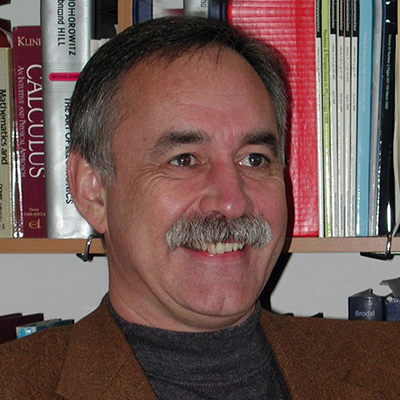
Istvan Mody is a Professor at the University of California, Los Angeles (UCLA) with appointments in the Department of Neurology and Department of Physiology . His research focuses on synaptic signaling in health and disease, including mechanisms of GABAergic transmission, calcium homeostasis, and their roles in neurological disorders such as epilepsy, Alzheimer's disease, Huntington's disease, stress, alcoholism, and postpartum depression. He utilizes advanced techniques like patch-clamp electrophysiology, neuroanatomical and immunohistochemical methods, and molecular biology in animal models and human brain tissue . Research Interests: Dr. Mody investigates the physiology, pharmacology, and pathology of synaptic transmission and extrasynaptic receptor activation , with a particular emphasis on GABA(A) receptors and their subunit-specific modulation. His work explores how disruptions in excitation-inhibition balance contribute to neurological diseases, including mechanisms of tonic inhibition , calcium signaling , and neurosteroid interactions . He also studies the effects of chronic stress and hormonal fluctuations on neural excitability and behavior. Publications Trends: Recent studies highlight his work on gamma oscillations in Alzheimer's models, microglial dynamics , and rehabilitation strategies for stroke. His lab develops optical tools like dqGEVI for neuronal activity monitoring and investigates human brain organoids to model network dysfunction in epilepsy and intellectual disability. Laboratory Location: 635 Charles Young Dr S, Los Angeles, CA 90095, United States.
Professor Richelle Mychasiuk, affiliated with the School of Medical Sciences at the University of Sydney, specializes in Sleep Biology and the neurobiological impacts of early life experiences. Her research focuses on how perinatal trauma and adverse childhood events shape neurodevelopment, increasing susceptibility to sleep disturbances, chronic pain, and post-concussive symptomologies in adolescents, with a particular emphasis on sex differences. Education: PhD in Neuroscience Her work explores mechanisms by which early life stressors "under the skin" to alter neuroplasticity and microbiome-gut-brain interactions. She co-founded The GIN hub, integrating Gastroenterology, Immunology, and Neuroscience to study complex chronic disease models. Recent articles highlight her contributions to understanding dietary influences on pain, epigenetic modifications, microbiome depletion effects, and neurovascular interventions in TBI models. Grants: 2025 FMH Start-up Scheme (Faculty of Medicine and Health, University of Sydney) Collaborations: Brain and Mind Centre, University of Sydney; clinical research partnerships for translational studies.
Kristina Schoonjans is an Associate Professor at EPFL’s School of Life Sciences, where she leads the Laboratory of Metabolic Signaling (UPSCHOONJANS). Her research focuses on the molecular mechanisms of bile acid signaling, nutrient sensing, and intermediary metabolism, particularly in the context of metabolic disorders such as obesity, fatty liver disease, and cancer. She investigates how the liver-gut-brain axis integrates metabolic signals through nuclear receptors and mitochondrial dynamics. Her research interests include: Bile acid signaling and its role as a hormonal regulator Nutrient and metabolite sensing in energy homeostasis Intermediary metabolism and metabolic disorders Role of nuclear receptors (e.g., TGR5, LRH-1) in liver, gut, and adipose tissue Mitochondrial dynamics and fission in metabolic regulation Organoid models for studying liver and intestinal metabolism Systems genetics using BXD mouse populations The most recent articles highlight a strong focus on bile acid signaling, particularly through TGR5 and LRH-1, in regulating metabolic health. Themes include the conversion of white fat to beige fat (beiging), hepatic tumorigenesis, mitochondrial fission, and the use of organoid and genetically engineered mouse models. There is a consistent emphasis on translational applications for obesity, fatty liver disease, and cancer. Scientific honors include: Windaus Prize from the Dr. Falk Foundation (2010, shared with Johan Auwerx) for the discovery of the signaling/endocrine function of bile acids Prof. Schoonjans actively supervises PhD students and has advised numerous doctoral candidates who have since completed their theses. Her lab is supported by multiple grants from Swiss and international funding agencies, including the Swiss National Science Foundation, EPFL, CONACYT, and the Foundation for Health and Education. She teaches in several doctoral programs at EPFL, including Life Sciences Engineering, and contributes to education through the SSV and EDBB/EDCB/EDMS-ENS programs. The Schoonjans Lab brings together scientists, doctoral assistants, and technicians working on projects related to metabolic signaling. The team uses advanced techniques such as genetically modified mouse models, organoid cultures, and multi-omics (metabolomics, proteomics, transcriptomics) to study the liver-gut and brain-liver axes. The lab has a strong track record of high-impact publications and collaborations with institutions worldwide.
Elin Org is a Professor of Microbiomics at the University of Tartu's Institute of Genomics, where she also serves as Head of the Estonian Genome Centre and Vice Director of the Institute. Her academic career spans over two decades with significant contributions to microbiome and genomic research. Education: PhD in Genetics, University of Tartu (2006) Master's Degree in Molecular Biotechnology and Biomedicine, University of Tartu (2000) Bachelor's Degree, University of Tartu (1997) Classical Singing, Heino Eller Tartu Music School (1996) Professor Org's research primarily focuses on the intricate relationships between host and gut microbiota and their influence on metabolism and common complex diseases. Her work bridges microbiomics, genomics, and complex disease research, with particular emphasis on understanding how gut microbiome composition affects human health. She has pioneered research connecting long-term antibiotic usage with microbiota-dependent effects and has made significant contributions to understanding the role of gut microbiome in conditions such as gestational diabetes, endometriosis, and polycystic ovary syndrome. Her approach integrates advanced computational methods with comprehensive health data to uncover causal relationships in microbiome research. Her recent publications demonstrate a strong trend toward integrating microbiome data with extensive digital health metrics, using machine learning approaches to identify microbial predictors of health outcomes. This work is increasingly focused on translating microbiome research into clinical applications for disease prediction and personalized medicine approaches, particularly in the context of the Estonian Biobank initiative. Major Scientific Recognition: 2025 National Science Award in medical and health sciences 2023 and 2022: Recognized among the world's top 1% most cited researchers by Clarivate Analytics 2020: Member of AcademiaNet, a portal for top female researchers 2017: EMBO Installation grant 2013: Marie Curie International Outgoing Fellowship Professor Org has secured substantial research funding as principal investigator for multiple significant projects, including 'DISCERN - Discovering the causes of three poorly understood cancers in Europe' (€245,466, European Commission) and 'Improving colorectal cancer screening and prediction using microbiome-based biomarkers' (€760,450, Estonian Research Council). She has served as an opponent for numerous PhD theses across European institutions, contributing to the development of emerging researchers in her field. As Head of the Estonian Genome Centre, Professor Org leads a multidisciplinary research team that plays a crucial role in Estonia's transition from biobanking to personalized medicine applications. She is actively involved in international collaborations through COST networks including INFOGUT (focused on in vitro colon models) and ML4Microbiome (statistical and machine learning techniques in human microbiome studies), positioning her at the forefront of global microbiome research initiatives.
Dr. Rodolfo J. Flores serves as an Assistant Professor in the Department of Psychology within the College of Liberal Arts at the University of Texas at El Paso (UTEP). His primary research investigates neuromodulator function in the prefrontal cortex, with emphasis on acetylcholine and dynorphin systems during motivational conflict, stress responses, and addiction pathways. He employs advanced optogenetic and biosensor technologies to dissect neural circuitry underlying psychiatric conditions. Dr. Flores earned his Ph.D. in Social Cognitive and Neuroscience from UTEP in 2019, followed by postdoctoral training at the National Institute of Mental Health (NIMH). His work bridges molecular neuroscience with behavioral outcomes, focusing on how stress and substance exposure alter prefrontal cortical function. His research portfolio demonstrates consistent high-impact publication in top neuroscience journals including Nature Neuroscience , Neuron , and Psychoneuroendocrinology . Current work examines opioid neuropeptide dynamics, nicotine-alcohol interactions, and sex-specific hormonal influences on addiction behaviors. Methodologically, he specializes in genetically encoded biosensors and circuit-level manipulations to study threat processing and reward pathways. Dr. Flores teaches graduate and undergraduate courses including PSYC 4341 (Motivation & Emotion), thesis/dissertation supervision (PSYC 5395/6395), and research applications courses. His lab actively trains students through undergraduate research (RSRC 4033) and independent study opportunities (PSYC 4352).
Jennifer Pfeifer is a Professor at the University of Oregon and co-Director of the Center for Translational Neuroscience within the College of Arts and Sciences, Department of Psychology. Her research spans developmental cognitive neuroscience, focusing on adolescence, puberty, self-concept, social cognition, emotion, motivation, and mental health. Her work integrates neuroimaging with behavioral and hormonal data to examine normative and atypical brain development, particularly how social processes and early adversity influence neurobiological models of adolescence. She has secured funding from NIMH, NICHD, NIDA, NSF, and other institutions. Recent publications analyze adolescent social reorientation, pubertal timing, self-disclosure mechanisms, and affective reactivity. Awards and student lists are not explicitly mentioned in the provided text. Her lab emphasizes translational neuroscience applications for mental health prevention and well-being promotion across the lifespan.
Julie Beth Schweitzer is a Professor in the Department of Psychiatry and Behavioral Sciences at UC Davis Health School of Medicine and a key figure at the MIND Institute. She serves as Director of the CTSC Mentoring Academy for Research Excellence (MARE), Director of the Mentored Clinical Research Training Program (MCRTP), and Co-Director of the CTSC TL1 Program. Her work bridges cognitive neuroscience and clinical psychology, focusing on ADHD across the lifespan and its comorbidities. Education: A.B. from University of Southern California (1982), M.S. (1987) and Ph.D. (1990) in Clinical Psychology from University of Massachusetts Amherst, with internship at University of Minnesota and fellowship at Emory University. Dr. Schweitzer's research explores brain-behavior-environmental relationships in ADHD, utilizing neuroimaging to study self-control development and designing tech-based interventions like virtual reality and computerized games to enhance attention and academic outcomes in ADHD and autism. Her work spans developmental psychology, translational neuroscience, and mental health technology. Recent publications highlight her focus on predicting ADHD symptom trajectories, environmental influences (e.g., phthalate exposure, neighborhood conditions), and behavioral interventions (e.g., fidget devices). Studies also address cognitive functioning in autism-ADHD comorbidity and irritability as a predictive factor. Scientific Awards & Honors Dean's Award for Excellence in Mentoring, UC Davis Health (2024) President Elect, International Society for Child and Adolescent Psychopathology (2027-2029) Selected Fellow, Association for Psychological Science (2018) Sigma Xi Grant in Aid of Research (1989) Predoctoral Traineeship, U.S. Department of Education (1984-1987) Dr. Schweitzer actively trains translational scientists through the UC Davis Clinical and Translational Science Center, emphasizing mentoring excellence. Her leadership roles and research programs underscore her commitment to advancing ADHD and developmental disorder studies, integrating clinical practice, neuroscience, and environmental health.
Zsofia Zavecz is a Research Associate at the University of Cambridge Department of Psychology. Her work focuses on the neurophysiological mechanisms underlying sleep and memory consolidation, with particular emphasis on electrophysiological correlates of lucid dreaming and sleep-dependent learning. Research highlights include: Investigation of EEG functional connectivity during statistical learning Study of transcranial stimulation effects on probabilistic learning Analysis of sleep restriction impacts on hormonal regulation Exploration of cognitive reserve mechanisms in sleep disorders Her neuroscientific investigations span procedural memory systems, neural oscillations, and cross-population studies in both healthy individuals and pediatric sleep-disordered breathing patients.
Brooks Casas, Ph.D., is a Professor at the Fralin Biomedical Research Institute at VTC, with joint appointments in the Department of Psychology (College of Science), Department of Biomedical Engineering and Mechanics (College of Engineering), and the Department of Psychiatry and Behavioral Medicine (School of Medicine) at Virginia Tech. He is also a College of Science Faculty Fellow, recognized for his contributions to decision neuroscience and computational psychiatry. Ph.D. in Psychology, Harvard University Postdoctoral Fellowship, Baylor College of Medicine Former Assistant Professor of Neuroscience and Psychiatry, Baylor College of Medicine Brooks Casas investigates the neural computations underlying social decision-making, focusing on how valuation, learning, and social preferences shape human choices. His research integrates decision neuroscience, behavioral economics, and social psychology to understand both normative and pathological decision processes. Key areas include trust, risk preferences, social influence, and impaired decision-making in psychiatric disorders such as substance abuse and borderline personality disorder. His lab employs fMRI, computational modeling, and longitudinal studies to explore these phenomena. His recent publications span topics such as machine learning applications in diagnosing borderline personality disorder, neural predictors of adolescent risk behaviors, and the role of cognitive control in substance use. His work often involves large-scale longitudinal studies, such as the decade-long investigation into early life adversity and brain development with Jungmeen Kim-Spoon. He has not received any explicitly mentioned scientific awards in the provided text. Casas leads the Casas Lab within the Center for Human Neuroscience Research and collaborates extensively with students and researchers across disciplines. His work is supported by grants from the National Institutes of Health and the Institute for Society, Culture, and Environment. He advises multiple graduate students and early-career researchers, contributing significantly to training in computational psychiatry and decision neuroscience. His lab, the Casas Lab, is part of the Fralin Biomedical Research Institute and focuses on human neuroscience research, particularly using neuroimaging and behavioral experiments to study social and economic decision-making.
Joanne Wang is Professor of Pharmaceutics at the University of Washington School of Pharmacy and an Affiliate Investigator at the Fred Hutchinson Cancer Research Center. She holds additional appointments in multiple research centers including the Obstetric-fetal Pharmacology Research Unit (OPRU), Plein Center for Aging Faculty, and Pharmaceutics Faculty. Her educational background includes: PhD in Pharmaceutical Chemistry, University of California, San Francisco (UCSF) MS in Biochemistry, University of Illinois at Chicago BS in Biochemistry, Peking University Dr. Wang's research focuses on solute carrier (SLC) and ATP-binding cassette (ABC) transporters that shuttle drugs, nutrients, neurotransmitters, and hormones across cell membranes. Her work encompasses elucidating mechanisms and clinical impact of transporters in nutrient and drug disposition and their potential as drug targets. Ongoing projects include identification and functional characterization of transporters in human placenta, mechanisms of drug secretion into breastmilk using PBPK modeling, and investigation of transporters in the disposition of meta-iodobenzylguanidine for cancer therapy. Analysis of her recent publications reveals a strong emphasis on transporter-mediated drug disposition in special populations, particularly during pregnancy and lactation, and at the blood-brain barrier. Her work spans from basic transporter characterization to clinical applications, with increasing focus on translational aspects including PBPK modeling and clinical implications of transporter polymorphisms. Dr. Wang is actively involved in mentoring, as evidenced by her lab accepting students. Her research has been supported by significant grants including a UC2 grant from NICHD for placental transporter research. Her multidisciplinary approach integrates in vitro models, in vitro-in vivo extrapolation, and PBPK modeling to address critical questions in drug disposition. She is affiliated with several research centers including the Obstetric-fetal Pharmacology Research Unit (OPRU), Plein Center for Aging, and the Washington Entrepreneurial Research Evaluation and Commercialization Hub (WE-REACH), reflecting the breadth and impact of her work across multiple domains of pharmacology and therapeutics.
Prof. Dr. med. Franz Lennard Ricklefs is a Senior Physician and Head of the Working Group at the Department of Neurosurgery, University of Hamburg Faculty of Medicine. He is a Medical Specialist in Neurosurgery with cross-disciplinary expertise in neuro-oncology, molecular pathology, and extracellular vesicle research. Affiliations: University Medical Center Hamburg-Eppendorf (UKE), European Liquid Biopsy Society (ELBS), International Consortium on Meningiomas (ICOM) Research Interests: His work focuses on neurosurgical oncology, particularly glioblastoma and meningioma pathobiology. He investigates DNA methylation patterns, extracellular vesicle biomarkers, and liquid biopsy implementation in clinical neuro-oncology. Additional interests include surgical outcomes for epilepsy and aneurysm management. Article Trends: Over the last decade, Dr. Ricklefs has published extensively on: Extracellular vesicle applications as liquid biopsy markers DNA methylation subclasses for glioblastoma and meningioma Multicenter surgical outcome benchmarking Immune evasion mechanisms in neuro-oncology Technological innovations in neurosurgical visualization Molecular characterization of rare CNS tumors Professional Contributions: He co-authored the MISEV2023 guidelines for extracellular vesicle studies and participates in international consensus reviews for meningioma classification. His collaborations span institutions across Europe and North America.