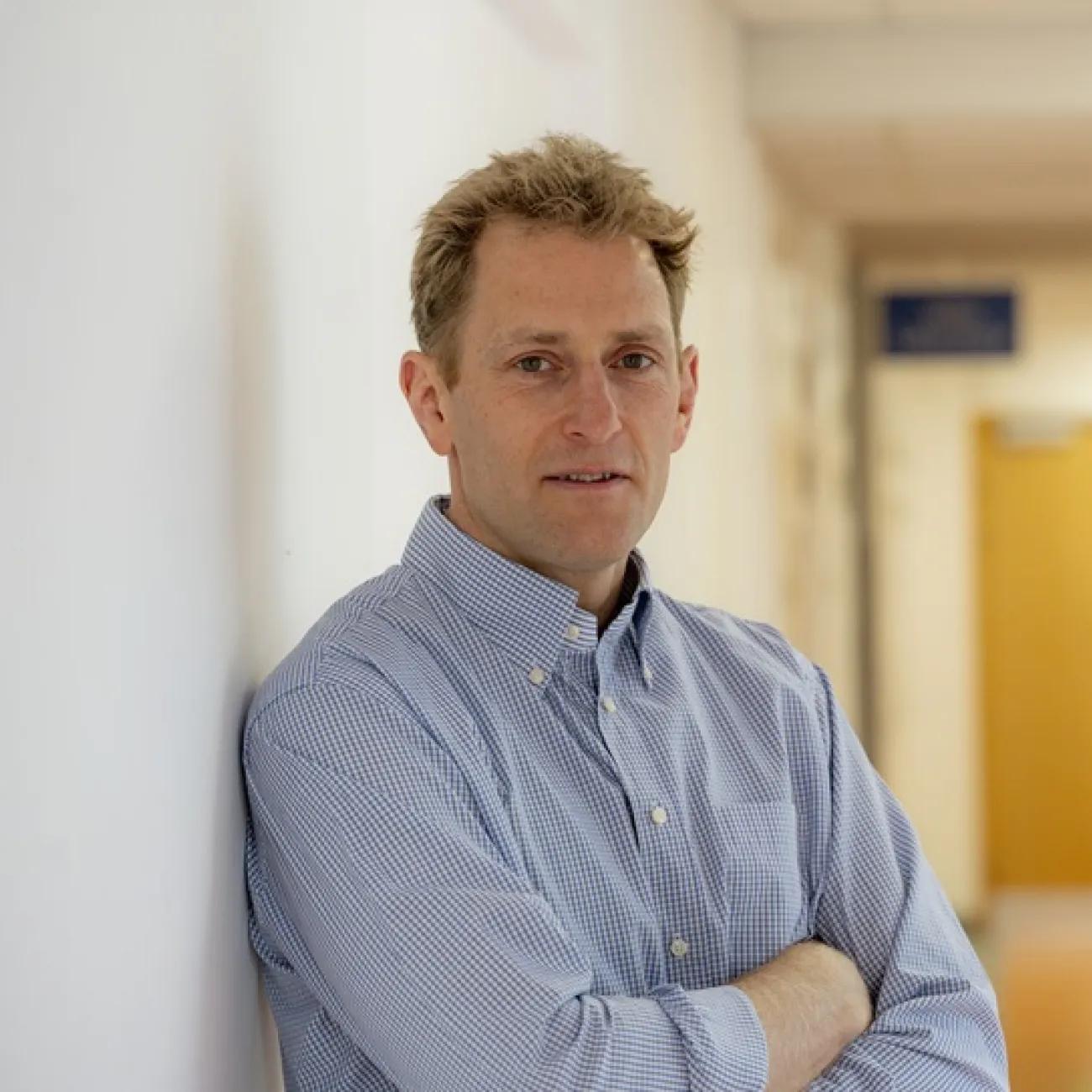
Dr. Stephen C.J. Parker is an Associate Professor at the University of Michigan , affiliated with the Department of Biostatistics , Computational Medicine & Bioinformatics , and Human Genetics . His research focuses on computational biology , functional genomics , and diabetes genetics , leveraging single-cell profiling , chromatin biology , and multi-omic integration to understand complex metabolic diseases. Current and former students include PhD candidates in Bioinformatics , Genetics , and Medical Scientist Training Program (MSTP) . The Parker Lab collaborates with institutions such as the National Human Genome Research Institute and Jackson Laboratory for Genomic Medicine , developing tools like Ataqv and YAMDA for genomic analysis. Research integrates cross-species genomics and population studies to decode non-coding genome contributions to disease susceptibility. Recent publications analyze single-cell gene expression , chromatin dynamics , and disease-associated variants , with a focus on type 2 diabetes and metabolic tissues . The lab welcomes doctoral, masters, and undergraduate researchers, emphasizing interdisciplinary training and translational genomics.
Dr. Jorn Lakowski is an Associate Professor at the University of Southampton , actively engaged in retinal development and disease modeling research. He leads a group focused on molecular pathways in photoreceptor and ganglion cell development, utilizing hESC-derived retinal organoids and CRISPR/Cas9 genome editing to address challenges in basic biology and translational medicine. Member of Institute for Life Sciences Member of Vision Science Clinical Neurosciences group Part of the Centre for Human Development, Stem Cells and Regeneration His research emphasizes high-throughput assay platforms for drug screening and retinal pathophysiology studies, targeting blinding conditions like cone dystrophy and glaucoma . Recent work explores GNGT2-mediated GPCR signaling in cone development and retinitis pigmentosa modeling using stem cell organoids. The awarded projects and publications highlight his expertise in retinal cell therapy , gene editing , and biomarker discovery . His 2022-2021 studies focus on microtubule dynamics and cone photoreceptor starvation in retinal diseases, while earlier works (2013-2014) established foundational techniques for photoreceptor transplantation. Fight For Sight Early Career Investigator Award (2015) Bogue Research Fellowship (2013) As deputy lead for the Scientific Review module (MMedSci programme) , he supervises BMedSci research project students and serves as PhD supervisor. His external roles include invited speaker at international conferences like the ARVO Annual Meeting and UK Eye Genetics Group Meeting .
Erik Sonnhammer is a Professor of Bioinformatics at Stockholm University , affiliated with the Department of Biochemistry and Biophysics and Science for Life Laboratory at Karolinska Institutet. His research focuses on computational approaches to understand protein functional networks through data integration. Develops predictive bioinformatics tools using hidden Markov models, Bayesian networks, and evolutionary models Leads development of the FunCoup database for functional coupling networks Active in high-throughput biology data analysis (genomics, proteomics, transcriptomics) Current PhD students include Davide Buzzao, Thomas Hillerton, and Emma Persson. His work is supported by the Swedish Research Council, with both ongoing and completed projects in network-based gene function inference. Key publications: 2009 - Global networks of functional coupling in eukaryotes 2010 - Network-based identification of novel cancer genes His computational methods emphasize cross-disciplinary integration of biological Big Data for disease gene discovery and pathway analysis.
Dr. Mathew Garnett is a Group Leader in Translational Cancer Genomics at the Wellcome Sanger Institute, where he was appointed to the Faculty in 2014. His research focuses on understanding how genetic alterations in cancer cells impact responses to anti-cancer therapies, with the goal of developing more precise cancer treatments. He leads the Garnett Group within the Cancer, Ageing and Somatic Mutation Programme and is a key member of the Cancer Dependency Map initiative. Dr. Garnett's educational background includes: BSc. in Biochemistry (Hons.) from the University of British Columbia, Canada (1999) PhD from The Institute of Cancer Research, London, UK (2005), where he worked on BRAF as a human cancer gene Postdoctoral research at the University of Cambridge with Prof. Ashok Venkitaraman, supported by a Canadian Institute of Health Research fellowship Dr. Garnett's research spans four complementary areas: the genomics of drug sensitivity, synthetic-lethal dependency mapping, organoid cancer models, and tumor-immune cell interactions. His lab performs high-throughput drug sensitivity screens across >1000 cancer cell models, genome-wide CRISPR-Cas9 screens to identify new drug targets, and develops next-generation organoid models that better capture tumor heterogeneity. His work integrates molecular cell biology, high-throughput screening, and cancer genomics to identify biomarkers that predict drug response and discover new therapeutic targets. His team has developed three major public resources: the Genomics of Drug Sensitivity in Cancer (GDSC), Project Score database, and Cell Model Passports. Analysis of Dr. Garnett's recent publications (2024-2025) reveals a strong focus on precision cancer medicine through genomic approaches. His work spans cancer dependency mapping using CRISPR screens, development of advanced cancer models including organoids, and identification of novel therapeutic targets and drug combinations. Key themes include synthetic lethality in microsatellite unstable cancers (particularly targeting WRN helicase), mechanisms of drug resistance, tumor-immune interactions, and computational approaches to integrate multi-omic data for precision oncology. Dr. Garnett's research has generated widely used reference datasets for the scientific community and has directly contributed to the development and testing of new cancer therapies. His work on identifying Werner Syndrome helicase as a synthetic-lethal target in microsatellite unstable cancers has led to the development of novel WRN Helicase Inhibitors. His team's databases (GDSC, Project Score, and Cell Model Passports) serve as critical resources for cancer researchers worldwide. Dr. Garnett leads a multidisciplinary team of researchers and has fostered numerous collaborations, including with the Open Targets partnership, Cancer Research UK, and the Human Cancer Models Initiative. His lab has developed innovative methods for cancer modeling and drug screening that have advanced the field of precision oncology. He is also a member of the scientific leadership team for Open Targets and the Cancer Research UK drug discovery small molecule expert review panel. The Garnett Lab maintains state-of-the-art facilities for robotics, acoustic dispensing, high-content microscopy, and CRISPR screening, enabling high-throughput approaches to cancer research. Through international collaborations like the Human Cancer Models Initiative, his team is generating and characterizing new patient-derived cancer models that better capture tumor heterogeneity for therapeutic development.
Daniel Noguera is a Wisconsin Distinguished Professor in the Department of Civil & Environmental Engineering at the University of Wisconsin-Madison's College of Engineering. His research integrates environmental engineering and microbiology to develop sustainable solutions for wastewater treatment and renewable energy production through microbial processes. Education: PhD, University of Illinois-Urbana Champaign (1996) MS, University of Illinois-Urbana Champaign (1991) MS, University of Los Andes (1989) BS, University of Los Andes (1987) Dr. Noguera's research centers on environmental biotechnology with three pillars: (1) Bioenergy production through microbial conversion of lignin and agroindustrial residues, (2) Energy-efficient biological nutrient removal in wastewater treatment focusing on enhanced phosphorus removal and low-oxygen nitrification/denitrification, and (3) Anaerobic digestion optimization for biogas quality improvement and value extraction from organic wastes. His work leverages microbial ecology, bioinformatics, and genetic engineering to manipulate microbial communities for environmental applications. Analysis of his 15 most recent publications reveals dominant themes in lignin valorization using Novosphingobium aromaticivorans , metagenomic characterization of wastewater and dairy residue microbiomes, and metabolic engineering for bioproduct synthesis. The research consistently bridges fundamental microbial physiology with engineering applications, particularly in converting aromatic compounds into valuable chemicals like cis,cis-muconic acid and 2-pyrone-4,6-dicarboxylic acid. Scientific Awards: 2020 University of Wisconsin System, Renewal of Wisconsin Distinguished Professorship 2015 University of Wisconsin System, Renewal of Wisconsin Distinguished Professorship 2010 Central States Water Environment Association, Bill Boyle Educator of the Year 2010 Water Environment Federation, Fair Distinguished Engineering Educator Award 2010 University of Wisconsin System, Wisconsin Distinguished Professorship 2006 Wisconsin Water Association (WWA), Research Award 2005 Water Environment Research Foundation, Paul L. Busch Award 2004 American Water Works Association (AWWA) Engineering & Construction Division, Best Paper Award 2004 Water Environment Federation, Harrison Prescott Eddy Medal 2004 American Water Works Association (AWWA), Publications Award 2002 Association of Environmental Engineering and Science Professors (AEESP), Distinguished Service Award 2002 Graduate School, University of Wisconsin-Madison, Vilas Associate 1999 National Science Foundation, NSF CAREER Award 1997 Samuel C. Johnson Distinguished Fellowship 1992 James M. Montgomery and AEESP, M.S. Thesis Award Dr. Noguera actively mentors graduate students through CIV ENGR 790 (Master's Research) and CIV ENGR 890 (Pre-Dissertator's Research), supervising theses on microbial processes for wastewater treatment and bioenergy. His research is supported by the Great Lakes Bioenergy Research Center and has yielded significant funding including the NSF CAREER Award and multiple renewals of his Distinguished Professorship, enabling advanced work in microbial community engineering and lignin valorization. He leads research within the Great Lakes Bioenergy Research Center's microbial engineering team, collaborating extensively with Timothy J. Donohue on genetic tools for Novosphingobium and Rhodobacter species. His laboratory employs integrated 'omics approaches (metagenomics, transcriptomics, RB-TnSeq) to study microbial communities in wastewater treatment systems and dairy residue fermentations.
Maria Pernemalm is an Associate Professor affiliated with the Department of Oncology-Pathology at Karolinska Institutet (KI) and a member of Janne Lehtiö's research group at SciLifeLab. Her work focuses on plasma proteomics and proteogenomics, particularly for biomarker discovery in lung cancer and malignant melanoma. She combines mass spectrometry-based methods with multi-omics data integration to study systemic signaling events in diseases. Education: PhD in Oncology-Pathology, Karolinska Institutet (2009) Master of Medical Science, Karolinska Institutet (2005) Docent (Swedish postdoctoral qualification) in Medical Proteomics (2022) Her research explores how tissue-level events are reflected in plasma proteomes, with applications in precision medicine, viral interactions, and nanoparticle proteomics. Recent publications highlight her expertise in plasma protein analysis, extracellular vesicle characterization, and immune-modulating biomarkers. Key scientific contributions include method development for plasma depletion and EV isolation, alongside translational studies in cancer and infectious diseases. She received funding from the Strategic Research Area Health Care Science (SFO-V). Maria's team collaborates on projects spanning proteogenomics, tumor heterogeneity, and amyloid aggregation in viral infections, aiming to improve diagnostic accuracy and therapeutic strategies.
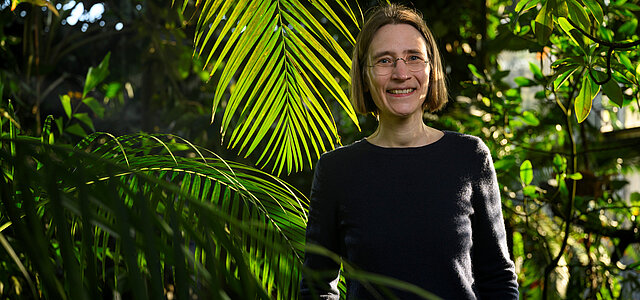
Yana G. Kamberov is an Associate Professor of Genetics at the Perelman School of Medicine, University of Pennsylvania. She serves as a core member of the Skin Biology and Disease Research Center, a member of the Institute for Diabetes, Obesity and Metabolism and Diabetes Research Center, and the Institute for Regenerative Medicine. Graduate Group Affiliation: Cell and Molecular Biology Administrative Role: Vice Chair of the Institutional Animal Care and Use Committee (IACUC) Education: B.A. in Molecular Biology and Biological Anthropology, University of Pennsylvania (2000) Ph.D. in Cell and Developmental Biology, Harvard University (2008) Research Expertise: The Kamberov lab investigates molecular and cellular mechanisms of human skin appendage development, evolution, and regeneration. Their work combines classical developmental genetics, high-throughput transcriptomics, in vivo genome editing, comparative evolutionary genomics, and organotypic culture models to explore sweat glands, hair follicles, and mammary glands. Scientific Contributions: Recent publications highlight discoveries in dermal niche formation, enhancer network modularity, and thermoregulatory evolution through developmental pathways.
Rongkun Shen is an Associate Professor in the Department of Biology at The College at Brockport, State University of New York. His research focuses on bioinformatics and computational biology, with an emphasis on genome-wide regulatory networks in development, disease, and environmental responses. Dr. Shen’s work integrates next-generation sequencing data (RNA-Seq, ChIP-Seq) with machine learning to explore microRNA target prediction, CREB binding mechanisms, and integrative genomic data mining. His publications span 2021 to 2010, reflecting sustained contributions to adipogenesis, neurogenetics, and circadian epigenetics. Key research themes include: Computational modeling of gene regulation MicroRNA networks in motor neuron fate Epigenetic switches in circadian clocks Machine learning for genomic data analysis
Prof. Dr. Katharina Markmann is a leading academic at the Julius von Sachs Institute of Biosciences, University of Würzburg, Germany. She holds the Chair of Botany II – Plant Ecophysiology, focusing on the molecular mechanisms governing plant-microbe symbiosis and environmental adaptation. Her research addresses fundamental questions about root development, systemic communication, and stress resilience in legumes. Institution: University of Würzburg School: Julius von Sachs Institute of Biosciences Department: Botany II – Plant Ecophysiology Email: katharina.markmann@uni-wuerzburg.de Markmann’s research centers on root nodulation symbiosis , exploring how plants optimize nitrogen acquisition through genetic regulation and small RNA signaling. Her work investigates systemic communication mechanisms between plant organs during symbiosis and nutrient scarcity. She also analyzes ecophysiological adaptations in legumes under heat and drought stress, contributing to understanding plant resilience in extreme environments. Her publications reveal a focus on microRNA mobility in legumes, receptor kinase evolution , and nutrient foraging strategies . Key findings include the role of miR172 in symbiotic infection and the development of genetic tools like the LORE1 mutant resource. Her studies span molecular biology, plant physiology, and evolutionary genetics. Markmann contributes to teaching in Biology and Biosciences programs , including courses in botany for geography students. She is affiliated with the Julius-von-Sachs-Platz 3 research facility in Würzburg, where her lab investigates plant adaptation mechanisms.
Hussam Hassan Nour-Eldin serves as Associate Professor at the Department of Plant and Environmental Sciences, University of Copenhagen, specifically within the Section for Molecular Plant Biology and DynaMo Center of Excellence. His research focuses on plant transporter biology, particularly the NPF family involved in specialized metabolite transport. Institution: University of Copenhagen Department: Plant and Environmental Sciences Research Center: DynaMo Center of Excellence (Danish National Research Foundation) Location: Thorvaldsensvej 40, 1871 Frederiksberg C Nour-Eldin's research centers on plant specialized metabolite transporters, with particular expertise in glucosinolate transport mechanisms. His laboratory employs Xenopus oocyte expression systems combined with electrophysiology and LC-MS based transport assays to characterize transporter function. Key research areas include phytohormone signaling pathways, plant defense compound allocation, and transport engineering in microalgae for improved carbon metabolism. His work bridges fundamental plant biology with agricultural applications, particularly in crop domestication and climate-resilient plant development. His recent publication trends reveal strong focus on glucosinolate transport mechanisms (particularly seed loading), specialized metabolite biosynthesis in plant tissues like epidermis, and transport engineering applications in both higher plants and microalgae. The research spans from structural biology of transporters to field applications in crop improvement. Member of Young Academy at Royal Danish Academy (2013-2018) Innovation Award, Copenhagen University (2013) Best Danish Research Result of the Year by videnskab.dk (2012) Nour-Eldin has secured substantial research funding including Novo Nordisk Foundation grants (DKK 5M and DKK 2.8M), HFSP consortium funding (DKK 9.1M), and has been a partner in the DKK 80M DynaMo Center of Excellence since 2012. His laboratory mentors multiple PhD students and postdocs working on plant transporter projects. He actively engages in public outreach, having lectured to over 60 high school classes about GMOs and participated in popular science events including the Big Bang science festival. His research group maintains strong international collaborations with institutions in Germany, Italy, Chile, Israel, France, USA, and the UK, working with both academic researchers and industry partners including Bayer CropScience, BASF, and Chr. Hansen.
Hongkui Zeng serves as Executive Vice President and Director of the Allen Institute for Brain Science, a position she assumed in 2020 after joining the institute in 2006 and leading its Structured Science Division from 2016-2020. She directs one of the world's leading neuroscience research organizations focused on creating comprehensive brain atlases and accelerating neuroscience discovery through open science principles. Dr. Zeng earned her Ph.D. in molecular and cell biology from Brandeis University studying circadian clock mechanisms in fruit flies, followed by postdoctoral research at MIT investigating hippocampus-dependent plasticity and learning. Her scientific journey has evolved toward systematic understanding of brain circuitry through large-scale, multidisciplinary approaches. Her research program centers on understanding neuronal diversity and connectivity in the mouse visual cortical circuit, employing a combined molecular, anatomical, and physiological approach. She has pioneered the development of multiple research platforms including single-cell transcriptomics, electrophysiology, 3D neuronal reconstruction, brain-wide connectivity mapping, and neuronal activity imaging to characterize neuronal cell types and their interconnections. Analysis of her recent publications (2023-2025) reveals a strong emphasis on creating multi-scale brain atlases that integrate transcriptomic, epigenomic, morphological, and connectivity data. Her work demonstrates increasing sophistication in mapping brain organization from molecular to circuit levels, with significant contributions to understanding healthy aging, cortical architecture, and cell-type-specific brain organization. Leading the BRAIN Initiative Cell Census Network Developing the Allen Mouse Brain Connectivity Atlas Creating comprehensive cell-type taxonomies Establishing standardized physiological survey methods As Director, she oversees major research programs, mentors scientific staff, and guides strategic direction for large-scale neuroscience projects that produce foundational resources for the global neuroscience community. Her leadership has positioned the Allen Institute at the forefront of systematic brain mapping initiatives that are transforming how we understand brain structure and function.
Cuncong Zhong, Ph.D. , is an Assistant Professor in the Department of Electrical Engineering and Computer Science at the University of Kansas , where he leads the Zhong Lab in computational biology and bioinformatics. His research focuses on developing accurate and efficient computational methods to tackle biological challenges, with emphasis on non-coding RNA structure and function, metagenomics, cancer genomics, and precision medicine. Education: Ph.D. in Computer Science, University of Central Florida M.S. in Computer Science, University of Central Florida B.S. in Computer Science and Biotechnology, Huazhong University of Science and Technology Research Interests: Dr. Zhong's research spans several key areas in computational biology: Computational Biology & Bioinformatics: Developing algorithms and data structures for biological data analysis Non-coding RNA: Investigating RNA structural motifs and their functional implications Metagenomics: Creating peptide-centric analysis tools for microbial community studies Cancer Genomics: Analyzing NGS data to identify cancer-related genetic variations Precision Medicine: Applying computational approaches to personalized medicine Scientific Awards: Best Paper Award - IEEE ICCABS 2012 (cover page story) Outstanding Thesis Award - University of Central Florida 2013 Traveling Fellowships - ISBRA 2015, IEEE ICCABS 2012 Teaching & Mentorship: Dr. Zhong teaches EECS730: Introduction to Bioinformatics , covering topics from sequence alignment to RNA structure prediction. His lab actively recruits motivated students with backgrounds in algorithms, programming, or biology. The lab's website explicitly mentions seeking new students to join their computational biology research efforts. Research Lab & Collaborations: The Zhong Lab at the University of Kansas focuses on developing computational tools for biological discovery. They collaborate with experimental biologists to understand fundamental life processes, particularly in areas of RNA biology and microbiome research. The lab has developed several software packages including GRASP, GRASPx, and RNAMotifScanX for various bioinformatics applications.
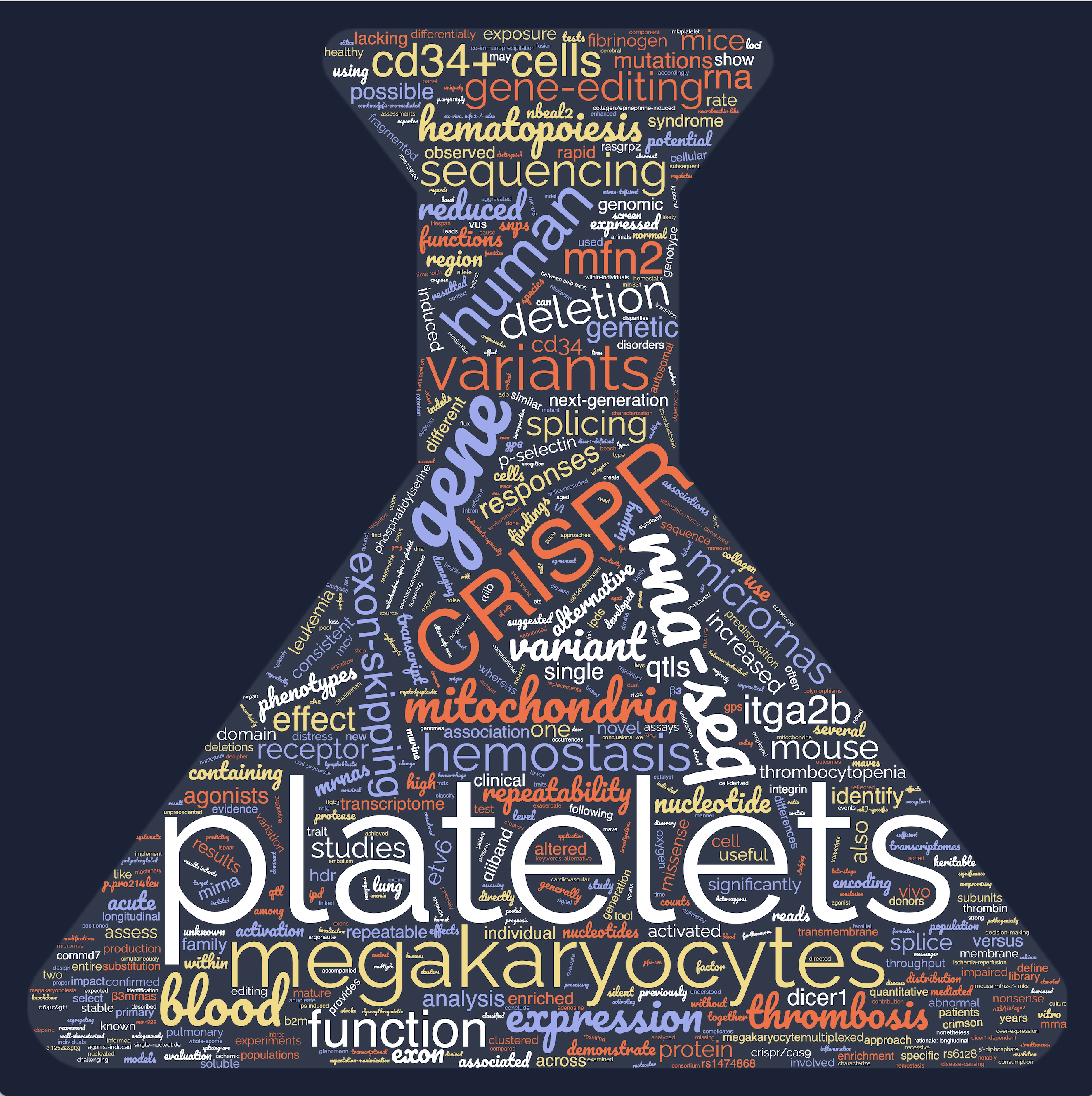
Jesse Rowley, PhD is a Principal Investigator at the University of Utah School of Medicine, Department of Internal Medicine. His research focuses on understanding how platelets and megakaryocytes influence human health and disease through integration of multi-omics approaches with traditional molecular, cellular, and in vivo methodologies. Dr. Rowley's educational background includes: PhD from The Johns Hopkins University BS from Brigham Young University Postdoctoral Fellowship at The Johns Hopkins University Postdoctoral Research Fellow at University of Utah Dr. Rowley's research interests center on platelet and megakaryocyte biology, with a focus on understanding the molecular mechanisms that govern platelet function in health and disease. His work integrates cutting-edge transcriptomic approaches with traditional molecular and cellular techniques to uncover new diagnostic and therapeutic avenues for platelet-related disorders. His laboratory has made significant contributions to understanding mitochondrial dynamics in platelets, the platelet transcriptome in various disease states, and developing innovative CRISPR-based approaches for studying platelet gene function. Analysis of Dr. Rowley's recent publications reveals a strong focus on platelet biology, particularly examining mitochondrial dynamics, transcriptomic changes in disease states, and innovative gene editing approaches. His work spans multiple disciplines including hematology, immunology, cardiovascular biology, and molecular genetics, with particular emphasis on how platelet dysfunction contributes to conditions like sepsis, thrombosis, autoimmune disorders, and viral infections including COVID-19. Dr. Rowley leads the Rowley Laboratory in Salt Lake City, Utah, which focuses on understanding platelet and megakaryocyte function through clinical discovery and advanced molecular, cellular, in vivo, and computational approaches. The lab has developed innovative techniques such as CRIMSON (CRISPR-edited Megakaryocytes for rapid Screening of platelet gene functiON) for studying platelet gene function.
William H. Majoros, Ph.D., serves as an Assistant Professor of Biostatistics and Bioinformatics at Duke University with key affiliations in the Division of Integrative Genomics, Duke Center for Statistical Genetics and Genomics, and Center for Combinatorial Gene Regulation. His educational background includes: Ph.D., Duke University (2017) Dr. Majoros specializes in developing computational frameworks for genomic regulation analysis, with core expertise in statistical genetics, non-coding DNA function, and high-throughput functional genomics. His research integrates Bayesian statistics with experimental genomics to decode gene regulatory mechanisms, particularly focusing on combinatorial effects of non-coding variants in disease contexts. Analysis of his 2018-2025 publications reveals consistent methodological innovation in allele-specific expression modeling, CRISPR screen analysis, and non-coding variant interpretation, with strong translational applications in rare genetic diseases and complex disorders. His research program is supported by major NIH funding including: Computational Methods for Investigating the Genetics of Gene Regulation (NIGMS, 2023-2028) Design and prioritization of systematic genome perturbations (NHGRI, 2021-2026) High-Throughput Functional Annotation of Regulatory Elements (NHGRI, 2021-2026) Beyond GWAS: Functional Genomics for Schizophrenia (NIMH, 2021-2026) Duke FUNCTION Center for combinatorial noncoding disease causes (NHGRI, 2020-2025) He actively mentors through COMPSCI/BIOSTAT research independent studies and teaches graduate courses including Graphical Models for Biological Data and Computational Sequence Biology, advancing training in statistical genomics methodologies.
Dale Whittington serves as the Manager and Technical Director at the Mass Spectrometry Center within the University of Washington’s School of Pharmacy and the Department of Medicinal Chemistry. He specializes in mass spectrometry and analytical chemistry, providing expertise in assay development, proteomics, and pharmacokinetics. Research Interests Whittington’s work focuses on mass spectrometry applications in pharmacokinetics , metabolomics , and proteomics . His research supports drug development, biomarker validation, and advanced analytical techniques for complex biological systems. He collaborates on projects involving Center for Epilepsy Drug Discovery and Pharmacokinetics of Drugs of Abuse during Pregnancy . Publications Trends Whittington’s recent publications span epigenetics , neuropharmacology , and veterinary oncology . His work emphasizes Global Health and Aging Research , often employing long-read sequencing and mass spectrometry to address complex biomedical questions. Labs & Collaborations He is integral to the Mass Spectrometry Center , which offers instrument training, protocol development, and sample analysis services. The center collaborates with institutions like the Obstetric-Fetal Pharmacology Research Unit and WE-REACH commercialization hub.