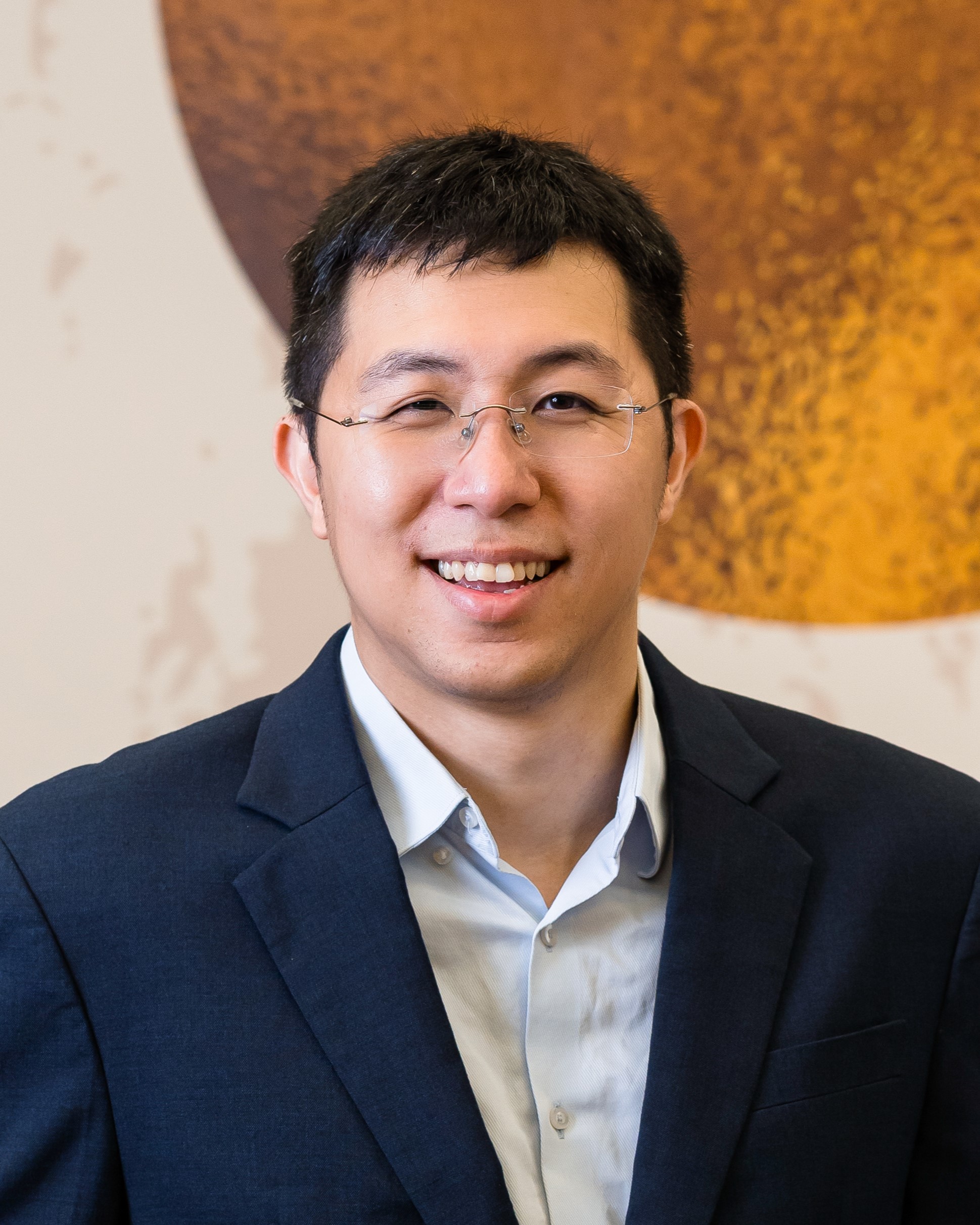
Sihong WangView profile
Associate Professor
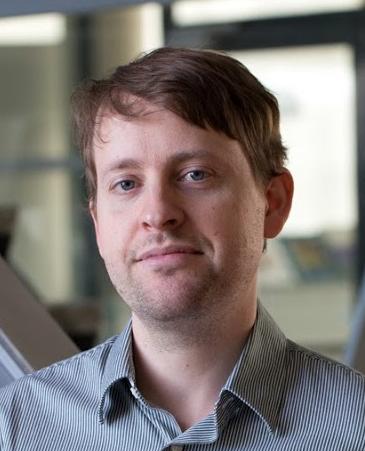
Sihong Wang serves as an Associate Professor within the Department of Biomedical Engineering at the City College of New York (CCNY), part of the City University of New York system. His research laboratory is housed in Steinman Hall (Room 434), where he develops advanced microfluidic platforms for biomedical applications. Dr. Wang maintains active research collaborations across engineering and life science disciplines, with contact facilitated through shwang@ccny.cuny.edu and phone 212-650-5189. Dr. Wang's research program centers on innovative microfluidic technologies that model complex biological systems with clinical relevance. His work bridges engineering precision with biological inquiry to create dynamic in vitro platforms for tumor microenvironment simulation, immune cell interaction studies, and stem cell differentiation analysis. Key focus areas include thermal modulation of cellular responses, high-throughput drug screening systems, and CRISPR-based validation of therapeutic mechanisms. This research directly impacts cancer immunotherapy development, regenerative medicine strategies, and pharmacological testing paradigms through engineered microenvironments that recapitulate physiological conditions. Analysis of Dr. Wang's publication trajectory (2013-2024) reveals an escalating sophistication in microfluidic platform design, evolving from foundational heat shock protein kinetics studies toward integrated systems for immune cell recirculation and tumor-stroma interaction modeling. His recent work demonstrates consistent innovation in creating dynamic, physiologically relevant microenvironments that capture temporal cellular responses—particularly evident in 2022-2024 immunotherapy-focused publications. The research consistently applies engineering principles to solve biological challenges, with increasing emphasis on clinical translation of microfluidic technologies for cancer treatment assessment. No scientific awards, graduate student mentorship records, research grant details, or laboratory infrastructure descriptions were documented in the source materials. Similarly, information regarding collaborative teams, future research directions, or educational background remains undisclosed in the available information.