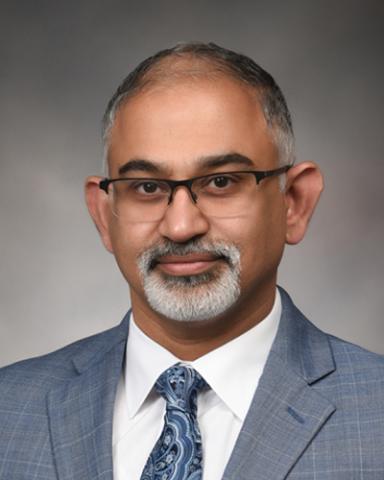
Dr. Sangeeta Parashar is an Associate Professor of Sociology at Montclair State University's College of Humanities and Social Sciences. Her research focuses on social demography, health inequities (maternal/child health, health-seeking behavior), aging, and gender studies. She holds degrees from the University of Delhi, Iowa State University, and the University of Maryland, College Park. Her work examines global issues such as child health in South Asia, stigma and healthcare access in Haiti, and the intersection of gender and aging in India. Courses taught include the Sociology of Aging, Social Problems, and Population Studies. She actively publishes in peer-reviewed journals and co-authored articles on academic advising and cross-cultural workforce dynamics. Dr. Parashar's research integrates demographic analysis with policy implications, emphasizing global development contexts. Her teaching portfolio reflects methodological rigor and interdisciplinary engagement in sociology.
Astri Letnes Janson is a Research Fellow and PhD candidate at the University of Oslo's Department of Public Health and Interdisciplinary Health Sciences. She is affiliated with the Faculty of Medicine as a student. Her work focuses on advanced practice nurse education, health informatics, and qualitative methods. She holds a Master of Nursing Science (2018) and a Bachelor in Nursing (2015) from the University of Oslo and Gjøvik University College, respectively. Her research explores topics like digital citizen services, inclusive design for diverse populations, and healthcare innovation. Notably, she won the Best Poster award at the 2020 eHelsekonferansen for her work on avatar-based caregiver support systems. Astri contributes to the 'Digital health services, Coordination and Citizenship (DCC)' research group. Her publications span healthcare technology design, nutritional interventions for individuals with intellectual disabilities, and explorations of nursing education programs. Current projects include investigating the future of clinical nursing education in Norway's healthcare system.
Dr. Viktor Venhorst is an Associate Professor at the Faculty of Spatial Sciences, University of Groningen, specializing in demography, regional economics, and labour market dynamics. He holds dual expertise in Demography (MSc, Cum Laude) and Microeconomics (MSc), with a PhD in Spatial Sciences (Cum Laude, 2012). His research focuses on migration patterns, graduate labour market outcomes, and the interplay between education institutions and regional economies. Key roles include leading the StudentLines Centre for Educational Data and Research, serving as a Fellow at Maastricht University’s Research Centre for Education and the Labour Market (ROA), and co-editing volumes on interregional migration. His work has influenced Dutch policy, notably regarding medical specialist distribution and urban-rural linkages. Notable awards include the Gratama Science Award (2013) and the 2017 Faculty Teacher of the Year. He currently oversees six PhD students researching migration, financial decision-making in Indonesia, and urban development histories. His teaching spans statistics, regional labour market analysis, and population projections.
Dr. Ehsan Shamsi Gooshki is a Lecturer at Monash University's Bioethics Centre and holds internationally esteemed roles such as Vice-Chair of the WHO Ethics Review Committee and UNESCO's International Bioethics Committee. He previously served as Associate Professor of Medical Ethics at Tehran University of Medical Sciences and held leadership positions in Iran's national bioethics governance. His work focuses on global health ethics, research ethics, and clinical ethics, with significant contributions to pandemic ethics during the COVID-19 crisis. He has developed national guidelines on research ethics, clinical ethics, and healthcare equity for vulnerable populations. Dr. Shamsi earned his MD from Shiraz University of Medical Sciences (2005) and a Ph.D. in Medical Ethics from Tehran University (2013). He has authored over 70 peer-reviewed articles in journals like The Lancet and Nature Medicine, and has advised global health organizations including the WHO and UNESCO. His research interests include ethical governance in non-democratic contexts, bioethics in public health emergencies, and the ethical challenges of sanctions in healthcare systems. Key contributions include: Developing Iran's first national system for research ethics committee accreditation Co-authoring the Iran Medical Council Code of Ethics Leading WHO's clinical ethics guidance initiatives Pioneering ethical frameworks for migrant healthcare access during pandemics He currently collaborates with international think tanks and teaches at Monash, focusing on bridging global and local bioethics imperatives. His work aligns with UN Sustainable Development Goals related to health equity and education.
Dr. Scott Hanson-Easey is a Senior Lecturer in the School of Public Health at The University of Adelaide, within the Faculty of Health and Medical Sciences. He specializes in social psychology and health risk communication, focusing on how communities perceive and respond to anthropogenic climate change-related health risks. His research emphasizes participatory action research to address inequities in public health practices by centering underserved communities' voices. His expertise spans qualitative and quantitative methods, collaborating with agencies like the Country Fire Authority and SA State Emergency Service. He has published over 65 peer-reviewed articles, focusing on topics such as climate change communication, disaster risk reduction, and migrant/refugee health. His work often intersects with emergency management, cultural competency, and structural factors influencing health outcomes. Key research themes include risk perception, health equity, and community-based participatory approaches. He actively engages with policymakers and stakeholders to translate research into actionable strategies for disaster resilience and public health adaptation. His articles highlight interdisciplinary collaboration across epidemiology, geography, and social policy.
Donncha Hanna is a Professor and Reader in the School of Psychology at Queen’s University Belfast (QUB). He specializes in mental health research, focusing on risk and resilience factors, posttraumatic stress, and digital mental health. With an h-index of 23 and over 120 publications, he has supervised over 40 doctoral students. His roles include former Research Doctorate Director in Clinical Psychology and current School Post-Graduate Research Director. Education: BSc (1st Class Honours in Psychology) and PhD from QUB (1999, 2004), Postgraduate Certificate in Higher Education Teaching (2005). Awards include the QUB Teaching Award (2013) and Team of the Year (2016). Research emphasizes quantitative methodologies, trauma measurement, and psychometric analysis. Recent projects include studies on Colombian trauma samples and the impact of trauma on reoffending. Teaching focuses on research methods and statistics, with bestselling textbooks in these areas. Key collaborations include King's College London and international trauma studies. Active in conferences and presentations, contributing to global mental health initiatives aligned with UN Sustainable Development Goals.
Romil Chadha, MD, MBA, MPH, FACP, SFHM, is a Professor of Internal Medicine at the University of Kentucky College of Medicine and serves as the Chief Medical Information Officer (CMIO) at UK HealthCare. He previously served as Division Chief of Hospital Medicine from 2019 to 2023 and is a certified Epic Physician Builder. His work bridges clinical medicine, health informatics, and executive leadership, with a strong focus on improving patient care through technology and data-driven decision-making. His educational background includes: MBBS from University College of Medical Sciences, Delhi, India MPH from the University of Texas, School of Public Health, Houston MBA from the Gatton College of Business and Economics, University of Kentucky Internal Medicine Residency at Westlake Hospital, Chicago, IL Romil Chadha’s research and professional interests lie at the intersection of hospital medicine and health informatics. He is deeply engaged in clinical decision support systems, data analytics, operational efficiency, and the digitization of healthcare workflows. His work emphasizes patient-centered care, evidence-based medicine, and empowering patients through clear communication. He advocates for innovation in health IT and continuous improvement in clinical systems. The recent articles authored or featured by Dr. Chadha highlight a strong trend in healthcare innovation, leadership, and informatics. Topics include clinical decision support, cybersecurity, workforce scheduling, pandemic response, and digital transformation. His publications reflect a consistent focus on leveraging data and technology to improve clinical outcomes, operational efficiency, and provider well-being. His key professional recognitions include: Fellow of the American College of Physicians (FACP) Senior Fellow of the Society of Hospital Medicine (SFHM) Certified Physician Executive (CPE) by the American Association for Physician Leadership Dr. Chadha is actively involved in mentoring and leadership development through the Society of Hospital Medicine (SHM), where he chairs the Academic Leaders SIG and serves on the Performance Measurement & Reporting Committee. He has contributed significantly to SHM conferences, committees, and chapters, particularly in Kentucky. His leadership roles involve strategic planning, recruitment, operations, and coaching for hospital medicine teams, as well as building clinical order sets and advancing data analytics capabilities. He has no known formal grants listed in the provided text but leads institutional initiatives in health IT and quality improvement. He is a core member of the medical informatics group at UK HealthCare and plays a pivotal role in shaping the institution’s clinical information systems strategy. His work involves close collaboration with physicians, IT teams, and administrative leaders to ensure technology supports clinical excellence and safety.
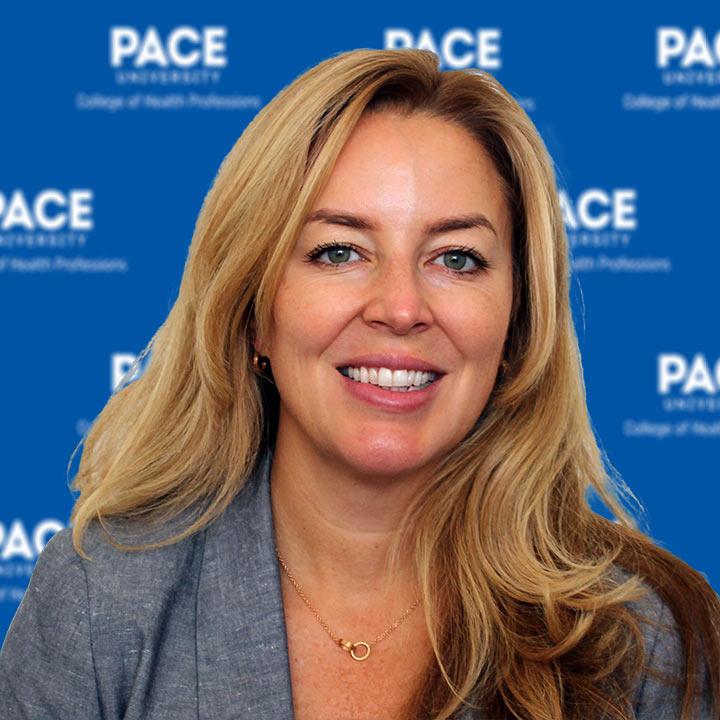
Rhonda D'Agostino is a Clinical Assistant Professor and the Adult-Gerontology Acute Care Nurse Practitioner (AGACNP) Specialty Track Coordinator at the Lienhard School of Nursing (LSN), part of the College of Health Professions at Pace University. She joined LSN in January 2024, bringing over 15 years of clinical and leadership experience from Memorial Sloan Kettering Cancer Center (MSKCC) and prior academic leadership at Mount Saint Mary College. Education: DNP, Pittsburgh State University, Pittsburg, KS MS, Adult-Gerontology Acute Care Nurse Practitioner, New York University, New York, NY BS, Nursing, Pace University, Pleasantville, NY AAS, Nursing, Orange County Community College, Middletown, NY Her research focuses on critical care, simulation, and wellness , with a strong emphasis on integrating advanced practice providers (APPs) into ICU settings, optimizing staffing models, and improving provider well-being. Her work bridges clinical innovation and academic training, aiming to enhance both patient outcomes and provider sustainability in high-acuity environments. The recent publications highlight a consistent trend in healthcare systems improvement, particularly in critical care workforce dynamics, APP integration, and quality metrics . These works reflect a deep engagement with systemic challenges in ICU environments, especially in oncology and comprehensive care centers. Scientific Awards: Pittsburgh State University, 1st Place Research Colloquium (2024) Memorial Sloan Kettering Cancer Center, Rudin Award for Excellence in Nurse Leadership (2015) MSKCC Hospital Performance Improvement Fair, Judges Choice Award (2014) Dr. D'Agostino has held significant advisory and leadership roles in professional organizations. She chaired the Advance Practice Subcommittee and served as Vice Chair of the APP Resource Committee in the Society of Critical Care Medicine (SCCM), contributing to national guidelines and congress planning. While formal student advising is not listed, her role as a graduate program coordinator and track leader implies mentorship and curriculum development. She has not been mentioned as holding specific research grants, but her leadership in performance improvement and systems-based practice suggests involvement in institutional quality initiatives. She is actively involved in professional communities including the Society of Critical Care Medicine (SCCM), National Organization of Nurse Practitioner Faculties (NONPF), and the American Association of Critical Care Nurses (AACN), contributing to national discourse on APP roles and critical care standards.
Jane Noyes is a Professor of Health and Social Care Services Research and Child Health in the School of Health Sciences at Bangor University. She is actively engaged in research, supervision, and leadership within health services and child health domains. Her work spans methodological innovation, policy impact, and interdisciplinary collaboration, particularly in Wales. Education: MSc in Postgraduate Studies, University of Manchester DPhil, University of York Her research focuses on child health—especially children with complex needs and life-limiting conditions—and general health services research, with expertise in complex intervention development and evaluation, qualitative and mixed-methods approaches, and robust evidence syntheses. She is a leading figure in advancing qualitative evidence synthesis methodology, particularly in Cochrane reviews and meta-ethnography. The recent articles highlight a strong trend toward methodological rigor in evidence synthesis, integration of patient-reported outcomes in value-based healthcare, and policy-relevant research during health emergencies. Her work increasingly emphasizes stakeholder engagement, rapid review processes, and economic evaluation in healthcare. Scientific Awards and Recognition: Contributions informed WHO guidelines on task shifting to improve maternal and child health globally. Work aligns with UN Sustainable Development Goals, particularly in health and education. Senior Research Leader appointed by Health and Care Research Wales. Jane Noyes leads major funded projects including the Wales Kidney Research Unit (2025–2030), the CARELINK Wales data linkage project, and the development of PRISMA-QES reporting guidelines. She supervises PhD students and has contributed to six supervised research outputs. Her leadership extends to organizing academic events such as the Inaugural College of Medicine and Health Women's Health Symposium. She is involved in labs and research units focused on pediatric palliative care costing, rapid evidence synthesis, and linked data analysis for vulnerable children in Wales. Her network includes collaborations across the UK and internationally, particularly in public health, nursing, and social care research.
Karla Wagner is an Associate Professor in the School of Public Health at the University of Nevada, Reno. She is a behavioral scientist whose research focuses on mitigating health harms among people who use drugs, with continuous funding from the National Institutes of Health (NIH) and the Centers for Disease Control and Prevention (CDC) since 2008. Her work employs mixed methods and qualitative approaches to study harm reduction interventions, overdose prevention, and substance use patterns, particularly related to methamphetamine and opioids. Education: Ph.D. in Preventive Medicine (Health Behavior Research), University of Southern California Postdoctoral Fellowship, Division of Global Public Health, University of California, San Diego M.A. in Applied Anthropology, Northern Arizona University B.A. in Anthropology and Minor in Biology, University of Colorado, Boulder Her research interests include harm reduction, overdose prevention, substance use disparities, social determinants of health, and the intersection of public health and criminal justice. She has led and co-led multiple federally funded studies, including projects on naloxone distribution, methamphetamine use in the Mountain West, and social networks of overdose responders. Her recent publications reflect a strong trend in qualitative and mixed methods research focused on marginalized populations, with recurring themes of fentanyl contamination, peer recovery support, and structural barriers to health. She frequently collaborates with students and community partners, evidenced by co-authored publications and community-engaged research. Scientific Awards: No awards explicitly mentioned in the text. Dr. Wagner actively mentors students, as indicated by the asterisked student authors on her publications. She has received significant grant funding from NIH/NIDA and CDC, supporting her ongoing research in public health interventions. She teaches graduate courses in mixed methods and applied public health research, contributing to the training of future public health professionals. Her work is often conducted in collaboration with community-based organizations and public health departments, particularly in Nevada and New Mexico, focusing on real-world implementation of harm reduction strategies. She is involved in developing tools such as simulation models for public health officials and evaluating peer-based interventions in emergency departments.
Thomas J. Goldsby is the Dee & Jimmy Haslam Chair of Supply Chain and Professor of Supply Chain Management at the Haslam School of Business, University of Tennessee, Knoxville. He serves as co-executive director for the Global Supply Chain Institute and directs the MS-SCM Tricon program. His expertise spans logistics strategy, supply chain integration, and lean/agile supply chain frameworks, with an emphasis on resilience, transparency, and digital transformation. Education: Ph.D. in Business Administration (1998), Michigan State University M.B.A. in Economics and Transportation (1993), University of Kentucky B.S. in Economics and Finance (1992), University of Evansville Recent research trends include cyber resilience in supply chains, trade policy impacts (e.g., GST in India), and consumer-centric logistics strategies. His work bridges academic rigor and industry relevance, reflected in over 100 publications and leadership roles as co-editor-in-chief of the Journal of Business Logistics and editor emeritus of the Transportation Journal . Scientific Awards: Multiple Best Paper Awards 2019 'Rainmaker' by DC Velocity Magazine Lifetime Achievement Award from Supply Chain Leaders in Action Teaching Excellence Awards at multiple universities Goldsby has secured over $4.5 million in research grants and supervised 100+ industry supply chain projects. He co-hosts the Tennessee on Supply Chain Management podcast and has delivered executive programs globally. His leadership in academic-practitioner collaboration and sustainability initiatives underscores his influence in shaping supply chain discourse.
Dr. Sriram Narayanan is a Full Professor and the Eli Broad Professor in Supply Chain Management at Michigan State University's Eli Broad College of Business. He specializes in supply chain management, operations strategy, and innovation, with a focus on sustainability, diversity, and global supply chain governance. His research explores topics such as disability inclusion in operations, environmental stewardship, and the integration of Industry 4.0 technologies with lean practices. His work bridges theoretical and practical challenges in supply chain dynamics, including collaborative networks in pharmaceuticals, ethical supplier governance, and organizational learning for resource efficiency. He has contributed to high-impact journals like Production and Operations Management and serves on editorial boards, including Service Science . Narayanan’s research emphasizes actionable insights for businesses and policymakers, addressing issues like water stress, agile pharmaceutical development, and inclusive workforce strategies. He has no listed advising grants, but his articles consistently highlight interdisciplinary approaches to operational challenges.
Antony Stones is a Senior Lecturer at the School of Science, Technology and Health, York St John University. With over a decade of experience in the Yorkshire Ambulance Service, he pioneered paramedic education by completing a foundation degree and BSc top-up, becoming one of the first paramedics in the UK to achieve these qualifications. He transitioned to primary care as an Advanced Clinical Practitioner (ACP), earning an MSc with a thesis on non-pharmacological treatments for anxiety and depression. He became one of the UK's first eight paramedic independent prescribers. His teaching career began in 2021 at Teesside University, where he led paramedic science modules and coordinated practice placements. Research focuses on ACP integration into primary care, mental health consultation skills, and evidence-based prescribing practices. Key publications explore ACP-GP collaboration, primary care system reforms, and mental health prescribing challenges. He has presented at NHS England Workforce Development Conference and Tees, Esk, and Wear Valley NHS Trust mental health conferences, emphasizing ACP roles and mental health complexities. His work bridges clinical practice and academia, aiming to improve healthcare delivery through innovative roles and evidence-based approaches.
Dr. Paul Taylor is a Senior Clinical Lecturer in Palliative Medicine at the School of Medicine and Population Health , University of Sheffield. He combines clinical practice at St. Luke’s Hospice with academic research, supported by affiliations with the Sheffield Palliative Care Research Network and ScHARR (School of Health and Related Research). Education: MBChB (Hull and York Medical School), PhD in Health Sciences (Hull and York Medical School, 2012) Research Interests: Prognostication and clinical decision-making in end-of-life care, with a focus on projects like Project ECHO and the RESOLVE study . His work spans palliative care education, health services research, and strategies to avoid emergency admissions for palliative patients. Publication Trends: Recent articles (2021–2024) emphasize the integration of technology in palliative care education, policy analysis for homecare services, and interdisciplinary approaches to end-of-life decision-making. Earlier work (2011–2018) explores physiological changes near death, caregiver experiences, and guideline development for palliative oncology care. Professional Roles: Member of the Association for Palliative Medicine , Royal College of Physicians , and the General Medical Council Specialist Register. He supervises Masters students in ScHARR’s Clinical Research programme and mentors clinical trainees.
Daniel P. Gross is an Associate Professor in the Strategy area at Duke University’s Fuqua School of Business and a Faculty Research Fellow at the National Bureau of Economic Research (NBER). His research focuses on the causes and consequences of technological change, including crisis innovation policy, automation’s impact on labor markets, and the interplay between innovation and entrepreneurship. Gross holds a Ph.D. in Economics from UC Berkeley and has held positions at Harvard Business School and NBER. His work has been funded by the NSF, Sloan Foundation, and Kauffman Foundation. Education: Ph.D. in Economics, University of California, Berkeley (2015) B.A. in Mathematics and Economics, Tufts University (2008) Research Interests: Gross examines historical and modern contexts of technological change, including crisis-driven innovation (e.g., WWII and pandemic responses), automation effects on workers and firms, and policy frameworks for fostering innovation. He frequently uses historical case studies to inform contemporary economic and policy debates. Key Contributions: His research on WWII-era R&D’s impact on post-war innovation has influenced policy reports like the Economic Report of the President. Notable articles include analyses of telephone operator automation’s labor market effects and critiques of modern innovation policy. Awards & Recognition: Strategy Science conference Best Paper award (2023) Management Science Distinguished Service Award (2024) Grants & Funding: Over $1.2M as PI from NSF, Sloan Foundation, and Duke University, focusing on topics like U.S. scientific training ecosystems and post-WWII innovation legacies. Labs/Teams: Collaborates with interdisciplinary teams at NBER, Duke, and Harvard on innovation policy, historical economics, and labor market dynamics.