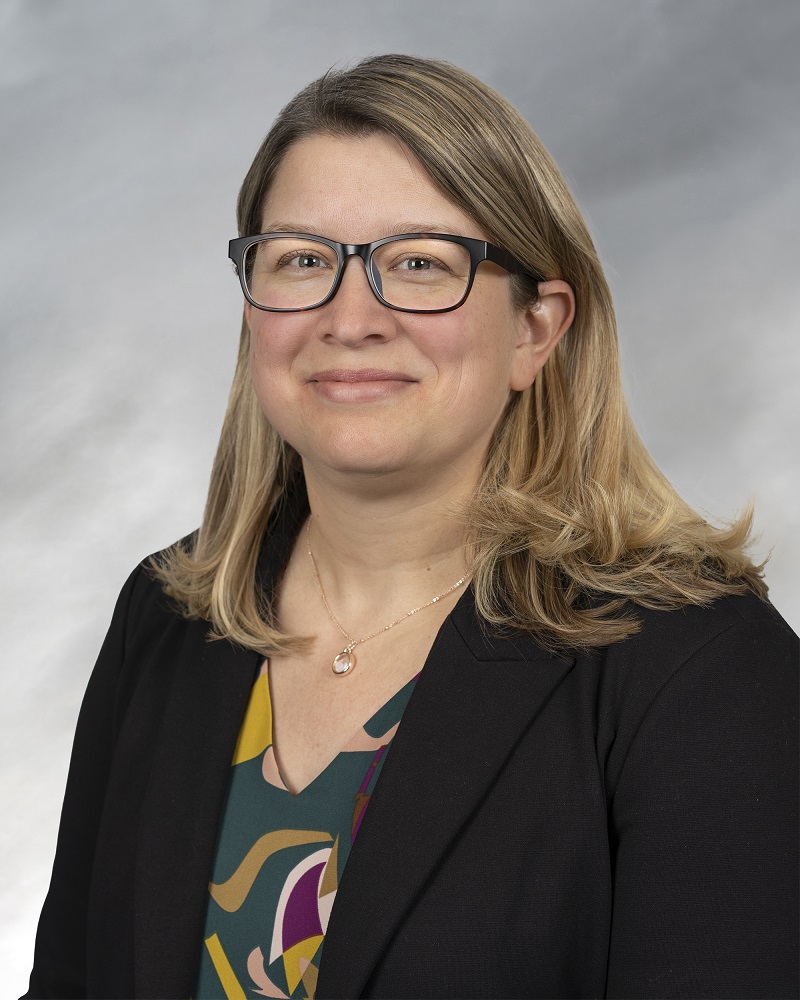
Giuliana Cerro ChiangView profile
Assistant Professor
Giuliana Cerro Chiang, M.D., is an Assistant Professor in the Department of Pulmonary, Critical Care & Sleep Medicine at Yale School of Medicine. She joined Yale in 2023, following advanced fellowship training and research at Cedars-Sinai Medical Center. Her clinical and research focus centers on interstitial lung diseases, particularly those linked to connective tissue and rheumatologic disorders. Medical Degree: Universidad Peruana Cayetano Heredia, Lima, Peru (2014) Residency: Internal Medicine, UT Southwestern, Dallas, TX Fellowship: Pulmonary and Critical Care Medicine, Cedars-Sinai Medical Center, Los Angeles, CA Advanced Training: Chief Fellow and Research Fellow in Interstitial Lung Disease Graduate Degree: Master of Science in Clinical Research (MSCR), UCLA Her research explores the pathophysiology, biomarkers, and progression of interstitial lung diseases, including systemic sclerosis-associated ILD and post-COVID lung fibrosis. She has contributed to studies on immune dysregulation in severe infections and global critical care burden. Her recent publications reflect a strong focus on biomarker discovery, molecular mechanisms in lung disease, and clinical outcomes in complex pulmonary conditions. Dr. Cerro Chiang’s work bridges clinical investigation with translational research, aiming to improve diagnosis and therapeutic strategies for patients with rare and complex lung diseases. Her research has appeared in high-impact journals such as International Journal of Molecular Sciences , CHEST , and Cell Reports . Premio Contenta- Summa Cum Laude (2014), Universidad Peruana Cayetano Heredia She is actively involved in clinical research at the Lippard Laboratory of Clinical Investigation (LCI) at Yale. While no formal advisees are listed, her role as a junior faculty member positions her to mentor future trainees in pulmonary medicine and clinical research. Her interdisciplinary work involves collaboration across immunology, rheumatology, and data science to advance understanding of lung disease mechanisms.