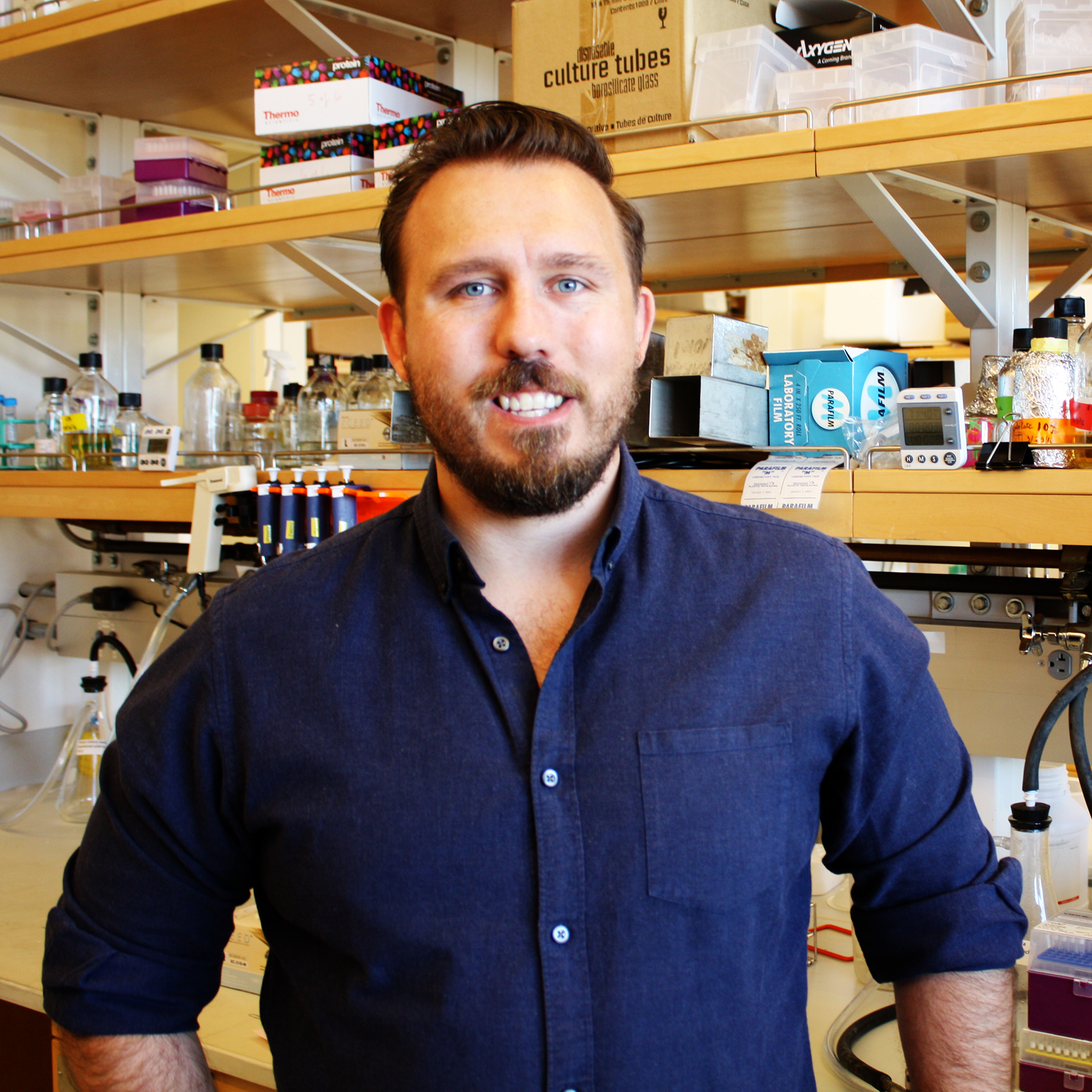
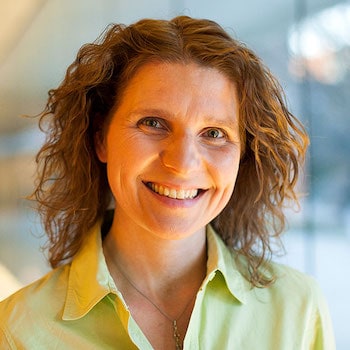
Dr. Jack Barton is a Casual Academic at the School of Built Environment, University of New South Wales (UNSW), and an Adjunct Professor at Far Eastern University, Philippines. He specializes in geospatial research, urban modeling, and three-dimensional mapping applications. Current Role: Manages the Geospatial Research Innovations and Development (GRID) cluster at UNSW Past Roles: Associate (Digital Delivery) at SGS Economics and Planning (2018–19), Urban Data and eResearch Facilitator at AURIN (2013–17) His research focuses on integrating geospatial technologies with urban sustainability, digital twins, and spatial decision support systems. Recent work includes real-time bushfire messaging and voxel-based urban analytics . Dr. Barton combines consultancy (20+ years), academic research, and education. He has contributed to over 15 publications since 2003 in journals like ISPRS Annals and Housing Studies , with an emphasis on smart cities and urban resilience . He leads the GRID research cluster at UNSW, fostering interdisciplinary projects that bridge architecture, geospatial science, and urban policy.
Robert Keller is a Research Professor at the University of Applied Sciences Kempten , Faculty of Tourism-Management, since 2020. He leads the Business Information Systems Laboratory and serves as Director of the Institute for Sustainable and Innovative Tourism (INIT) since 2024. His interdisciplinary research bridges applied data science and behavioral science to address challenges in tourism and mobility , with a focus on digital nudging, sustainable smart tourism, and visitor management. Education: Wirtschaftsinformatik and Finanz- & Informationsmanagement (University of Augsburg, TU Munich), PhD in Informatics (University of Bayreuth) Keller’s research spans digital transformation , data science , and sustainable mobility , exemplified by projects like AIR (AI-based sustainable tourism recommendation), FEB-NAFV , and KlimKomHub (climate communication). He has supervised multiple PhD students and contributed to international journals and conferences, including Electronic Markets . Recent publications analyze electric vehicle load shifting , augmented reality visitor guides , and generative AI chatbots in tourism. His work is cited over 1700 times, with an h-index of 20. Scientific Engagement: Guest speaker (ARD Morgenmagazin, ZDF Aspekte, FAZ), podcast host for bachelor students, and conference presenter (ENTER25, European Symposium on Information Systems Engineering)
Prof. Dr.-Ing. Frank Tillenkamp is a full Professor for Refrigeration Technology, Fluid Dynamics and Energy Systems at ZHAW School of Engineering, where he serves dual leadership roles as Director of the Institute of Energy Systems and Fluid Engineering and Department Director of Mechanical Engineering, Energy Technology and Aviatics (MEA). His research focuses on advancing sustainable energy solutions through refrigeration technology, heat pump optimization, and energy efficiency in building systems. His primary research domains include: Advanced refrigeration cycle design and CO2-based systems Heat pump hydraulics and performance optimization Exergy-based efficiency assessment methods Blast safety valve mechanics and fluid-structure interactions Energy storage solutions for commercial applications Publication analysis reveals three dominant research trajectories: Energy efficiency optimization in refrigeration/HVAC systems (6 publications) Safety engineering for blast-resistant components (4 publications) Sustainable energy integration in buildings (3 publications) Recent work shows increasing focus on computational methods including FSI simulations and computer vision applications. Professor Tillenkamp leads multiple research initiatives: Underground Farming : Investigating sustainable agriculture systems (ongoing) Community Energy Storage : Completed project on energy grid integration Cooling System Comparison : Analyzing commercial refrigeration configurations (ongoing) He maintains active industry engagement as Chairman of SNV INB NK 181 standards committee for refrigeration systems and contributes to SIA heating standards. His laboratory focuses on experimental validation of energy systems, with particular expertise in hydraulic network optimization and refrigeration test rigs.
Auke Pols is Lecturer in responsible innovation and the ethics of technology at Wageningen University & Research, within the Knowledge, Technology and Innovation (KTI) group. He also serves as the PhD coordinator for the KTI group, organising skills training for doctoral candidates. His research focuses on organising responsibility within socio-technical systems, with particular attention to Responsible Research and Innovation (RRI), innovation models beyond growth paradigms, and the moral responsibilities of engineers and technologies for shaping human behaviour. Empirically, his work has examined biofuel production in Tanzania and smart-grid implementation in India. Pols’s publications span leading journals such as Science and Engineering Ethics , Policy Sciences , and Journal of Responsible Innovation , addressing themes from stakeholder involvement in design to the rationality of EU biofuel certification. Contact: Auke.Pols@wur.nl Visiting address: De Leeuwenborch, building 201, room 4019 Hollandseweg 1, 6706 KN Wageningen, The Netherlands
Dr. Omar Khadeer Hussain serves as an Associate Professor and Deputy Head of School (Research) at the School of Business, UNSW Canberra. He has been with the School since February 2014, initially working as a Lecturer and Senior Lecturer before his current appointment. Prior to joining UNSW, he worked as a Senior Research Fellow at Curtin University. Dr. Hussain's educational background includes a Bachelor of Technology in Computer Science from JNTU (2002), a Master of Research in Computer Science from La Trobe University (2004), and a Doctor of Philosophy in Information Management from Curtin University (2008). His research focuses on Logistics and Supply Chain Management, with particular emphasis on Supply Chain Risk Management, Distributed and Grid Systems, Decision Support, and Group Support Systems. Dr. Hussain applies these areas to develop knowledge synthesis from data for business applications such as decision making, risk management, cloud service management, new product development, and milk quality management. His work incorporates predictive analytics to enable informed business decision making, with recent research increasingly integrating artificial intelligence and large language models for supply chain risk identification and management. Analysis of Dr. Hussain's recent scholarly output reveals a strong focus on applying cutting-edge AI techniques to supply chain challenges. His work spans systematic literature reviews on supply chain risk modeling, development of frameworks for SLA violation prevention in Cloud of Things environments, and innovative applications of explainable AI in various domains. There is a clear trend toward leveraging large language models for event identification in supply chain risk management and developing dual-sided decision frameworks that integrate multiple stakeholder perspectives. His research bridges theoretical advances with practical applications in logistics and business engineering. Curtin Business School New Researcher of the Year award for 2012 Prize for Early Career Researcher, Curtin Business School (2013) Chancellor's thesis commendation award, Curtin University (2008) Master Prize – Computer Science, La Trobe University (2004) Dr. Hussain has successfully secured multiple competitive research grants, including ARC Linkage Projects on 'Economically Efficient Green Logistics through Cyber Physical Systems' (2016) and 'Intelligent CRM through Conjoint Data Mining of Heterogeneous Sources' (2015), both with Professor Elizabeth Chang as lead CI. He has also supervised 9 PhD students to completion, serving as both main and joint supervisor. While specific lab or team information isn't explicitly mentioned in the available text, Dr. Hussain's research appears to be conducted within the School of Business at UNSW Canberra, likely collaborating with colleagues across business disciplines and computer science to address complex supply chain and logistics challenges through interdisciplinary approaches.
Gyeong Ho Lee serves as an Assistant Professor in the Department of Artificial Intelligence and Information Technology at Sejong University, South Korea, a position held since 2025 following postdoctoral research at KAIST's Information & Electronic Research Institute (2023-2025). His academic credentials include: Ph.D. from Korea Advanced Institute of Science and Technology (KAIST), 2023 M.S. from KAIST, 2019 B.S. from Georgia Institute of Technology, 2015 Research focuses on AI/ML applications in IoT ecosystems, emphasizing edge computing efficiency, data-driven industrial decision systems, and LLM integration for smart manufacturing and digital transformation. His work bridges theoretical algorithms with practical energy optimization and autonomous control solutions. Recent publications (2024-2025) reveal concentrated expertise in IoT energy management, battery forecasting, and human activity recognition through deep learning architectures. These studies consistently address real-world industrial challenges across computer science, electrical engineering, and AI domains. No scientific awards were documented in the source material. Advising activities and research grants remain unspecified in available records. Laboratory affiliations or research teams were not referenced in the provided information.
Ghulam Qadir is a lecturer at Southern Cross University's Faculty of Science and Engineering. He holds a PhD in Built Environment (University of Sydney, 2023) and M.Sc. in Building Services Engineering (Loughborough University, 2009), specializing in green buildings, sustainable infrastructure, and project management. PhD, Built Environment, University of Sydney (2020–2023) M.Sc., Building Services Engineering, Loughborough University (2008–2009) B.Sc., Civil Engineering, N.W.F.P UET Peshawar (2004–2008) His research focuses on energy efficiency, climate change mitigation, and sustainable building technologies. He has led initiatives on carbon-zero strategies, green roofs, vermicomposting toilets, and greywater treatment systems. His work addresses thermal comfort, off-grid solutions, and environmental sustainability in arid climates. Recent publications analyze synergies between photovoltaic panels and green roofs, indoor green curtain systems, and staircase wetlands for greywater treatment. These reflect his commitment to interdisciplinary approaches combining engineering with ecological principles. As a certified PMP, LEED AP BD+C, and Autodesk Revit Certified Professional, he integrates practical expertise into curriculum development, including courses on BIM and sustainable construction practices. He emphasizes innovation, critical thinking, and real-world applications in student mentorship.
Soma Sugano is an Assistant Professor at Waseda University's Faculty of Science and Engineering, with concurrent part-time lecturer roles at Tokyo City University and Keio University's Shonan Fujisawa Campus. Holding a Doctor of Engineering degree from Waseda University (2023), he actively contributes to architectural environment research through multiple affiliations. Current affiliations: Waseda Research Institute for Science and Engineering (Assistant Professor), Tokyo City University (Part-time Lecturer), Keio University (Part-time Lecturer) Professional memberships: ISHS, ISIAQ, ASHRAE, SHASE, AIJ Research Focus: Specializing in biophilic design, indoor plant environments, and sustainable building systems, he bridges architectural engineering with agricultural technology to create human-centric, energy-efficient spaces. His work addresses both physiological plant needs and psychological human responses to built environments. Publication Trends: Recent studies demonstrate expertise in Spectral irradiance modeling for plant growth Thermal comfort optimization Indoor air quality improvement Zero-energy agricultural systems Scientific Recognition: 44th Tohoku Architecture 'Work Award' (2024) Top Downloaded Article, JAPAN ARCHITECTURAL REVIEW (2023) Young Excellent Presentation Award (2022) JIA Environmental Architecture Award (2021) Academic Leadership: Serves as committee member for AIJ Subcommittee on Biophilia Spaces and as peer reviewer for Building and Environment journal.
Dr. Andante Hadi Pandyaswargo is an Associate Professor at the Environmental Research Institute of Waseda University, Japan. With a Doctor of Engineering from Waseda University (2013), he has built an extensive career in environmental research with previous appointments at Tokyo Institute of Technology and various international organizations including United Nations University and Asian Development Bank. His educational background spans multiple continents, with degrees from Waseda University (Japan), Ritsumeikan Asia Pacific University (Japan), and Trier University of Applied Sciences (Germany). His academic journey reflects a strong interdisciplinary approach combining engineering, environmental science, and international development perspectives. Dr. Pandyaswargo's research focuses on critical sustainability challenges including electric vehicle adoption, renewable energy systems for remote communities, waste management technologies, and environmental policy. His work often bridges technical and social aspects of sustainability, examining how technological solutions interact with human behavior and policy frameworks. He has developed expertise in Technology Readiness Assessment methodologies, particularly the Japanese J-TRA approach, to evaluate the maturity of environmental technologies. His publication record shows a strong trend toward interdisciplinary research addressing practical sustainability challenges, with recent work focusing on AI applications in waste management, decarbonization policies, and sustainable energy solutions for developing countries. His research has significant practical implications for policy makers and practitioners working on sustainable development. Japan Society Mechanical Engineers (2019-Present) International Solid Waste Association (ISWA) (2018-Present) Society for Environmental Economics and Policy Studies (SEEPS) (2016-Present) Japan Society of International Development (JASID) (2014-Present) Dr. Pandyaswargo has received numerous awards recognizing both his research excellence and his contributions to sustainable development, including multiple Best Paper and Presentation awards at international conferences and the prestigious Hutchison Medal from the Institution of Chemical Engineers. His research has been supported by various international organizations and has significant implications for sustainable development policy and practice in Asia and beyond.
Rick Baker, PhD, is an Assistant Professor in the Department of Biochemistry and Biophysics at the University of North Carolina at Chapel Hill School of Medicine. He is a member of the UNC Lineberger Comprehensive Cancer Center and serves as the Community Engagement Committee Chair for Curriculum and Scholarship. Dr. Baker leads the Baker Lab, which focuses on understanding the molecular mechanisms of membrane trafficking, particularly endocytosis and exocytosis. Dr. Baker received his PhD from Princeton University. His educational background includes: PhD in Molecular Biology from Princeton University Dr. Baker's research centers on the molecular mechanisms of membrane trafficking, with a particular emphasis on how recycling of cell surface receptors is regulated. His lab uses biochemical reconstitution, single-molecule biophysics, and high-resolution cryo-electron microscopy to understand how cellular machinery controls the composition of the cell surface. Subversion of membrane trafficking is implicated in various human diseases, especially cancer, where precise control of therapeutic targets like GPCRs and receptor tyrosine kinases at the plasma membrane is crucial. His work bridges structural biology, cell biology, and cancer research. Analysis of Dr. Baker's recent publications reveals a strong focus on structural biology approaches to understand membrane trafficking mechanisms. His work heavily utilizes cryo-EM to study protein complexes involved in vesicle budding and fusion. There's a clear progression from fundamental mechanisms of SNARE assembly and clathrin-mediated endocytosis toward understanding how these processes relate to human diseases, particularly cancer. His research increasingly incorporates interdisciplinary approaches, collaborating with groups using model systems like Saccharomyces and C. elegans. Dr. Baker has received notable scientific recognition: Damon Runyon Cancer Research Foundation Postdoctoral Fellowship (2016-2019) NSF Graduate Research Fellowship (2011-2014) Dr. Baker is actively accepting students into his lab and is committed to providing a safe and inclusive training environment that celebrates diverse backgrounds and viewpoints. His research is supported by various grants, though specific funding sources aren't detailed in the provided text. He collaborates extensively with multiple research groups, using diverse model systems and experimental approaches including unbiased genetic screens, fitness assays, and live cell microscopy. The Baker Lab, located in the Genetic Medicine Building at UNC Chapel Hill, is at the forefront of structural studies of membrane trafficking machinery. The lab employs a multidisciplinary approach combining high-resolution cryo-EM, X-ray crystallography, single-molecule TIRF, and biochemical reconstitution. They are also involved in cryo-EM methods development, particularly for studying membrane-bound proteins. The lab collaborates with several research groups working with model systems including Saccharomyces and C. elegans.
Rongxin Yin is a Researcher at Lawrence Berkeley National Laboratory, where they work within the Energy Storage and Distributed Resources Division (ESDR) and specifically the Grid Integration Group. Their work focuses on developing and implementing demand response strategies to improve grid reliability and efficiency, with particular expertise in commercial building applications. As part of the Demand Response Research Center (DRRC), they have contributed significantly to the development of tools and methodologies for assessing and implementing demand response programs. Rongxin Yin's research centers on demand response technologies, grid integration, and building energy efficiency. Their work examines how commercial buildings can provide valuable flexibility to the electric grid through thermal energy storage, load shifting, and automated demand response. They have developed and refined the Demand Response Quick Assessment Tool (DRQAT), which enables building operators and utilities to predict and optimize demand response potential. Their research spans both domestic applications in California and international contexts, particularly in India, where they've worked on grid reliability challenges. Analysis of Rongxin Yin's publications from 2008-2020 reveals a consistent focus on demand response implementation and quantification. The research shows progression from initial tool development and field demonstrations to more sophisticated frameworks for quantifying flexibility across different building types and geographic contexts. Their work increasingly addresses both technical and economic aspects of demand response, with growing emphasis on international applications and integration with evolving grid needs. The publications demonstrate strong collaboration with utilities, building operators, and international partners to validate approaches in real-world settings. Rongxin Yin has extensive experience in field demonstrations of demand response technologies, particularly in commercial buildings. Their work includes numerous projects with utilities in California and New York, as well as international collaborations in India. They have developed methodologies for cost-benefit analysis of building-grid integration and have contributed to major studies on demand response potential for California. Their research has been supported by funding from the Department of Energy and utility partnerships focused on grid reliability and efficiency. Rongxin Yin is part of the Grid Integration Group at Lawrence Berkeley National Laboratory, which focuses on studying infrastructure compatible with requirements of electric system grid operators and utility companies while serving electricity customer needs. Their work within this group has centered on developing practical tools and methodologies that bridge the gap between building energy management systems and grid operations, with particular emphasis on how commercial buildings can provide valuable services to the grid through demand response.
Dr. Wiktoria Stahl is an Assistant Professor at Gdańsk University of Technology's Faculty of Electrical and Control Engineering, Department of Electrical Power Engineering. She obtained her PhD in 2023 specializing in automation, electronics, and electrical engineering. Her academic responsibilities include teaching diverse courses such as Energy Systems, Financial Management in Enterprise, and Numerical Methods, with several courses delivered jointly with Dezhou University. Her research focuses on power systems optimization , demand-side management strategies (DSM/DSR), and electric vehicle-grid integration (G2V/V2G technologies). Key research areas include analyzing household energy consumption patterns, developing algorithms for energy efficiency calculations, and assessing impacts of external factors like pandemics on power grids. Recent work utilizes econometric modeling and Monte Carlo simulations to forecast energy savings potential. Publications from 2018-2024 demonstrate consistent focus on energy management solutions, with articles addressing: DSM implementation methodologies COVID-19's impact on national power systems Electric vehicle charging infrastructure Power system load dynamics While no specific laboratory is mentioned, her teaching portfolio includes courses related to energy auditing, storage, and economic analysis in power systems. She maintains office facilities at the Faculty of Electrical and Automation Engineering building.
Marta Serrano Pérez is a professor at Universidad Camilo José Cela (UCJC) with a distinguished career in environmental and acoustic engineering. She holds a PhD in Environmental Engineering (2011) and a Master's (2009) from Universidad Alfonso X El Sabio, and a Physics degree from Universidad Complutense de Madrid (1997). Her work spans teaching, research coordination, and technical evaluation in engineering fields. PhD in Environmental Engineering (2011) Master's in Environmental Engineering (2009) Physics Degree (1997) Acredited as "Ayudante Doctor" (2012) As an academic leader at Universidad Alfonso X El Sabio (2004-2015), she taught physics, mechanics, and environmental engineering courses while directing doctoral theses. She created innovative methodologies for transportation infrastructure and developed environmental management programs for public administration professionals (2008-2015). Her research focuses on: Traffic noise mitigation through acoustic barriers Wildlife-vehicle collision statistics Corporate environmental responsibility Historic building preservation Port system competitiveness National energy policy analysis Her publications reveal strong patterns in environmental engineering applications to transportation systems and urban development. She serves as a technical evaluator for Spanish innovation agencies while maintaining active teaching roles.
Christiane Jablonowski is a Professor in the Department of Atmospheric, Oceanic and Space Sciences (AOSS) at the University of Michigan's College of Engineering. She serves on the NCAR Community Earth System Model (CESM) Scientific Steering Committee, the AMS Committee on Artificial Intelligence Applications to Environmental Science, and represents U-M at the University Corporation for Atmospheric Research (UCAR). Her educational background includes: Ph.D. in Atmospheric & Space Sciences and Scientific Computing, University of Michigan M.S. in Meteorology, University of Bonn, Germany B.S. in Physics, Aachen University of Technology, Germany Professor Jablonowski specializes in atmospheric dynamics, focusing on baroclinic waves, tropical cyclones, and stratospheric phenomena. She pioneers idealized test cases for dynamical cores of General Circulation Models (GCMs) and leads the Dynamical Core Model Intercomparison Project (DCMIP). Her research integrates machine learning with high-resolution modeling for weather prediction and climate simulation, with significant work on Great Lakes coupling and volcanic eruption impacts. Her recent publications reveal strong trends toward machine learning applications in physical parameterizations and ultra-high-resolution modeling, with recurring themes in stratospheric dynamics, tropical cyclone simulation, and dynamical core evaluation across 15 recent articles spanning volcanic aerosol impacts, QBO modeling, and Great Lakes ice forecasting. Her scientific accolades include the Presidential Early Career Award for Scientists and Engineers (PECASE) and Department of Energy Early Career Award, alongside the 2023 UCAR Outstanding Accomplishment Award. Additional honors recognize her methodological innovations and graduate fellowship achievements. UCAR Outstanding Accomplishment Award in Publication (2023) AGU EOS publication highlights (2022) Presidential Early Career Award for Scientists and Engineers (PECASE) (2010) Department of Energy Early Career Award (2010) AOSS Faculty Award (2010) Distinguished Achievement Award, U-M College of Engineering NCAR Advanced Study Program Fellowship She directs major federally funded initiatives including the NOAA Unified Forecast System Short-Range-Weather team and CESM Atmospheric Model Working Group, mentoring numerous graduate students through DOE and NASA grants while leading the Dynamical Core Model Intercomparison Project. As founder of the Dynamical Core Model Intercomparison Project (DCMIP) and co-chair of NOAA's Unified Forecast System team, she coordinates international collaborations developing next-generation atmospheric modeling frameworks at the Climate and Space Research Building.
Dongwoo (Jason) Yeom is an Adjunct Professor at The Design School , Arizona State University, and concurrently serves as a Senior Global Futures Scholar within ASU’s Global Futures Scientists and Scholars program. His work integrates architecture, building technology, and human physiology to advance sustainable, high-performance buildings that actively respond to occupant needs. Education: Ph.D. in Architecture, Ajou University, Korea M.S. in Architecture, Ajou University, Korea B.S. in Architecture, Ajou University, Korea Research Interests: Dr. Yeom pursues human-building interaction research, focusing on how indoor environmental quality (IEQ) —lighting, temperature, air, and materials—affects human physiology, cognitive performance, sleep, and productivity . He develops data-driven models that translate real-time physiological signals (facial skin temperature, pupil diameter, heart-rate variability) into control inputs for personalized HVAC and lighting systems , aiming to simultaneously enhance well-being and energy efficiency . Additional interests include green-roof passive cooling , urban-heat-island mitigation , and sustainable building-certification frameworks . Publication Trends: His 2023-2025 articles reveal a concentrated thrust toward physiology-informed environmental design , with over half targeting older adults and vulnerable populations to quantify how lighting spectrum, thermal variability, and multi-sensory stimuli influence sleep quality, cognitive health, and mood . Concurrently, he integrates deep reinforcement learning and predictive analytics to create adaptive building systems that learn individual preferences, supporting both occupant satisfaction and grid-responsive energy savings . Scientific Awards & Honors: No specific awards or fellowships are listed in the provided material. Advising & Grants: Dr. Yeom currently mentors doctoral students through dissertation courses (EPD 799) and supervises master’s theses and applied projects in architectural technology and research methods. Grant details are not disclosed in the text. Labs & Teams: While explicit laboratory names are not provided, his multidisciplinary projects span ASU’s Global Futures Laboratory ecosystem and involve collaboration with engineering, psychology, and health-science faculty to deploy physiological monitoring in controlled living-lab settings.